
Lake Clark Wildlife: What Animals to See and Where to Find Them
Lake Clark isn't accessible by road or rail. To set foot in the park, you'll need to fly from Anchorage, a one- to two-hour trip depending on your destination, or take a boat from the Kenai Peninsula. That logistical barrier protects wildlife densities rarely seen elsewhere in Alaska: brown bears, caribou, wolves, marine mammals, and bald eagles. Five species deserve top priority: brown bear, caribou, gray wolf, orca, and harbor seal. Brown bears are the easiest to spot, especially along the Cook Inlet coast, where grizzlies gather every summer to fish for salmon. For marine mammals, Chinitna Bay and the waters of Cook Inlet are the go-to areas.
Lake Clark's Iconic Animals
Brown Bear (Grizzly)
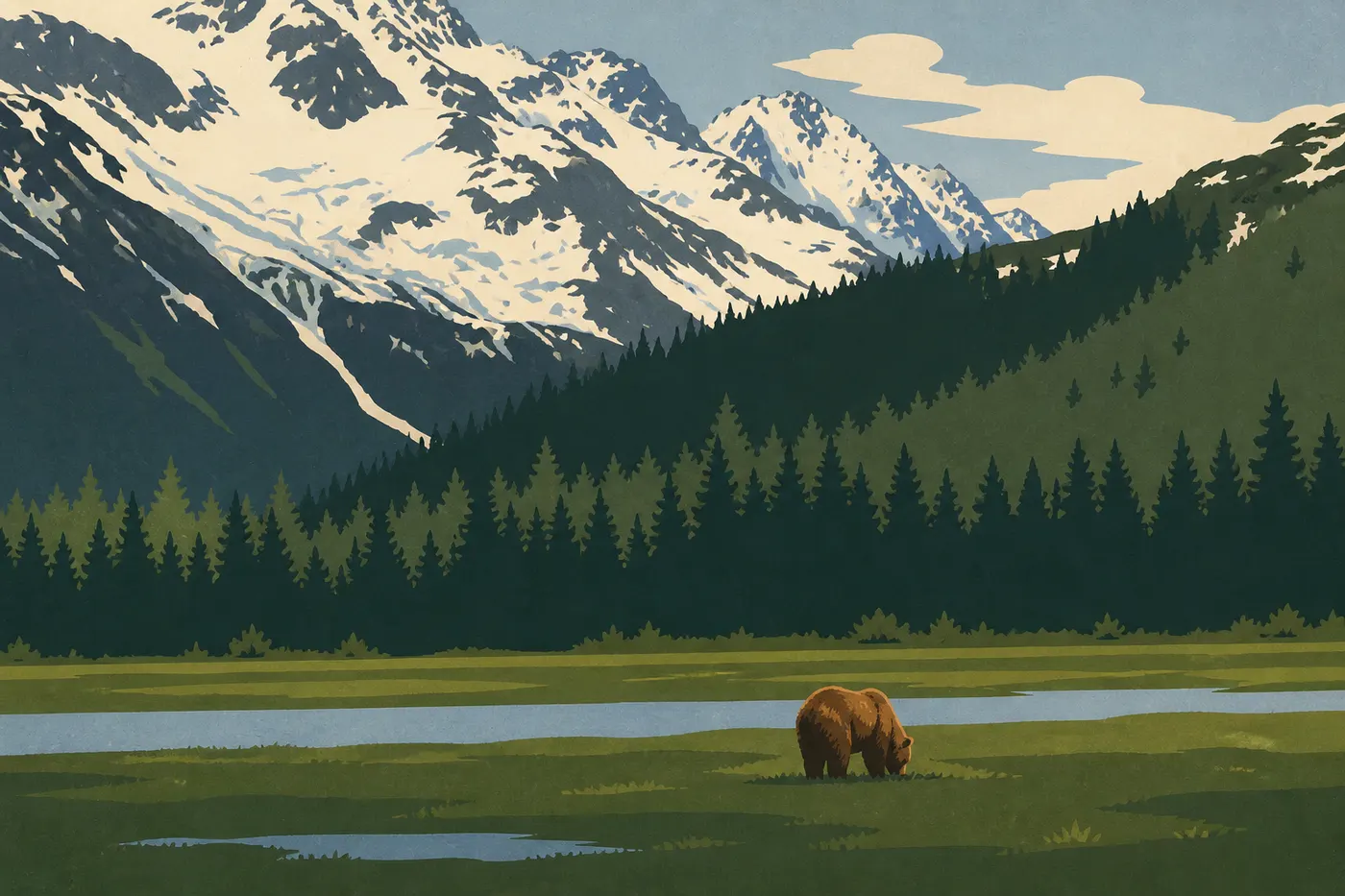
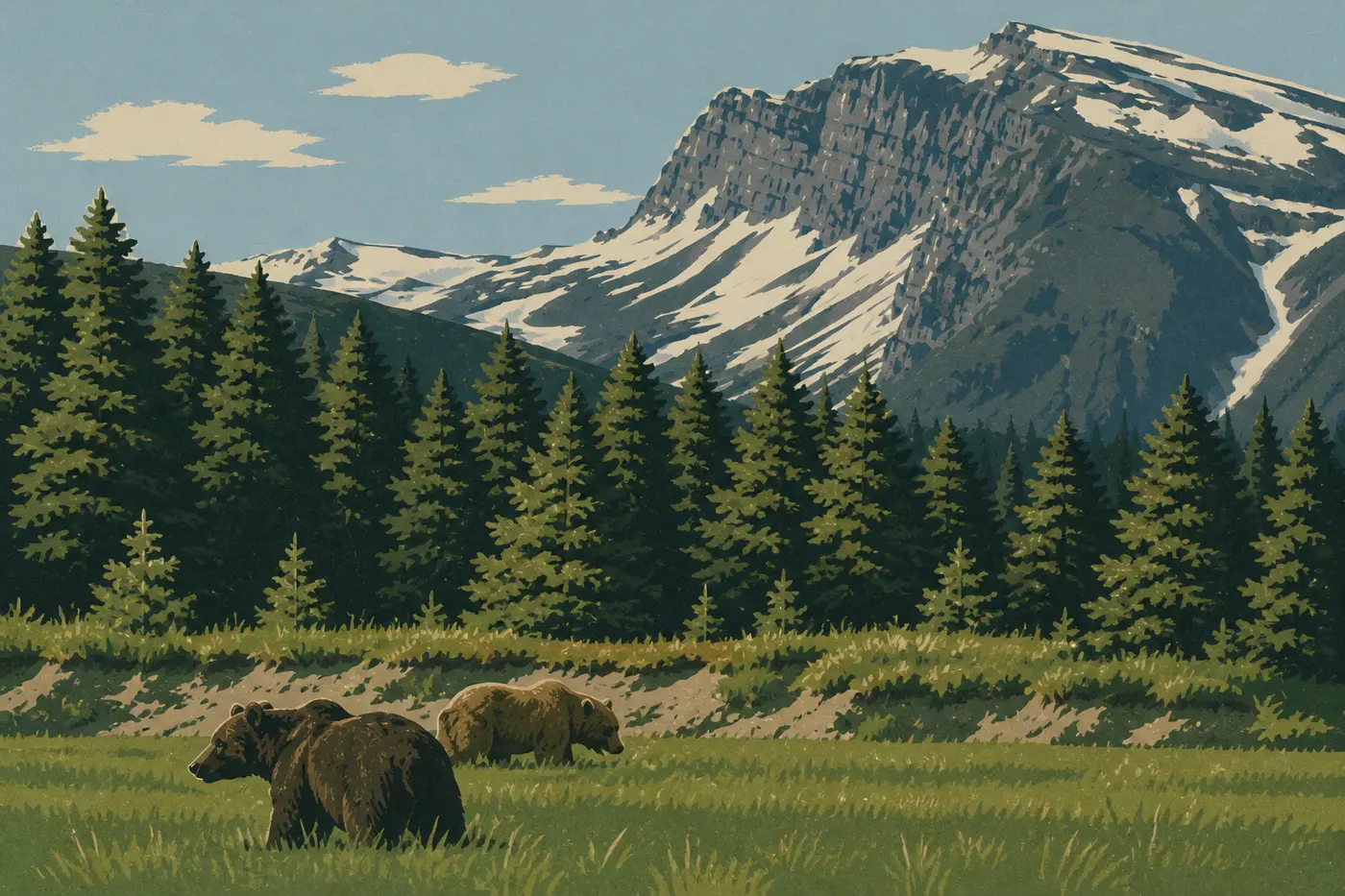
Lake Clark's brown bears are a coastal subspecies. Thanks to a salmon-rich diet, with five species running up the park's rivers, adult males can weigh 660 to 770 pounds in the fall, just before hibernation. You'll find them mainly along the coast from July through October, near salmon streams. Silver Salmon Creek is the park's signature spot for this species. On our last visit, I counted eight brown bears along less than 1,640 feet of shoreline in 1.5 hours. You can get there by bush plane from Anchorage or Homer, and several local lodges offer two- to three-hour guided outings.
Caribou
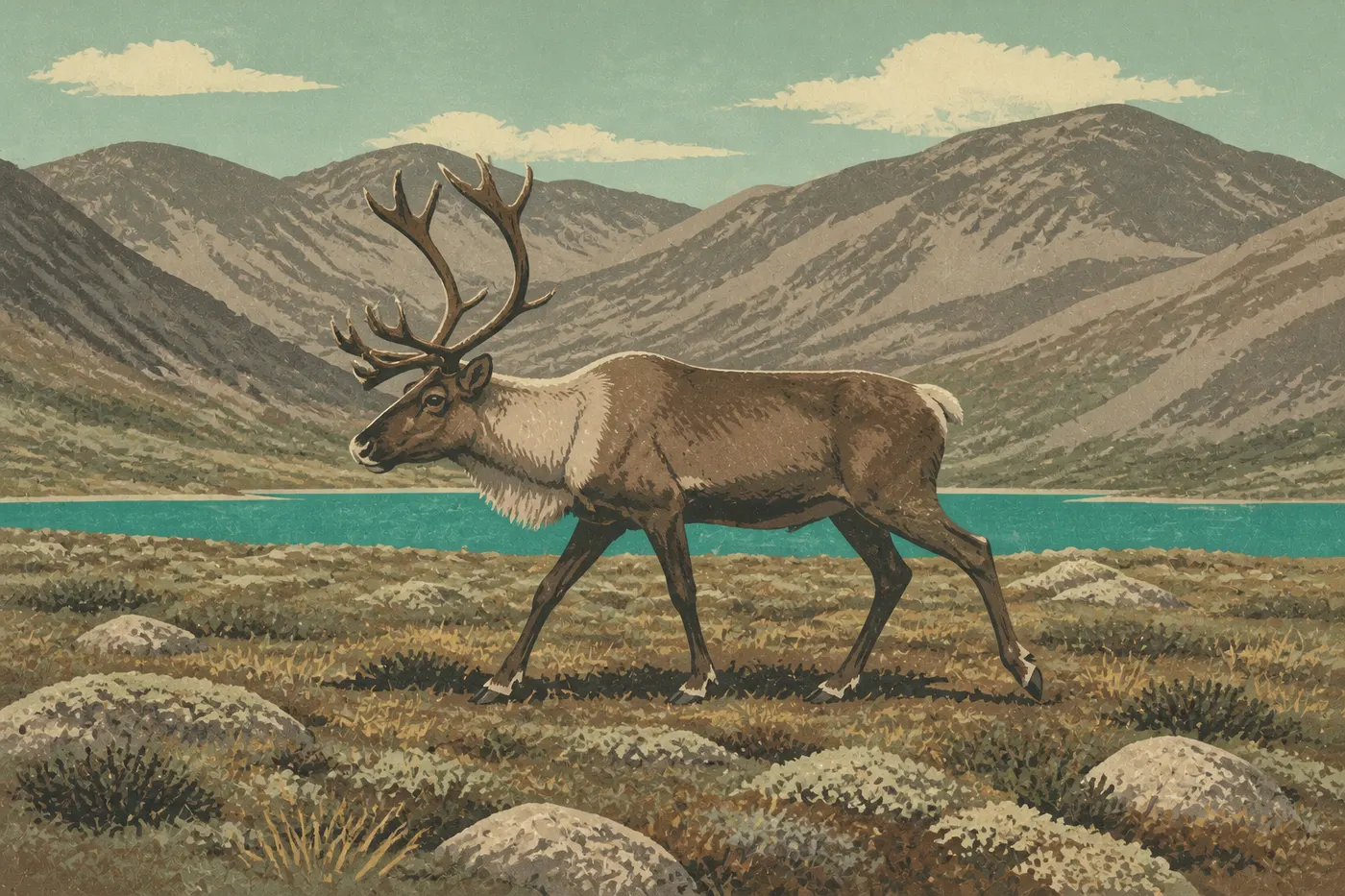
Lake Clark is home to several caribou herds that migrate between the coast and the high country of the Chigmit Mountains as the seasons change. In summer, the herds move into alpine areas to escape insects. Swarms of mosquitoes and horseflies are particularly aggressive in the park's damp interior. In fall, the caribou come back down toward the lowlands and open valleys. You'll find them mostly in the central backcountry, across the tundra. The most reliable way to encounter them is from a bush plane or on a multi-day trek.
Gray Wolf
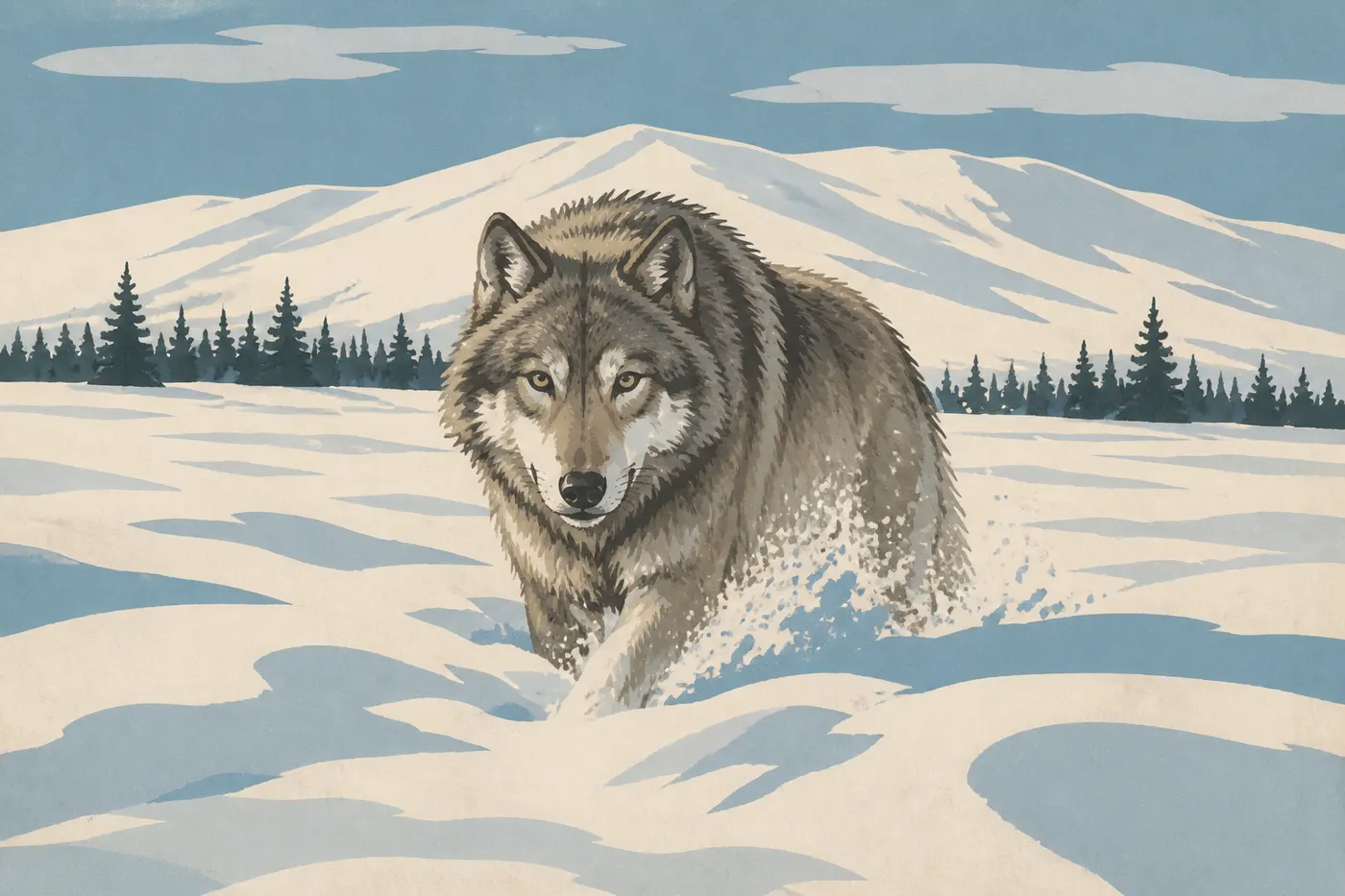
Gray wolf packs live in the park's interior and follow the caribou herds through their seasonal movements. You'll rarely see them on foot. They avoid people and cover huge distances. Most sightings come from bush planes flying over the valleys. Wolves are present throughout the backcountry, especially in the Tlikakila River valley in spring.
Harbor Seal
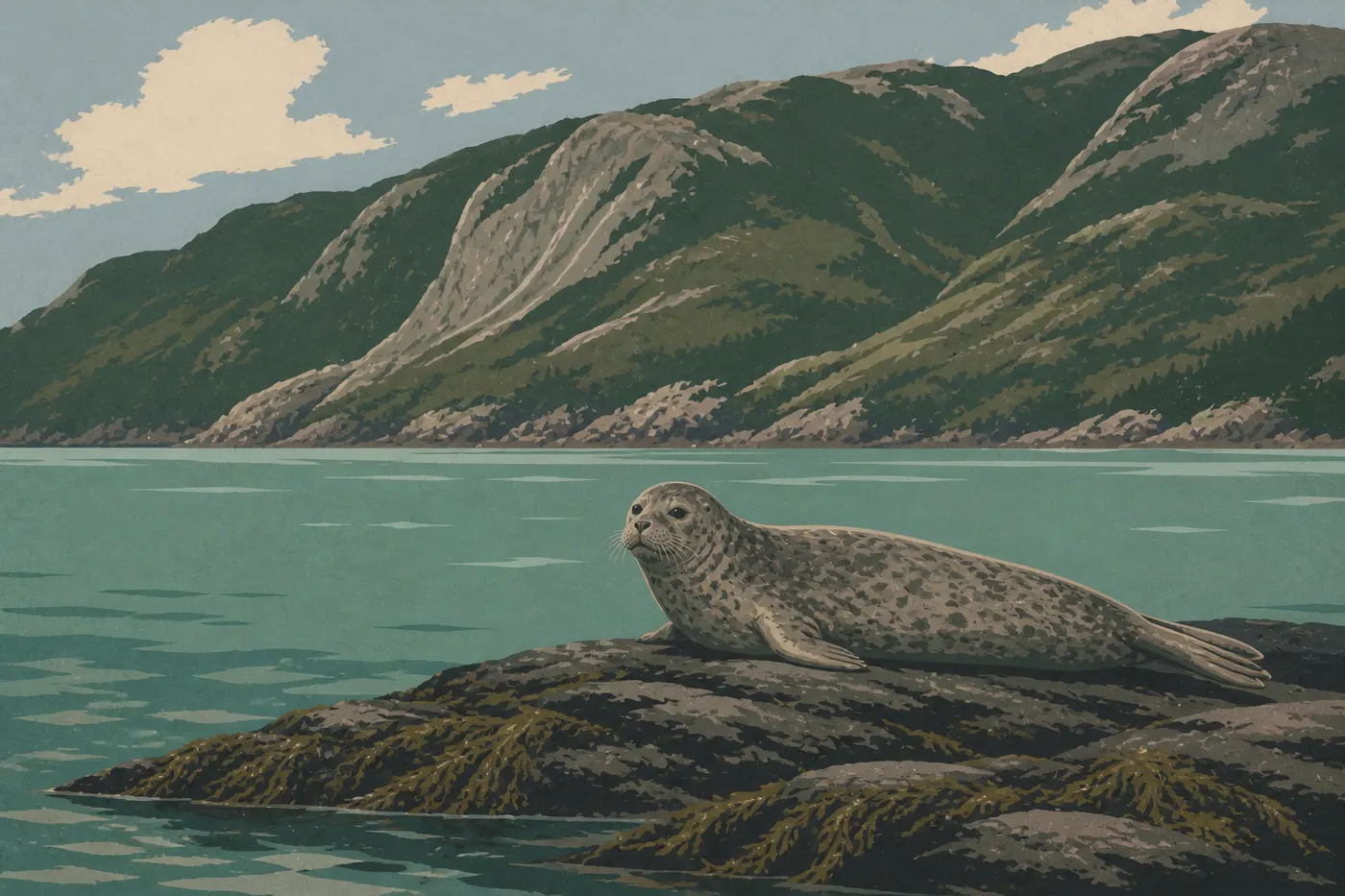
Harbor seals are among the most accessible marine mammals along the Lake Clark coast. They rest on rocks and gravel beaches, often in groups. You'll find plenty around Chinitna Bay. They're calm and will tolerate a slow approach by kayak as long as you keep a reasonable distance (see the safety section below). Don't confuse them with bearded seals, which are larger, have squarer muzzles, and also live in Cook Inlet.
Orca
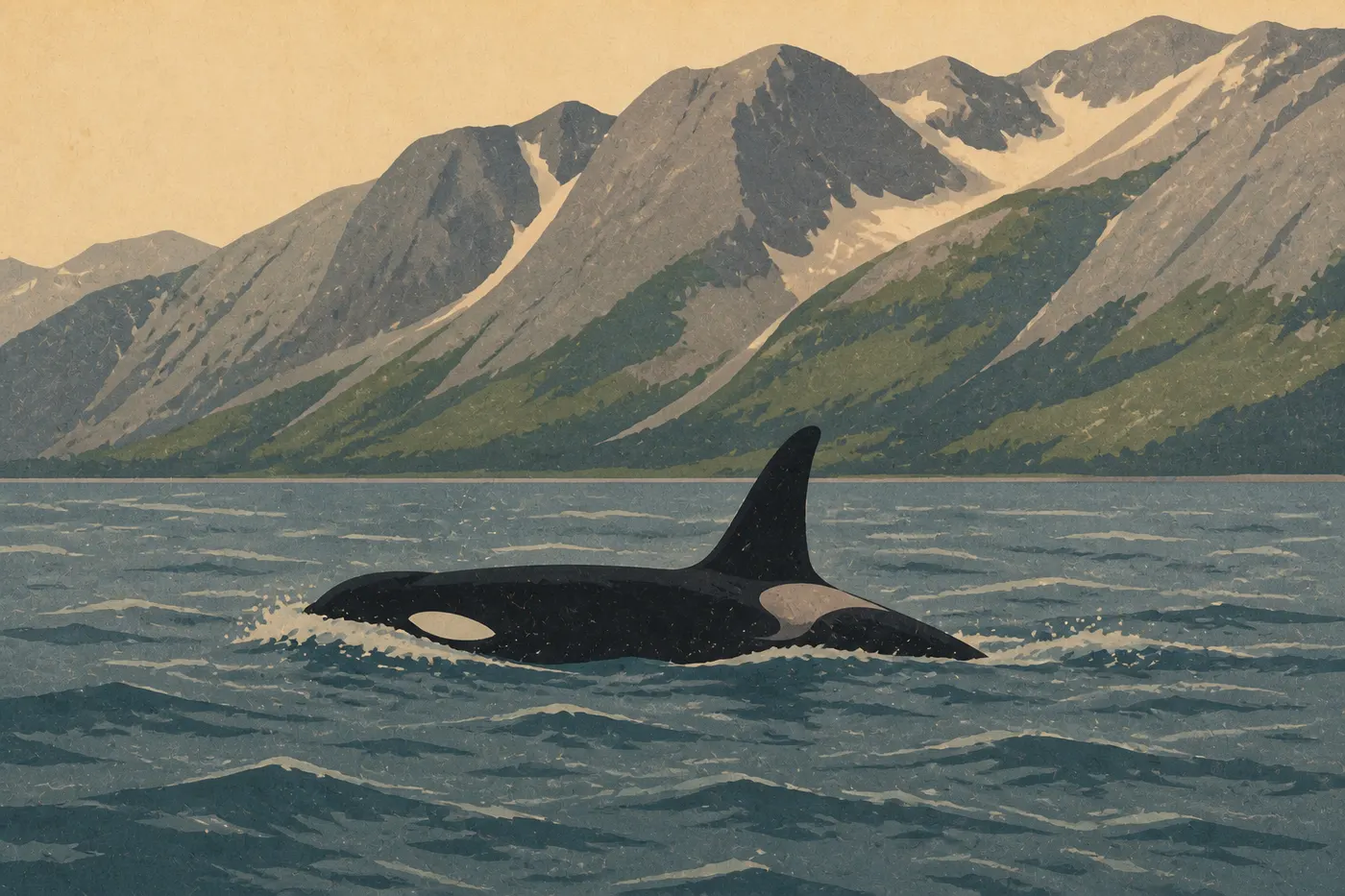
Orcas travel through the waters of Cook Inlet along the park's edge, mostly from May through September. Two ecotypes coexist in the region: residents, which eat fish, mainly salmon, and transients, which hunt marine mammals, including seals and otters. Boat tours from Homer or Kenai can take you to these waters. Sightings are unpredictable, but a guide familiar with the salmon fishing areas can significantly improve your chances.
Telling Black Bears and Brown Bears Apart at Lake Clark
Black bears are far less common than brown bears at Lake Clark, but they live in the interior forests. To tell the two species apart in the field, look for the brown bear's prominent shoulder hump, which black bears lack, its concave facial profile, and its long, light-colored front claws, 2 to 3 inches long. Black bears have a straight facial profile, more pointed ears, and short, dark claws. Knowing the difference matters in an encounter because the recommended response varies by species.
Where to See Wildlife in the Park
Lake Clark's geography means you need to choose your terrain before you arrive. The coast and the interior offer completely different landscapes and wildlife.
Cook Inlet Coast (Silver Salmon Creek, Chinitna Bay): brown bears, harbor seals, sea otters, bald eagles, and snow geese. Access is by bush plane only, about 45 minutes from Homer. The salmon run, from July through September, is the best time to see bears.
Tlikakila River Valley and Central Backcountry: caribou, wolves, river otters, and American martens. Access is by bush plane or helicopter only. This area is for experienced trekkers with a full backcountry camping setup.
Port Alsworth and Surrounding Area: moose in wetlands, bald eagles around the lakes, and beavers along the streams. It's the park's only permanent community. A few lodges there arrange family-friendly wildlife outings.
Cook Inlet Waters (by boat from Homer): orcas, beluga whales, porpoises, and sea otters. These trips technically take place outside the park, but within the ecosystem's direct sphere of influence.
The hikes starting in Port Alsworth let you explore the interior wildlife on foot.
When to See Wildlife
Summer (June through August): peak wildlife-viewing season. Bears fish for salmon along the coast, caribou move into the high country, and migratory birds nest throughout the park. Around the summer solstice, daylight lasts up to 19 hours, giving you long windows for wildlife viewing.
Fall (September through October): a second peak for brown bears as they enter an intense hyperphagia phase before hibernation. The tundra turns red and orange. Wolves move closer to caribou herds migrating toward the lowlands.
Winter and Spring (November through May): the park stays open 24 hours a day year-round, but visitor services are almost nonexistent from Labor Day, in early September, through Memorial Day, in late May. The lakes freeze in November and thaw in April. Flights then require skis rather than floats. For month-by-month conditions, see our Lake Clark seasons guide.
Dawn and Dusk: land mammals are generally easiest to spot early in the morning and late in the afternoon, when the light is low and animals are active. Wolves and lynx, however, may move at night, especially in summer when the nights stay bright. Beavers are naturally crepuscular, so look for them in the evening along quiet streams near Port Alsworth.
Predators and Large Animals in the Park
The brown bear is the park's largest land predator. A coastal adult male can weigh up to 770 pounds. The gray wolf is the other notable land predator. Its packs regulate caribou populations by selectively preying on weakened animals. Canada lynx live in the interior forests, but they hunt at night and are almost never seen. The bald eagle is the park's most common aerial predator. You'll see them along nearly every salmon stream and lake shore.
The moose is the park's largest ungulate. Adult males can weigh more than 1,300 pounds and carry antlers with a 6-foot span. You'll find them in wetlands and stands of aspen, especially at lower elevations around Port Alsworth.
In the water, the orca is Cook Inlet's top predator. Transient orcas hunt seals and sea otters in coordinated groups.
Staying Safe While Watching Wildlife
Lake Clark has no fences or developed passages, and brown bears are numerous along the coast. A few practical rules apply.
Official minimum distances (NPS): 165 feet from all land mammals, including bears, moose, caribou, and wolves; 330 feet if a mother bear has cubs. If an animal changes its behavior because of your presence, you're too close.
Bear spray: carry an EPA-certified spray with at least 8 ounces of capsaicin. Keep it accessible on your belt, not buried in your pack. Practice drawing it before heading out.
Food storage: secure all food in an approved bear canister or in the lockers provided at lodges. A bear that gets used to human food eventually gets put down. Your actions directly affect its survival.
If you encounter a brown bear: speak calmly, make yourself look larger, and back away slowly without running. A bluff charge is common. If the bear attacks physically, play dead in a fetal position with your hands protecting your neck. With a black bear, do the opposite and fight back aggressively.
On the coast and in a kayak: stay at least 330 feet from resting seals and sea lions. Don't pass between a group and the shore, or you could trigger a stampede into the water.
The complete Lake Clark guide explains the park's applicable protocols, including how to manage a backcountry camp in bear country.
In Short: Which Species to Look For and Where to Find Them
Five species, five areas. Brown bear: Cook Inlet coast and Silver Salmon Creek, July through October. Caribou: central backcountry and tundra valleys, summer and fall. Gray wolf: park interior, best viewed from a plane. Harbor seal: Chinitna Bay and coastal rocks, throughout the summer season. Orca: Cook Inlet waters by boat, May through September. Also look for moose around Port Alsworth, bald eagles along every salmon stream, and beluga whales in the northern part of Cook Inlet in summer.
For the full logistical picture, including how to get there and where to stay, our complete Lake Clark guide is the best place to start.
Frequently Asked Questions
Are there wolves in Lake Clark National Park?
Yes. Gray wolf packs live in the park's interior, especially in backcountry valleys. They follow caribou herds during seasonal migrations. Seeing them on foot is difficult. Most reported sightings come from pilots and guides in bush planes.
What animals live in Alaska, and at Lake Clark in particular?
Lake Clark is home to iconic coastal and interior Alaska species: brown bear, black bear, gray wolf, moose, caribou, Canada lynx, river otter, beaver, bald eagle, and, in its waters, harbor seal, sea otter, orca, and beluga whale.
Which marine animals can you see in Alaska around Lake Clark?
Along the Cook Inlet coast in the Lake Clark area, you may see harbor seals, sea otters, orcas, beluga whales, and harbor porpoises. Belugas are regularly reported in the northern part of Cook Inlet in summer. Orcas are more common in the southern part around Homer and Kenai and are most visible from May through September.
What animals hunt in Alaska at Lake Clark?
The park's active predators include brown bears, which hunt salmon and small mammals and eat berries; gray wolves, which hunt caribou, beavers, and snowshoe hares; Canada lynx, which hunt snowshoe hares mainly at night; orcas, which hunt seals, otters, and salmon depending on the ecotype; and bald eagles, which take fish and ducks. Brown bears are the most frequently observed predators. Wolves are present but elusive.