
When to Visit Lake Clark: Best Times, Seasons, and Month-by-Month Guide
You can't just wing a trip to Lake Clark. You can reach this wild corner of southern Alaska only by plane or boat from Anchorage, with flights taking one to two hours depending on the area. Serious planning matters, and the first decision is when to go.
The best time to visit Lake Clark is July and August, when brown bears gather as the salmon run peaks and every service is operating. Early June and mid-September offer a good balance of solitude and conditions if you're willing to accept a little more weather uncertainty.
Lake Clark Weather Month by Month
Lake Clark has two very different climates. The coast, around Lake Clark Bay and Chinitna Bay on the Pacific side, is wet and cloudy, with maritime influence keeping temperatures mild. The interior, around Port Alsworth and the larger lakes, gets two to four times less precipitation but sees much wider temperature swings, with warm summers and genuinely cold winters.
Frost and snow can occur anywhere in the park at any time of year, although they are most common from September through early June. The lakes freeze in November and don't thaw until April.
| Month | High (interior, approx.) | High (coast, approx.) | Overall feel |
|---|---|---|---|
| January | 14 to 23°F | 27 to 34°F | Long nights, ice, snow |
| February | 16 to 27°F | 28 to 36°F | Cold, little daylight |
| March | 25 to 37°F | 32 to 39°F | Days getting longer |
| April | 36 to 46°F | 37 to 46°F | Thaw, wildlife returning |
| May | 46 to 57°F | 45 to 54°F | Tundra waking up, migrating birds |
| June | 55 to 66°F | 50 to 59°F | Midnight sun, nature in overdrive |
| July | 61 to 72°F | 54 to 63°F | Peak season, salmon, bears |
| August | 57 to 68°F | 52 to 61°F | Peak wildlife, first fall colors |
| September | 43 to 55°F | 45 to 54°F | Crimson tundra, season winding down |
| October | 30 to 43°F | 36 to 45°F | Cold, services closing |
| November | 18 to 28°F | 28 to 36°F | Lakes freezing, winter settling in |
| December | 10 to 23°F | 27 to 34°F | Mostly darkness, deep freeze |
For real-time forecasts and detailed temperature and precipitation charts, see the Lake Clark weather page.
Lake Clark in January
January is the darkest and coldest month of the year. Interior temperatures commonly drop below -4°F, and daylight shrinks to just a few hours. No visitor services are available, and flights from Anchorage are extremely limited. The park remains accessible, but only for fully self-sufficient, highly experienced expedition travelers. Clear nights offer excellent conditions for viewing the northern lights.
Lake Clark in February
February is much like January: deep freeze, little daylight, no services, and lakes locked in solid ice. The days do begin to lengthen noticeably toward the end of the month. A handful of specialized photographers venture in to capture winter light skimming across the snow-covered peaks. You need to be completely self-sufficient.
Lake Clark in March
Days lengthen sharply in March, and the light returns. Interior temperatures remain below freezing, ranging from 9 to 30°F, but the cold is less biting than in January. A few backcountry skiers and snowshoers start taking an interest in the park. Visitor services remain closed, and getting there requires fully self-sufficient logistics.
Lake Clark in April
The thaw gets underway. The lakes begin shedding their ice, and floatplanes gradually resume flights toward the end of the month. Bears emerge from their dens, and the first waves of migrating birds arrive. Interior temperatures rise to 43 to 46°F, but saturated ground makes some areas difficult to reach. Services remain very limited, so plan every logistical detail accordingly.
Lake Clark in May
May is the month when the park wakes up. The tundra turns green again, spring migration is in full swing, and the first lodges reopen toward the end of the month. Daylight stretches dramatically at this latitude. Visitor numbers are nearly nonexistent, making this an ideal window for birding in remarkable silence. Weather remains changeable, and some areas are still difficult to reach early in the month.
Lake Clark in June
June marks the start of peak season. Lodges are open, air operators run regular flights from Anchorage, and off-trail hiking becomes practical throughout the park. Around the solstice, night nearly disappears, so you can photograph at any hour without a flash. Nature explodes into life over just a few weeks, with the tundra putting on a spectacular floral display. Crowds remain moderate, making June one of the best windows for avoiding July's peak visitation.
Lake Clark in July
July is the benchmark month. Interior temperatures reach 61 to 72°F, rivers drop and create ideal conditions for fly-fishing, and the first sockeye salmon move upstream. Brown bears converge on fishing spots in impressive numbers. Every service is available. It's also the busiest month, and lodge rooms often sell out more than a year ahead for peak weeks.
Lake Clark in August
August is the month for wildlife. The coho and sockeye salmon runs are in full swing, drawing record concentrations of bears to the rivers. By mid-August, the tundra begins its spectacular transformation to gold and crimson, making landscape photography especially striking. Rainfall is highest this month, at around 2.6 inches, but it doesn't stop activities. The short nights gradually return.
Lake Clark in September
September delivers some of the park's most striking scenery, with the tundra completely red and orange. Bears remain highly active as they make their final preparations for hibernation. Crowds drop sharply after Labor Day in early September, and services do too, with lodges and air operators closing one after another. Expect cold mornings and possible frost from the start of the month, along with a short reliable window: the first two weeks are generally the safest bet.
Lake Clark in October
October marks the end of the season. Temperatures fall to 25 to 41°F, precipitation remains high, and the first snow settles in for good. Nearly all visitor services are closed. The lakes begin freezing late in the month, reducing floatplane access options. Only highly self-sufficient, experienced travelers should consider visiting at this time.
Lake Clark in November
November brings winter. The lakes gradually freeze, first reducing and then stopping floatplane operations. Interior temperatures fall below 14°F. No visitor services remain. The park enters its long winter season, accessible only with a full Arctic setup and serious experience in Alaskan conditions.
Lake Clark in December
December is the darkest month of the year at Lake Clark. Interior temperatures hover around 1 to 18°F, and night greatly outweighs day. No tourist services are operating. The park is technically open year-round, but visiting in December amounts to an independent expedition in extreme winter conditions. Clear nights do offer exceptional northern-lights viewing.
Lake Clark Season by Season
Winter (November to March): The Park Under Ice
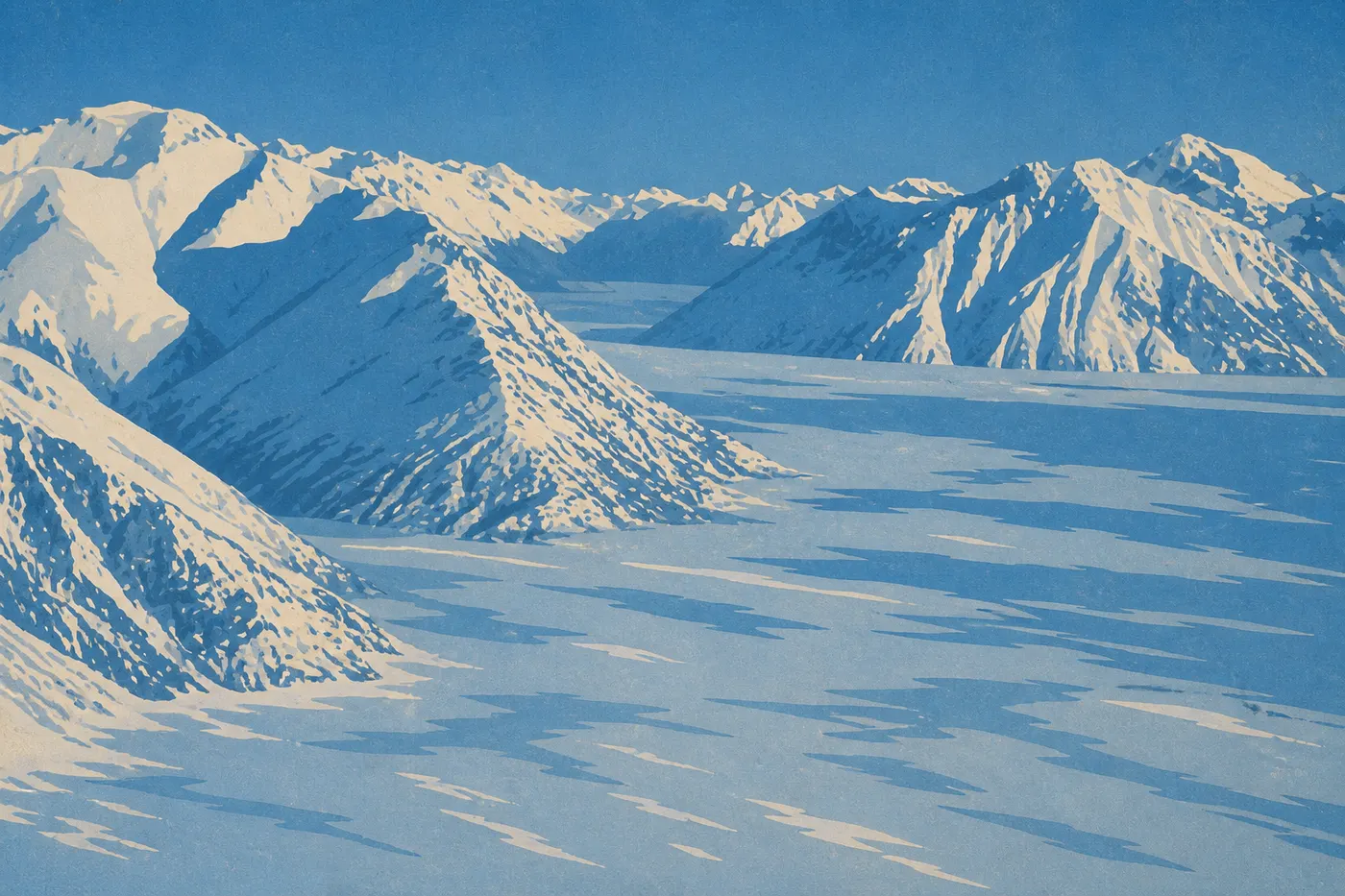
Winter in Lake Clark is a world unto itself. The lakes freeze in November and don't open up again until April. Interior temperatures regularly fall below -4°F. The park remains open around the clock year-round, but visitor services are almost nonexistent from Labor Day in early September through Memorial Day in late May.
In practical terms, most lodges close, flights from Anchorage become much less frequent, and daylight lasts only a few hours in December and January. Ice conditions determine whether planes land on skis or floats, which in turn drives the rest of the logistics.
This season mainly attracts seasoned photographers looking for northern lights and absolute quiet, along with a few expedition travelers equipped for cross-country skiing or snowshoeing. You need a complete self-sufficient setup.
Spring (April to May): A Gradual Awakening

April marks the beginning of the thaw. The lakes gradually open to floatplanes, bears emerge from their dens, and migrating birds arrive in waves. But saturated ground and cool temperatures make some areas difficult to reach, while services remain limited.
May is more inviting. Days lengthen noticeably at this latitude, the tundra comes back to life, and the first lodges reopen. Crowds remain very light, making this a good choice if you can accept unsettled weather. Birders are especially well rewarded: spring migration at Lake Clark is spectacular, with species rarely seen elsewhere.
Summer (June to August): Peak Season

This is when Lake Clark runs at full speed, and the main reason visitors make the 5,000-mile journey from overseas.
June brings an explosion of life. The tundra blooms, birds are still nesting, and snowmelt swells the rivers. Around the solstice, night nearly disappears, and clear nights let you photograph at any hour without a flash or tripod. Lodges are open, air operators are flying, and off-trail hikes become practical.
July is the benchmark month. Interior temperatures easily reach 64 to 68°F, rivers drop, creating ideal conditions for fly-fishing and calm-water rafting, and the first sockeye salmon move upstream. Brown bears converge on fishing spots and can be watched from surprisingly close range. During a July visit to Silver Salmon Creek, I counted seven bears in less than two hours, some fewer than 165 feet away. That kind of experience stays with you.
August is the month for wildlife viewing. The salmon run, mainly coho and sockeye, is in full swing, drawing record numbers of bears to the rivers. The vegetation changes at the same time: by mid-August, the tundra turns gold and crimson, and landscape photography becomes genuinely remarkable. The short nights gradually return.
Fall (September to Mid-October): Intense Color, a Fast-Ending Season
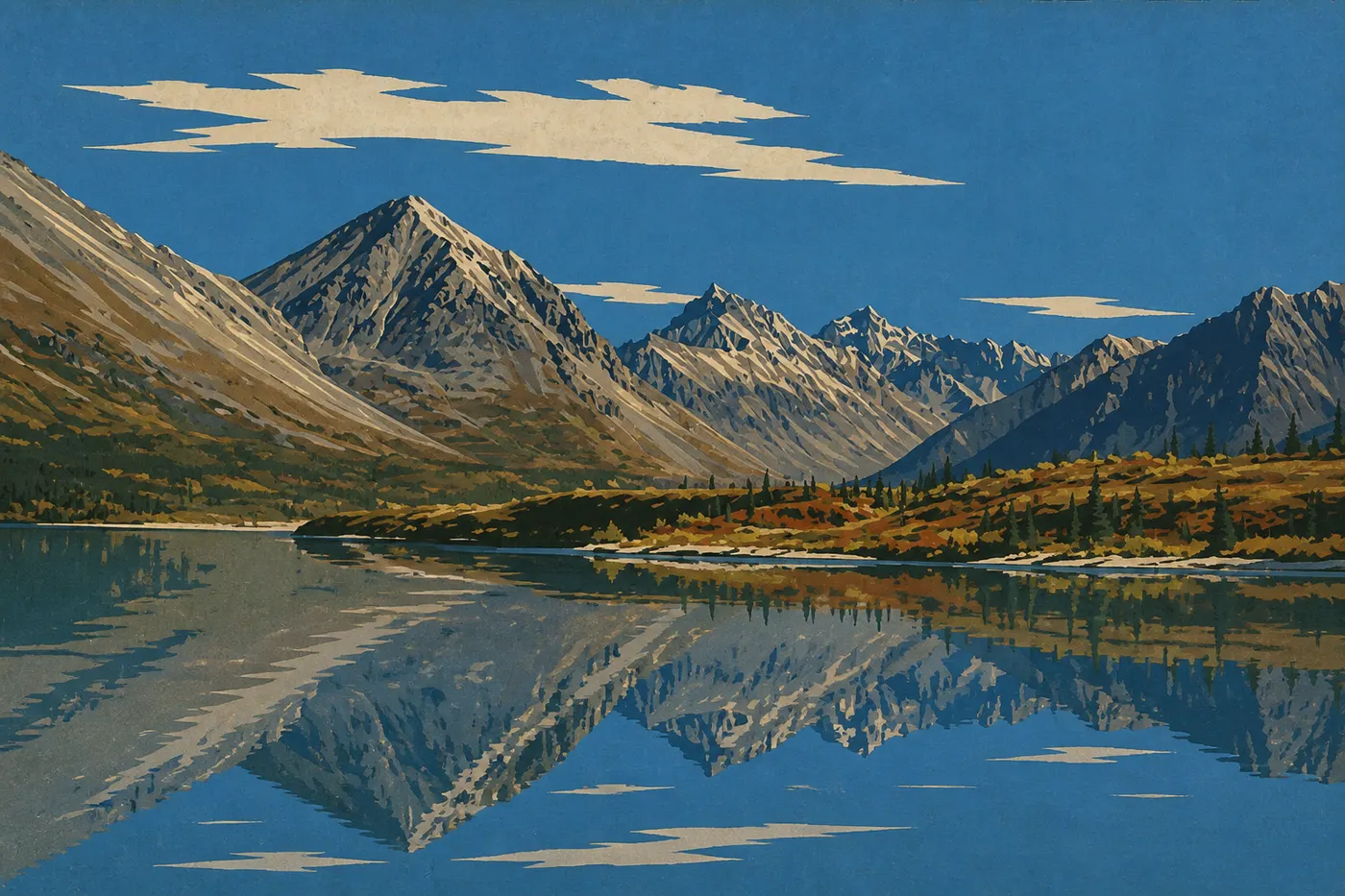
September delivers some of the park's most striking scenery. The tundra erupts in red and orange, bears make their final preparations for hibernation, and crowds drop sharply. Mornings are cold, with possible frost from the start of the month, but afternoons often remain pleasant.
Keep a close eye on the calendar. Starting on Labor Day, the first Monday in September, visitor services contract quickly. Lodges and air operators close one after another. By mid-October, snow settles in for good and the lakes begin freezing again. The useful window is short, typically the first two or three weeks of September.
Crowds: When to Avoid Them
Lake Clark remains one of the least-visited national parks in the United States. But "little visited" doesn't mean "easy to access." Flight and lodging capacity is structurally limited in a roadless park, creating real bottlenecks during peak season.
Visitors concentrate in July and August, with an absolute peak for bear viewing on salmon rivers, including Silver Salmon Creek, the Chilikadrotna River, and the Crescent Lake area. Lodge rooms for these weeks sell out months in advance, sometimes more than a year ahead at the most sought-after properties.
Three windows offer a quieter experience:
- Early June: nature waking up, almost no crowds, unsettled weather but endless daylight.
- Mid-August to early September: wildlife remains highly active, fall colors are beginning, and crowds are noticeably thinner.
- May: ideal for birding and spring scenery, with services still limited and something you'll need to plan around.
Best Time to Visit on a Budget
Lake Clark is expensive to reach, and that changes little from one season to the next. A light-plane or floatplane flight from Anchorage is the biggest expense, with prices fairly steady year-round.
Lodges, however, charge peak-season rates in July and August that can be twice as high as in June or September. If budget is a key part of your planning, the first half of June and the first two weeks of September offer significantly lower rates while still delivering a very high-quality experience.
One useful thing to know: Lake Clark has no entrance fee. Access to the park is free, which remains unusual among America's major national parks.
To compare lodging options and seasonal price ranges, the Lake Clark lodging section breaks down the options by type and season. The Hotels & Lodges and Camping pages complete the picture based on your travel style.
When to Go Based on Your Priorities
| Priority | Best time |
|---|---|
| Bear viewing | July to mid-August (peak salmon run) |
| Fly-fishing | July-August (low rivers, salmon) |
| Off-trail hiking | June to mid-September |
| Wildlife photography | August (bears and salmon in peak numbers) |
| Landscape photography | September (fall colors) or June (night light) |
| Birding | May-June (migration and nesting) |
| Family trip | July (most reliable weather, all services open) |
| Budget travel | Early June or early September |
| Avoiding crowds | May or after September 15 |
For detailed activity planning, our Hiking, Wildlife, and Things to Do pages give you a complete picture of what the park offers in each season. Families will find tailored advice in With Kids. To organize your trip from start to finish, the complete Lake Clark guide is the natural starting point.
In Summary: The Best Time for Your Priorities
July and August remain the reliable choice for visiting Lake Clark, with ideal weather, wildlife at peak activity, and every service available. June works especially well if you're looking for solitude or want to experience the midnight sun. September brings the park's most spectacular colors, but the season ends quickly.
Winter and early spring are reserved for self-sufficient expeditions and highly experienced travelers.
For everything related to access logistics, including flights from Anchorage, air operators, and arrangements on the ground, the Lake Clark access guide is essential reading before you book anything.
The Worst Time to Visit Lake Clark
The least suitable period for a conventional visit runs from November through March. Interior temperatures fall below -4°F, the lakes remain frozen, lodges close, and flights shrink to a handful of specialized operations. Daylight lasts no more than five hours in December and January. This isn't an impossible time to visit, but it requires total self-sufficiency, a full Arctic setup, and serious experience in Alaska's winter conditions.
During peak season, mosquitoes are the main nuisance from June through July, especially in wet tundra and marshy areas. They won't make the park impassable, but you should account for them when packing. A head net, lightweight covering layers, and effective repellent are enough to make them manageable.
Frequently Asked Questions
What is the best time to visit Lake Clark?
The best time to visit Lake Clark National Park runs from mid-June to mid-September, with July and August offering the peak season for bears and salmon. Weather is at its mildest then, and all services are operating.
When is peak season at Lake Clark?
Peak season runs from late June through late August. July and August draw the vast majority of visitors, especially for bear viewing on salmon rivers. Lodge rooms often sell out months ahead, and sometimes more than a year ahead for the most popular accommodations.
Is the park open year-round, including December?
Yes, Lake Clark National Park is open year-round, around the clock. But visitor services, including lodges, commercial air operators, and on-site rangers, are almost nonexistent from Labor Day in early September through Memorial Day in late May. Visiting the park in December amounts to an independent expedition in extreme winter conditions.
Can you visit Lake Clark in winter?
Yes, but only with complete self-sufficiency and a full Arctic setup. Access remains possible by private flights or on skis, depending on ice conditions, with no tourist services available. This option suits experienced expedition travelers, photographers specializing in the northern lights, and backcountry skiers.
Which month has the fewest visitors?
Among the months when the park is genuinely practical for an inexperienced visitor, May and the first weeks of June see the fewest people, with services just beginning to come online. The winter months from December through March are even quieter, but inaccessible without specialized equipment and experience.
How long do you need to visit Lake Clark?
A three- to five-day stay is the minimum for making the most of the park. Our Itinerary & Trip Length page explains the options based on your available time and level of self-sufficiency.
How much does a trip to Lake Clark cost?
The park is free to enter. Your main expenses will be the flight from Anchorage and lodge accommodations. Our Where to Stay page breaks down price ranges by lodging type and season.
When is the best time to visit Alaska?
For most visitors, the best time to visit Alaska is between June and August. For the northern lights, aim for September through March. For Lake Clark specifically, July and August remain the safest bet across priorities.