
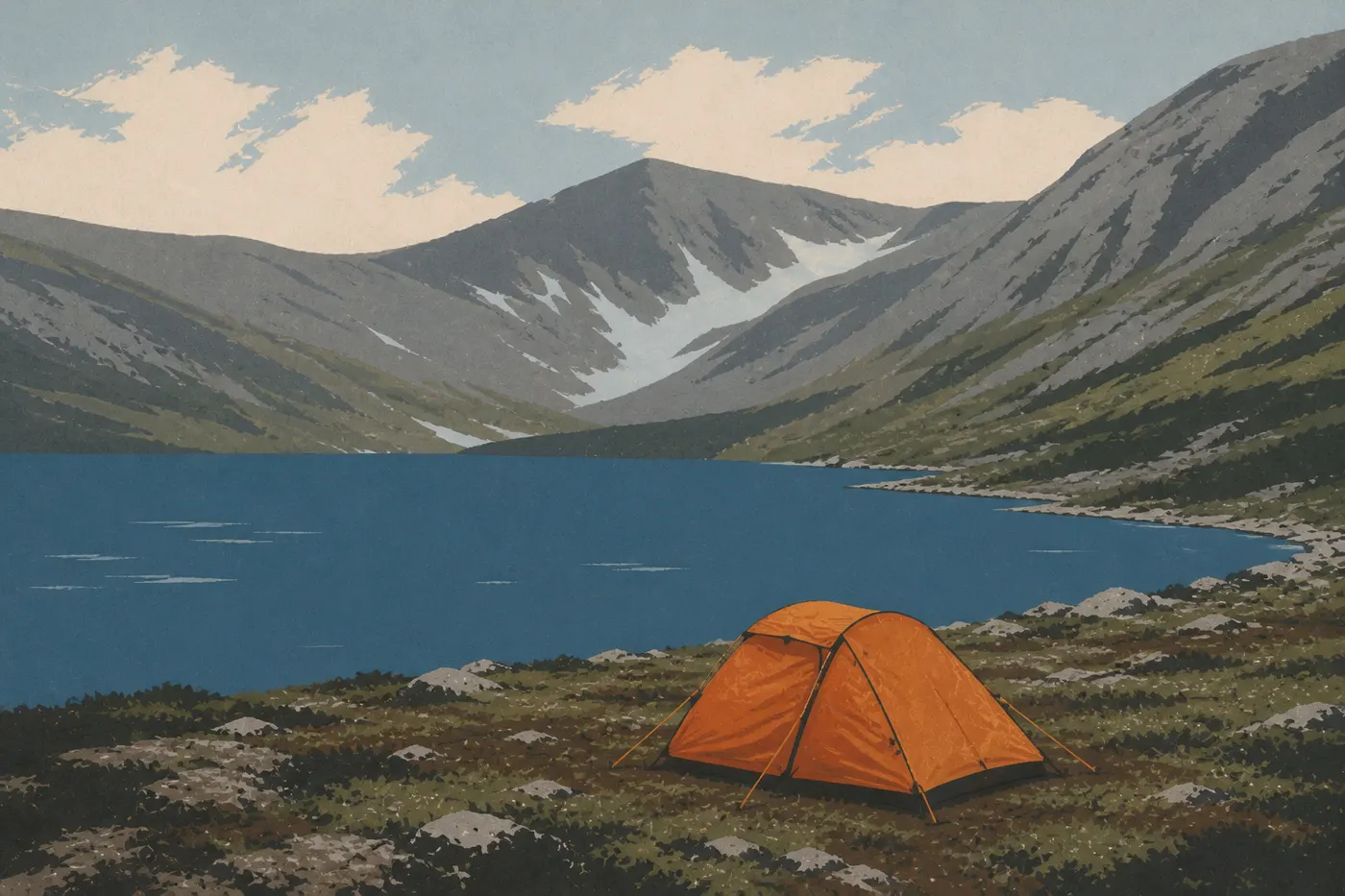
Camping in Lake Clark: 1 NPS cabin, backcountry camping, and floatplane access
Lake Clark is one of the few U.S. national parks without a road connection. Most visitors camp in true wilderness, pitching a tent on the tundra, beside a glacial lake, or at the edge of a boreal forest. The NPS manages just one structure in the park: the NPS Priest Rock Public Use Cabin. It has no numbered campsites, and the NPS does not publish details about its amenities, but it stays open year-round depending on ice conditions on Lake Clark. The table above summarizes the available information at a glance.
The short answer: yes, you can camp in Lake Clark. Backcountry camping is free, with no reservations or fees. The park's only NPS structure is the NPS Priest Rock Public Use Cabin, accessible depending on lake ice conditions. A charter flight from Anchorage remains the main expense.
Campgrounds in the park (1)
- Campground NPS Priest Rock Public Use Cabin see NPS · 0 sites Directions ↗
 Base map © OpenStreetMap · © CARTO
 Lake Clark campgrounds by the numbers
1 official campgrounds inside the park, 0 campsites in total, 0 of them reservable.
| Campground | Sites | Booking | Fee / night | Open | Amenities |
|---|---|---|---|---|---|
| NPS Priest Rock Public Use Cabin | Year round |
Source: National Park Service (NPS API), retrieved October 6, 2026. Fees and dates change: check the campground page before you go.
Can you camp inside Lake Clark National Park?
Yes, and it's the only way to stay in the park. Lake Clark has no developed campground with numbered sites and no roads. You can reach it only by plane, either a floatplane or a wheeled aircraft depending on the season and destination, or by boat from Anchorage in one to two hours by air.
Backcountry camping is allowed across almost the entire park. The rules are simple. Follow Leave No Trace principles, leave no trash behind, and never build a fire in restricted areas. Port Alsworth, the only village inside the park, is home to the NPS visitor center, open from June through early September. It's the only place where you can get current information directly from rangers.
Camping options in Lake Clark
The NPS lists one managed structure in the park: the NPS Priest Rock Public Use Cabin. It has no campsites in the traditional sense, with zero sites recorded by the NPS, and its amenities are not published. The rest of the park, more than 6,200 square miles, is open to free backcountry camping, with no permit or fee in most areas. The table above gathers the available information about the cabin.
Camping in Port Alsworth
Port Alsworth is the only part of the park with a permanent human presence. Rangers provide maps and advice, report current conditions, and answer questions about wildlife. A few informal backcountry sites are located nearby. For a first trip to Lake Clark, starting here gives you a chance to get your bearings before heading deeper into the park. The NPS Priest Rock Public Use Cabin, the park's only NPS structure, is separate from Port Alsworth. The table's entry explains where it is and how to reach it.
Backcountry camping elsewhere in the park
Outside Port Alsworth, you're in true wilderness. The park has two distinct environments:
The coast: wetter, with mild summer temperatures averaging 50 to 59°F. Fjords and lakes offer spectacular backcountry sites, but rain is common. A properly waterproofed tent is essential.
The interior: drier, with warmer summers reaching 77°F in good weather and much harsher winters. Alpine tundra, glacial valleys, and peaks of the Alaska Range. This is terrain for experienced, self-sufficient travelers.
The lakes freeze in November and don't thaw until April. That schedule directly determines what kind of aircraft can land: a floatplane on open water in summer, or a ski plane in winter.
RV camping in Lake Clark: a simple answer
No roads lead to Lake Clark. RVs and motorhomes can't access the park. If you're planning an Alaska road trip in a camper, visit Lake Clark on a flightseeing trip from Anchorage, whether you're staying for one night in the backcountry or a week. Our RV camping page covers RV routes in Alaska's parks connected to the road network.
Backcountry camping and wilderness camping
You don't need a permit for backcountry camping in most of the park. It's still a good idea to notify the NPS of your arrival, either through the Port Alsworth visitor center or by phone before you leave, for safety reasons.
Four practical things to take care of before you go:
- Bear canisters: required in some areas and essential everywhere. Cook at least 200 feet from your tent, no exceptions.
- Campfires: allowed on gravel beaches and in certain tundra areas, prohibited elsewhere. Always check the latest restrictions on the NPS website before leaving town.
- Water: filter or purify every water source before drinking.
- Communication: there is no cell service in the park. A satellite device such as an inReach, SPOT, or equivalent is a necessity, not a luxury.
Our hiking page covers the park's multi-day trekking routes and best-documented backcountry camping areas.
How and when should you book camping in Lake Clark?
There's nothing to reserve for backcountry camping. You arrive, choose a site, and pitch your tent. For the NPS Priest Rock Public Use Cabin, the NPS has not published the reservation process. The table above and the cabin's official listing are the best places to start looking for that information.
The first logistical priority is your flight. Charter operators work around weather windows, and cancellations are common. Always build in a one- or two-day buffer on both the outbound and return legs.
The main backcountry camping season runs from June through early September. That's the only period accessible to most campers. The NPS Priest Rock Public Use Cabin remains open year-round, in spring and fall when Lake Clark is free of ice, and in winter when the ice is solid enough for travel. Outside June through September, NPS services are suspended, and the park is suitable only for visitors with solid winter-wilderness experience.
To choose the right time based on weather and wildlife activity, including the July and August salmon season and peak bear activity, our when to go page provides month-by-month guidance.
Costs: how much does a night of camping in Lake Clark cost?
There is no entrance fee for the park. Backcountry camping is free too, with no site fees and no paid permit for standard backcountry use. The NPS Priest Rock Public Use Cabin is also free according to the available information, although the NPS does not publish a rate, so check the official listing before you go. Your actual trip budget will be driven by the charter flight. Expect to pay several hundred dollars per person from Anchorage, depending on your destination in the park and the operator you choose. Our guide to charter flights from Anchorage lists the main providers and their typical price ranges.
Camping safety and best practices
Lake Clark is a wilderness park that demands serious preparation. Three points are non-negotiable:
Bears come first. The park is home to large numbers of brown bears (grizzlies) and black bears. In July and August, salmon runs draw grizzlies to certain rivers and streams. Don't camp within 200 feet of a riverbank during that period. Carry approved bear spray and know how to use it. Keep your campsite spotless. Never store food, trash, or scented items such as creams, toothpaste, or wipes near or inside your tent.
The weather can be unforgiving. Conditions on the coast can change within hours. A wind-resistant four-season tent, waterproof clothing, and two extra days of food in case your flight is delayed aren't optional.
No cell service. There is no cell coverage in the park. A satellite device is essential for alerting rescuers in an emergency and letting people at home know when you enter and leave the park. The main Lake Clark guide covers all current rules.
Which camping option fits your trip?
First wilderness trip: Port Alsworth and the surrounding area. Being close to the visitor center lets you get up-to-date advice and assess conditions before heading farther out.
Experienced, self-sufficient camper: the park's interior is drier, with the best summer conditions and more stable weather. The coast rewards patient travelers with spectacular scenery.
Families: Lake Clark is demanding. Our family travel page offers guidance for assessing whether it's feasible based on your children's ages.
NPS cabin (Priest Rock): the park's only NPS-managed structure, open year-round depending on lake conditions. It works for anyone looking for a roof in a park with no infrastructure. Its amenities aren't documented, so contact the Port Alsworth visitor center before you leave.
For anything beyond camping, including lodges, roofed accommodations, and day trips, the complete Lake Clark guide is the best starting point.
Frequently asked questions
Can you stay in Lake Clark National Park?
Yes. You can stay in Lake Clark by free backcountry camping or at the NPS Priest Rock Public Use Cabin, the park's only NPS-managed structure. A few private lodges operate in and around Port Alsworth. Our where to stay page lists all available lodging options in and around the park.
How do you get to Lake Clark, Alaska?
Lake Clark isn't accessible by road. You can reach it by charter flight, either a floatplane or a wheeled aircraft, from Anchorage, Homer, or Kenai in one to two hours. Our Access & transportation page lists operators and practical details for each departure point.
Is the NPS Priest Rock Public Use Cabin open year-round?
Yes. According to NPS information, the cabin is accessible year-round, in spring and fall when Lake Clark is free of ice, and in winter when the ice is thick enough for travel. The rate and reservation process aren't published. Check the official NPS listing or contact the Port Alsworth visitor center before you leave.
How large is Lake Clark National Park?
Lake Clark National Park covers about 6,300 square miles. Lake Clark itself, in the heart of the park, stretches for about 31 miles. Almost all of this territory is open to backcountry camping, with just one NPS-managed structure.
How do you get to Port Alsworth, Alaska?
Port Alsworth, the only village inside the park, is accessible only by plane. Charter flights serve it from Anchorage and Homer throughout the summer season. No road or ferry provides access.