
Haleakalā Wildlife: What to See and Where to Look
Haleakalā brings together what makes Hawaiʻi unique: such extreme geographic isolation that nearly all of its native wildlife exists nowhere else on Earth. Five species capture the essentials. The nēnē (the Hawaiian goose and the state bird), which survived near-extinction in the 1950s. The Hawaiian petrel (ʻuaʻu), a seabird that nests in the walls of the volcanic crater. The pueo (an endemic owl), a rare daytime hunter. Honeycreepers such as the vivid red ʻʻiʻiwi, jewels of the Kīpahulu forest. And the Hawaiian hoary bat (ʻōpeʻapeʻa), the only native land mammal in the entire archipelago. This is a park with no bears, rattlesnakes, or big cats. The perceived danger is essentially nonexistent, but the biological rarity is extraordinary.
Haleakalā's Signature Animals
The Nēnē, Back from the Brink of Extinction
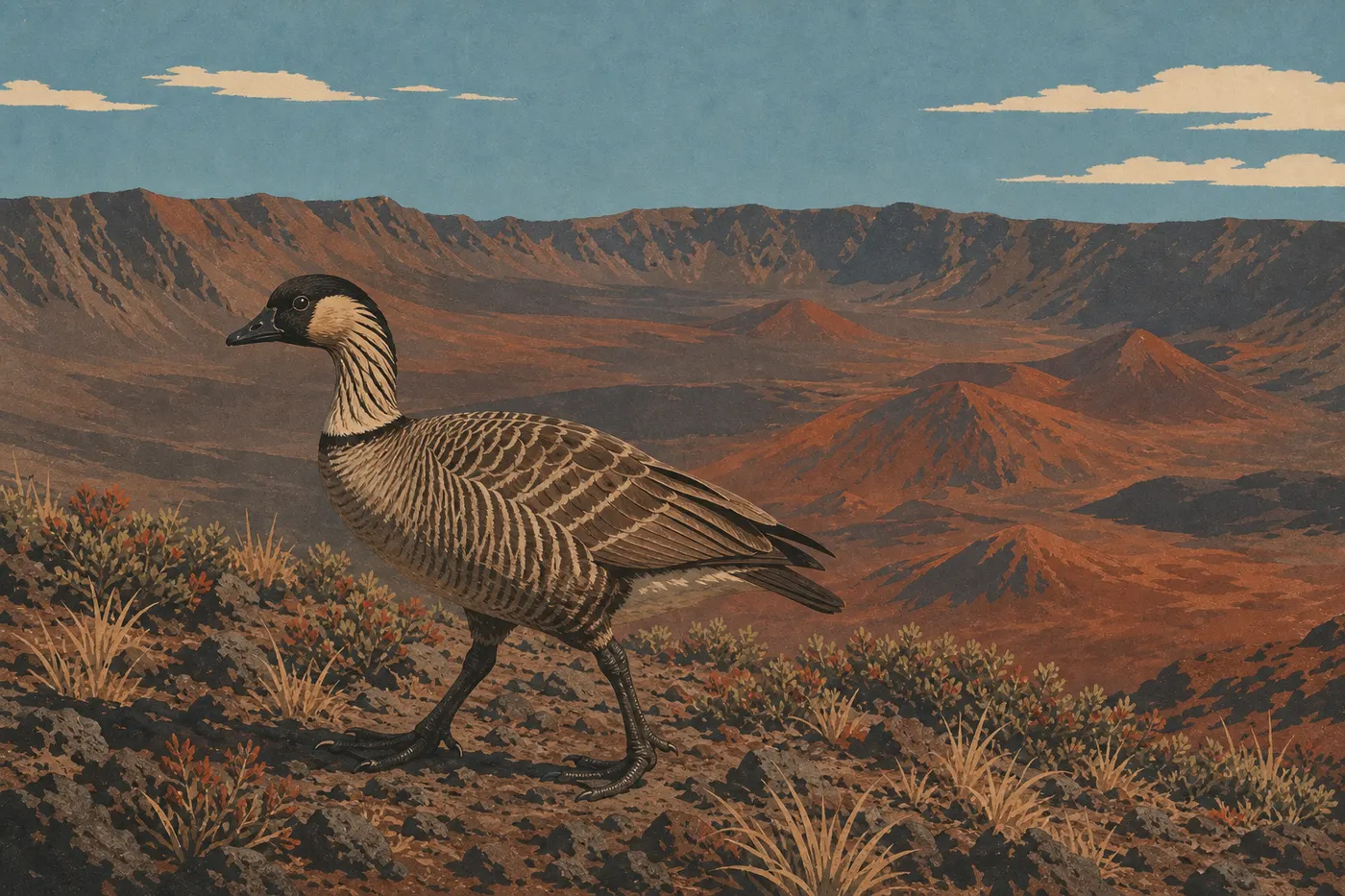
The nēnē (Branta sandvicensis) is Hawaiʻi's official state bird, and Haleakalā is one of the best places in the world to see it. Its story is remarkable. In the 1950s, only about 30 birds remained in the wild. An international conservation program involving captive breeding, gradual reintroductions, and control of introduced predators has brought the population back to several thousand birds today.
In appearance, it is a medium-sized goose with streaked brown plumage and a neck marked with black and cream. Its feet are distinctive: they are partially webbed, rather than fully webbed like those of its mainland relatives. Life on volcanic lava favored sturdier toes that are better suited to rough terrain. Its soft, nasal call, a repeated “nay-nay,” gave it its name.
You can often see nēnē near parking lots and picnic areas in the Summit District. When I visited the Haleakalā Visitor Center, I watched a pair calmly cross the parking area just six feet from the cars, without the slightest hesitation. Their familiarity with people is exactly what puts them at risk (see the safety section).
The Hawaiian Petrel, Bird of the Crater
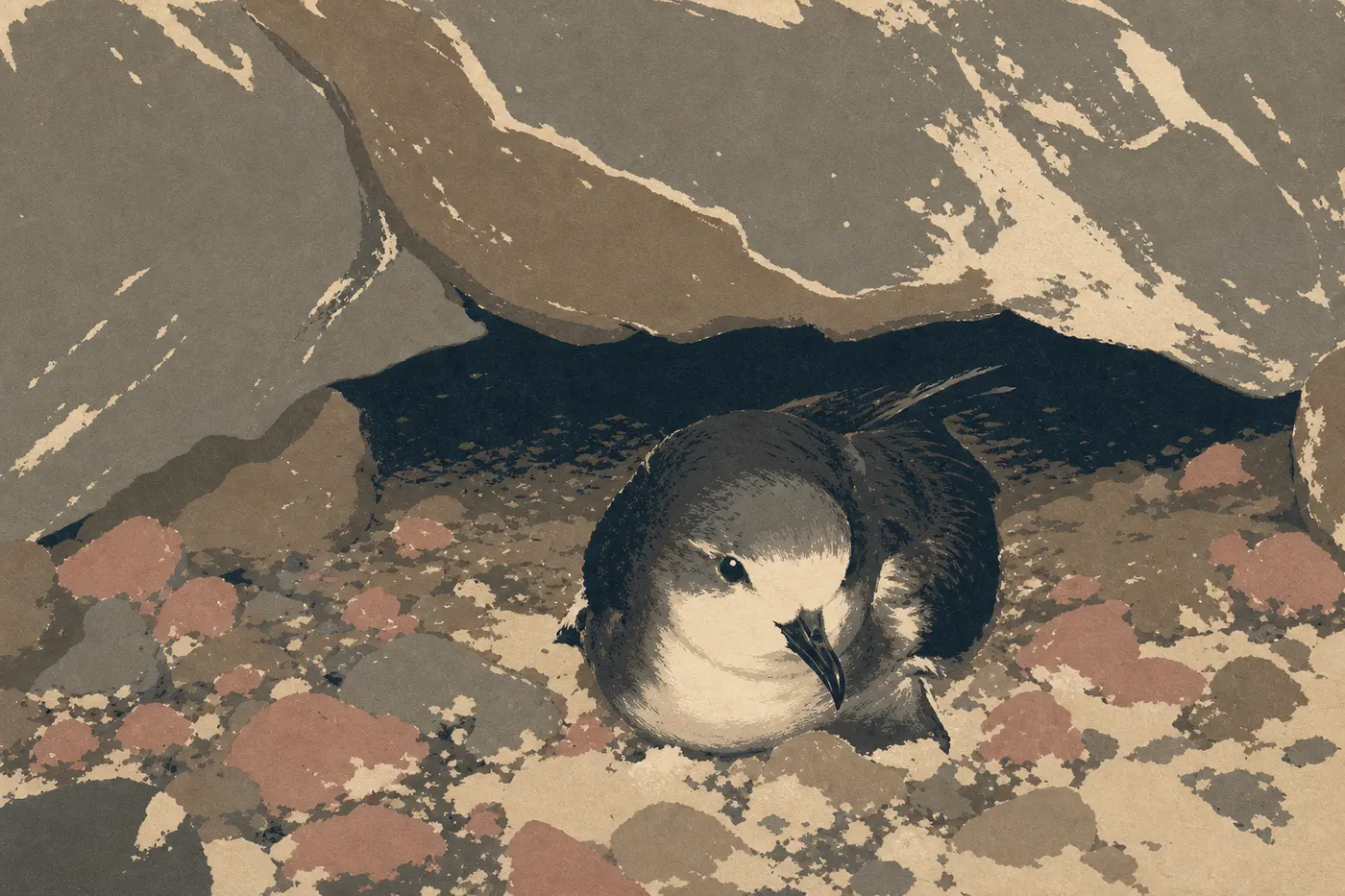
The ʻuaʻu (Pterodroma sandwichensis) is a seabird that, in a rare exception, nests more than 8,200 feet above sea level in burrows dug directly into Haleakalā's volcanic slopes. This anti-predator strategy works remarkably well. At this elevation, introduced black rats and mongooses struggle to become established.
The petrel spends its days at sea, sometimes hundreds of miles offshore, and returns to its burrow only after dark. From March through October, during nesting season, its harsh, repetitive calls carry far from the crater rim just minutes after night falls. The species is listed as vulnerable on the IUCN Red List, and Haleakalā is home to one of the world's most important nesting colonies.
Pueo or Barn Owl: Two Owls You Shouldn't Confuse
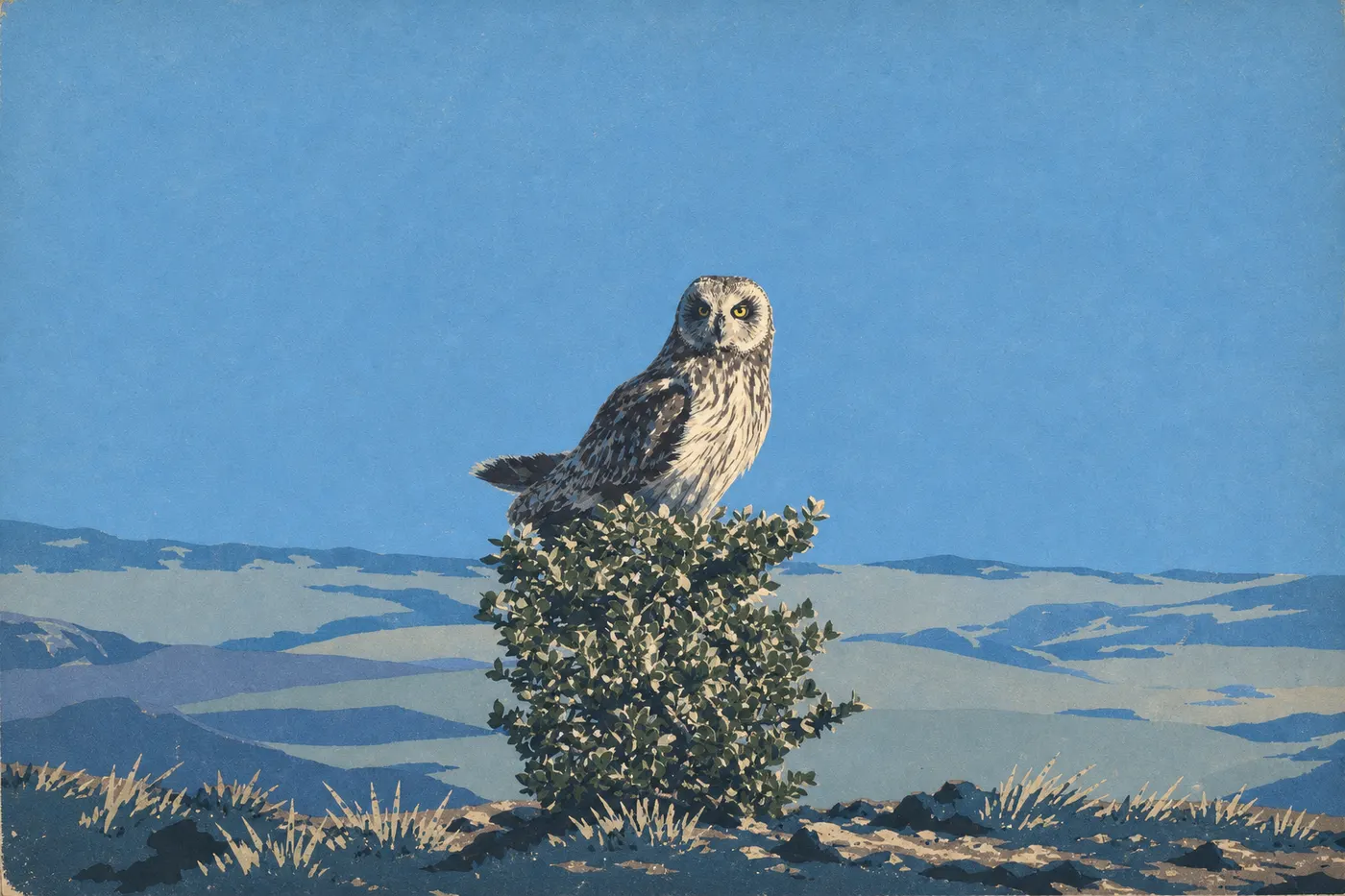
The pueo (Asio flammeus sandwichensis) is an endemic subspecies of the short-eared owl. Its main distinction is that it hunts in broad daylight, which makes it much easier to spot. Its low flight over grasslands, yellow eyes ringed in black, and tawny brown plumage make it recognizable. In Hawaiian tradition, the pueo is an aumakua, an ancestral guardian spirit. Seeing one is considered a good omen.
Don't confuse it with the barn owl (Tyto alba), an introduced species brought to Hawaiʻi to control rodents. The barn owl has a white, heart-shaped face and a slimmer profile. It is nocturnal, unlike the pueo. Both species occur in the park.
Honeycreepers, Jewels of the Kīpahulu Forest
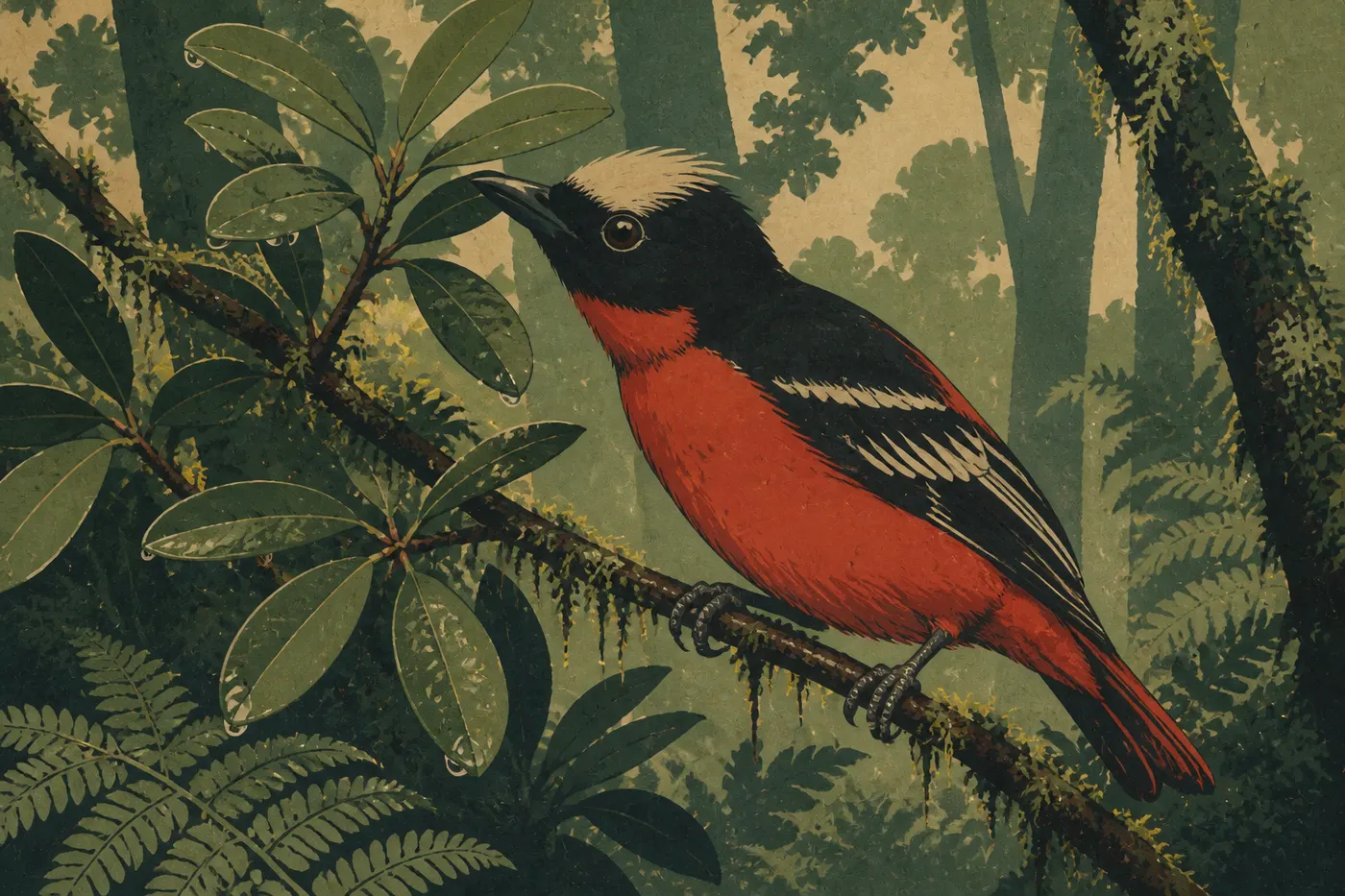
Honeycreepers, or Hawaiian finches, represent one of the animal kingdom's most spectacular evolutionary radiations. Dozens of species arose from a single common ancestor, with each adapted to a particular ecological niche. In Haleakalā, you'll find them mainly in the native forest of the Kīpahulu District, between 2,000 and 4,900 feet in elevation.
The ʻiʻiwi (Drepanis coccinea) is impossible to mistake. It is bright blood red, with a sickle-shaped bill for probing ʻōhiʻa and lobelia flowers, and a metallic, raspy song. Listed as vulnerable, it is now rare at lower elevations, where introduced mosquitoes transmit avian malaria. The ʻāpapane (Himatione sanguinea) is more common. It is also red, but smaller, with black wings and tail. Its fluid, varied song gives it away before you see it. Both species avoid the lower elevations where mosquitoes thrive. You can reliably find them above 4,900 feet, where cool nights slow the insects' reproduction.
The ʻŌpeʻapeʻa, Hawaiʻi's Only Native Land Mammal
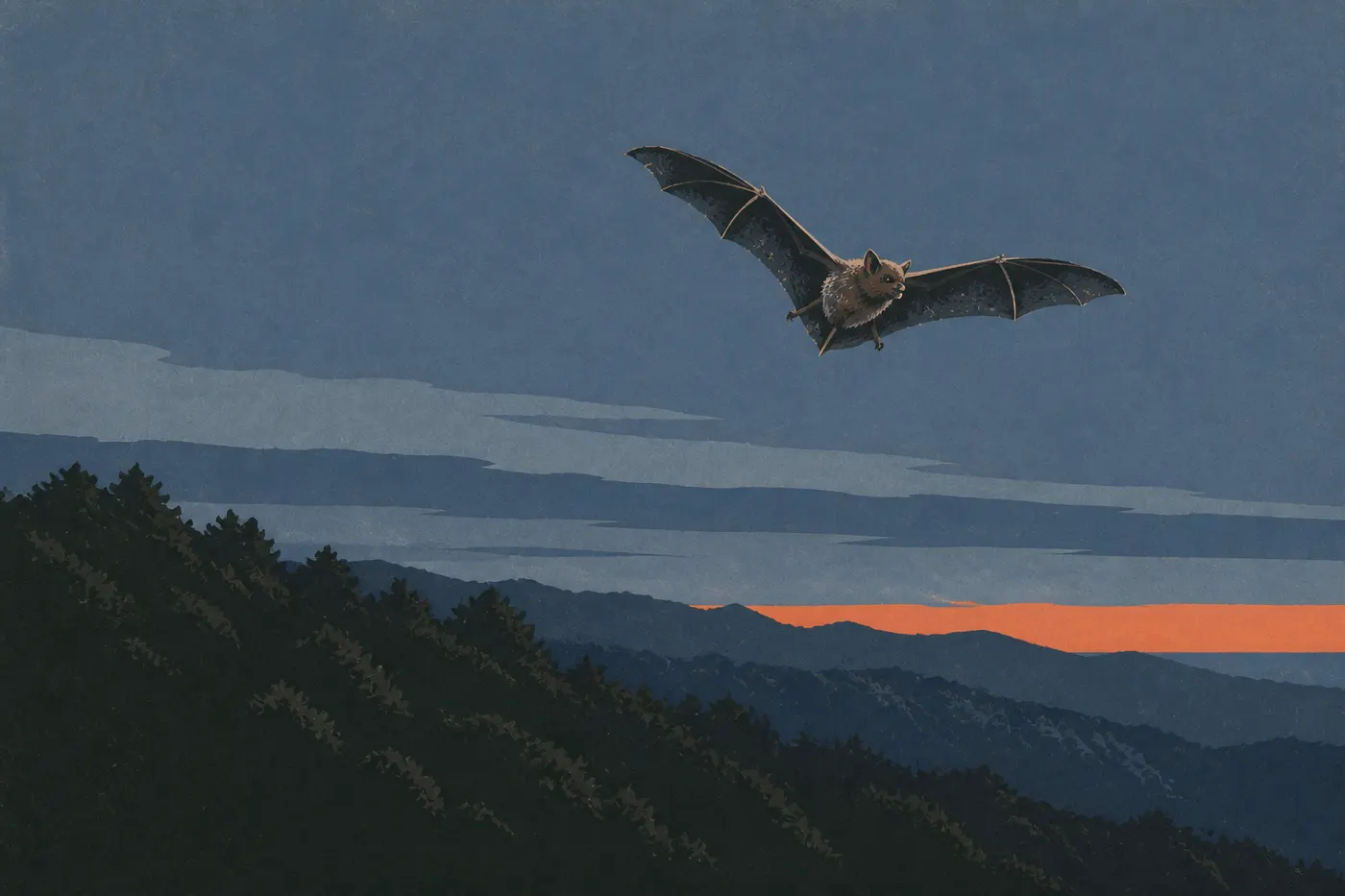
The Hawaiian hoary bat (Lasiurus semotus) is the only native land mammal in the entire Hawaiian archipelago, across all islands. It hunts at dawn and dusk, flying fast and erratically over clearings and forest edges. Its frosted-looking brown-gray coat distinguishes it from mainland bats.
You can see it mostly in the Kīpahulu District, though it also moves around the summit crater. In flight, its silhouette resembles a large swallow, with sharper and more irregular movements.
Where to See Wildlife in Haleakalā
The park has two geographically distinct areas, with no direct internal road connecting them. Wildlife differs noticeably between the two.
Summit District: From 6,900 to 10,023 feet, the landscape resembles a lunar volcanic desert. This is nēnē and Hawaiian petrel country. The areas around the Haleakalā Visitor Center, Leleiwi Overlook, and Kalahaku Overlook are the most reliable places to see the Hawaiian goose. For petrels, stand along the crater rim after 8 p.m. between March and October. Their calls lead your ear through the darkness long before your eyes can make out anything.
Kīpahulu District (Hana coast): At lower elevations, this wet tropical forest is home to honeycreepers, pueo, and the Hawaiian hoary bat. The Pīpīwai Trail (5 miles round-trip to Waimoku Falls) passes through native forest where birds are active from first light. From the Kīpahulu shoreline, you can often spot Hawaiian green sea turtles (honu) in shallow water or resting on volcanic rocks. The coast is a regular resting area for these marine reptiles.
The two districts are about a three-hour drive apart along the Hana Highway if you want to visit both in one day. For trail details, see the Haleakalā hiking guide.
When to Watch Wildlife
Nēnē are present year-round in the Summit District. From November through March, adults travel with their families, sometimes with goslings. Be especially alert while driving on park roads during this period.
Hawaiian petrels aren't really seen, but heard. Their nocturnal calls can be heard from the crater between March and October. Outside nesting season, the burrows are empty, and nighttime wildlife viewing at the summit offers little.
Honeycreepers sing at dawn. An outing in Kīpahulu starting at 6 a.m. greatly improves your chances of seeing them. By midday, they scatter and become harder to spot. The dry season, from May through September, makes access to Kīpahulu easier. Tropical winter rains can make the road challenging.
ʻŌpeʻapeʻa emerge at dawn and dusk. Stand at the edge of the forest and watch the sky. Once you've seen its fast, irregular flight, it's hard to mistake.
For month-by-month conditions, including rain, fog, and crowds, the When to Visit Haleakalā guide and the park weather guide explain what to expect in each season.
Predators and Large Animals in Haleakalā
This is probably the first question visitors from the mainland ask, especially those used to bear country or rattlesnakes. Haleakalā has no native large predators. There are no bears, wild cats, or land snakes. Hawaiʻi has no native snakes. In terms of direct wildlife risk, the park is among the safest environments in the entire National Park System.
The largest introduced animals are feral pigs and aggressive goats, which live in remote areas. They may charge if you approach too closely, but encounters on marked trails are rare.
The real predator of local wildlife is humans, through past introductions. The mongoose, which is present on Maui but absent from the island of Kauaʻi, along with black rats and feral cats, decimates petrel and honeycreeper nests. The NPS runs intensive trapping programs around nesting areas, especially on the crater slopes. These programs are costly and ongoing. Without them, several species would go extinct within a few decades.
How to Watch Wildlife Safely
Nēnē: keep at least 6 feet away. The Hawaiian goose is protected under the federal Endangered Species Act. Never feed one. A nēnē that becomes accustomed to human food loses its natural behavior and eventually lingers on roads, where it is regularly hit by vehicles.
Night lighting and petrels. From March through October, avoid aiming powerful white lights at the sky from the crater rim. Artificial light disorients flying petrels and causes fatal collisions with the ground. A red light, such as your device's night mode, is enough to help you find your way along the trail and doesn't affect the birds.
Honu, or green sea turtles. Sea turtles are protected under the federal Endangered Species Act. Keep at least 10 feet away. Don't touch them, block them when they're trying to return to the water, or intentionally swim around them.
Leave everything where you find it. Collecting feathers, eggs, shells, or invertebrates is prohibited in the park and constitutes a federal offense.
For general park rules, including reservations, access, and emergencies, the complete Haleakalā guide covers everything you need to know before your visit.
In Short: Species You Shouldn't Miss and Where to Find Them
| Species | Where to look | Best time |
|---|---|---|
| Nēnē (Hawaiian goose) | Parking lots and overlooks in the Summit District | Year-round |
| ʻUaʻu (Hawaiian petrel) | Crater rim, at night | March through October |
| Pueo (Hawaiian owl) | Grasslands in both districts | Year-round, during the day |
| ʻIʻiwi and ʻāpapane | Native forest in the Kīpahulu District | Early morning |
| ʻŌpeʻapeʻa (Hawaiian hoary bat) | Forest edges, especially in Kīpahulu | Dawn and dusk |
| Honu (green sea turtle) | Kīpahulu's rocky coast | Year-round |
Frequently Asked Questions
What animals can you find in Hawaiʻi and Haleakalā National Park?
Hawaiʻi's wildlife is dominated by endemic birds because it has no native land mammals, except for the Hawaiian hoary bat. At Haleakalā, the most representative species are the nēnē, Hawaiian petrel, pueo, forest honeycreepers such as the ʻʻiʻiwi and ʻāpapane, and the Hawaiian hoary bat. No reptile or snake is native to the Hawaiian archipelago.
What is the most common animal in Haleakalā?
The nēnē is the native wild animal visitors see most often, especially around parking lots and overlooks in the Summit District. In the Kīpahulu District, the ʻāpapane is the most common honeycreeper in the native forest.
What is the largest animal in Haleakalā?
On land, the nēnē, which weighs 3.3 to 6.6 pounds as an adult, is the park's largest native animal. If you include introduced species, feral pigs are considerably larger. In Kīpahulu's waters, Hawaiian green sea turtles (honu) can weigh 220 to 287 pounds as adults.
What are Haleakalā's predators?
Haleakalā has no native large predators. Introduced species such as mongooses, black rats, and feral cats pose a major threat to birds that nest on the ground or in burrows. The NPS runs ongoing trapping programs to protect these colonies.
What animals are active at night in Haleakalā?
The Hawaiian petrel (ʻuaʻu) is nocturnal during nesting season, from March through October. It returns to its burrow at dusk and leaves again at dawn. The Hawaiian hoary bat also hunts during these low-light hours. The barn owl, an introduced species, is nocturnal as well.
Where do Haleakalā's animals go outside the visible areas?
Nēnē graze in the grassy areas of the Summit District, sometimes several miles from the parking lots. Hawaiian petrels spend their days far out at sea. Honeycreepers concentrate in native forest above 4,900 feet in the Kīpahulu District. Our Hiking page lists the trails that pass through these areas to give you the best chance of seeing wildlife.