
When to Visit Haleakalā: Best Time, Weather, and Seasons
The best time to visit Haleakalā is April-June for the clearest dawn skies and sunrise reservations still available 60 days out, or September-October for nearly identical conditions with fewer people and noticeably lower prices.
The short answer. Go between April and June. The dry season is in place, summer crowds haven't arrived yet, and sunrise reservations are still reasonably easy to get. September-October offers nearly the same conditions as summer winds down. July-August still delivers excellent weather, but sunrise reservations disappear within minutes when booking opens, so you'll need to plan ahead.
One important thing to keep in mind is that Haleakalā isn't one uniform park. The Summit District reaches 10,023 feet and can see below-freezing temperatures even in July. The Kīpahulu District follows the southeast coast at sea level, where temperatures stay between 72 and 81°F year-round. Your plans depend as much on which area you're targeting as on the month you choose.
Haleakalā Weather Month by Month
Here's a climate overview for the park's two districts. The Haleakalā weather guide includes a real-time weather widget and detailed monthly data.
| Month | Summit (low/high) | Kīpahulu (low/high) | Rainfall | Notes |
|---|---|---|---|---|
| January | 28°F / 48°F | 68°F / 79°F | High | Rainy season; freezing temperatures possible at night |
| February | 28°F / 48°F | 68°F / 79°F | High | Humpback whales offshore from Maui |
| March | 30°F / 50°F | 70°F / 81°F | Moderate | Transition period; rainfall declining |
| April | 32°F / 54°F | 72°F / 82°F | Low | Dry season begins; our top pick |
| May | 36°F / 57°F | 73°F / 82°F | Low | Excellent conditions; calm before summer |
| June | 39°F / 61°F | 75°F / 84°F | Very low | Peak conditions, sharply rising demand |
| July | 43°F / 63°F | 77°F / 86°F | Very low | Summer peak; crowds and reservations are challenging |
| August | 43°F / 63°F | 77°F / 86°F | Very low | Same as July |
| September | 39°F / 61°F | 75°F / 84°F | Low | Crowds ease; excellent balance of conditions and attendance |
| October | 36°F / 57°F | 73°F / 82°F | Low to moderate | Gentle transition |
| November | 32°F / 52°F | 72°F / 81°F | Moderate | Rainy season returns |
| December | 30°F / 48°F | 70°F / 79°F | High | Holidays bring higher crowds and prices |
The altitude rule to remember is that temperatures drop about 3°F for every 1,000 feet of elevation gain. Between the summit parking area and the Kīpahulu coast, the difference can exceed 45°F on the same day. Bring layers, even in August.
Haleakalā in January
January is one of the rainiest months. Summit temperatures hover around 34°F at night and 50°F during the day, with a risk of icy conditions on high-elevation trails before dawn. The summit road may close temporarily when conditions are slick. Visitation is low, aside from the extended holiday period, and sunrise reservations are easy to get, often through the day before.
Haleakalā in February
February's climate is much like January's: heavy rainfall, 34°F at night and 50°F during the day at the summit, with icy conditions possible. Park visitation is at its lowest of the year. The month's biggest draw is offshore. Humpback whales peak off Maui in February and March, and combining a whale-watching trip from the coast with a drive to the summit makes for a hard-to-beat stay.
Haleakalā in March
March is a transition month. Rainfall gradually tapers off, and the cloud sea that often settles below the summit in the morning can make for striking photos, with temperatures around 36°F at night and 52°F during the day. Visitation remains low to moderate. College spring break weekends late in the month create occasional spikes, so if your trip falls during that period, visit on a weekday.
Haleakalā in April
The dry season settles in, skies gradually clear, and summit temperatures reach 37°F at night and 54°F during the day. Sunrise reservations are still available 60 days out without having to get up at midnight on the dot. April is also one of the best months to see ʻāhinahina (silversword) in the spring light and spot nēnē around the summit parking areas.
Haleakalā in May
With low rainfall, often-clear dawn skies, and summit temperatures of 39°F at night and 55°F during the day, May offers summer's advantages without the crowds. Sunrise reservations remain manageable, and Kīpahulu is in excellent shape, lush after the last spring rains. Many repeat visitors consider May the best month of the year.
Haleakalā in June
June kicks off the high season with very little rain and often crystal-clear skies above the caldera, with summit temperatures of 43°F at night and 59°F during the day. Ranger programs are in full swing, and Kīpahulu is at its best. The tradeoff is sharply higher demand for sunrise reservations. Book as soon as the 60-day window opens, since weekend mornings go within minutes.
Haleakalā in July
July brings the year's best weather and highest visitation: virtually no rain, with summit temperatures of 45°F at night and 61°F during the day. Sunrise reservations disappear within 10 to 20 minutes when the 60-day booking window opens, and parking at the Haleakalā Visitor Center may fill after 9:30 a.m. Book lodging and reservations several months ahead if you're visiting in July.
Haleakalā in August
August has the same conditions as July: 45°F at night, 61°F during the day, clear skies, and some of the year's sharpest sunrises. Visitation remains high during the first half of the month, then eases slightly as American schools return. Arriving in late August lets you enjoy summer conditions with a modest drop in crowds, although sunrise reservations are still extremely competitive.
Haleakalā in September
After Labor Day, the park settles down again. Rainfall is low, and summit temperatures are mild at 43°F at night and 57°F during the day. Sunrise reservations become available without extreme planning, and lodging prices on Maui drop noticeably. September offers one of the year's best balances of conditions, crowds, and budget.
Haleakalā in October
October is mild but more variable than summer. Rainfall increases slightly, with summit temperatures around 41°F at night and 55°F during the day, and skies become less predictable. Visitation is low, and sunrise reservations are easy to get. Around Kīpahulu, waterfalls begin to swell with the first rains. Check trail closure alerts on nps.gov before setting out.
Haleakalā in November
The rainy season returns. Kona storms, systems moving up from the south, can bring heavy rain for several consecutive days, with summit temperatures of 37°F at night and 52°F during the day. Trails to ʻOheʻo Pools in Kīpahulu may close after heavy rain, so check nps.gov before committing to a hike. Visitation is low. November works well for flexible travelers who are willing to trade uncertain skies for near-guaranteed solitude.
Haleakalā in December
December has two distinct sides. Through December 19, visitation is low despite heavy rainfall and summit temperatures of 34°F at night and 50°F during the day; snow is rare but possible. Starting December 20, the park enters one of the year's sharpest peaks: lodging is booked months ahead, flights reach their highest prices, and sunrise reservations are fiercely contested. Plan well ahead or shift your trip a week earlier or later.
Haleakalā Season by Season
Winter (December-February): Unforgettable, but Dress for It
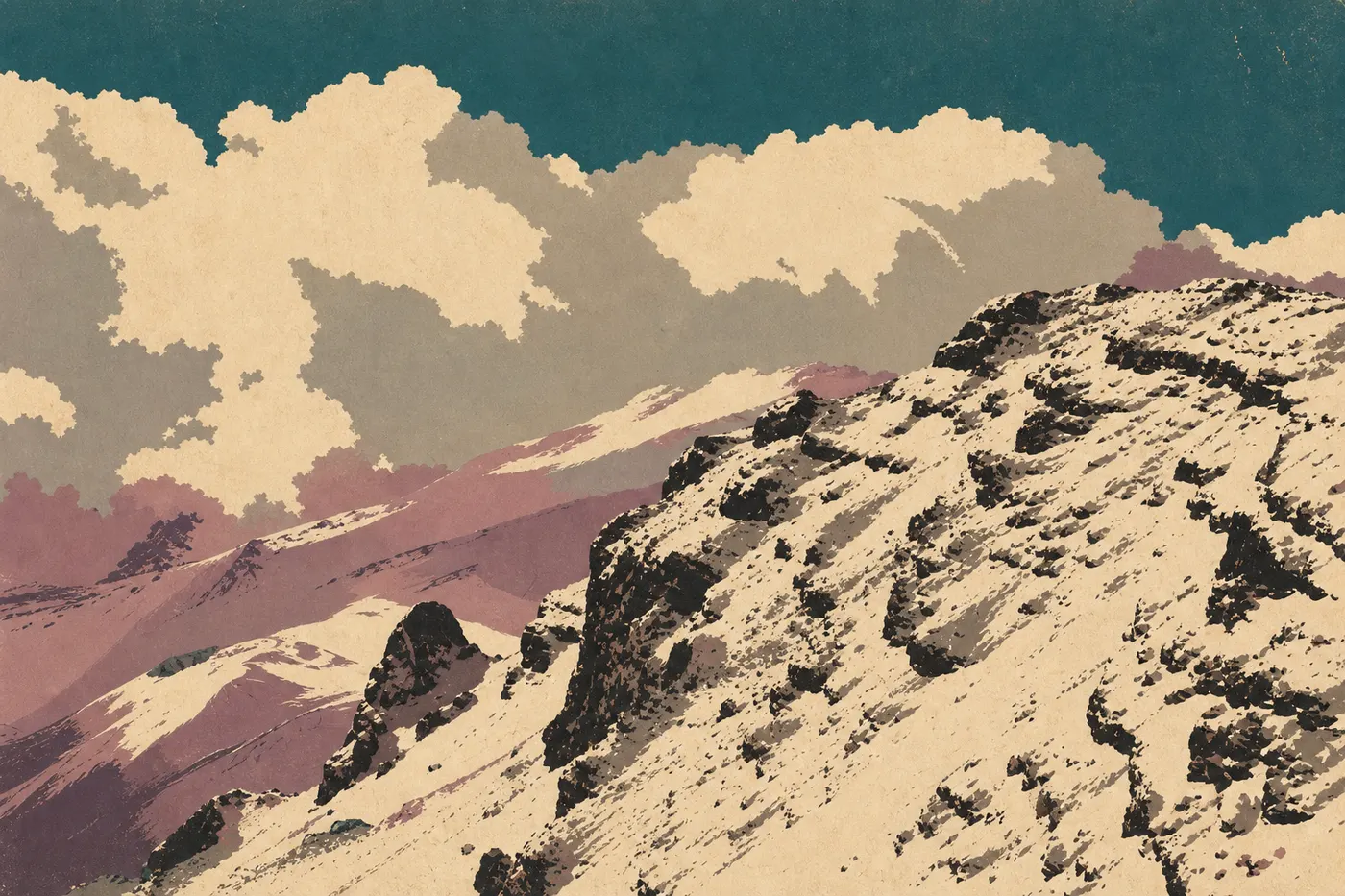
The rainy season reaches the lowlands, with frequent showers around Kīpahulu and on Maui's eastern slopes, while skies are often heavy above the caldera. At the summit, nighttime freezing is a real possibility, and trails may be frosty. Bring a rain jacket, gloves, and warm layers for sunrise, even if the lower elevations are expected to be sunny.
The good news is that humpback whales are offshore from Maui from December through March. The park itself is land-based, but combining a whale-watching trip from the Maui coast with a drive to the summit makes for a genuinely memorable stay.
Visitation is very low in January and February. The Christmas period, from December 20 to January 4, is one of the year's biggest peaks, however, and lodging sells out months in advance.
Summit road: Haleakalā Highway can become slick from high-elevation frost in winter. Follow the posted speed limits and check conditions before you leave.
Spring (March-May): The Ideal Window Opens

We recommend April and May for a first visit. The dry season gradually takes hold, visibility from the summit is often remarkable, and nighttime summit temperatures of 37 to 41°F remain manageable with the right gear. Kīpahulu's vegetation, replenished by winter rains, is at its greenest.
The ʻāhinahina (silversword), an endemic plant with a silvery globe that grows only between 6,900 and 9,800 feet, can be seen year-round. In spring light, it's especially photogenic. This is also a good season to spot nēnē, Hawaiʻi's endemic goose, around summit parking areas and trails. The Haleakalā wildlife guide describes which species to look for each season.
Visitation is moderate in March and low in April and May. This is the year's best balance of reservation effort and visit quality.
Summer (June-August): Perfect Summit Conditions, Crowds Below
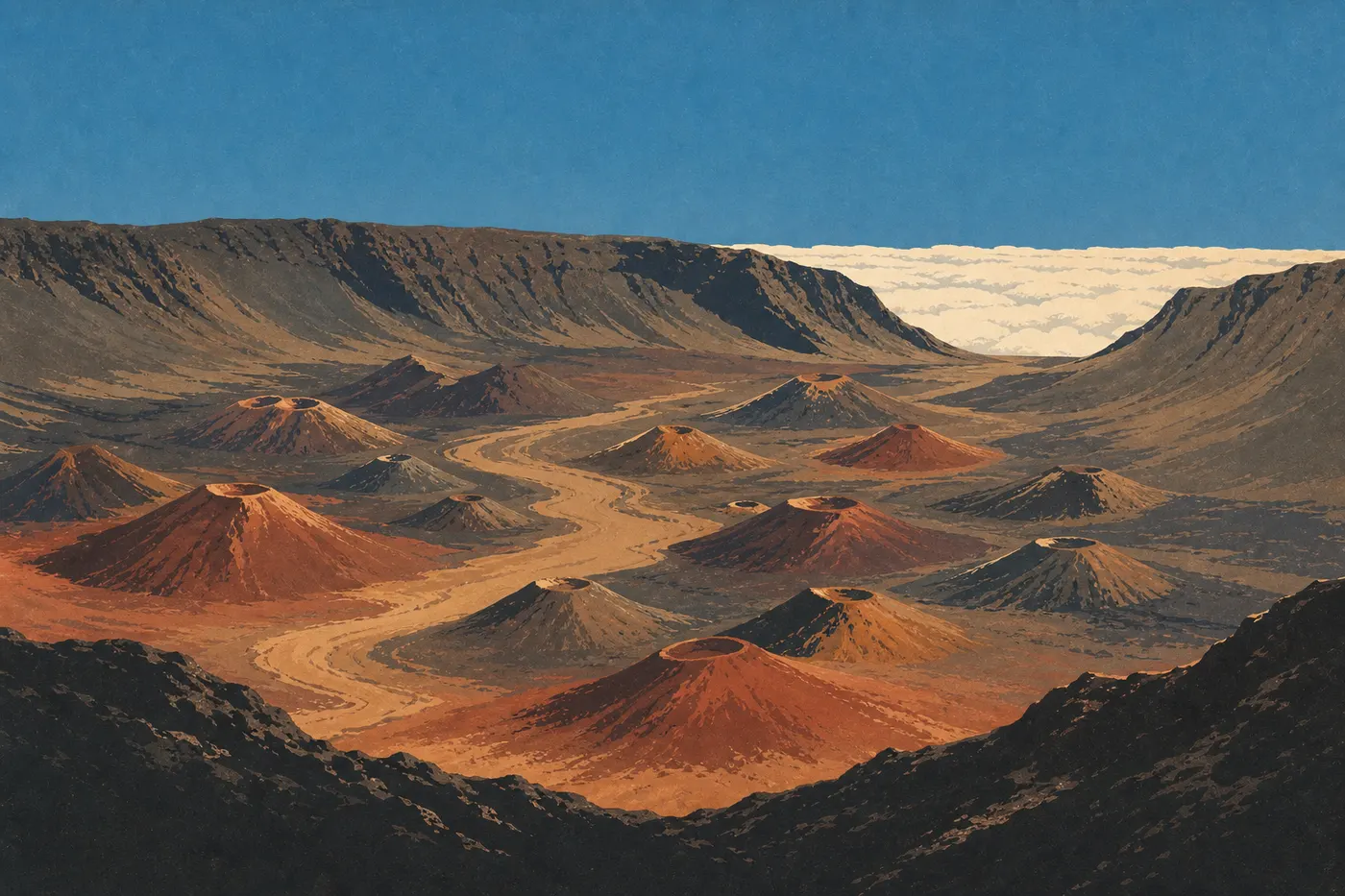
This is the driest and most stable season. Skies are often crystal clear after dawn, sunsets over the caldera are spectacular, and Kīpahulu reaches ideal temperatures for hikes to ʻOheʻo Pools. Ranger programs are in full swing.
The downside is that July and August bring the park's highest visitation. Sunrise reservations disappear within 10 to 20 minutes when the 60-day booking window opens. The summit road can be congested between 8 a.m. and noon.
Tip: in summer, tackle longer hikes before 7 a.m., before parking at the Haleakalā Visitor Center fills up. The Haleakalā hiking guide lists trails along with the most useful times to hike them.
Fall (September-November): The Flexible Traveler's Choice
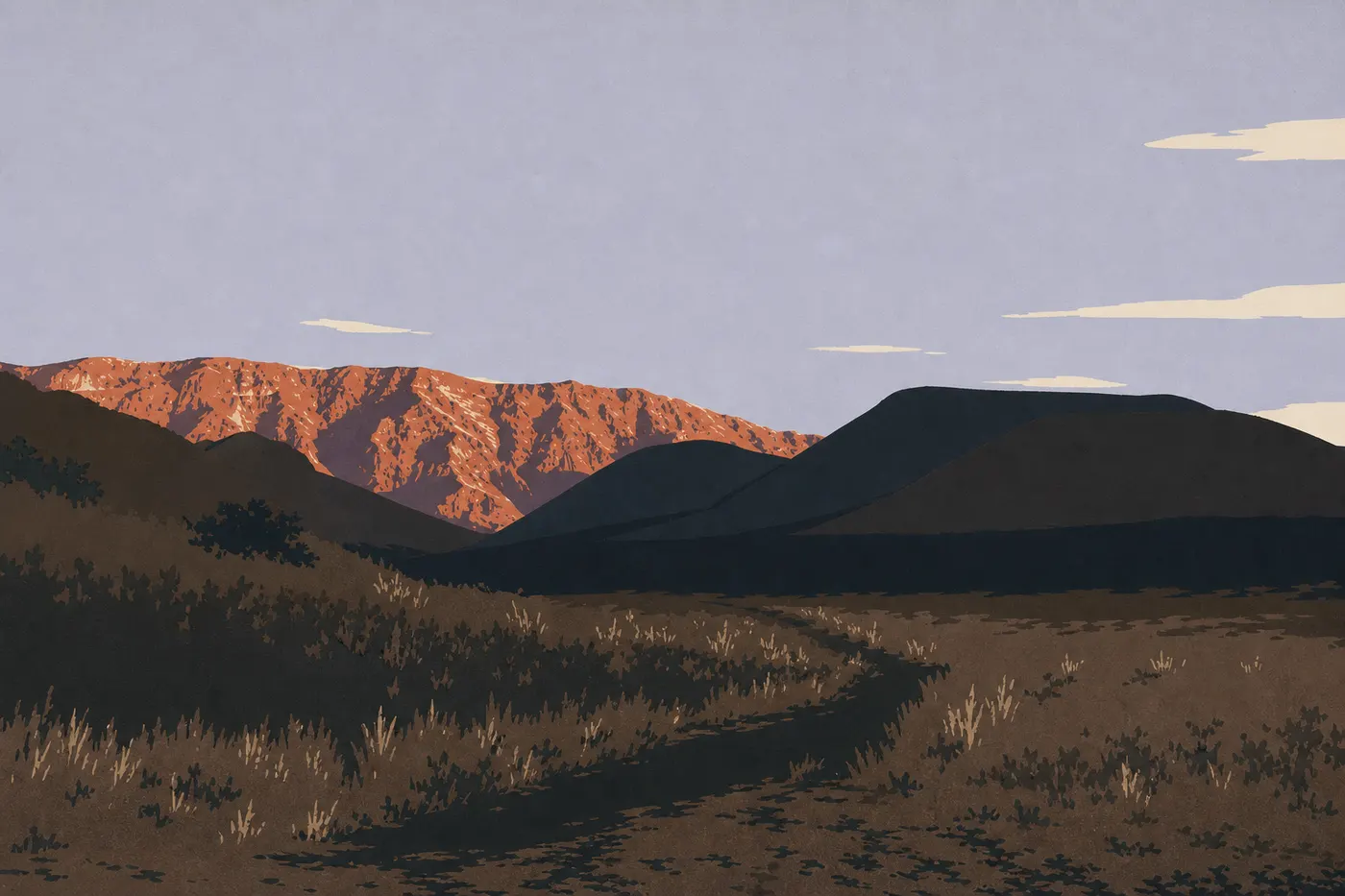
In our view, September and October are the most underrated months on the Haleakalā calendar. The dry season continues, American families are back in school, and sunrise reservations become available without the stress. Summit temperatures are mild, at 36 to 39°F at night and 57 to 61°F during the day.
November marks the gradual return of rain. Waterfalls around Kīpahulu swell again, and trails to ʻOheʻo Pools may close after heavy rain. Check alerts on nps.gov before setting out on the trails.
When to Avoid the Crowds at Haleakalā
Haleakalā draws more than one million visitors a year, with the heaviest pressure concentrated in a few predictable months.
Busiest months: July, August, and late December through early January.
Quietest months: January and February, outside American school holidays, and September after Labor Day.
Spring watchout: March and April weekends overlap with college spring breaks. Plan weekday visits during this period.
Our practical advice is to reach the Haleakalā Visitor Center before 7 a.m. during the high season, even if you don't have a sunrise reservation. After 10 a.m., parking may be full and the atmosphere can feel more like a line than an outdoor experience.
Reservations and Access by Season
Haleakalā uses a timed entry reservation system for the 3 to 7 a.m. window. Without a reservation through Recreation.gov, you won't be allowed into the park during those hours. There are no on-site exceptions.
Here's how the system works:
- Reservations open 60 days in advance at midnight Hawaiʻi time (UTC-10). During the high season, everything goes within 10 to 20 minutes, so set an alarm.
- A last-minute window opens at midnight the night before for cancellations. It's your backup if you miss the main release.
- No reservation is required to enter the park outside the 3 to 7 a.m. window.
The entrance fee is $30 per vehicle, $15 per person on foot or by bicycle, and $25 per motorcycle. The America the Beautiful pass ($80 per year) covers Haleakalā and all federal parks, and pays for itself after visits to just two parks in a year.
Best Time to Visit on a Budget
Flights to Maui and lodging on the island follow the same pattern: peaks in summer, from June through August, and during the winter holidays; lows in January through March and in the fall.
Most expensive period: mid-June through mid-August, and December 20 through January 5.
Best value: January through March outside the holidays, September, and early November.
An often-overlooked calculation is that a weekday night in October in Kula or Makawao, an ideal base for the summit, can cost 30 to 40% less than a July weekend for a park that's just as beautiful. The day you arrive matters as much as the month you choose. The Haleakalā lodging guide lists options by area and seasonal price changes.
Which Season Fits Your Trip
Sunrise and photography: April through June for the clearest light and reservations still available 60 days out. May is our favorite, with almost always-clear skies and no summer crowds yet.
Long summit hikes: April through October to avoid high-elevation ice. In winter, trails above 8,200 feet may be icy; check conditions on nps.gov before heading out.
Kīpahulu and ʻOheʻo Pools: November through April for the highest waterfall flows. Check trail closure alerts as well, since heavy rain often leads to closures.
Families: June through August for the most stable conditions and ranger programs, including the Junior Ranger Program, running at full strength, or April and May if you prefer quieter conditions. The Haleakalā with kids guide lists age-appropriate activities.
Nēnē and endemic birds: Year-round at the summit, but go early before visitors arrive in force.
Multi-park road trip: January through March or September through October, with the America the Beautiful pass if you're visiting several parks in the United States.
In Summary: The Best Time for Your Priorities
| Priority | Recommended period |
|---|---|
| Best weather and sunrise | April-June |
| Fewer crowds | January-February, September |
| Budget (flights and lodging) | January-March, September-October |
| Kīpahulu and waterfalls | November-April |
| Families (best conditions) | April-May or June-August (book early) |
| Hiking and wildlife | Haleakalā hiking and wildlife |
The Worst Time to Visit Haleakalā
Two windows stand out. July and August bring the highest visitation, sunrise reservations that are nearly impossible to get without planning 60 days ahead, and lodging at its highest prices of the year. The experience is still worthwhile, but logistics weigh more heavily: parking fills by midmorning, reservations are stressful, and costs rise. If your trip is fixed during this period, book everything as soon as possible and arrive early.
The second half of December and January-February create a different problem: heavy rainfall, possible ice on the summit road, and changing conditions that can turn an anticipated sunrise into a wait in the fog. The summit road may close without notice during snow or severe ice. These risks almost entirely fade in spring and fall, so if your schedule is flexible, save those months for another park or move your visit to April.
Frequently Asked Questions
When is the best time to visit Haleakalā?
The best time to visit Haleakalā is April through June, when the dry season is established, skies are clear for sunrise, crowds are moderate, and reservations are available without having to get up at midnight. September-October is an excellent alternative as summer winds down, with noticeably lower lodging prices.
What month is best for visiting Hawaiʻi?
For Hawaiʻi overall, April-May and September-October offer the best balance of weather, crowds, and prices. July-August brings excellent sunshine but also the peak of American tourism, with flights and lodging prices rising sharply across the islands.
Can you visit Haleakalā in winter?
Yes. The park is open year-round, including winter. At the summit, temperatures near freezing and the risk of ice call for warm clothing and a check of conditions on nps.gov before you leave. The summit road may close temporarily after a night of freezing temperatures or snow, without advance notice. In return, visitation is very low in January and February, and sunrise reservations are easy to get.
Is Haleakalā worth visiting during the day?
Yes. Even without a sunrise reservation, Haleakalā is well worth a full day. Caldera views, hikes into the crater, and the drive down to Kīpahulu offer experiences that are hard to find elsewhere in the United States. Allow at least six to eight hours if you want to cover both districts.
What's the best season to visit the American West?
Spring, from April through May, and fall, from September through October, are the most versatile seasons for a road trip through the West. Weather is favorable in most parks, crowds are manageable, and rates are more accessible. Hawaiʻi follows a slightly different calendar from the mainland.
What's the best time to visit Hawaiʻi?
April-May and September-October offer the best balance for visiting the islands: the dry season is well established, prices are lower than in summer, and national parks such as Haleakalā are accessible without overwhelming crowds. Avoid the second half of December if crowds and high prices are a concern.
How long do you need to visit Haleakalā?
Plan on a full day for the Summit District alone, and two days if you're adding Kīpahulu. The drive between the two areas takes about 2.5 hours, with no direct connection via the park road. Our Haleakalā itinerary and timing page offers detailed one-day and longer itineraries.
How much is the entrance fee for Haleakalā?
Admission is $30 per vehicle, $15 per person on foot or by bicycle, and $25 for a motorcycle. The America the Beautiful pass ($80 per year) covers Haleakalā and all U.S. federal parks. For entrance fees and annual passes, see the National Parks Fees and Passes page.