
Camping at Haleakalā: 4 Campgrounds, 28 Sites, Reservations & Fees
Haleakalā National Park has four NPS-managed campgrounds with 28 sites in all. They’re split between the Summit District, high on the volcano, and the Kīpahulu District, on the ocean side in a tropical setting. Every site requires a reservation through Recreation.gov; there are no first-come, first-served sites. Rates range from $8 to $30 per night. The table above summarizes each campground, and the sections below will help you choose the right one for your trip.
Campgrounds in the park (4)
- Campground Hosmer Grove Campground see NPS · 6 sites Directions ↗
- Campground Kīpahulu Campground see NPS · 9 sites Directions ↗
- Campground Wilderness Cabins see NPS · 3 sites Directions ↗
- Campground Wilderness Tent Sites see NPS · 10 sites Directions ↗
 Base map © OpenStreetMap · © CARTO
 Haleakalā campgrounds by the numbers
4 official campgrounds inside the park, 28 campsites in total, 28 of them reservable.
| Campground | Sites | Booking | Fee / night | Open | Amenities |
|---|---|---|---|---|---|
| Wilderness Tent Sites | 10 (10 tent only, 2 group) | Reservation | from $8 | Year round | toilets, potable water |
| Kīpahulu Campground | 9 (9 tent only) | Reservation | from $20 | Year round | toilets |
| Hosmer Grove Campground | 6 (6 tent only) | Reservation | from $20 | Year round | toilets, potable water, cell service |
| Wilderness Cabins | 3 | Reservation | from $75 | Year round | toilets, potable water |
Source: National Park Service (NPS API), retrieved October 6, 2026. Fees and dates change: check the campground page before you go.
Can you camp inside Haleakalā?
Yes, but only at the park’s designated, marked sites. Dispersed camping isn’t allowed anywhere in the park, including the crater and the volcano’s slopes. The two districts are geographically separate, and driving from one to the other takes two to three hours on the island, with no direct road connection. Choose your area before booking based on what you plan to do during your stay.
Campgrounds in the park
Hosmer Grove (Summit District)
Hosmer Grove Campground is the only drive-in campground in the Summit District. Near the main entrance and about 7,200 feet above sea level, it sits in a forest planted in the early 20th century and offers six tent-only sites. Restrooms, drinking water, and cell service are available. It’s open year-round and costs $20 per night. This is the natural base for campers who want to watch sunrise from the summit without driving back down to a hotel the night before.
Kīpahulu (Kīpahulu District)
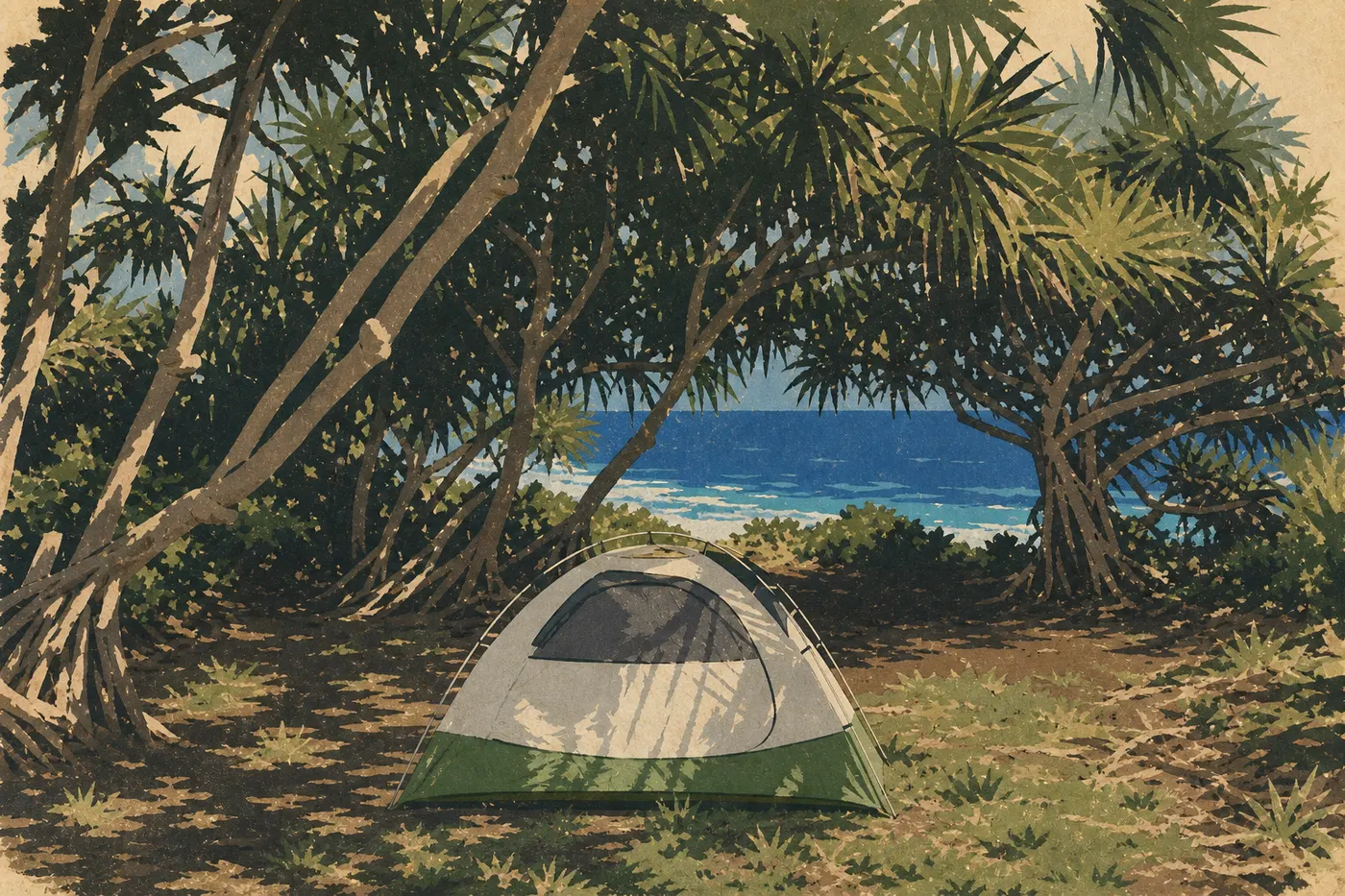
Kīpahulu Campground has nine tent sites right on the ocean, just steps from ʻOheʻo Gulch. The setting is a complete contrast to the summit, with dense tropical vegetation, crashing waves, and mild temperatures year-round. Restrooms are available, but the campground has no drinking-water station, so bring your own supply. The rate is $20 per night, and reservations through Recreation.gov are required. Check-in starts at 2 p.m., and checkout is by 11 a.m. The campground is open year-round and also serves as the gateway to the trails leading toward Waimoku Falls along the Pīpīwai Trail.
Holua and Pālikū (backcountry, in the crater)
These two crater sites are part of the Wilderness Tent Sites, with 10 sites in all, including group sites. You can reach them only on foot from Summit District trailheads. Holua is about 6.2 miles from the Halemauʻu Trailhead, while more remote Pālikū is about 9.9 miles away. Despite what their reputation may suggest, these sites have restrooms and drinking water. At $8 per night, they’re the cheapest option in the park. They’re open year-round. A backcountry permit is required through Recreation.gov, and the number of overnight spots is strictly limited.
The park also has three Wilderness Cabins in this area. They cost $30 per night and are open year-round, with restrooms and water available. Occasional closures for maintenance or resource protection are posted directly on Recreation.gov.
RVs vs. tents
None of the park’s sites offer electrical, water, or sewer hookups. Self-contained RVs can technically reach Hosmer Grove Campground and Kīpahulu Campground, but the Summit District road is winding, narrow, and full of hairpin turns. Vehicles longer than 23 feet will be difficult to maneuver. If you’re traveling by RV and want full-service sites, the Haleakalā RV camping guide covers options outside the park on Maui.
Camping nearby: campgrounds outside the park
When the park campgrounds fill up, which commonly happens from March through August, several county and private campgrounds are available on Maui, especially around Hāna and in the more accessible parts of central Maui. These alternatives let you stay close to the park while enjoying a little more comfort. For every overnight option, find all the addresses in Where to stay at Haleakalā.
Dispersed camping and backcountry camping
Camping outside designated sites is strictly prohibited throughout the park. The Wilderness Tent Sites at Holua and Pālikū do offer a wilderness experience few American parks can match: a night at the bottom of a volcanic crater, star-filled skies without light pollution, cold wind, and complete silence. You’ll need a backcountry permit from Recreation.gov, and you should plan well ahead for your dates. The crater trails’ routes, distances, and elevation gains are detailed in the Haleakalā hiking guide.
How and when to reserve a campsite at Haleakalā
All reservations go through Recreation.gov. The booking window generally opens six months before the date you want. During peak season, from May through September, the best sites disappear within minutes of opening. Set an alert on Recreation.gov and log in at the exact opening time. During the low season, from November through February, availability is much better. The best time to visit Haleakalā guide explains which seasons offer the best camping conditions.
One crucial detail is easy to miss. Entering the Summit District between 3 a.m. and 7 a.m. requires a separate timed entry reservation, also made through Recreation.gov. Campers already inside the park before 3 a.m. are exempt.
How much does a night of camping at Haleakalā cost?
The four campgrounds have three price levels: $8 per night for the Wilderness Tent Sites, the cheapest option in the park; $20 for Hosmer Grove Campground and Kīpahulu Campground; and $30 for the Wilderness Cabins. Always check these prices on Recreation.gov before booking. The park entrance fee, $30 per vehicle in 2026, is added to your camping costs. The annual Haleakalā pass, at $55, pays for itself after two visits in a year. For the different pass options, see the National Parks Fees & Passes page.
Camping safety and best practices
Cold at the summit. At Hosmer Grove Campground, nighttime temperatures regularly drop below 41°F and can fall below freezing in winter. Wind makes it feel much colder. Bring a sleeping bag rated for below-freezing temperatures and a wind-resistant tent. A waterproof jacket is essential. At the summit, clouds can replace sunshine in less than an hour.
Food storage and wildlife. The nēnē, Hawaiʻi’s protected state bird and a symbol of the island, frequents the campgrounds and approaches campers fearlessly in search of food. Don’t feed it. Feeding nēnē disrupts their natural behavior and is illegal. Store all food in your vehicle or in an airtight container; rats and mongooses patrol at night. Our Haleakalā wildlife page introduces the species you may encounter in the park.
Altitude. The Summit District reaches 10,023 feet. Some campers experience headaches or mild shortness of breath. Stay well hydrated and gain elevation gradually if you’re coming straight from sea level.
Which campground is right for you?
For sunrise from the volcano’s summit, Hosmer Grove Campground is the obvious base, just a few miles from the main entrance to the Summit District. For the coast, warm weather, and Waimoku Falls along the Pīpīwai Trail, Kīpahulu Campground is the right fit. For a full crater adventure, if your legs are up for it, choose the Wilderness Tent Sites: Holua is reachable in half a day from Halemauʻu, while Pālikū takes a full day and is even more isolated. They cost $8 per night. If you’d rather have a solid shelter in the crater, the Wilderness Cabins, three cabins at $30 per night, are the park’s only covered option. Families with young children should choose Kīpahulu Campground. It’s noticeably warmer and more accessible, and the natural pools keep kids entertained.
Frequently asked questions
Can you camp at Haleakalā?
Yes. Haleakalā National Park has four campgrounds with 28 sites in all. Hosmer Grove Campground and Kīpahulu Campground are accessible by car, while the Wilderness Tent Sites at Holua and Pālikū in the crater require a backcountry permit and several hours of hiking. Camping outside designated sites is prohibited throughout the park.
Which campground should you choose at Haleakalā?
It depends on your plans. Choose Hosmer Grove Campground in the Summit District for sunrise and high elevation; Kīpahulu Campground on the coast for tropical warmth and Waimoku Falls along the Pīpīwai Trail; the Wilderness Tent Sites for a night in the crater at $8; or the Wilderness Cabins for covered shelter in the crater at $30 per night.
When should you reserve a campground at Haleakalā?
Book through Recreation.gov. The reservation window generally opens six months ahead. During peak season, from May through September, sites go within minutes of opening. Log in at the exact time and set an alert if possible.
Can you drive up to Haleakalā without a reservation?
Between 3 a.m. and 7 a.m., you need a timed entry reservation to enter the Summit District. Outside those hours, you can enter with the park entrance fee, which is $30 per vehicle in 2026. Campers already inside the park before 3 a.m. are exempt.
How much does a night at a Haleakalā campground cost?
Rates range from $8 per night for the Wilderness Tent Sites to $30 for the Wilderness Cabins. Hosmer Grove Campground and Kīpahulu Campground each cost $20. The $30-per-vehicle park entrance fee in 2026 is additional. The $55 annual pass pays off after two visits in a year.
What’s the curse of Haleakalā?
Hawaiian tradition holds that taking volcanic rocks or black sand home brings bad luck. Belief aside, it’s illegal. Removing any natural object from an American national park can result in a federal fine. Leave the rocks where they are.
Is Haleakalā active?
Haleakalā is a dormant shield volcano, but it remains geologically active over the long term. That poses no immediate risk to campers. It does explain why leaving marked trails is strictly prohibited, since the crater’s rock formations are fragile and often sharp.