
Haleakalā Weather: Forecasts, Climate, and Current Conditions
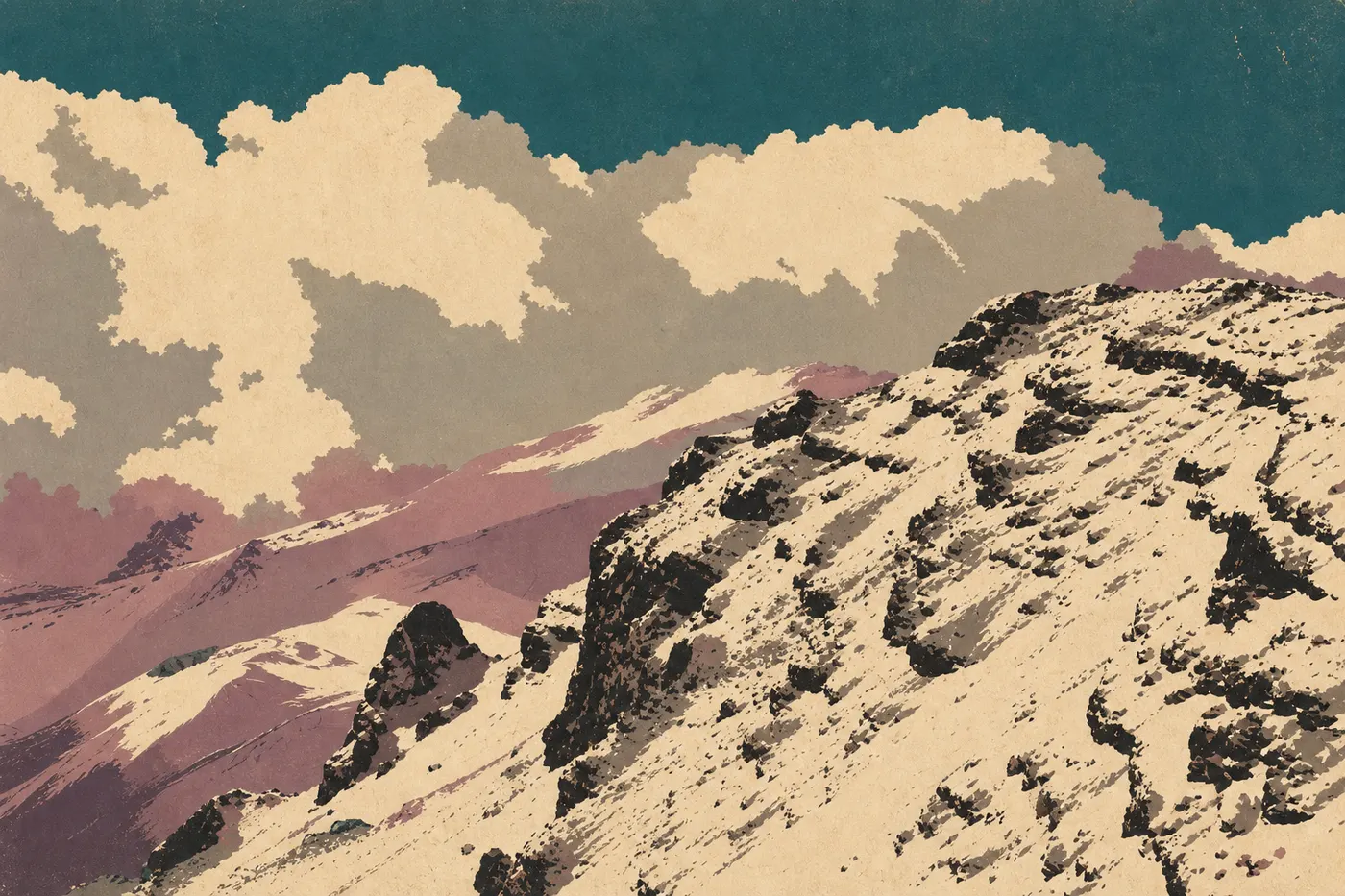
Haleakalā is in a category of its own. In less than two hours of driving on the island of Maui, you go from Kīpahulu's tropical coast (81°F, humidity, dense vegetation) to a volcano summit at 10,023 feet, where the thermometer can hover around 30°F. The temperature difference between the park's two areas can reach 27 to 31°F. Here's the basic rule: expect the temperature to drop about 3°F for every 1,000 feet of elevation gain. What you'll actually experience depends on the elevation where you're visiting.
Current readings are unavailable. See the seasonal averages farther down this page.
Open-Meteo readings · updating… · park time zone
Haleakalā Climate Month by Month
The table below covers the summit (10,023 feet). In the coastal Kīpahulu area (near Hāna), add 27 to 31°F to the high temperatures and expect three to four times as much precipitation during the wet season.
| Month | Low | High | Precipitation | What to expect |
|---|---|---|---|---|
| January | 34°F | 50°F | High | Ice overnight, with possible snow |
| February | 34°F | 50°F | High | Risk of road closures |
| March | 36°F | 52°F | Moderate | Clouds often fill the sky in the morning |
| April | 37°F | 54°F | Moderate | Transition period with more variable skies |
| May | 39°F | 55°F | Low | Skies are often clear at dawn |
| June | 43°F | 59°F | Very low | Peak sunrise season |
| July | 45°F | 61°F | Very low | Cool nights despite the heat below |
| August | 45°F | 61°F | Very low | Ideal sunrise conditions |
| September | 43°F | 57°F | Low | Trade winds gradually return |
| October | 41°F | 55°F | Moderate | Increasingly variable conditions |
| November | 37°F | 52°F | High | Kona storms are possible |
| December | 34°F | 50°F | High | Snow is rare but does occur |
Approximate summit averages (10,023 feet). In Kīpahulu, temperatures range from 72°F to 81°F year-round, with abundant tropical rainfall from November through April.
Is It Cold at the Haleakalā Summit?
Yes, year-round. Summit highs rarely rise above 64°F, even in midsummer. At sunrise, which is why many people visit, the thermometer typically reads between 36°F and 46°F depending on the month. Wind can make it feel another 7 to 11 degrees colder. In winter, overnight freezes are the rule, not the exception.
By contrast, the Kīpahulu coast stays between 72°F and 81°F year-round. It's literally another world, 9,843 feet below.
Another factor people often underestimate is the summit's intense UV radiation. The atmosphere is much thinner at this elevation than it is at sea level.
What to Wear by Season
At the summit, year-round: dress in layers. The classic combination is a thermal base layer, a fleece midlayer, and a waterproof windbreaker. For sunrise, add a beanie and gloves. We know from experience that fingers get numb at 9,843 feet at dawn. Even under perfectly clear skies, the cold bites.
In the Kīpahulu area: wear lightweight tropical clothing and high-SPF sunscreen. Humidity on the Pīpīwai Trail is intense. Choose waterproof shoes or trail sandals.
For any visit, whatever the season or area:
- High-UV-protection sunglasses are essential at the summit.
- Bring at least 1 liter of water. The altitude and wind dehydrate you faster than you might expect.
- Pack a compact waterproof layer. A shower can roll in within ten minutes, even under blue skies.
See the Haleakalā park guide for specific guidance, including sunrise reservations.
Alerts and Conditions to Watch
Summit road: the Haleakalā Highway climbs to 10,023 feet over roughly 25 miles. The National Park Service may close the road for ice, snow, or extreme winds, sometimes without notice. Check conditions on the official website before you leave.
Wind: gusts above 62 mph have been recorded at the summit. In high winds, stay away from exposed areas along the crater rim.
Sunrise reservation: between 3 a.m. and 7 a.m., access to the summit requires a reservation. Time slots sell out weeks in advance. Find the full process in how to get to Haleakalā.
Elevation: at 10,023 feet, altitude sickness is uncommon but possible, especially if you drive straight up from the beach. If you develop a severe headache or nausea, descend right away.
Kīpahulu area: trails along the ʻOheʻo Pools may close after heavy rain upstream. Flash floods can occur without warning on this side of the mountain. Never cross a flooded stream, even when the water looks shallow.
Frequently Asked Questions
Is it always cold at the Haleakalā summit?
Yes, year-round. Summit temperatures (10,023 feet) stay cool, ranging from 34°F to 50°F in winter and from 43°F to 61°F in summer. At sunrise, wind chill means it rarely feels warmer than 41°F to 46°F, whatever the month.
What is the temperature at the Haleakalā summit?
Summit temperatures range from 30°F (winter nights) to 61°F (summer afternoons). A quick rule of thumb is a drop of about 3°F for every 1,000 feet compared with the coast.
What is the average temperature in Hawaiʻi in summer?
On the Maui coast, temperatures from June through September range from 75°F to 86°F. At the Haleakalā summit, the same period ranges from 43°F to 61°F. The idea of warm Hawaiʻi doesn't apply here.
Is Haleakalā worth visiting on a cloudy day?
Yes, under the right conditions. If the clouds stay below 6,600 to 8,200 feet, the summit often rises above them and offers a spectacular cloud sea. If the summit itself is in the clouds, with drizzle and near-zero visibility, you won't see the sunrise and the hike loses most of its appeal. Check the National Weather Service forecast for the “Haleakalā Summit” area before setting out at 3 a.m.