
Things to Do in Black Canyon of the Gunnison: Must-See Highlights
Black Canyon of the Gunnison is one of Colorado's lesser-known and most striking national parks. The Gunnison River carved one of the narrowest and deepest canyons in North America here, reaching depths of up to 2,700 feet. The walls are so tightly compressed that the canyon floor sometimes gets only an hour of sunlight a day. The rock, a mix of gneiss and schist that is 1.7 billion years old, gives the canyon its distinctive dark color, ranging from brown to black depending on the light.
The three essentials: (1) the South Rim overlooks, led by Painted Wall View; (2) Exclamation Point on the North Rim, the park's best viewpoint without the crowds; (3) an overnight stay for the night sky, designated a Dark Sky Park. Everything else is a bonus.
Black Canyon at a glance: areas, access, and getting around
The park is organized around two independent rims. No internal road connects them. To get from the South Rim to the North Rim, you have to leave the park and allow about 1.5 hours of driving via Crawford.
South Rim: This is the main rim. You reach it from Montrose via CO Highway 347 north from US Highway 50. The visitor center, nearly all the overlooks, the main campground, and the canyon routes' trailheads are concentrated here. It's open 24/7 year-round.
North Rim: This side is wilder and sees very few visitors. Access is from Crawford via CO Highway 92, followed by a secondary road southwest for about 11 miles. North Rim Road and the ranger station generally close in mid-November and reopen in early May. Check conditions before making the detour. There's nothing else up there if the road is closed.
To get around the park, you'll need a car. Both rim roads are one-way roads with separate parking areas in front of each overlook. There's no official shuttle. To avoid peak-season congestion, arrive at the South Rim before 9 a.m. or after 4 p.m. For road conditions, parking options, and logistical alternatives from Montrose and Gunnison, see how to get to Black Canyon of the Gunnison.
How long does it take to visit Black Canyon?
The South Rim alone takes 2 to 3 hours if you move from overlook to overlook without lingering, or half a day if you take your time at each one. To see both rims, plan on a full day and start early.
Staying overnight changes the nature of the visit. Sunset on the black walls, the remarkable night sky, and sunrise from High Point early in the morning are experiences you can't fit into a quick stop.
Two days let you see everything without rushing, include a more demanding hike, and make the most of the campground. That's our recommendation if you're spending several days in western Colorado.
Black Canyon itineraries cover every timeframe, from a half-day on the South Rim only to two days with the North Rim and canyon routes.
The must-see highlights, area by area
South Rim: dizzying overlooks
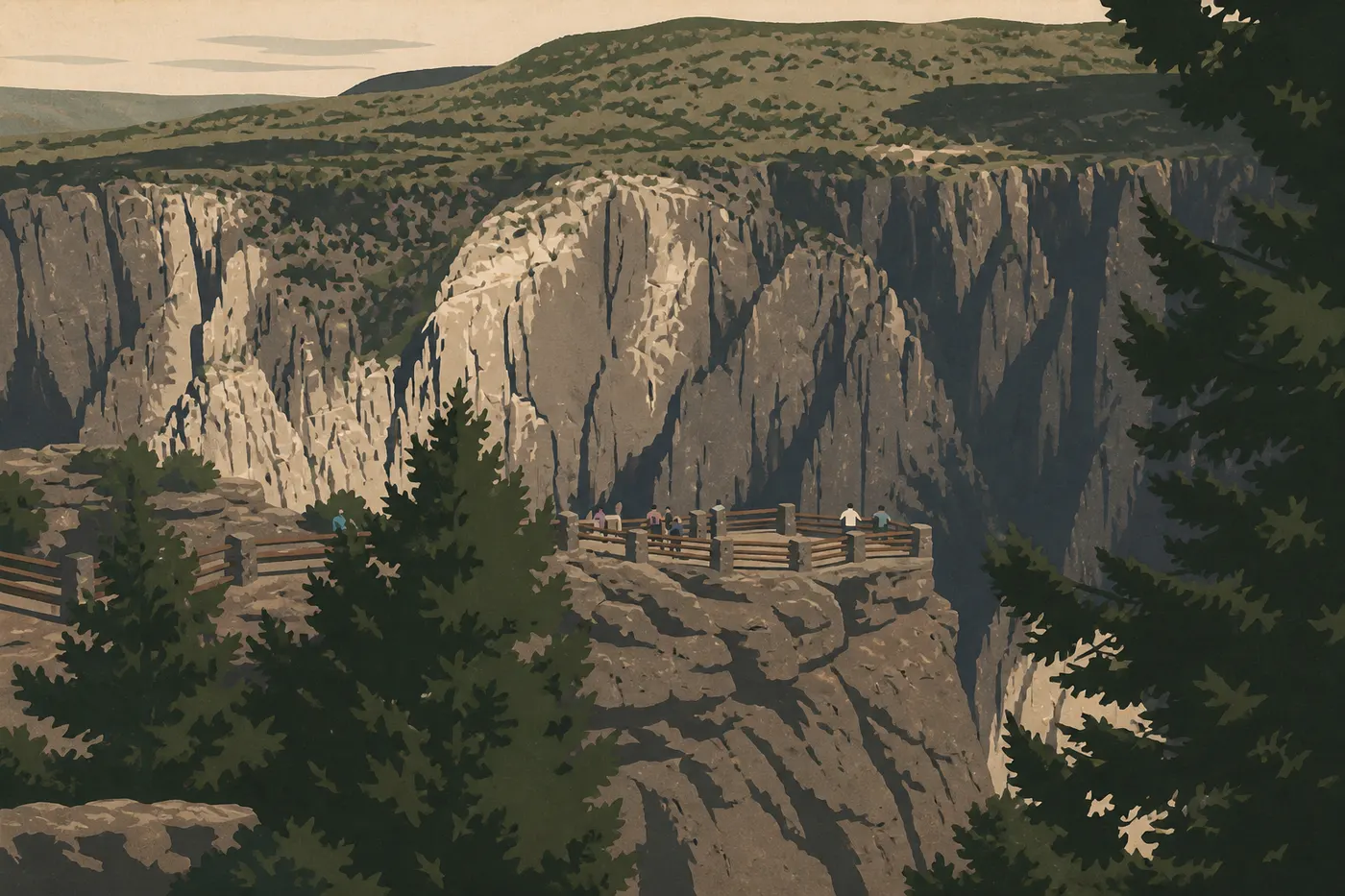
South Rim Road follows about a dozen overlooks for roughly 7 miles. You can walk between all of them from the central parking area or drive from one to the next. Both approaches work. The overlooks are secured with low walls or metal railings, but the view into the abyss is still intense, especially on a first visit.
Gunnison Point is the first stop when coming from the visitor center. It looks straight down into the canyon, about 2,100 feet below. This is where you first understand the name “black”: the rock absorbs light in an unusually dark way.
Chasm View is where the canyon is narrowest at the rim. The two walls are only about 1,100 feet apart. The feeling of confinement is heightened by the fact that you can't see the bottom when looking straight ahead. This overlook best captures the canyon's claustrophobic atmosphere.
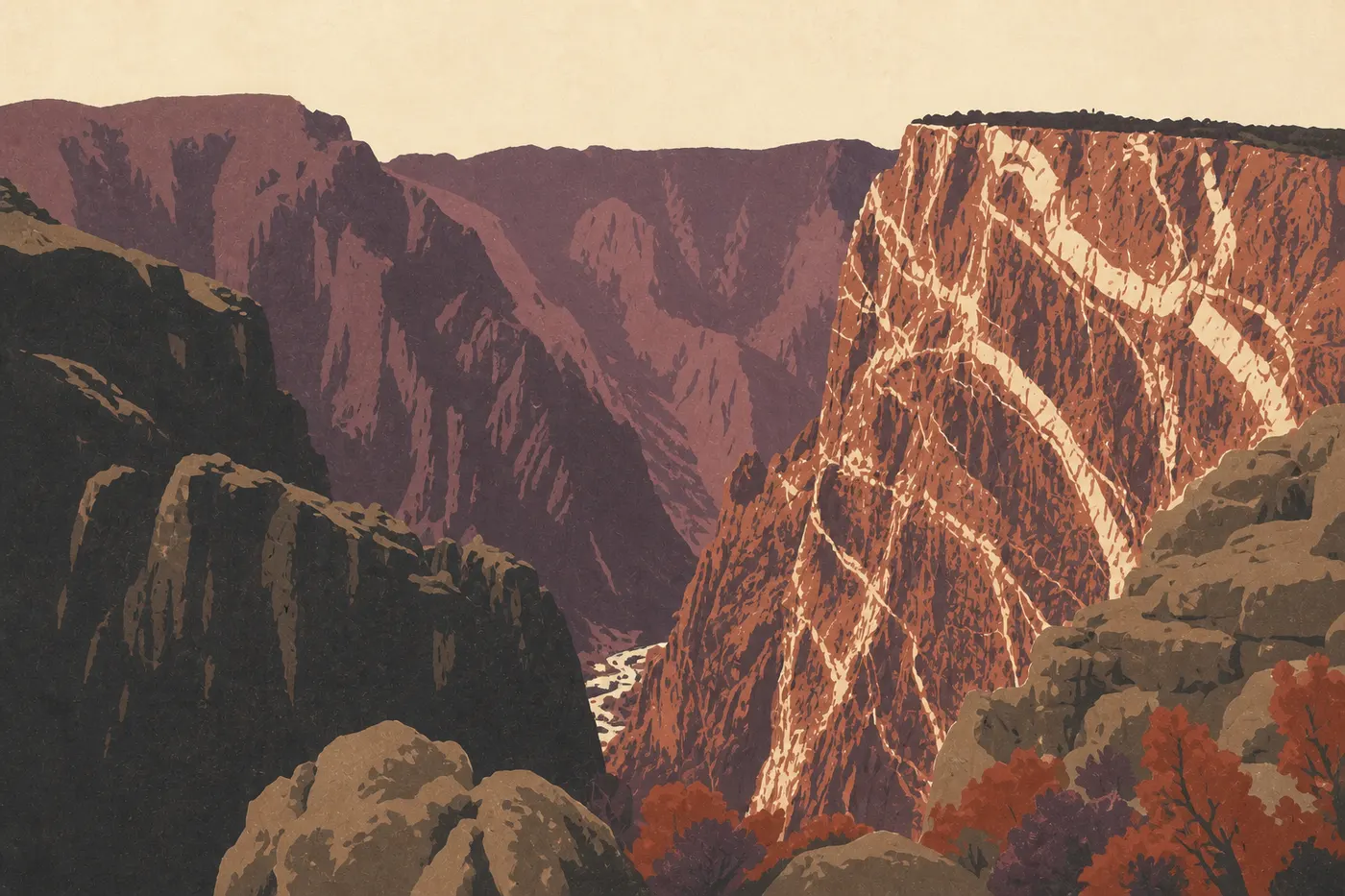
Painted Wall View is the park's most photographed and most rewarding viewpoint. Here you'll see Painted Wall across the canyon, a 2,250-foot cliff streaked with pink and white pegmatite veins that look like brushstrokes against a dark background. It's the tallest cliff in Colorado. Stay for at least 10 to 15 minutes. The light changes quickly, especially between 10 a.m. and 1 p.m. when the contrasts are strongest. For photographers, the morning golden hour from this overlook is hard to beat anywhere in the park.
Dragon Point offers a slightly more downward view toward the river. On a clear day, you can make out the Gunnison River's thin white ribbon in the darkness below. The scale becomes tangible.
High Point is the highest point on the road, at about 8,300 feet. It offers the broadest panorama on the South Rim and is especially recommended for sunrise. Low-angle light reveals the rock's texture and colors in a way you won't see in the middle of the day. If you only visit one overlook early in the morning, make it this one.
Cedar Point Nature Trail deserves a separate mention. It's the South Rim's only nature walk loop, a 0.7-mile round-trip hike from a dedicated parking area. Kids as young as 6 can handle it, and the two overlooks at the end of the loop are among the best positioned on the rim. Add it to the other stops rather than using it as a substitute.
Here's a practical way to organize your visit: if you arrive in the morning, start at High Point and work your way down toward Gunnison Point. You'll be going against most visitors, the light is better in that direction, and you'll finish near the visitor center to refill your water or pick up information.
North Rim: the canyon's hidden side
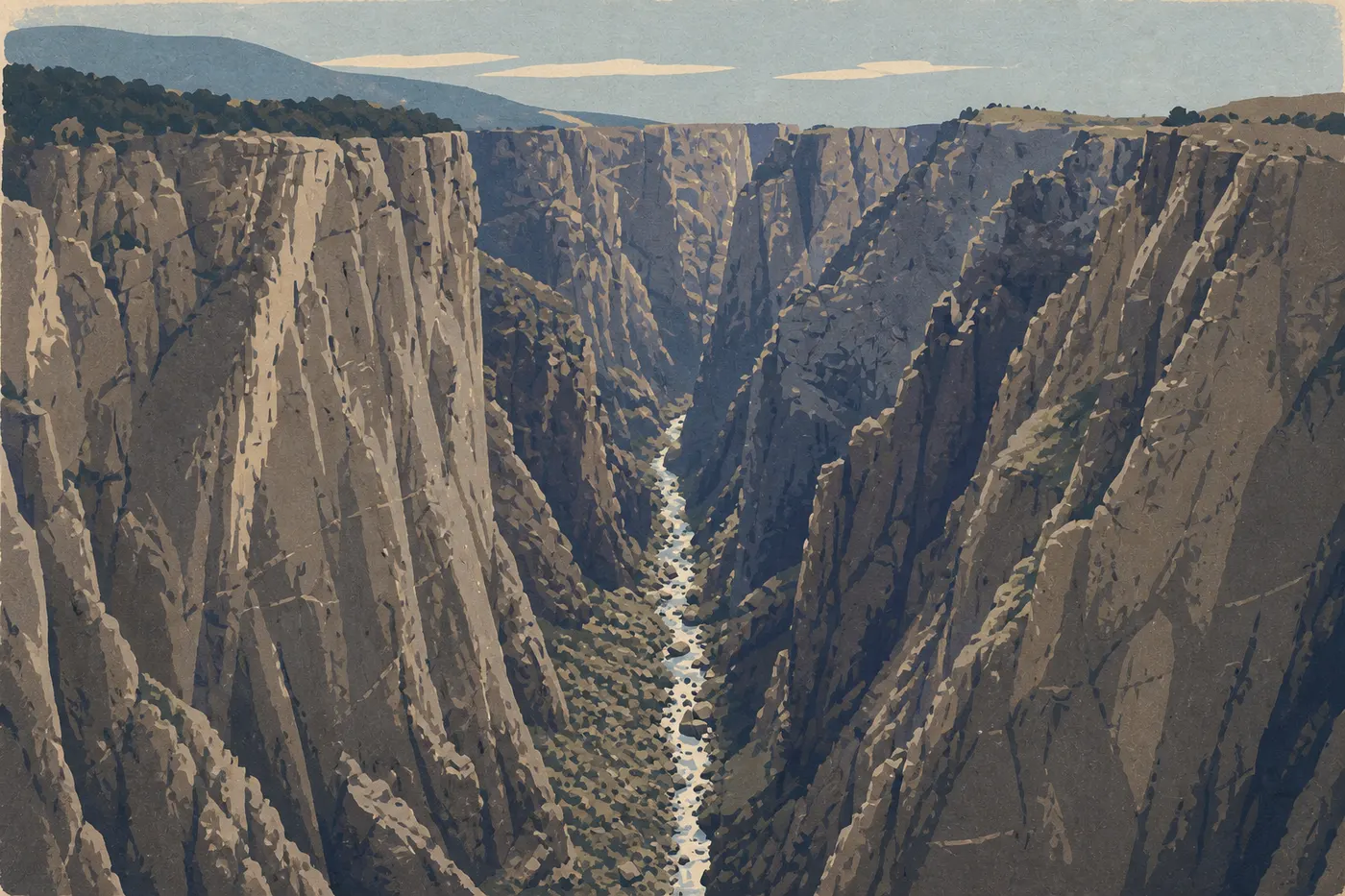
Less developed than the South Rim, the North Rim has four main overlooks accessible from the road. The whole area takes 1 to 1.5 hours by car. Visitor numbers are much lower. Even in midsummer, you'll find an uncommon level of peace in a national park.
Exclamation Point is the North Rim's gem and, in our opinion, one of the two or three best viewpoints in the entire park. You reach it on foot from the campground via North Vista Trail, about 2.2 miles round-trip from the parking area. The panorama from the end of the promontory is dizzying. The canyon drops more than 2,300 feet below your feet, the walls narrow into a dark funnel, and you see Painted Wall from an angle the South Rim doesn't offer. When we visited in September, four of us stayed on the promontory for more than an hour. Four people at one of the park's best viewpoints.
Kneeling Camel View and Balanced Rock View open onto different perspectives, with the North Rim's rock formations in the foreground. The contrast between the plateau's calm, with its pines, junipers, and open sky, and the brutal drop right at the edge is even stronger than on the South Rim.
The North Rim is also one of the park's best places for watching birds of prey. Peregrine falcons, golden eagles, and turkey vultures nest on the cliffs and regularly hunt in the morning. With binoculars, you can watch them from the overlooks without getting dangerously close to the edge.
The best hikes in Black Canyon
The park offers two very different types of hikes: rim trails, which are accessible to everyone on the plateau, and canyon routes that descend to the canyon floor, which are strenuous, unmarked, and require a permit.
Among the rim trails, North Vista Trail to Exclamation Point on the North Rim is the park's signature hike. The 4.5-mile round trip has moderate elevation gain and offers the most spectacular view for a reasonable effort. Cedar Point Nature Trail on the South Rim is the family option at 0.7 miles and easy. Rim Rock Trail on the South Rim is 0.6 miles and connects the campground to the visitor center. It's perfect if you're camping there.
Canyon routes descend to the floor through unmarked corridors, with slopes of up to 35 degrees and mixed terrain including rocks and dense vegetation. They require good physical condition, sturdy hiking shoes, plenty of water, and a free permit picked up at the visitor center. These aren't routes to improvise.
Every trail in Black Canyon of the Gunnison is described in detail, with hiking times, actual elevation gains, required fitness levels, and gear advice for the canyon routes.
Other activities by interest
Climbing
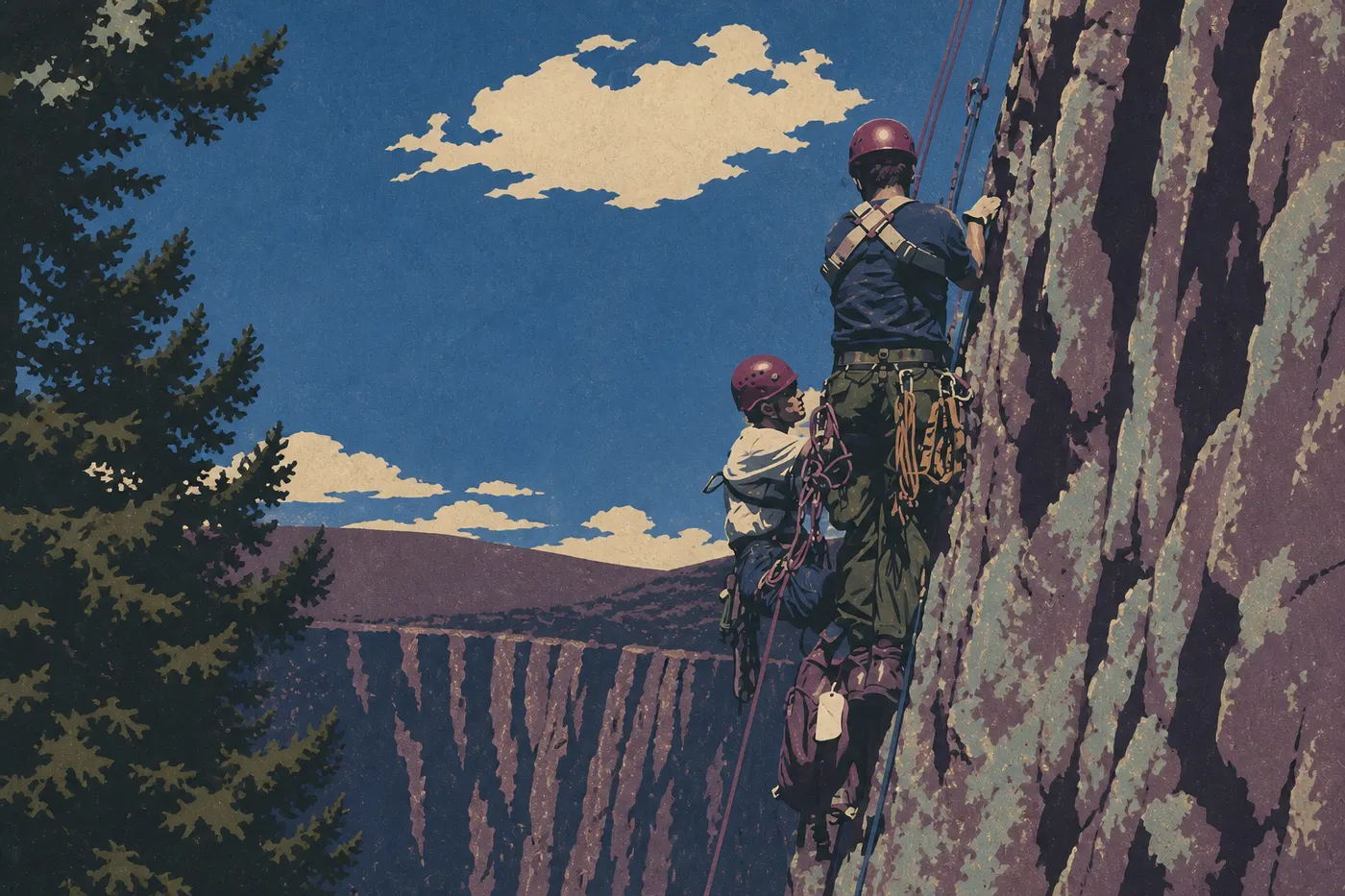
Black Canyon of the Gunnison is a nationally renowned climbing destination in the United States. The gneiss walls offer long routes, often several pitches, in a committing environment with difficult rescues, sustained exposure, and limited communication at the canyon floor. The most popular areas are on the South Rim, especially in the Narrows and beneath Painted Wall. Routes range from 5.8 to 5.13 on the Yosemite Decimal System. A free permit is required for any descent into the canyon, including climbing. Pick it up at the visitor center before committing to the route.
Fishing
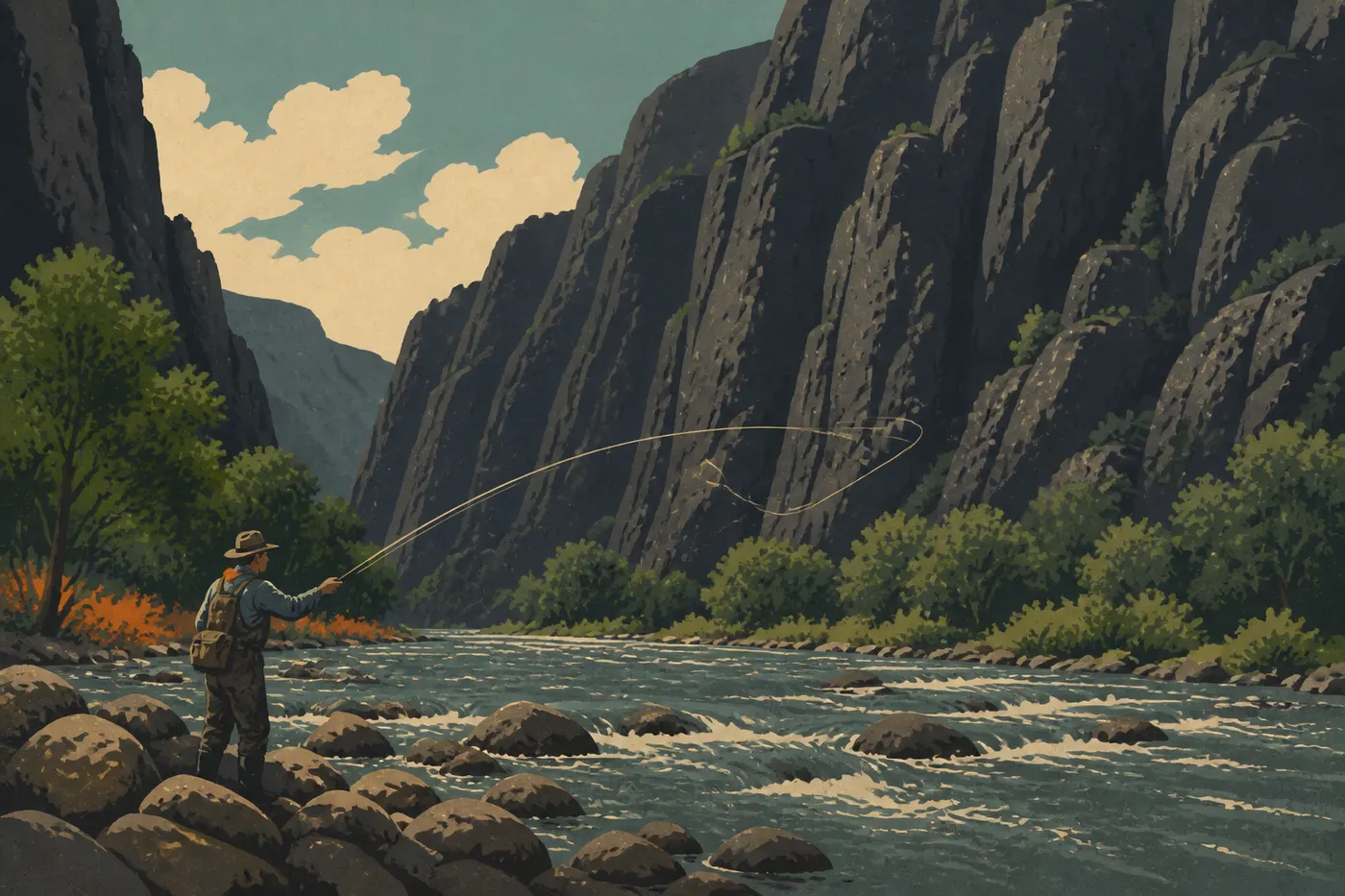
The Gunnison River at the bottom of the canyon is designated a Gold Medal Fishery by the state of Colorado, meaning it has exceptional trout density and size, including rainbow and brown trout. Access to the bottom remains difficult, with the same conditions as the canyon routes, but those who make the effort rarely come back empty-handed. A Colorado fishing license is required. Some sections of the river are reserved exclusively for catch-and-release fishing. Check the signs on site before casting a line.
Biking the rim roads
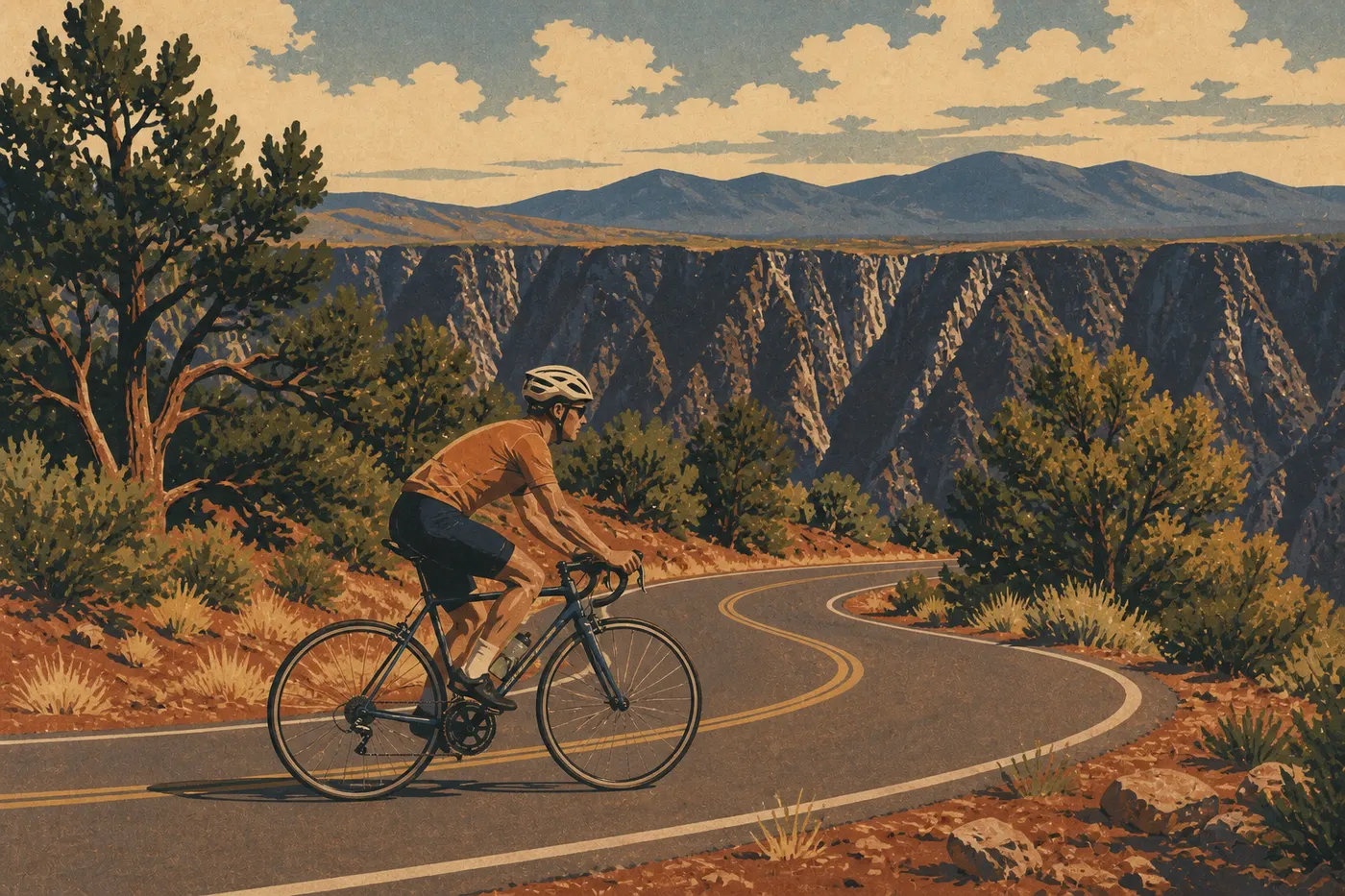
Nothing prohibits biking on the rim roads. The South Rim offers about 7 miles of paved road with moderate elevation changes between overlooks. The North Rim is shorter and sees very little car traffic, making it a pleasant option for cyclists who enjoy riding without pressure.
Stargazing and night-sky viewing
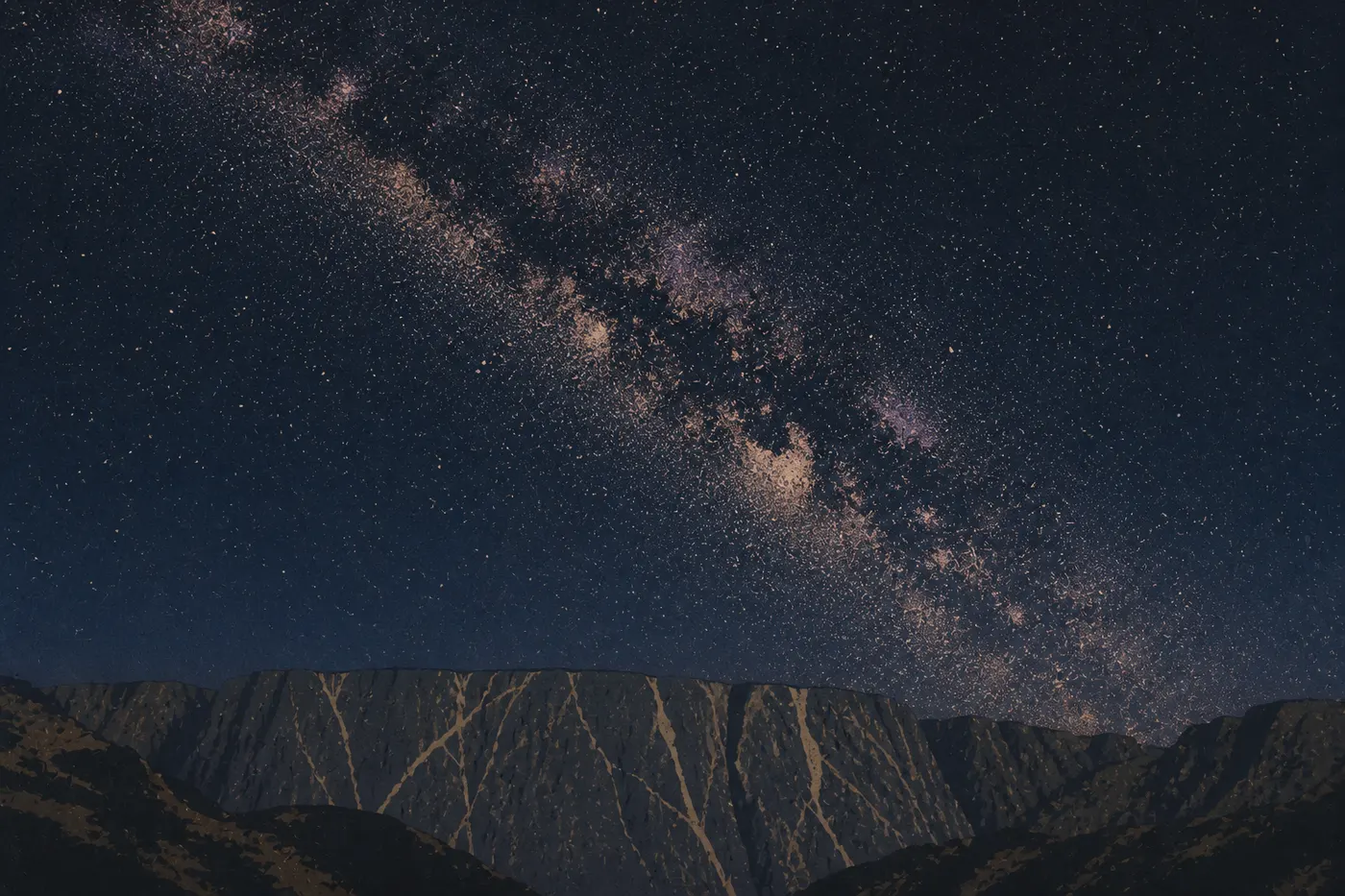
Black Canyon is certified as a Dark Sky Park by the International Dark-Sky Association. With little significant light pollution, the Milky Way is visible to the naked eye during new moons. Rangers regularly host stargazing programs in summer, with the schedule posted at the visitor center. If astrotourism is one of your motivations, the Black Canyon weather guide identifies the best periods for clear skies around Montrose.
Wildlife watching
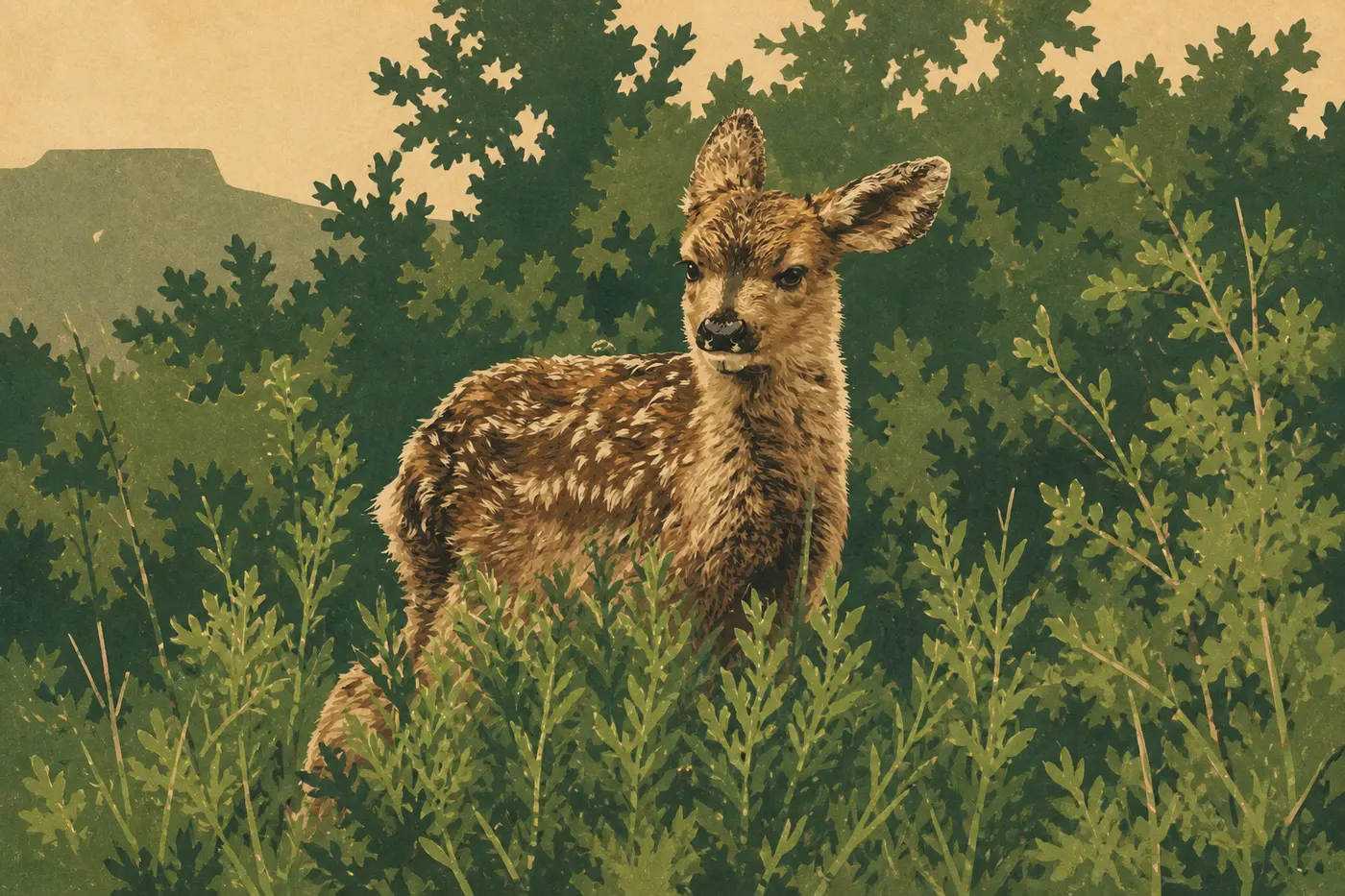
Don't rush past the overlooks. Peregrine falcons nest on the cliffs and can be seen hunting from the rim, especially in the morning. Mule deer, elk, which are more common on the North Rim in fall, and coyotes at dusk are all present, and they aren't always wary. Black bears live in the park, but direct encounters remain rare. The Black Canyon of the Gunnison wildlife guide lists the species found here, their habitats, and the best seasons for viewing them.
Visiting with kids
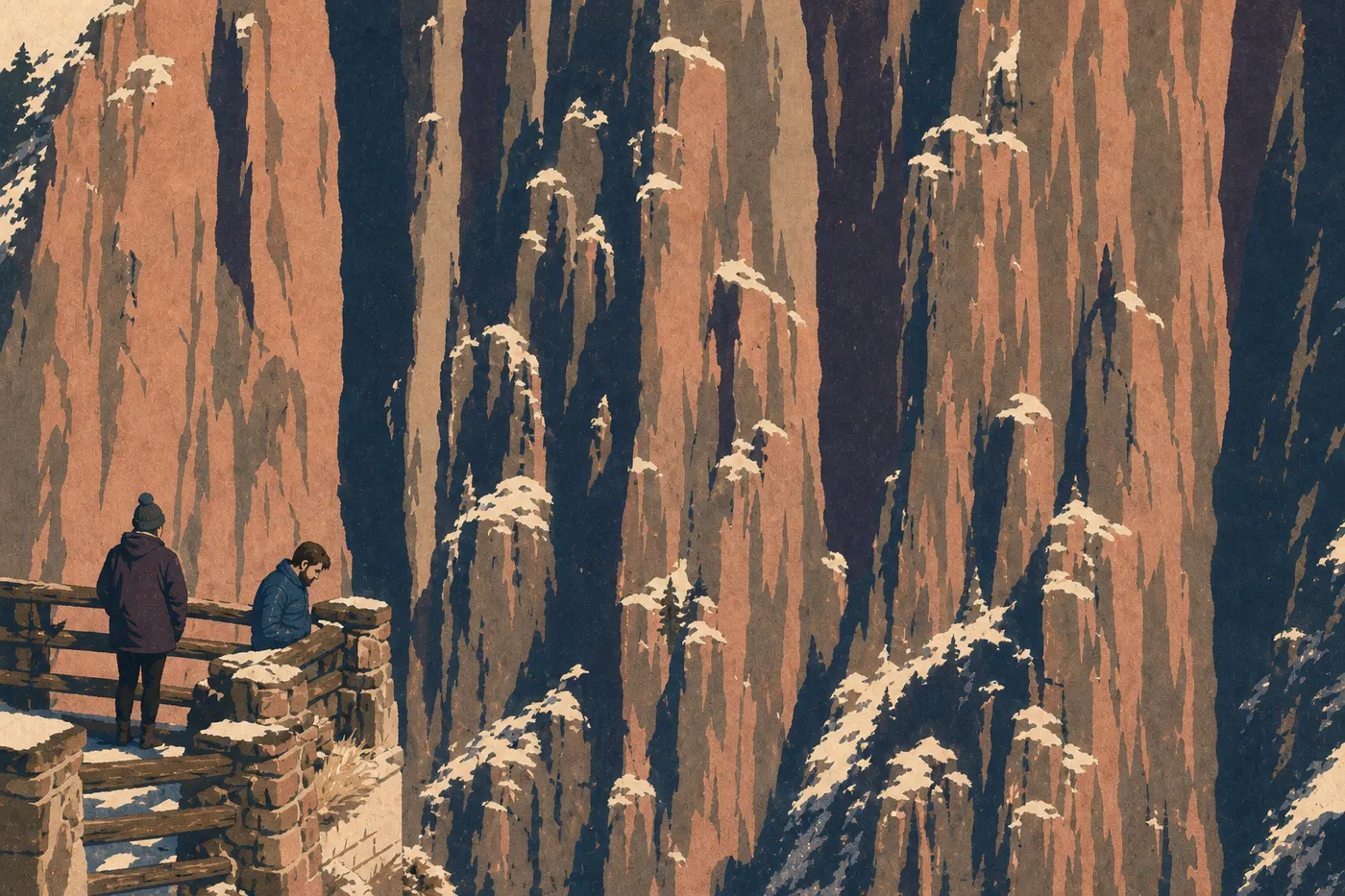
Families with children as young as 6 can enjoy the park's rim trails. The overlooks are secured, the NPS Junior Ranger program is available at the visitor center, and Cedar Point Nature Trail fits easily into a 2-hour visit. Avoid the canyon routes with young children. The steep slopes and unmarked terrain aren't suitable. The guide to visiting Black Canyon with kids covers recommended activities by age group and park-specific safety advice.
Things to do around Black Canyon
Curecanti National Recreation Area is Black Canyon's natural companion, and the two sites share the same NPS administration. Curecanti manages the three reservoirs built upstream on the Gunnison River: Blue Mesa, Morrow Point, and Crystal. Blue Mesa Reservoir is Colorado's largest lake and offers fishing, kayaking, boating, and waterfront campgrounds. The Curecanti visitor center at Elk Creek is on US 50 between Montrose and Gunnison, so you can visit both sites on the same day without backtracking.
Mesa Verde National Park is about 2 hours south via US 160. Its cliff dwellings, built by Pueblo peoples more than 700 years ago, are among the best-preserved archaeological sites in the United States. The atmosphere is radically different from Black Canyon, and combining the two parks over three or four days makes for one of the most concentrated Colorado loops.
Montrose, about 16 miles southwest of the South Rim entrance, is the natural logistical base, with hotels, restaurants, supermarkets, and a regional airport. Gunnison, east via US 50, is a smaller alternative with a strong outdoor focus, fewer services, and a more local feel.
Our Region and Road Trip sections offer itineraries that include Black Canyon in a broader western Colorado loop.
The essentials: what to see first in Black Canyon
If you only have half a day, stay on the South Rim and visit every overlook from High Point to Gunnison Point. Spend some time in front of Painted Wall. It's the image that stays with you long afterward.
If you have a full day, add the North Rim and don't miss Exclamation Point. The detour through Crawford takes time, but the quality of the view and the quiet of the North Rim make it one of the park's best experiences.
If you're staying overnight, camp in the park and reserve the evening for stargazing. The Dark Sky Park certification isn't just symbolic. On a clear, moonless night, the experience shifts from “beautiful canyon” to something difficult to describe.
Is Black Canyon of the Gunnison worth the trip? Absolutely. It's a compact park with fewer crowds than the big names of the American West, yet it offers a rare visual intensity. The dark rock, the depth of the drop, and the dizzying narrowness of the walls create an atmosphere you won't find anywhere else in the Rockies.
Our complete guide brings together all the practical information, including tickets, reservations, lodging, and gear, to help you prepare every detail of your visit.
Frequently asked questions
Is Black Canyon of the Gunnison worth the trip?
Black Canyon of the Gunnison is well worth visiting if you're traveling through western Colorado. Its 2,700-foot-deep walls and distinctive dark rock offer a visual experience you won't find in any other American national park. Crowds remain moderate, without the lines typical of the Grand Canyon or Zion.
Do you have to pay to enter Black Canyon of the Gunnison?
Yes, there's an entrance fee for Black Canyon of the Gunnison. In 2026, the fee is $30 per private vehicle, $25 for a motorcycle, and $15 per person entering on foot or by bicycle. The America the Beautiful Pass, $80 per year, covers entry to all sites in the national system and quickly pays for itself if you visit several parks during the year. For entrance fees and annual passes, see the national parks fees and passes page.
How many days do you need to visit Black Canyon?
How many days do you need for Black Canyon? One day is enough to cover both rims. The South Rim alone takes half a day. Two days let you add a hike, enjoy the campground, and take in the Dark Sky Park's night sky. Our Itinerary and Duration page offers a plan for every length of stay.
What are the must-do activities in Black Canyon?
The highlights of Black Canyon of the Gunnison are the South Rim overlooks, led by Painted Wall View, the hike to Exclamation Point on the North Rim, and stargazing during an overnight stay. Climbers and anglers will also find first-rate activities in the canyon itself.
Which hike should you do in Black Canyon?
The most complete hike in Black Canyon is North Vista Trail to Exclamation Point on the North Rim, a 4.5-mile round trip. For something shorter and accessible to everyone, Cedar Point Nature Trail on the South Rim is the ideal option at 0.7 miles. To descend into the canyon, a free permit and serious preparation are essential. Every trail is described in detail on our Hiking page.