
American Samoa Wildlife: Which Animals to See and Where to Find Them
American Samoa is a park with two distinct ecosystems. One is old-growth rainforest clinging to the islands' volcanic slopes, and the other is one of the best-preserved coral reef systems in the South Pacific. The five animals to look for first are the Samoan flying fox (the archipelago's only native land mammal), the green sea turtle, the humpback whale (present from July through September), the cardinal honeyeater among the forest birds, and reef fish (more than 950 species have been recorded in park waters). There are virtually no land predators here. The real wild biodiversity is beneath the surface.
The National Park of American Samoa's Signature Wildlife
The Samoan Flying Fox: the Forest's Pe'a
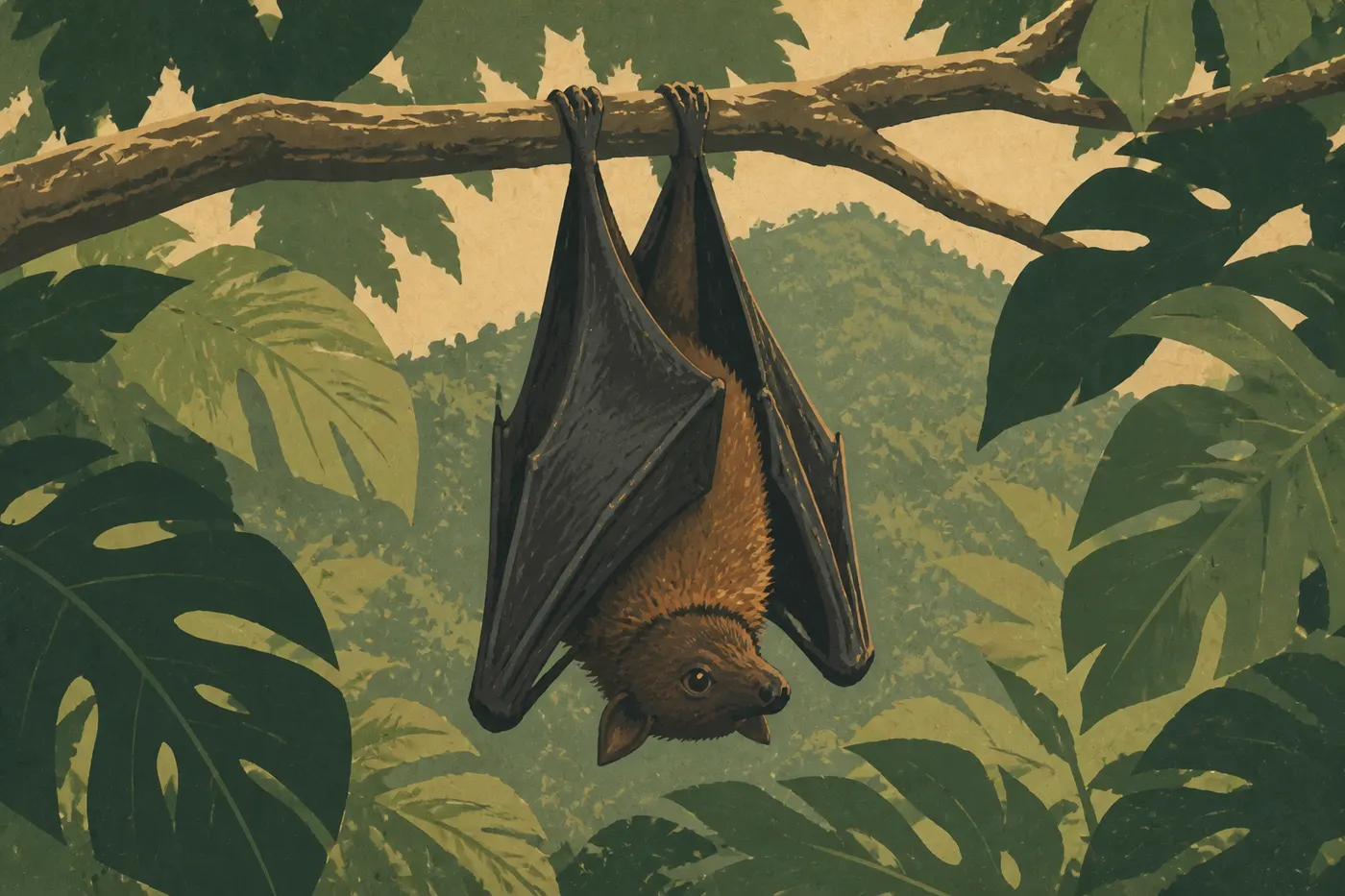
The Samoan flying fox (Pteropus samoensis), called pe'a in Samoan, is the archipelago's symbol. This large fruit bat can have a wingspan of more than 3 feet. It has an unusual trait for a bat: it's diurnal, so it's active in broad daylight. Spotting a dark shape gliding above the canopy at noon isn't your imagination. That's the flying fox. It plays a central role in pollinating plants and dispersing the seeds of rainforest trees. Without it, the forest canopy would eventually struggle to regenerate.
A second species shares the park: the Pacific flying fox (Pteropus tonganus), which is larger and more nocturnal. To tell them apart in flight, look at the fur on their backs. The Samoan flying fox has a clearly visible golden patch, while its relative does not. Both species are protected within the park boundaries.
Green and Hawksbill Sea Turtles
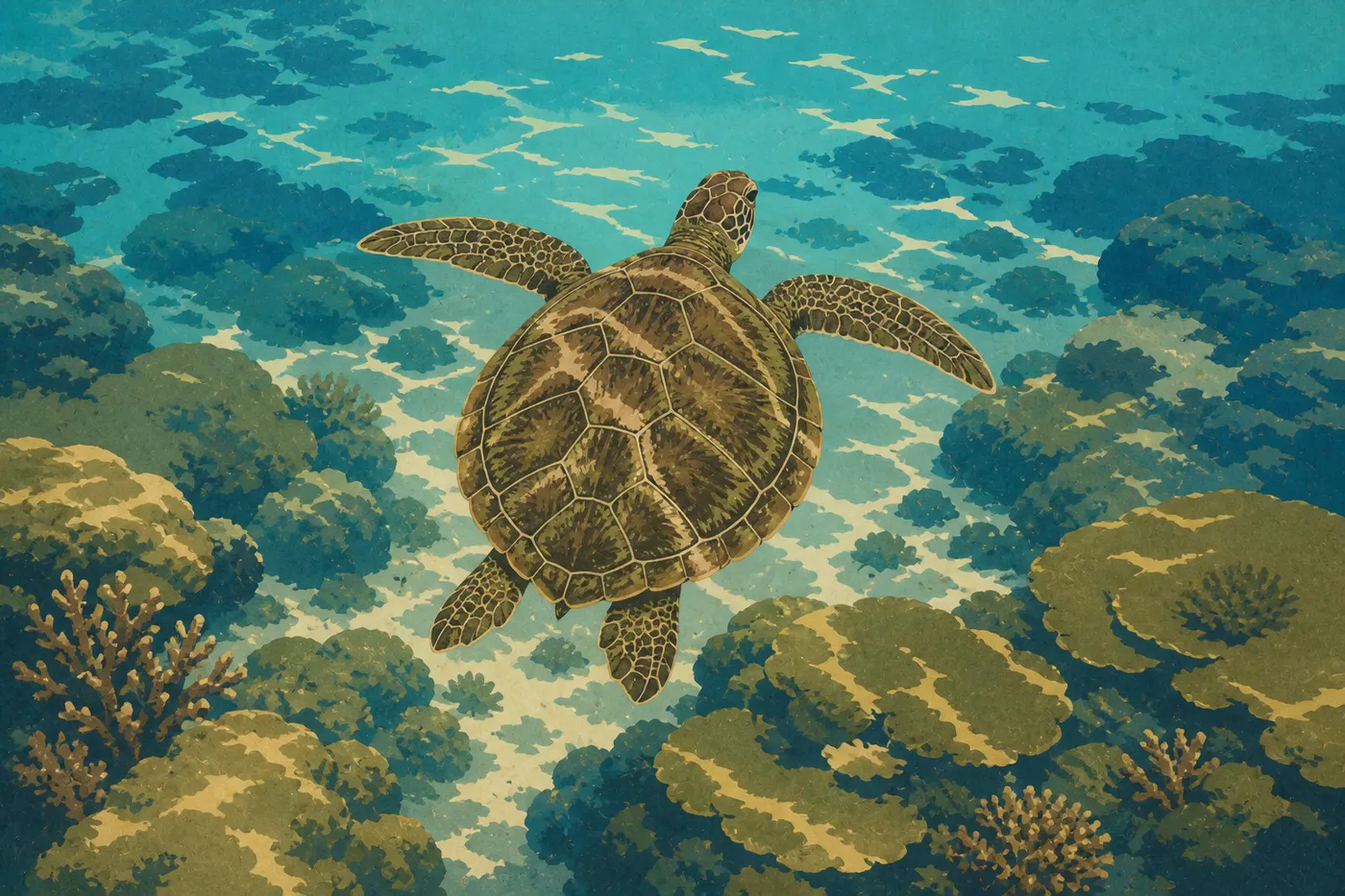
Two species of sea turtles frequent park waters. The green sea turtle (Chelonia mydas) is the more common one. You'll see it grazing on seagrass or resting beneath coral overhangs. The hawksbill sea turtle (Eretmochelys imbricata) is smaller, with a distinctive hooked beak. It feeds mainly on sponges and is more elusive. Both species appear on the IUCN Red List, and the park provides them with an effective sanctuary.
While snorkeling around Ofu's reefs, you'll regularly encounter them, sometimes just 6 to 10 feet away. The rule is simple: don't touch them, don't follow them, and never get between a turtle and the surface.
Humpback Whales: Seasonal Visitors from the Southern Hemisphere
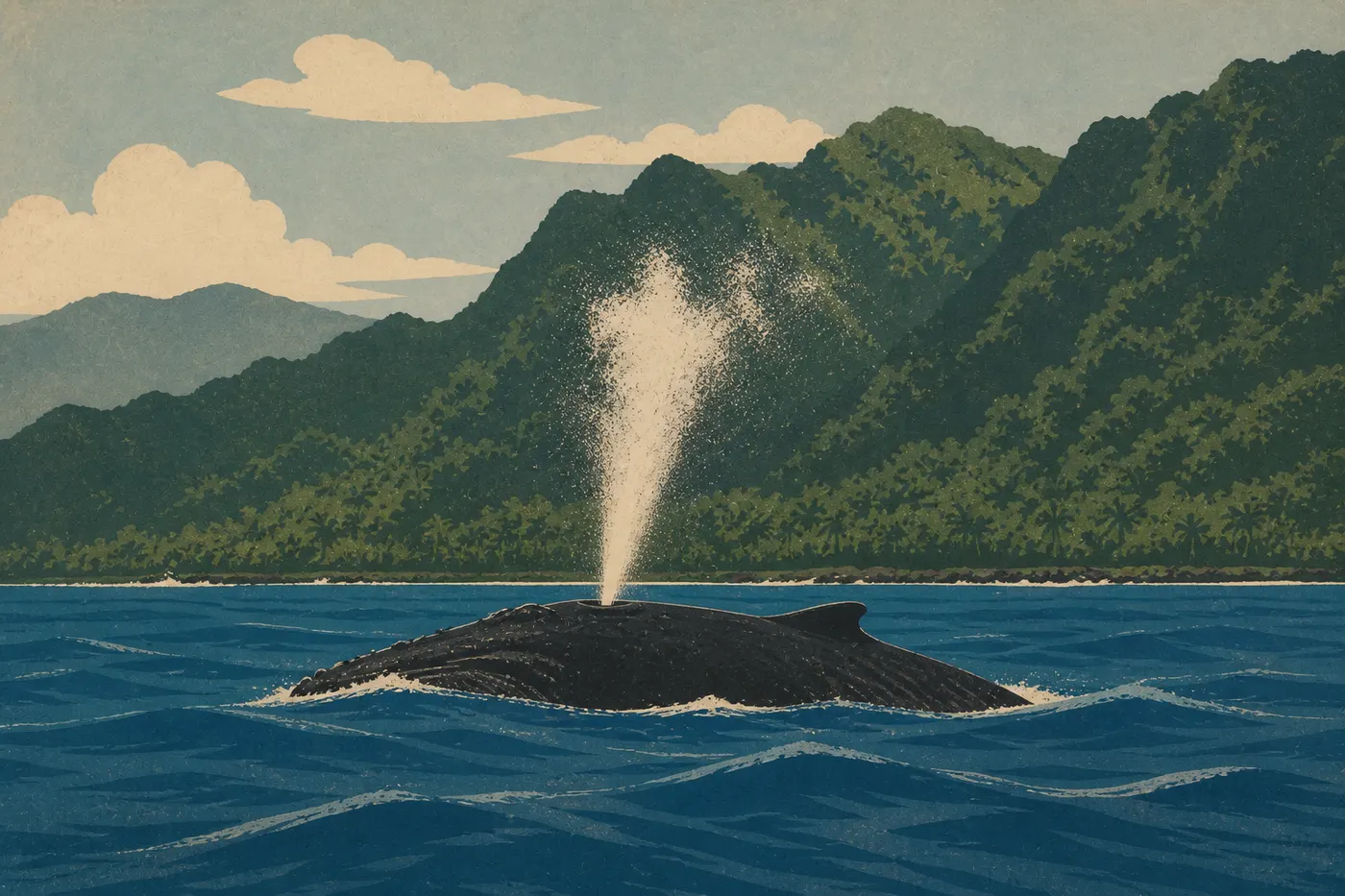
Humpback whales (Megaptera novaeangliae) migrate to the warm waters of the South Pacific every year to breed and give birth. The viewing season runs from July through September, during the Southern Hemisphere's winter. That's when females and calves are most active at the surface. From the park's coastal heights on Tutuila, you can sometimes spot blows on the horizon. Whale-watching trips from Pago Pago offer closer views while observing the required distances, at least 330 feet from a boat.
Forest and Shoreline Birds
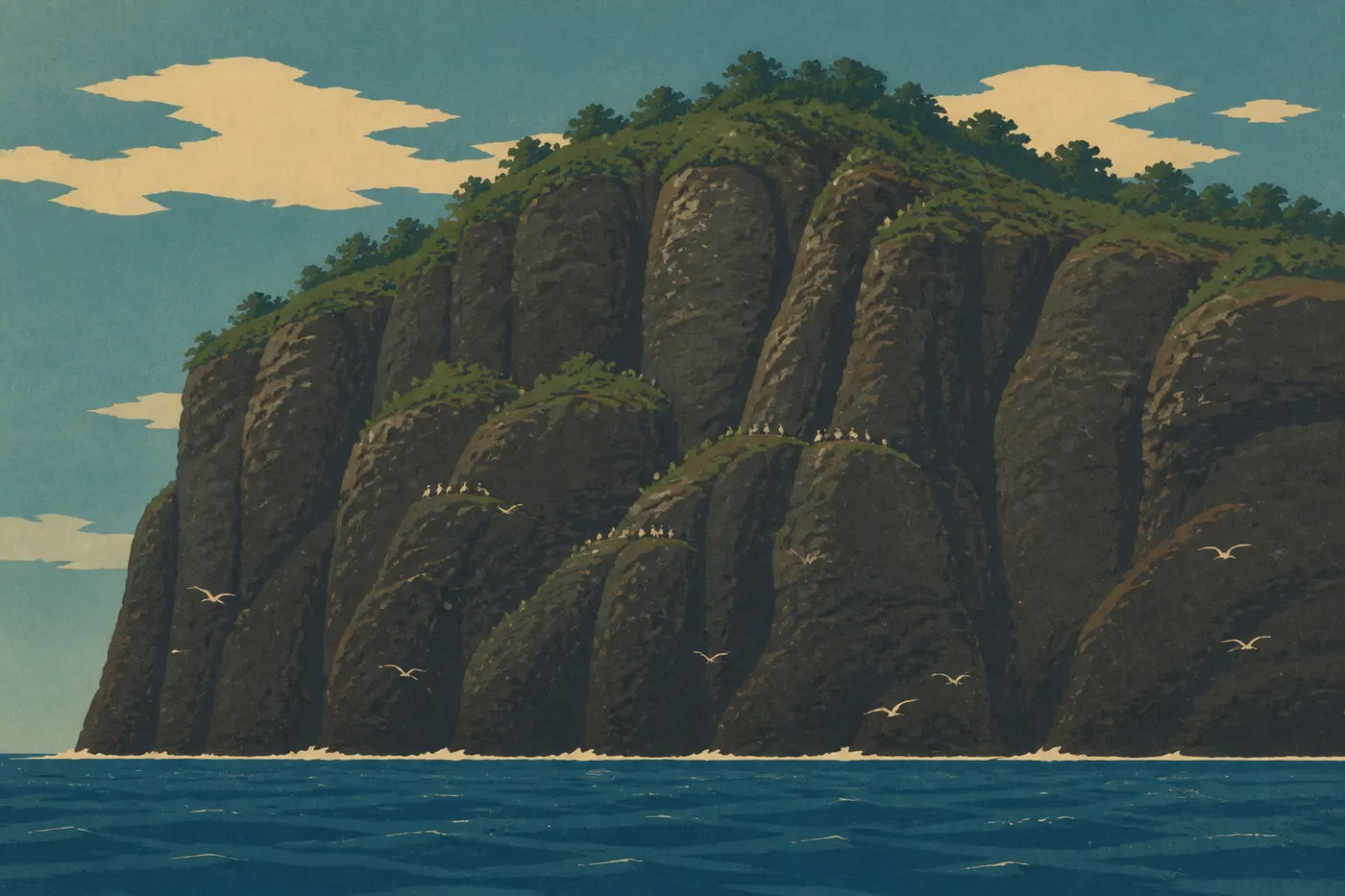
American Samoa's bird diversity is remarkable for such a small territory. Here are a few species to look for:
- The cardinal honeyeater (Myzomela cardinalis): blood-red and black males that are impossible to mistake, commonly found in the flowering trees of the lowland forest.
- The Samoan starling (Aplonis atrifusca): a dark-brown endemic species often seen in groups in the canopy.
- The white-tailed tropicbird (Phaethon lepturus): a large white seabird with long central tail feathers that nests in coastal cliffs and glides above the lagoon with striking grace.
- The Pacific golden plover (Pluvialis fulva): a migratory bird found in open coastal areas between seasons.
Arrive early, before 8 a.m., for forest birds. The dawn chorus is loud, and birds actively feed during the first few hours after sunrise.
Reef Fish and Coral Reef Wildlife
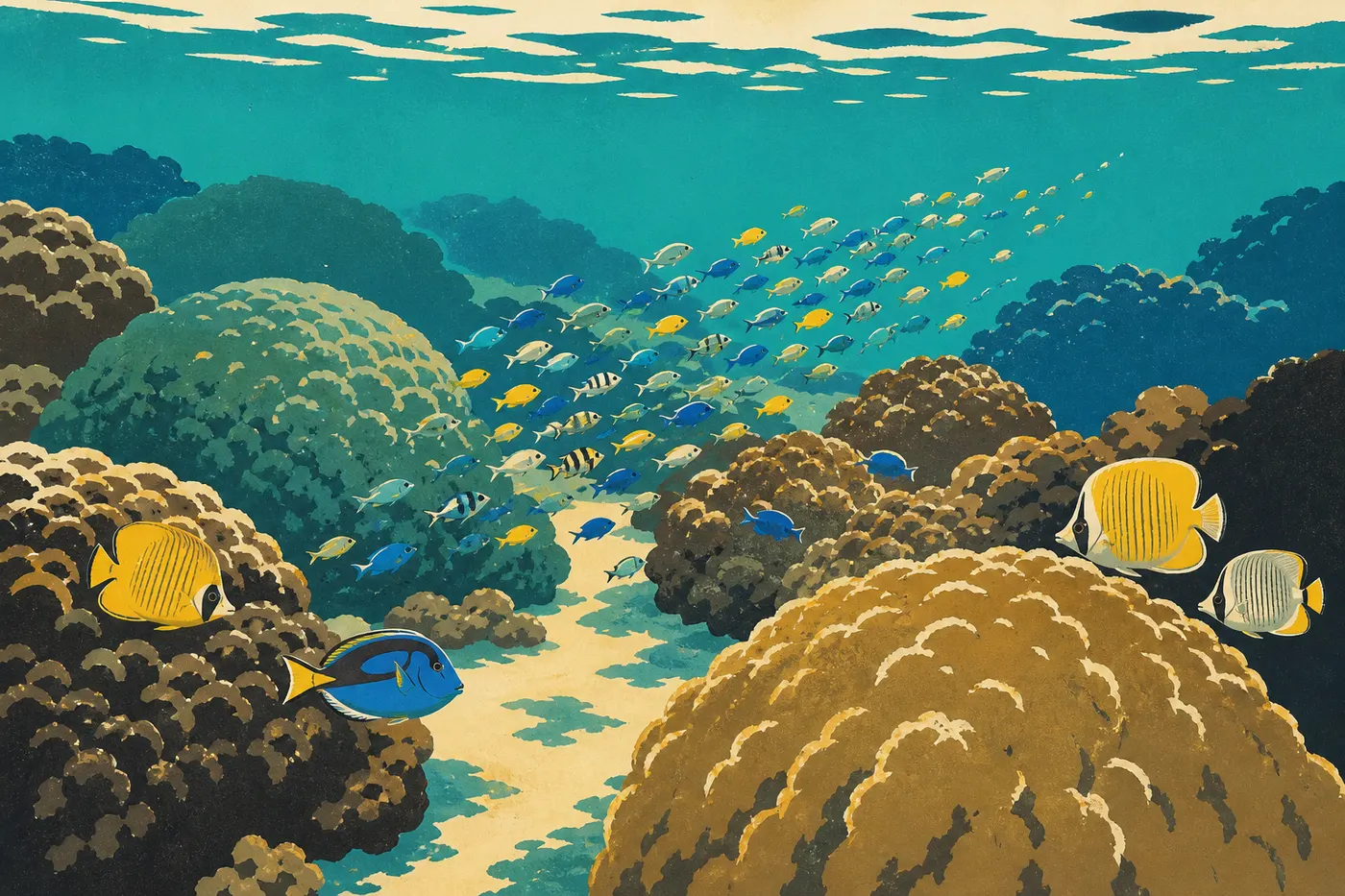
Marine ecologists cite Ofu's reef as one of the most diverse in the American Pacific, with more than 950 fish species identified in park waters. Parrotfish (Scaridae) graze on coral, blue tangs move through the reef, and clownfish shelter in their anemones. Giant moray eels curl beneath coral heads. Every outing reveals a new scene. Octopuses come out at night, stingrays glide over the sandy bottoms of channels, and long-snouted spinner dolphins (Stenella longirostris) regularly appear offshore from Tutuila.
Where to See Wildlife in the Park
The park stretches across three islands, each with its own wildlife-viewing opportunities.
Tutuila Island (Vatia, Pago Pago). The forest above the village of Vatia is the classic place to see Samoan flying foxes during the day. Ridgetop views look out over the bay and sometimes make it possible to spot dolphins at the surface. Pago Pago is the natural starting point for whale-watching trips during whale season. The trails leading to these viewpoints are detailed on our Hiking page.
Ofu Island. This is the top choice for marine wildlife. Ofu Beach borders a shallow lagoon where you can snorkel just a few feet from shore without scuba gear. Green turtles, schools of tangs, and parrotfish follow one another along the reef. It's the park's most accessible spot for underwater wildlife viewing.
Taʻu Island. Taʻu's rainforest is the most intact of the three islands, with some of the oldest trees in the archipelago. Endemic birds are easier to spot here than on Tutuila because they're less disturbed by human presence. Samoan flying foxes also roost here in large numbers.
For visitor center hours, which are 8 a.m. to 3 p.m. on weekdays, and access conditions between the islands, check our complete American Samoa guide before you leave.
When to Watch Wildlife
Wildlife is present year-round, but timing matters for some species.
Humpback whales. July through September only, during the Southern Hemisphere's winter. Outside that window, your chances of seeing them are close to zero.
Sea turtles. Present on the reef year-round. Daytime snorkeling between 10 a.m. and 4 p.m., when the sun is highest, offers the best underwater visibility.
Flying foxes. Active from dawn through late afternoon, with one peak at sunrise and another late in the day, when they return to their roost trees. Cloudy skies often make them more active during the day.
Forest birds. The first two hours after sunrise, year-round. The dry season from June through September makes forest travel easier. Trails are less muddy, and conditions are more comfortable for walking under the canopy.
For a complete look at the park's seasonal weather patterns, the When to Visit American Samoa guide breaks down conditions month by month and explains how they affect each wildlife-viewing activity.
Predators and Large Animals in the Park
American Samoa is unusual within the U.S. national park system. It has no large native land predators. Flying foxes are the largest mammals you'll encounter in the forest. Hiking here feels very different from hiking in Yellowstone or the Everglades, where the possibility of encountering predators shapes the entire visit.
The situation changes offshore. Sharks regularly frequent park waters, including whitetip reef sharks (Triaenodon obesus), gray reef sharks (Carcharhinus amblyrhynchos), and, occasionally, tiger sharks (Galeocerdo cuvier) in deep channels. Incidents involving swimmers or divers remain rare, but a few common-sense rules apply. Don't make a night dive without a guide, avoid entering channels on a rising tide unless you know the site, and leave shiny jewelry in your bungalow.
Barracuda are common on the reef. They look impressive, but they generally aren't aggressive toward divers who don't provoke them.
How to Watch Wildlife Safely
Flying foxes: keep at least 100 feet away. Stay away from roost trees and never feed them. A stressed flying fox can bite, so avoid direct contact.
Sea turtles: no contact. Stay at least 10 feet away and never get between a turtle and the surface. If a turtle is trying to come up for air and you block its path, you put it in immediate danger.
Coral: don't touch it. Walking on or leaning against coral kills polyps and destroys in seconds what took decades to form. Good snorkeling buoyancy control is enough to prevent contact. Diving gloves aren't an excuse. Leave the coral untouched.
Humpback whales: stay 330 feet away from a boat. If whales appear within 1,000 feet, reduce your speed to less than 8 mph or turn off the engine.
Sharks: avoid behaviors that attract them. Don't dive with open wounds, don't swim alone in deep channels, and stay away from areas where fish are being eaten.
In Short: Wildlife You Shouldn't Miss and Where to Find It
| Species | Where | Best time |
|---|---|---|
| Samoan flying fox | Vatia forest, Taʻu | Sunrise and sunset |
| Green sea turtle | Ofu reef | 10 a.m. to 4 p.m., snorkeling |
| Humpback whale | Offshore from Tutuila | July through September |
| Cardinal honeyeater | Canopy, Taʻu and Tutuila | Before 8 a.m. |
| Reef fish | Ofu lagoon | All day |
Frequently Asked Questions
What animals are endemic to Samoa?
Among Samoa's endemic animals, the Samoan flying fox (Pteropus samoensis) and the Samoan starling (Aplonis atrifusca) are the most iconic species found within the National Park of American Samoa. Several reef fish species are also endemic to the Samoan waters of the South Pacific.
What animals can you find in American Samoa?
American Samoa's wildlife is dominated by flying foxes and tropical forest birds on land, and by sea turtles, reef fish, more than 950 species of them, and reef sharks offshore. No large land mammal is native to the archipelago. Flying foxes are its only native land mammals.
What is Samoa's national animal?
Samoa's national animal is the Samoan flying fox (Pteropus samoensis), called pe'a in Samoan. This large, diurnal fruit bat is strictly protected within the National Park of American Samoa and is an essential part of the island rainforest.
What mammals live in American Samoa?
Native land mammals in American Samoa are limited to two flying fox species (Pteropus samoensis and Pteropus tonganus). Offshore, humpback whales and long-snouted spinner dolphins (Stenella longirostris) visit park waters seasonally or regularly.