
When to Visit American Samoa: Best Time, Weather, and Seasons
Let's be direct: nobody ends up in American Samoa by accident. This national park lies in the South Pacific, about 5,300 miles from Los Angeles, and getting there takes both careful planning and a substantial transportation budget. You might as well make sure the weather cooperates when you arrive. Here, timing really matters.
The best time to visit American Samoa is July and August, right in the heart of the dry season, when the rain lets up, temperatures drop to around 81 °F, and the cyclone risk is almost zero. More broadly, June through September is the window to target: stable conditions, excellent underwater visibility, and more reliable inter-island flights to Taʻu and Ofu. These months coincide with school holidays in Australia and New Zealand, which makes them a practical choice for many international visitors.
Climate Month by Month
The park has a tropical maritime climate with no true cold season. Temperatures vary little from year to year, ranging from 79 °F to 86 °F, but rainfall changes dramatically from one half of the year to the next. Rainfall is what determines the quality of your visit.
The table below gives general trends from Pago Pago, the capital and the park's main gateway. For precise figures in millimeters and current forecasts, see the American Samoa weather and climate data.
| Month | Avg. temp. | Rainfall | Sunshine | Season |
|---|---|---|---|---|
| January | 84 °F | Very high | Partly sunny | Wet |
| February | 84 °F | High | Partly sunny | Wet |
| March | 82 °F | High | Partly sunny | Wet |
| April | 82 °F | Moderate | Variable | Wet |
| May | 82 °F | Moderate | Variable | Transition |
| June | 81 °F | Low | Good | Dry |
| July | 81 °F | Low | Good | Dry ✓ |
| August | 81 °F | Low | Good | Dry ✓ |
| September | 81 °F | Low | Good | Dry |
| October | 82 °F | Moderate | Variable | Transition |
| November | 84 °F | High | Variable | Wet |
| December | 84 °F | Very high | Partly sunny | Wet |
A little context helps. American Samoa lies in the Southern Hemisphere, between the equator and the Tropic of Capricorn. The dry season corresponds to the austral winter, from June through September. The wet season falls in the austral spring and summer, from October through May. For international travelers, the Northern Hemisphere summer happens to line up with the park's best weather window.
American Samoa in January
January is the wettest month of the year on Tutuila, with more than 450 mm of rain. Temperatures hover around 86 °F, and humidity reaches its peak, making uphill hikes physically demanding. Cyclone risk remains real, and inter-island flights to Taʻu and Ofu are disrupted more often than during the dry season. Visitor numbers are at their lowest. If you travel this month, focus on cultural activities in Pago Pago and carry solid trip-cancellation coverage.
American Samoa in February
February falls in the heart of the wet season, with rainfall close to January's levels. Cyclone risk remains present. The primary forest on Tutuila and Taʻu turns an intense green after the rain, and pe'a (Samoan fruit bats) glide at dawn and dusk along the forest edges. This is a month for highly flexible travelers who are willing to adjust their plans day by day as conditions change.
American Samoa in March
March marks the gradual end of cyclone risk, but rain remains heavy, at around 400 mm. Visitor numbers are close to zero, so you'll see almost nobody on the trails or beaches. Trails can be slippery, and the NPS may temporarily close some of them. If your schedule is flexible and absolute solitude is your top priority, March can feel like having the park to yourself.
American Samoa in April
April begins the transition. Rainfall drops noticeably, to around 340 mm, cyclone risk recedes, and the days gradually brighten. It remains hot, with daytime highs reaching 88 °F. Trails slowly become easier to use. It's not the dry season yet, but conditions are already much more comfortable than at the height of the wet season.
American Samoa in May
May is the calendar's last wet-season month, and rainfall is already much lower than in January, at about 280 mm. The end of the month is an interesting time to visit: conditions improve week by week, and flight and lodging prices have not yet reached peak-season levels. For budget-conscious travelers who want reasonably good conditions, the very end of May is worth watching.
American Samoa in June
June marks the start of the dry season. Rainfall drops to around 200 mm, skies clear, and temperatures range from 73 °F to 84 °F. Underwater visibility improves on the Ofu reef, and inter-island flights to the outer islands become more reliable. Visitor numbers are still moderate before the July-August peak, making this a good window for the best conditions before the relative rush of the local high season.
American Samoa in July
July, along with August, is the best month to visit American Samoa. It's the driest month of the year, with about 170 mm of rain, daily temperatures between 73 °F and 84 °F, and noticeably lower humidity than during the wet season. Underwater visibility peaks on the Ofu reef. The Mount ʻAlava trails on Tutuila and the ridges of Taʻu are easy to hike. Visitor numbers are highest locally, driven by Australian school holidays and European summer vacations.
American Samoa in August
August offers conditions almost identical to July, with slightly more rain, around 180 mm, but still very little overall. Temperatures remain between 73 °F and 84 °F. Snorkeling on Ofu, hiking on Taʻu, and watching turtles from shore are all at their best. Families traveling during the Northern Hemisphere summer will find dependable weather and activities for every ability level. Book flights and lodging ahead of time. This is the local peak season.
American Samoa in September
September closes out the dry season. Rainfall rises slightly, to around 230 mm, but conditions remain very good for hiking and snorkeling. Visitor numbers drop as Australian travelers head home, and flight and lodging prices begin to soften. This is the best balance between good weather and a quieter park, making it an excellent choice for travelers who want to enjoy the site without peak-season pressure.
American Samoa in October
October is a transition month. Rain returns gradually, at around 320 mm, temperatures climb toward 86 °F, and the wet season settles in. Cyclone risk remains limited early in the month. Tropical vegetation regains its vigor, and the forest colors deepen after the first rains. If your schedule requires a fall trip, early October is still a workable option before conditions really deteriorate.
American Samoa in November
November marks the return of the wet season, with rainfall rising toward 380 mm. Heat and humidity increase. Monitor weather alerts closely if a tropical system develops in the region. The park remains open, but trails may close temporarily after intense rainfall. If you travel in November, favor cultural and coastal activities in Pago Pago over high-elevation trails.
American Samoa in December
December is one of the wettest months of the year, at around 430 mm, and marks the start of cyclone season. The park remains open year-round, but weather conditions can stay unsettled for several days in a row. If your December trip is set, build extra flexibility into your plans for days when outdoor activities are not possible, and buy trip-cancellation coverage for inter-island flights.
National Park of American Samoa Season by Season
Dry Season (June-September): The Window to Target
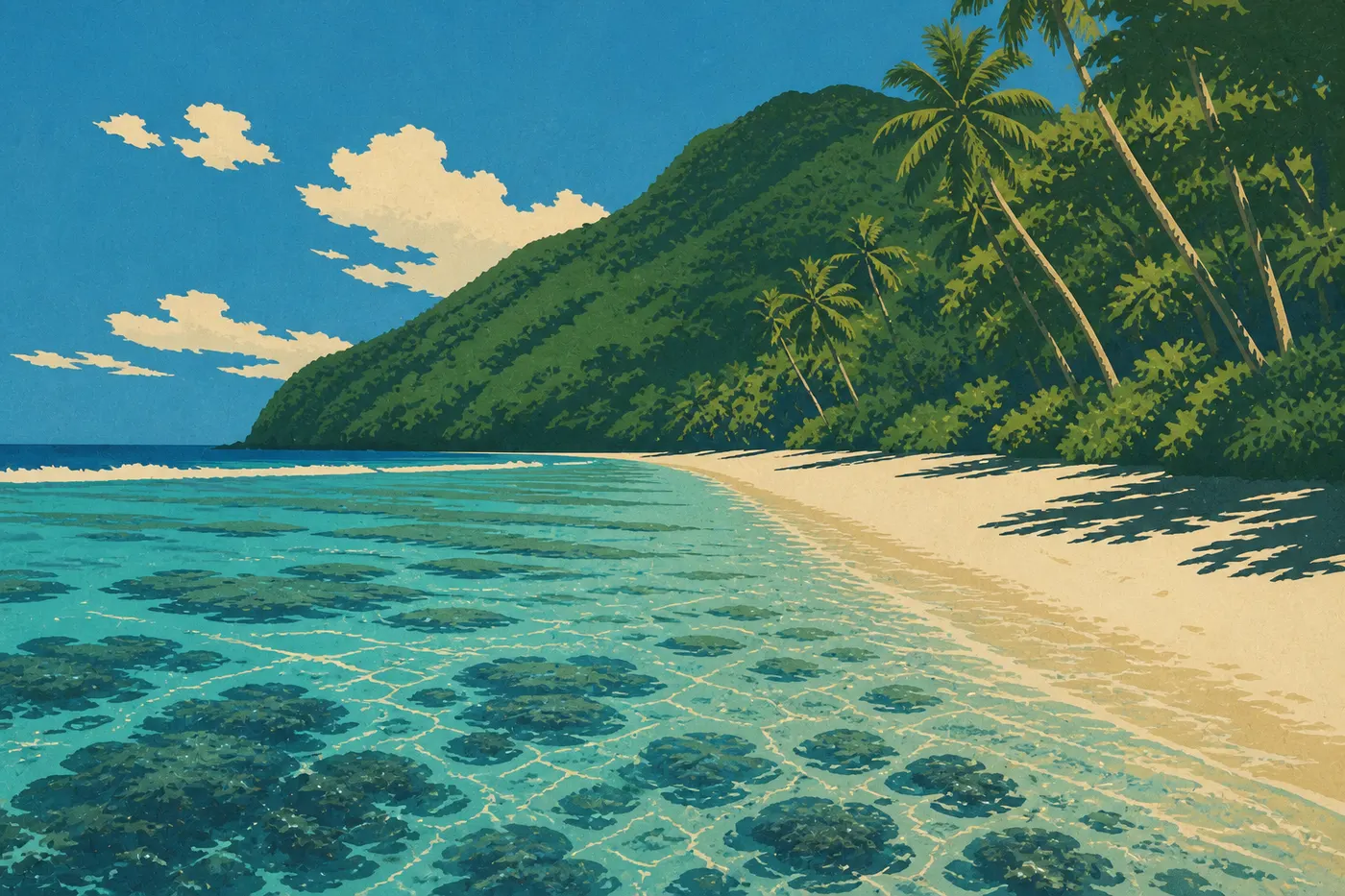
This is our clear recommendation. When we visited in August, the Mount ʻAlava trails on Tutuila were dry, views over Pago Pago Bay were clear, and the Ofu reef had water so clear that snorkeling was unforgettable. Tropical vegetation remains dense and intensely green, so don't expect an arid landscape.
Showers still happen during the dry season, since this is the tropics, but they are brief and clear quickly. Trails remain usable, including those climbing toward the ridges of Taʻu or running along Ofu's cliffs. Air service to the outer islands is also more dependable. The small aircraft linking Tutuila with Taʻu and Ofu are sensitive to weather, and the dry season reduces cancellations.
Marine life is present year-round, but clear water from June through September makes it easier to spot green turtles and hawksbill turtles from shore without dive gear. Samoan fruit bats, the pe'a, glide along forest edges at dawn and dusk. They're easy to spot and largely indifferent to visitors.
As for temperatures, 81 °F combined with slightly lower humidity makes uphill hikes much more manageable. Mount ʻAlava rises to about 1,611 feet. The climb feels very different at 81 °F than it does at 86 °F in peak tropical humidity.
Wet Season (October-May): A Deliberate Choice or a Constraint
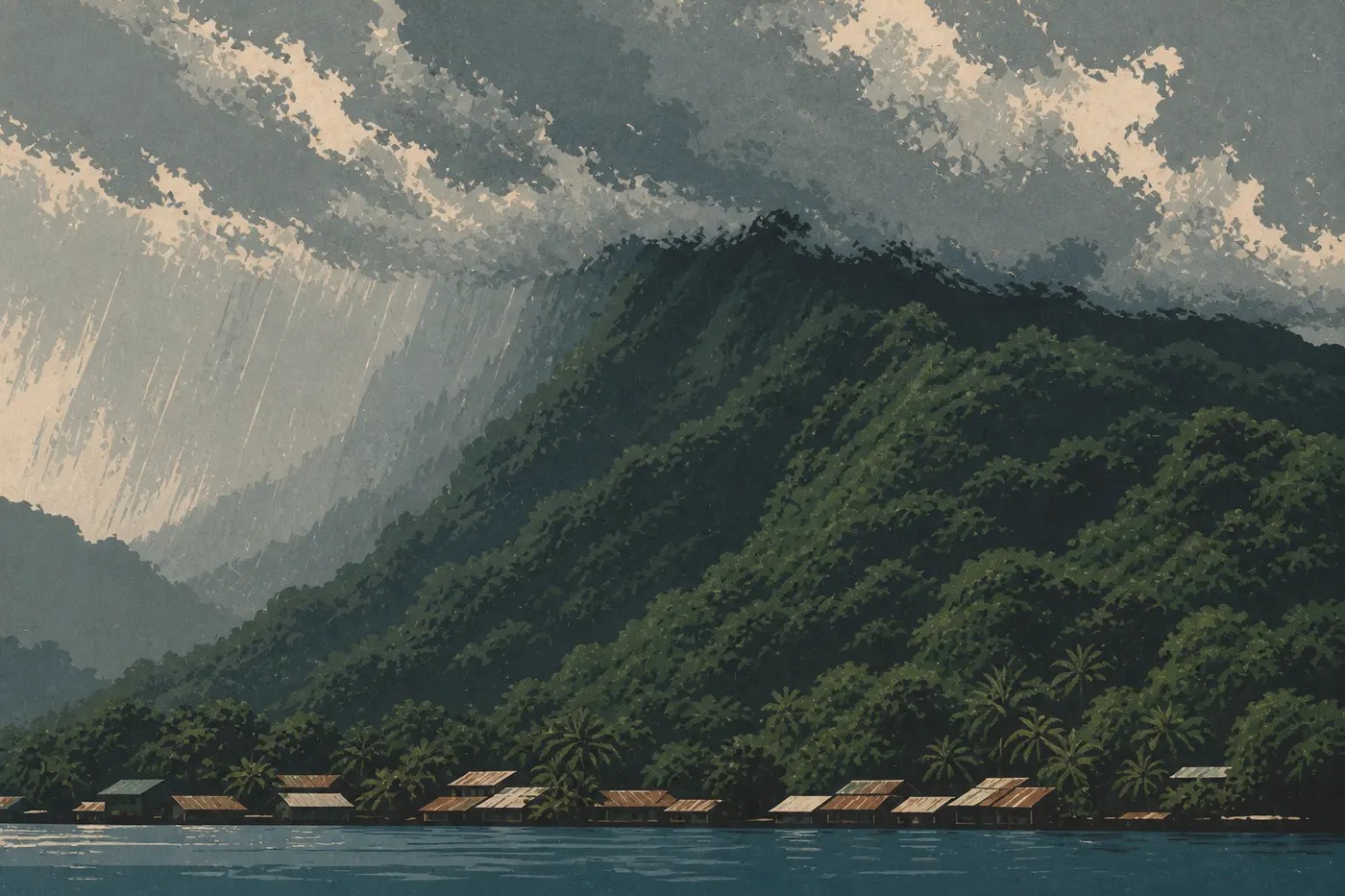
The wet season lasts seven months, with very different conditions depending on the time of year.
October is an acceptable transition window. The first rains return, but cyclone risk remains limited. Vegetation regains its vigor and forest colors intensify. If your schedule requires a fall trip, October remains an option.
November through April brings the main risks. Rainfall can be intense and prolonged, some trails close temporarily for maintenance or safety, and tropical cyclones hit the region in some years, especially between December and March. Inter-island flights to Taʻu and Ofu can be disrupted for several days in a row. The park technically remains open 24 hours a day, year-round, including holidays, but the NPS may close sections when necessary.
May begins the transition out of the wet season. Rain becomes less frequent, temperatures remain high, and the dry season approaches. Travelers with tight schedules can consider arriving at the end of the month.
If you have no choice but to travel during the wet season, bring waterproof protection for your electronics, shoes with good traction for the trails, and solid trip-cancellation coverage for inter-island flights.
Crowds: When to Avoid Them
The best news about the park is that it almost never feels crowded. It's structurally one of the least visited national parks in the system because its remoteness and transportation costs naturally limit visitor numbers. There are no timed-entry reservations and no reservation is required to enter the park or use the trails.
The relative peak comes in July and August, driven by Australian and New Zealand winter school holidays and a few Americans on summer vacation. Even then, you won't be competing for space on the trails.
The absolute low falls between January and March, during the heart of the rainy season, when air traffic to Pago Pago is reduced and conditions are less appealing. For travelers who put complete solitude first and accept unpredictable weather, this is their window.
To combine good conditions with minimal crowds, September is the ideal compromise. The dry season is ending, Australian visitors have gone home, and conditions remain good.
Best Time for Your Budget
The dry season, especially July and August, is also the most expensive. Flights from Los Angeles are already limited and reach their highest fares during Australian school holidays. Pago Pago's small supply of lodging fills faster and prices rise.
Watch two periods if you want to lower costs without giving up good weather entirely:
- Late May to early June: the dry season is starting, and prices have not yet reached peak levels.
- Late September to early October: the dry season is ending, and fares fall before the serious rains return.
Admission to the park is free, and no reservation is required to access natural sites. The Pago Pago visitor center is open weekdays from 8 a.m. to 3 p.m., at no charge. You don't need to budget for a park pass here.
Flights from Europe generally connect through Los Angeles or Honolulu before continuing to Pago Pago. Frequencies are limited, so compare layover dates carefully. The full logistics of getting there from abroad, including flights, layovers, and connections to Pago Pago, are covered in our guide to getting to American Samoa. For lodging on Tutuila and the islands, see our American Samoa lodging guide, organized by category.
When to Go Based on Your Interests
Diving and snorkeling: June through September, without hesitation. Underwater visibility is at its best, the corals are healthy, and the sea is calmer. The Ofu reef is one of the best-preserved in the region. Our guide to snorkeling sites and activities in the park covers them in detail.
Hiking and trekking: the dry season. Trails remain usable and the views stay clear. During the wet season, trails get slippery, some close temporarily, and views from the ridges often disappear into mist. Our National Park of American Samoa trails guide breaks them down by difficulty and elevation gain.
Wildlife watching: year-round for pe'a, tropical birds, and turtles, but June through September offers the clearest water and the easiest shore viewing. Our guide to wildlife in American Samoa covers species, locations, and timing.
Photography: the wet season brings dramatic light, lush green vegetation, and striking misty conditions at higher elevations. The tradeoff is real: humidity can damage unprotected equipment. Waterproof bags and silica-gel packets are essential.
Family travel: July and August. The weather is most predictable, cyclone risk is nearly zero, trails are usable, and the beaches at Ofu and Vatia work well for swimming. Our family travel tips for American Samoa are organized by activity.
Budget travel: late May or early October, when you can combine reasonable weather with less pressure on flight and lodging prices.
Christmas or February school holidays: expect wet conditions. That doesn't make a trip impossible, but you'll need to shift your plans toward activities less exposed to bad weather and monitor alerts if a tropical system forms in the region.
In Summary: Best Time Based on Your Interests
| Your priority | Recommended time |
|---|---|
| Diving, snorkeling | June-September |
| Hiking | June-September |
| Marine and land wildlife | June-September (possible year-round) |
| Dramatic nature photography | Wet season (equipment protection essential) |
| Family travel | July-August |
| Budget travel | Late May or early October |
| Complete solitude | January-March (accept wet conditions) |
To plan your entire trip, our American Samoa guide covers the park from first impressions through practical advice.
The Worst Time to Visit American Samoa
The worst time to visit American Samoa is from December through March. These four months combine the main drawbacks: very heavy rainfall, from 400 to 460 mm per month on Tutuila; oppressive heat with peak tropical humidity; and real cyclone risk. When a cyclone passes through, flights are suspended, trails close, and the entire trip's logistics can unravel within hours. Inter-island flights to Taʻu and Ofu, already infrequent under normal conditions, are often canceled during periods of intense rain. Mosquitoes are more common during the wet season, so protection is essential after dark.
January is the most difficult case. It's the wettest month of the year, and conditions make uphill hikes physically demanding even for experienced walkers. If your schedule gives you no other option, focus on cultural activities in Pago Pago and the coastal villages of Tutuila. Bring waterproof protection for your electronics, get solid trip-cancellation coverage, and leave as much flexibility as possible in your plans.
Frequently Asked Questions
What is the best month to visit American Samoa?
The best months to visit American Samoa are July and August. They fall in the heart of the dry season, with sharply lower rainfall, temperatures around 81 °F, minimal cyclone risk, and peak underwater visibility. They also line up with Northern Hemisphere summer vacation, which can make planning easier.
When is the rainy season in American Samoa?
The rainy season in American Samoa runs from October through May. It's the longer and wetter season, with tropical cyclone risk concentrated between December and March. Annual rainfall can exceed 118 inches in the most exposed areas, especially at higher elevations.
When is high season in American Samoa?
High season falls in July and August. Visitor numbers remain very low compared with mainland national parks, but this is when flights from Los Angeles are most expensive and Pago Pago lodging is in highest demand. If you're targeting these two months, plan ahead. Flights to Pago Pago are infrequent, and seats go quickly during the Australian peak season.
Can you visit American Samoa in winter? Is the park open year-round?
Yes. National Park of American Samoa is open 24 hours a day, year-round, including holidays, with no entrance fee. During Southern Hemisphere winter, from June through August, the park is in its dry season. December through March is the wet season and the period of highest cyclone risk. High-elevation hikes are less manageable and inter-island flights are canceled more often. It's not the season to target, but nothing prevents a visit if your plans remain highly flexible.
What is the least crowded month in American Samoa?
The least crowded months are January, February, and March. This is the heart of the wet season, when few visitors arrive because of poor weather and limited air traffic to Pago Pago. If solitude is your top priority and you accept unpredictable weather, you'll practically have the park to yourself.
Is American Samoa worth visiting?
American Samoa is worth visiting if you're looking for a U.S. national park outside the usual routes. Primary tropical forest, some of the best-preserved coral reefs in the Pacific, and a living Samoan culture make the experience unique in the NPS system. The logistics take real effort, but that's exactly what helps preserve the place.
Is it safe to travel to American Samoa?
American Samoa is considered a safe destination for travelers. The usual tropical precautions apply: strong sun protection, insect repellent, and care on wet trails and rocky sections. During the wet season, follow official weather bulletins closely if a cyclone forms in the region.
How long do you need to visit National Park of American Samoa?
Plan on at least three days for the sites on Tutuila. To include Taʻu and Ofu, allow an additional five to seven days, keeping limited inter-island flight schedules and possible weather disruptions in mind. Our Itinerary and Trip Length page offers several formats based on how much time you have.