
What to Do in the National Park of American Samoa: Top Things to See
The National Park of American Samoa is the only American national park in the Southern Hemisphere. It covers three volcanic islands in the South Pacific, about 2,500 miles northeast of New Zealand. There is no entrance fee, no reservation system, and no crowds. Instead, you'll find rainforest dropping straight into the sea, a remarkably healthy coral reef, and Samoan villages whose lands make up the park itself.
The highlights at a glance: the Mount ʻAlava Trail on Tutuila, with rainforest and a panoramic ridge overlooking two bays; the reef off Ofu Island, where you can snorkel independently over pristine, uncrowded coral; and an immersion in the Samoan villages within the park boundary, including Vatia, Fitiuta, and Faleasao. These three experiences capture the park's identity. Everything else fits around them.
The National Park of American Samoa at a Glance: Islands, Districts, and Getting Around
The park is divided among three separate island units with no road connection between them. Getting from one to another requires an inter-island flight or a boat trip from Pago Pago. Plan this logistics in advance. It's the main organizational challenge of the trip. The flights and inter-island connections in American Samoa are covered island by island in the dedicated guide.
Tutuila is the main island and the required point of entry. International flights arrive here via Honolulu, and the park's visitor center is in the village of Pago Pago, across from the Pago Way gas station. The center is open weekdays from 8 a.m. to 3 p.m. The park areas on Tutuila include the villages of Vatia, Pago Pago, Fagasa, and Afono. There are no gates or fences. The land belongs to Samoan village councils, known as matai, and is leased by the U.S. government. This arrangement is unique across the entire U.S. national park system.
Ofu and Olosega are twin islands connected by a bridge. Ofu has the beach and coral reef, while Olosega can be explored on foot or by bike from the bridge. This is the park's snorkeling destination.
Taʻu is the most remote and least visited island. It is home to the villages of Fitiuta and Faleasao, an old-growth rainforest, and coastal cliffs that plunge straight into the ocean. Taʻu is for independent travelers who are comfortable with minimal infrastructure.
On Tutuila, aiga buses are colorful vans that provide informal public transportation between Pago Pago and the villages. Renting a car is still the most practical way to reach Vatia or Fagasa Pass in a reasonable amount of time. The guide getting around American Samoa covers transportation options on each island.
How Much Time Do You Need to Visit the National Park of American Samoa?
Two to three days are enough to explore Tutuila in depth: one day for Mount ʻAlava, half a day for Vatia, and a morning of coastal snorkeling. Add Ofu and plan on two more days on the island, including the inter-island flight. A complete visit that includes Taʻu takes six to seven days in all.
Even with less than two days on Tutuila, you can still see the essentials. Doing Mount ʻAlava and Vatia on the same day in intense heat, however, requires good fitness and a very early start. The itineraries tailored to the length of your stay are laid out in the Itinerary guide.
Top Experiences by Area
Tutuila: Rainforest, Ridge, and Vatia Bay
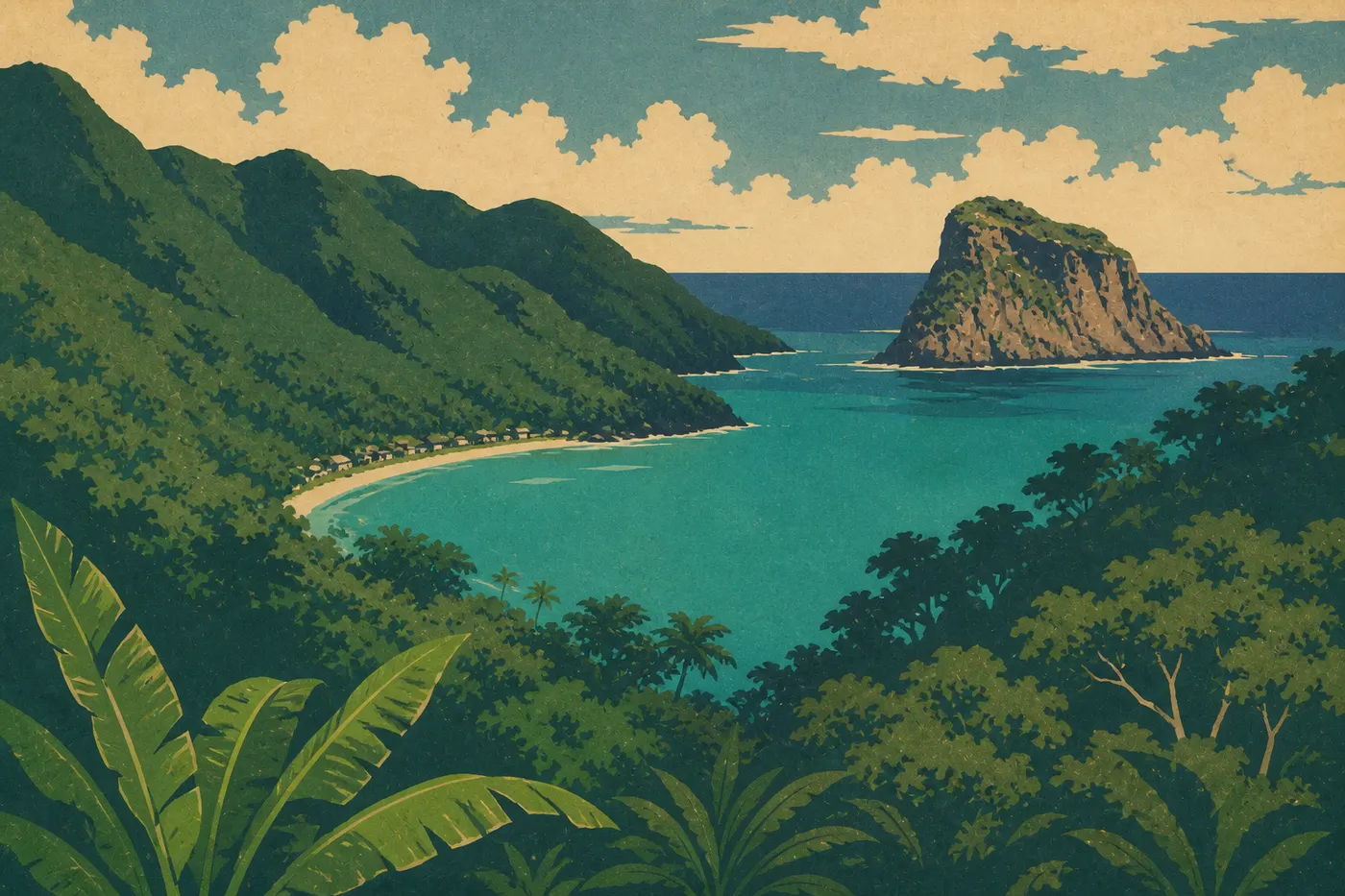
Tutuila is the most accessible island and has the greatest number of marked activities. The Mount ʻAlava Trail is its signature route: about 8 miles round-trip from Fagasa Pass, with roughly 1,600 feet of elevation gain. The climb passes through dense rainforest where fruit bats, called pe'a, fly in broad daylight with their wings fully spread. From the summit, you can see Pago Pago Harbor to the south and Vatia Bay to the north at the same time. Allow four to five hours round-trip at a moderate pace. Start early. Heat and humidity rise quickly by midmorning, and the trails become slippery after rain, which is nearly daily here.
Vatia is Tutuila's most interesting coastal village for a visit to the park. At the end of the road, it looks out over a bay closed off by Pola Island, an uninhabited volcanic islet where seabirds, including frigatebirds, nest. You can reach the beach on foot from the village, and swim or snorkel when conditions are calm. Check local sea conditions before entering the water.
The Afono area, between Fagasa Pass and the north coast, provides access to the northern slope's rainforest. This is where the vegetation is densest and the atmosphere most humid. There are fewer signs and fewer visitors.
For convenient snorkeling on Tutuila when you aren't trying to get to Ofu, the coastal area around Pago Pago Harbor has a few spots accessible from shore. Visibility varies with the season and conditions. Calm mornings usually offer the best results.
Ofu and Olosega: The Park's Standout Coral Reef
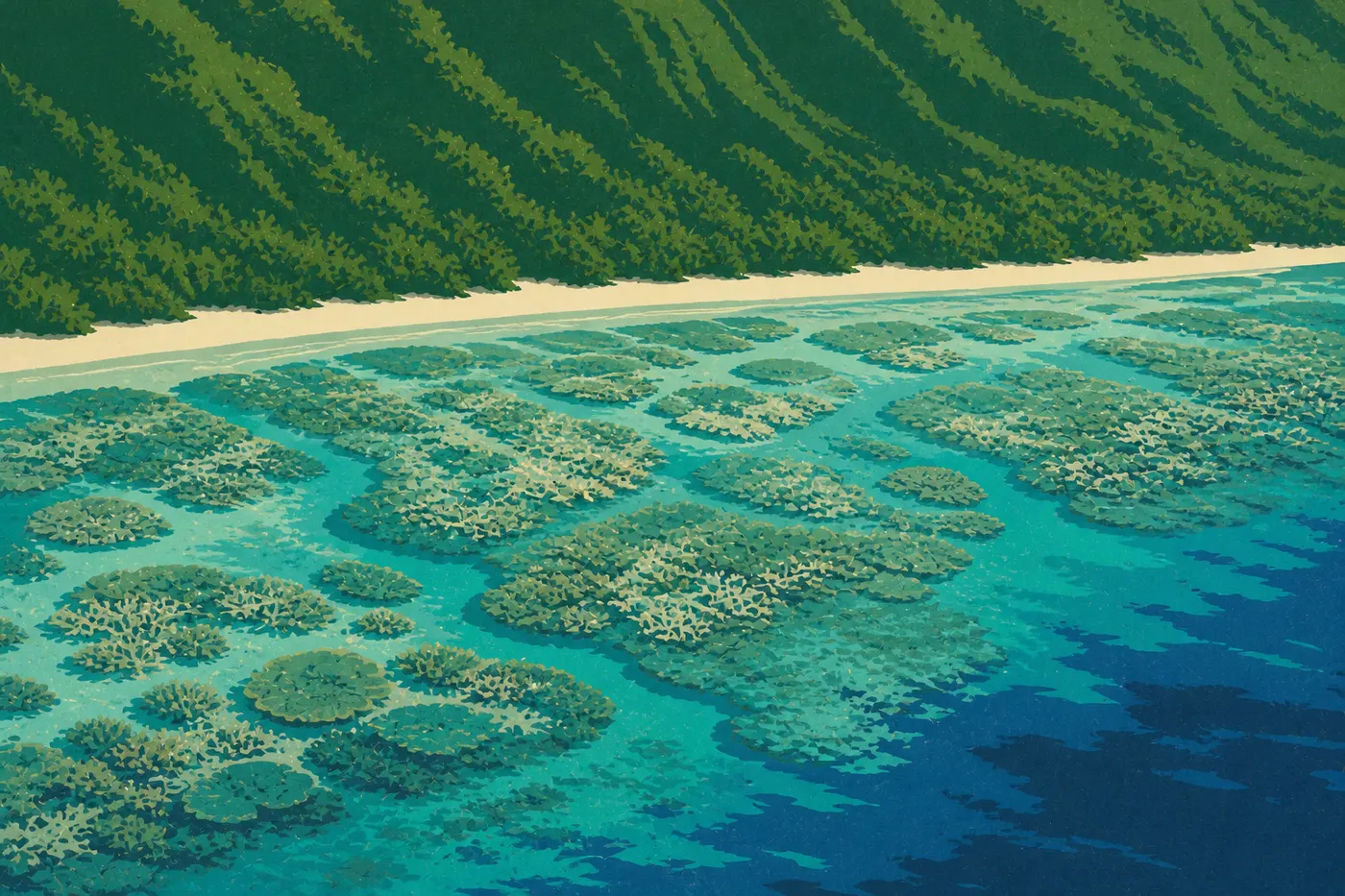
Ofu Beach is the main reason to make the trip to these islands. It borders a shallow lagoon with a healthy reef on the bottom, including branching corals, schools of tropical fish, and sea turtles. Snorkeling from shore, you can descend to depths of 6 to 10 feet and observe marine life within arm's reach.
Ofu has no equipment rental service and no dive center. Bring your own mask and snorkel. Currents can be strong along the outer edge of the reef, so stay in the lagoon. The park recommends not walking on the coral.
The small road connecting Ofu and Olosega via the bridge makes a pleasant walk or bike ride of about 3 miles round-trip. The lagoon is on one side and volcanic cliffs on the other. It's a short outing, but the contrast is striking.
Ofu has just one established lodging option. Planning is essential, especially outside the high season. The lodging available on each island of American Samoa is presented in the Where to Stay guide.
Taʻu: Cliffs, Old-Growth Forest, and Villages Out of Time
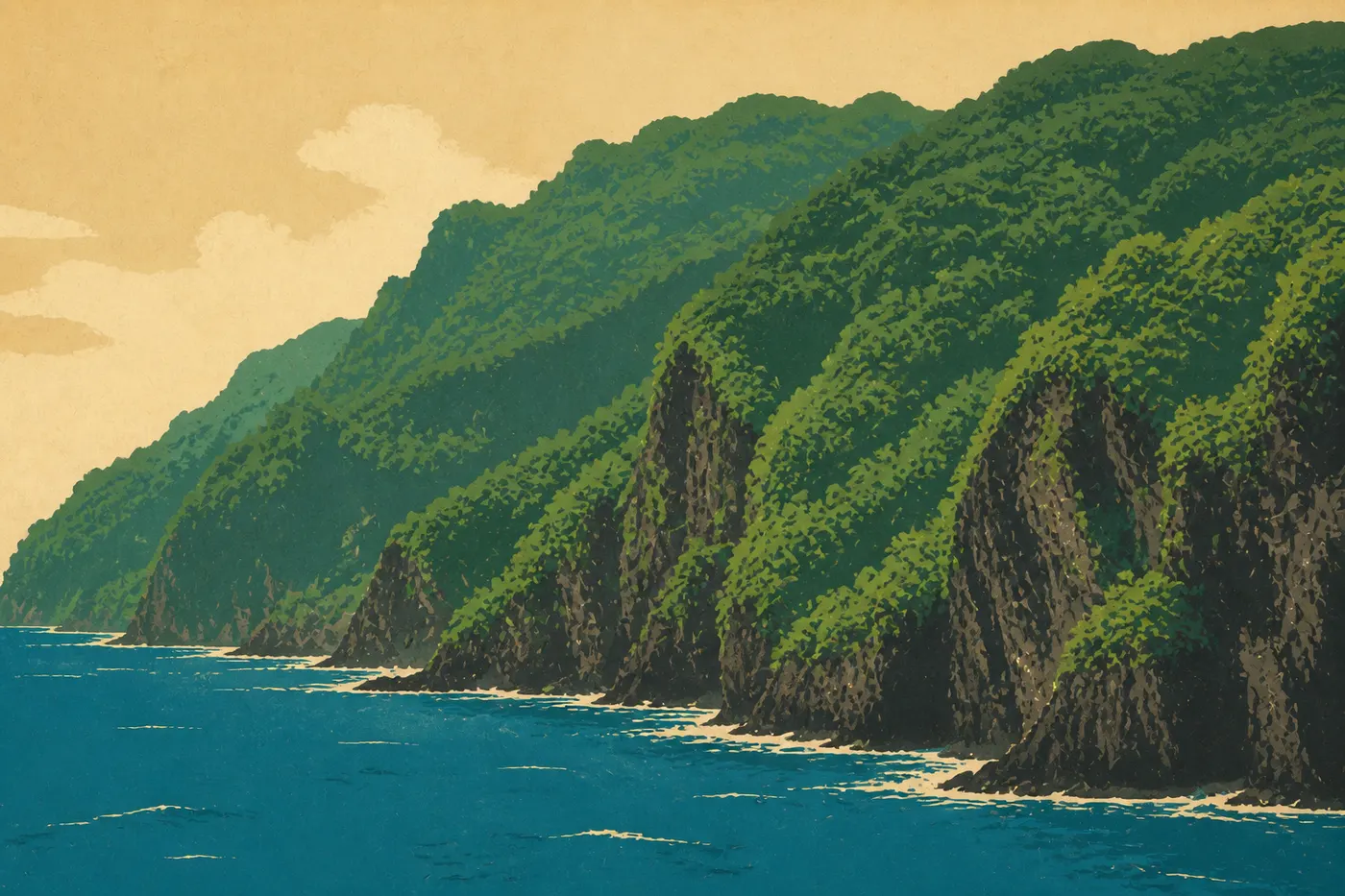
Taʻu is the island that makes it worth extending your visit beyond Tutuila and Ofu. Taʻu's rainforest is among the best-preserved tropical vegetation areas in the American Pacific. On the south coast, cliffs rise directly from the ocean for several hundred meters. On a clear day, the view from these heights leaves you speechless.
Fitiuta and Faleasao are active Samoan villages where people still follow the fa'a Samoa, or the Samoan way. There are no marked tourist attractions and no interpretive signs. Act like a respectful visitor, not a passing tourist. Ask before photographing residents, and respect village spaces.
Taʻu has no conventional hotel. Homestay arrangements are available, but they require advance planning and early contact with the park. Come prepared.
The Best Hikes in the National Park of American Samoa
The park's marked trail network is less developed than those in the major parks of the American West. Three routes deserve your attention.
The Mount ʻAlava Trail (Tutuila, about 8 miles round-trip, roughly 1,600 feet of elevation gain) is the park's signature hike. You'll get rainforest, daytime views of fruit bats, and a panorama of two bays as your reward. It's an intermediate hike. The terrain can be slippery in wet weather, which is common.
The Tuafanua Trail (Tutuila, about 3 miles round-trip) starts at Fagasa Pass and heads toward the north coast. It's shorter and less visited, with dense vegetation. It's best for hikers who are comfortable with limited or inconsistent trail markings.
Ofu's trails follow the lagoon and provide access to several places where you can enter the water. Flat, short, and suitable for all levels, they make a useful addition to a day focused on snorkeling.
The American Samoa hiking guide gives the details for each trail, including exact elevation gain, actual duration, required skill level, water sources, and seasonal conditions.
Other Activities for Different Travelers
Wildlife. Polynesian fruit bats, known as pe'a, are the park's only native land mammals. Unlike their European relatives, they fly during the day and have a wingspan of about 3 feet. You can spot them easily in the forest or even from Pago Pago by looking toward the hills. Birdlife is abundant, including frigatebirds, terns, kingfishers, and several species endemic to the archipelago. The species you can see in American Samoa, by island and season are listed in the Wildlife guide.
Humpback whale watching. Humpback whales pass through the waters around the islands between June and September. From the ridges of Tutuila or the heights of Taʻu, you may spot them surfacing from shore without any special optical equipment. There are no guarantees, but sightings are possible several times a week during the peak season.
Scuba diving. There are no dive operators within the park on Ofu or Taʻu. On Tutuila, local outfitters run trips from Pago Pago Harbor. Ask at the visitor center for current contact information.
Cultural immersion. The park's land ownership is unique. The land belongs to Samoan villages, and the national park overlays it through a lease agreement. The villages are neither reconstructions nor museums. Walking through Vatia, Fitiuta, or Faleasao means walking through living communities that still practice fa'a Samoa, including communal life, respect for the matai, and the central importance of Sunday, which is a very poor day for tourist visits. Adjust your behavior accordingly. This is one of the park's most memorable experiences, and it costs nothing.
Families. Ofu Beach is ideal for children, with a shallow lagoon, no current inside the lagoon, and clear, warm water. On Tutuila, the coast around Pago Pago is accessible to families with young children. Kids who are used to walking and can handle humid heat can manage the Mount ʻAlava Trail. Bring plenty of water and extra sun protection. The activities suited to each age group in American Samoa are detailed in the Family guide.
Kayaking. Kayak rentals are available on Tutuila. Ask at the visitor center to explore the coast from the water. It's an efficient way to reach unmarked beaches and follow the lagoon at your own pace.
Photography. The park offers three especially strong photo opportunities: early morning light on Pago Pago Harbor from the heights, Ofu's seafloor while snorkeling with an underwater housing, and fruit bats flying through dense forest. Add sunsets from the Mount ʻAlava ridge for a fourth option.
What to Do Around the National Park of American Samoa
Pago Pago and Tutuila Island. The territorial capital borders the park. Pago Pago's fishing harbor is one of the deepest natural harbors in the South Pacific, with tuna activity visible directly from the docks. Fagatogo Market offers a direct look at local life, with fresh produce stalls, Samoan crafts, noise, and color. The Jean P. Haydon Museum in downtown Pago Pago traces the territory's history from Polynesian settlement through the American protectorate. Allow half a day.
Independent Samoa. The border between American Samoa and independent Samoa is administrative, not geographic. The two territories share the same culture and language, along with close family ties. Apia, the capital of independent Samoa, is less than an hour's flight from Pago Pago. Adding a night or two to visit Upolu, or even Savaiʻi, offers a rich comparative view of Polynesian culture.
For a broader South Pacific itinerary including Tonga, Fiji, and the Cook Islands, Pago Pago makes a natural starting point, with direct flights to Apia, Tonga, and Fiji.
The Essentials: What to See First in the National Park of American Samoa
American Samoa isn't an American West park you can drive through in two days. You have to earn it with a long-haul flight via Honolulu, inter-island logistics, and the self-sufficiency required on Ofu and Taʻu. In return, you'll get a pristine coral reef that you can explore alone or nearly alone, a rainforest crossed by giant fruit bats, and Polynesian villages included within the park's boundaries.
The three absolute priorities, in logistical order, are Tutuila first, as your base for the Mount ʻAlava hike and Vatia village; Ofu next, for the beach, snorkeling, and at least one night on the island; and Taʻu if time and planning allow. There is no entrance fee and no need to obtain a reservation in advance. Once you're there, the park is completely open to everyone.
Our complete American Samoa guide brings together every page in the cluster to help you plan your trip from start to finish.
Frequently Asked Questions
Is it worth going to American Samoa?
American Samoa is worth the trip for travelers looking for a national park off the beaten path, a healthy coral reef to explore independently, and direct contact with a living Polynesian culture. The logistics require a real commitment, including an international flight via Honolulu and mandatory inter-island flights to Ofu and Taʻu. In return, the territory sees few visitors, the sites remain pristine, and admission is completely free.
What is there to do in the Samoan islands?
The National Park of American Samoa offers rainforest hiking on Mount ʻAlava in Tutuila, snorkeling on Ofu's reef, immersion in the Samoan villages within the park boundary, including Vatia, Fitiuta, and Faleasao, seasonal sightings of fruit bats and humpback whales from June through September, and a visit to Pago Pago Harbor. These activities are spread across three separate islands.
Is it better to visit Samoa or American Samoa?
The two territories have distinct profiles. American Samoa offers the setting of a U.S. national park, with a pristine coral reef and hikes on Tutuila, free admission, and simpler logistics for travelers coming from the mainland United States. Independent Samoa is often considered more accessible for a traditional beach vacation. Ideally, visit both. A Pago Pago to Apia flight takes less than an hour.
What is the best month to visit American Samoa?
The dry season from June through September generally offers better conditions, with slightly lower temperatures, fewer periods of continuous rain, and a lower risk of tropical storms. It's also the season for humpback whale sightings offshore. The wet season from October through May is still workable, but trails are slippery and showers can last several hours at a time. Our When to Go page breaks down conditions month by month and island by island.