
When to Visit Voyageurs: Best Seasons and Ideal Months
The best time to visit Voyageurs is July and August for boating and aquatic wildlife, or January and February for northern lights and ice roads.
The best time to visit Voyageurs National Park runs from mid-June through late August. The weather is mild, with daytime temperatures from 68 to 79°F, the lakes are open for boating, and wildlife is highly active. If you want good weather without the crowds, September is our strongest recommendation. And if you dream of watching the northern lights over a silent, snow-covered lake, January and February are the only real choices.
Voyageurs Weather Month by Month
Wedged between Minnesota and the Canadian border, Voyageurs sees striking temperature swings, from -4°F in January to 79°F in July. The table below gives you a quick overview. Detailed forecasts, hourly data, and current conditions are available on our Weather page.
| Month | Approx. low | Approx. high | Typical conditions |
|---|---|---|---|
| January | 0°F | 23°F | Bitter cold, frozen lakes, northern lights |
| February | 3°F | 27°F | Persistent cold, longer days |
| March | 16°F | 37°F | Thaw begins, unstable ice |
| April | 32°F | 54°F | Weakening ice, hazards to watch |
| May | 45°F | 66°F | Ice breakup, usually around May 3 |
| June | 55°F | 73°F | Start of the warm season, mosquitoes active |
| July | 61°F | 79°F | Peak season, warm weather, very long days |
| August | 59°F | 77°F | Steady warmth, end of peak season |
| September | 48°F | 64°F | Fall colors, fewer visitors |
| October | 36°F | 50°F | Chilly weather, first frosts |
| November | 21°F | 36°F | Seasonal closures, first snow |
| December | 7°F | 27°F | Winter settles in, lakes beginning to freeze |
The frost-free season lasts about 120 days on average, from June through mid-September. The first measurable snow usually arrives in late October, while the last snow can linger into April.
Voyageurs in January
Temperatures range from 0 to 23°F, with frequent polar winds. Ice roads on the larger lakes are generally usable at this time, making snowmobiling, snowshoeing, and cross-country skiing possible. Visitor numbers are minimal, and the park is almost completely quiet. January offers the best odds for seeing the northern lights. Pick a clear night, get away from the docks, and check solar activity ahead of time.
Voyageurs in February
Conditions are much like January's, from 3 to 27°F, but the days are noticeably longer. Ice roads remain usable, and the snowpack is usually excellent for cross-country skiing. This is often the most reliable period for winter travel because the ice is well established and temperatures are less extreme than in January. You can still see the northern lights during periods of heightened solar activity.
Voyageurs in March
The mercury gradually rises, from 16 to 37°F, but the ice becomes treacherous at the surface. Ice roads usually close in March, sometimes earlier depending on the year's conditions. Winter activities wind down, while summer services have not opened yet. This is a month for experienced visitors who know how to stay safe on unstable ice.
Voyageurs in April
The thaw is underway, from 32 to 54°F, but the lakes are still partly frozen. Weakened ice is dangerous, and boating isn't possible until breakup, which usually occurs in early May. Very few services are open at this time. April is the least suitable month for a Voyageurs visit: winter travel is no longer reliable, and the boating season hasn't begun.
Voyageurs in May
Temperatures climb from 45 to 66°F, and ice breakup frees the larger lakes in early May on average. By the end of the month, the first boat rentals resume and visitor centers reopen. May is also an excellent time for birding. Sandhill cranes, diving ducks, and snow geese stop during spring migration. Mosquitoes haven't become overwhelming yet.
Voyageurs in June
The warm season gets underway, with temperatures from 55 to 73°F. The lakes are fully open for boating, and all major services are operating. Mosquitoes are also at their most active, so an effective DEET repellent is essential, especially in the evening. Crowds remain moderate before the Fourth of July holiday. June is a good time for your first kayak trip or rental-boat outing, with less pressure at the docks.
Voyageurs in July
This is the height of peak season, with temperatures from 61 to 79°F, long warm days, and every service running at full capacity. Houseboats, guided excursions, visitor centers, and island campsites often fill up. The Fourth of July weekend brings heavy crowds to the most popular docks, and afternoon thunderstorms can develop. Book houseboats and the most sought-after campsites several months ahead.
Voyageurs in August
Temperatures remain high, from 59 to 77°F, and conditions on the water are ideal. The park is still busy, though crowds begin to thin after mid-August. Common loons are highly active, bald eagles are easy to spot along the shore, and the lakes usually stay calm in the morning before afternoon winds pick up. August works well for families, with full services and generally dependable weather.
Voyageurs in September
This is our strongest recommendation, with temperatures from 48 to 64°F. The mosquitoes are gone, Minnesota's maples and birches turn red and orange, and visitor numbers drop sharply after Labor Day, the first Monday of the month. Major services remain open until about mid-October. September is also the best value, with end-of-season deals on houseboats and lakeside lodges.
Voyageurs in October
The weather turns distinctly chilly, from 36 to 50°F, with the first overnight frosts. Fall color peaks around October 10 to 15, creating spectacular reflections on the still-calm lakes. Boating services close gradually, and rain becomes more frequent. The window for boating and brilliant foliage is short, so plan for early October to improve your odds.
Voyageurs in November
Winter begins to take hold, with temperatures from 21 to 36°F, the first snow, and ice forming on shallow lakes. Most seasonal services are closed, and the ice roads aren't ready yet. This is a slow period that isn't well suited to visiting: conditions are difficult, lodging options are limited, and the park is between seasons. Along with April, November is one of the two months to avoid if your dates are flexible.
Voyageurs in December
Winter settles in, with temperatures from 7 to 27°F, and the lakes begin to freeze. Ice roads generally aren't open at the start of the month. Northern-lights watchers can start looking toward the end of December if conditions allow. January is more reliable for the full winter experience, but December already attracts a few travelers looking for quiet and snowy scenery.
Voyageurs Season by Season
Summer (June through August): Prime Time on the Water
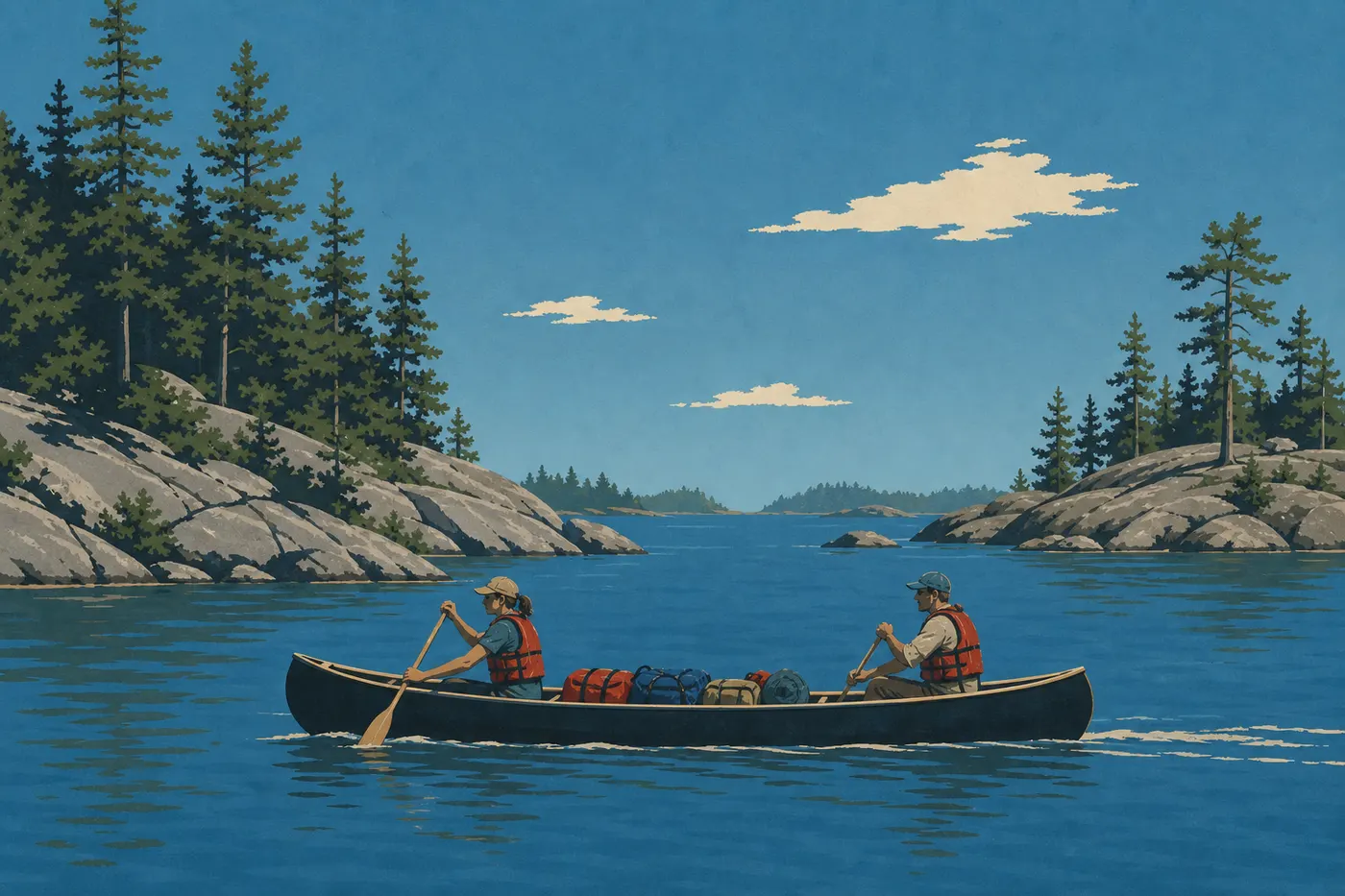
This is when Voyageurs' character really comes through. The park is mostly accessible by boat. Rainy Lake, Kabetogama Lake, Namakan Lake, and Sand Point Lake open the way to hundreds of bays, islands, and remote campsites that you can't reach any other way. Rent a houseboat for a week, kayak through the inland waterways, or join a guided outing from one of the four visitor centers: Rainy Lake, Kabetogama, Ash River, or Crane Lake.
Wildlife is highly active. Common loons call at dusk, producing a sound you won't forget. Bald eagles dive for fish, and moose come to the lakeshore early in the morning. Days are long and pleasant, although afternoon thunderstorms can develop, especially in July.
There are two things to plan for. First, mosquitoes are especially common in June and early July, and they can make some evenings lively in the wrong way. Bring effective DEET repellent. Second, demand is high. Houseboats and waterfront campsites book early, sometimes six months ahead for the most popular options. Check our Where to Stay guide before locking in your dates.
Fall (September through mid-October): Our Favorite Season
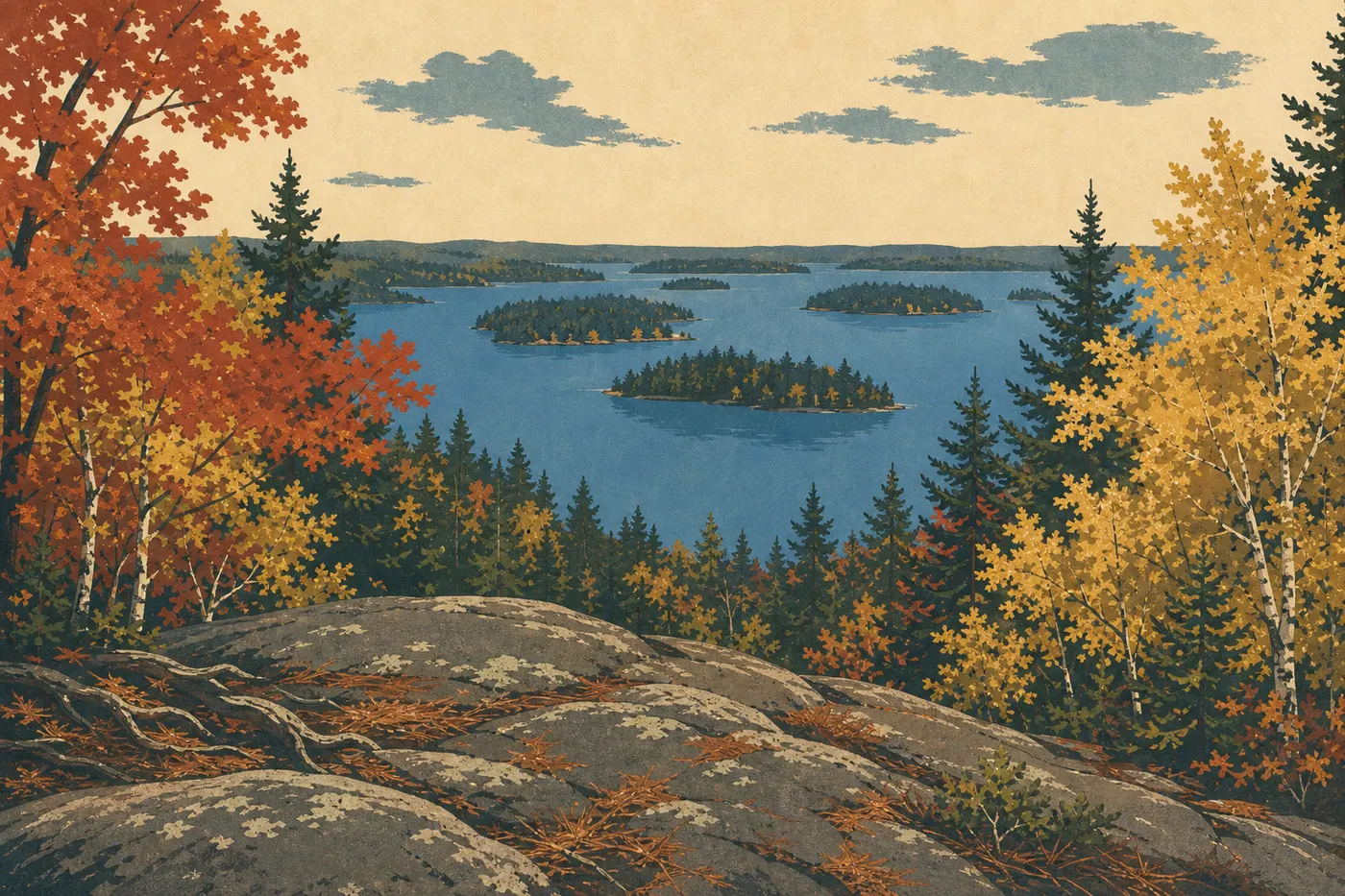
September has it all. Temperatures remain comfortable, from 48 to 64°F, the mosquitoes are gone, and Minnesota's maples and birches put on a show of red and gold that reflects across the lakes. Visitation drops noticeably after Labor Day. You can reach popular spots on a Wednesday morning without seeing another person.
By mid-October, the mood changes. Nights quickly drop below 41°F, some boating services close, and rain becomes more frequent. Photographers hoping to capture brilliant foliage over a lake that's still open for boating have a short window, usually around October 10 to 15 depending on the year.
Winter (December through March): Ice and Northern Lights
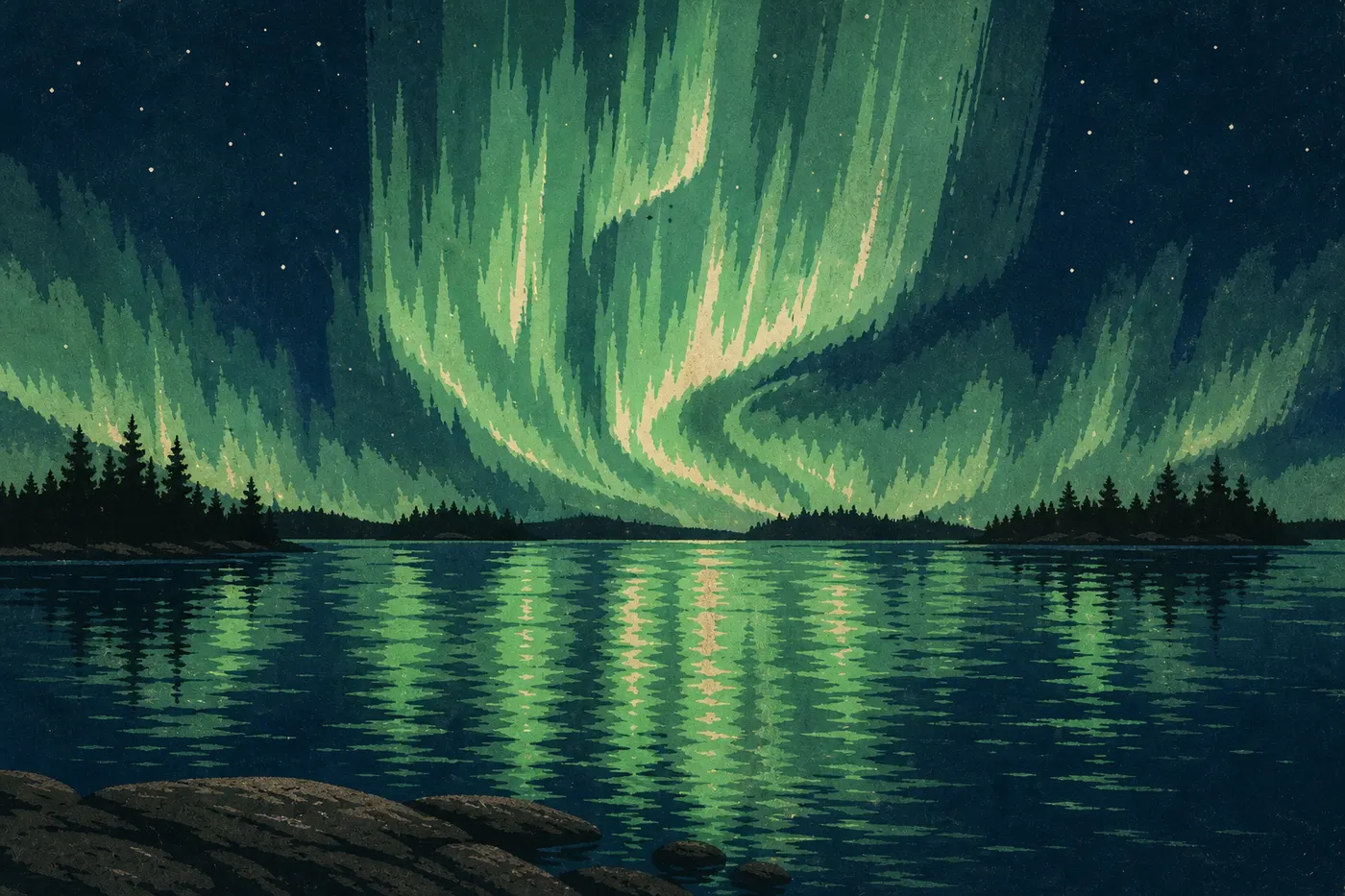
Voyageurs is one of the few U.S. national parks to offer such a full-on winter experience. Once the lakes freeze, usually sometime in December, the regular roads fade away and marked ice roads take their place. You can travel by snowmobile, snowshoe, or cross-country ski across a landscape of pure white.
The highlight of the season is the northern lights. The park's northern latitude and lack of light pollution make it one of the few places in the continental United States where the phenomenon appears regularly. Clear, long nights in January and February offer the best chances during periods of heightened solar activity.
Follow ice-safety guidance carefully. At the start of the season, in November, and at the end, in March and April, the ice may be too thin and dangerously deceptive, often invisible to the naked eye. The park publishes updated condition reports, so check them before heading onto the lakes. They specify the minimum recommended ice thickness for each type of travel.
Spring (April through late May): The Transition Window
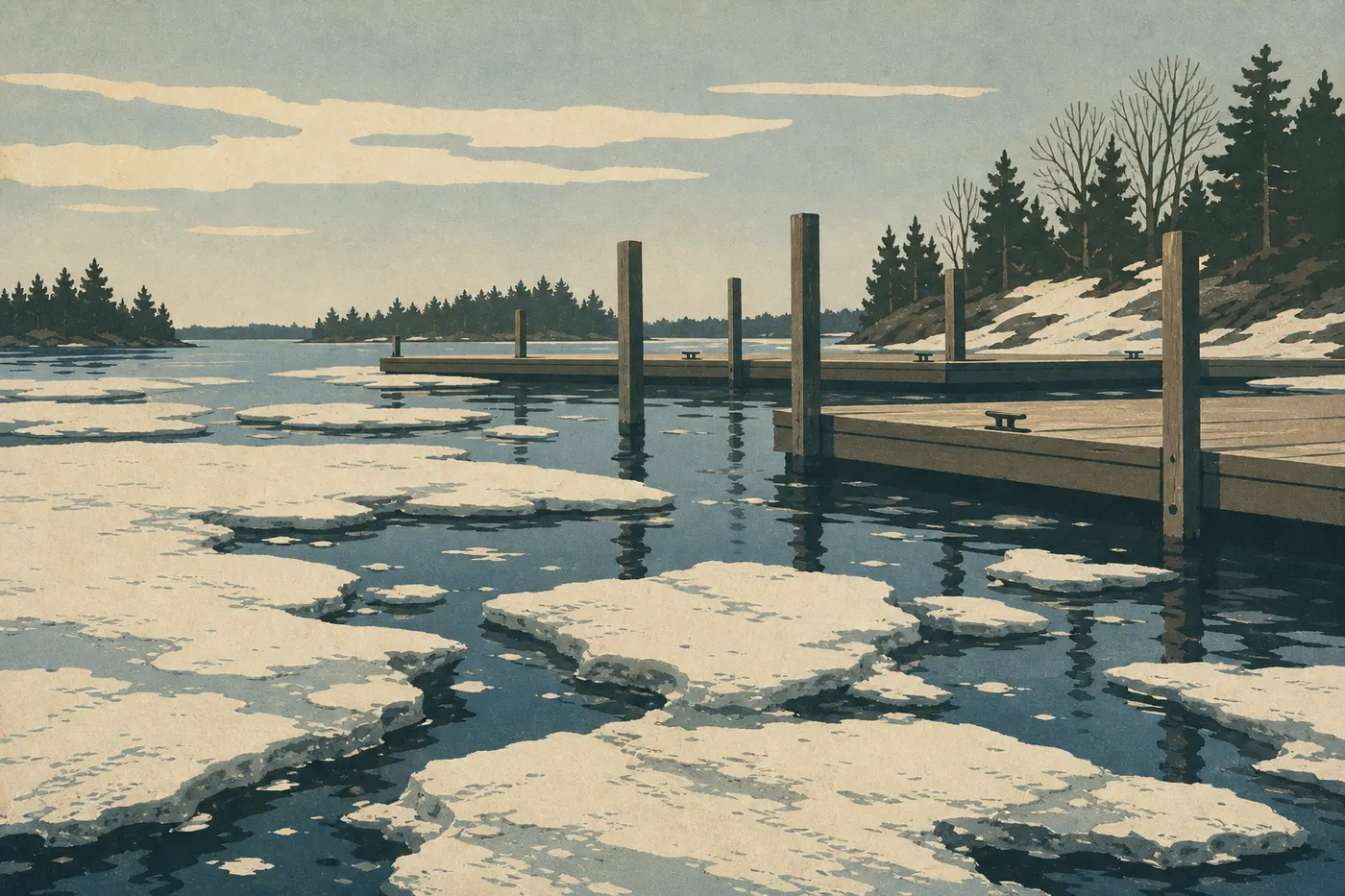
Spring is the least visited season, and there's a reason. From early April through early May, the park sits in a seasonal no-man's-land. The ice is too weak for winter activities, but the lakes aren't open for boats yet. Breakup occurs around May 3 on the larger lakes, on average.
Before then, thin ice is dangerous and sometimes invisible from the surface. Take every precaution. By late May, the park comes back to life. Migrating birds arrive in large numbers, including sandhill cranes, diving ducks, and snow geese. Greenery bursts out, and the first boats return to the water. It's an interesting time for birders who can accept cool conditions and limited services.
Crowds: When to Avoid Them
Voyageurs remains a low-key national park, far from the visitation levels of the major parks in the Southwest. Its lake-based layout, however, concentrates visitors at a limited number of docks and boating sites, which can create waits at popular spots during peak hours.
Absolute peak: the Fourth of July weekend. All of July and much of August remain peak season.
Shoulder season: June, before the Fourth of July, and September offer a good balance of favorable weather and moderate crowds. September is our recommendation for independent travelers who want room on the water.
Low season: October through May. Winter draws a loyal community of ice and northern-lights enthusiasts without ever becoming crowded. The park is almost completely quiet, at the cost of reduced comfort and fewer services.
Best Time to Visit on a Budget
Voyageurs doesn't charge an entrance fee. Your main expenses are lodging and equipment rentals.
Summer (July and August): houseboats, lakeside lodges, and outfitters charge their highest rates. Demand often exceeds supply for the best units.
September and October: local operators are trying to fill their final weeks of the season. End-of-season deals on houseboats and lodges are common when you call directly. This is the best window for flexible travelers.
Winter: land-based lodging has its lowest rates. Snowmobile rentals and cold-weather gear, however, can still take a sizable bite out of your budget. If you're planning to visit other parks on the same trip and want to keep costs under control, our Rates & Passes page explains entrance fees and national passes. For a detailed look at seasonal lodging options across price ranges, our Where to Stay guide covers the full spectrum.
When to Go Based on Your Interests
Wildlife and nature viewing: choose July for aquatic wildlife, including common loons, bald eagles, and river otters, and September for deer and moose, which are more active in the cool weather. In winter, wolves are easier to spot on the ice of open lakes. Our Wildlife page lists the species found here and the best viewing areas by season.
Hiking and land-based activities: Voyageurs is primarily a lake park, but its land trails are in good shape from mid-June through September. Our Hiking page details the trails you can reach from the docks without a boat.
Photography: September is our favorite month, with low morning light across fall-colored lakes and perfect reflections on calm water. January and February draw photographers for the northern lights and frozen landscapes. July is beautiful on the water, but harsh afternoon light calls for filters.
Families: July and early August are the most comfortable choices. Expect stable weather, outfitter-led boating activities, and Junior Ranger programs at the visitor centers. Book family houseboats early. The best units can disappear within hours of reservations opening. Our Family page lists kid-friendly activities and water-safety advice.
Budget travelers: September offers the best value, with lower rates and still-pleasant weather.
In Summary: The Best Time for Your Trip
| Traveler profile | Recommended period |
|---|---|
| First visit, boating activities | July and August |
| Quiet nature, fall colors | September |
| Northern lights, ice adventure | January and February |
| Migrating birds | Late May |
| Lower budget, fewer visitors | September and October |
| Photography | September or January |
Voyageurs rewards travelers who plan ahead. Lodging and equipment are limited, weather conditions change quickly, and some seasonal windows close without warning. Whenever you go, our complete guide gives you the big picture for planning your trip from start to finish.
The Worst Time to Visit Voyageurs
April and November are the two least favorable months for visiting Voyageurs, for opposite but equally practical reasons. In April, the ice is too weak for winter activities, but the lakes aren't open for boats yet. The park is in a seasonal no-man's-land, with very limited services and real risks on the remaining ice. Breakup usually occurs in early May, but conditions can vary by one or two weeks from year to year.
November follows the same basic pattern. Boating is over, the ice roads aren't established yet, and lodging options are at their most limited. Add the first snow and rapidly falling temperatures. If you have no choice but to visit in the absolute low season, December or January will always make more sense than November. At least by then, the winter experience is complete once the lakes have frozen solid.
Frequently Asked Questions
When is the best time to visit Voyageurs National Park?
The best time to visit Voyageurs National Park is from mid-June through late August for boating and active wildlife. September still offers very pleasant conditions with fewer people. Winter, especially January and February, is the season for northern lights and exploring the park on ice.
Can you visit Voyageurs in winter?
Yes. Voyageurs offers a full winter experience from December through March. Ice roads replace the waterways and make snowmobiling, cross-country skiing, and snowshoeing possible. This is also the best time to see the northern lights. Check the park's condition reports before heading onto the lakes because ice thickness varies by area and from year to year.
When is peak season at Voyageurs?
Peak season runs from mid-June through late August, with the busiest period around the Fourth of July weekend. All services are open then, and conditions on the water are at their best. Book houseboats and campsites several months ahead for the most popular July and August dates.
Is Voyageurs worth visiting?
Voyageurs is well worth the trip if you're looking for a wilderness experience away from the usual crowds. It's a true lake park, mostly accessed by boat, with remarkable wildlife and protected landscapes along the Canadian border.
What's the climate like at Voyageurs?
Voyageurs has a northern continental climate, with mild summers from 68 to 79°F and very harsh winters, often between 5 and -4°F and sometimes colder. The frost-free season lasts about 120 days, from June through mid-September.
How long do you need to visit Voyageurs?
Plan on at least three days to explore one area of the park by boat. For a full houseboat immersion across several lakes, a week is ideal. Our Itinerary & Trip Length page offers formats suited to different schedules.
How much does a trip to Voyageurs cost?
There is no entrance fee. Your main expenses are lodging, including houseboats and lakeside lodges, and boating or winter-equipment rentals. Our Where to Stay guide breaks down the options and typical price ranges by season.
When is the best time to visit Minnesota?
The best time to visit northern Minnesota, particularly around Voyageurs, is summer, especially July and August, for outdoor activities on the lakes. September and October are best for fall colors and quiet conditions.