
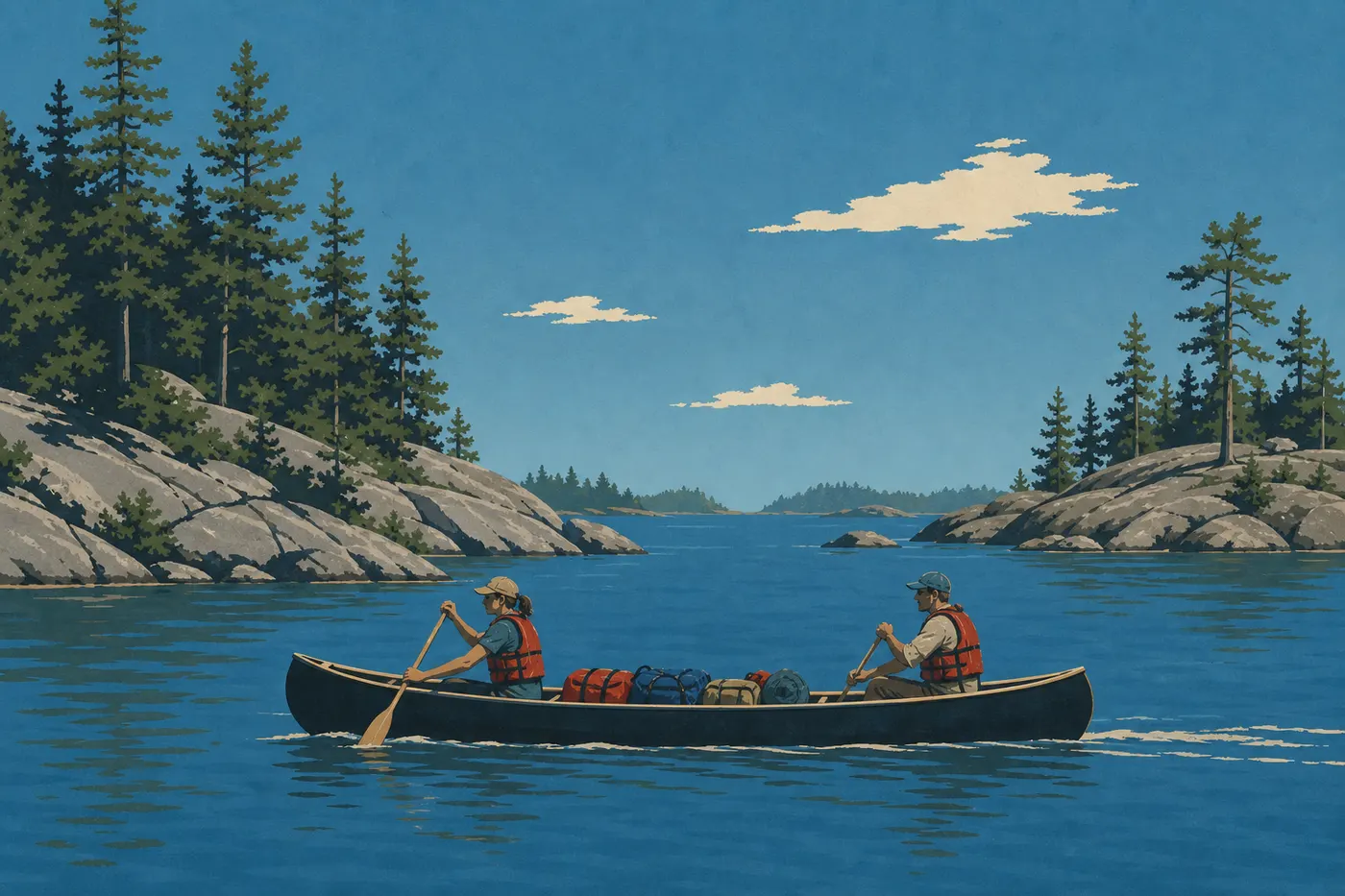
What to Do in Voyageurs: Top Sights and Activities
Voyageurs isn't a park you explore on foot. You explore it by boat. Its four large interconnected lakes (Rainy Lake, Kabetogama Lake, Namakan Lake, and Sand Point Lake) cover about 40% of the park's total area, and the Kabetogama Peninsula, the park's central landmass, is accessible only by boat. Without a boat, you'll miss the heart of the park.
Three highlights stand out right away: the sculpted terraces of Ellsworth Rock Gardens on Kabetogama Lake, Kettle Falls Hotel, the park's only lodging, open since 1913 and accessible only by water, and Voyageurs' nights, among the darkest in the American Midwest and ideal for viewing the northern lights.
Voyageurs at a Glance: Areas, Access, and Getting Around
The park stretches across northern Minnesota along the Canadian border. Four entrances, each with a visitor center or a boat launch, shape the visit:
Rainy Lake (west): the park's largest lake and home to its only year-round visitor center.
Kabetogama Lake (west-central): the main access point to the central peninsula and Ellsworth Rock Gardens.
Ash River (east-central): the gateway to Namakan Lake and the interior channels.
Crane Lake (east): the park's eastern end and the starting point for reaching Kettle Falls from the east.
No interior road connects these four entrances. To get from one area to another, you'll either travel by boat across the lakes or get back in the car and use the land routes, Highway 11 or Highway 53. The Voyageurs Access Guide lays out the options for each starting point.
You need a nautical chart to navigate these lakes. Shallow water and barely submerged rocks are common. NPS paper maps are available free at every visitor center and are a useful complement to the official park map.
How Much Time Do You Need to Visit Voyageurs?
Two days is a reasonable minimum for exploring one or two areas. Three to four days give you time to connect all four park entrances, spend a night at Kettle Falls Hotel, and take an excursion into the Kabetogama Peninsula. In winter, plan on at least one extra day. Weather conditions, including the northern lights and safe ice, are unpredictable, so the extra margin helps.
To choose when to come based on your priorities, the Voyageurs Seasonal Calendar covers seasonal details. The Voyageurs Itinerary Guide offers practical plans for different trip lengths.
Top Sights and Activities by Area
Rainy Lake: The Big Lake and Gold Rush Remnants
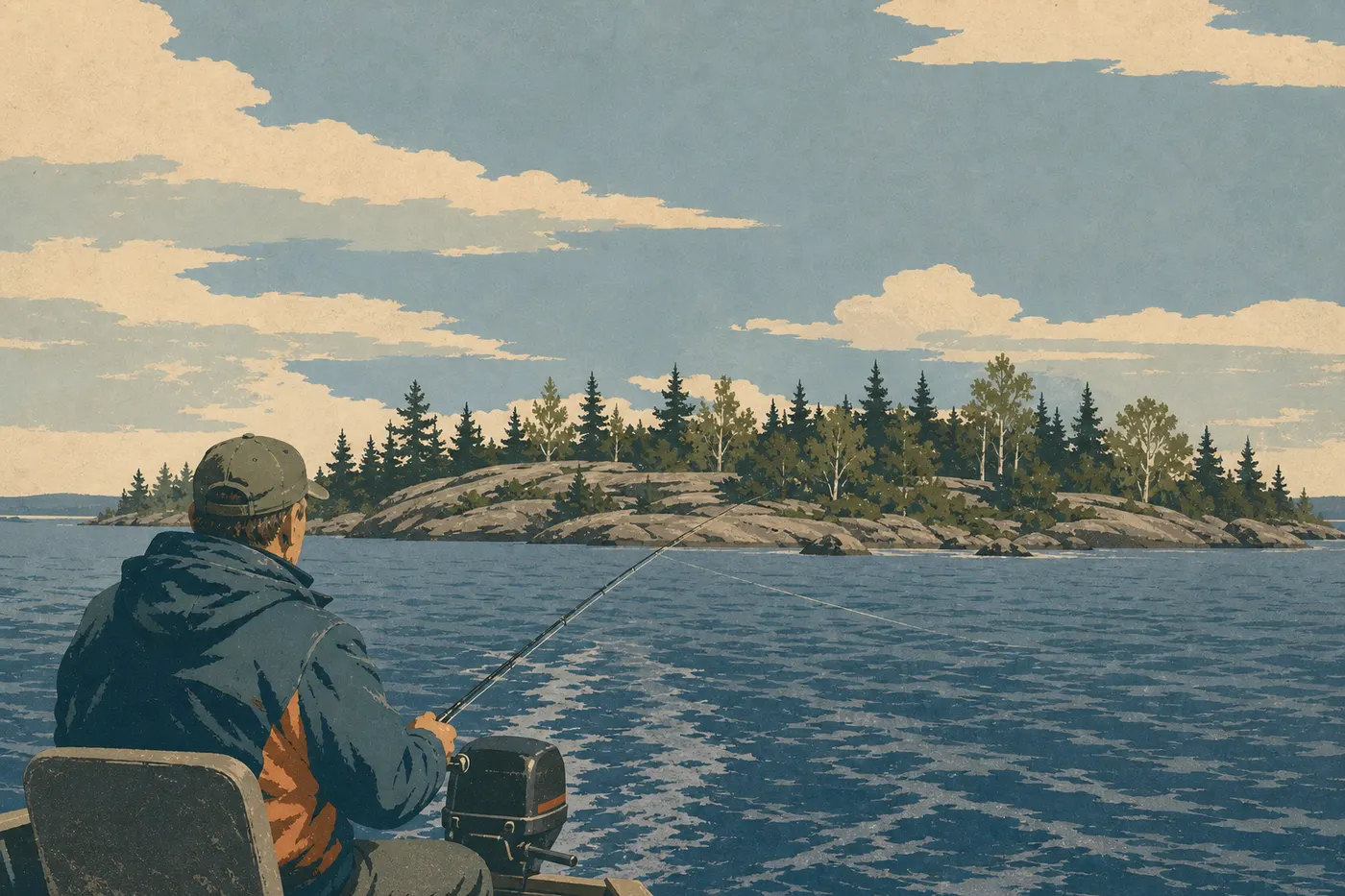
Rainy Lake is the easiest area to reach and the natural starting point for a first visit. Its visitor center is the only one open year-round and the place to get current park conditions in any season.
The ice road (winter only). From about mid-January to mid-March, a drivable road opens across the frozen lake, linking several islands to the mainland. You can drive it, take a snowmobile, or walk. I had never driven on a frozen lake before spending a February morning there. The experience was both absurd and unforgettable, with the dull thud of ice beneath the tires and complete silence all around.
The area's trails. A few land trails let you stretch your legs. The Oberholtzer Trail (1.5 miles, flat and family-friendly) follows the shore near the visitor center and offers good birding along the forest edge. The Gold Mine Trail (2 miles) follows the remains of a former gold mine that operated in the late 19th century. The region experienced a brief gold rush before the veins proved too poor to mine profitably.
Boating among the islands. More than 200 islands dot Rainy Lake. Rent a kayak or canoe from the visitor center marina to reach secluded beaches and campsites within a few dozen minutes. This is where you'll find the best bald eagle viewing, especially early in the morning around the rocky reefs.
Kabetogama Lake: The Peninsula and Terraced Gardens
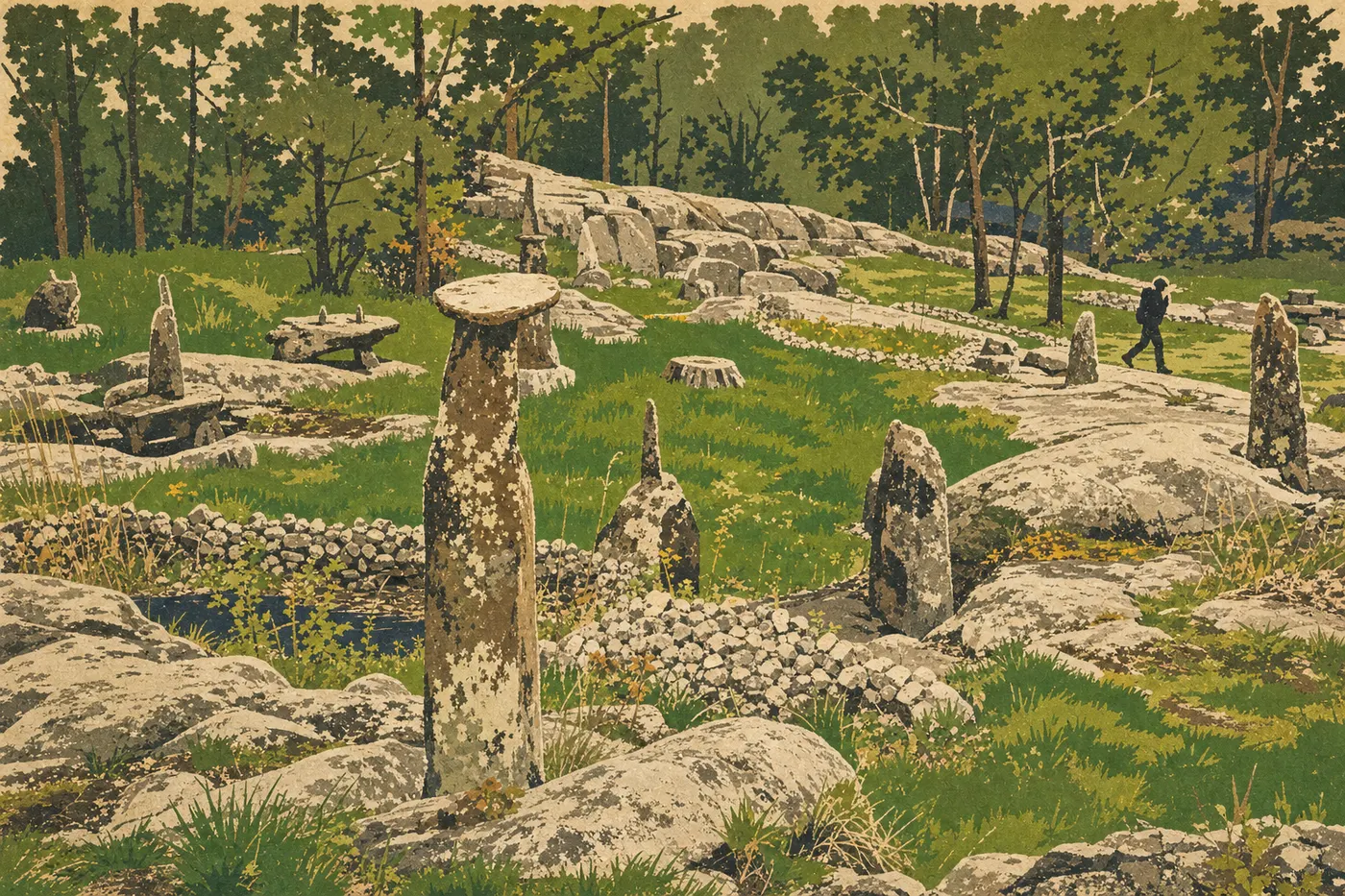
Kabetogama Lake is the park's logistical hub for anyone heading into the central peninsula. Its seasonal visitor center, open roughly from May through September, organizes guided boat trips, including excursions to Ellsworth Rock Gardens.
Ellsworth Rock Gardens. From 1944 through the late 1960s, a private individual named Harry Ellsworth carved stone terraces into the granite, decorating them with floral sculptures and concrete figures on the rocky north shore of Kabetogama Lake. The NPS bought and restored the site. You can reach it only by boat, about 20 minutes from the Kabetogama marina. Admission is free. Allow 45 minutes to see the entire site.
The Cruiser Lake Trail system. This network of trails inside the peninsula connects several wild lakes, including Cruiser Lake, Beast Lake, and Ryan Lake. To reach it, first cross the lake by boat to a landing marked on the NPS map, then continue on foot. The boat-and-trail combination is one of the park's most immersive experiences, and few visitors make it this far. Bring a compass or GPS. Trail markers can be inconsistent at intersections.
Wildlife viewing on the peninsula. The peninsula is home to a population of gray wolves. Seeing one is more a matter of luck than skill. Moose regularly visit the shores at dawn, while beavers are active in the late afternoon around their dams on the interior lakes. The Voyageurs Wildlife Guide lists the rules for approaching wildlife.
Ash River and Namakan Lake: The Route to Kettle Falls
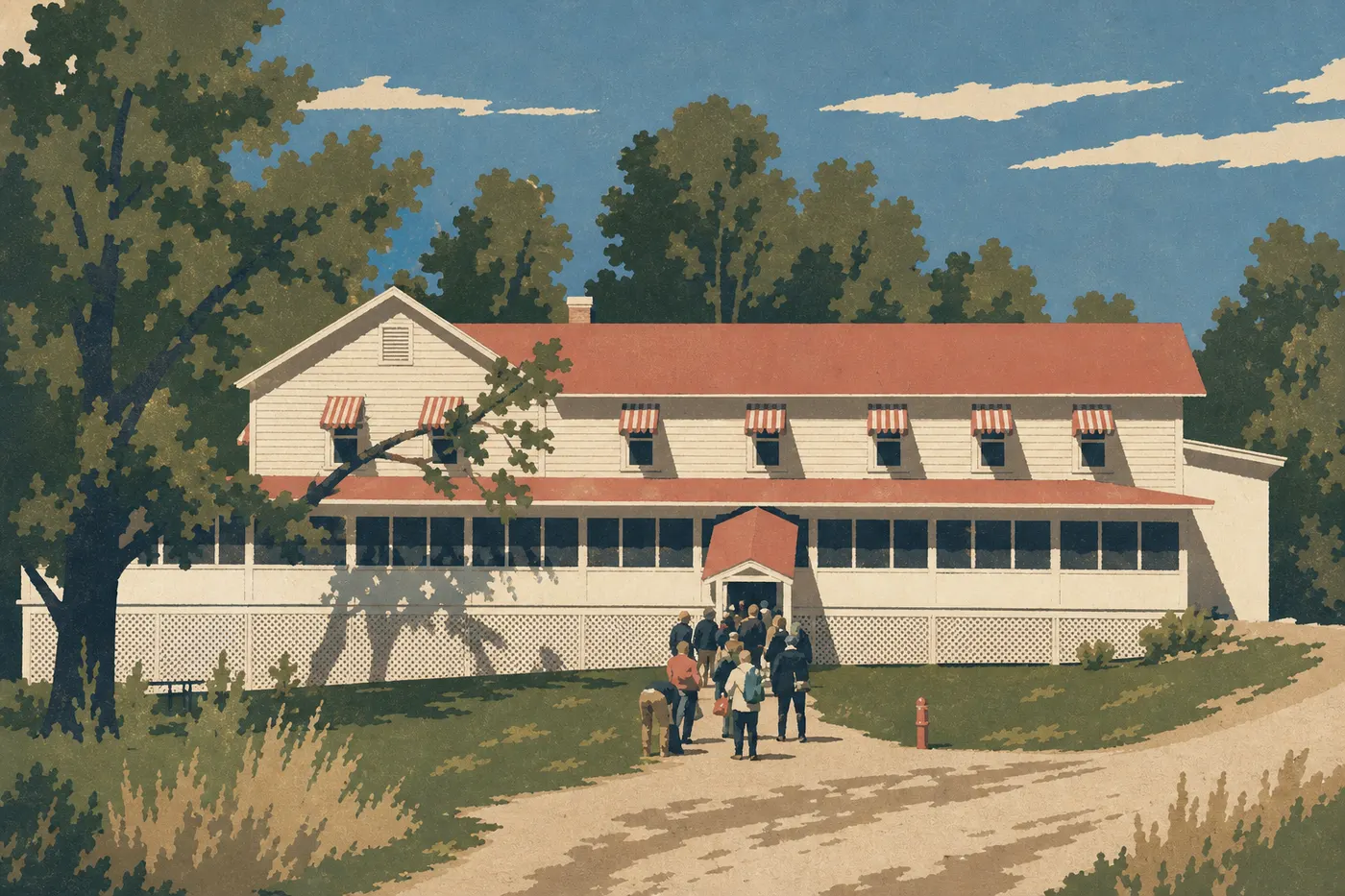
The Ash River area opens onto Namakan Lake, which is more winding and less visited than Rainy Lake or Kabetogama Lake. Navigation is technically more demanding here, with numerous hazards and narrow channels, but the scenery is worth the effort.
Kettle Falls Hotel. Founded in 1913, this historic hotel is accessible only by boat from Ash River, about 1 hour 15 minutes by motorboat, or from Crane Lake. It served as a stopping place for trappers and loggers in the early 20th century and likely saw a few barrels of liquor move through during Prohibition, safely on the American side of the border. Today, it offers rooms, a restaurant, and a bar. Its terrace looks directly onto the Kettle Falls dam, which straddles the U.S.-Canadian border.
One geographic detail surprises visitors when they arrive. At this exact spot, the border makes a loop that reverses the usual directions. Face north to stay in the United States, and south to enter Canada. Reservations are strongly recommended during the busy season because there are few rooms. Rates and availability are detailed in the Voyageurs Lodging Guide.
The Blind Ash Bay Trail. This well-marked 2-mile trail starts at the Ash River Visitor Center and offers a view over the bay from a rocky overlook. It's easy and accessible to everyone.
Fishing on Namakan Lake. Namakan Lake's shallow bays are known for walleye and northern pike, especially in spring after the ice breaks up. The average date when the ice leaves the lake is around May 3. A Minnesota fishing license is required for anyone age 16 or older.
Crane Lake: The Eastern Entrance and Access to Remote Lakes
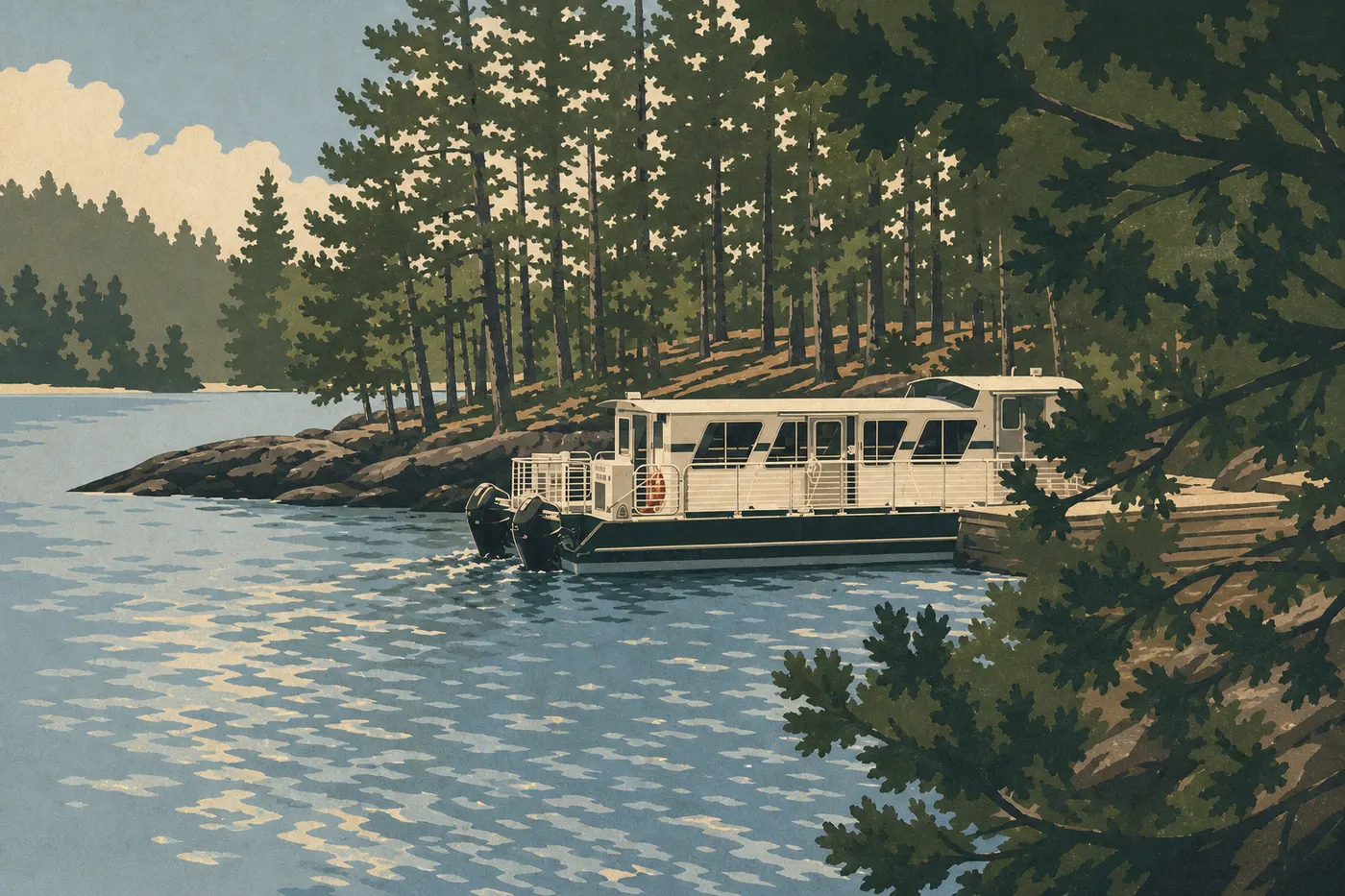
Crane Lake is the park's most remote area and therefore its least visited. It provides access to Sand Point Lake, the final link in the lake chain to the east.
The water route to Kettle Falls. From Crane Lake, crossing Namakan Lake toward Kettle Falls takes 45 minutes to an hour, depending on the motor's power. Summer storms can develop quickly over the big lakes, so tell someone when you plan to leave before setting out.
Island camping. The shores of Crane Lake and Sand Point Lake contain some of the park's most secluded backcountry campsites. Access is by boat only. Most sites operate on a first-come, first-served basis, with no reservations. The Voyageurs Camping Guide lists the exact rules and available sites.
The Best Hikes in Voyageurs
Voyageurs isn't a hiking park in the traditional sense. Its land trail network totals only about 31 miles. Hiking is a complementary activity here, not the main event.
The park's trails are described in the area sections above. The Voyageurs Hiking Guide provides detailed trail profiles, terrain conditions, and difficulty levels.
Other Activities by Interest
Fishing
Fishing is Voyageurs' signature activity. The park is known for its populations of walleye, northern pike, perch, and lake trout. Each area has its specialties: Rainy Lake for pike, Namakan's bays for walleye, and Sand Point's channels for trout. A Minnesota license is required for anyone age 16 or older. You can buy one at marinas and local stores.
Kayaking and Canoeing
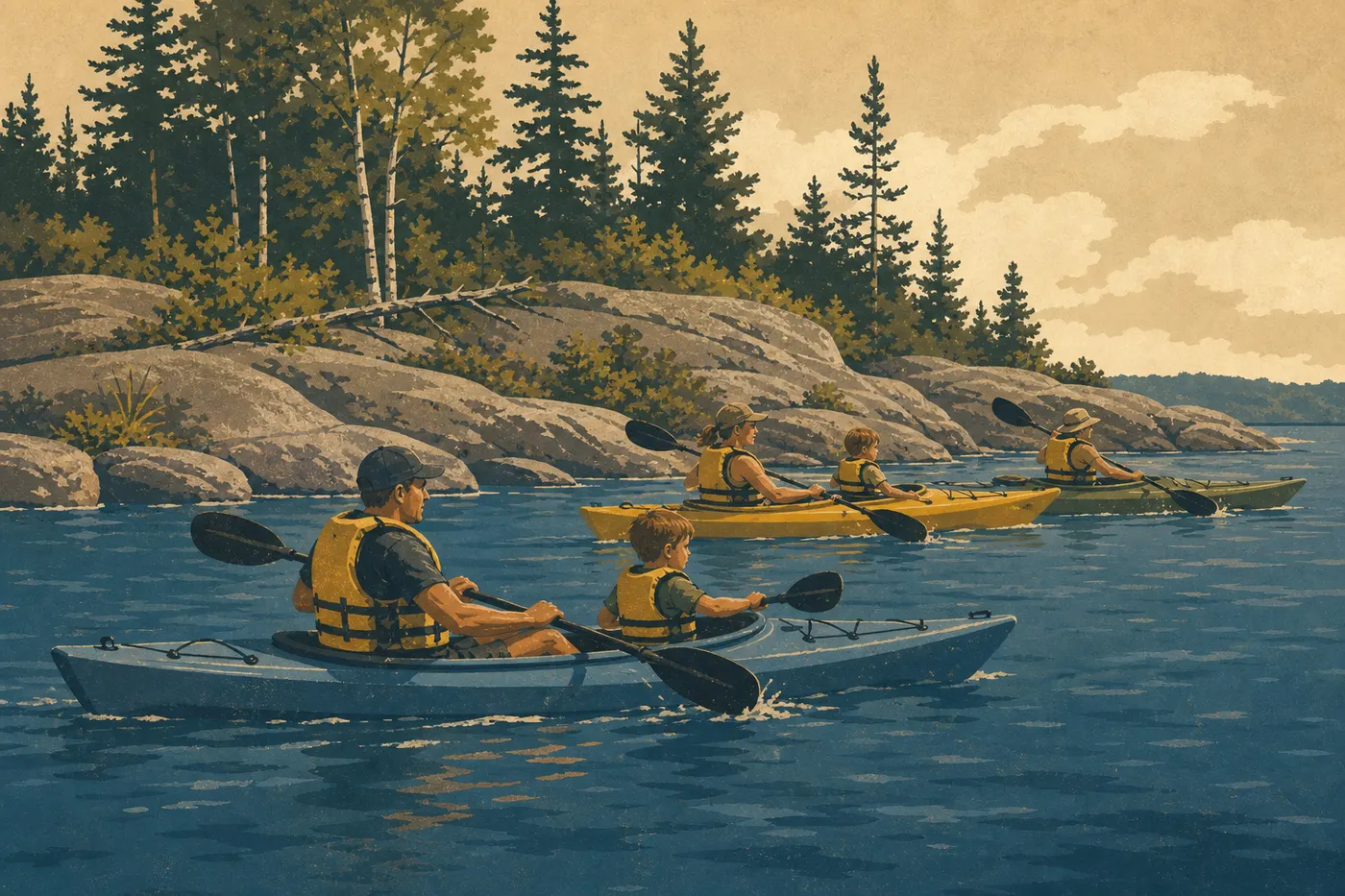
Nonmotorized boating is allowed on all the park's lakes. Sea kayaking routes on Rainy Lake, with long crossings from island to island, are very different from canoe routes on the peninsula's interior lakes in terms of difficulty and exposure. Beginners should stick to the sheltered bays around the visitor centers. Experienced paddlers can spend several days making portages across the Kabetogama Peninsula.
Northern Lights and Stargazing
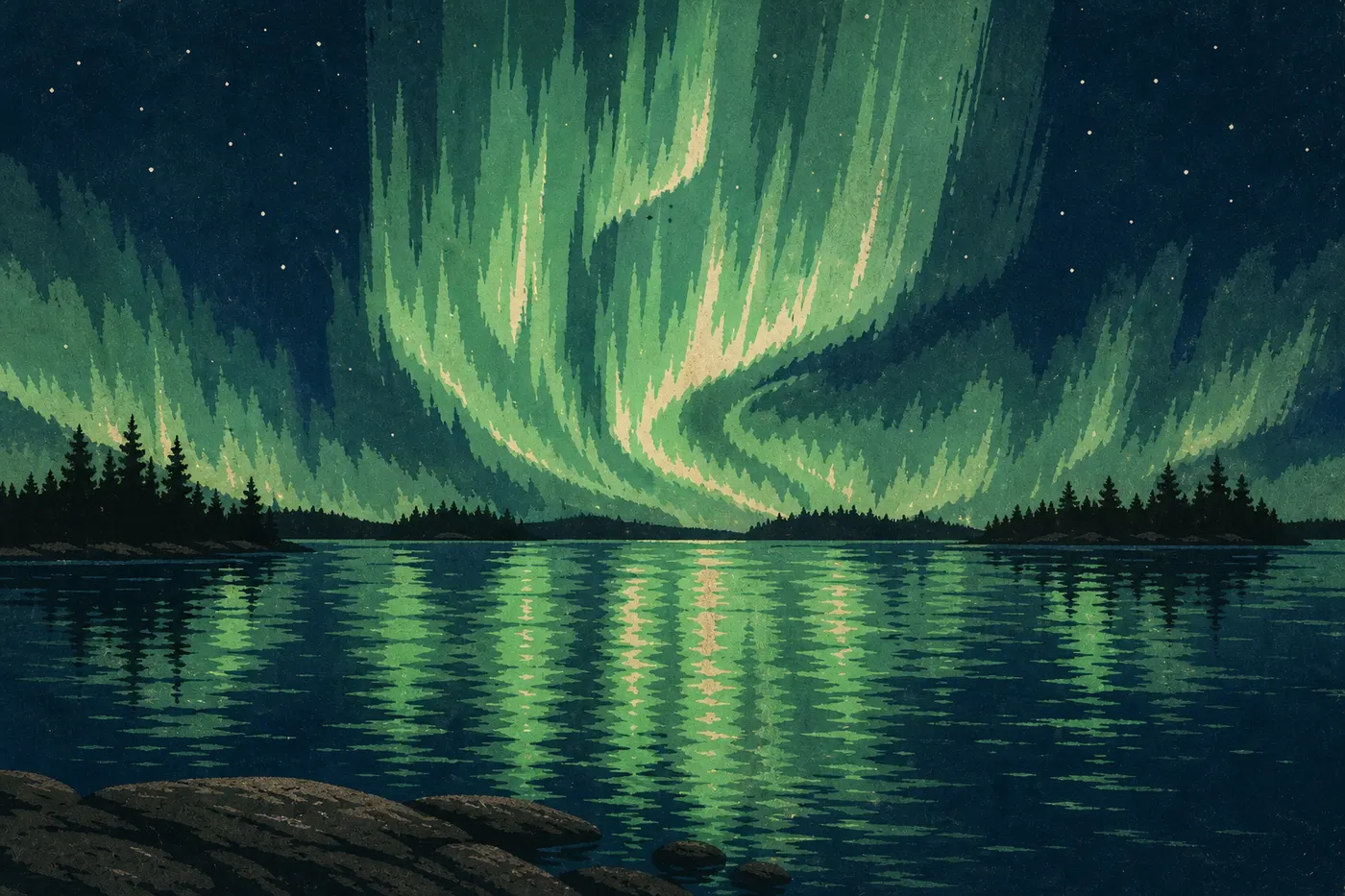
Voyageurs lies in one of the best areas in the contiguous United States for viewing the northern lights. The lack of light pollution over the lakes creates exceptionally clear nights. The best window runs from September through March, with peaks around the equinoxes. In summer, the nights are too short and too bright. Before planning a trip specifically for the northern lights, check the geomagnetic activity forecast from NOAA Space Weather. A camping trip ruined by that one factor is frustrating when the rest of your plans depend on it.
Wildlife Viewing
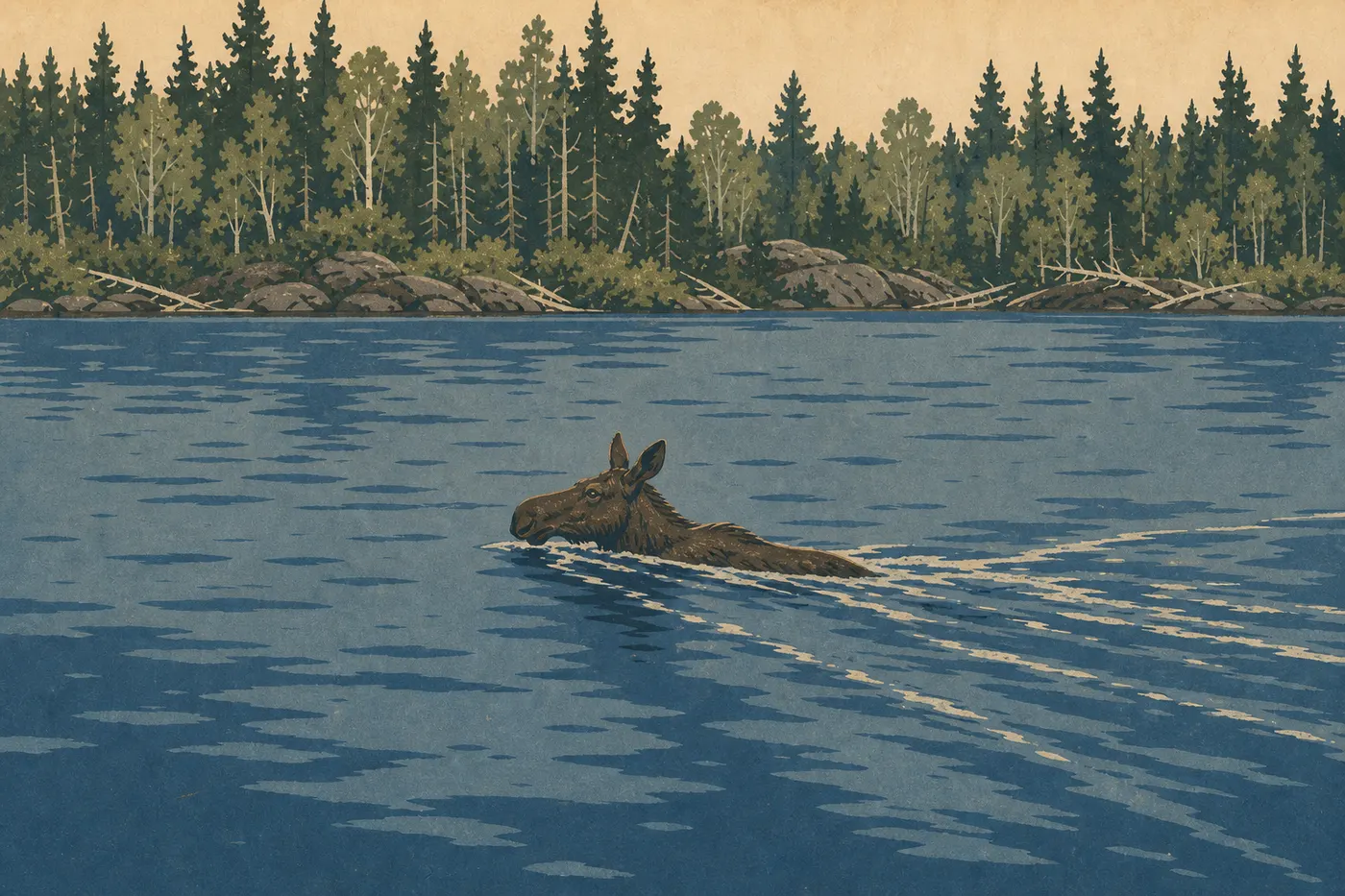
Gray wolves, moose, otters, bald eagles, and common loons live throughout the park. Common loons, Minnesota's state bird, nest along secluded shores. Their calls carry across the water at dusk and are one of the park's most distinctive sounds. Our Wildlife page covers the best viewing areas and how to behave around animals without disturbing them.
Snowmobiling and Winter Activities
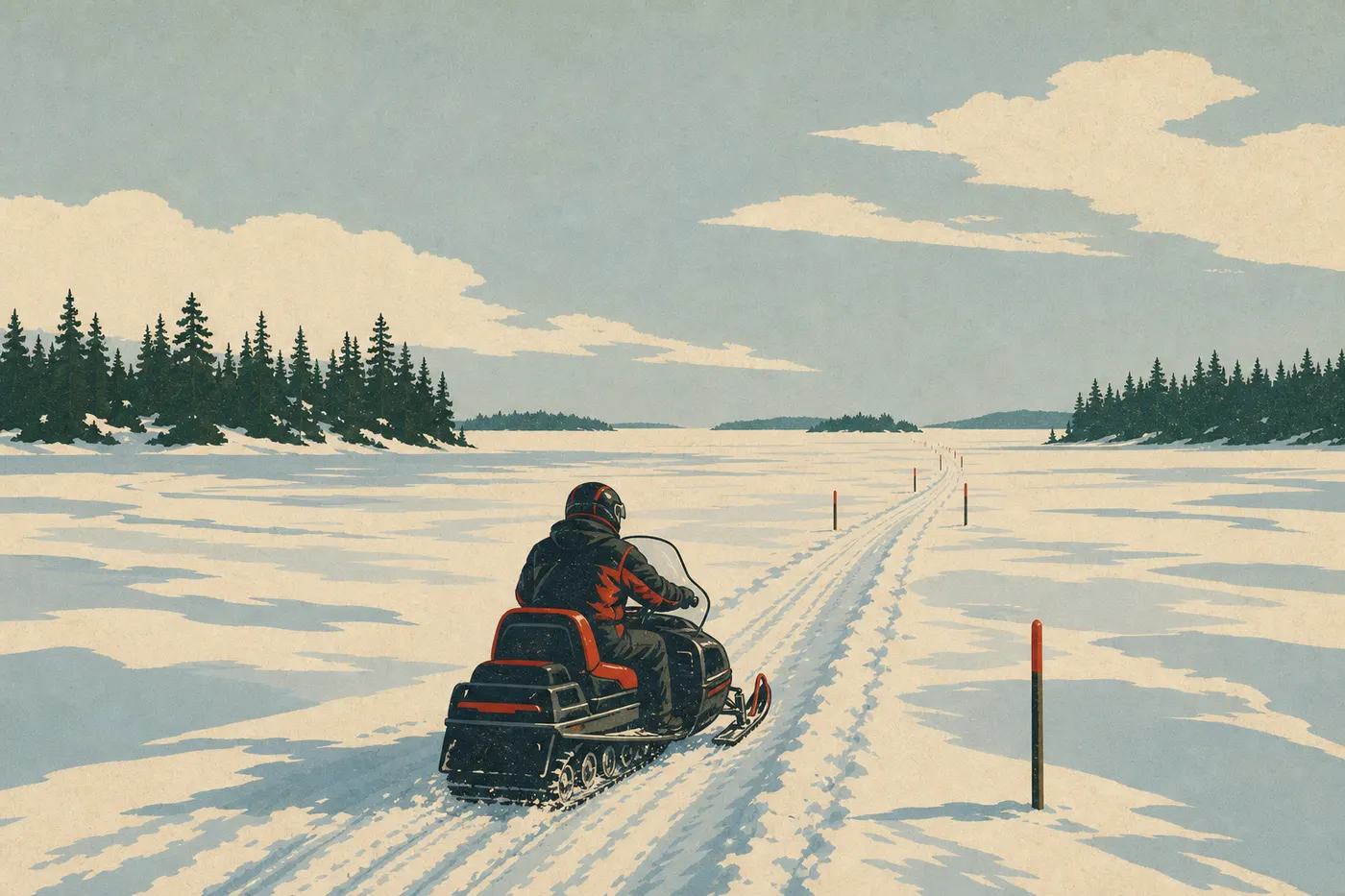
In winter, frozen lakes become travel corridors. More than 310 miles of groomed ice trails connect the park's areas. Ice fishing is a local institution. Some anglers set up heated shelters directly on the lake and stay for several days. Before heading out on a snowmobile, check conditions. The NPS recommends a minimum ice thickness, generally 10 to 12 inches for a snowmobile, and asks visitors to report their departure to the visitor center.
Families
Voyageurs works well for family trips if the kids can handle traveling by boat. Guided outings organized by the Rainy Lake and Kabetogama visitor centers are family-friendly and let you see the park without prior boating experience. The Junior Ranger Program is available at every visitor center. Kids complete an activity booklet and receive their badge at the end. Our Family page lists activities by age group.
Things to Do Around Voyageurs
About an hour south of the park by car, International Falls, Minnesota, is the main logistical base, with supermarkets, gas stations, and boat and water-sports equipment rentals. The city is also known for its severe winters, with temperatures regularly dropping below -22°F.
To the east and northeast, the Boundary Waters Canoe Area Wilderness (BWCAW) makes a natural extension to the trip. It's one of the world's largest canoe-camping areas, with thousands of lakes accessible only by paddle. Motors are prohibited. Together, Voyageurs and the BWCAW make a classic lake-country road trip through northern Minnesota.
Our regional Road Trip Guide suggests the most coherent combinations for the time you have.
The Bottom Line: What to See First in Voyageurs
Voyageurs is worth the trip if you're looking for a national park far from the usual tourist routes. It's one of the least-visited national parks in the contiguous 48 states, which means you can find real solitude. The park has one defining feature: without a boat, you'll miss the heart of it. With a boat, rented locally in each area, you can reach a network of islands, bays, and lakes that French Canadian voyageurs traveled by birchbark canoe in the 18th century. The atmosphere is unmistakably boreal, with spruce, gray wolves, northern lights, and winters that bite.
Top priorities are Ellsworth Rock Gardens, reachable by boat from Kabetogama and not to be missed, and Kettle Falls Hotel, where you should stay at least one night to get the full experience. Depending on the season, add fishing or kayaking on the park's lakes. In winter, add Rainy Lake's ice road and at least one night for watching the northern lights.
For a complete overview of the park, see our complete Voyageurs guide.
Frequently Asked Questions
What is there to do in Voyageurs National Park?
The main activities in Voyageurs are boating, kayaking, fishing, hiking the trails on the Kabetogama Peninsula, and wildlife viewing, including gray wolves, moose, bald eagles, and common loons. In winter, snowmobiling on the frozen lakes, ice fishing, and northern-lights viewing take over.
Is Voyageurs National Park worth the trip?
Voyageurs is worth it if you enjoy uncrowded lake country. It's one of the least-visited national parks in the contiguous 48 states, which means you can find real solitude. The tradeoff is that the experience requires some boating independence and more involved logistics than a typical land-based park.
How much time do you need to visit Voyageurs?
Two days is a reasonable minimum for exploring one or two areas. Three to four days give you time to connect all four park entrances and include a night at Kettle Falls Hotel or an island campsite. Our Itinerary and Trip Length Guide offers plans for the time you have.
What are the must-see things to do in Voyageurs?
The absolute highlights are Ellsworth Rock Gardens, reachable by boat from Kabetogama; Kettle Falls Hotel, accessible only by water; boating among the islands of Rainy Lake; and the season's signature activity, whether that's fishing, kayaking, or viewing the northern lights.
Which hike should you do in Voyageurs?
The Cruiser Lake Trail system on the Kabetogama Peninsula, about 12 miles of trails, is the park's most remote hiking option. For a short outing accessible to everyone, choose Blind Ash Bay Trail, 2 miles in the Ash River area, or Oberholtzer Trail, 1.5 miles at Rainy Lake. Our Hiking page provides details on every trail.
Do you need a boat to visit Voyageurs?
To see the heart of the park, yes. You can reach the visitor centers and a few land trails by car, but the Kabetogama Peninsula and iconic sites such as Ellsworth Rock Gardens, Kettle Falls Hotel, and island campsites are accessible only by boat. Rentals are available in every area.
Can you swim in Voyageurs' lakes?
Swimming is allowed in all the park's lakes, but there are no official developed beaches. Visitors swim from the shores of island campsites or from their boats. The lake water stays cold even in summer, rarely rising above 68°F at the surface.