
Theodore Roosevelt Wildlife: What Animals to See and Where to Find Them
Theodore Roosevelt National Park is one of the few places in the United States where you can watch wild bison, free-roaming horses, and prairie dog colonies from the edge of your car. The five signature species to remember are the plains bison, wild horse, black-tailed prairie dog, elk, and mule deer. The most common animal? Bison, which live in both units of the park and can be seen virtually year-round.
Theodore Roosevelt's Signature Animals
Plains Bison (Bison bison)
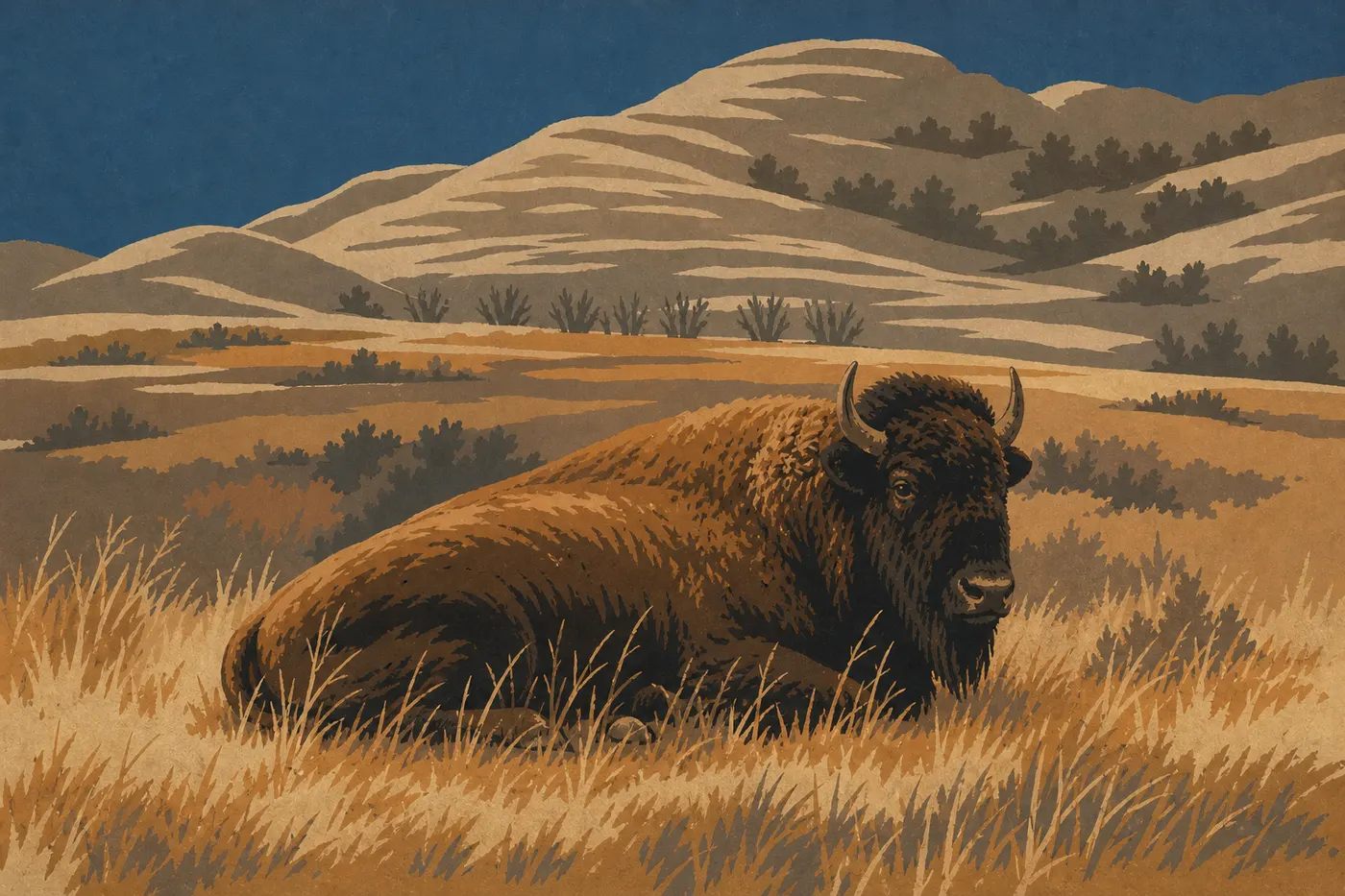
Bison are the park's defining animal. Herds graze in the Badlands grasslands without paying attention to cars stopping a few yards away. An adult bull can weigh up to 1,980 pounds and stand 5 feet 11 inches at the shoulder. If a herd is on the road, turn off your engine and wait.
The rut runs from July through August. Bulls clash in spectacular charges, dust flies, and the ground shakes. In spring, from April through May, reddish calves appear beside their mothers. You can see bison year-round in both the South Unit and the North Unit.
Wild Horse (Equus ferus caballus)
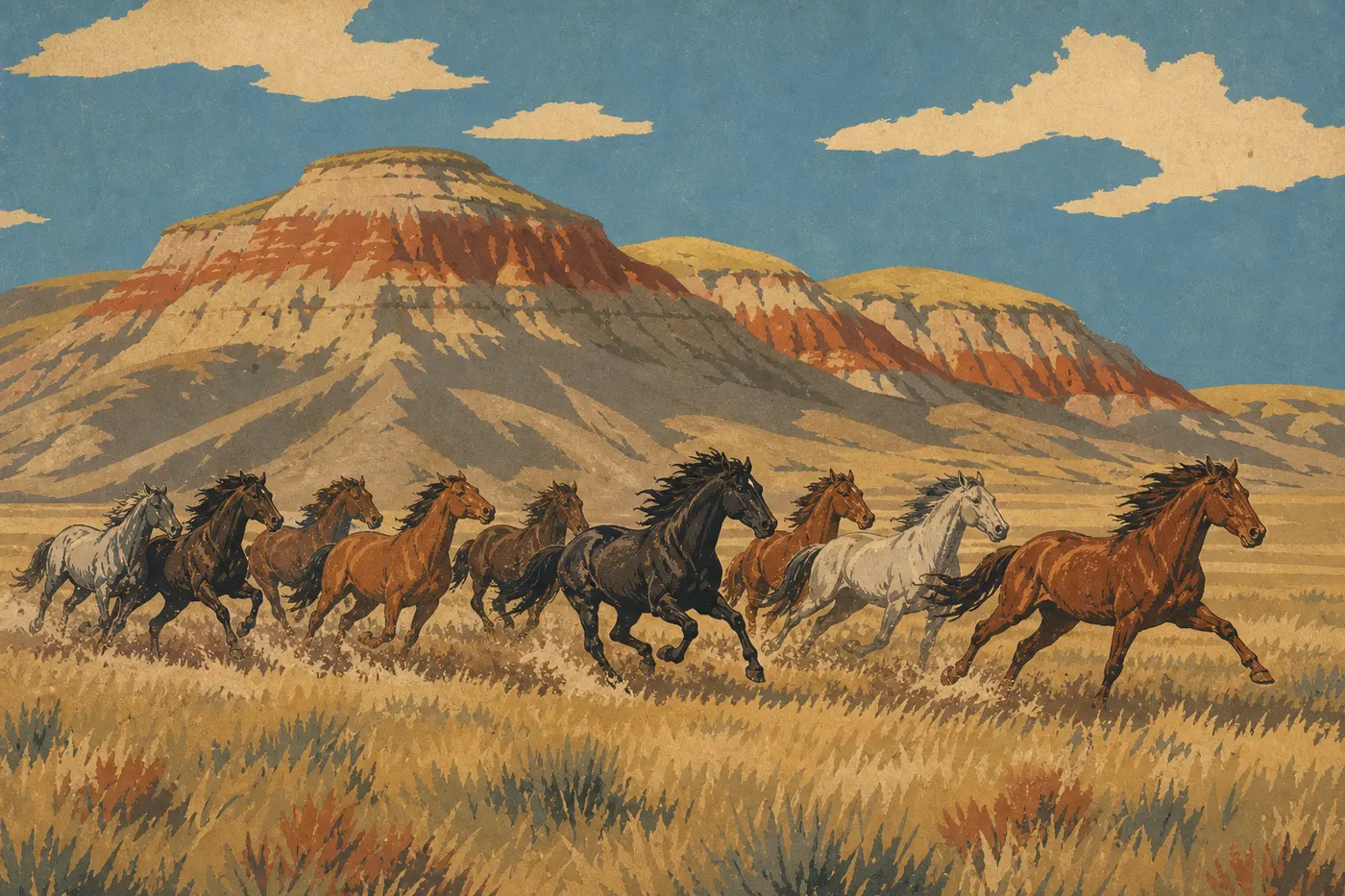
Few American national parks are home to wild horses, and Theodore Roosevelt is one of the easiest places to see them. These mustangs descend from horses that escaped from ranches and Native American camps established in the Badlands over several generations. Herds, made up of a few mares around a dominant stallion, roam for dozens of miles.
The South Unit is their favorite territory. You'll often see them along the Scenic Loop Drive, especially at dawn when they come down to water. When we visited in June, a group of seven horses was grazing about 330 feet from the Painted Canyon overlook, completely unfazed by the cameras pointed at them.
Black-Tailed Prairie Dog (Cynomys ludovicianus)
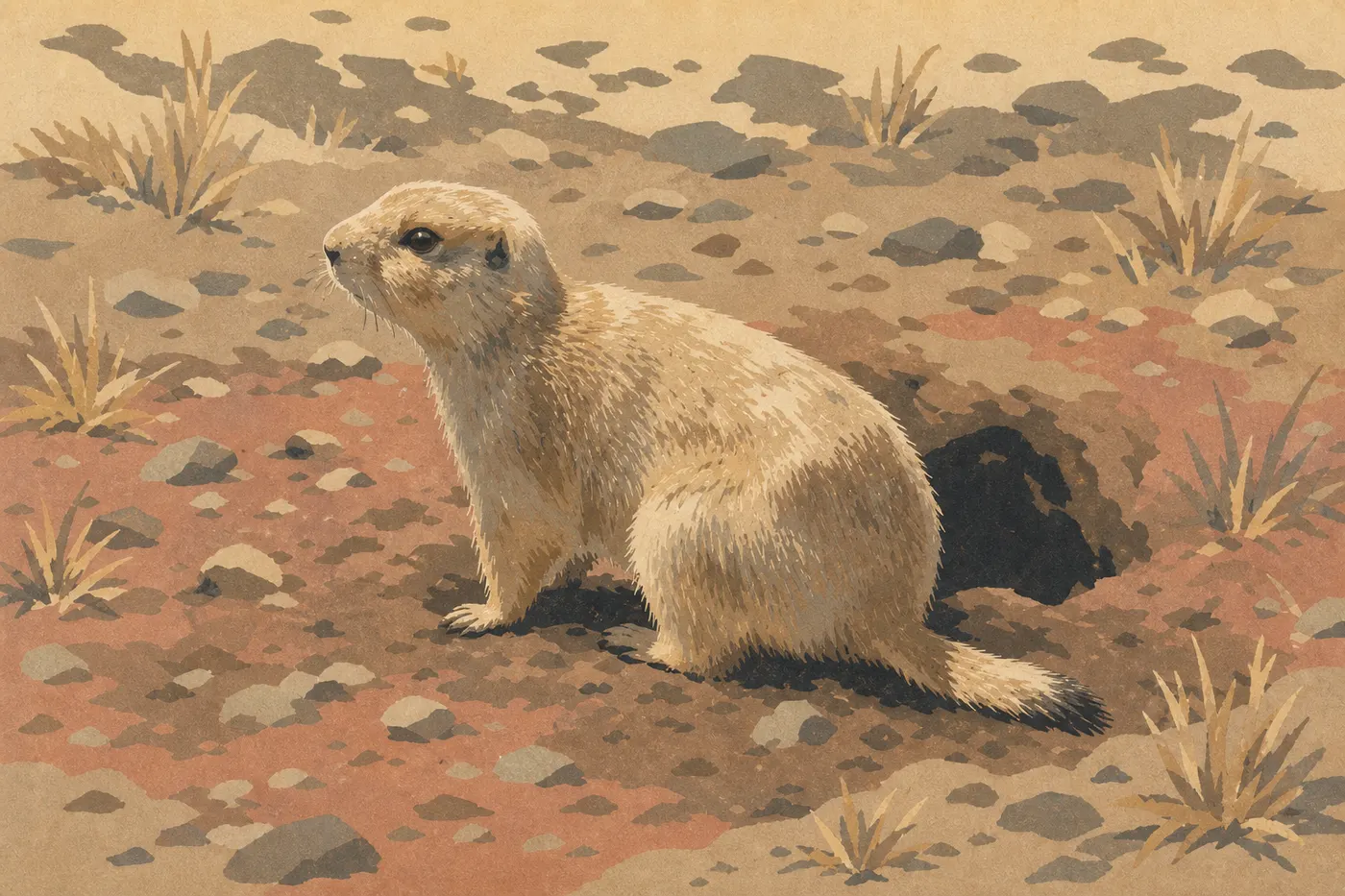
It's hard to miss the prairie dog towns: broad stretches of trampled ground dotted with mounds, with dozens of little heads popping up and diving back down in an almost comical dance. These social rodents, about the size of a stocky squirrel, live in highly organized colonies. Their alarm calls set the rhythm of mornings in the park.
Be careful. Bubonic plague circulates in some colonies. Stay at least 6 feet away, and never feed them.
Elk (Cervus canadensis)
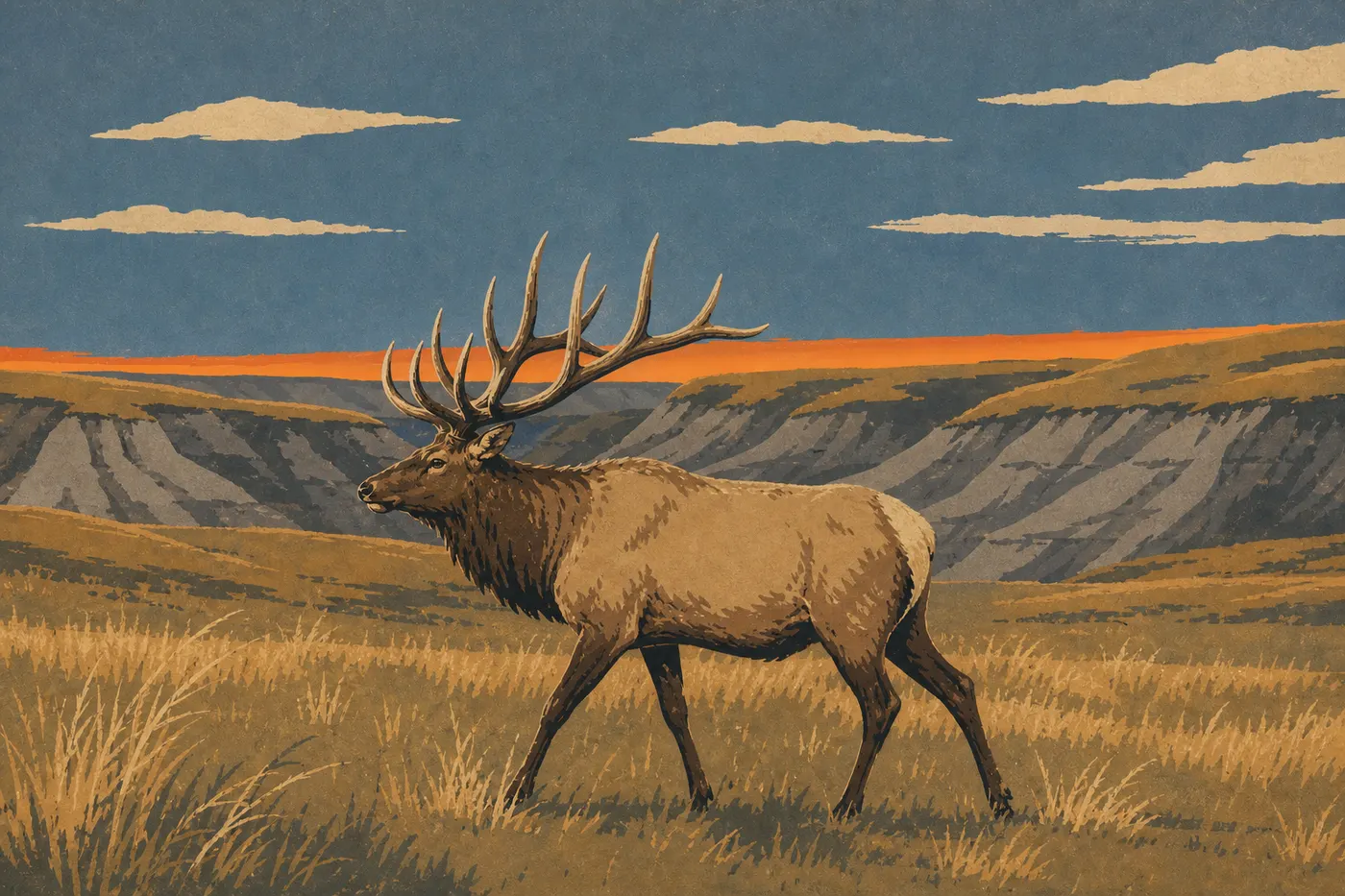
Elk are the park's largest deer species. An adult bull carries antlers that can span more than 4 feet. The North Unit, less crowded and more heavily wooded, is their preferred habitat. The fall rut, from September through October, is a rare soundscape in the Badlands. If you're camping at Juniper Campground during this season, you may hear the bulls bugling before you even open your eyes.
Mule Deer (Odocoileus hemionus)
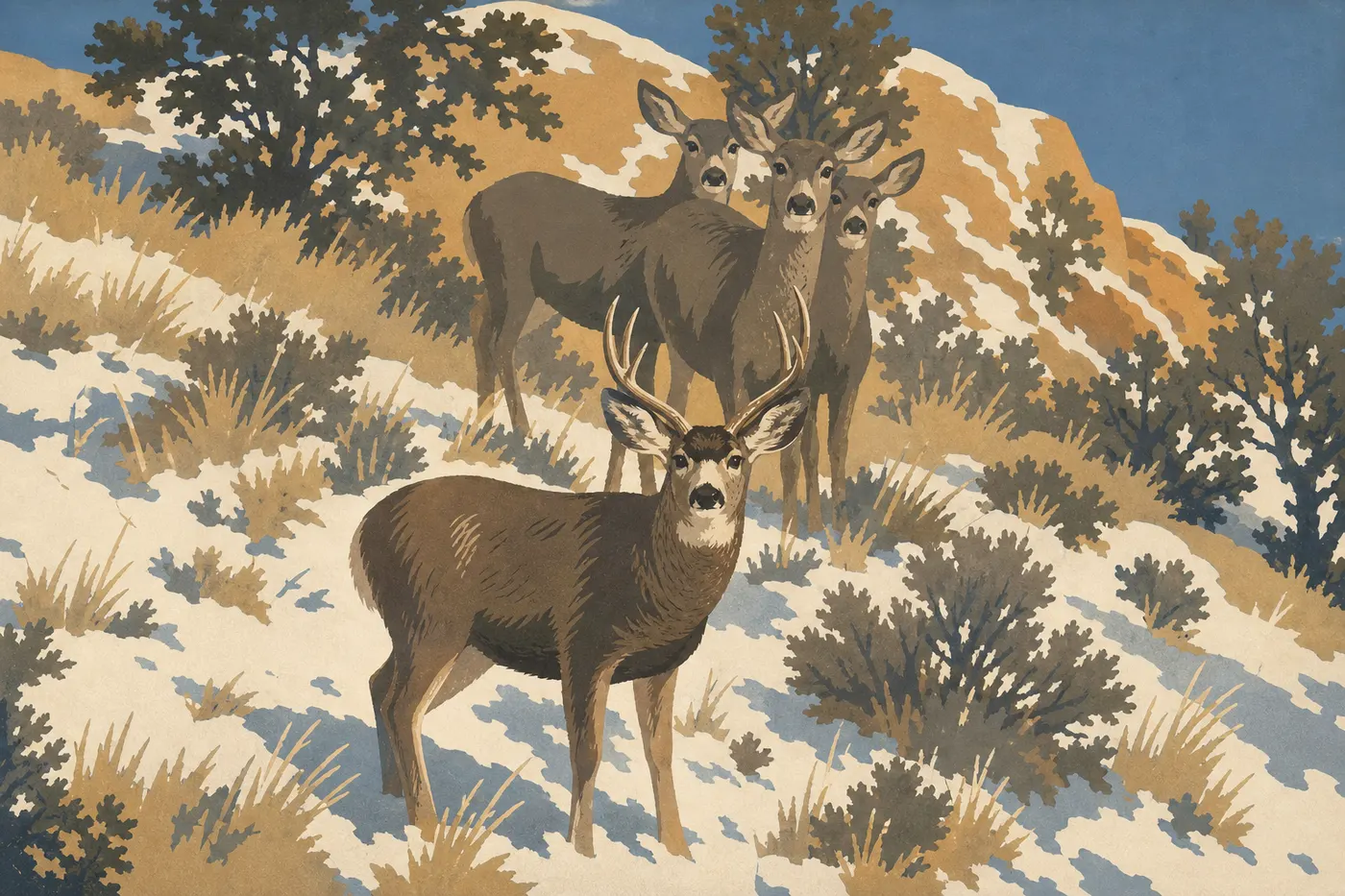
Its large, pointed ears, which earned it the English name mule deer, and its white tail tipped in black make it easy to distinguish from the white-tailed deer at a glance. Mule deer mainly inhabit ravines, shaded slopes, and rough terrain. They stay quiet during the day but become very active at dawn and dusk.
Telling Pronghorn from Mule Deer Apart
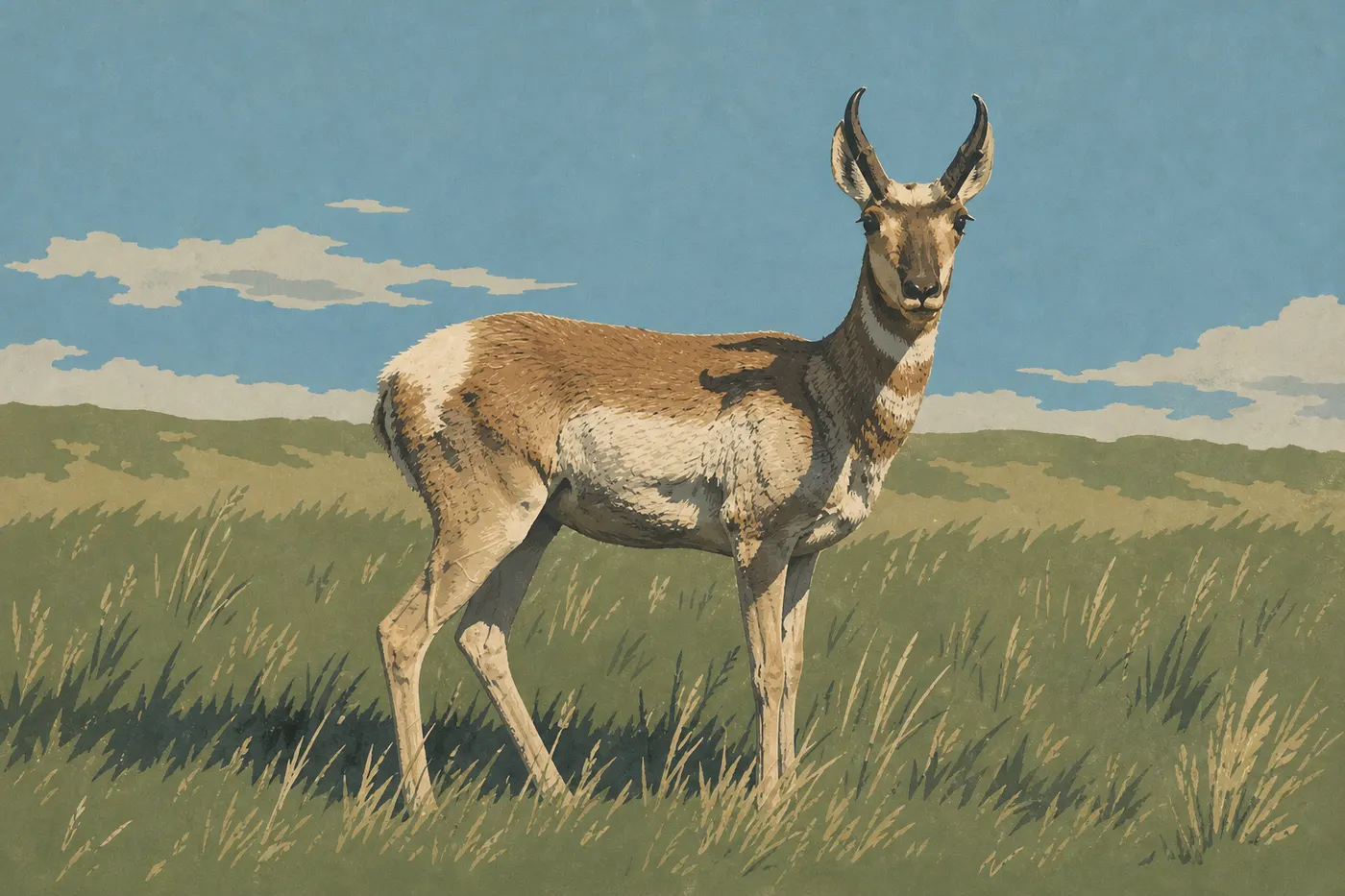
Pronghorn are sometimes mistaken for small deer, but the two species aren't closely related. The basic clues are simple: pronghorn are tan, with distinctive white markings on the neck and belly, and their forked horns don't fall off every year, unlike antlers. More slender and much faster, they are the world's second-fastest land mammal after the cheetah. They favor open grasslands and exposed plateaus, and rarely venture into the rocky terrain where mule deer feel at home.
Where to See Wildlife in Theodore Roosevelt
The park has three distinct units: the South Unit, the most visited, entered in Medora via I-94; the North Unit, reached via Highway 85, 70 miles north of Medora; and the Elkhorn Ranch Unit, which has no visitor facilities.
South Unit: The 30-mile Scenic Loop Drive offers the greatest concentration of wildlife sightings. Bison frequent the areas around Wind Canyon and Boicourt Overlook. Prairie dog towns are marked along the loop. Wild horses roam throughout the unit, and the areas around Buck Hill and the Ridgeline Trail give you better odds of seeing them.
North Unit: Less crowded, it has richer vegetation that favors elk and mule deer. Caprock Coulee Trail is an excellent place to start. Bison are present but less numerous than in the South Unit. Paradoxically, Longhorn Pullout remains a good spot for viewing them.
Painted Canyon: The overlook off I-94 offers a panoramic view of the Badlands and lets you spot bison and pronghorn below without even entering the park.
For hikers, the Theodore Roosevelt hiking guide points out the trails with the best-documented wildlife sightings.
When to Watch Wildlife
Dawn and dusk are the best windows year-round. Summer heat pushes bison and deer into the shade in the middle of the day. Early in the morning, everything is out.
By season:
- Spring (April-May): bison calves and mustang foals, highly active prairie dogs, and the first returning migratory birds.
- Summer (June-August): bison rut in July and August; hot days make wildlife viewing difficult from about 11 a.m. to 4 p.m.
- Fall (September-October): elk rut, beautiful low-angle light, and a sharp drop in visitor numbers.
- Winter (November-March): bison and horses in the snow create striking scenery. Some roads may be closed, so check conditions before you leave.
At night: the park doesn't offer organized nighttime safaris, but coyotes start singing at sunset, and the Great Horned Owl (Bubo virginianus) can be heard from the cliffs. Bison move at any hour and cross roads without warning.
For month-by-month details and weather conditions in the Badlands, see the Theodore Roosevelt seasonal calendar.
Predators and Large Animals in the Park
The plains bison is the park's largest and heaviest animal. An adult bull regularly weighs more than 1,760 pounds. During the rut, it may charge without warning and reach 35 mph.
Coyotes (Canis latrans) are the most visible predators. Opportunistic hunters, they prey on small rodents, hares, and nestlings, and readily scavenge carcasses. You'll hear them mostly at night, but they also roam during the day.
The peregrine falcon (Falco peregrinus) and golden eagle (Aquila chrysaetos) hunt from the Badlands highlands, where the cliffs create excellent updrafts. Look for them above the ridgelines in the morning.
The prairie rattlesnake (Crotalus viridis) is the park's only venomous snake. Generally elusive, it stays in rocky areas and beneath vegetation. Never put your hand under a rock or shrub without looking first.
For the record, neither grizzly bears nor wolves live in Theodore Roosevelt. The risk from predators to visitors remains low as long as you keep your distance from large herbivores.
Watching Wildlife Safely
NPS rules are clear and nonnegotiable.
Keep at least 75 feet away from every large animal, including bison, wild horses, elk, mule deer, and pronghorn. That's about the length of a school bus. If the animal changes its behavior by raising its head, stopping its grazing, or turning toward you, you're too close. Back away immediately.
Never feed an animal, whatever the species. Human food changes animal behavior and often leads to euthanasia when animals become aggressive toward visitors. The rule applies to prairie dogs too, with the added risk of spreading plague.
In your car: if a bison herd blocks the road, stay inside the vehicle with the windows up and the engine off. Don't honk, and don't try to pass them on the shoulder. Be patient. They'll move on by themselves.
Bison aren't cattle: many visitors underestimate how fast and unpredictable bison can be. Every year, people are injured in American national parks because they fail to keep their distance. The complete Theodore Roosevelt park guide explains what to do during a close encounter.
On the trails: wear high-top shoes during the warm season and watch where you put your feet on rocky slopes. That's where rattlesnakes tend to hide.
In Brief: Species You Shouldn't Miss and Where to Find Them
| Species | Best Area | Best Time |
|---|---|---|
| Plains bison | Scenic Loop Drive (South Unit) and North Unit | Year-round, dawn |
| Wild horse | South Unit (Buck Hill, Painted Canyon) | Dawn, spring |
| Prairie dog | Along the Scenic Loop (South Unit) | Spring and summer, daytime |
| Elk | North Unit (Caprock Coulee) | Fall rut, dawn |
| Mule deer | Ravines and slopes throughout the park | Dawn and dusk |
| Pronghorn | Open grasslands in the South Unit | Daytime |
| Coyote | Throughout the park | Dusk and night |
| Golden eagle | Ridges and cliffs | Morning |
Frequently Asked Questions
What are the signature animals of Theodore Roosevelt National Park?
The signature animals of Theodore Roosevelt National Park are plains bison, wild horses, black-tailed prairie dogs, elk, and mule deer. Pronghorn and coyotes round out this characteristic picture of the North Dakota Badlands.
What is the most common animal in Theodore Roosevelt National Park?
Plains bison are the most visible and widespread species. Herds live in both units of the park and regularly travel along the roads, making them easy to see.
What is the largest animal in Theodore Roosevelt National Park?
The largest animal in Theodore Roosevelt National Park is the plains bison. An adult bull can weigh more than 1,760 pounds and stand 5 feet 11 inches at the shoulder, making it North America's most imposing land mammal as well.
What predators live in Theodore Roosevelt National Park?
The park's predators include coyotes, the main one, as well as golden eagles and peregrine falcons. Prairie rattlesnakes are the only venomous snakes. The park has neither grizzly bears nor wolves.
What animals are active at night in Theodore Roosevelt?
Coyotes start calling at sunset and hunt for much of the night. Great Horned Owls are active in the darkness. Bison move at any hour, so use caution on roads after sunset.
Where can you see animals in Theodore Roosevelt National Park?
The South Unit's Scenic Loop Drive is the best starting point for bison, wild horses, and prairie dogs. The less crowded North Unit is the preferred habitat of elk and mule deer. The Painted Canyon overlook offers wildlife viewing without even entering the park.
Can you see wild horses in other national parks?
Wild horses are rare in the NPS system. Theodore Roosevelt is one of the only American national parks with a permanent herd, managed as an integral part of the park ecosystem.