
Things to Do in Theodore Roosevelt National Park: Must-Sees and Activities
Bands of colorful badlands, bison herds crossing the road, and wild horses roaming free: Theodore Roosevelt National Park, in the badlands of North Dakota, rewards anyone willing to make the detour. The essentials? A scenic drive through the South Unit around Medora, a dawn wildlife outing in the North Unit, and, if you're interested in history, a pilgrimage to Elkhorn Ranch, where the future president shaped his vision of conservation. Plan on at least two full days to take in the park's three distinct sides.
Theodore Roosevelt at a Glance: Three Units, One Park
The park is divided into three separate units, with no internal road connecting them. That completely changes how you'll want to plan your visit.
The South Unit is the main gateway. It borders the small town of Medora and is directly accessible from Interstate 94 (Exits 24 and 27). This is where you'll find the main visitor center, Roosevelt's historic cabin, and the 36-mile scenic loop. Most visitors stop here, and only here.
The North Unit lies about 81 miles north, along Highway 85. Less crowded, it offers wilder scenery and the best conditions for watching wildlife without fighting for a parking spot.
The Elkhorn Ranch Unit sits between the other two. You can reach it only by gravel road, and it preserves the original site of Roosevelt's ranch. There is almost no infrastructure on-site. It feels like the end of the world, in the best possible way.
For entrance details, winter road closures, and gravel-road conditions, see the guide to getting to Theodore Roosevelt.
How Much Time Do You Need to Visit Theodore Roosevelt?
One day: the South Unit only, with a drive and a few stops. Enough to check the box, but not enough to really experience the park.
Two days: the South Unit on day one and the North Unit on day two. That's the right balance for most visitors. We lay out this pace in our Itinerary & Trip Length guide.
Three days or more: you can add Elkhorn Ranch, take a night hike, or explore the North Unit's backcountry areas. At that point, regulars start coming back.
Entrance fees are $30 per vehicle ($25 for motorcycles, $15 for pedestrians or bicyclists). The park's annual pass costs $55, which is a good deal if you're visiting several parks. For pass options, the National Parks Fees & Passes page explains the basics of entrance fees.
The Must-Sees, Area by Area
South Unit: The Heart of the Park
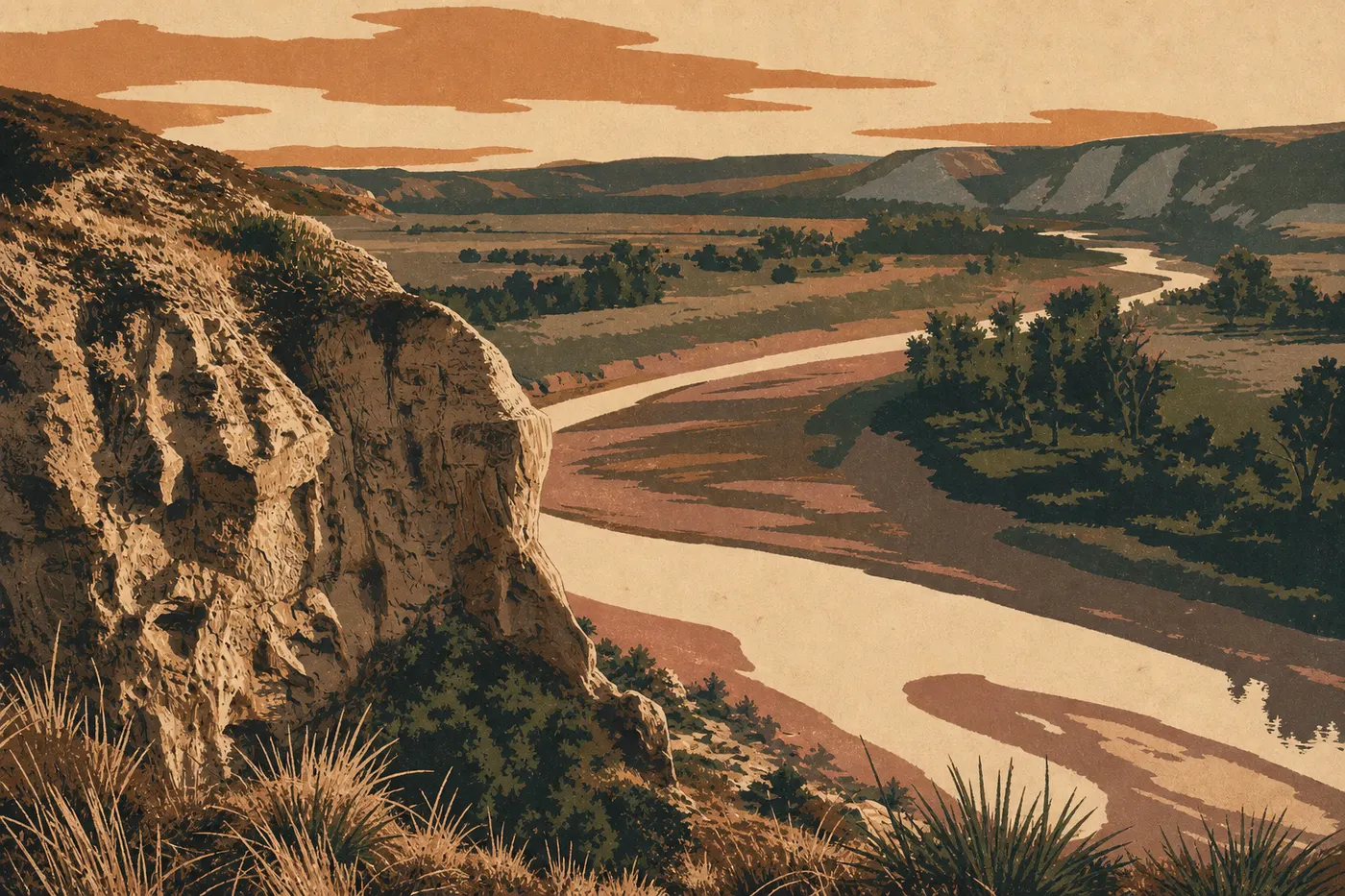
The Scenic Loop Drive is the South Unit's backbone. Start from the Medora visitor center and, ideally, drive it in both directions at different times of day, because the light completely changes the badlands. The speed limit applies along the entire route. Resist the urge to speed up; the real action is along the roadside.
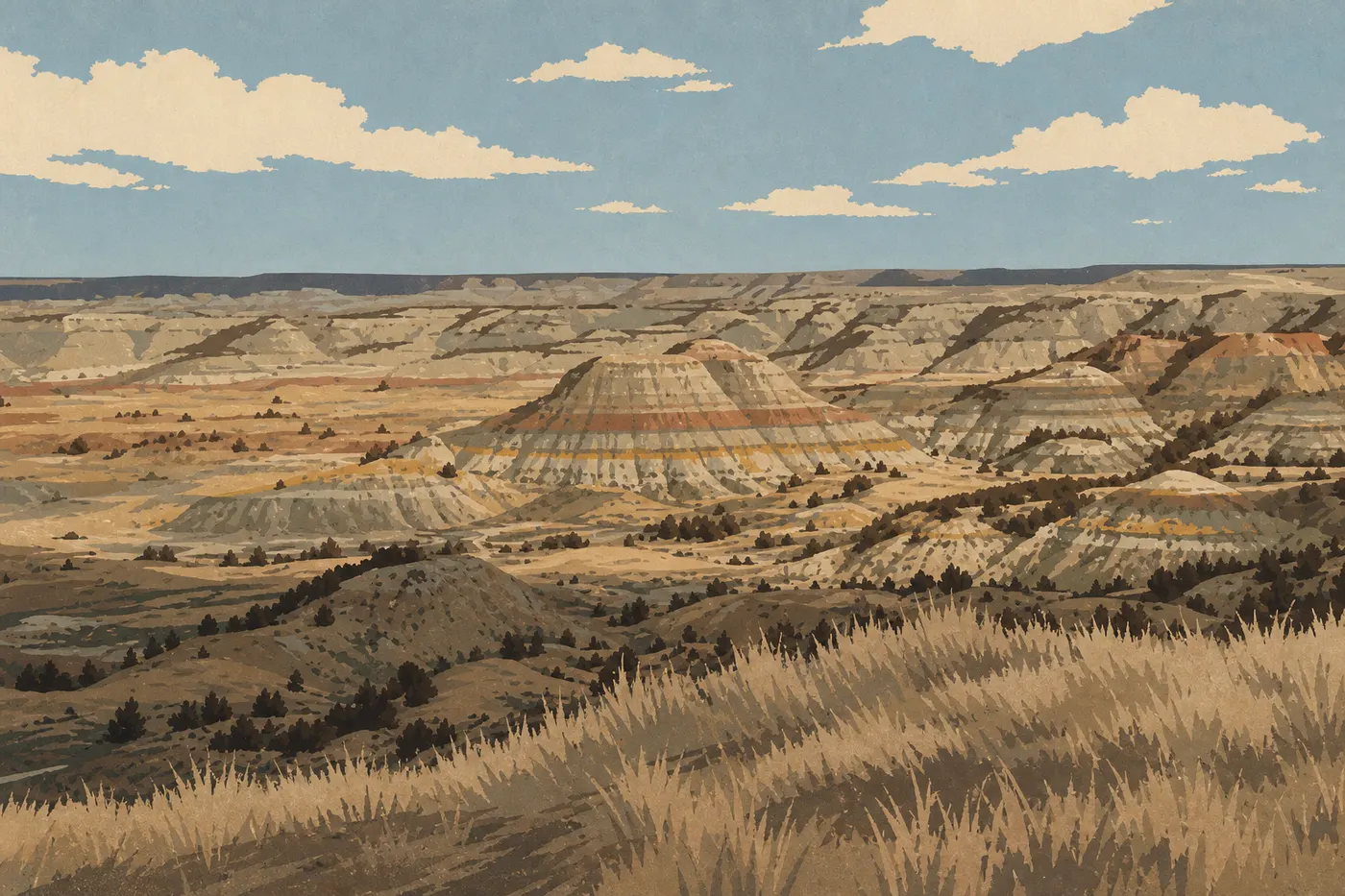
Painted Canyon deserves a separate stop. You can reach the overlook from I-94 without even paying the park entrance fee. It offers a free, sweeping view down into the colorful formations. On our first visit, it took us twenty minutes to get back in the car because leaving was so hard. That's a pretty good sign.
The prairie dog towns are a must, even if you think rodents aren't your thing. These organized colonies along the loop, marked by several signed pullouts, are lively, noisy, and genuinely funny to watch. Plan on 20 to 30 minutes. You'll probably spend 45.
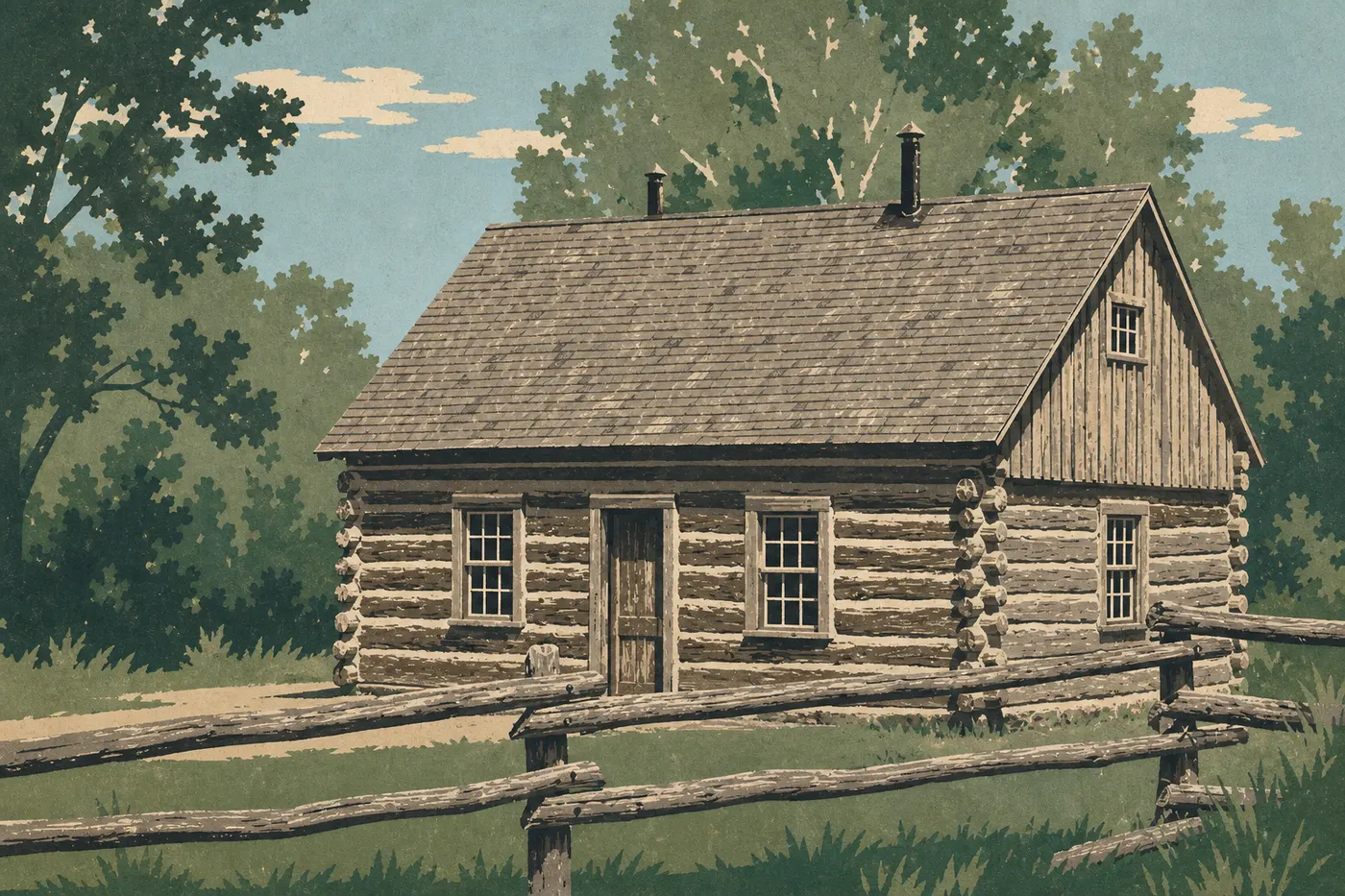
Maltese Cross Cabin, displayed at the Medora visitor center, is one of the two Roosevelt ranch cabins that have been preserved. Moved several times before landing here, it contains period furnishings. Admission is included with the park entrance fee.
Wind Canyon Trail is a 0.5-mile round-trip hike with modest elevation gain and an unbeatable view of the Little Missouri River from a wind-battered rocky spur. It's the kind of short trail that makes you feel like you've earned the view. Go late in the day for the best light.
The Petrified Forest area lies in the western part of the South Unit, outside the main loop. Fossilized logs have risen straight out of the badlands for millions of years. Access is by gravel road, so bring a map and plenty of water.
North Unit: Wilderness That Rewards the Effort
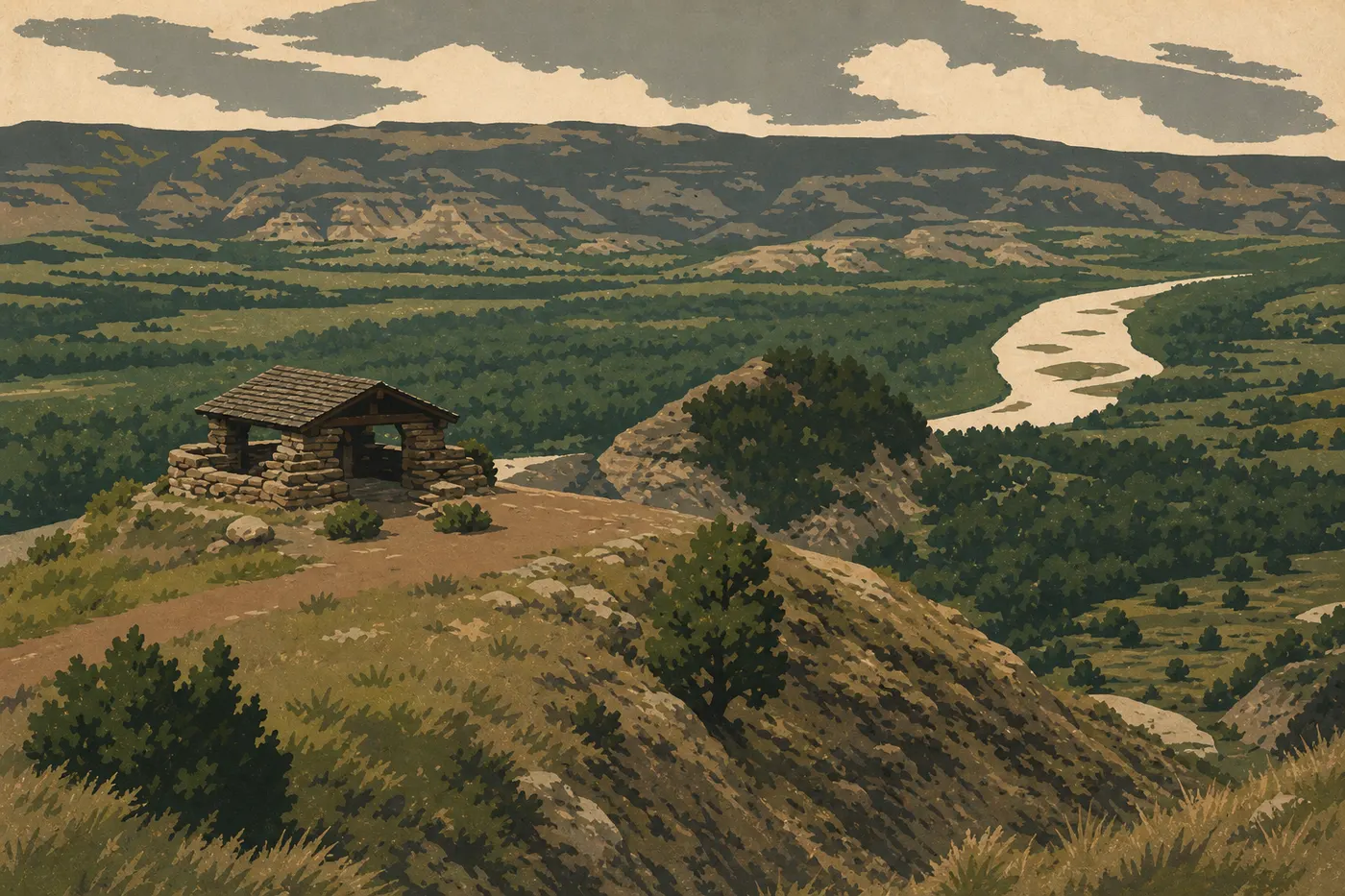
The North Unit is harder to reach, and that's exactly what makes it interesting. Traffic is light, wildlife is less accustomed to people, and the badlands have slightly different colors.
The North Unit Scenic Drive, about 28 miles one way with no loop, runs past spectacular geological formations. Cannonball Concretions, naturally formed sandstone spheres, some as large as a basketball, are among the park's most photographed geological curiosities. They're hard to resist.
Oxbow Overlook, at the end of the road, is the high point of a North Unit visit. Here, the Little Missouri River makes a tight bend through the badlands. In late afternoon, the colors turn orange and purple. I found myself alone here for forty minutes on a Wednesday in September. It was one of those moments when you understand why Roosevelt loved this place so much.
River Bend Overlook offers another striking view of the Little Missouri's bends. In this unit, sightings of bison, elk, and bighorn sheep are common starting early in the morning.
Elkhorn Ranch: A Historic Pilgrimage
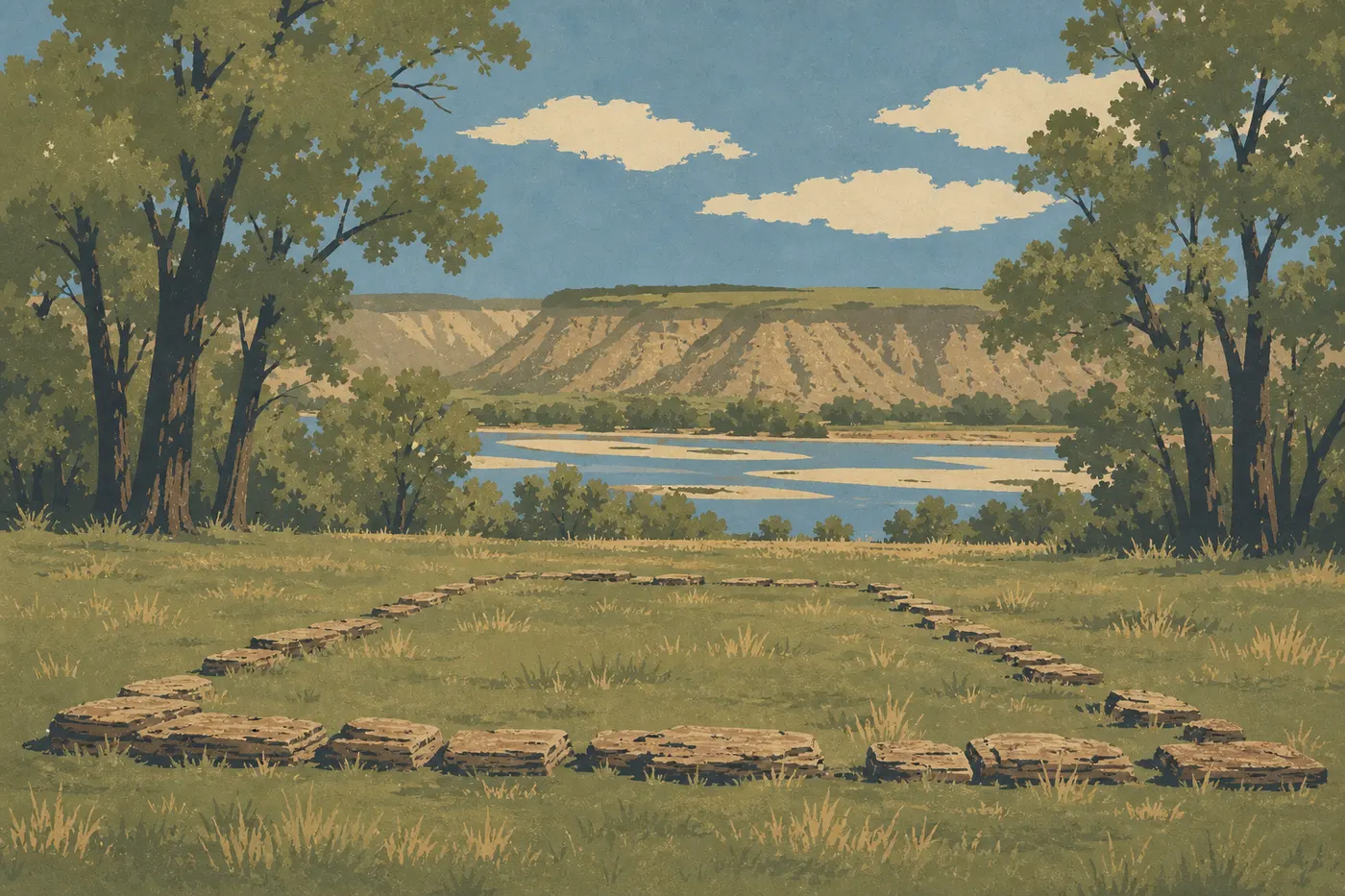
The Elkhorn Ranch Unit takes some effort. The gravel access road isn't suitable for every vehicle, and conditions vary with the weather and season. On-site, you'll find no restrooms and no elaborate interpretation. Just the ranch site, a few foundation stones, and the river.
Yet this is where Roosevelt spent time alone after losing his wife and mother on the same night in 1884. His time in the badlands shaped his vision of conservation and, in turn, twentieth-century American environmental policy. Anyone who makes the drive gets a better sense of why his name is on the park.
Ask about road conditions at the visitor center before you leave. Our Access & Transportation page covers the seasonal issues to watch for.
The Best Hikes in Theodore Roosevelt National Park
The park has several dozen miles of marked trails in its two main units, along with vast trail-free backcountry areas.
Wind Canyon Trail (South Unit, about 0.5 miles round-trip): short but powerful. Ideal late in the day for the low light on the river.
Coal Vein Trail (South Unit, about a 1.6-mile loop): a themed trail about an underground coal seam fire that baked the surrounding sediment for centuries. Educational, unusual, and genuinely different from the park's other trails.
Ridgeline Trail (South Unit, about 1.6 miles): climbs to a panorama of the badlands and the surrounding plain. The first stretch is strenuous, but the view makes the effort worthwhile.
Caprock Coulee Trail (North Unit, about a 3.7-mile loop): the North Unit's benchmark hike, with constantly changing terrain and views over the badlands coulees. Go early for the best chance of seeing wildlife.
Achenbach Trail (North Unit, about an 18-mile loop): for experienced hikers, with river crossings and backcountry sections. You'll need a wilderness camping permit to spend the night.
For full details, including elevation gain, difficulty, maps, and seasonal advice, see the Theodore Roosevelt hiking guide.
Other Activities Based on Your Interests
Wildlife Watching
Theodore Roosevelt is home to one of the few populations of wild horses, or mustangs, in an American national park. The South Unit has about a hundred, often visible from the Scenic Loop Drive, especially in the morning and evening. Keep in mind that these horses are wild, not domesticated. The recommended minimum safe distance is 82 feet.
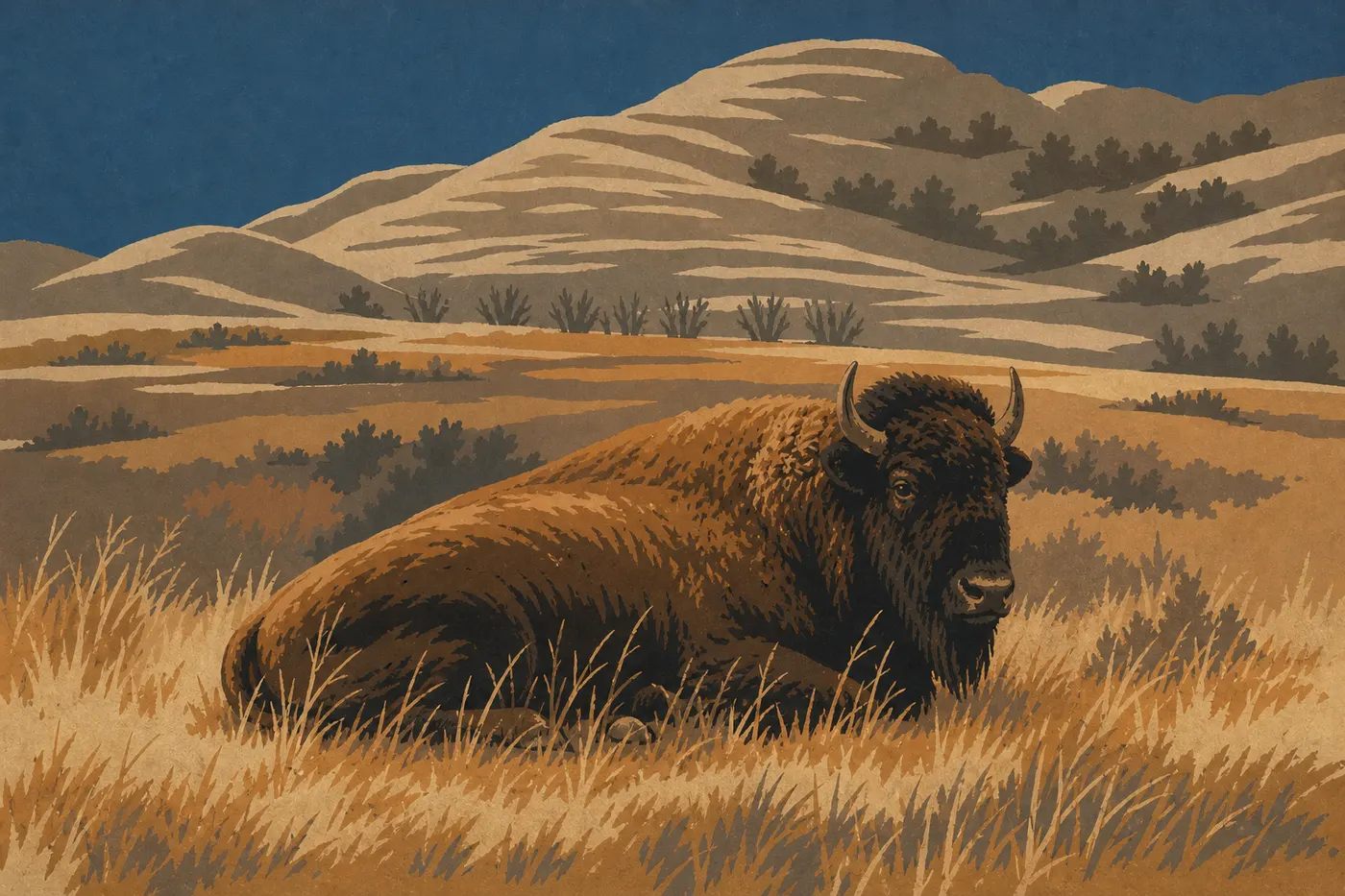
Bison live in both units. One absolute rule: never get between a bison and its route, and never try to approach one on foot. These animals can weigh up to 2,000 pounds and charge without warning.
Pronghorns, elk, and bighorn sheep round out the picture. A dawn outing, before 8 a.m., is consistently the most productive time for wildlife watching. Find all the details in the Theodore Roosevelt wildlife guide.
Stargazing and Night Photography
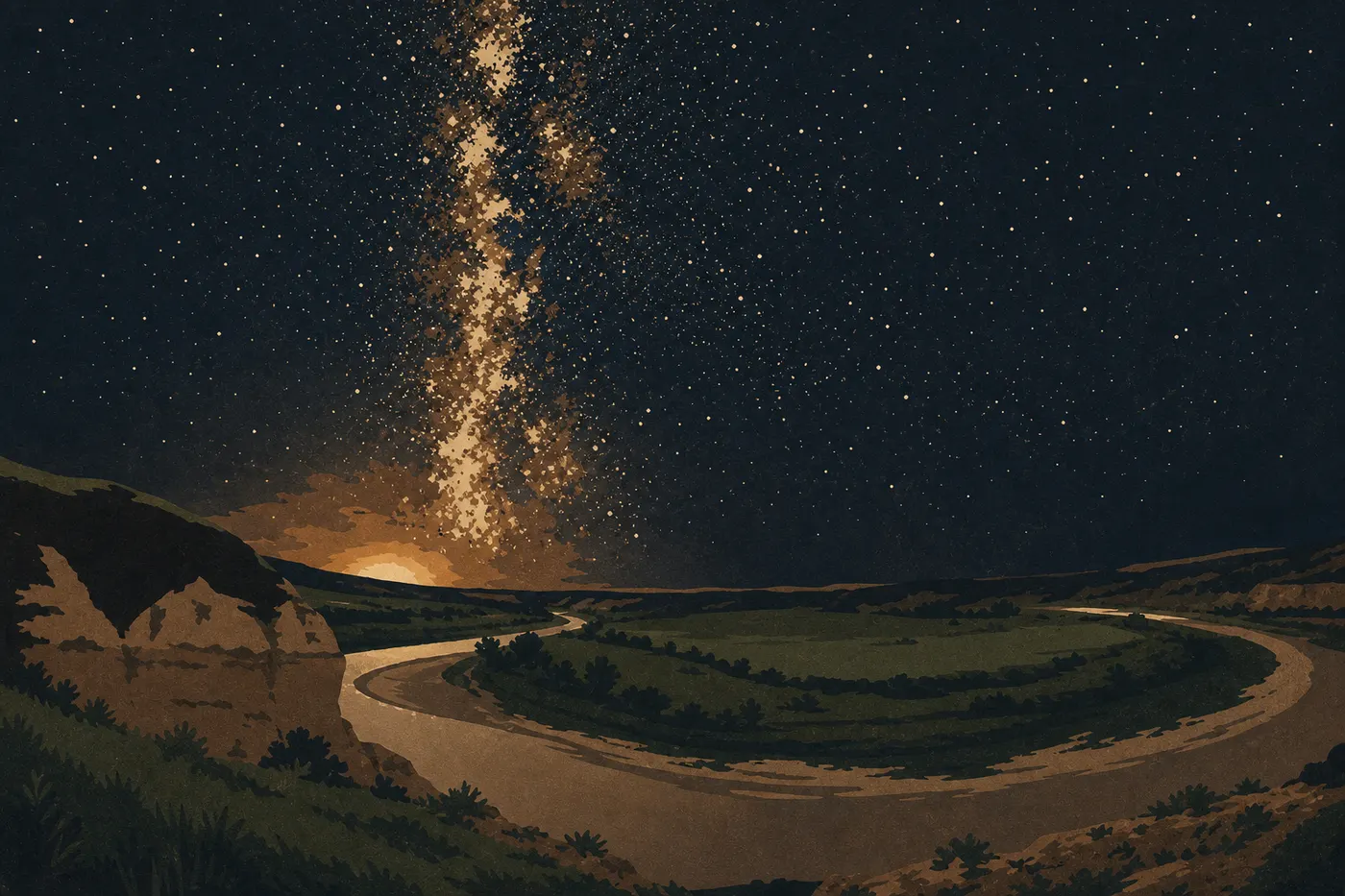
Western North Dakota has very little light pollution. Theodore Roosevelt National Park, particularly the North Unit, offers excellent conditions for amateur astronomy. Summer nights, from June through August, provide Milky Way viewing windows between 11 p.m. and 2 a.m. Bring a tripod and check the Theodore Roosevelt weather forecast before making plans.
Biking
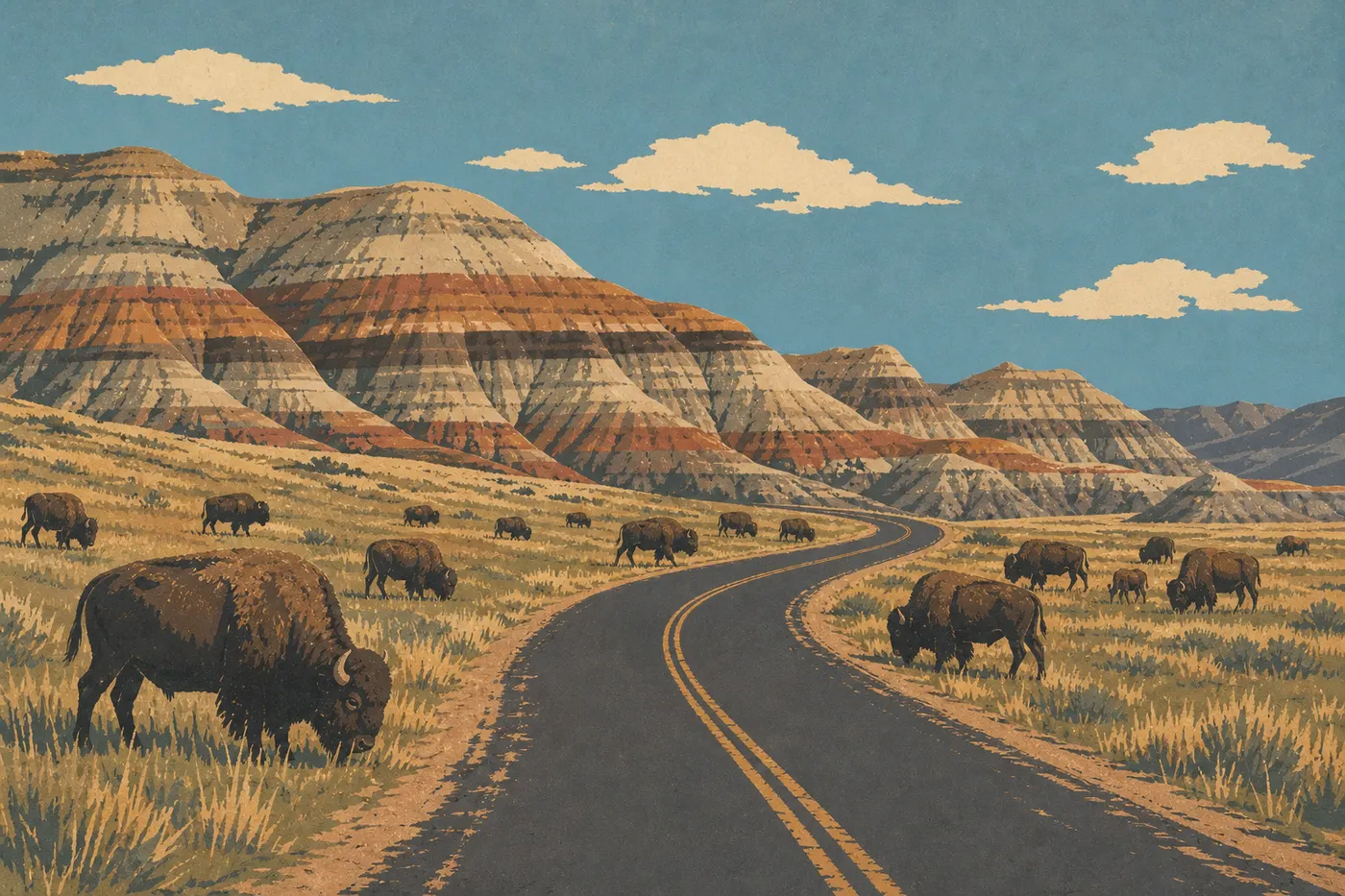
You can bike the South Unit's Scenic Loop Drive. The road is shared with cars and, depending on the day, bison. The climbs are short but demanding in places. There is no bike rental service on-site, so bring your own.
Families with Kids
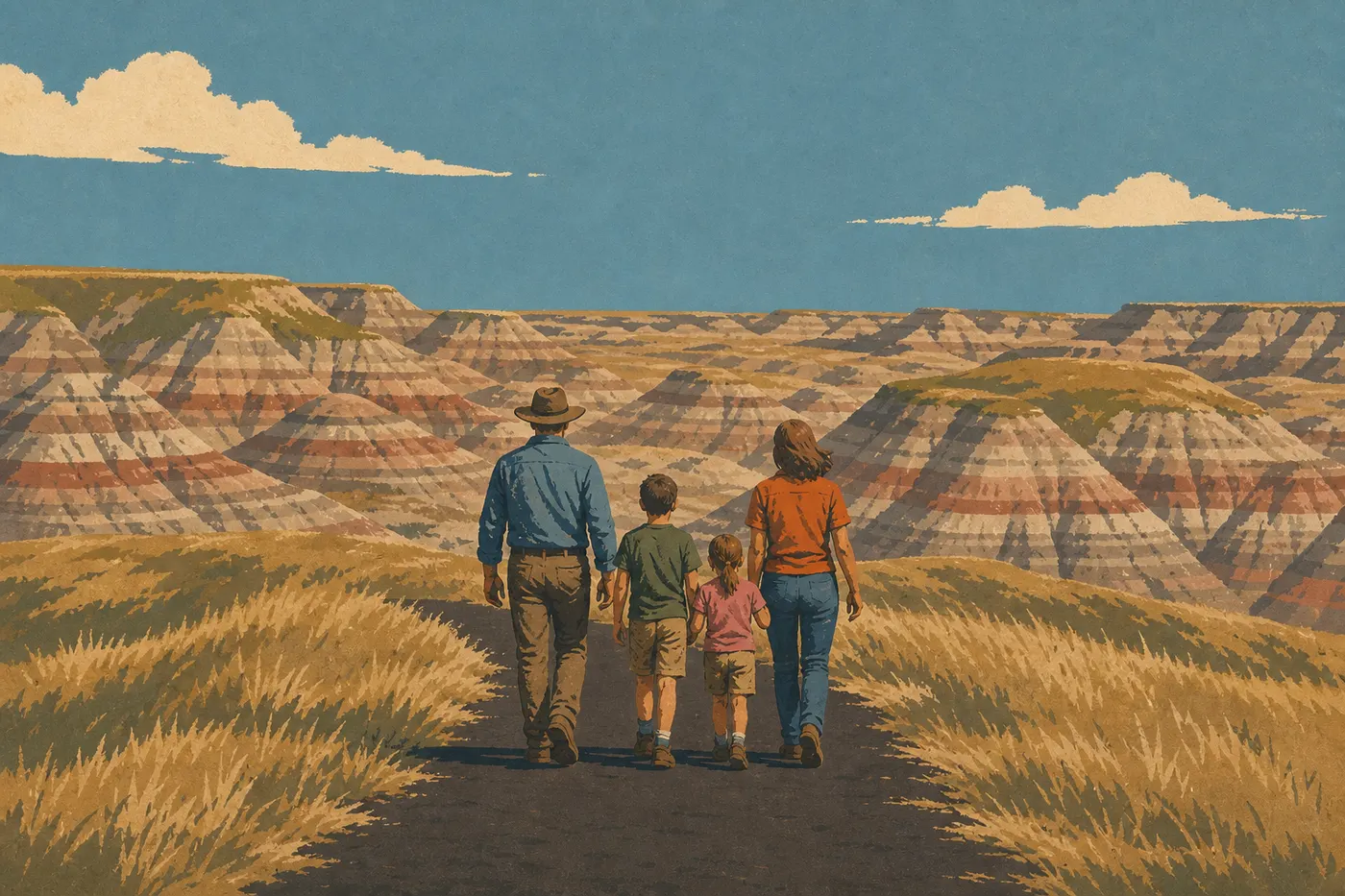
The park works for visitors of all ages, especially when it comes to watching prairie dogs and driving the Scenic Loop. The Junior Ranger Program is available at both visitor centers, with a free booklet and badge at the end. See tips for visiting Theodore Roosevelt with your family, organized by age.
Horseback Riding
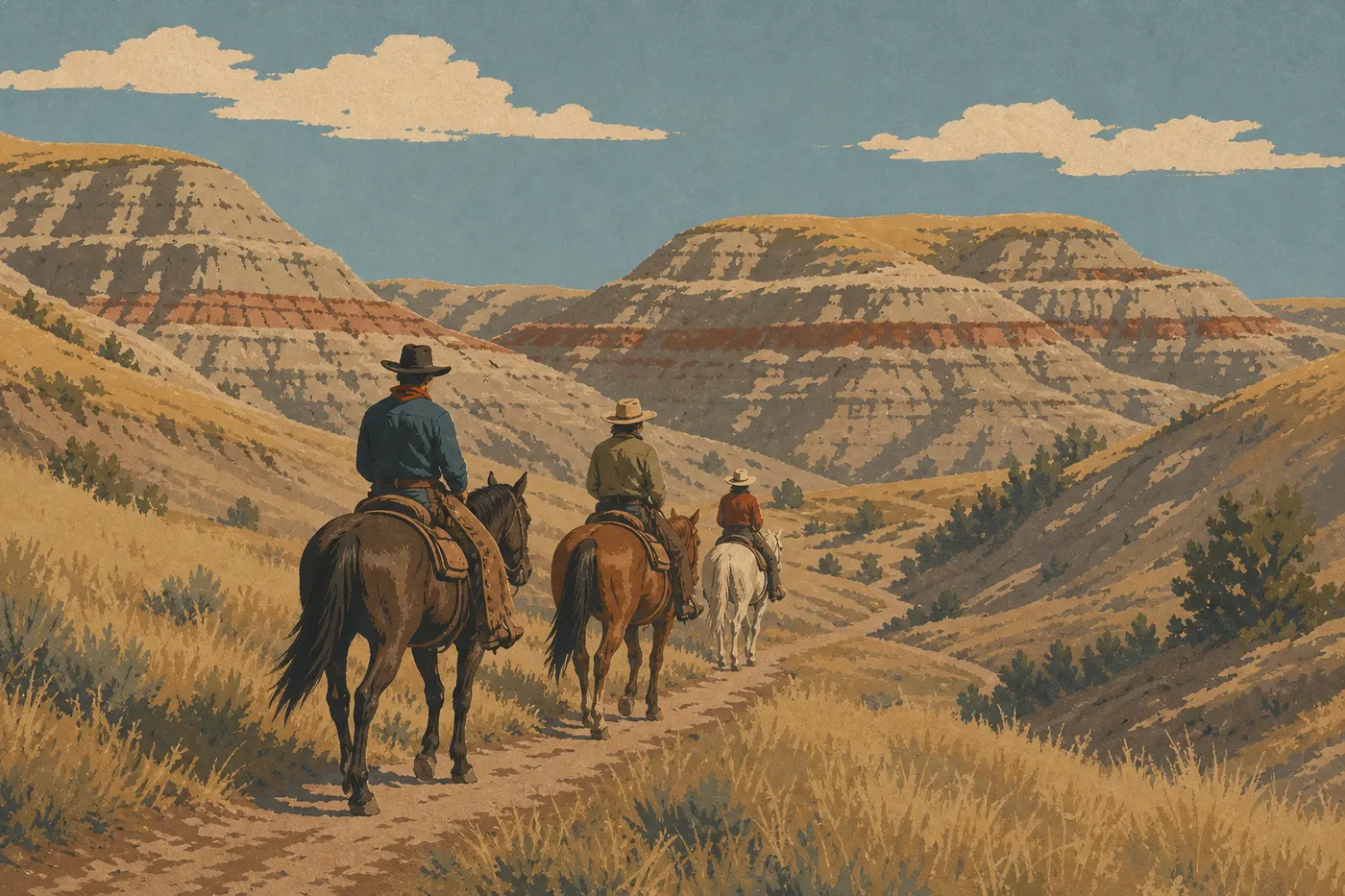
The backcountry in the South and North Units is open to riders. Horses aren't available for rent in the park, so you'll need to bring your own. The visitor centers can explain the rules, water sources, and permitted areas.
Things to Do Around Theodore Roosevelt
Medora (at the South Unit Entrance)
The town of Medora, just steps from the South Unit entrance, is more than a place to stock up. The Medora Musical, an outdoor summer show held from June through September, is North Dakota's most popular cultural event. The Chateau de Mores, the home of a French marquis who wanted to build a cattle-industry empire in the Badlands in the late nineteenth century, is worth an hour of your time if you want to understand the region's history. The story is every bit as wild as it sounds.
For restaurants and dining options in and around Medora, see our Where to Eat page.
I-94 and the Great Plains
East of Medora, I-94 crosses open prairie all the way to Bismarck, the capital of North Dakota, about 134 miles away. To the west, you'll cross into Montana in less than two hours. Theodore Roosevelt fits naturally into a road trip through the Midwest or the Great Plains.
Little Missouri National Grassland
Little Missouri National Grassland surrounds all three park units. It offers additional opportunities for hiking, horseback riding, and dispersed camping. Less visited than the park itself and complementary to it, the grassland mainly appeals to people who want to get well off the beaten path.
The Essentials: What to See First in Theodore Roosevelt
Theodore Roosevelt is an eye-level park: you're never far from wildlife, badland formations, or the prairie horizon. For a first visit, the most efficient plan has three parts. Start at Painted Canyon from I-94 for an immediate overview without even entering the park. Then drive the South Unit's Scenic Loop twice, once in the morning for wildlife and again in the late afternoon for the light. Finally, set aside half a day for the North Unit and its quiet and concretions.
Is Theodore Roosevelt worth the detour? For anyone traveling through North Dakota, absolutely. If you're coming specifically for the park, plan on at least two nights. The combination of badlands, diverse wildlife, and presidential history is rare enough to justify the trip. Our complete guide gives you the big picture, from planning through execution.
For the best months to visit, see our When to Go page. For lodging in and around the park, our Where to Stay page and Camping page cover all the options.
Frequently Asked Questions
What is there to do at Theodore Roosevelt?
At Theodore Roosevelt National Park, the main activities are scenic drives through the badlands in the South and North Units, watching bison, wild mustangs, prairie dogs, pronghorns, and elk, hiking marked trails and exploring the backcountry, stargazing, and visiting the historic Elkhorn Ranch site. The free-roaming wildlife is the park's main draw.
How much time do you need to visit Theodore Roosevelt?
Plan on at least two full days to properly cover the South and North Units. A third day lets you add Elkhorn Ranch and slower activities, such as a long hike or extended wildlife watching. Our Itinerary & Trip Length page offers day-by-day plans.
Is Theodore Roosevelt National Park worth it?
Yes, clearly. The park combines rare advantages: diverse free-roaming wildlife, including mustangs, bison, and prairie dogs; colorful badlands that are far less crowded than those in Utah or South Dakota; and a direct historical connection to the president who established the American national monument system. The lack of crowds is a real advantage.
What are the must-see things at Theodore Roosevelt?
The four absolute must-sees are Painted Canyon Overlook, accessible from I-94 without paying an entrance fee; the South Unit Scenic Loop Drive; the prairie dog towns; and the North Unit, especially Oxbow Overlook. If you're a photographer or history buff, add Elkhorn Ranch.
Which hike should you do at Theodore Roosevelt?
For a first visit, Wind Canyon Trail in the South Unit, about 0.5 miles round-trip, gives you an immediate panorama for minimal effort. For a half-day outing, Caprock Coulee Trail in the North Unit, about a 3.7-mile loop, is the benchmark. Find full details on our Hiking page.
Can you see wild horses at Theodore Roosevelt?
Yes. The South Unit is home to about a hundred wild mustangs, regularly visible from the Scenic Loop Drive, especially in the morning and evening. The recommended minimum safe distance is 82 feet. These horses aren't tame.
When is Theodore Roosevelt National Park open?
The park is open 24 hours a day, 7 days a week, year-round. Visitor centers keep shorter hours in the off-season, and some roads may close in winter after heavy snowfall. Check conditions before you leave on our Weather page.