
Sequoia and Kings Canyon Wildlife: Animals to See and Where to Find Them
Sequoia and Kings Canyon make up one jointly managed park, arranged across three distinct elevation zones: dry foothills, sequoia forests, and the high Sierra. Wildlife follows this vertical pattern with clockwork precision. The short answer is that the five iconic animals to look for first are the Sierra Nevada black bear, mule deer, California condor, yellow-bellied marmot, and American pika. Black bears are by far the most common, with several hundred resident animals. Condors require patience and an eye trained on the cliffs of Kings Canyon.
Sequoia and Kings Canyon's Iconic Animals
Sierra Nevada Black Bear
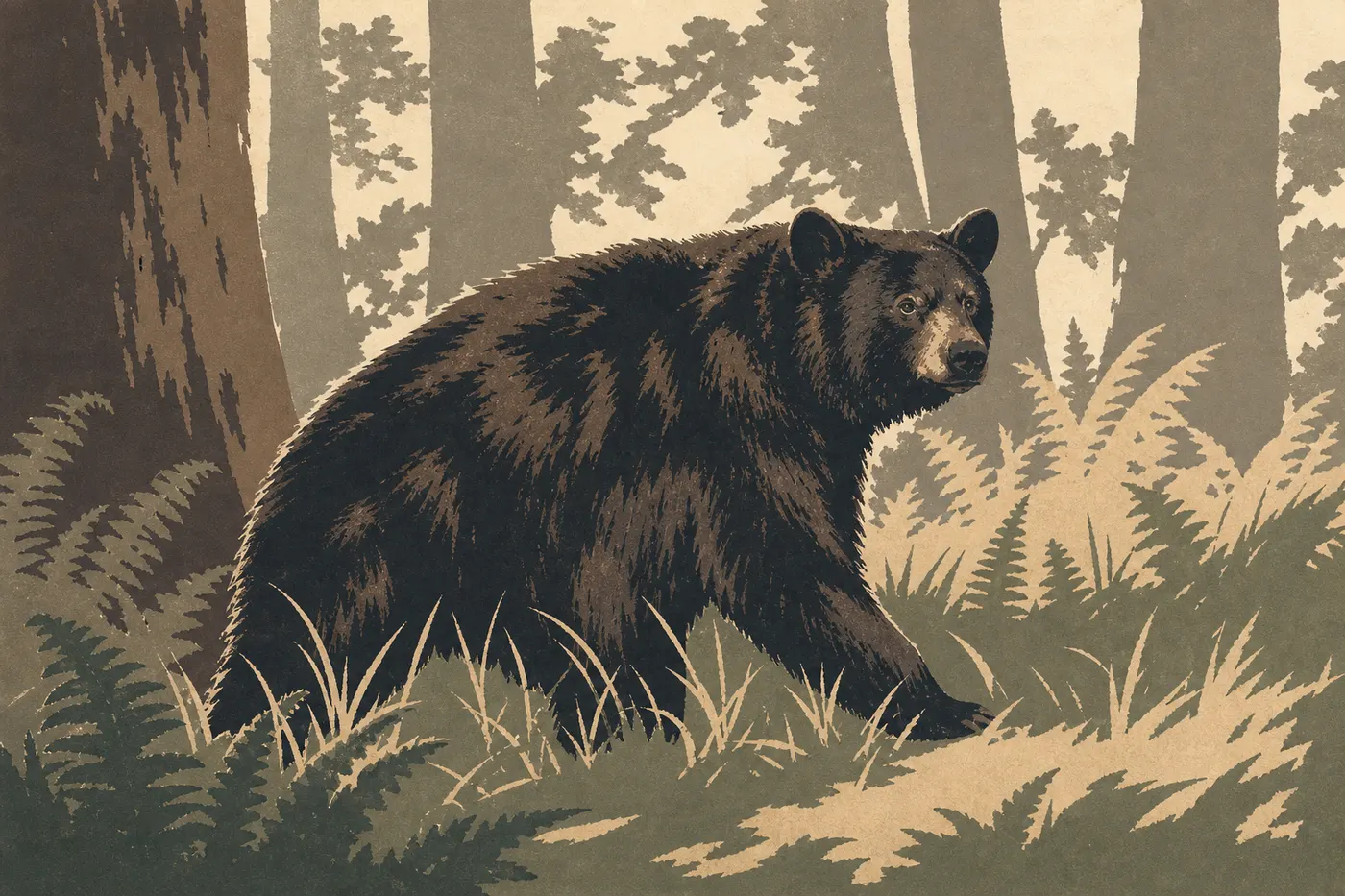
Its name can be misleading: the California black bear (Ursus americanus) is often brown, cinnamon, or even blond in the Sierra Nevada. Truly black individuals are in the minority here. Forget color when identifying one and look at its shape instead: flat shoulders, a straight back, and a long, slender muzzle. An adult male weighs between 155 and 400 pounds.
An opportunistic omnivore, it spends the summer building up calories with berries, acorns, insects, and larvae. And that cooler you left on the back seat counts, too. Sequoia's bears have an impressive memory for human bad habits. You're most likely to see them at dawn or late afternoon from May through November. In winter, they enter dormancy in dens.
Mule Deer
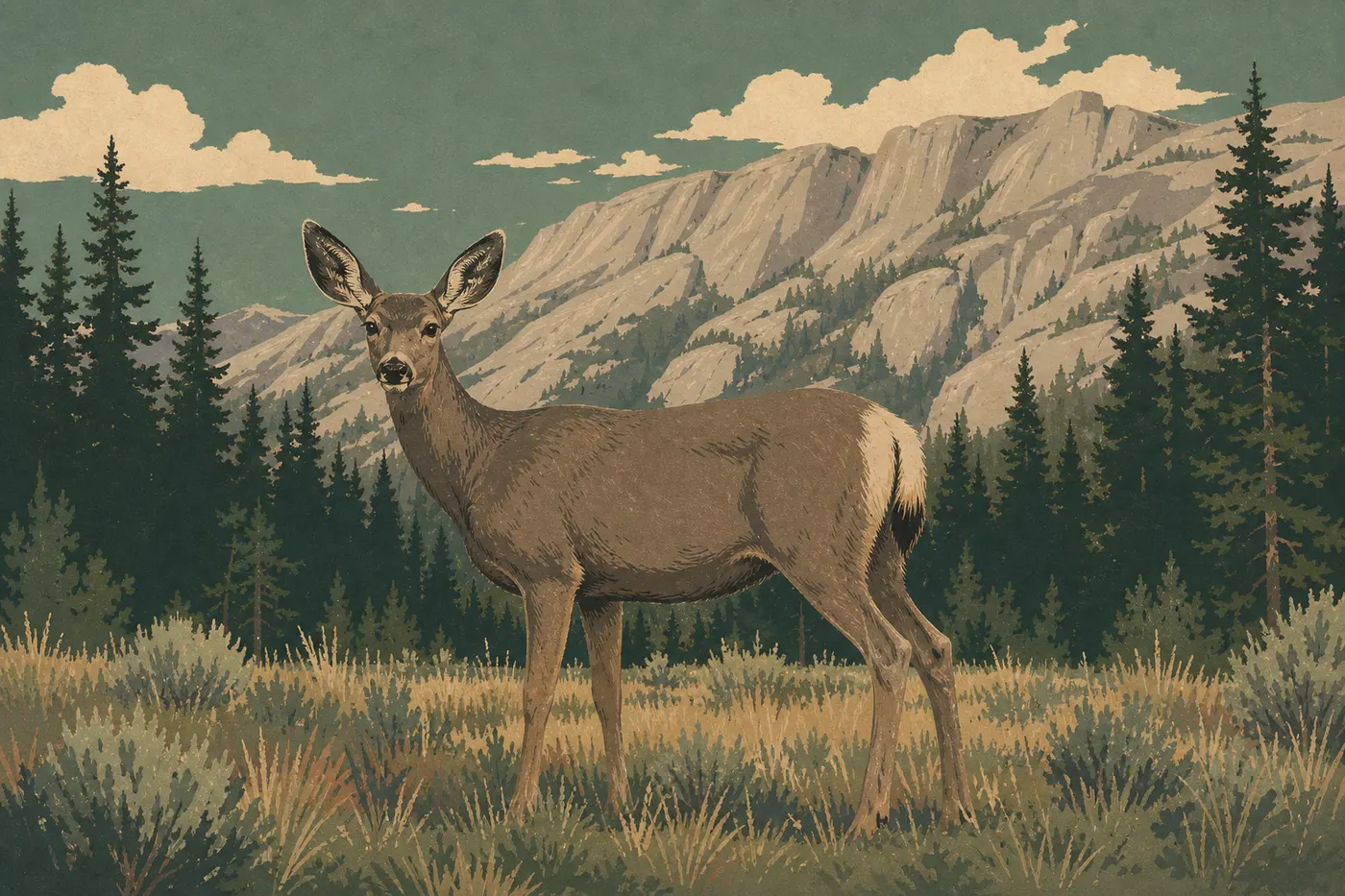
Mule deer (Odocoileus hemionus) are the animals you're most likely to see without even trying. Their large ears, which give them their name, and white tails with black tips distinguish them from the white-tailed deer of the eastern United States. Males carry their antlers from June through December. Fawns are born in June and stay with their mothers until fall.
Look for them in meadows and clearings. Giant Forest in Sequoia and Zumwalt Meadow in Kings Canyon are the two most reliable spots. Your chances of seeing one double at dawn and dusk.
California Condor
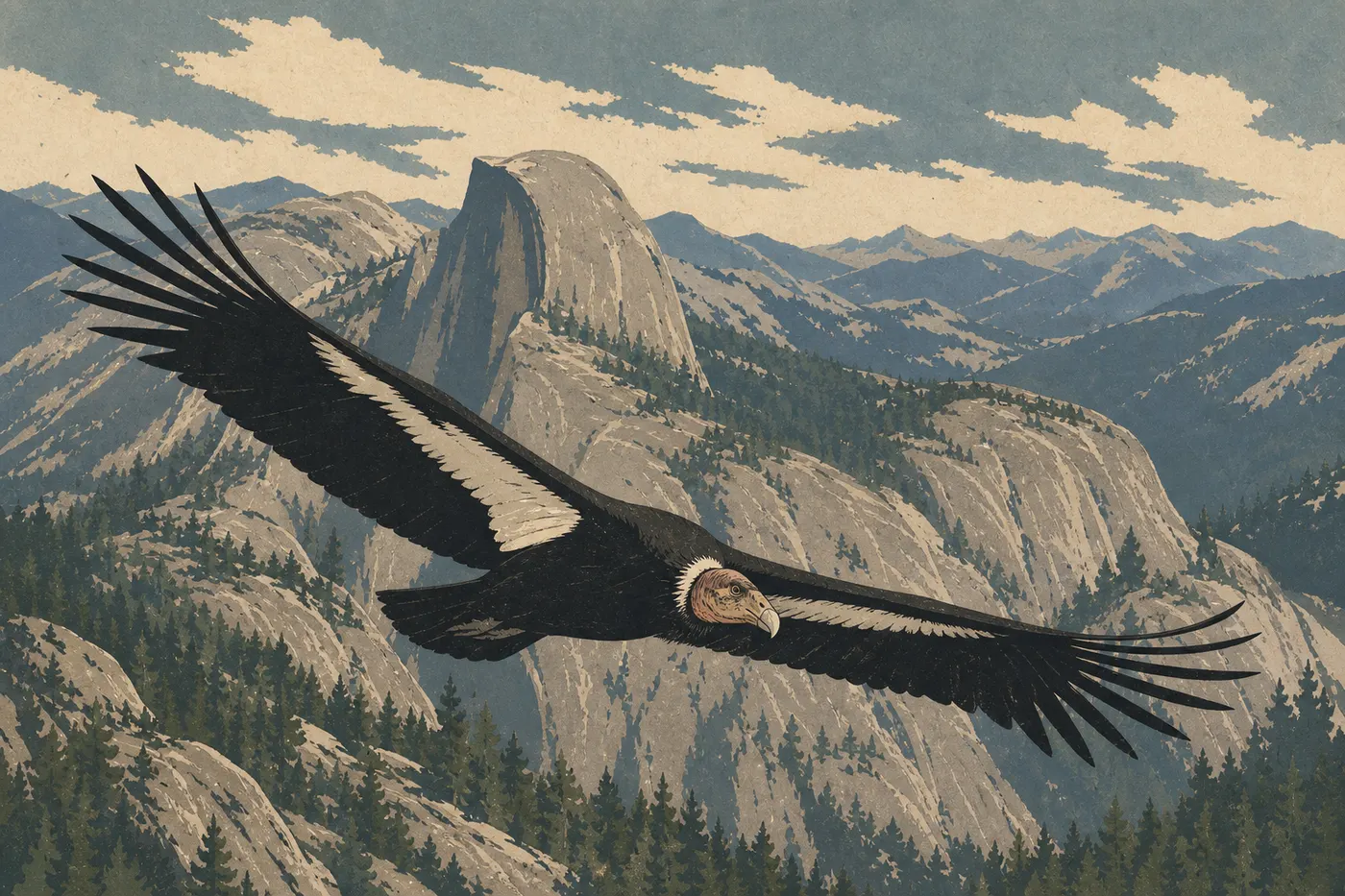
With a wingspan approaching 10 feet, the California condor (Gymnogyps californianus) is hard to miss in the sky. An adult's reddish bald head and the large white triangle beneath each wing make it easy to identify in flight. The species came close to extinction: in 1987, only 27 individuals remained in the wild. A captive-breeding and reintroduction program brought the North American population back to more than 500 birds.
In both parks, the cliffs of Kings Canyon are the preferred viewing spots. From the overlooks at Cedar Grove, scan the rising air currents between 11 a.m. and 3 p.m., when thermals are strongest.
Yellow-Bellied Marmot
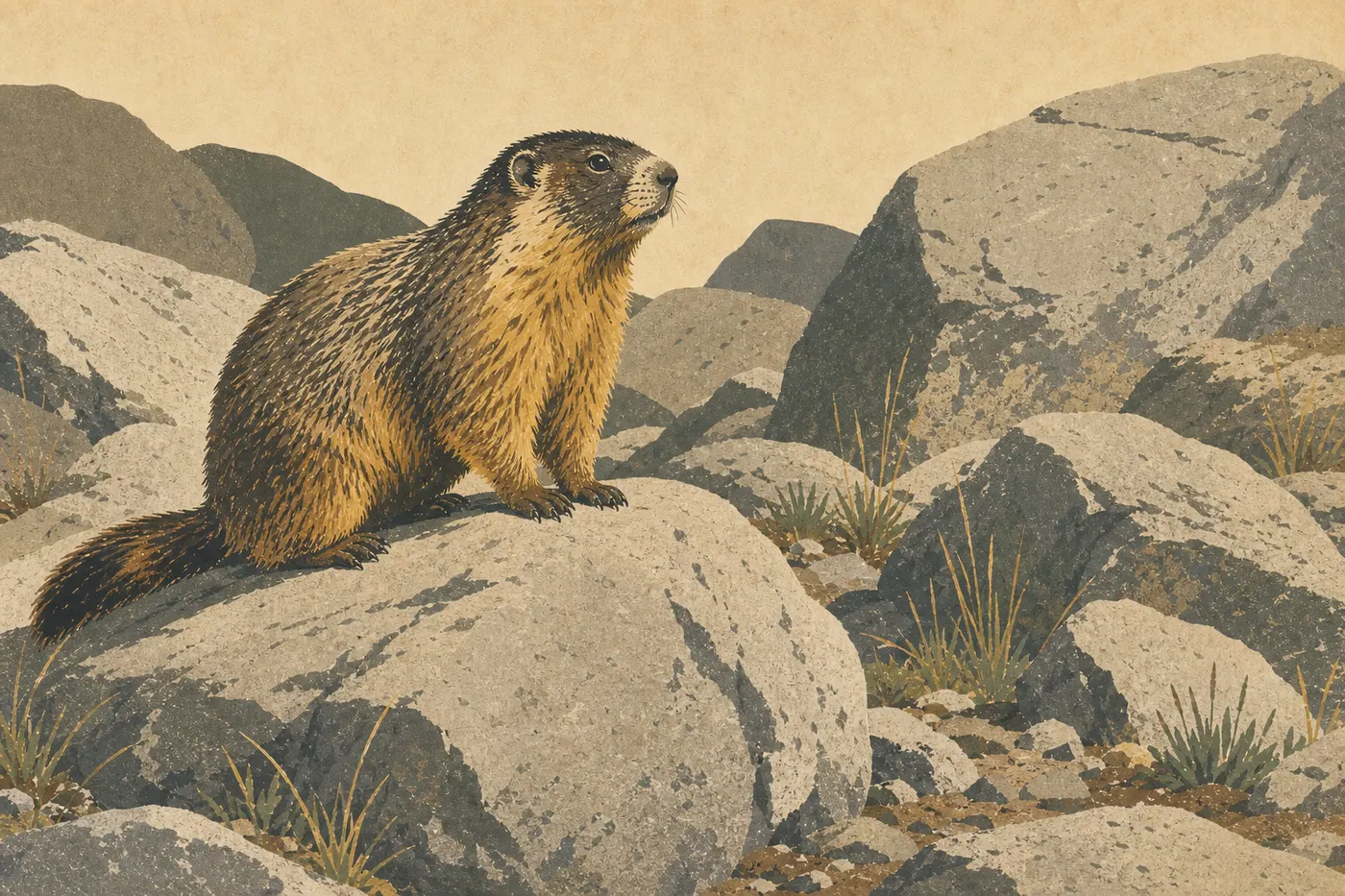
Yellow-bellied marmots (Marmota flaviventris) settle into talus slopes and alpine meadows starting at 7,900 feet. Their sharp alarm call, a brief repeated whistle, warns the entire mountainside that you're approaching. It's both humiliating and useful. They hibernate for 7 to 8 months a year and appear only from June through early September.
At Mineral King and in areas above 9,800 feet, including the Tablelands and the Alta Peak area, all you need to do is sit on a rock for ten minutes. The marmot will come inspect you on its own.
American Pika
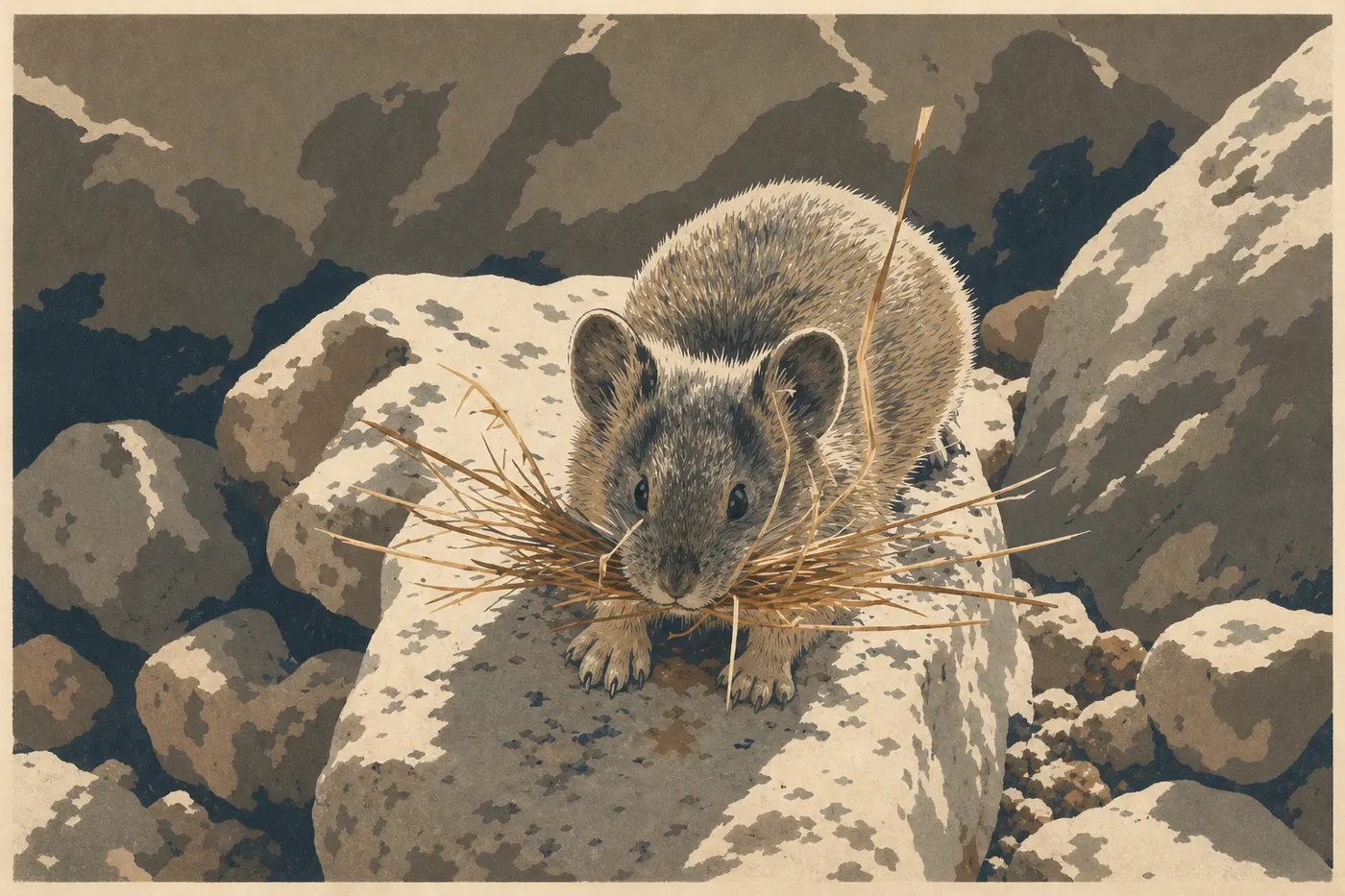
The pika (Ochotona princeps) looks like a small ball of gray fur sitting on a rock, with barely visible round ears. It's not a rodent but a lagomorph, a distant relative of rabbits. It doesn't hibernate. All summer long, it cuts and stores hay between the rocks to get through winter. It lives between 8,200 and 13,100 feet and can't tolerate heat. Ecologists monitor it as an indicator of climate change: when pikas move higher, it means their ideal temperature zone is shrinking.
On a trip to Mineral King, I waited twenty minutes, listening for a quiet call, before spotting a pika less than 7 feet away, motionless on its rock. This kind of sensory puzzle is well worth the patience.
Black Bear or Grizzly: The Essential Distinction
The question comes up on every visit, and the answer is unambiguous: there are no grizzlies (Ursus arctos horribilis) in Sequoia and Kings Canyon. Grizzlies disappeared from California in the 1920s. Any bear you see here is a black bear.
To tell them apart elsewhere in the American West, focus on a few key traits. Grizzlies have a prominent muscular hump over the shoulders, a concave muzzle profile, and long front claws that can exceed 4 inches. Black bears have flat shoulders, a straight or slightly convex profile, and much shorter claws. In California, there's no room for doubt.
Where to See Wildlife in the Park
Because the two parks are arranged in three elevation bands, wildlife is distributed by zone.
In the foothills (1,000 to 3,000 feet), coyotes, mule deer, and Swainson's hawks are the most visible species. The area around Three Rivers, at the Sequoia entrance, is active year-round.
In the sequoia forest (3,000 to 7,200 feet), black bears are the stars. Giant Forest, Round Meadow, and the camping areas see the most encounters, especially in summer when you'll find most of the hikers.
In the high Sierra (above 7,900 feet), pikas, marmots, bighorn sheep, and golden eagles take over. Mineral King, accessible from Three Rivers via a 28-mile unpaved road, and the Tablelands are the go-to areas for these alpine species.
For trails that maximize your chances of seeing wildlife, the Sequoia and Kings Canyon hiking guide breaks down trails by area and objective.
When to Watch for Animals
The mountain rule is simple: dawn and dusk. Mammals are most active during these windows in every season. In the middle of a summer day, heat drives them into the shade and they become nearly invisible.
By season, spring, from April through May, brings bears out of hibernation, hungry and very active. Summer brings pikas and marmots to higher elevations, condors to the thermals, and deer to the meadows. Fall marks the deer's rut, when males travel more and are less discreet. Winter closes the high-elevation roads, but the foothills remain active.
At night, raccoons, several bat species that roost in the park's caves and cliffs, great horned owls, and coyotes take over. The Sequoia and Kings Canyon weather forecast gives conditions by area. For a month-by-month breakdown, our Sequoia and Kings Canyon When to Visit guide covers the best periods for each type of activity.
Predators and Large Animals
The mountain lion (Puma concolor) is the park's apex predator. It hunts mule deer and bighorn sheep, mainly at night and dawn. Seeing one remains extremely rare because the species actively avoids busy areas. If you spot one, it's a day you'll remember.
The coyote (Canis latrans) is much easier to see. It often trots through low-elevation meadows in broad daylight, keeping a respectful distance from people and looking as if it has urgent business.
The golden eagle (Aquila chrysaetos) nests in the cliffs of Kings Canyon. Its wingspan, up to 7.2 feet, and solid brown plumage clearly distinguish it from a young condor, whose white wing patches are less regular and whose wingspan is even larger.
The bighorn sheep (Ovis canadensis) frequents rocky areas at high elevations. Its size, spiraling curved horns, and agility on vertical terrain make it a spectacle in its own right. You can spot it mainly at Mineral King and along the ridges above Cedar Grove.
Watching Wildlife Safely
These are the legal distances and the distances that make biological sense in America's national parks:
- All wild animals: at least 165 feet. If the animal changes its behavior because you're there, such as stopping, looking at you, or moving away, you're too close. Back up.
- Black bears: at least 165 feet. Never get between a mother bear and her cubs.
- Mountain lions: don't run. Stay standing, make yourself look larger by raising your arms, speak firmly, and back away slowly.
Never feed an animal, whatever the species. A hand-fed squirrel loses its ability to prepare for winter. A bear that associates people with food eventually has to be euthanized. The sentence is short. The consequence is permanent.
Store your food in the bear boxes available at every campground in the park, or in an approved canister if you're sleeping in the backcountry. Leaving food in a car, even in a closed trunk, is an offense punishable by a fine inside the park.
Keep your dogs leashed. Their presence stresses wildlife and can trigger a reaction from a bear that feels cornered.
In Brief: Species Not to Miss and Where to Find Them
| Species | Priority area | Best time |
|---|---|---|
| Black bear | Giant Forest, camping areas | Dawn, dusk |
| Mule deer | Zumwalt Meadow, Giant Forest | Dawn, dusk |
| California condor | Cedar Grove cliffs | 11 a.m. to 3 p.m. |
| Yellow-bellied marmot | Mineral King, Tablelands | Morning (June-Sept.) |
| American pika | Mineral King (talus slopes) | Morning (June-Sept.) |
| Golden eagle | Kings Canyon cliffs | Daytime |
| Coyote | Foothills, meadows | Daytime |
| Mountain lion | Throughout the park (rare) | Dawn, night |
To plan your visit around these wildlife sightings, the Sequoia and Kings Canyon itinerary guide offers plans by area and length.
Frequently Asked Questions
What animals can you find in Kings Canyon National Park?
Kings Canyon is home to the same species as Sequoia, with which it forms one jointly managed park: black bears, mule deer, coyotes, mountain lions, golden eagles, and California condors. The canyon cliffs create especially favorable conditions for large birds of prey and condors.
What is the most common animal in Sequoia and Kings Canyon?
The most common animal is the mule deer (Odocoileus hemionus), visible throughout both parks and in every season, often in groups in meadows at dawn.
What is the largest animal in Sequoia and Kings Canyon?
The largest land mammal is the Sierra Nevada black bear, with males that can weigh more than 400 pounds. With a wingspan of nearly 10 feet, the California condor is larger than every other bird in the park.
What predators live in Sequoia and Kings Canyon?
The predators found here are mountain lions, the apex predator, coyotes, golden eagles, and peregrine falcons. Black bears are omnivores and don't specialize in hunting.
What animals are out at night in Sequoia and Kings Canyon?
Mountain lions are primarily nocturnal. Raccoons, several bat species, great horned owls, and coyotes are active after dark. For seasonal conditions and the best months for each type of wildlife viewing, our When to Visit guide lays out the ideal periods.
Are there grizzlies in Sequoia and Kings Canyon?
No. Grizzlies (Ursus arctos) disappeared from California in the 1920s. The bears in the park are exclusively black bears (Ursus americanus), often brown or cinnamon in the Sierra Nevada, never grizzlies.