
When to Visit Sequoia and Kings Canyon: Best Times, Weather, and Seasons
The best time to visit Sequoia and Kings Canyon is September and October, when days remain mild (up to 72°F), fall light brings out the giant sequoias' orange bark, and crowds are much thinner than in summer.
The short version: the best times to visit Sequoia and Kings Canyon are late September to early November or late May to mid-June. You'll see the giant sequoias in excellent conditions, deal with manageable crowds, and find the main roads open. Summer is still a great option if you arrive early and book months ahead. Winter rewards visitors who love snowy scenery, but access is much more limited.
Climate month by month
Sequoia and Kings Canyon span an extraordinary range of elevations, from foothills at about 1,300 feet to Sierra Nevada ridges above 14,400 feet. These parks don't have a single climate. They have three or four, depending on your elevation.
The table below describes conditions at the giant sequoia groves (Giant Forest, Grant Grove, and Lodgepole, at roughly 5,900 to 6,900 feet). In the foothills around Three Rivers and at the Highway 198 entrance, summer temperatures commonly top 95°F to 100°F. Our Sequoia and Kings Canyon weather guide breaks down the data month by month and includes an updated forecast widget.
| Month | Low (night) | High (day) | Precip. | Snow |
|---|---|---|---|---|
| January | 25°F | 41°F | high | frequent |
| February | 25°F | 43°F | high | frequent |
| March | 28°F | 48°F | high | possible |
| April | 34°F | 55°F | moderate | at higher elevations |
| May | 39°F | 63°F | moderate | trace amounts |
| June | 46°F | 73°F | low | none |
| July | 54°F | 81°F | very low | none |
| August | 52°F | 79°F | very low | none |
| September | 45°F | 72°F | low | none |
| October | 36°F | 61°F | moderate | possible |
| November | 28°F | 46°F | high | possible |
| December | 25°F | 39°F | high | frequent |
Approximate values at the giant sequoia groves, around 6,600 feet.
Sequoia and Kings Canyon in January
January is the heart of winter. Nights drop to around 19°F in the groves, snowfall is frequent, and the Generals Highway can close without warning. Cedar Grove Road remains closed. Visitation is at its lowest, and those who make the effort leave with images of sequoias in the snow that summer can't provide.
Sequoia and Kings Canyon in February
Winter conditions continue, with frequent snow and chains often required on the Generals Highway. Cedar Grove Road is still closed. Days get a little longer, and the late-afternoon light on the cinnamon-orange bark makes the trip worthwhile for photographers willing to work around the restrictions.
Sequoia and Kings Canyon in March
In the foothills around Three Rivers, the first wildflowers appear by mid-March, including poppies and lupines. Snow still covers the groves, and trails remain muddy or icy in places. Waterproof shoes are essential for any outing, even on the short trails.
Sequoia and Kings Canyon in April
April is wildflower season in the foothills. Poppies, lupines, and wild mustard create spectacular swaths of color at lower elevations. At 6,600 feet, snow gradually melts, but high-elevation trails are often still snow-covered and require light traction devices. Cedar Grove Road is usually still closed. Crowds are light, and lodging costs less than during the regular season.
Sequoia and Kings Canyon in May
Cedar Grove Road usually reopens around mid-May, restoring access to Kings Canyon and its snowmelt-fed waterfalls, including Mist Falls. Highs in the sequoia groves are a pleasant 59°F to 63°F. Crowds stay moderate through Memorial Day weekend in late May, which marks the start of the summer buildup.
Sequoia and Kings Canyon in June
June checks nearly every box: roads are open, temperatures in the groves are comfortable at around 68°F to 73°F, and Crystal Cave is accessible with tickets booked in advance. Crowds grow quickly from mid-June onward, especially on weekends, so visiting midweek makes a noticeable difference.
Sequoia and Kings Canyon in July
July is peak season. Every service is running, free NPS shuttles connect the main sites, and campgrounds fill up weeks ahead through Recreation.gov. Temperatures in the groves reach 77°F to 81°F. In the foothills around Three Rivers, they climb above 100°F to 104°F. Arrive before 8:30 a.m. to find parking at Giant Forest Museum, which fills by 9 a.m. on weekends.
Sequoia and Kings Canyon in August
Conditions are much like July: full access, heavy crowds, and heat in the foothills. Black bears are highly active, and you must store food in the designated food-storage boxes. NPS shuttles remain the best way to avoid weekend traffic.
Sequoia and Kings Canyon in September
September offers the best balance of the year: temperatures remain mild, up to 72°F, all access points are open, and crowds drop sharply after Labor Day, the first Monday of the month. It's also the start of mule deer rutting season. Males are visible during the day with their antlers fully grown. Lodging availability improves substantially compared with July and August.
Sequoia and Kings Canyon in October
October brings some of the park's best conditions: fall light on the sequoias' orange bark, the first colors in the deciduous trees along the Kings River, cool nights around 32°F, and light crowds. Cedar Grove Road usually closes around mid-November. Check road conditions before you leave because the first winter storms can arrive as early as mid-October.
Sequoia and Kings Canyon in November
Cedar Grove Road usually closes around mid-November, the first significant snow reaches higher elevations, and nights fall to around 25°F. Crowds are very light and lodging is inexpensive. This is a good option for flexible travelers who check weather and road conditions day by day.
Sequoia and Kings Canyon in December
December brings full winter conditions: below-freezing nights, frequent snow in the groves, and possible closures of the Generals Highway without warning. Crystal Cave and most seasonal services are closed. Visitors who accept these restrictions leave with images of giant sequoias in the snow that summer can't offer.
Sequoia and Kings Canyon season by season
Winter (December to February)
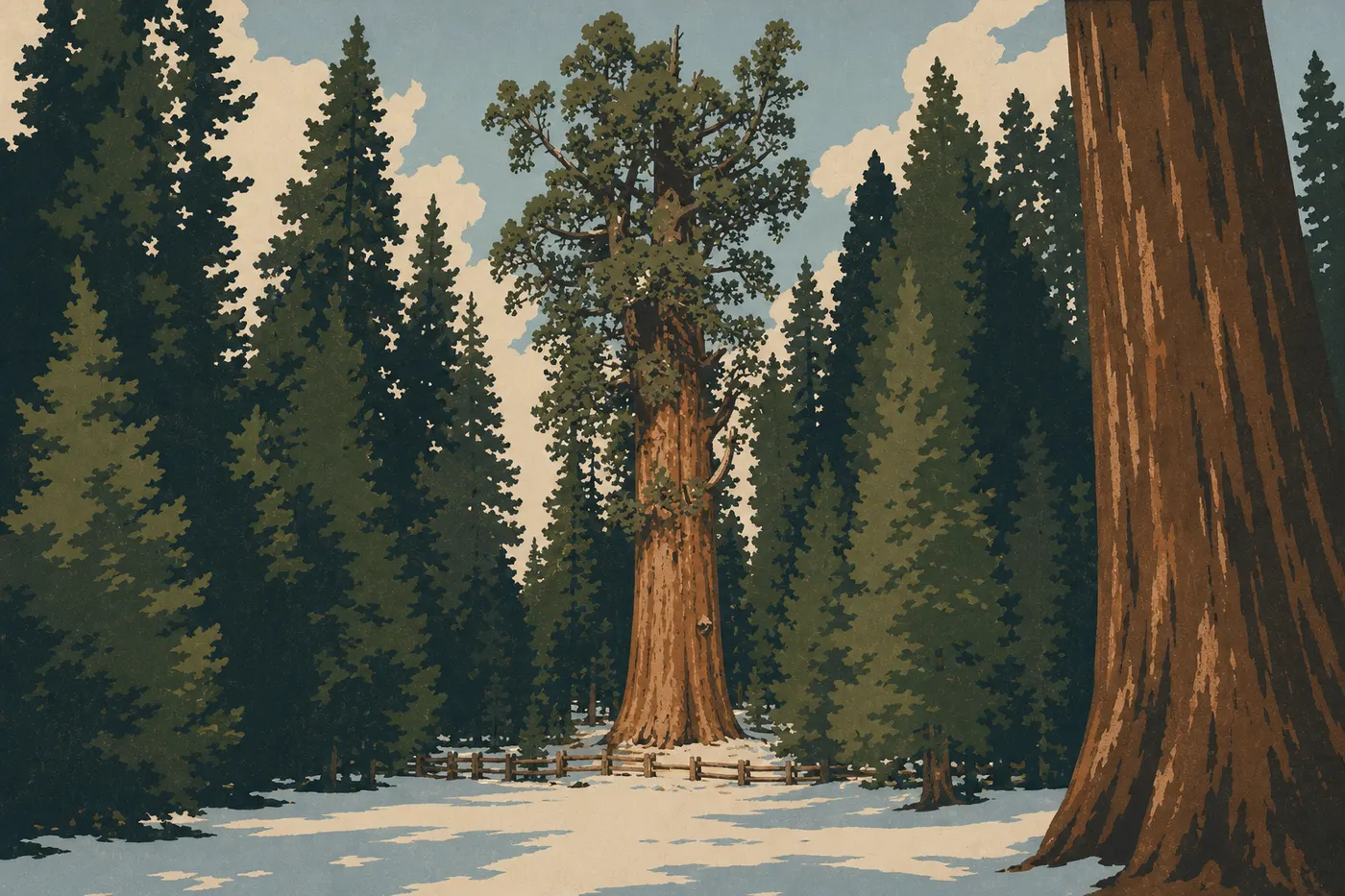
Snow-covered sequoias are among the most striking scenes these parks can offer. Nighttime temperatures regularly fall below 27°F, and snow is common at the elevation of the groves.
As for access, the Generals Highway, which connects the two parks, can close without warning during heavy snowfall. Snow chains are often required on some sections between October and April. Cedar Grove Road, Highway 180 beyond Grant Grove down to the floor of Kings Canyon, stays closed all winter, usually from October to May. Crystal Cave is also closed outside the season.
Wildlife becomes harder to spot. Bears are in partial or full hibernation depending on temperatures, and mule deer move down to lower, warmer areas.
What winter gives you is total solitude in front of General Sherman Tree, snowshoeing on snowy trails, and low-angle light on the cinnamon-orange bark. What you lose is access to Kings Canyon and most high-elevation trails.
Spring (March to May)
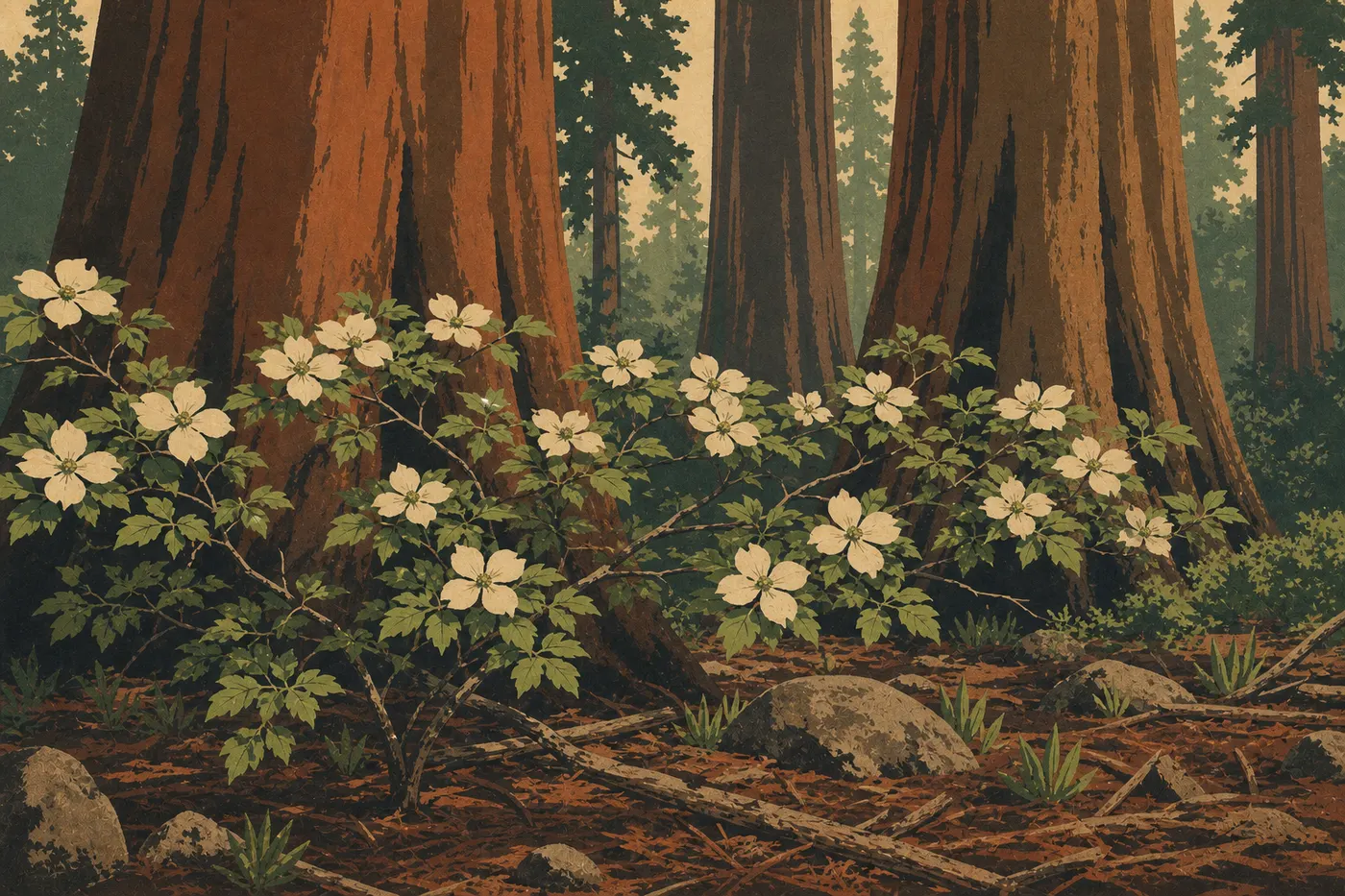
Spring brings one of California's most beautiful surprises: the foothills burst into wildflowers as early as March, including poppies, lupines, and wild mustard. At 6,600 feet, snow melts in stages, opening trails one by one.
In March and April, high-elevation trails remain snow-covered and require light traction devices or snowshoes. Cedar Grove Road usually reopens around mid-May. Snowmelt then feeds spectacular waterfalls, including Mist Falls in Kings Canyon.
Crowds gradually pick up from mid-May onward. Memorial Day weekend in late May marks the start of the tourist season.
Our advice: in March and April, waterproof shoes are essential for everyone in your group, even on the short trails. Conditions change quickly at higher elevations.
Summer (June to August)
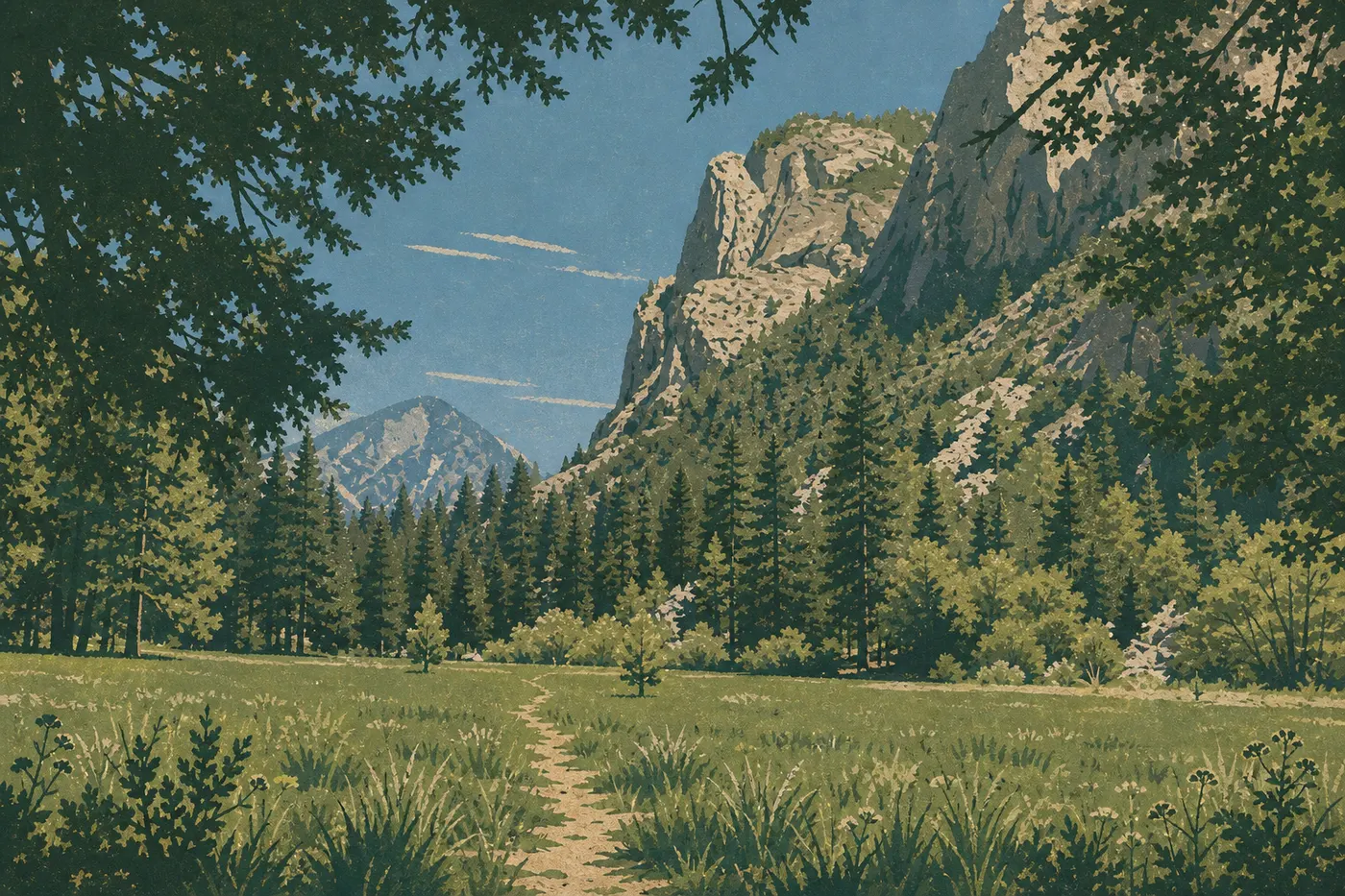
Summer is unambiguously the busy season. Temperatures in the giant sequoia groves are pleasant, 68°F to 81°F during the day. The foothills and Three Rivers can exceed 100°F and may reach 104°F during a heat wave.
All roads are open. Crystal Cave offers guided tours, and you must reserve tickets in advance because there is no on-site ticketing. Campgrounds fill up weeks, and sometimes months, ahead through Recreation.gov.
Free NPS shuttles run between Lodgepole, Giant Forest Museum, Moro Rock, and Wuksachi Lodge. They help you avoid the parking backups that paralyze popular sites on July Saturdays. Our Sequoia and Kings Canyon shuttle and parking guide has routes and schedules.
As for wildlife, mule deer are plentiful in the meadows in the evening, including Crescent Meadow and Round Meadow. Black bears are highly active, so you must store food in the designated food-storage boxes.
Our advice: arrive before 8:30 a.m. to find parking at Giant Forest Museum. Book campgrounds and lodges at least six months ahead for July and August.
Fall (September to November)
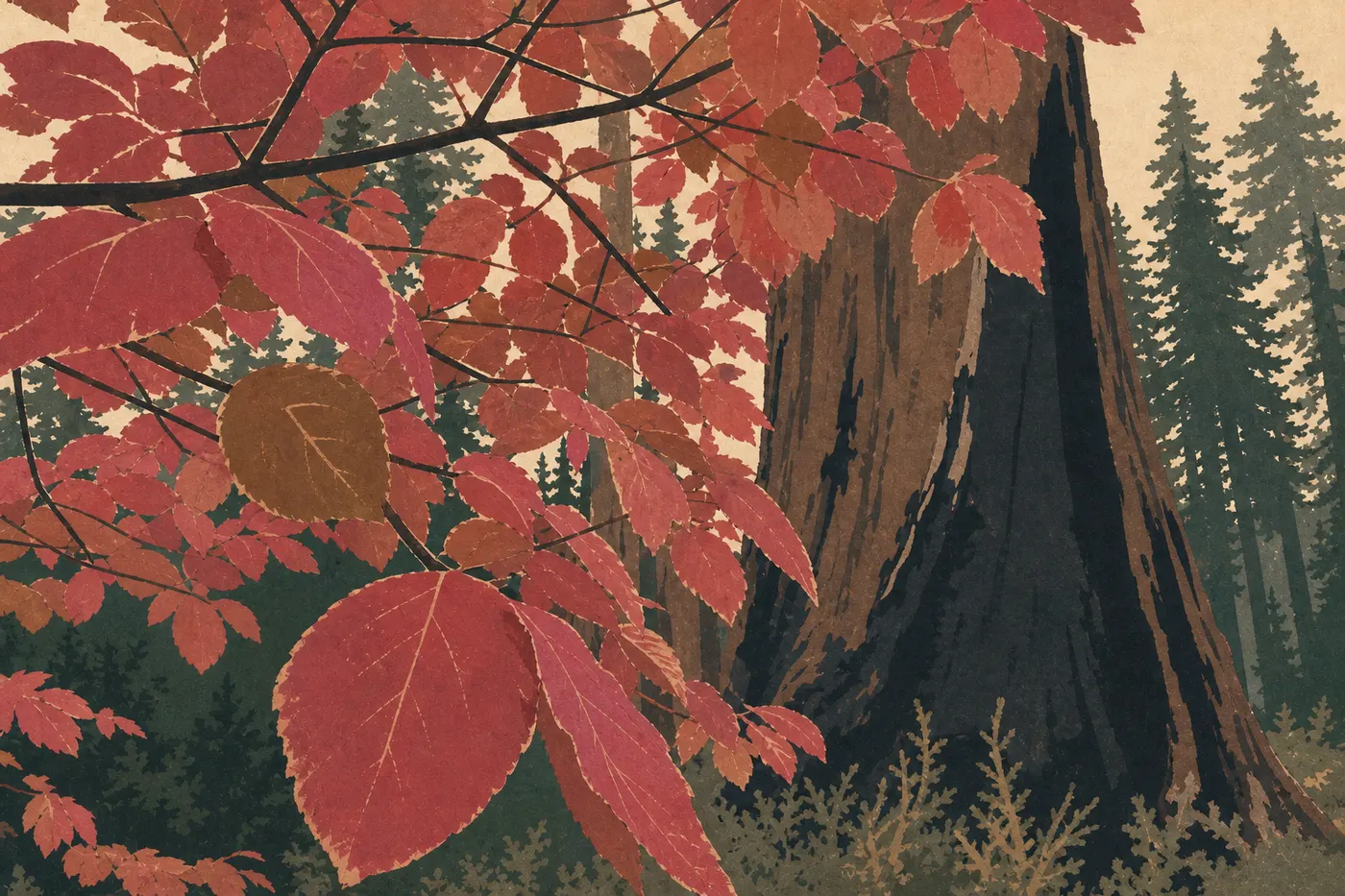
In our view, fall is the best season for a first trip. September stays mild and sunny, up to 72°F, and crowds thin out after Labor Day, the first Monday in September. Late-afternoon light on the sequoias' bark reaches an intensity that summer photos can't capture.
October brings the first orange colors to the deciduous trees along the Kings River. Cool nights, near 32°F from October onward, thin the crowds even further. Cedar Grove Road usually closes in mid-November.
One thing to watch: the first winter storms can arrive as early as October. Check road conditions on the NPS website the day before a mountain outing.
As for wildlife, this is mule deer rutting season. Males are visible during the day with their antlers fully grown, and they're less wary than in summer. Bears enter hyperphagia before hibernation.
Our advice: early October is the sweet spot for color, light, cool temperatures, and quiet trails. Still book campgrounds ahead of time. They fill quickly even in fall.
Crowds: when to avoid them
| Month | Crowds | What to know |
|---|---|---|
| January–February | very light | limited access, frequent chain requirements |
| March–April | light | very pleasant foothills |
| May | moderate | rises quickly in late May |
| June | high | crowds build quickly |
| July–August | highest | weekend traffic |
| September | high, then moderate | drops after Labor Day |
| October | light to moderate | best balance of conditions and crowds |
| November | light | gradual closures |
| December | very light | snow-covered access roads |
Saturdays and Sundays in July and August are the most difficult times. Parking at Giant Forest Museum, the main starting point for the Congress Trail, is often full before 9 a.m. Your options are the free NPS shuttles (see our Getting Around page) or arriving when the park opens.
Best time to save money
Entrance fees don't change with the season: $35 per vehicle, $20 per person on foot or by bicycle, and $70 for the park's annual pass. Lodging is where you'll see the biggest differences.
In July and August, Wuksachi Lodge, the only lodge inside Sequoia, along with hotels in Three Rivers and Visalia, charges its highest rates. Availability is often nonexistent inside three weeks. In May and June, and again in September and October, the same properties offer rates 20% to 35% lower, with much better availability. Winter is the least expensive season. Some lodge wings close, but prices are very accessible.
For flights, Fresno Yosemite International (FAT) is the closest airport, about 56 miles from the west entrance. Los Angeles (LAX) is about a four-hour drive away. Booking tickets five to six months ahead for a summer departure is the best way to keep this cost under control. Our Hotels and lodges and Camping pages cover seasonal options and price ranges.
The best time for your travel style
Wildlife watchers. September and October for mule deer rutting season and bears in hyperphagia. June for songbirds and marmots. Our Wildlife page lists species you may see and the best areas by season.
Hikers. Late May through late September to access all the trails, including high-elevation routes. Our Hiking page organizes itineraries by difficulty and length.
Photographers. Early October for fall light and smaller crowds. December and January for snow-covered sequoias. Evening golden hour in Giant Forest is worth the trip by itself.
Families with kids. July, when everything is open, shuttles are running, and Junior Ranger Programs are active in both parks. Our Family page gathers kid-friendly trails and practical tips.
Budget travelers. May or October, with nearly full access, much cheaper lodging, and no lines.
In summary: the best time for your travel style
| Your priority | Recommended time |
|---|---|
| Full access and pleasant weather | June to mid-September |
| Avoiding crowds | late May, early June, or October |
| Keeping costs down | May or October |
| Photos and light | early October or January |
| Active wildlife | September and October |
| Winter landscapes | December to February |
Our complete Sequoia and Kings Canyon guide brings together all the practical information you need to plan your trip step by step.
The worst time to visit Sequoia and Kings Canyon
July and August bring the main drawbacks of peak season: parking lots fill by 9 a.m. on weekends, campgrounds are reserved months ahead, traffic backs up on the Generals Highway, and temperatures exceed 100°F to 104°F in the foothills around Three Rivers. At the elevation of the groves, the weather remains pleasant, but logistical pressure is at its highest. Without advance reservations, at least six months ahead for a July weekend, finding a campsite or a room at Wuksachi Lodge comes down to luck.
The other challenging period runs from December to mid-February, not because the scenery is poor, since snow-covered sequoias are among the park's most striking sights, but because access is difficult. The Generals Highway can close on several sections without warning, snow chains are often required, Cedar Grove Road remains closed, and Crystal Cave is out of service. Visitors who haven't prepared for these conditions may be forced to turn around halfway there.
Frequently asked questions
What is the best time to visit Kings Canyon and Sequoia?
The best time to visit Kings Canyon and Sequoia is late September to early October, with mild temperatures, light crowds, the first fall colors, and the main roads still open. For the widest access to all areas, choose June through mid-September.
What is the best time to visit Sequoia National Park?
September and October are the best months to visit Sequoia National Park if you want a combination of quiet trails, good weather, and photogenic light. July and August offer the broadest access, but you need to arrive very early and book well ahead.
When should I go to Sequoia National Park?
Visiting Sequoia National Park between mid-May and mid-November gives you access to nearly the entire park. June and September offer an excellent balance of weather, moderate crowds, and clear roads.
What is the best season to visit the American West?
The best season to visit the American West depends on the destinations you're targeting. For California and the Sierra Nevada, late spring, from May through June, and fall, from September through October, offer the most versatile conditions. The Regions section suggests multi-park itineraries by season.
Can you visit Sequoia and Kings Canyon in winter?
Yes. Part of the park remains accessible in winter. Giant Forest and the sequoia groves are generally open as long as the Generals Highway isn't closed by a storm. Cedar Grove Road in Kings Canyon, Crystal Cave, and high-elevation trails are closed from around November through May. Snow chains are often required, so check road conditions on the NPS website before you leave.
What is the least crowded month at Sequoia and Kings Canyon?
January and February are the least crowded months, but access is also the most uncertain. If you want quiet trails with open roads, choose the second half of October or November before the first major snowfalls. Crowds drop sharply after Labor Day in September.
Is the park open year-round?
The park doesn't close for an entire season, but some roads and areas close seasonally. Cedar Grove Road is closed from around November through mid-May. The Generals Highway can close temporarily during heavy snowfall, no matter the month. Crystal Cave offers tours only from around June through September. The main entrances and sequoia groves remain accessible year-round except in extreme conditions.
When is peak season at Sequoia and Kings Canyon?
Peak season runs from Memorial Day in late May through Labor Day, the first Monday in September. July and August are the absolute peak, with full campgrounds, full parking lots in the morning, and crowded shuttles. To enjoy the park without peak-season logistics, aim for the second half of September or the first half of June.