
Things to Do in Sequoia and Kings Canyon: Must-See Sights and Activities
Three experiences capture the essence of the parks: standing beneath General Sherman, recognized by the NPS as the world's largest living tree by volume; climbing Moro Rock for a sweeping view of the Sierra Nevada; and descending to the floor of Kings Canyon, where the Kings River runs beneath granite walls rising as high as 7,900 feet. Everything else revolves around these three highlights, spread across two adjoining but distinct parks. Our complete Sequoia and Kings Canyon guide provides the overall framework for your trip.
Sequoia and Kings Canyon at a Glance: Areas, Access, and Getting Around
Sequoia and Kings Canyon are two national parks managed together by the NPS, with one entrance fee valid for seven days in both parks ($35 per vehicle). They are connected internally by Generals Highway, a winding mountain road.
Two routes provide access from the San Joaquin Valley. Highway 198 from Visalia leads to Sequoia National Park's southern entrance via Three Rivers. Highway 180 from Fresno leads to the northern entrance of Kings Canyon National Park, then continues 30 miles east to Cedar Grove.
As for driving, RVs and vehicles towing trailers longer than 24 feet are prohibited on some sections of Generals Highway. Check the restrictions before setting out in the Sequoia and Kings Canyon access and road conditions guide. In summer, free shuttles serve the Giant Forest area and help prevent parking lots from filling up. Outside shuttle-served areas, you'll need a car to travel between the two parks.
How Much Time Do You Need to Visit Sequoia and Kings Canyon?
Two days is the reasonable minimum for covering the highlights of both parks without rushing. Three days gives you room for a challenging hike or a trip to a secondary area such as Mineral King.
With just one day, you'll have to choose between the Giant Forest area in Sequoia and Grant Grove and Cedar Grove in Kings Canyon. Trying to do both in one day means a lot of driving and not much time on foot.
Our Itinerary and Length of Stay guide offers detailed plans based on the number of days you have.
The Must-See Sights, Area by Area
Giant Forest (Sequoia): The Heart of the Forest
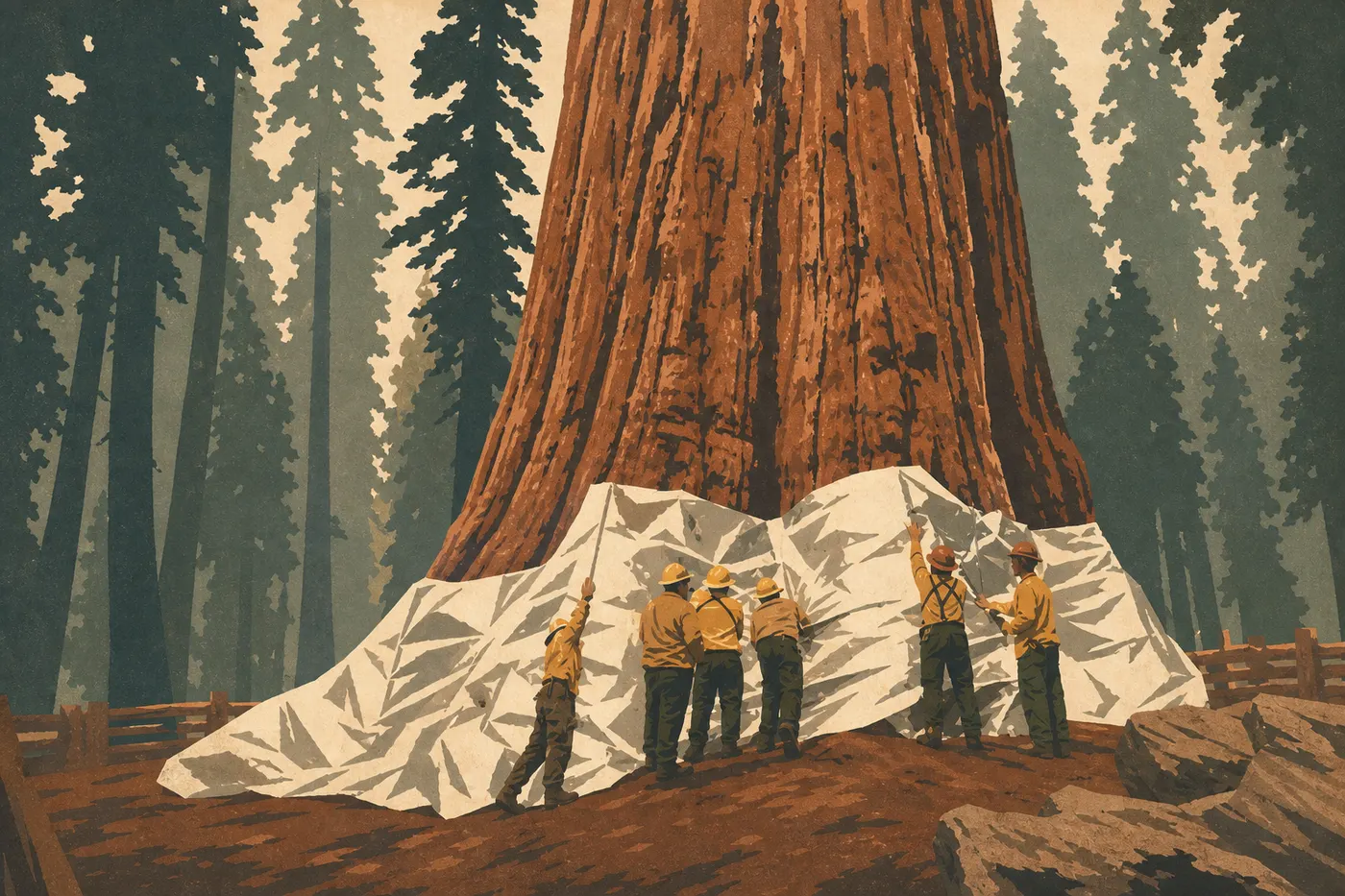
Giant Forest is Sequoia National Park's main area, with an exceptional concentration of giant sequoias. This is where you'll find General Sherman Tree: 52,500 cubic feet of wood, 276 feet tall, and more than 33 feet in diameter at the base. The NPS ranks it as the world's largest living tree by volume. The trail from the parking lot, with reservations recommended during the busy season on Recreation.gov, runs about 0.6 miles downhill on a paved path.
The free Giant Forest Museum provides helpful context about sequoia ecology before you head out for a walk. It's a worthwhile stop, especially with kids.
The Congress Trail, a 2.1-mile easy loop, extends the visit to General Sherman through more remarkable sequoias, including the groups known as the Senate and the House of Representatives. The Big Trees Trail is a completely flat 1.2-mile loop along Round Meadow through the giant trees. It's the park's most accessible trail and works for wheelchairs and all-terrain strollers.
Moro Rock and Crescent Meadow Road (Sequoia)
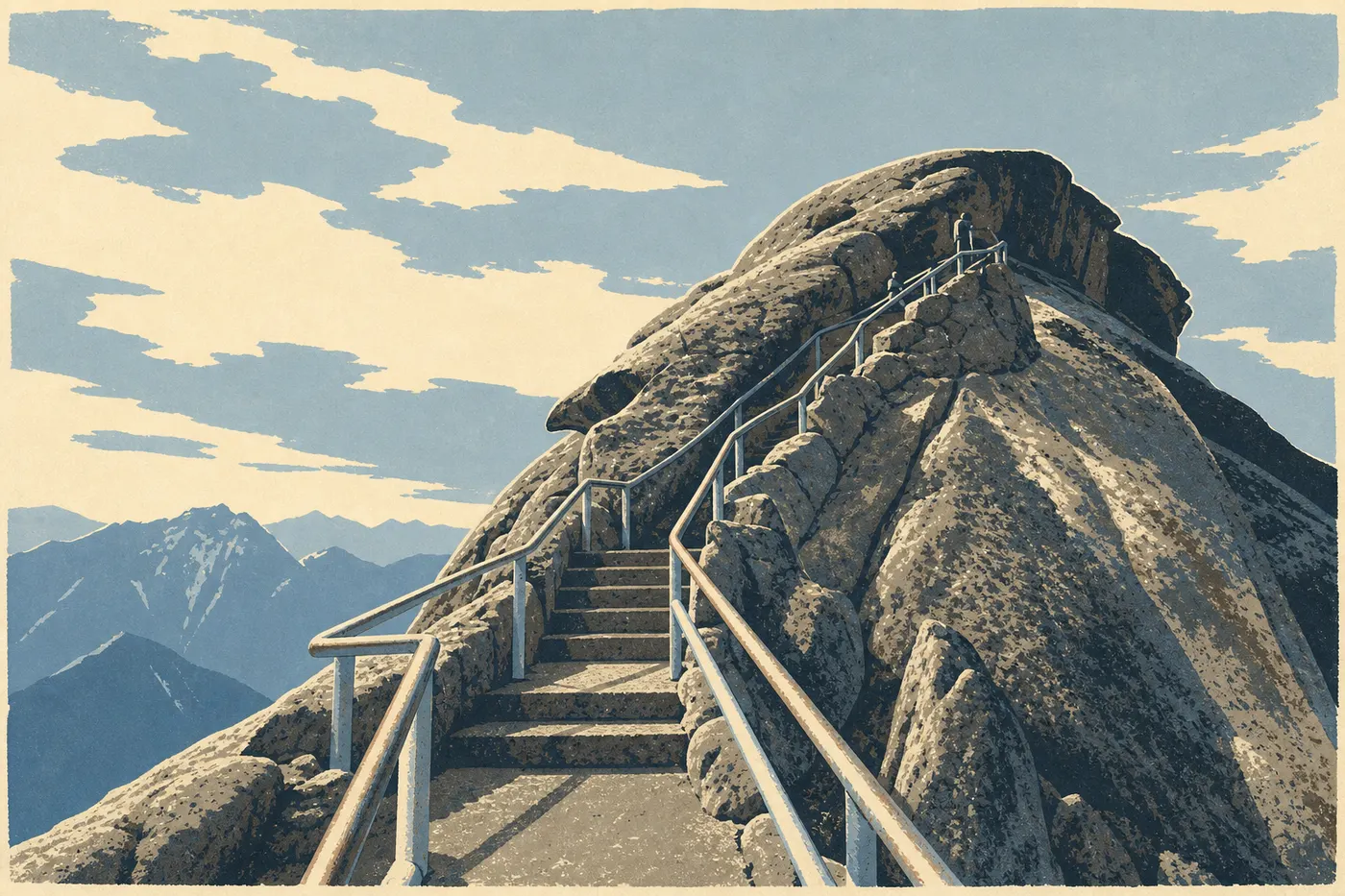
Moro Rock is a granite dome reached by climbing 350 steps carved into the rock along a 1,300-foot trail. From the summit, at 6,700 feet, you can take in the Sierra Nevada ridges and, on a clear day, the agricultural plain of the San Joaquin Valley to the west. Allow 30 to 45 minutes round-trip from the parking lot.
On the same road, Tunnel Log is a sequoia that fell in 1937 and was hollowed out to let cars pass through, with a clearance of 8 feet. Taller vehicles use the bypass next to it.
At the end of the road, Crescent Meadow is a meadow crossed by a stream and surrounded by sequoias and firs. The loop around the meadow is about 1.6 miles. It's one of the best spots in the park for a quiet late-afternoon stroll.
Crystal Cave (Sequoia): Marble Beneath the Sequoias
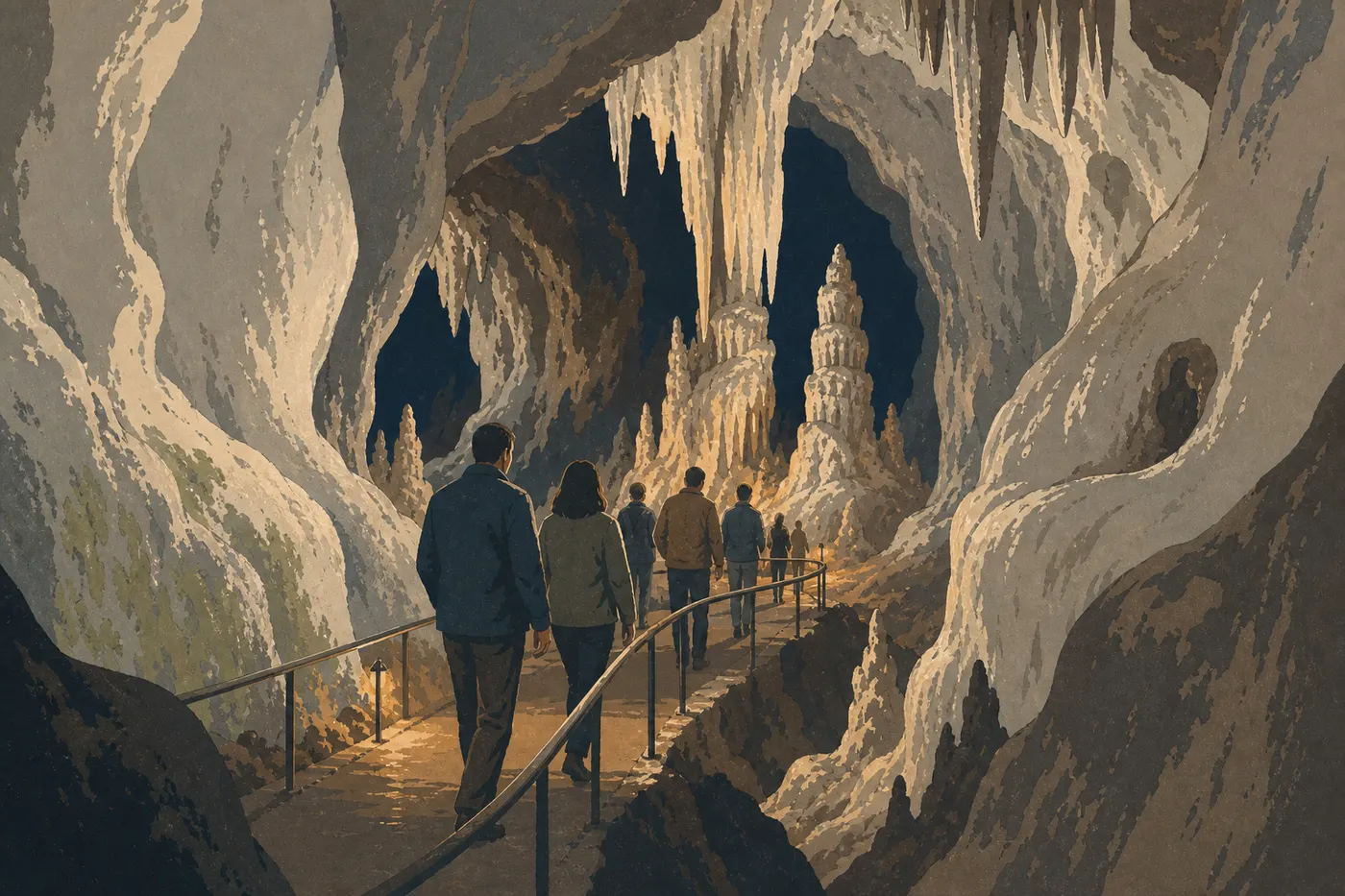
Crystal Cave is a marble cave accessible only on a paid guided tour. It contains stalactites, stalagmites, and calcite formations. Tickets are sold on Recreation.gov and often sell out two to three weeks ahead in July and August, so book early.
The access road from Generals Highway is 2.8 miles long and closed to buses and RVs. The temperature inside stays around 48°F year-round. Bring a warm layer even in the middle of summer.
The Foothills (Sequoia): The Southern Entrance and Dry Hills
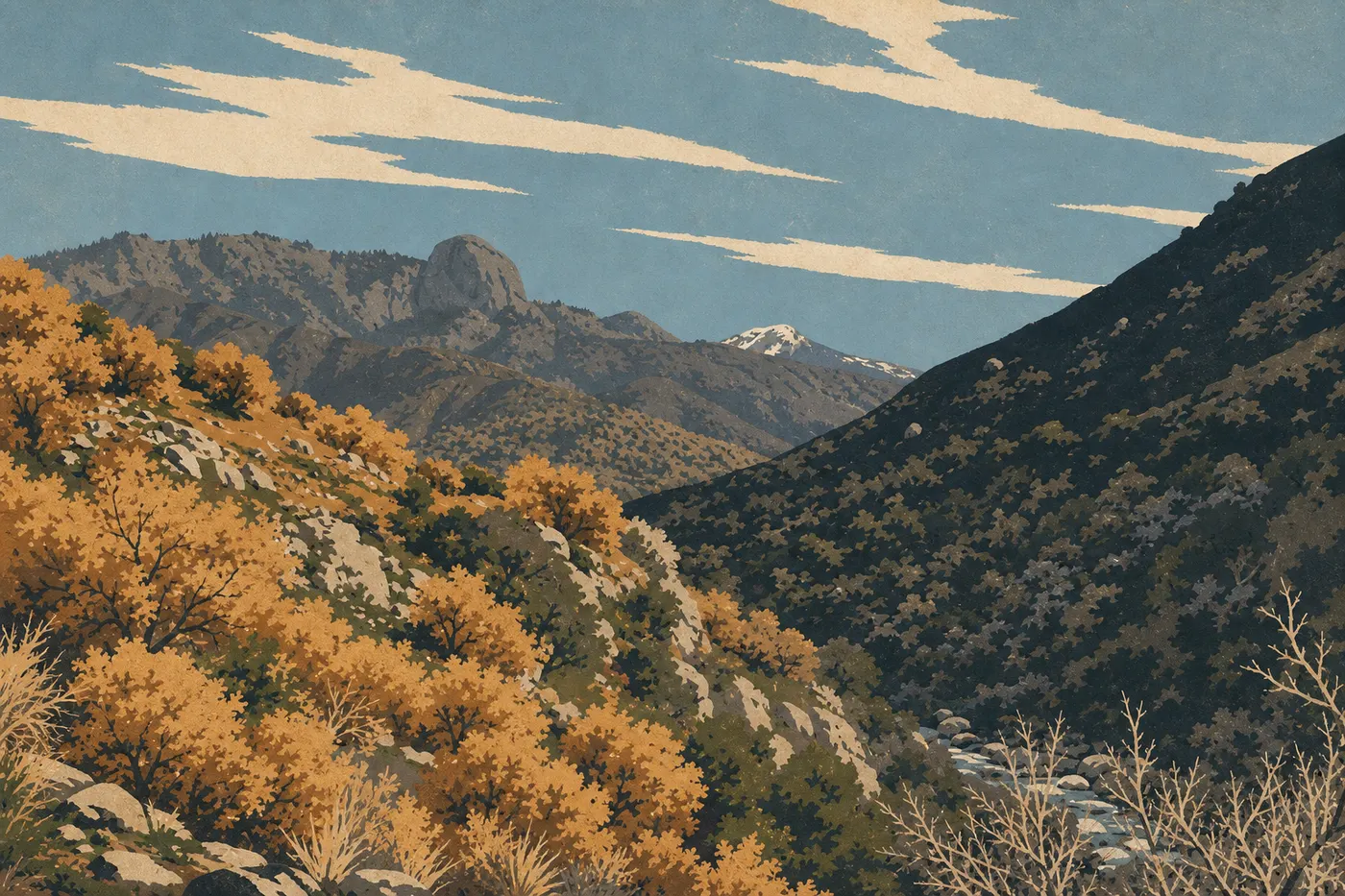
The Foothills are the first area you'll encounter after entering through the southern entrance on Highway 198. The lower elevation, from 1,600 to 3,000 feet, creates dry Mediterranean vegetation that differs sharply from the conifer forests higher up. This area remains accessible in winter, when snow closes Generals Highway.
The Foothills Visitor Center, just beyond the entrance, provides maps and the latest information on road conditions. In spring, from March through May, the area's wildflowers, including clarkias, lupines, and California poppies, are remarkable.
Mineral King (Sequoia): The Wild Southern Valley
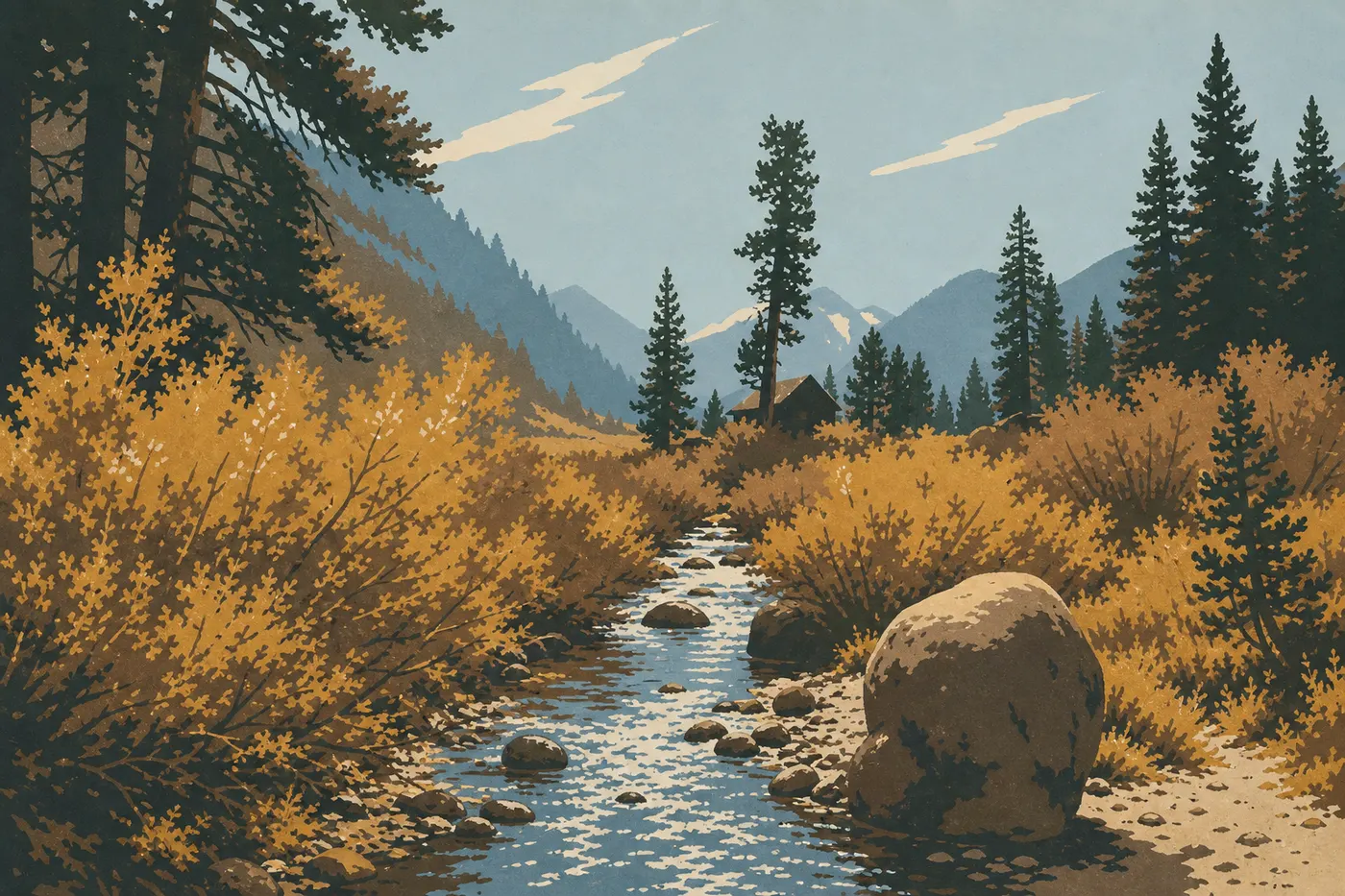
Mineral King is an isolated valley at 7,840 feet, reached by a 25-mile narrow road from Three Rivers. The road is not recommended for RVs or long vehicles. This is a hiking and backcountry area frequented by experienced hikers and climbers.
One well-known quirk is that Sierra marmots are fond of the hoses and electrical cables on cars left parked for long periods. The NPS officially recommends wrapping the bottom of the vehicle with chicken wire while you're away. Let your travel companions know in advance.
Grant Grove (Kings Canyon): The Second Giant and the Northern Entrance
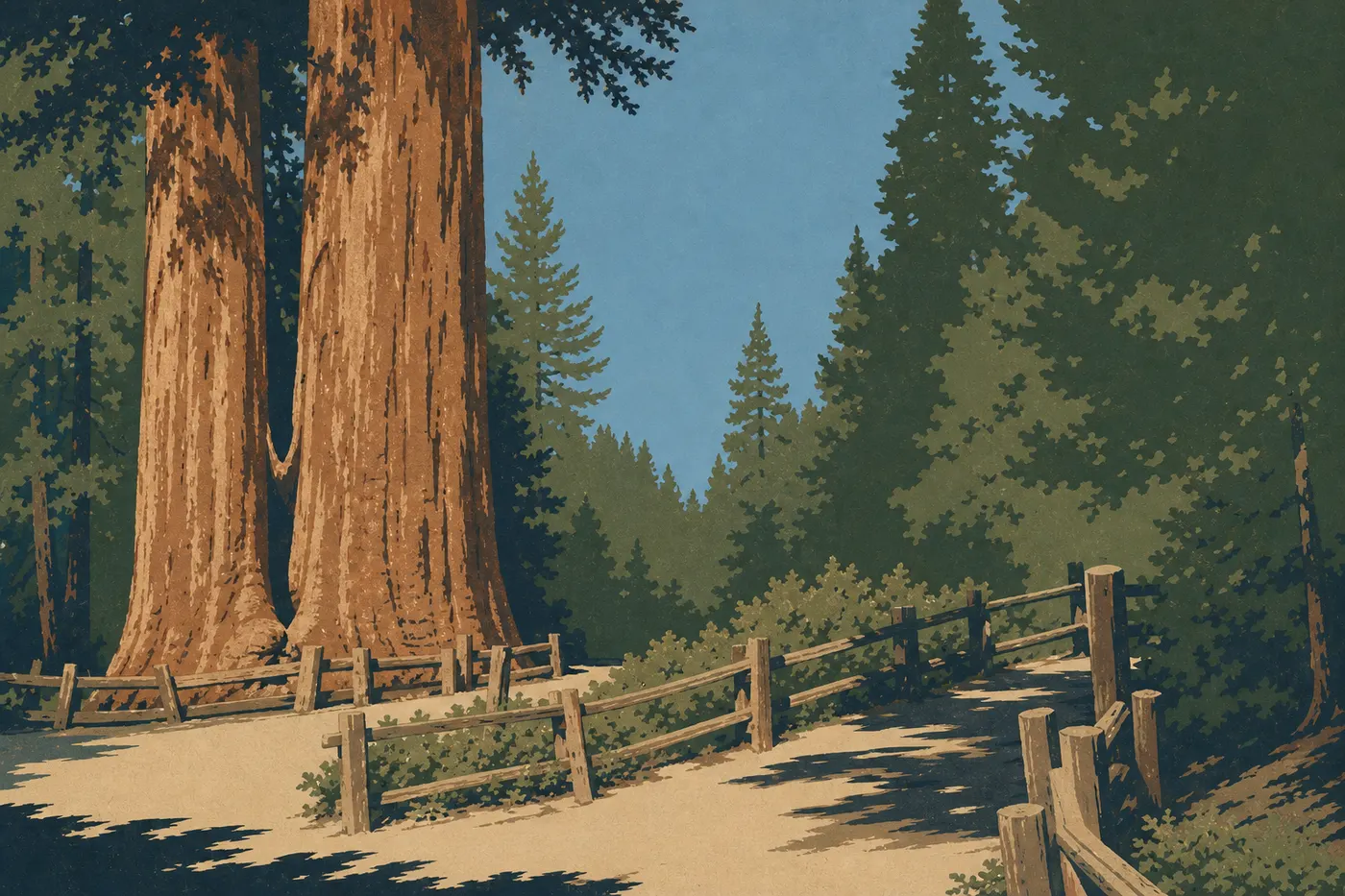
Grant Grove is 6 miles from the Kings Canyon entrance on Highway 180. Here you'll find General Grant Tree: 46,600 cubic feet of wood, making it the world's second-largest living tree by volume according to the NPS. Congress designated it the Nation's Christmas Tree in 1926, and a ceremony is still held there every December.
The Grant Tree Trail is an easy 0.5-mile loop that leads to General Grant and several other remarkable trees, including Centennial Stump, the stump of a sequoia cut down in the 19th century. Its size alone shows why the park was created.
Cedar Grove (Kings Canyon): The Canyon Floor
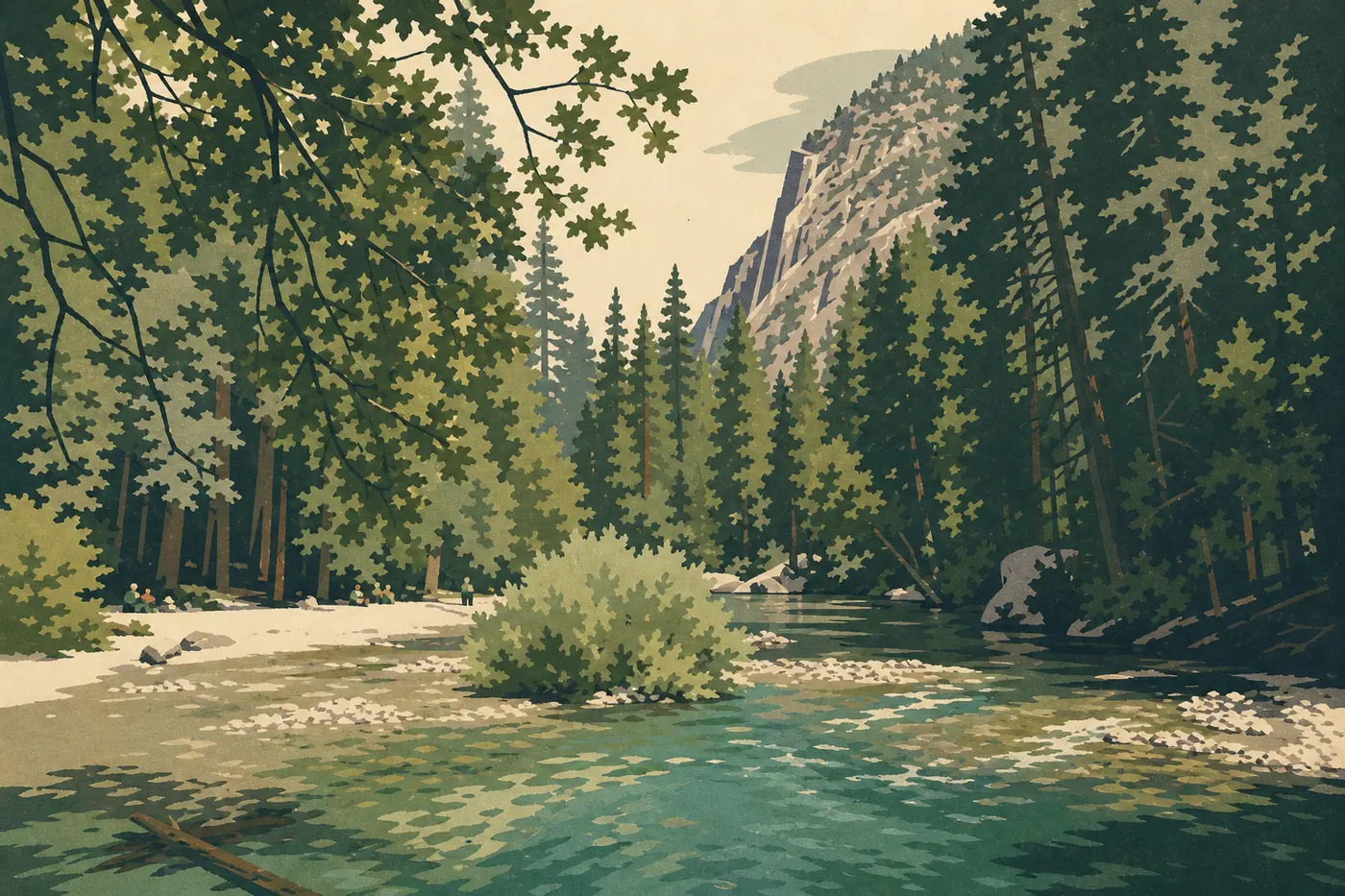
Cedar Grove lies 30 miles east of Grant Grove, at the bottom of Kings Canyon, at an elevation of about 4,600 feet. The descent from the plateau rim is spectacular. In places, granite walls rise as high as 7,900 feet above the valley floor.
The Kings River offers swimming spots accessible in summer, with cold water and currents that vary with snowmelt. Zumwalt Meadow, 1.9 miles east of Cedar Grove Village, is a riverside meadow surrounded by cliffs. The loop trail is 1.5 miles. Roaring River Falls, a few miles west of the village, is a waterfall tucked into a granite gorge and is especially powerful in May and June. The Cedar Grove area is closed from November through late April because of winter conditions.
The Best Hikes in Sequoia and Kings Canyon
The two parks have more than 500 miles of maintained trails combined. Here are a few benchmarks to help you choose.
Easy, family-friendly trails include Big Trees Trail, 1.2 miles, flat, and wheelchair accessible; Congress Trail, 2.1 miles; Grant Tree Trail, 0.5 miles; and Zumwalt Meadow Trail, 1.5 miles.
Intermediate trails include Tokopah Falls Trail, a 3.7-mile round-trip hike from Lodgepole with a spectacular waterfall in May and June, and the Moro Rock climb, a short but strenuous 0.5-mile round trip.
Challenging trails include Rae Lakes Loop, about 40 miles round-trip over three to five days with a backcountry permit required, and High Sierra Trail, which crosses the park from east to west for more than 60 miles to Mount Whitney.
Our Hiking page covers every trail, including distance, elevation gain, seasonal conditions, and recommended gear.
Other Activities Based on Your Interests
Wildlife Watching
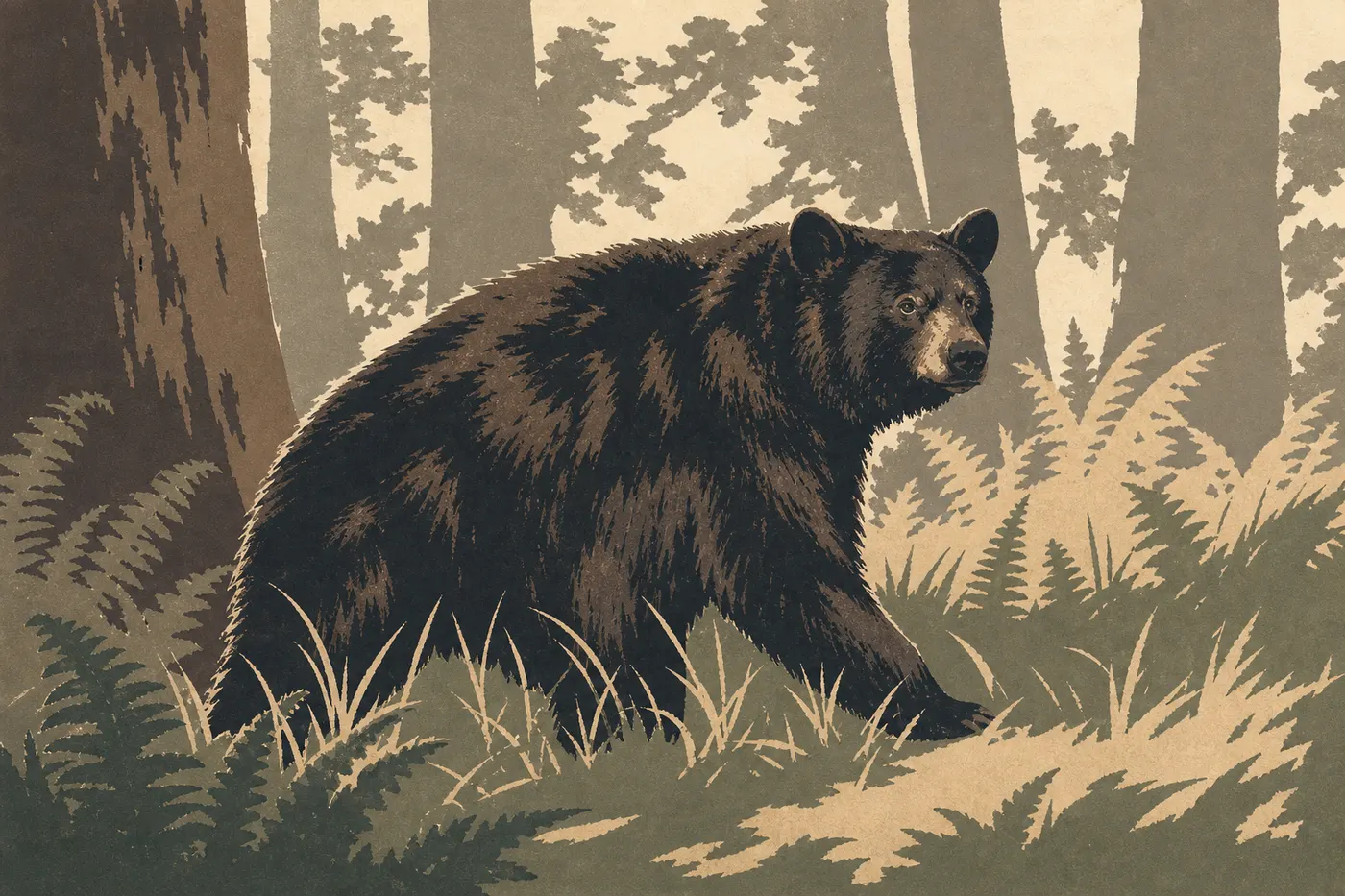
Black bears, Ursus americanus, live throughout the park. Your best chance of seeing them is early in the morning or in the evening in open meadows such as Giant Forest, Crescent Meadow, and Zumwalt Meadow. The NPS requires all food to be stored in bear canisters or in the metal boxes in parking lots. Never leave anything visible in your car. No exceptions.
Mule deer frequent meadows and roadsides, especially at dawn and dusk. Sierra marmots are everywhere at higher elevations and, as noted above, can damage your brake lines if you park at Mineral King. Ospreys and peregrine falcons nest above the cliffs of Cedar Grove.
Our Wildlife page lists the species found in the parks and the best spots in each area.
Swimming and Water Activities
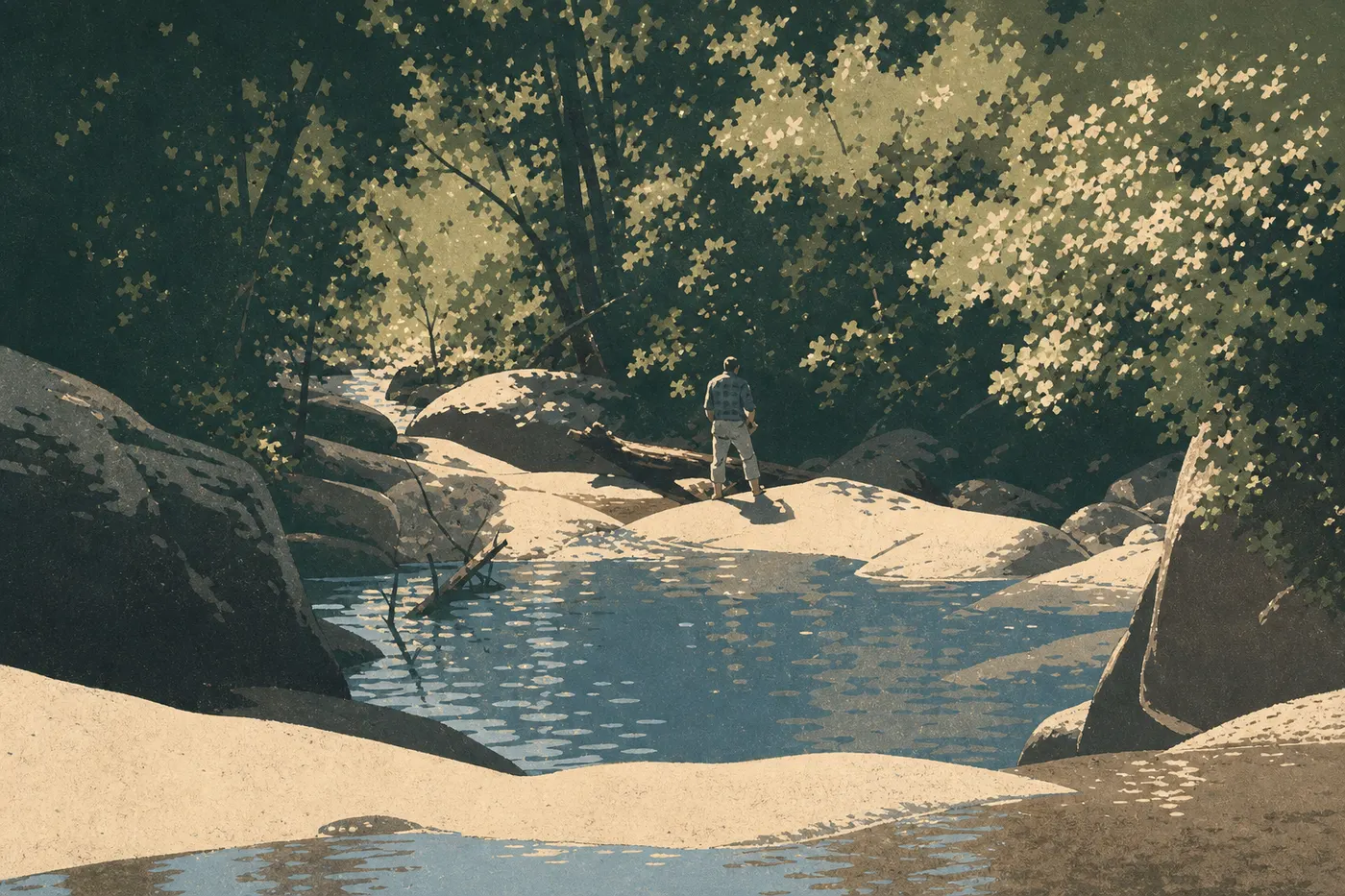
The Kings River at Cedar Grove is the main swimming spot in both parks. In July and August, when snowmelt slows, the calm areas upstream from Cedar Grove Village are suitable for swimming. The water stays cold even in midsummer.
Hume Lake, in the Sequoia National Forest adjacent to Kings Canyon and outside the national park, allows nonmotorized boating, including canoeing and kayaking. You can reach the lake from Highway 180.
Night Photography and Stargazing
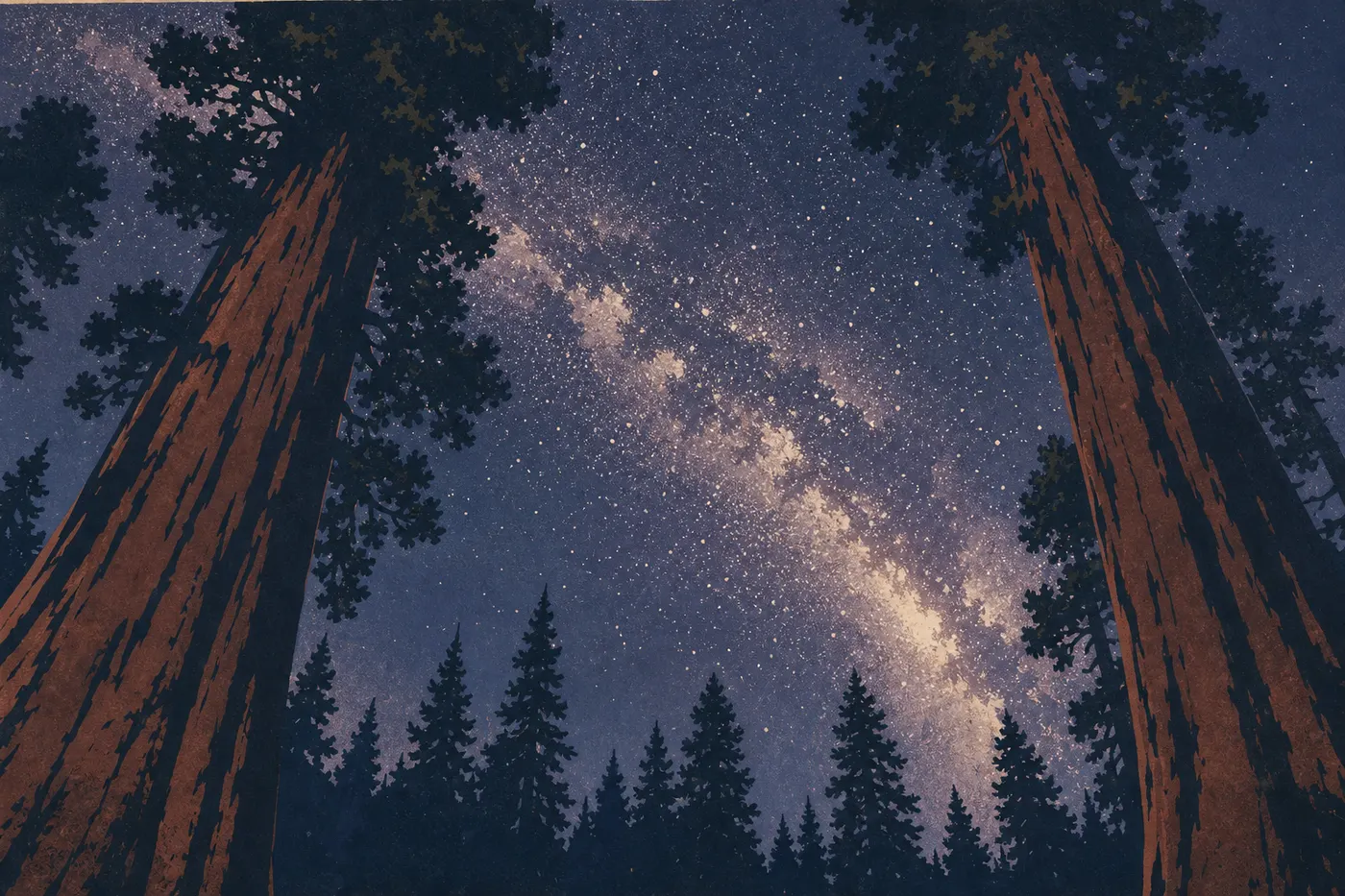
Giant Forest's elevation, about 6,600 feet, and the lack of light pollution create excellent conditions for night skies. You can see the Milky Way with the naked eye from June through September. The most convenient spots for a photo session are Lodgepole, Crescent Meadow, and Zumwalt Meadow. Fall, when visitor numbers drop significantly, is the quietest season for this activity.
Junior Ranger Program and Family Activities
Kids ages 4 and up can take part in the Junior Ranger program, with a free booklet available at visitor centers. After completing the booklet's activities, they receive an official NPS badge. The program is available year-round.
Big Trees Trail and Grant Tree Trail are the best options for younger children. Crystal Cave works for kids as young as 5, subject to advance reservations.
Our Family guide details activities by age group.
Cross-Country Skiing and Snowshoeing in Winter
In winter, Giant Forest and Grant Grove welcome cross-country skiers and snowshoers on trails that aren't mechanically plowed. Tire chains are often required on Generals Highway from December through April. Our Weather page provides seasonal conditions for each area and average road opening dates.
Things to Do Around Sequoia and Kings Canyon
Yosemite National Park
Yosemite is about a 3.5-hour drive north of Sequoia, although the route varies by season. The two destinations are often part of the same Sierra Nevada road trip. Our Road Trips section features combined itineraries.
The Eastern Sierra Nevada: Mammoth Lakes and Bishop
By going around the range to the south on US 395, you can naturally add Mammoth Lakes and Bishop, with their geysers, tuff formations, and Long Valley volcanic area, to a week in the region. The contrast between sequoia forests at 6,600 feet and the volcanic landscape of the eastern Sierra is striking.
Death Valley National Park
From Three Rivers, Death Valley is about 3.5 hours east via Porterville and Ridgecrest. Going from giant sequoias at 6,600 feet to salt flats below sea level in a single day is one of California's most striking road trip experiences.
Sequoia Groves Outside the National Parks
Sequoia National Forest surrounds both parks and contains other groups of sequoias that you can visit without paying the national park entrance fee, including Freeman Grove and Converse Basin, where 19th-century loggers cut down thousands of trees. Stumps and abandoned trunks still cover the ground. These sites are far less crowded than those inside the park, making it possible to find peace and quiet even in the height of the busy season.
Our Regions section covers inland California and nearby points of interest.
The Essentials: What to See First in Sequoia and Kings Canyon
If you only have two days, here's the order we recommend. Day 1: Giant Forest, including General Sherman, Congress Trail, and Giant Forest Museum, followed by Moro Rock and then Crescent Meadow. Day 2: Crystal Cave in the morning, with advance reservations on Recreation.gov, followed by Grant Grove for General Grant Tree, then the descent to Cedar Grove and Zumwalt Meadow.
With a third day, add Tokopah Falls Trail from Lodgepole, or explore the Foothills in spring for the wildflowers.
Both parks deserve a visit for distinct reasons. Sequoia offers the density and size of its giant trees, while Kings Canyon offers a wild, lightly visited canyon. Don't sacrifice one for the other.
Frequently Asked Questions
What is there to do in Sequoia and Kings Canyon?
The two parks offer walks beneath giant sequoias, including General Sherman and General Grant; hikes on more than 500 miles of trails; guided tours of Crystal Cave; swimming in the Kings River at Cedar Grove in summer; wildlife watching, including black bears, deer, and ospreys; cross-country skiing in winter; and night photography in summer.
How much time do you need to visit Sequoia and Kings Canyon?
Two days let you see the highlights of both parks without rushing. Three days gives you room for a challenging hike or a secondary area. Our Itinerary and Length of Stay guide offers detailed plans.
Are Sequoia and Kings Canyon worth visiting?
Yes, for two distinct reasons. Sequoia offers an immersive experience in California's densest giant sequoia forest, while Kings Canyon features a spectacular wild canyon that is much less crowded than its neighbors. One entrance fee, $35 per vehicle valid for seven days, covers both parks.
What are the must-see things to do in Sequoia and Kings Canyon?
The priorities are General Sherman Tree in Giant Forest, Moro Rock, Crystal Cave, Crescent Meadow, General Grant Tree in Grant Grove, and the descent to Cedar Grove and Zumwalt Meadow.
Which hike should you do in Sequoia and Kings Canyon?
For families, try Big Trees Trail, a flat 1.2-mile trail with wheelchair access. For regular hikers, choose Tokopah Falls Trail, a 3.7-mile round trip, or the extended Congress Trail, 2.1 miles. For experienced hikers, Rae Lakes Loop is about 40 miles. Our Hiking page compares all the trails.
Can you swim in Sequoia and Kings Canyon?
Swimming is possible in the Kings River at Cedar Grove in July and August, when water levels drop. The water stays cold even in midsummer. Hume Lake, in the Sequoia National Forest adjacent to the park, offers a calm-water alternative for canoeing and kayaking.
Do you need to reserve your entrance in advance?
There is no timed entry system for entering the parks. However, parking at General Sherman and Crystal Cave tickets require reservations on Recreation.gov in July and August, often several weeks ahead. Check current conditions on the NPS website before you leave.