
Pinnacles Wildlife: What Animals You'll See and Where to Find Them
Pinnacles National Park packs remarkable biodiversity into a compact 15-square-mile area. Five species draw the most attention: the California condor, mountain lion, black bear, peregrine falcon, and the bats that inhabit the talus caves. The condor is the park's undisputed symbol, rescued from imminent extinction and visible every day soaring over the volcanic ridges. It helped earn Pinnacles national park status in 2013, and it's the reason most visitors point their binoculars skyward.
Pinnacles' Iconic Wildlife
The California Condor
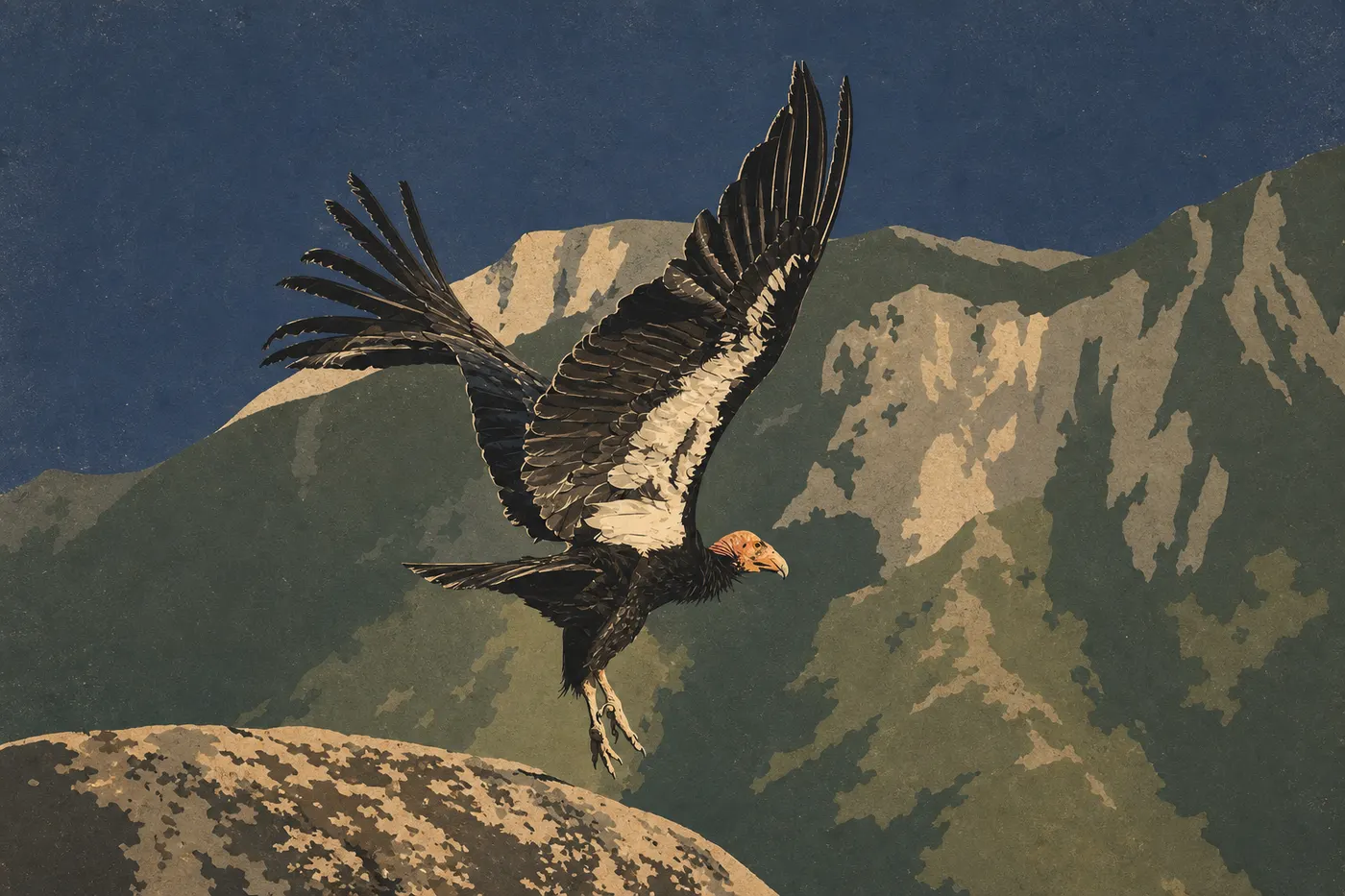
The California condor (Gymnogyps californianus) is the main reason to visit Pinnacles. In 1987, only 27 remained on the planet. All of them were captured for a captive-breeding program, and Pinnacles is now one of California's leading reintroduction sites.
Its wingspan can reach 9.5 feet. In flight, the silhouette is unmistakable: a bare orange-red head, huge wings with primary feathers spread like fingers, and two broad white triangles visible on the underside of the wings. These birds ride thermals above the rocky ridges for hours without flapping. They're impressive even with the naked eye, but binoculars take the experience to another level.
During our last visit on the High Peaks Trail, several condors were resting on the cliffs less than 165 feet from the trail. It's a sight you don't forget.
How to Tell a Condor from a Golden Eagle
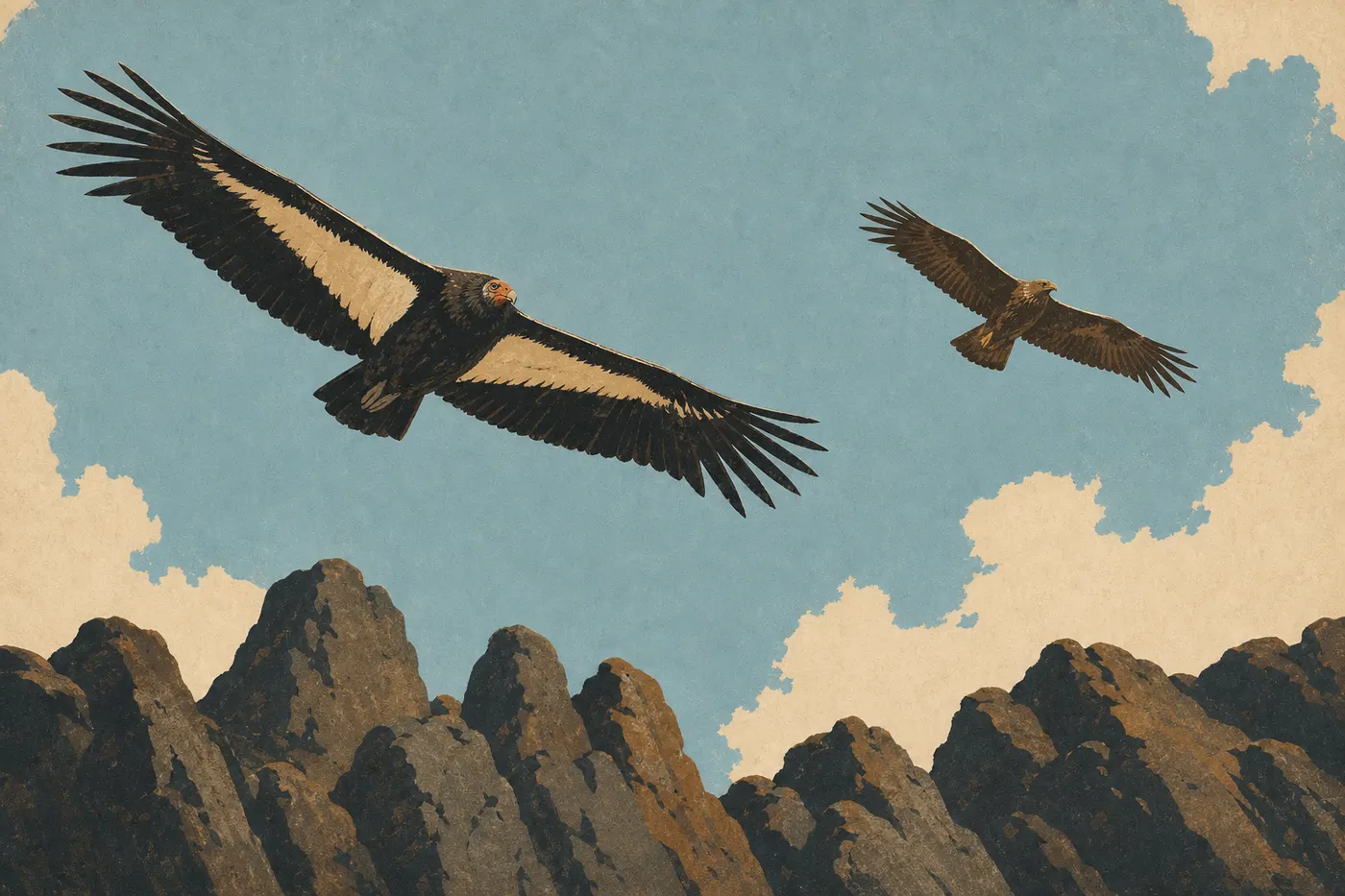
The two species often soar in the same places, so it's easy to confuse them. The golden eagle (Aquila chrysaetos) has a smaller wingspan, about 6.5 feet, a more compact silhouette, and uniformly brown plumage with a golden nape. It has no white markings under its wings. The condor is much larger, with broader, flatter wings in flight, and its white triangles show whenever the light is right. The eagle flaps more often; the condor lets the air carry it.
The Mountain Lion
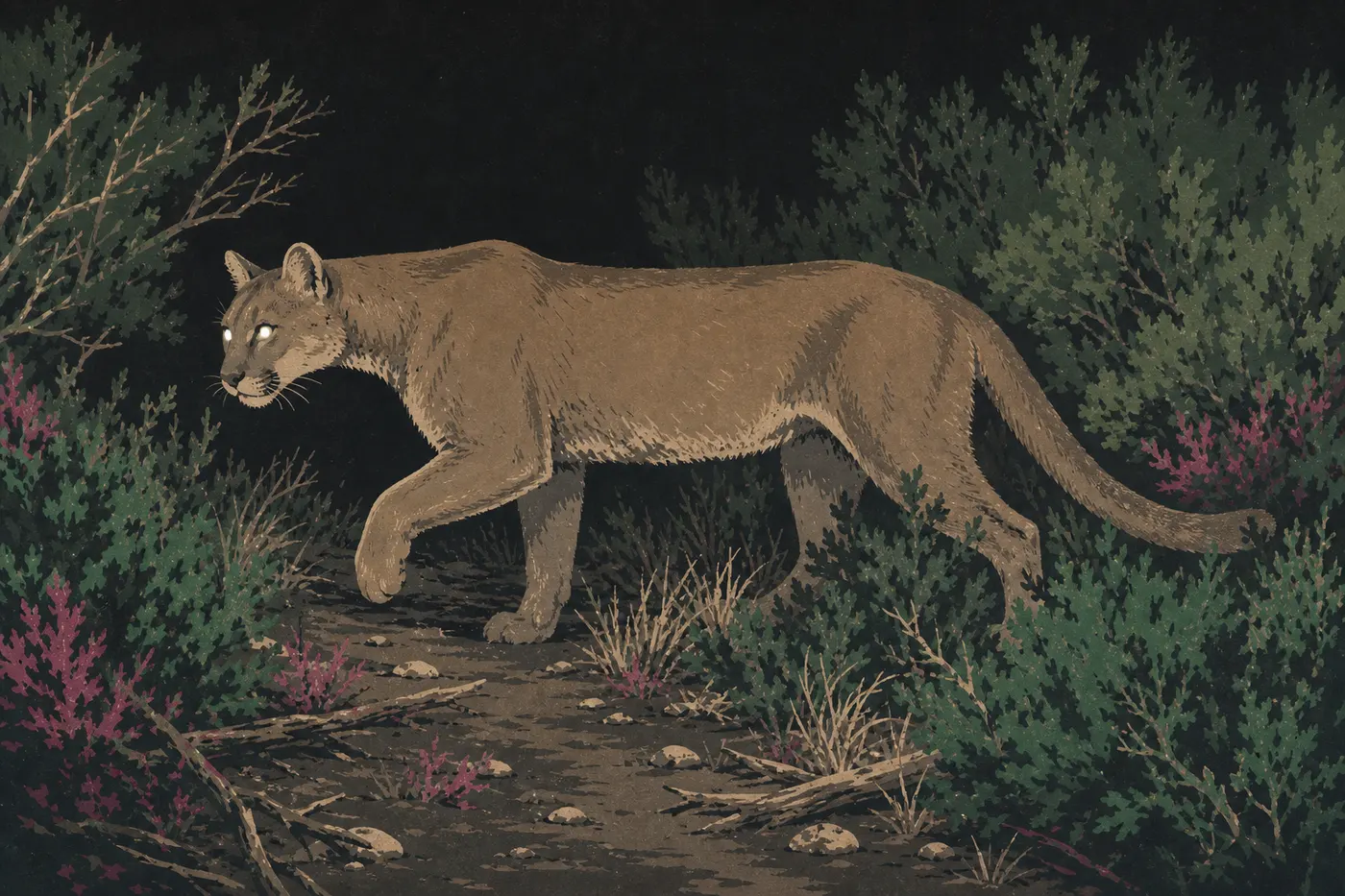
Mountain lions (Puma concolor) live in Pinnacles, but they're extremely elusive. Solitary and most active at dawn and dusk, they avoid contact with people. Your chances of seeing one in broad daylight are slim. A few lucky visitors spot one at dawn or dusk along the ridge trails; the park's wildlife cameras regularly confirm their presence.
Don't expect to see one as soon as you step out of your car. Mountain lions make you work for a sighting, which is exactly what makes an encounter so special.
The Black Bear

American black bears (Ursus americanus) roam the park's wooded areas and valleys. Despite their name, Pinnacles bears often have brown or cinnamon coats. Black isn't the only color found in this species. They're still wild animals, and you should never approach or feed one.
You'll most often see them at dawn and late afternoon, especially in spring, when they emerge from semi-hibernation and actively search for food.
The Peregrine Falcon and Prairie Falcon
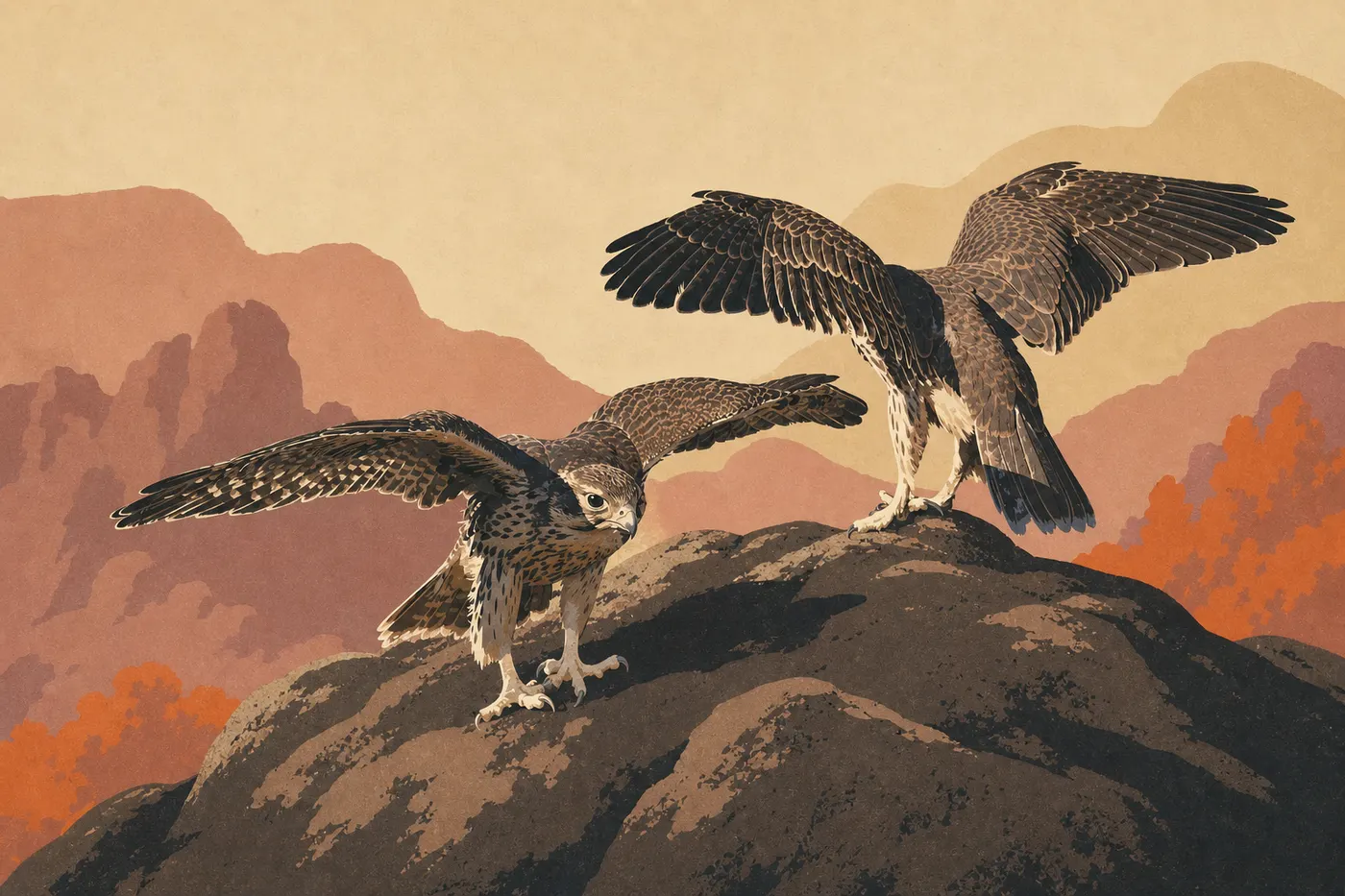
Pinnacles' volcanic cliffs provide ideal vertical walls for two falcon species. The peregrine falcon (Falco peregrinus) nests on the steep cliff faces. In a dive, it's the fastest bird in the world, capable of exceeding 185 mph. The prairie falcon (Falco mexicanus) shares the same rocky terrain, with its distinctive sandy plumage and dark axillaries visible in flight.
Spring is the best season to see them. Pairs defend their territory and make regular trips to the nest. Binoculars or a telephoto lens are essential here.
Bats of the Talus Caves
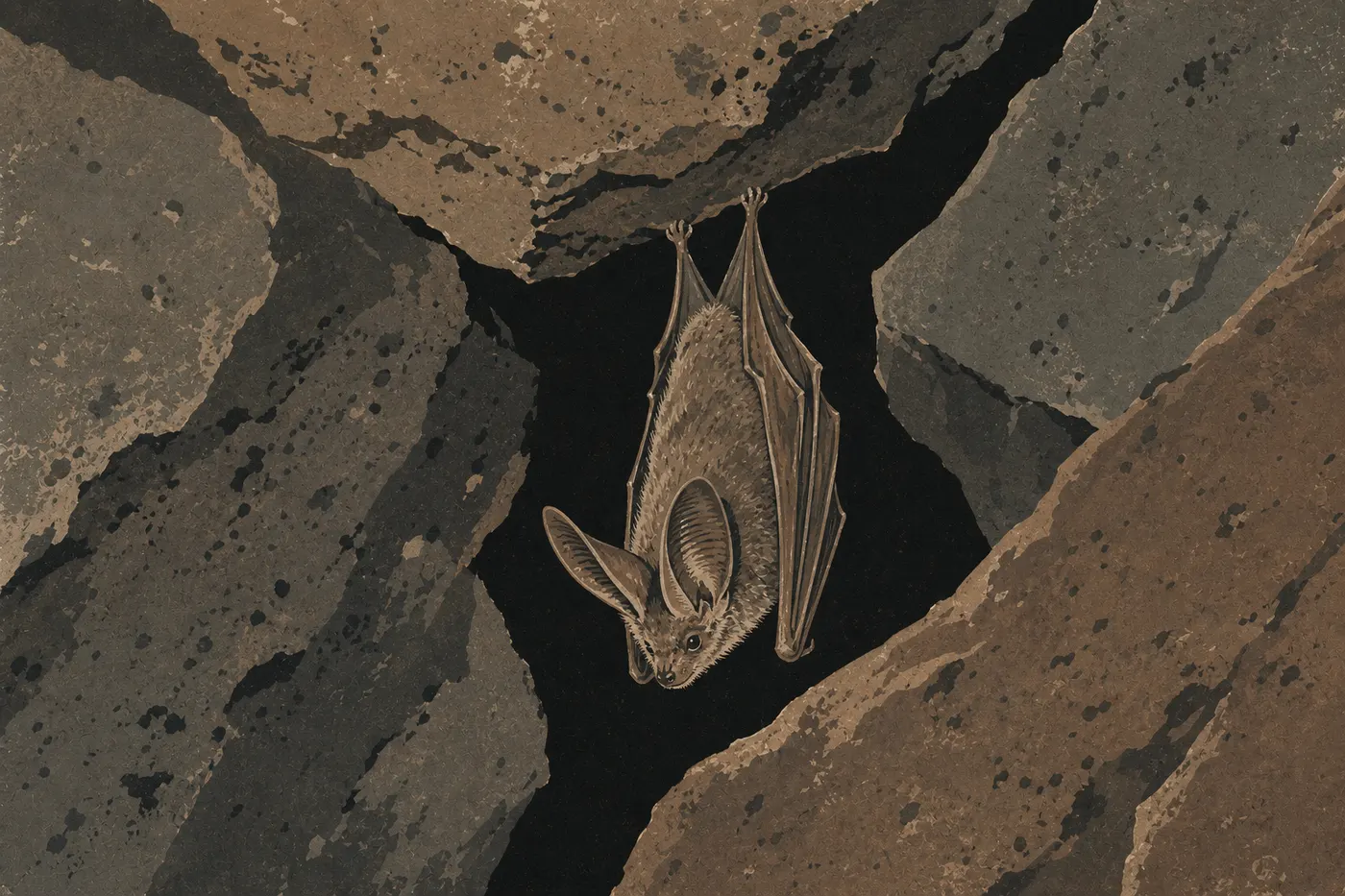
Pinnacles is home to about 14 bat species, and their habitat is unusual: they colonize talus caves formed by the natural piling of rock blocks. Bear Gulch Cave and Balconies Cave sometimes shelter very large colonies. Parts of these caves close during portions of the year to protect pregnant females and hibernating bats.
At dusk, if the cave is open, the mass emergence of bats is one of the park's most unexpected moments. Thousands of them pour out within minutes, creating a true winged torrent through the canyon.
Where to See Wildlife in Pinnacles
The park has two sides, accessed through separate entrances on the east and west.
East side, the Bear Gulch area offers the greatest diversity. Condors regularly gather along the High Peaks ridges, visible from the trail of the same name. Wetlands around Bear Gulch Reservoir attract black-tailed deer, coyotes, and many songbirds. This is also the main access point for Bear Gulch Cave, where you can watch bats in the evening.
West side, the Balconies area is known for its talus caves and for the falcons that nest on the canyon walls. Mornings are cool and quiet here, which makes it easier to spot raptors.
For condors, the most effective strategy is simple: climb to the High Peaks ridge early in the morning, settle into a high spot with an unobstructed view, and watch the thermals form as the rock heats up. The condors arrive with them, sometimes in groups of several birds.
Our Pinnacles hiking guide covers the trails best suited to wildlife viewing, with their elevation gains and corresponding durations.
When to See Wildlife
Pinnacles wildlife follows two overlapping rhythms: the daily cycle and the seasonal cycle.
Day to day, dawn and dusk are the golden hours. Mountain lions, bears, and coyotes move around mostly during these windows. In midsummer, when temperatures climb above 100°F in the middle of the day, most mammals retreat into the shade. Getting out before 8 a.m. makes all the difference.
By season, spring, from March through May, is the richest period. Birds are in the middle of courtship, condors and falcons nest on the cliffs, and mammals are active after winter. Fall brings pleasant temperatures and dry vegetation that makes animals easier to spot. Summer is tough on mammals because of the heat, but it's excellent for raptors taking advantage of strong thermals.
Bats are active from spring through fall. In winter, the caves are partly closed, so don't count on nighttime emergences from December through February.
To plan your visit around the calendar and understand the park's overall climate, our guide to the best times to visit Pinnacles explains conditions season by season.
Predators and Large Animals of Pinnacles
The mountain lion is the park's apex predator. It regulates the black-tailed deer population (Odocoileus hemionus columbianus), the most visible herbivores in the wooded areas and grasslands.
The black bear is an omnivore. Depending on the season, its menu includes acorns, berries, insects, carrion, and sometimes young deer. At Pinnacles, the population is modest but stable.
The coyote (Canis latrans) is the animal you're most likely to encounter on the ground. Adaptable and relatively unafraid, it hunts rabbits, lizards, and small rodents. You often see one trotting along the roads early in the morning, indifferent to hikers.
The Pacific rattlesnake (Crotalus oreganus) lives throughout the park, especially along sunny, rocky trails. It isn't a predator that actively threatens you, but it will defend itself if surprised. Watch where you put your hands and feet.
How to Watch Wildlife Safely
Pinnacles National Park has clear rules that we strongly recommend following to the letter.
Minimum distances:
- Condors and nesting raptors: stay at least 165 feet from nesting areas marked with signs along the trail.
- Black bears: keep a minimum distance of 165 feet. If you encounter one, speak calmly, don't run, make yourself look big, and back away slowly. Never run.
- Mountain lions: if the unlikely happens, don't run. Face the animal, make yourself look larger by raising your arms and opening your jacket, and back away without turning your back.
- Rattlesnakes: if you're bitten, immobilize the limb, don't suck the wound, and call for help immediately.
Never feed any animal. An animal fed by people loses its natural instincts, becomes dependent on humans, and often has to be euthanized. This rule applies to coyotes, ground squirrels, and jays, no matter how friendly they seem.
Don't approach animals to take pictures. If the animal stops eating, stares at you, or moves away, you're too close.
Hiking poles make noise and alert animals to your presence in advance. They reduce surprise encounters. The park's complete rules, including safe distances, cave access conditions, and sensitive areas, are posted at the entrance and available from rangers.
In Brief: Wildlife You Shouldn't Miss and Where to Find It
| Species | Best area | Best time |
|---|---|---|
| California condor | High Peaks ridges (east side) | Morning, thermals from 9 a.m. |
| Mountain lion | Everywhere, especially the ridges | Dawn and dusk (rare) |
| Black bear | Wooded areas, Bear Gulch | Spring, dawn and dusk |
| Peregrine falcon | Balconies cliffs (west side) | Spring (nesting) |
| Bats | Bear Gulch Cave, Balconies Cave | Dusk (colony emergence) |
| Coyote | Roads and open areas | Early morning |
| Black-tailed deer | Wooded areas and valleys | Dawn and dusk |
Pinnacles is compact, but every visit can bring a surprise. A condor skimming your ridge or a coyote crossing the trail 30 feet away are moments that stay with you. See our complete guide to Pinnacles to plan your entire stay.
Frequently Asked Questions
What animals live in Pinnacles National Park?
Animals that live in Pinnacles National Park include the California condor, mountain lion, black bear, coyote, black-tailed deer, peregrine falcon, prairie falcon, about 14 bat species, and the Pacific rattlesnake.
Are there mountain lions in Pinnacles National Park?
Yes, mountain lions do live in Pinnacles National Park. They're present but very elusive, and they're most active at dawn and dusk. The chances of seeing one during the day remain low. The park's wildlife cameras regularly confirm their presence.
What wildlife is Pinnacles known for?
Pinnacles is known for the California condor, reintroduced after coming close to extinction in the 1980s, as well as the mountain lion, black bear, peregrine falcon, and bat colonies in the talus caves. The condor remains the park's signature species.
What is the most common animal in Pinnacles?
The animal you're most likely to see in Pinnacles is the coyote, visible early in the morning along roads and in open areas. The California ground squirrel (Otospermophilus beecheyi) is also everywhere, especially near picnic areas.
What is the largest animal in Pinnacles?
The largest land animal in Pinnacles is the American black bear, which can weigh up to 440 pounds. In terms of wingspan, the California condor is larger than anything else, measuring 9.5 feet from wingtip to wingtip.
What are the predators in Pinnacles?
Pinnacles' main predators are the mountain lion, the park's apex predator; the black bear, an omnivore; the coyote; peregrine and prairie falcons; and the Pacific rattlesnake in sunny, rocky areas.
What animals are out at night in Pinnacles?
At night in Pinnacles, bats are among the first animals to emerge after dark. Mountain lions, coyotes, and many nocturnal rodents also move around after sunset. Rattlesnakes can remain active in the evening during the warm months, from June through September.