
When to Visit Pinnacles: Best Season and Month-by-Month Guide
Pinnacles National Park is open year-round, but the seasons are far from equal. The best time to visit Pinnacles is March through May, with April as the sweet spot, when wildflowers cover the hills and California condors glide above the volcanic formations. Fall (September-October) is a strong alternative: the heat fades, the light turns warm, and crowds drop by half compared with spring. Summer is truly hot (100°F and higher), while winter can bring surprises in the form of rain. Each season has its own rhythm, and here's what you need to know.
Pinnacles Weather Month by Month
Pinnacles has a Mediterranean climate: dry, very hot summers and mild winters with moderate rainfall concentrated over a few months. The park sits about 20 miles inland from the Pacific Ocean, which keeps coastal fog away but intensifies temperature extremes. One thing stays consistent year-round: the wide gap between daytime and nighttime temperatures.
| Month | Approx. high | Approx. low | Rainfall | What it's like |
|---|---|---|---|---|
| January | 55-59°F | 36-41°F | Moderate | Quiet, sometimes rainy |
| February | 59-63°F | 37-43°F | Moderate | First flowers appearing |
| March | 64-72°F | 41-46°F | Low | Spring getting started |
| April | 72-79°F | 45-50°F | Very low | Peak blooms and condors |
| May | 79-86°F | 50-55°F | Almost none | Hot but pleasant |
| June | 86-95°F | 55-61°F | None | Heat building |
| July | 95-104°F | 59-64°F | None | Frequent heat waves |
| August | 95-104°F | 59-64°F | None | Much like July |
| September | 86-93°F | 55-61°F | Almost none | Heat easing |
| October | 72-81°F | 46-52°F | Very low | Ideal fall weather |
| November | 59-64°F | 39-45°F | Moderate | Cool, often pleasant |
| December | 54-57°F | 36-41°F | High | Rainy winter |
These are approximate averages based on the park's climate profile. For precise forecasts and hour-by-hour readings, see our Weather page.
Pinnacles in January
Days are mild, around 55°F, while nights are chilly at about 36°F. Rainfall is moderate, so bring a rain jacket and check trail conditions after heavy storms. Bear Gulch Cave is usually open in January. Visitor numbers are very low, making for a peaceful visit when the weather cooperates.
Pinnacles in February
February stays cool and sometimes rainy, but the first signs of spring appear on south-facing slopes toward the end of the month. Temperatures rise slightly, reaching about 59°F during the day. It's a good month for exploring the caves without the crowds, and a weekday visit can feel completely quiet.
Pinnacles in March
Spring settles in: temperatures climb to about 64°F, rainfall decreases, and the first lupines, California poppies, and phacelias appear on the hills. Both park entrances operate normally, and Bear Gulch Cave is open. Crowds gradually increase but remain manageable on weekdays.
Pinnacles in April
April is the best month to visit Pinnacles, across the board. Wildflowers reach their peak, California condors are actively nesting around the High Peaks cliffs, and temperatures (45-72°F) make hiking comfortable at any time of day. Arrive before 9 a.m. on weekends or come during the week instead. East-side parking fills quickly.
Pinnacles in May
Wildflowers start to fade in May, but conditions remain excellent: temperatures range from 50 to 81°F, with almost no rain. This is the last good month before summer heat arrives, and it's ideal for longer hikes such as the High Peaks Loop. One thing to check: Bear Gulch Cave may partially close starting in May to protect the bat colony during breeding season.
Pinnacles in June
The heat arrives in earnest, with highs around 91°F. You can still visit if you hit the trails before 8 a.m. and return before noon. Bear Gulch Cave is often partially or completely closed this month. Crowds drop compared with spring. June is a transition month, with pleasant evenings but midday conditions best avoided.
Pinnacles in July
July is the hottest month: highs regularly reach 100°F, and heat waves can push them even higher. Hit the trails before 7 a.m. and be back by 11 a.m. Spend the rest of the day in the shade of the lower-elevation wooded areas or in the caves when they're accessible. Weekdays remain surprisingly quiet, as the heat keeps many visitors away.
Pinnacles in August
August is much like July, with highs of 95-99°F and no rain. The rule stays the same: hike early in the morning only. Sunsets over the volcanic formations offer beautiful light for photographers, provided you can handle the hot afternoon. Bear Gulch Cave remains partially accessible.
Pinnacles in September
Early September extends summer, with temperatures reaching about 91°F. From mid-September onward, temperatures fall and daytime hikes become comfortable again. This is one of the least crowded times of year, especially just after Labor Day. It's an excellent balance of comfort and solitude if your dates are flexible.
Pinnacles in October
October, along with April, is Pinnacles' other standout month. Temperatures (48-79°F) are comfortable for hiking all day. Bear Gulch Cave usually reopens after bat season. Warm fall light brings out the texture of the volcanic spires with a level of detail photographers appreciate. Crowds are moderate, and conditions are ideal.
Pinnacles in November
Early November still feels like fall, with daytime temperatures of 59-64°F, little rain, and a relaxed atmosphere. By mid-November, the first rains arrive and weather becomes more variable. Crowds are at their lowest except around Thanksgiving weekend. It's a good choice for a last-minute trip if you enjoy having the park to yourself.
Pinnacles in December
December is the wettest month. Highs stay around 55°F, and nights drop to about 36°F. Between Christmas and New Year's, visitation rises as local families from the San Jose and Los Angeles areas visit. Outside that window, the park is nearly empty. Bear Gulch Cave is fully open when conditions allow. Check trail conditions before setting out after heavy rain.
Pinnacles Season by Season
Spring (March-May): The Go-To Season
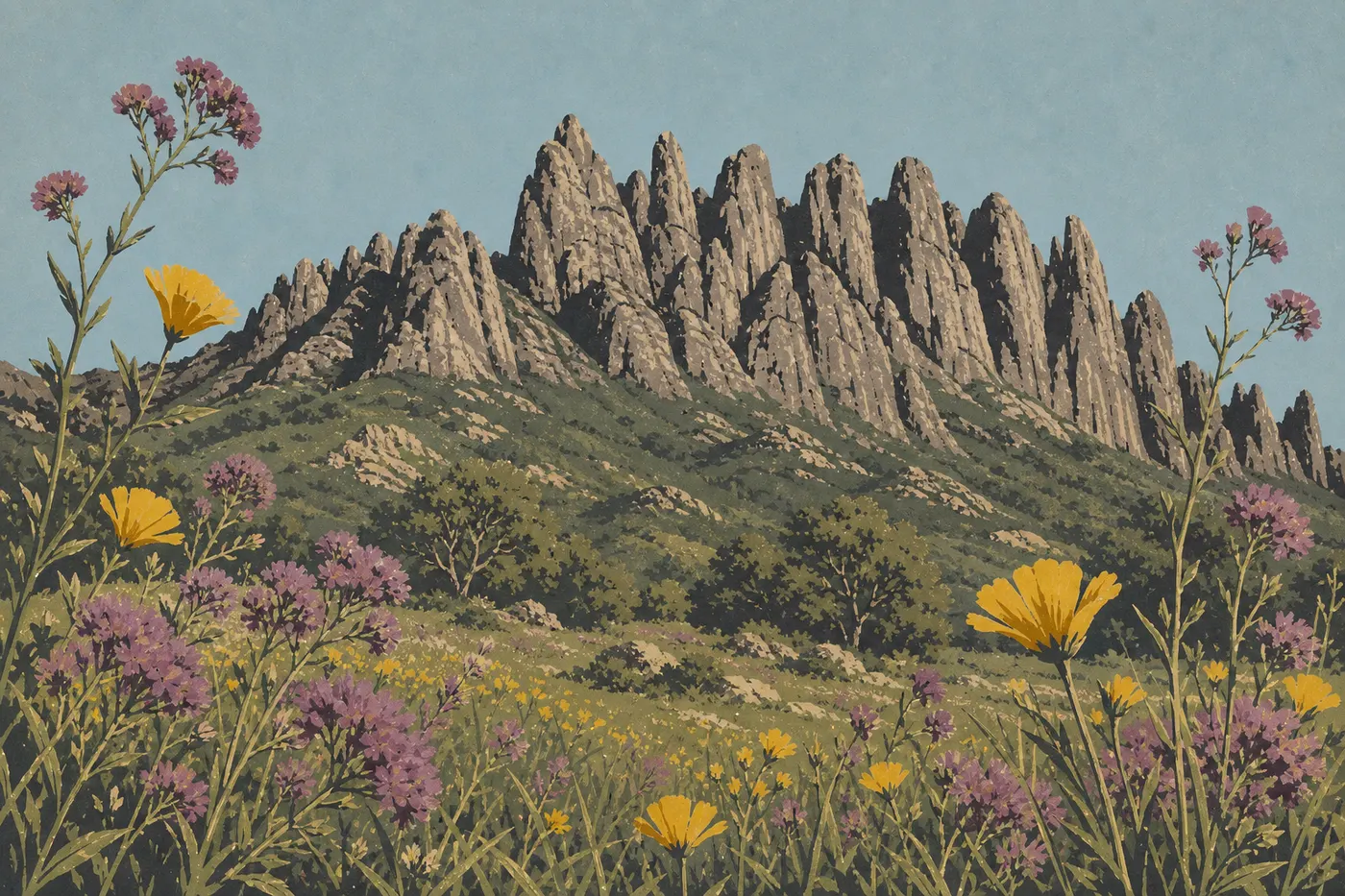
Spring is the most versatile time to visit Pinnacles. Temperatures range from 64 to 86°F depending on the month, making it comfortable to hike even in the middle of the day.
The park's spring signature is its wildflower display: purple lupines, California poppies, and blue phacelias cover the hills in March and April. The intensity varies with winter rainfall. A dry year produces a modest bloom, while a wet year turns the slopes into carpets of color.
Spring is also the best season for spotting California condors, which have been reintroduced to the park since the 2000s. These enormous birds, with wingspans of about 9 feet, are present year-round, but spring activity around the High Peaks cliffs is at its peak: nesting, caring for young, and soaring in groups on thermal currents.
Both park entrances operate normally, and trails are in good shape. One thing to keep in mind: April weekends can be busy, especially on the east side, the only side with a campground. Arrive before 9 a.m. or visit on a weekday if you can.
Summer (June-August): Hot, Very Hot
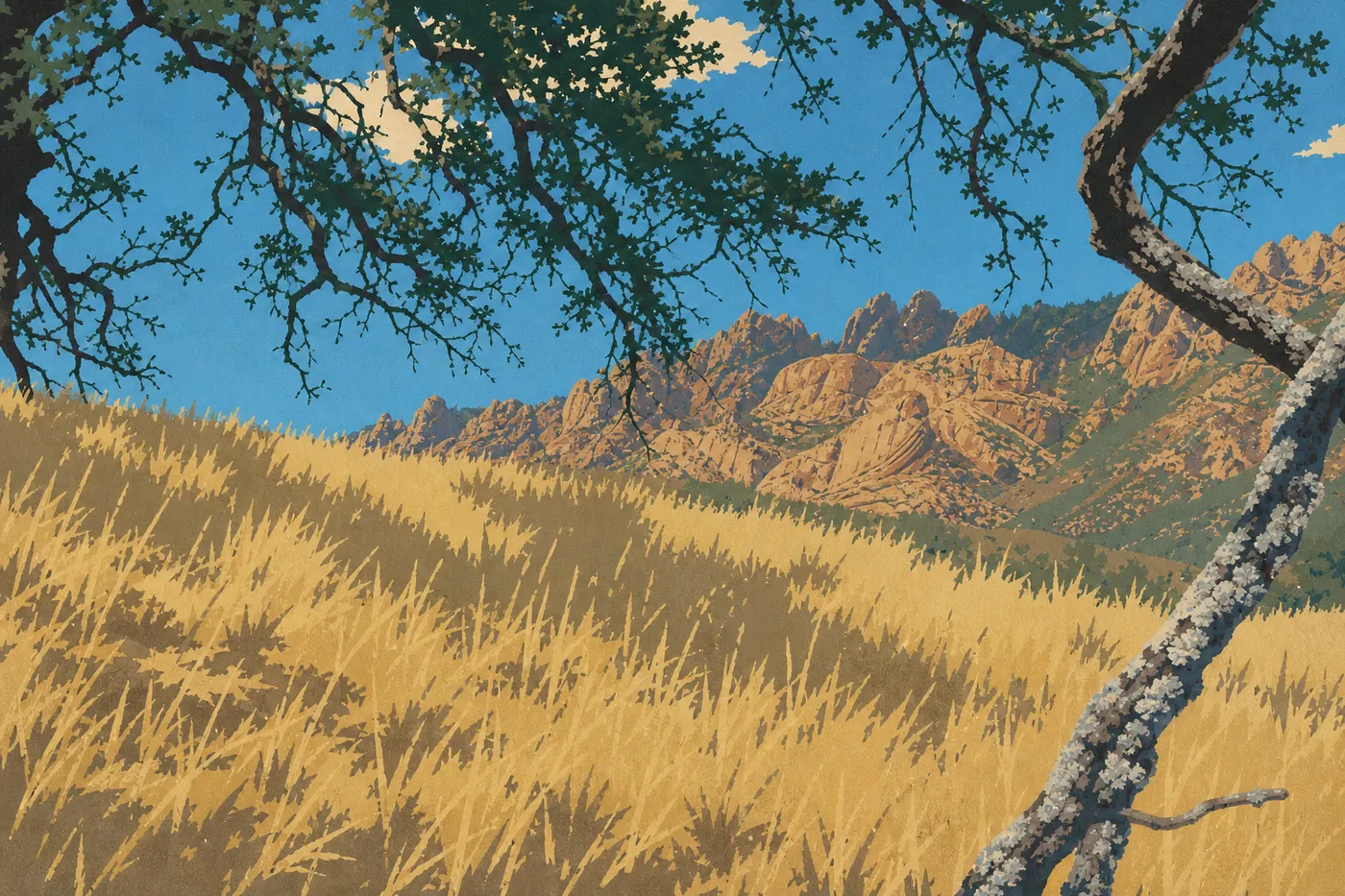
Summer at Pinnacles is unforgiving. Temperatures regularly top 100°F and can approach 109°F during heat waves. This isn't a season to rule out completely, but it demands careful planning.
The strategy that works is simple: hit the trails before 8 a.m. and be back before noon. The High Peaks Loop, about 8 miles, is beautiful at dawn, with low-angle light across the volcanic formations. After 11 a.m., head down to the lower-elevation wooded areas or stick to the caves, which stay naturally cool.
One important warning: Bear Gulch Cave is partially or completely closed from May through July to protect the Townsend's big-eared bat colony that raises its young in the cave's passages. Check its status before you leave. Current information is available on the Pinnacles overview page.
Summer visitation remains lower than in spring, especially on weekdays. The heat acts as a natural crowd control.
Fall (September-October): The Quiet Season
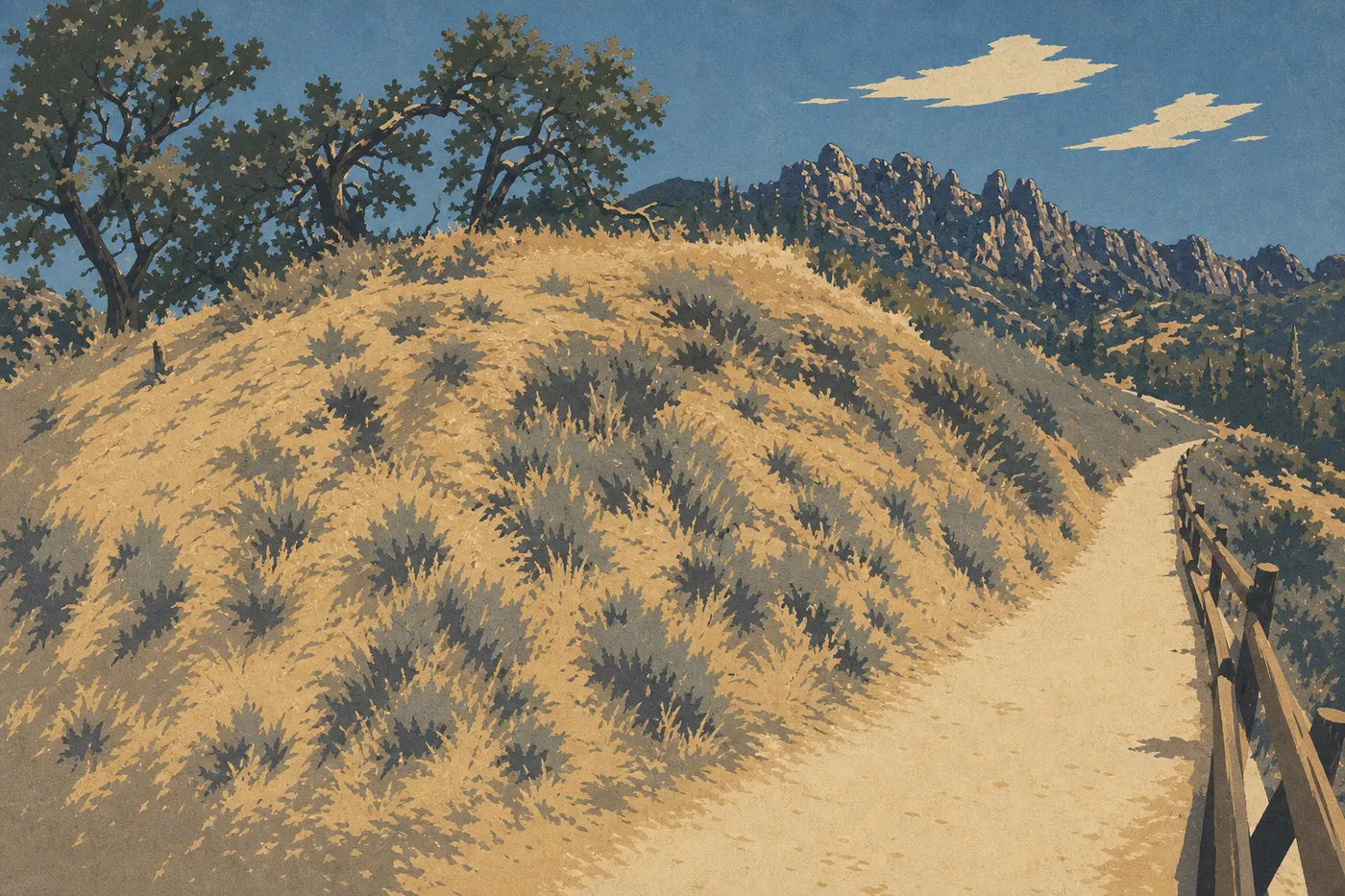
September and October are underrated. October temperatures range from 72 to 81°F during the day, ideal for hiking at any hour. Visitation is noticeably lower than in spring. Bear Gulch Cave usually reopens after bat season.
The vegetation doesn't offer spring's abundance of flowers, but the quality of fall light on the park's rock spires in late afternoon is what photographers dream about: warm and directional, it reveals the texture of the volcanic rock with remarkable clarity.
California condors remain present and active in fall. Early November can still be pleasant, but the first rains arrive around mid-November and signal winter's approach.
Winter (December-February): Quiet and Overlooked
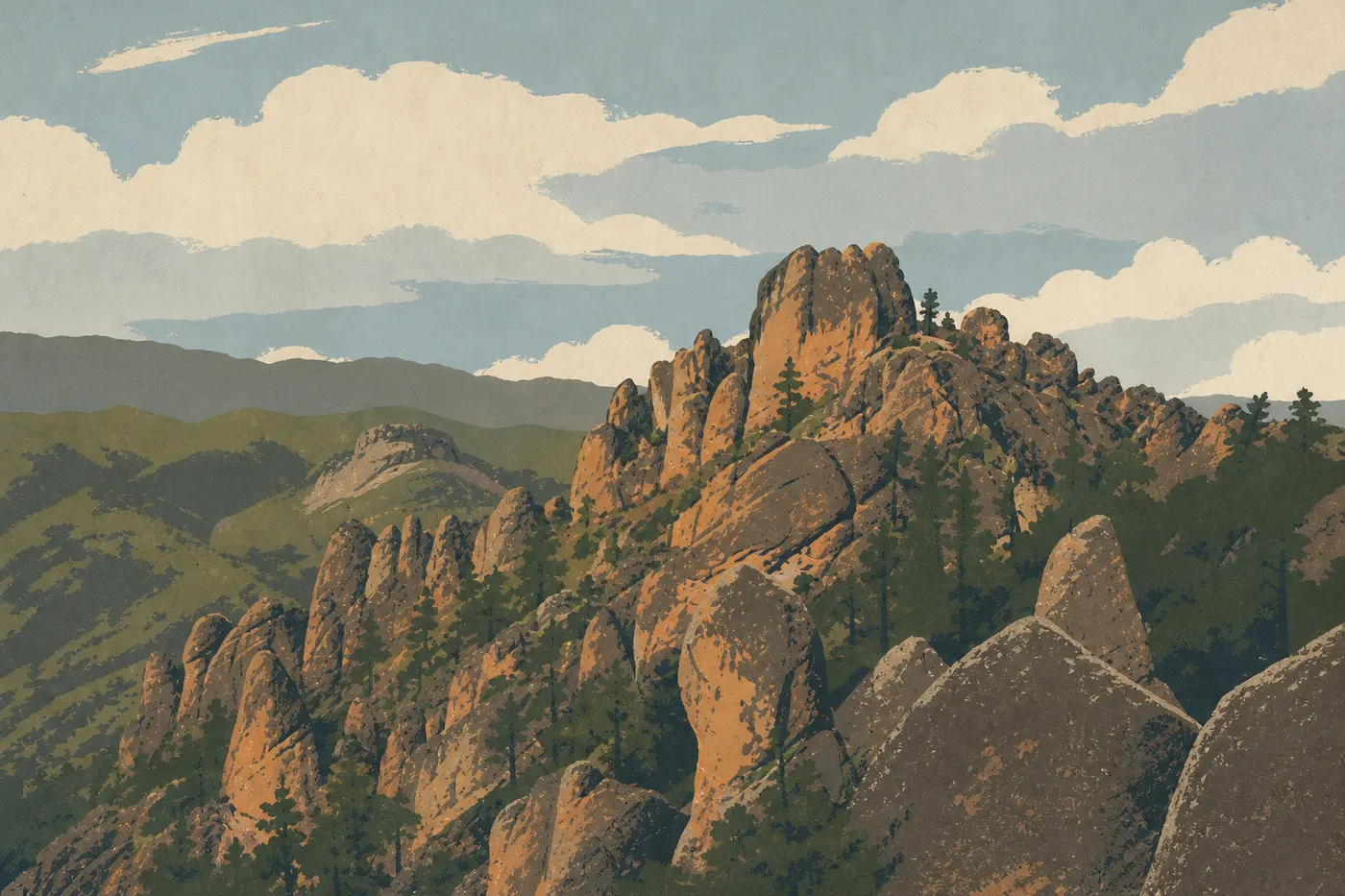
Winter is Pinnacles' least crowded season, and it deserves a second look. On clear days, daytime temperatures often hold between 54 and 63°F, which is perfect for hiking.
The real drawback is rain. December and January bring most of the precipitation. After heavy showers, some trails may turn muddy or close temporarily. Plan on short notice and keep your itinerary flexible.
On the plus side, Bear Gulch Cave is usually fully open in winter, outside bat season, and its passages feel especially immersive in cool weather. By late February, the first wildflowers appear on south-facing slopes. Spring is never far away.
Crowds: When to Avoid the Rush
Pinnacles is a relatively small park with limited access points: one campground on the east side, small parking areas, and a single-lane access road on the west side that large vehicles can't use. This setup creates bottlenecks quickly as visitation rises.
The busiest times are April and May weekends, especially holiday weekends such as Easter and Memorial Day weekend. The week between Christmas and New Year's also draws local families from the San Jose and Los Angeles areas.
Weekdays in summer are surprisingly quiet despite the heat. July and August weekends remain reasonable because the heat itself discourages some visitors.
The quietest windows are November and December outside the holidays, along with the weeks after Labor Day in early September. You can move freely through the park without lines at the trailheads.
For a spring weekend, get to the East Entrance as soon as it opens and head for the trails before the groups arrive. Even better, camping on-site lets you get an early start at sunrise.
The Best Time for Your Budget
The entrance fee, $30 per vehicle in 2025, doesn't vary by season. Costs around the park do change, however.
Hotels in nearby towns such as Hollister, King City, Salinas, and Soledad follow local tourist demand. Rates are higher in April and May, the busy season, and more affordable in fall and winter, from October through January outside the holidays. October often has good last-minute availability.
For flights into San Jose, with SJC about 1.5 hours away by car, or San Francisco, with SFO about 2.5 hours away, the best fares are usually found in January and February or September and October. Our Where to Stay guide covers lodging options at every price point.
The Best Time for Your Travel Style
Active hikers: spring (March-May) or fall (October). Comfortable temperatures and clear trails. In summer, limit outings to the first hours of the morning. Our Hiking page sorts routes by difficulty and length.
Wildlife watchers: April and May for condors. Nesting activity makes sightings especially memorable. Our Wildlife page explains which species are around in each season and where to look for them.
Cave enthusiasts: October through April, when Bear Gulch Cave is fully accessible. Avoid May through July if the caves are a priority.
Photographers: October for warm light and the rock's ocher tones. March and April for wildflowers. Summer's blue hour, before 7 a.m., also produces beautiful images before the heat builds.
Families with kids: April is the most comfortable time, with mild weather, flowers, visible condors, and open caves. The East Entrance is the better choice: the road is wider and the campground is right there. Our Family page covers kid-friendly trails and precautions for hot weather.
Budget travelers: October and November on weekdays. The park's annual pass costs $55. The America the Beautiful Pass, $80 per year, covers more than 2,000 federal recreation sites and quickly pays for itself if you're visiting several parks. Our Fees and Passes page compares all the options.
In Summary: The Best Time for Your Travel Style
| Profile | Recommended time | Avoid |
|---|---|---|
| Hiking | March-May, October | Midday in July and August |
| Condors and wildlife | April-May | No major restrictions |
| Caves | October-April | May through July |
| Photography | October, March-April | Harsh summer midday light |
| Families | April | July and August heat waves |
| Tight budget | October-November | Spring holiday weekends |
If you can choose only one window, make it the second half of April on a weekday. Wildflowers, active condors, open caves, and comfortable temperatures all line up. That's when everything comes together at Pinnacles.
The Worst Time to Visit Pinnacles
July and August are the months to avoid if you have a choice. Temperatures regularly top 100°F and can reach 104°F during heat waves. Hiking becomes dangerous by 10 a.m. on exposed trails, and even shaded areas offer little relief. Bear Gulch Cave is also partially accessible or closed for much of this period, taking away one of the park's main attractions.
The other period to reconsider is the April and May holiday weekends, including Easter and Memorial Day weekend. The weather is excellent, but congestion can ruin the visit. The East Entrance parking area fills early, the access road on the west side is narrow, and the main trails become crowded. If your schedule forces you to visit then, arrive very early or camp on-site to get ahead of the groups.
Frequently Asked Questions
What's the best time to visit Pinnacles?
The best time to visit Pinnacles National Park is March through May, with April as the sweet spot. Wildflowers, mild temperatures (72-79°F), and intense California condor activity make spring the ideal season. Fall (September-October) is an excellent alternative for visitors who prefer fewer people.
How many days should you spend at Pinnacles?
How many days you need at Pinnacles depends on your pace. A full day lets you cover the essentials: one major hiking loop and one cave. Two days give you time to explore both sides of the park and watch wildlife at a more relaxed pace. Our Itinerary and Length guide suggests plans for different schedules.
Is the park open year-round?
Pinnacles National Park is open year-round, seven days a week. Both entrances, east and west, are always accessible, but the single-lane west access road is closed to RVs and large vehicles. Visitor center hours vary by season. Some trails may close temporarily after heavy winter rain.
Can you visit Pinnacles in winter?
Yes. Winter at Pinnacles is often overlooked. On clear days, daytime temperatures stay between 54 and 63°F, which is well suited to hiking. Bear Gulch Cave is usually fully open outside bat season. Rain is the main drawback: December and January bring most of the precipitation, so it's best to plan on short notice and keep your itinerary flexible.
Are the Pinnacles trails difficult?
Trail difficulty varies by route. Bench Trail is flat and less than 1.2 miles, making it suitable for all ability levels. The High Peaks Loop, about 8 miles with stairs carved into the volcanic rock, is better suited to hikers in good physical shape. In summer, the heat makes every trail feel much harder. Our Hiking page breaks down each trail.
Is Pinnacles worth visiting?
Pinnacles is well worth a visit, especially if you're looking for a California national park outside the busiest tourist routes. California condors, striking volcanic formations, natural caves you can walk through, and spring wildflowers create a varied experience that's easy to reach from San Jose or San Francisco.
How much does a visit to Pinnacles cost?
The entrance fee at Pinnacles is $30 per vehicle, $25 for motorcycles, or $15 per person entering on foot or by bicycle. The park-specific annual pass costs $55. The America the Beautiful Pass, $80 per year, provides access to more than 2,000 federal recreation sites and is a useful option for a multi-park trip. Our Fees and Passes page explains entrance fees and pass options.
What's the best season to visit the American West?
The best season depends on the areas you plan to visit. For inland California and parks such as Pinnacles, spring (March-May) and fall (October) are ideal. For Utah's desert parks, including Arches, Zion, and Bryce Canyon, spring and fall also work well. Our Regions guides offer planning pointers for each destination.