
What to Do in Pinnacles: Must-See Sights and Activities
Pinnacles is unlike any other park. Tucked into the dry hills of central California, two hours south of San Jose, it packs three rare experiences into a few dozen square miles: basalt caves to explore by headlamp, volcanic formations to climb or admire from the ridgelines, and California condors soaring overhead, regularly visible above High Peaks.
The essentials in three lines. Reserve Bear Gulch Cave or Balconies Cave for a cool morning, head up to High Peaks late in the morning for the light and rising thermals, and set aside an hour to scan the sky. Pinnacles is one of the few places in the United States where the California condor, once on the brink of extinction, nests and breeds in the wild.
Pinnacles at a Glance: Areas, Access, and Getting Around
The park is divided into two separate sides. No road crosses Pinnacles from one side to the other. The East and West sides are connected only by trails.
The East side has most of the infrastructure: the visitor center (Pinnacles Visitor Center), the campground, parking areas for the Bear Gulch and Condor Gulch trails, and trailheads for High Peaks. The East Entrance is open 24 hours a day, seven days a week, with no timed restrictions.
The West side is quieter and wilder. You reach it via Highway 101 from Soledad, then Highway 146. The road is narrow and winding as it approaches the park. Large vehicles, including RVs and trailers, must enter from the East, with no exceptions. The West side provides access to Balconies Cave and the chaparral trails.
The entrance fee is $30 per vehicle, $25 for motorcycles, and $15 for pedestrians or cyclists. An annual Pinnacles pass costs $55. The America the Beautiful Pass ($80 per year) covers admission to all federal national parks and quickly pays for itself if you plan to visit several.
For detailed access information, hours, and traffic rules, see the Pinnacles access guide.
How Much Time Do You Need to Visit Pinnacles?
A full day is enough to see the highlights on one side. Two days let you combine both sides and add a climbing session or an overnight stay for stargazing.
If you only have one day, choose the East side. You can combine Bear Gulch Cave, High Peaks, and Condor Gulch Overlook in six to eight hours of hiking, with a good chance of spotting condors.
With two days and a night at the campground, add the West side the following morning. Explore Balconies Cave while it's cool, then continue to Balconies Cliffs for morning light on the rock formations.
Our Pinnacles itinerary guide lays out day-by-day plans based on your pace and fitness level.
Pinnacles Highlights by Area
East Side: Caves, Ridges, and Condors

Bear Gulch and Its Basalt Caves
Bear Gulch Cave is a talus cave formed not by water but by basalt blocks that broke away from the surrounding volcanic formations and piled up over thousands of years. You make your way through it with a headlamp, which is essential, squeezing between rocks that filter the light in striking ways. The underground passage runs for several hundred feet. No technical equipment is required, but you'll need to duck quite low a few times.
Keep in mind that the cave is partially or completely closed every year from March through June while the California free-tailed bats (Tadarida brasiliensis) breed there. Check with the park for current conditions before planning your visit.
Just beyond the cave exit, Bear Gulch Reservoir is surrounded by rhyolite cliffs. It's a pleasant spot to catch your breath before continuing to the ridges.
High Peaks: The Volcanic Heart of the Park
High Peaks is the backbone of Pinnacles. These volcanic breccia formations, remnants of a volcano eroded over millions of years, rise to around 2,600 feet. The trail that crosses them, described in our Pinnacles hiking guide, is cut into the cliffside in places, with fixed cables on the most exposed sections. Sturdy hiking gear, including lug-soled shoes and recommended trekking poles, is necessary.
From the ridges, views stretch across the chaparral hills and Salinas Valley. This is also the best place to watch for condors. Look up toward the thermals late in the morning, especially between 9 a.m. and noon.
Condor Gulch Overlook
Accessible from the parking area on the East side in less than an hour each way, via the easy Condor Gulch Trail, this overlook offers a bird's-eye view of the rock formations without committing to the technical sections of High Peaks. It's ideal if you're traveling with very young children or the weather is unsettled. Raptors, including condors, are often visible in flight, making this a solid choice for anyone who wants a scenic overlook without the difficulty of the full High Peaks circuit.
West Side: Balconies Cave and the Chaparral
Balconies Cave: An Alternative During Seasonal Closures
Formed by the same process as Bear Gulch, with basalt blocks accumulating after falling from the cliff, Balconies Cave is often open even when Bear Gulch is closed for breeding season. It's a little longer, with sections where you'll actually need to crawl. A headlamp is mandatory here, too. Winter flooding can temporarily block access between December and February, so check with a ranger the morning of your visit.
Balconies Cliffs and the Loop
Combining Balconies Cave and Balconies Cliffs on the loop, about 4.3 miles total, makes for a complete hike with beautiful views of the volcanic formations on the West side. Morning light is especially good for photography.
The West Side Chaparral
Less dramatic than High Peaks, the chaparral vegetation on the West side has a character of its own: manzanita, oaks, and toyon with red berries in winter. In spring, from March through April, wildflowers bring yellow and purple to the slopes. Fall is tarantula season, as described below, and in our view that's reason enough to choose this side of the park.
Pinnacles' Best Hikes
Pinnacles is first and foremost a hiker's park. The three signature trails are the High Peaks Loop, 8.7 miles from the East side with five to six hours of hiking, cable sections, and panoramic views; the Moses Spring Loop, 1.9 miles and accessible to most hikers as young as 6 or 7; and the Balconies Cave Loop on the West side, 4.3 miles including the cave, and a good choice when Bear Gulch is closed.
Our Hiking page covers each trail in depth, including elevation gain, difficulty, seasonal closures, and recommended gear.
Other Activities by Interest
Wildlife Watching: Condors and More

The California condor (Gymnogyps californianus) is North America's largest bird, with a wingspan of nearly 10 feet. The species came close to extinction in the 1980s. Today, Pinnacles is home to one of the few wild breeding colonies established through the reintroduction program. Sightings are common from High Peaks and Condor Gulch Overlook, in the morning or late afternoon when thermals form. Condors wear numbered tags on their wings, and the park tracks each bird individually.
The park is also home to peregrine falcons, Swainson's hawks, mule deer, black-tailed rabbits, and, if you're patient and discreet, coyotes. In fall, from mid-September to early November, male tarantulas cross the trails in search of a mate. It's unusual, a little intimidating, and completely harmless.
Our Pinnacles wildlife guide brings together the species to look for and tips for observing them.
Rock Climbing
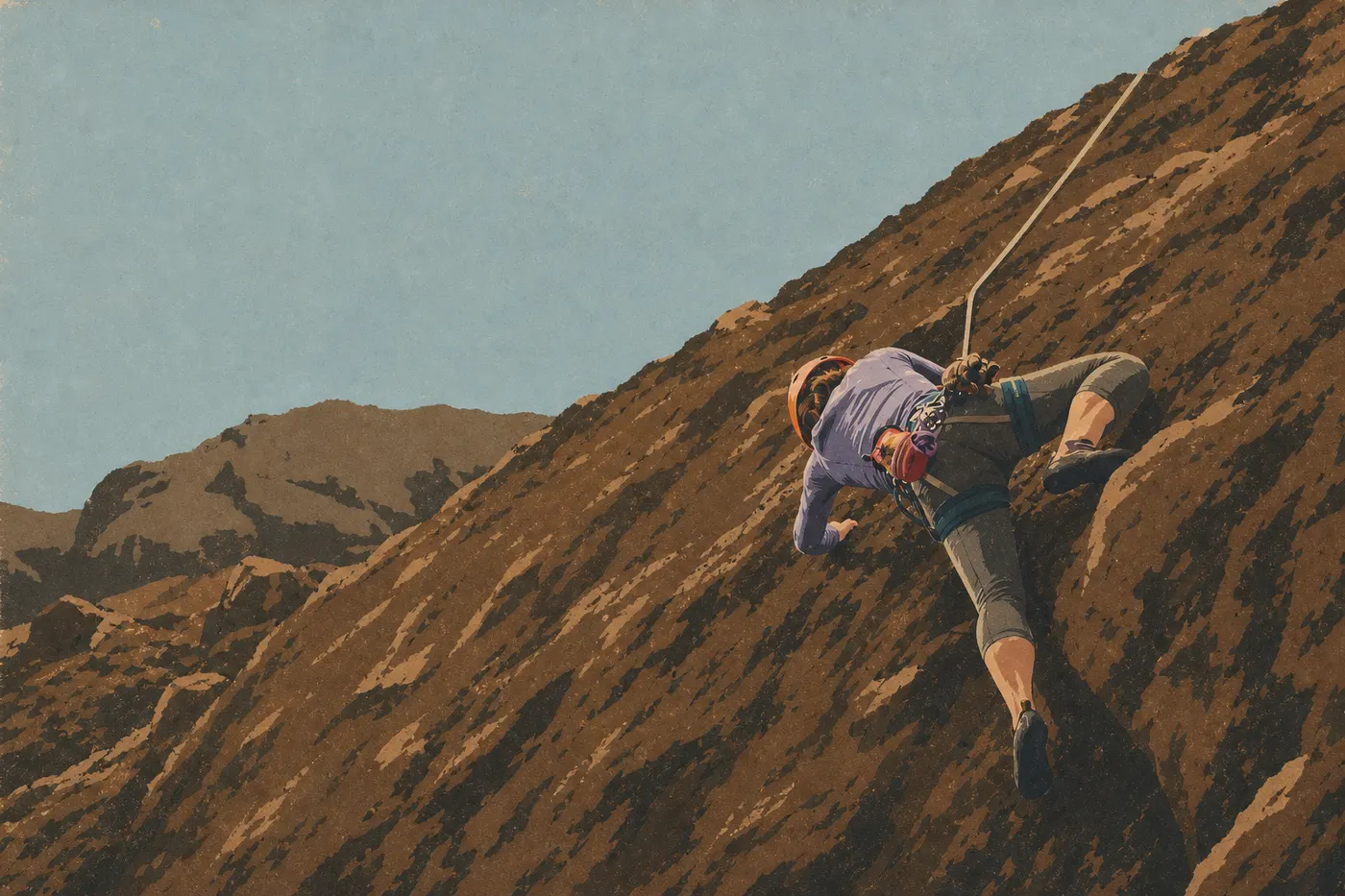
Pinnacles is a well-known climbing destination in central California, with several hundred bolted routes on volcanic breccia formations. The rock is rough and highly grippy. Grades range from 5.4 to 5.13 on the Yosemite Decimal System, making the park suitable for accompanied beginners as well as experienced climbers looking for a challenge. You reach the climbing areas on foot from parking areas on both the East and West sides.
Two important points: there is no gear rental on-site, so bring your complete equipment, and some areas are seasonally closed from January through July to protect raptor nests, particularly peregrine falcons. Check current closures with a ranger before you set out to climb.
Night Skies and Astronomy

Pinnacles is certified as an International Dark Sky Park. Far from the lights of Monterey Bay and Silicon Valley, its nights are remarkably clear. The campground on the East side offers ideal conditions for long observing sessions. You can see the Milky Way with the naked eye in summer, from June through August, and rangers occasionally offer guided astronomy programs.
Families and Kids
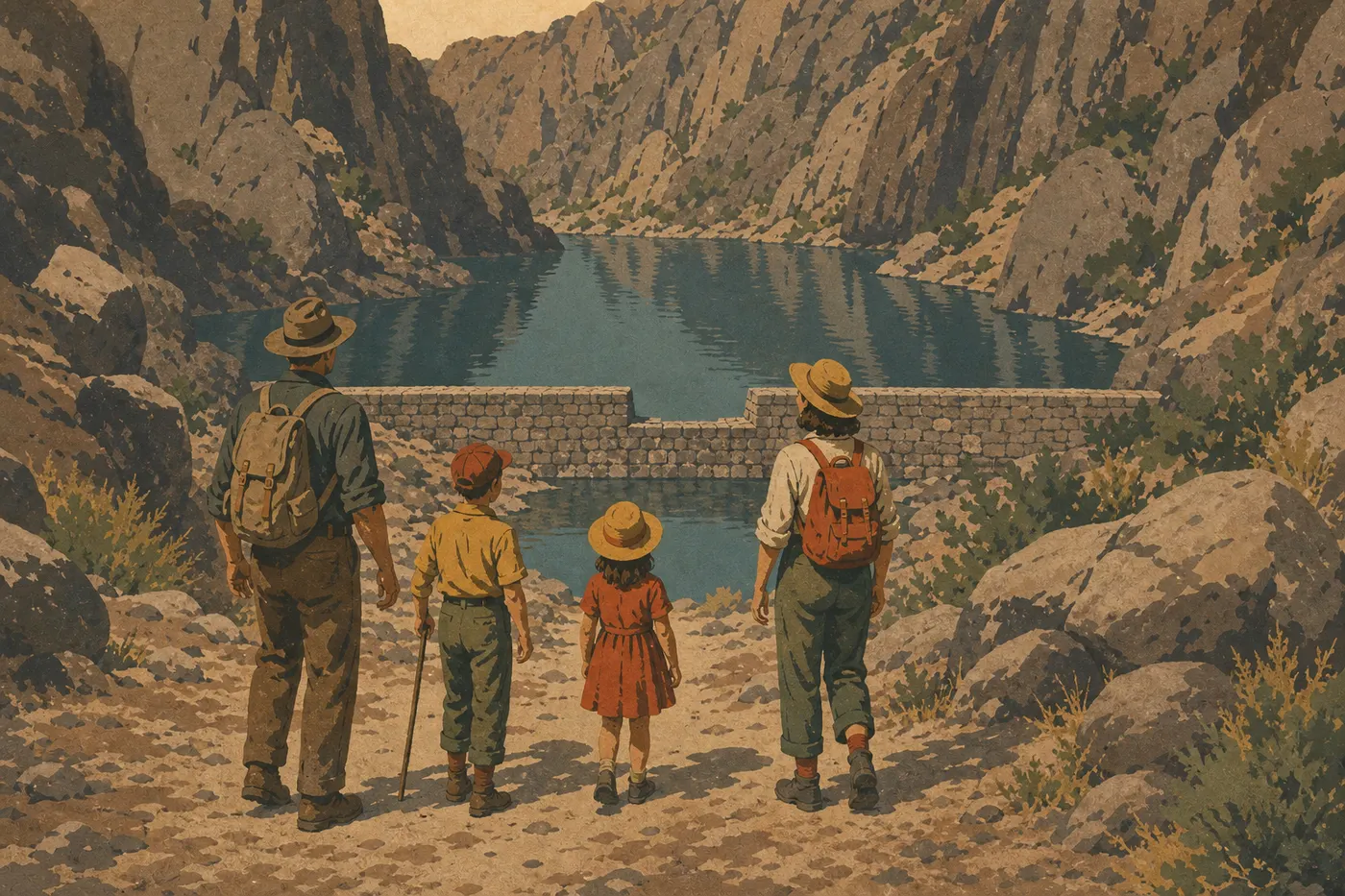
The park works well for families with kids ages 6 or 7 and up on the shorter trails. The Moses Spring Loop, near Bear Gulch and about 1.9 miles long, requires no technical equipment, and walking through the cave by headlamp is always a hit. Condor Gulch Overlook is a safe option for younger children, without the cable sections at High Peaks.
Our Pinnacles family guide offers practical advice for planning your visit with kids.
Biking

Bikes are allowed only on the park's paved roads, not on trails. You can bike from the entrance to the campground and the main parking areas on the East side, making this a good option for families with fit teenagers.
Things to Do Around Pinnacles
Pinnacles makes a good detour to Monterey, 1 hour 15 minutes west, or San Juan Bautista, 45 minutes north. To the south, Los Padres National Forest and its quiet forest roads suit visitors who want to extend their trip in search of solitude.
The Bottom Line: What to See First in Pinnacles
Pinnacles isn't California's most crowded park, and that's exactly what makes it so enjoyable. It remains well under mass tourism's radar, even in peak season.
If you only have one day, the plan is straightforward: caves in the morning, either Bear Gulch Cave or Balconies Cave depending on the season; High Peaks around midday, including the cable sections; and Condor Gulch Overlook for condors in the late afternoon. Bring at least 2 liters of water per person in summer. Temperatures regularly climb above 100°F, and there are no water sources along the trails. The same rule applies outside summer on windy or very sunny days, since temperatures can jump 18°F between the canyon floor and the ridges.
Is Pinnacles worth the detour? We think so, especially if you combine geological curiosity, with volcanic formations you won't find anywhere else in California, wildlife, since seeing a condor in the wild is still a rare privilege, and the little jolt you get from exploring a cave by headlamp in the middle of a sunny park.
Our Pinnacles guide brings together every section of the park to help you plan your visit from A to Z.
Frequently Asked Questions
What are the popular activities at Pinnacles?
The most popular activities at Pinnacles are hiking, including the High Peaks Loop, Bear Gulch, and Balconies; exploring talus caves by headlamp; climbing on volcanic breccia formations; and watching California condors from the ridges.
How much time should you plan for a visit to Pinnacles National Park?
Plan on a full day to see the highlights on one side of the park. Two days let you visit both the East and West sides and add a climbing session or a night of camping for stargazing.
Is Pinnacles worth visiting?
Pinnacles is worth the trip if you're looking for an off-the-beaten-path park in California. Its basalt caves, unusual volcanic formations, and wild California condors make it a rare destination, less than two hours from Monterey, San Jose, or San Francisco Bay.
What are the must-do activities at Pinnacles?
The highlights are exploring Bear Gulch Cave or Balconies Cave by headlamp, climbing up to High Peaks for the cable sections and panoramic views, and watching California condors from Condor Gulch Overlook or the ridges.
Which hike should you do at Pinnacles?
The High Peaks Loop, about 8.7 miles from the East side, is the park's signature hike, with the best panoramas and technical cable sections. For a shorter outing, the Moses Spring Loop near Bear Gulch, 1.9 miles, works for most hikers. Our Hiking page covers all the options.
Are Pinnacles' caves accessible year-round?
No. Bear Gulch Cave is partially or completely closed from March through June for California free-tailed bat breeding. Balconies Cave is generally open outside periods of winter flooding, from December through February. Check current access conditions with the park before you go.
Can you see California condors at Pinnacles?
Yes. Pinnacles is home to one of the few wild breeding colonies of condors in the United States. Sightings are common above High Peaks and from Condor Gulch Overlook, especially in the morning and late afternoon when thermals form.