
Lassen Volcanic Wildlife: What You’ll See and Where to Look
Lassen Volcanic National Park has a surprise in store for visitors who come only for the geysers and calderas: its wildlife is abundant, diverse, and very much present. Five species sum up what you're most likely to see: black bears, mule deer, the Sierra Nevada red fox, river otters, and mountain lions. Mule deer are the animals visitors encounter most often on the trails. Mountain lions do live in the park, but they'll spot you long before you spot them.
Lassen Volcanic’s Iconic Animals
Black Bear
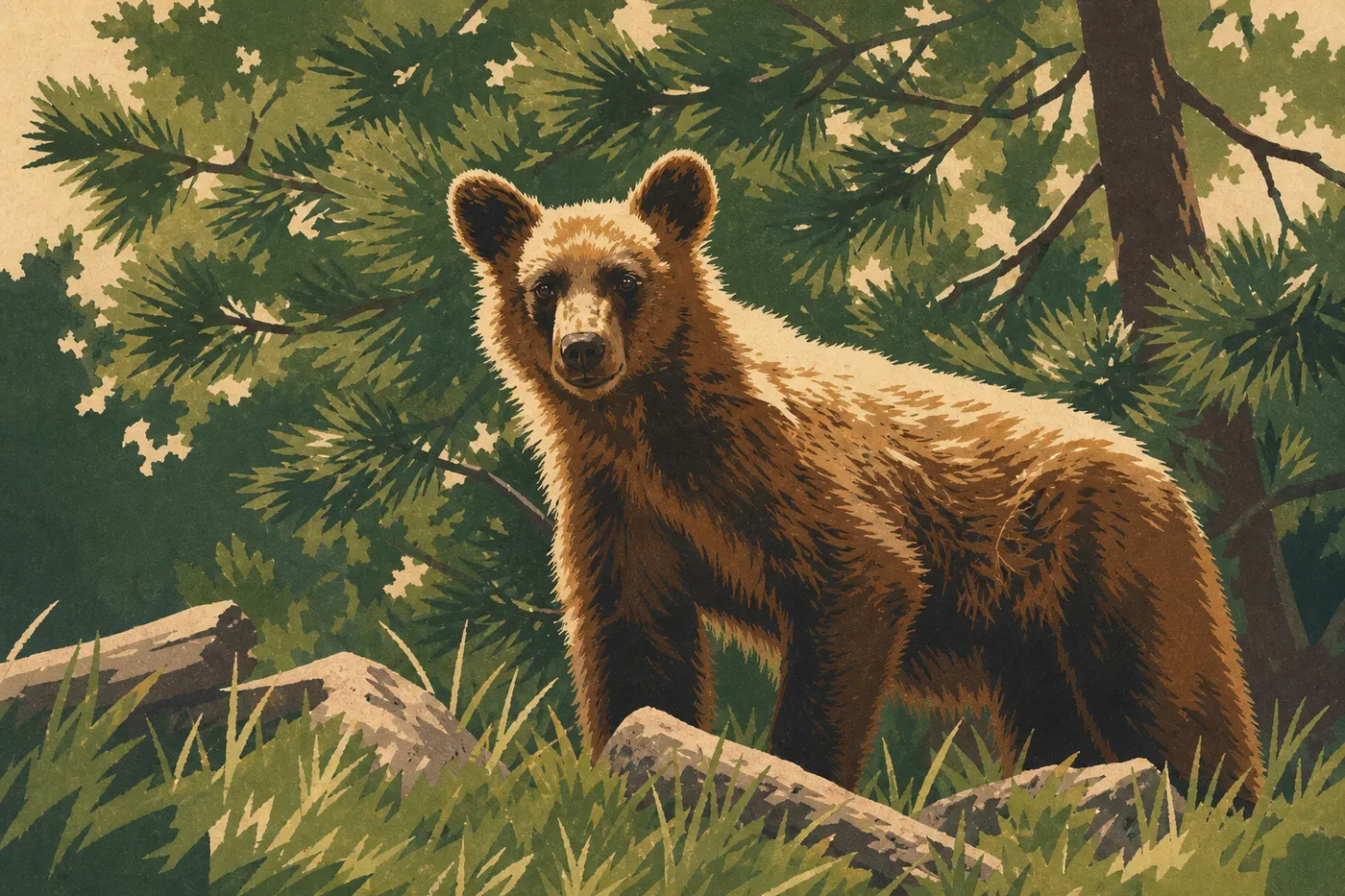
The California black bear (Ursus americanus californiensis) is the bear of the American West Coast. Its name can be misleading: in this region, its coat is often cinnamon brown rather than black. An adult weighs between 110 and 440 pounds depending on its sex and the season, and can run about 34 mph over short distances. An opportunistic omnivore, it searches for wild berries, insects, carrion, and, if they're not properly secured, the contents of camping coolers.
At Lassen, it mostly frequents mixed forests and wooded areas near Manzanita Lake and the surrounding campgrounds. Your best chance of seeing one comes during the cool morning and evening hours, from May through October, before winter dormancy sets in.
Mule Deer
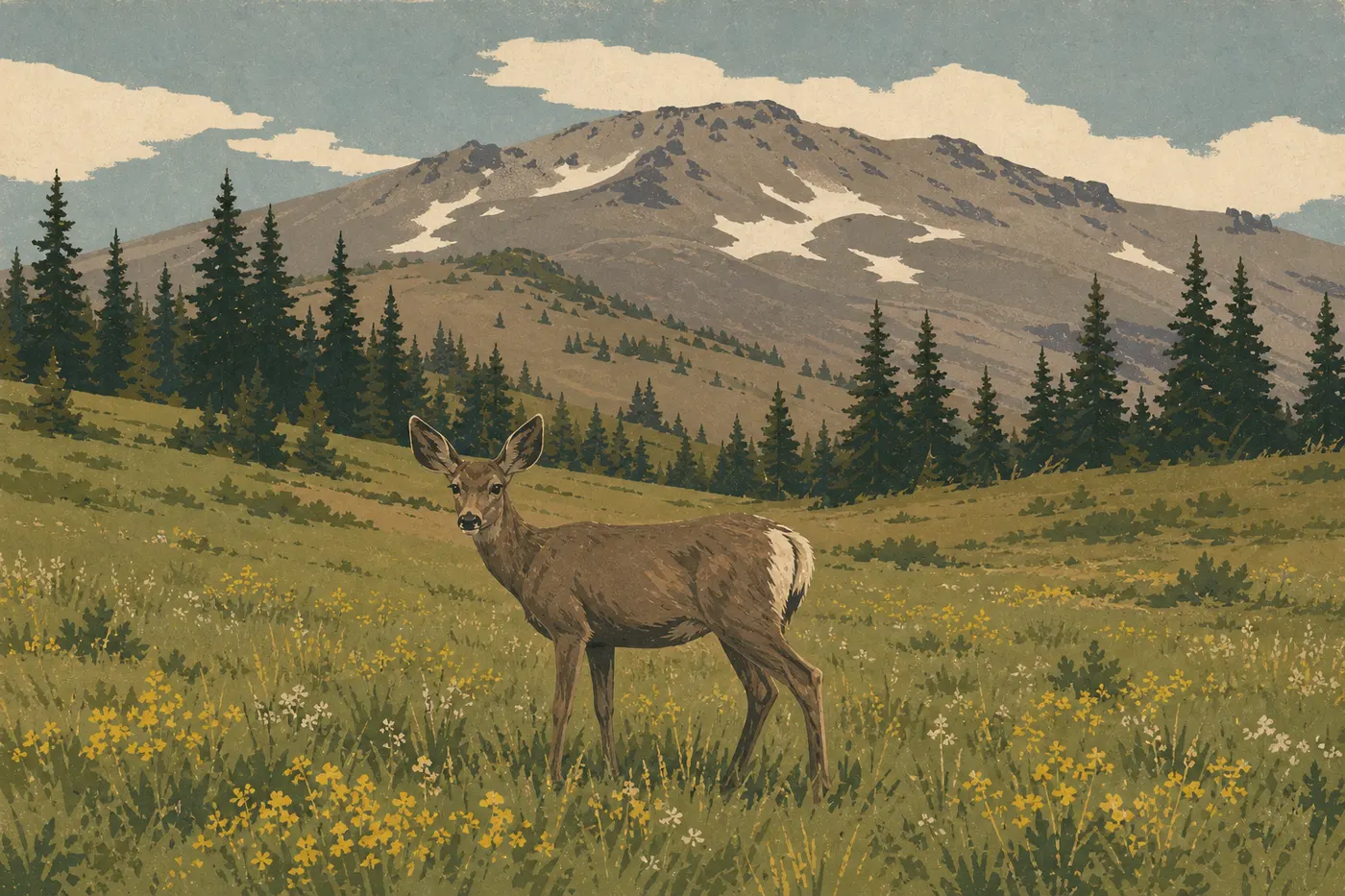
The mule deer (Odocoileus hemionus) gets its nickname from its large ears, which resemble those of a mule. It's the park's most visible hoofed mammal. You'll see it along trails, at the edge of meadows, and sometimes right in a campsite. Bucks grow branching antlers that drop every winter and regrow in spring.
Two times of year are especially striking: summer, when the antlers are still covered in velvet, and fall, around October, during the rut. In July and August, does often lead their spotted fawns through the meadows around Summit Lake. Keep your distance. A doe with a fawn can become aggressive if she feels cornered.
Sierra Nevada Red Fox
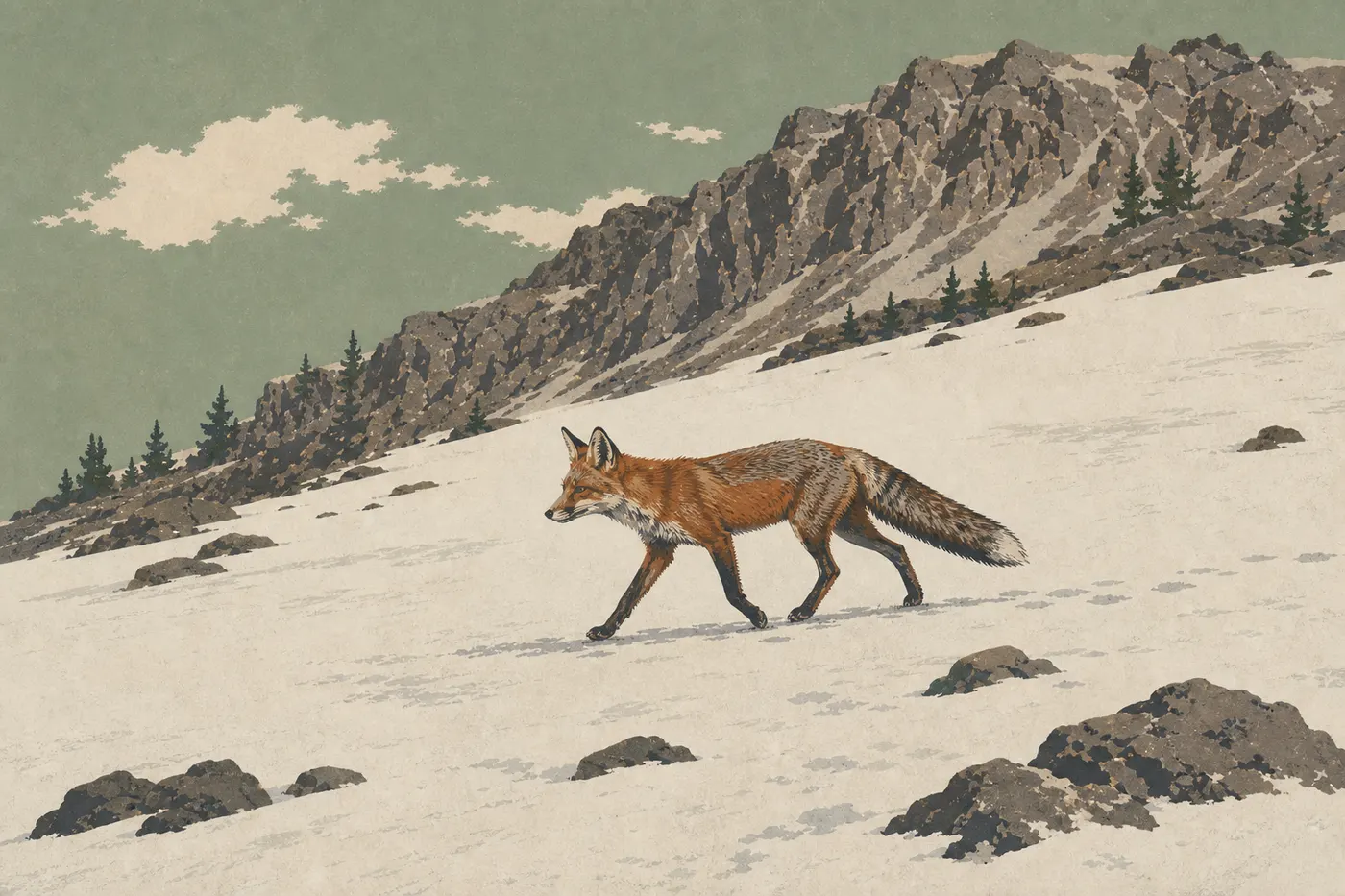
The Sierra Nevada red fox (Vulpes vulpes necator) is one of the rarest fox subspecies in North America. Its presence at Lassen Volcanic, confirmed by NPS camera traps, is one of the park's least-known wildlife highlights. It lives at high elevations, in subalpine areas that stay snowy for much of the year, and feeds mainly on small rodents, berries, and carrion.
Seeing one is possible, but unlikely. It's active at dusk and at night. If you're an early riser hiking the high-elevation trails early in the season, in June or July, scan meadow edges and the margins of lava flows where the vegetation is low.
River Otter
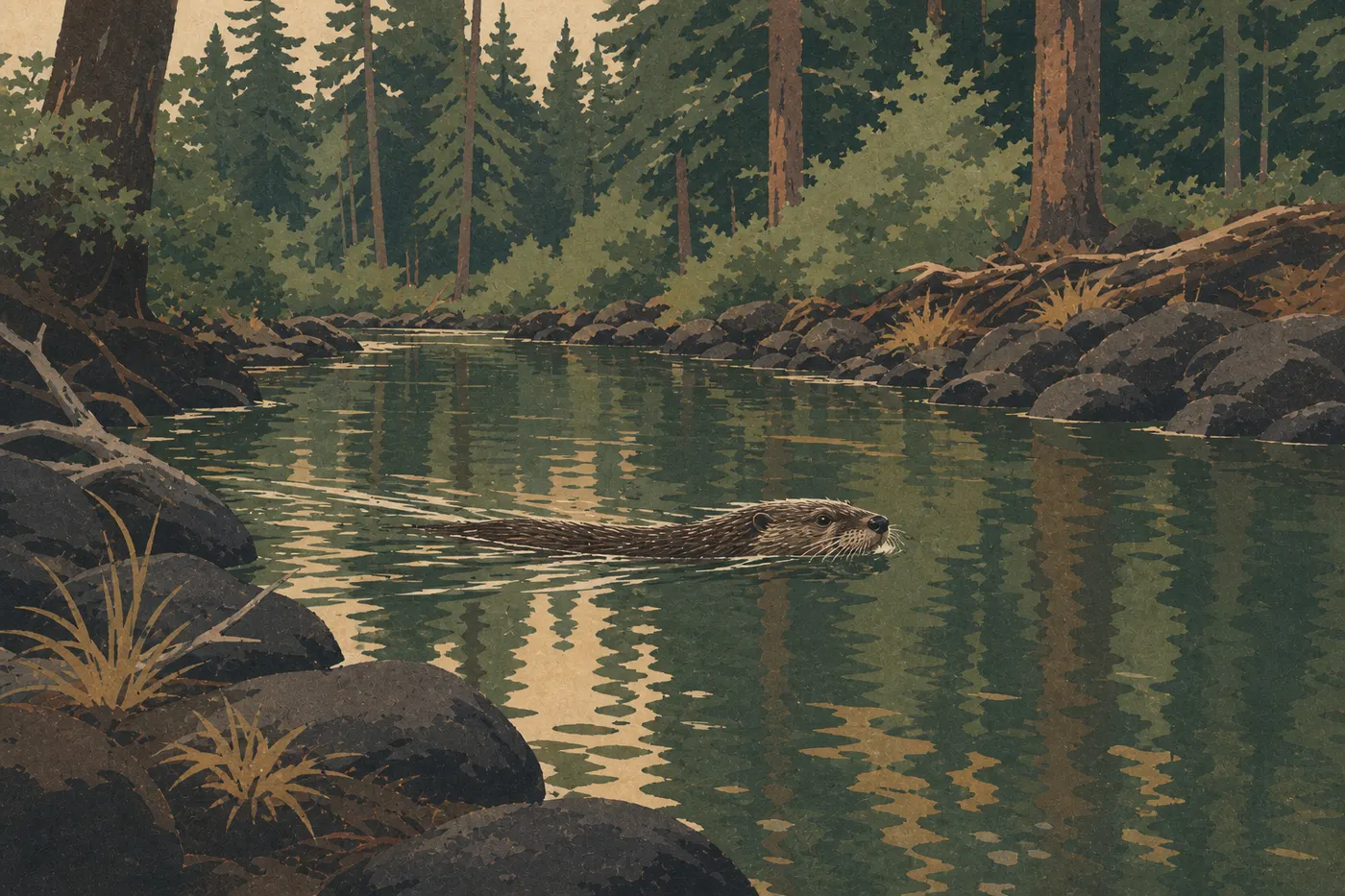
The river otter (Lontra canadensis) is probably the most entertaining animal to watch at Lassen. It frequents Manzanita Lake and the park's waterways, where it hunts trout and other fish with remarkable efficiency. It dives, twists underwater, surfaces again, and seems to take obvious pleasure in all of it. Its playful behavior makes a comical contrast with the stark volcanic surroundings.
Settle quietly along the shore of Manzanita Lake in the late morning or early evening. Otters follow regular routes. If you spot one, stay put for a few minutes rather than following it.
Mountain Lion
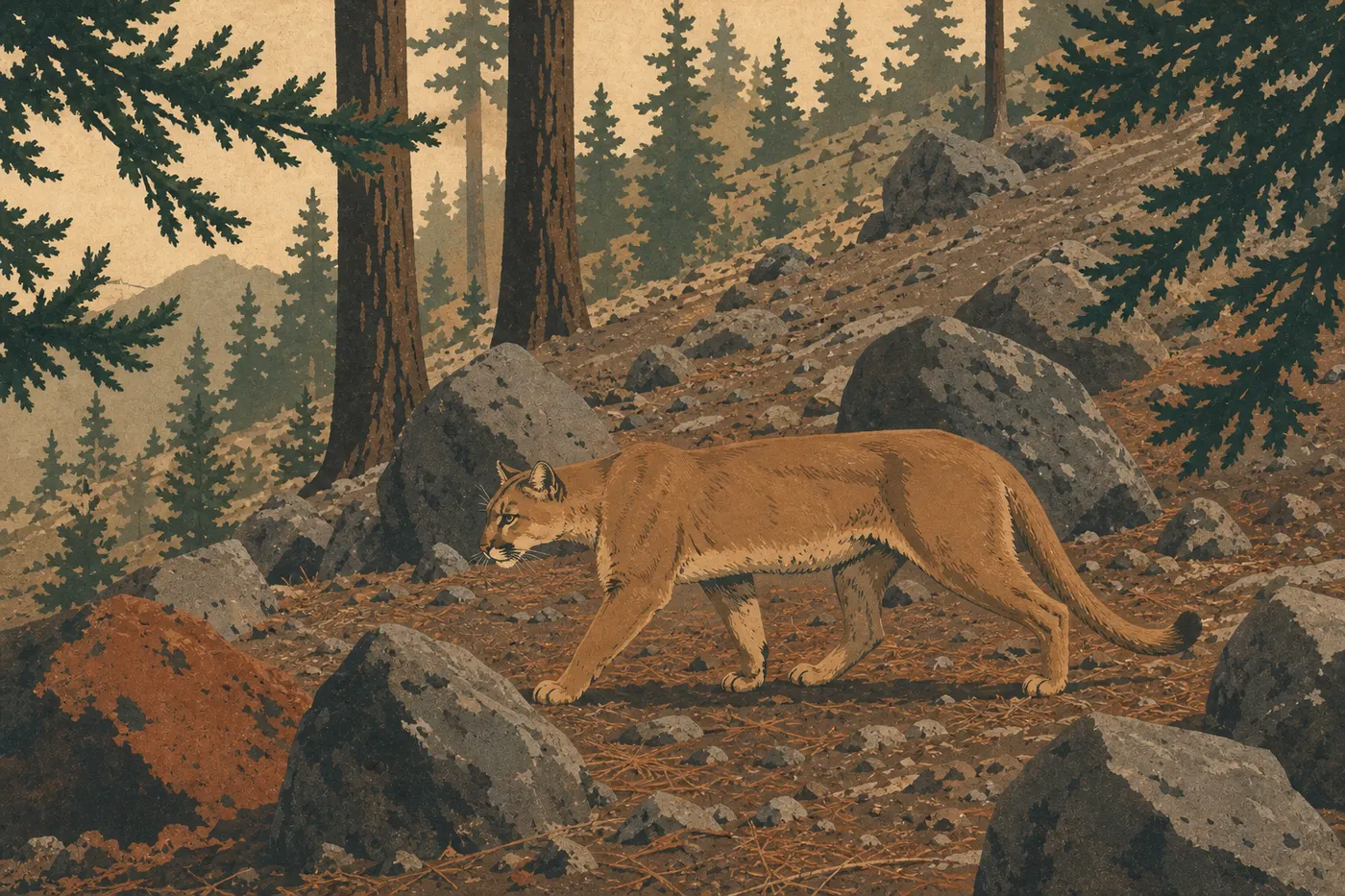
The mountain lion (Puma concolor), also called a cougar, is the largest cat at Lassen. An adult male weighs between 130 and 200 pounds and roams a territory spanning several hundred square miles. Solitary and mostly nocturnal, it primarily hunts mule deer.
Seeing one is exceptional, not because it's rare in the park, but because it's a master of stealth. NPS camera traps regularly confirm its presence. On a dawn outing along the Kings Creek Trail, we found fresh tracks in the mud just a few feet from the trail. That's often the most tangible sign you'll get.
How to Recognize the Western Rattlesnake Among the Park’s Snakes
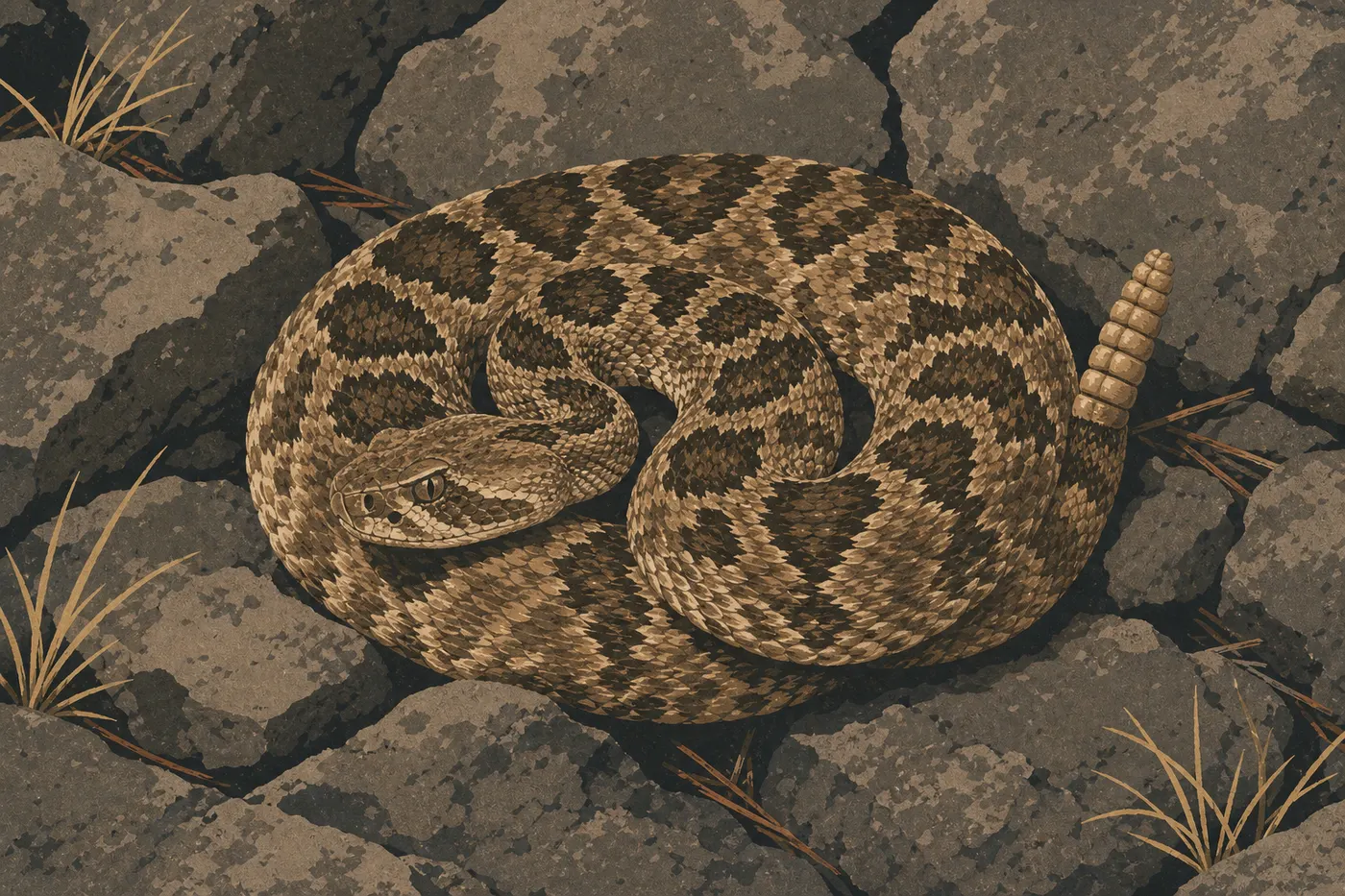
Lassen is home to several snake species. Only one is venomous: the western rattlesnake (Crotalus oreganus). It has a triangular head, vertically slit pupils, a stocky body, and, if you get too close, a rattle at the end of its tail. Other species found here, including garter snakes (Thamnophis spp.) and the California kingsnake (Lampropeltis californiae), are harmless and much more common.
Here's a simple backcountry rule: never turn over a rock or log with your hands, and watch where you step on rocky trails exposed to the sun. A rattlesnake isn't looking for contact. It bites only when it feels threatened or surprised.
Where to See Wildlife in Lassen Volcanic
The park's best wildlife opportunities are concentrated in three distinct areas.
Manzanita Lake and its surroundings (north entrance): this is the most accessible and productive area. Otters, mule deer, and ducks are almost guaranteed in the morning. Black bears visit the woods near the campgrounds after dark.
The Summit Lake meadows: mule deer regularly graze here in the late afternoon. It's also a good area for spotting California marmots among the surrounding talus slopes.
The high-elevation trails (Lassen Peak Trail, Bumpass Hell): mammals are rarer here, but American pikas, small lagomorphs whose piercing calls give them away before you see them, and golden-mantled ground squirrels (Callospermophilus lateralis) are everywhere on the rocky slopes. Red-tailed hawks regularly soar over these areas in search of prey.
Woodpeckers and hummingbirds can be seen wherever vegetation is dense, especially along the forest trails in the southern part of the park. Our Lassen Volcanic hiking guide identifies the trails that pass through the best wildlife corridors.
When to Watch Wildlife at Lassen Volcanic
For a day of wildlife watching, the two best windows never change: the first hour after sunrise and the last hour before sunset. Deer and bears are actively moving then, while raptors hunt above the meadows.
Night belongs to mountain lions, bats (14 species have been recorded in the park), and raccoons. In summer, a nighttime outing around Manzanita Lake with a red flashlight, which won't dazzle the animals, may reveal bats hunting insects over the water.
By season, the park is most active from June through October. In September and October, the mule deer rut begins, and bears travel more widely to build up reserves before winter. Snow closes the high-elevation roads from November through May, sometimes into June. Our guide to when to visit Lassen covers the details month by month.
Predators and Large Animals of Lassen Volcanic
The black bear is the park's largest land animal, with some individuals weighing more than 440 pounds. The mountain lion, the second apex predator in the food chain, regulates deer populations. The two species coexist without direct conflict. Their diets and active hours rarely overlap.
On a smaller scale, the river otter is the main aquatic predator in Manzanita Lake. The coyote (Canis latrans) is also present and mostly hunts small rodents and snowshoe hares.
Visitors from the eastern United States should know that there are no grizzly bears or alligators at Lassen. The grizzly disappeared from California in the early twentieth century. The only venomous animal posing a direct risk is the western rattlesnake.
How to Watch Wildlife Safely
NPS and Leave No Trace guidelines boil down to four practical rules.
Keep your distance: stay at least 300 feet from bears and at least 100 feet from any other large mammal, including mule deer and coyotes. If an animal changes its behavior, such as stopping, staring at you, or speeding up, you're too close. Back away without turning your back and without running.
Never feed an animal. A bear that associates people with food becomes dangerous and must be euthanized by the park. Always use the bear boxes at campgrounds, and don't leave anything in your vehicle, not even a granola bar in the glove compartment.
If you encounter a mountain lion: don't run. Make yourself look bigger by raising your arms, speak in a firm voice, and back away slowly. If the animal attacks anyway, fight back actively and aim for the nose and eyes.
Manage your trash: anything with an odor, including food scraps, packaging, toothpaste, and deodorant, belongs in the designated containers. Burying it isn't enough. A bear can find buried food more than 3 feet underground.
Our “Practical Information, Rules, and Safety” page covers complete incident procedures, as well as the park's emergency contacts.
In Brief: Species Not to Miss and Where to Find Them
| Species | Best area | Best time |
|---|---|---|
| Black bear | Around Manzanita Lake, campgrounds | May through October, morning and evening |
| Mule deer | Summit Lake meadows | All season, around sunset |
| River otter | Manzanita Lake | Spring and summer, late morning |
| Sierra Nevada red fox | High-elevation trails | June and July, dawn |
| Mountain lion | Anywhere in the park, almost invisible | Tracks are more likely than the animal itself |
| Western rattlesnake | Sunny, rocky trails | Summer, the warmest hours of the day |
Frequently Asked Questions
What animals can you find in Lassen Volcanic National Park?
The park is home to mammals (black bear, mountain lion, mule deer, Sierra Nevada red fox, river otter, marmot, pika, snowshoe hare, coyote, and 14 bat species), birds (woodpeckers, hummingbirds, hawks, and Steller's jays), reptiles (western rattlesnake and garter snakes), and amphibians (long-toed salamander, western toad, and Pacific tree frog). The NPS's complete list includes more than 300 animal species.
What is the most common animal in Lassen?
Mule deer are the animals visitors encounter most often. They're found in nearly every part of the park, from campgrounds to high-elevation meadows.
What new species was discovered at Lassen Volcanic?
The question probably refers to the Sierra Nevada red fox (Vulpes vulpes necator). Its documented presence at Lassen surprised biologists. This extremely rare subspecies hadn't been officially recorded in the area until NPS camera-trap images confirmed it.
Are there mountain lions in Lassen Volcanic National Park?
Yes. Mountain lions live in the park, and rangers regularly confirm their presence with camera traps. Visitors rarely see them because they're naturally elusive and mostly nocturnal. Direct encounters remain extremely unusual.
What animals are out at night in Lassen Volcanic?
Mountain lions, the 14 bat species, raccoons, coyotes, and most rodents are most active after sunset. In summer, bats are especially visible at dusk over Manzanita Lake.
What is the largest animal in Lassen Volcanic?
The black bear is the park's largest land animal. Some males can weigh more than 440 pounds. The more slender mountain lion can reach 200 pounds but looks less imposing.