
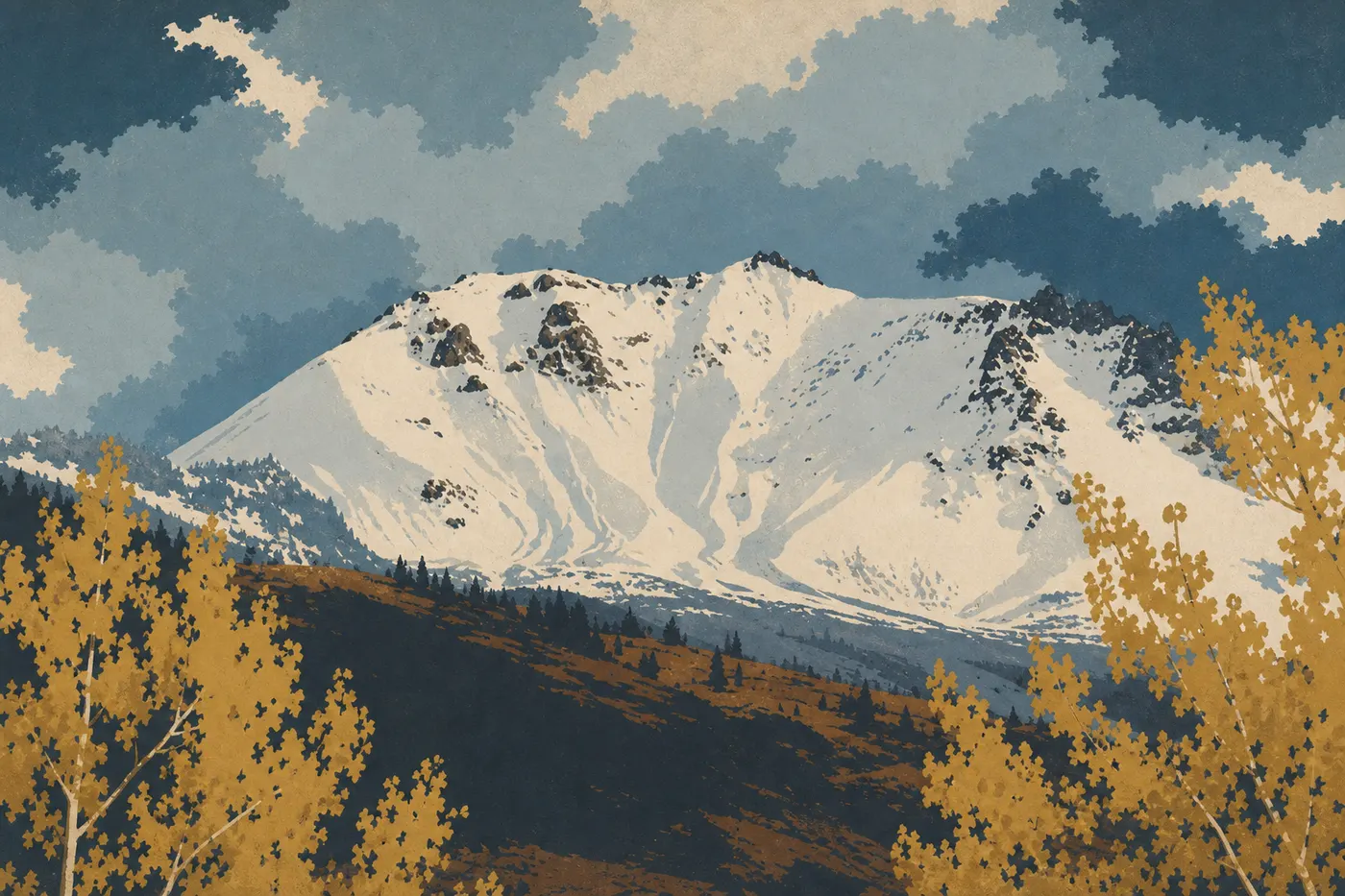
Weather at Lassen Volcanic: Forecast, Climate, and Current Conditions
Lassen Volcanic is a high-elevation park in Northern California's mountains, and the weather follows a harsh pattern: winter is long, cold, and very snowy, the main road closes for about six months a year, and summer offers a short but genuinely pleasant access window. The key numbers tell the story. Temperatures fall below freezing an average of 164 days a year, and rise above 90°F only about 30 days, concentrated in July and August.
Current readings are unavailable. See the seasonal averages farther down this page.
Open-Meteo readings · updating… · park time zone
Lassen Volcanic Climate Month by Month
The temperatures below reflect averages recorded at the park's reference elevation, around 5,700 feet in the Manzanita Lake area. As you climb toward the summit of Lassen Peak (10,456 feet), expect temperatures 9 to 14°F lower.
| Month | Avg. High | Avg. Low | Conditions |
|---|---|---|---|
| January | 41°F | 21°F | Heavy snow, road closed |
| February | 43°F | 23°F | Heavy snow, road closed |
| March | 48°F | 27°F | Frequent snow, road closed |
| April | 55°F | 32°F | Freezing nights, road closed |
| May | 64°F | 39°F | Road opening underway |
| June | 77°F | 45°F | Road open, wildflowers |
| July | 88°F | 50°F | Peak heat, high season |
| August | 86°F | 50°F | Warm, evening thunderstorms possible |
| September | 79°F | 45°F | Ideal conditions, fewer visitors |
| October | 64°F | 36°F | Freezing nights, snow possible at higher elevations |
| November | 50°F | 28°F | First significant snow, closures underway |
| December | 43°F | 23°F | Heavy snow, road closed |
January temperatures (high 40°F / low 21°F) and July temperatures (high 88°F / low 50°F): official NPS data. Other months are estimates based on the regional climate pattern in Northern California at 5,700 feet.
Year-to-year variability is significant, especially when it comes to the road reopening date. In some years, sections haven't reopened until July.
Is Lassen Volcanic Cold? Records and Extremes
Yes, very. With about 164 freezing days each year, the park spends almost half the year below freezing. Snow can build up several feet deep on the main road, which explains the six-month closure. In summer, heat can be surprising in sheltered areas at lower elevations, where temperatures top 90°F about 30 days a year. The difference between the valley floor and the summit of Lassen Peak (10,456 feet) can exceed 27°F in a single day.
High-elevation wind is an often-overlooked factor. At 9,843 feet, a 59°F day with wind can feel like 41°F without it. Plan accordingly, especially if you're heading for the summit of Lassen Peak.
What to Wear by Season
Summer (June to September). Light layers in the morning, a T-shirt from 10 a.m. onward, and a fleece or soft-shell jacket for the hike back and the evenings. Sunscreen is essential because elevation increases UV exposure. Wear trail shoes or hiking shoes with good traction as soon as you leave the flat trails. Carry at least 2 liters of water for longer outings.
Spring and fall. Use a layering system with a thermal base layer, an insulating midlayer, and a waterproof windbreaker. Conditions change quickly. When camping, a sleeping bag rated for below-freezing temperatures remains useful through June and again starting in October.
Winter. Wear warm technical clothing, including a down jacket and thermal underwear, along with waterproof footwear and light traction devices for icy trails. Bring snowshoes if you're heading away from cleared areas. A basic safety kit, including an emergency blanket and emergency food, is still recommended for any outing more than an hour from the car.
Alerts and Conditions to Watch
Road closures. Highway 89 crosses the park from end to end and closes every winter because of snow. Check real-time conditions on the official NPS website before traveling between October and June.
Volcanic activity. Lassen is an active volcano under continuous monitoring. Hydrothermal areas such as Bumpass Hell and Sulphur Works contain extremely hot springs and crusts that look solid but can give way under an adult's weight. Stay strictly on marked trails and never cross a barrier. Serious burns have occurred when visitors left the trail.
Wildfires. Fire danger rises from July through October. Partial or full closures may take effect with little notice in dry, windy conditions. Check NPS and Cal Fire alerts before you leave.
Sudden thunderstorms. In August, thunderstorms can develop quickly at higher elevations. Plan summit hikes for early morning and start descending before 1 p.m. if clouds are building on the horizon.
Frequently Asked Questions
What is the temperature in Lassen Volcanic National Park?
Temperatures at Lassen Volcanic vary widely by season. In January, average temperatures are 41°F during the day and 21°F at night. In July, daytime temperatures reach 88°F, with nighttime temperatures around 50°F in the park's lower areas at roughly 5,700 feet.
What's the weather like at Lassen Volcanic right now?
Current conditions are displayed in real time in the dedicated panel at the top of this page.
Is Lassen Volcanic cold?
Yes, very cold from November through April. The park records about 164 freezing days a year, and the main road remains closed for about six months because of snow. Even in summer, nighttime temperatures drop to around 50°F in the lower areas, and the summit of Lassen Peak can be frigid at any time of day.
Is Lassen Volcano active today?
Lassen Volcanic is an active volcano under continuous USGS monitoring. Its last major eruption took place from 1914 to 1917. Current activity consists of fumaroles, hot springs, and boiling mud areas, all marked and accessible on official trails. No eruption is underway, but monitoring is continuous.
Are there grizzly bears in Lassen Volcanic National Park?
No. Grizzly bears disappeared from California in the early 20th century. The park's wildlife includes black bears, mule deer, and coyotes. For precautions and guidance on observing wildlife, see the Lassen Volcanic wildlife page.