
When to Visit Lassen Volcanic: Best Season and Weather
Lassen Volcanic is in a different category from California's postcard parks. Volcanic activity is alive here, the snow is real, and the calendar is unforgiving. The main road crosses the mountain range at an average elevation of more than 5,600 feet and stays closed by snow for about six months a year. The result is a fully open window that lasts only from mid-July to early October.
The best time to visit Lassen Volcanic is July through mid-September, when every road is passable, Bumpass Hell steams in the sunshine, and the trails to the summit of Lassen Peak (10,456 feet) are snow-free. To avoid the crowds without giving up good conditions, aim for the second half of August or, better yet, the entire month of September.
Lassen Volcanic Climate Month by Month
The figures below are recorded for the park's main area, around 5,700 feet in elevation. At the summit of Lassen Peak, expect temperatures 11 to 14°F lower than the listed highs. For hour-by-hour forecasts and detailed data, Lassen Volcanic weather forecasts provide the full picture.
| Month | High | Low | Precipitation | Highway 89 |
|---|---|---|---|---|
| January | 41°F | 21°F | Heavy snow | Closed |
| February | 41°F | 23°F | Heavy snow | Closed |
| March | 46°F | 25°F | Snow and rain | Closed |
| April | 54°F | 30°F | Variable | Closed |
| May | 63°F | 36°F | Variable | Closed |
| June | 72°F | 43°F | Light | Partially open |
| July | 88°F | 50°F | Very light | Open |
| August | 86°F | 48°F | Very light | Open |
| September | 77°F | 43°F | Light | Open |
| October | 63°F | 34°F | Moderate | May close |
| November | 48°F | 27°F | Possible snow | Closed |
| December | 41°F | 21°F | Heavy snow | Closed |
Sources: NPS and local weather stations. Average figures for the park's lower elevations.
Lassen Volcanic in January
January is the park's most wintry month, with daytime temperatures around 41°F and nighttime lows of 21°F, heavy snow, and Highway 89 closed. Only the southwest area remains accessible from the Kohm Yah-mah-nee Visitor Center. Visitation is nearly nonexistent. Snowshoers and cross-country skiers find peaceful terrain here in a park that feels completely deserted.
Lassen Volcanic in February
February looks much like January: heavy snow, nighttime temperatures near 23°F, and the main road closed. The Kohm Yah-mah-nee Visitor Center remains open and offers marked trails for snowshoers. There are no services elsewhere in the park. The winter landscape is striking, but exploration is limited to the southwest area.
Lassen Volcanic in March
Days gain a few degrees in March, reaching around 46°F, but snow remains common at higher elevations and Highway 89 is still closed. The light improves and the days grow longer, making this an interesting month for winter photography from the southwest area. Wildlife begins moving at lower elevations, but most of the park remains inaccessible.
Lassen Volcanic in April
Daytime temperatures rise to 54°F in April, but nights still drop to around 32°F and the road remains closed. This is when black bears emerge from hibernation, and you may be able to watch them from the lower areas of the southwest section. Meadows turn green and the first migrating birds arrive. Access remains limited to the park's southwest quarter.
Lassen Volcanic in May
May is the month of transition, with snow melting at lower elevations, meadows in full bloom, and migrating birds arriving in large numbers. Temperatures reach 63°F during the day. Highway 89 is still closed, but its opening is approaching, generally between mid-June and early July depending on the previous winter's snowfall. This is the best season for naturalists willing to stay in the southwest area.
Lassen Volcanic in June
June is a turning point. Highway 89 partially opens during the month, wildflowers carpet the high-elevation meadows, and daytime temperatures reach 72°F. Nights remain cool at 43°F, and some high-elevation trails still hold snow, so gaiters are recommended. Check road conditions on the NPS website before booking. The opening date varies each year depending on the snowpack.
Lassen Volcanic in July
July is the heart of the peak season. All access points are open, daytime temperatures reach 88°F, and high-elevation trails are generally snow-free. Bumpass Hell, Lassen Peak, and Cinder Cone are all accessible. The trade-off is full campgrounds and packed parking lots by midmorning on weekends. Start any exposed ascent before 7 a.m. Afternoon thunderstorms are common from July through early August.
Lassen Volcanic in August
August extends July's similar conditions, with daytime temperatures around 86°F, nights at 48°F, and crowds still high. Late-afternoon thunderstorms continue, especially early in the month. Advance reservations through Recreation.gov are essential for campgrounds. Bring a warm layer for the nights, even in midsummer.
Lassen Volcanic in September
September is our first choice. Hiking conditions are the same as in July and August, with daytime temperatures around 77°F and snow-free trails. Crowds thin out noticeably, and the aspen groves begin turning gold. Highway 89 remains open, and lodging around the park is less expensive. It's the winning combination for a first visit.
Lassen Volcanic in October
October is short but spectacular. Aspens and cottonwoods put on a display of yellow and orange, temperatures drop to 63°F during the day and 34°F at night, and snow can fall at higher elevations as early as mid-October. Highway 89 may close without notice. Plan your visit within the first 10 days of the month for the best chance of finding the road open and the main facilities operating.
Lassen Volcanic in November
November marks the park's gradual closure. The first serious snowstorms arrive, Highway 89 closes as soon as conditions require, and daytime temperatures stay below 48°F. Only the Kohm Yah-mah-nee Visitor Center remains open. This month is suitable only for visitors content to stay in the southwest area on snowshoes.
Lassen Volcanic in December
December brings full winter: heavy snow, a closed road, and nighttime temperatures around 23°F. The park is nearly deserted. For those who enjoy solitude and winter landscapes, the southwest area offers peaceful snowshoe outings. Check whether the visitor center is open before making the trip.
Lassen Volcanic Season by Season
Winter (November to March)
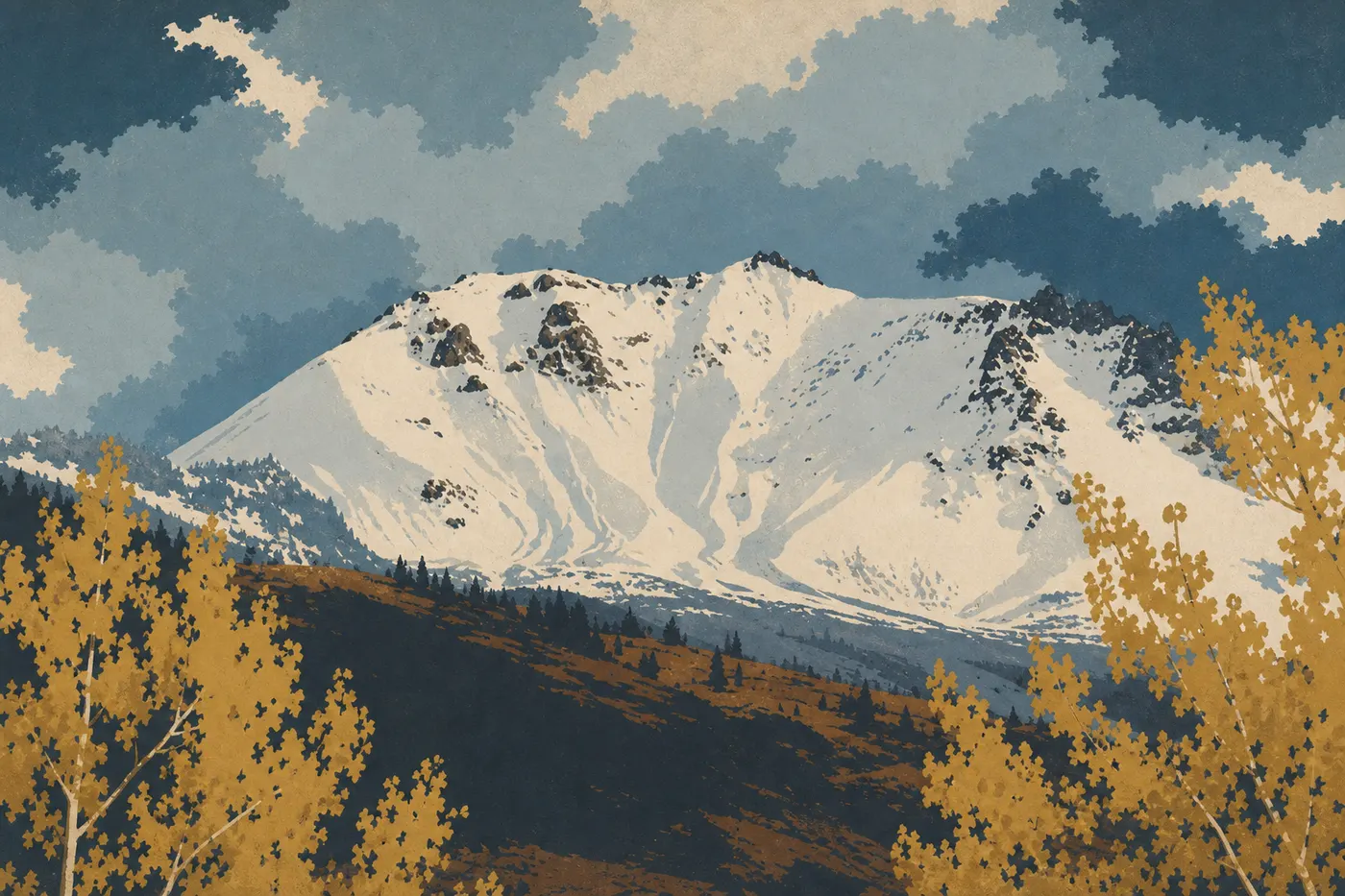
Winter locks up the park. Highway 89, the main artery running north to south through the mountain range, closes after the first significant snowfalls, generally in November. Temperatures drop below 32°F at night throughout the park, and snow totals can reach 16 feet at higher elevations in some years.
That doesn't make it a season without appeal if you like snow-covered mountains. Cross-country skiing and snowshoeing are possible from the southwest entrance at the Kohm Yah-mah-nee Visitor Center, the only visitor center open year-round. Wildlife keeps a low profile: bears hibernate, and mule deer have moved into the lower valleys. For the rest of the park, patience is required.
Spring (April to June)
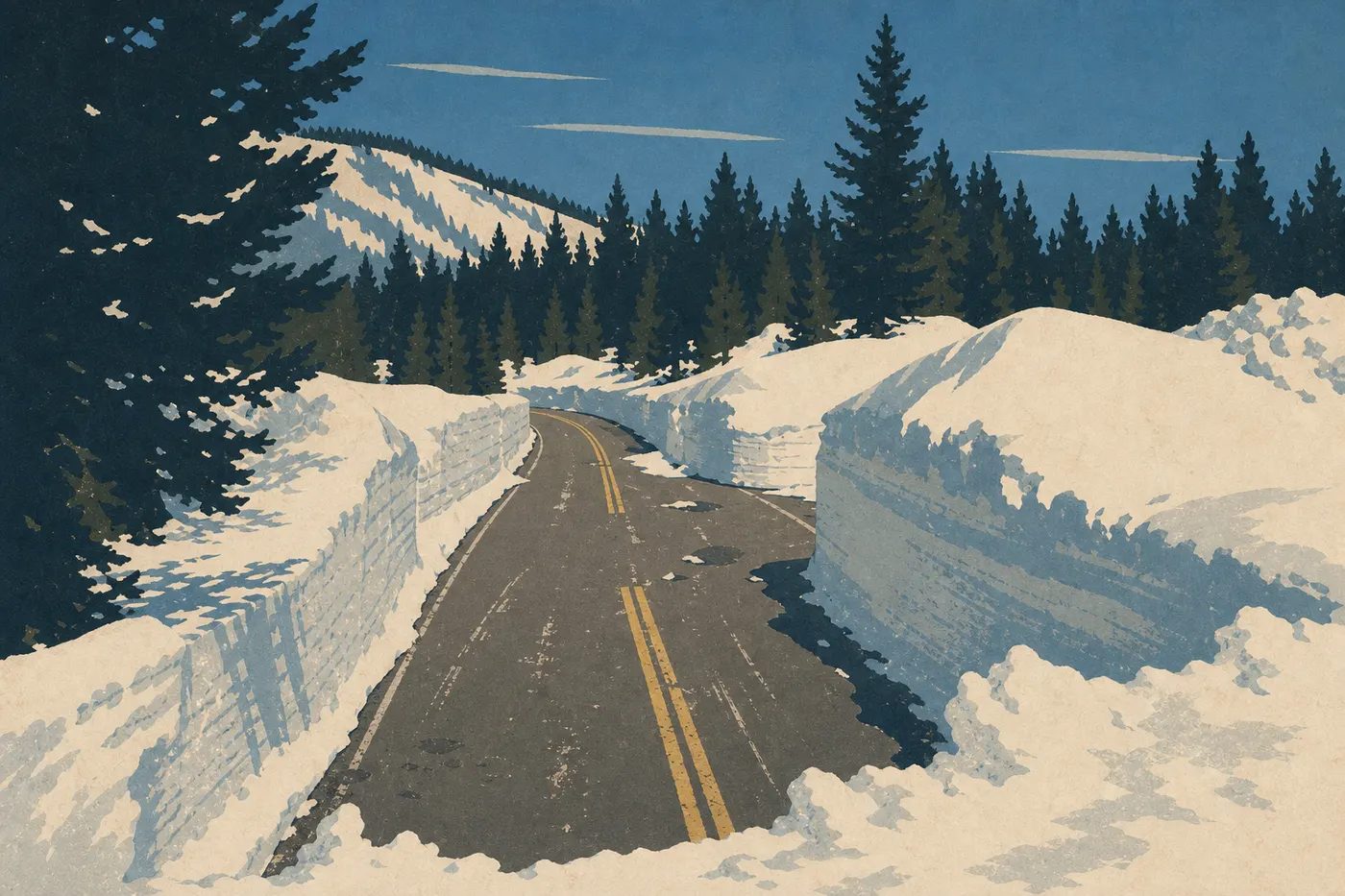
Spring at Lassen is a long, unpredictable transition season. Snow gradually melts at lower elevations starting in April, but Highway 89 remains closed until mid-June, and sometimes later after especially snowy winters. The actual opening depends on the previous winter's snow surveys, so check the NPS website before booking.
Here's what makes a visit worthwhile during this period: waterfalls swell, meadows turn green before your eyes, and wildlife really starts to stir. Black bears emerge from hibernation in April, and migrating birds arrive in large numbers in May. This is the best season for naturalists willing to limit their exploration to the southwest area.
The practical limitation is that trails remain muddy and snow-covered at higher elevations through late June. Gaiters and trekking poles are essential.
Summer (July to September)
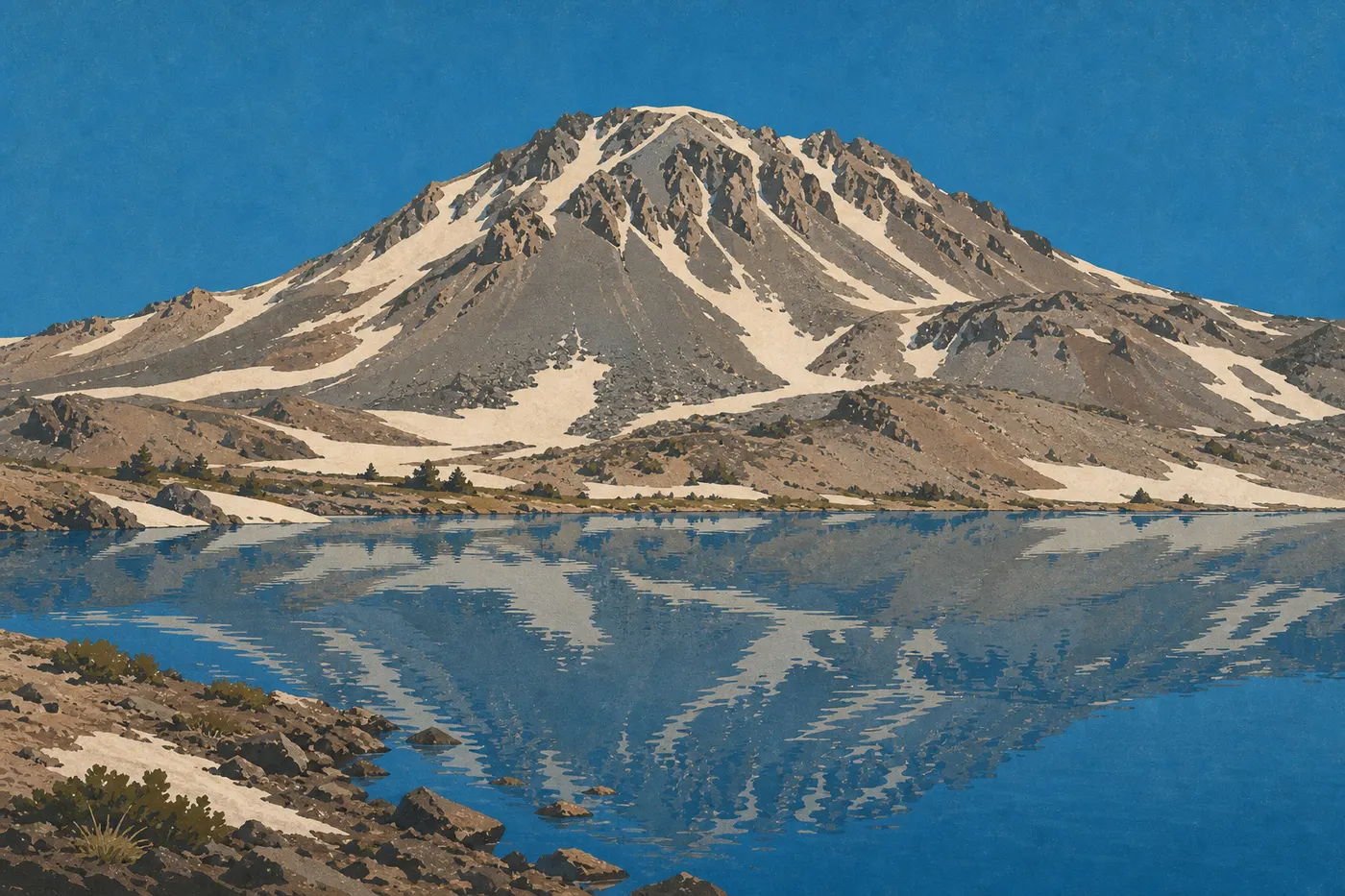
This is the main season and, frankly, the only one when you can see the park in its entirety. Highway 89 is open, and Bumpass Hell, Cinder Cone, and Lassen Peak are accessible by trail. Daytime temperatures reach 77 to 88°F in the lower areas, but nights drop to 43 to 50°F. A warm layer is nonnegotiable, even in August.
July and August account for most of the year's visitors. Manzanita Lake campgrounds fill up weeks in advance, and parking lots at popular trailheads are full by midmorning on weekends. September solves nearly all of these problems. Hiking conditions remain the same, the aspens turn gold, and you'll see half as many people on the trails.
One nonnegotiable safety point: afternoon thunderstorms are common from July through early August. Start any ascent before 7 a.m. and head back down before 1 p.m., especially on Lassen Peak, where you're fully exposed above 9,200 feet.
Fall (October)
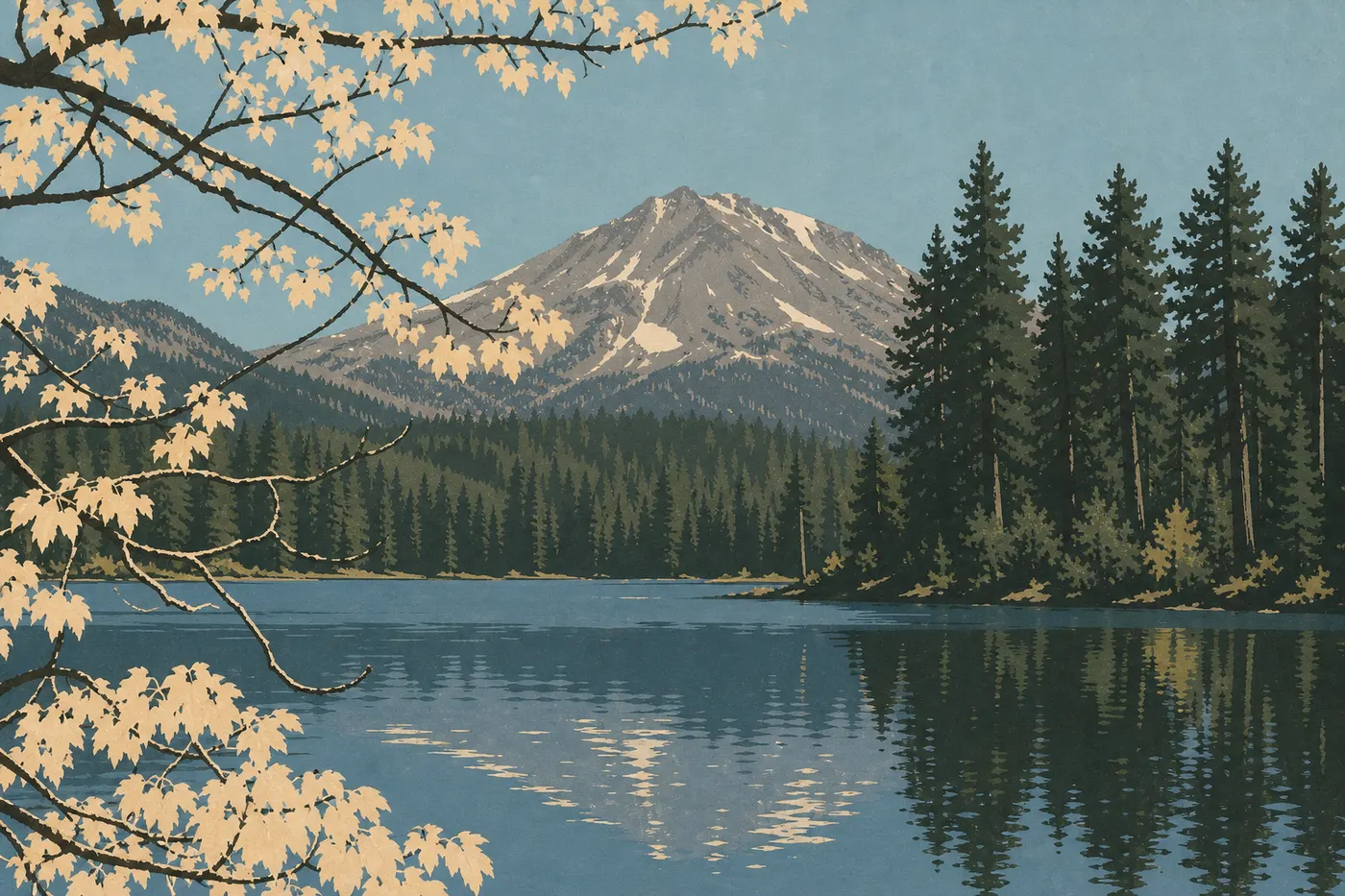
October is short but spectacular. Cottonwoods and aspens turn bright yellow, the park grows quiet again, and nights cool off quickly. Highway 89 remains open until the first snowfalls, which can arrive as early as the first half of October in early-snow years.
Practical advice: plan your visit within the first 10 days of October for the best chance of finding the road open and the main facilities still operating.
Crowds: When to Avoid Them
Lassen Volcanic receives about 500,000 visitors a year, according to the NPS. That's modest compared with Yosemite, but the park's small size means a few thousand people are enough to fill the Bumpass Hell parking lot or the Manzanita Lake campground on a July Sunday.
| Period | Crowds | Advice |
|---|---|---|
| July and August weekends | Highest | Visit on a weekday and arrive before 8 a.m. |
| July and August weekdays | High | Reserve a campground on Recreation.gov months ahead |
| September | Moderate | Ideal balance of conditions and crowds |
| October | Low | Monitor weather alerts and road closures |
| November to June | Nearly none | Road closed and access very limited |
One advantage Lassen has over Yosemite or Arches is that there's no timed entry reservation system. You don't have to reserve access to the park itself, only your campground nights.
Best Time to Visit on a Budget
Prices follow the crowds. July and August are the peak-price months for lodging in Redding, Red Bluff, and Chester, the three gateway towns to the park. Expect to pay 20 to 30% less in September at most properties, with far more comfortable availability.
June, as soon as the road opens, also offers good value for visitors focusing on the southwest area, including Bumpass Hell and Sulphur Works, which is accessible year-round. The entrance fee is $30 per private vehicle, valid for 7 days. The park's annual pass costs $55. For everything related to lodging in and around the park, Lassen Volcanic lodging is organized by season and budget.
The Best Time for Every Type of Traveler
Wildlife watching. Spring, from May through June, is unbeatable for migrating birds and for seeing black bears soon after they emerge from hibernation. Summer works well for families who want safer conditions for reaching viewing areas. The Lassen Volcanic wildlife guide lists species and the best areas to visit by month.
Hiking. July through mid-September, without question. Every trail is snow-free, including the climb up Lassen Peak. For Bumpass Hell, a 3.1-mile round-trip hike with moderate elevation gain, the season runs from mid-June through mid-October depending on the year. The Lassen Volcanic hiking guide covers every route.
Photography. Two exceptional windows stand out: sunrise over Lassen Peak in July and August, when skies are often clear at dawn and the horizon stretches 360 degrees, and the aspens' fall colors in October. Bumpass Hell and Sulphur Works' hydrothermal vents are photogenic year-round, even from the southwest area in winter.
Families. July and August offer safer conditions and the most activity in the park, with ranger programs and visitor centers in full operation. The Lassen Volcanic family guide lists activities by age group.
Budget travelers. September on a weekday. Reserve a campsite in advance through Recreation.gov, pay $30 per vehicle for 7 days of entry, and take advantage of lower lodging rates. It's the winning combination.
In Summary: The Best Time for Every Type of Traveler
| Traveler profile | Recommended time |
|---|---|
| First-time visit, all audiences | July through mid-September |
| Avoiding crowds | September |
| Alpine hiking (Lassen Peak) | July and August |
| Wildlife and birding | May and June |
| Fall-color photography | Early October |
| Budget travel | September on a weekday |
| Cross-country skiing and snowshoeing | December through March |
To plan your trip in detail, the Lassen Volcanic guide brings together all the park's practical information.
The Worst Time to Visit Lassen Volcanic
Winter, from November through April, is the most challenging season logistically. Highway 89 is closed, access is limited to the southwest area, and most trails are buried under snow. That doesn't mean the park has nothing to offer, but you have to accept a very partial experience and demanding weather.
In summer, July weekends are the toughest time for anyone hoping for a peaceful visit. Parking lots fill by 9 a.m., campgrounds are booked weeks ahead, and trails stay busy all day. If you can't visit on a weekday or move your trip to September, arrive before 7:30 a.m. and target less crowded areas such as Warner Valley or Cinder Cone.
Frequently Asked Questions
When is the best time to visit Lassen Volcanic?
The best time to visit Lassen Volcanic is from July through mid-September. It's the only window when every road is open and all the trails are accessible. September is our favorite recommendation, with ideal conditions, lighter crowds, and the first fall colors.
What's the climate like at Lassen Volcanic?
Lassen Volcanic has a high-mountain climate. Winters are long and snowy, with snow totals that can exceed 16 feet at higher elevations. Summers are dry and sunny, with daytime temperatures around 77 to 88°F in the lower areas and cool nights around 43 to 50°F. Snow can fall in any month of the year above 8,200 feet.
When does Lassen Volcanic's main road open?
Highway 89, which crosses the park from north to south, generally opens between mid-June and early July depending on the previous winter's snow totals. The NPS confirms the official opening on its website before the season. The southwest area, reached through the Kohm Yah-mah-nee Visitor Center, remains accessible year-round.
Can you visit Lassen Volcanic in winter?
Yes, but adjust your expectations. Highway 89 is closed from around November through June, and only the southwest area around the Kohm Yah-mah-nee Visitor Center remains accessible. The park is open year-round, including in December, but activities are limited to snowshoeing and cross-country skiing. If you want to see Bumpass Hell, Lassen Peak, or Cinder Cone, wait until summer.
What is the least crowded month?
January and February are the quietest months, but access is very limited to the southwest area. For the best balance of solitude and access, October is the right choice. Crowds drop, the road is still open during the first days of the month, and fall colors are on display.
What is the best month to visit Northern California?
The best month to visit Northern California depends on your plans. September offers several advantages for Lassen Volcanic, Lake Tahoe, and the redwoods, including lighter crowds, stable conditions, and the start of fall colors. For an overview of the region, the Regions section provides guidance on combining Northern California's parks.
How long do you need to visit Lassen Volcanic?
Two days are enough to cover the highlights, including Bumpass Hell, Lassen Peak, and Manzanita Lake. Three days give you time to explore Cinder Cone and Warner Valley. The 1-, 2-, and 3-day Lassen Volcanic itineraries work for every hiking level.
Is Lassen Volcanic worth visiting?
Yes, especially if you're looking for a less crowded alternative to California's major parks. Bumpass Hell's hydrothermal landscape is among the country's most accessible and spectacular, and the climb up Lassen Peak offers views across four states on a clear day. The lack of a timed entry reservation system is a welcome convenience compared with Yosemite or Arches.