
What to Do in Kenai Fjords: Top Experiences and Activities
Just 126 miles south of Anchorage, Kenai Fjords packs into a relatively compact area what few American parks can offer in a single day: glaciers spilling straight into the sea, extraordinary marine wildlife, and the chance to hike right up to an active glacier. The park divides into two very different worlds, and each calls for a different way of visiting.
The highlights at a glance: a fjord cruise with calving glaciers, whales, and seals all in one day; the climb to Exit Glacier to see the retreat of the ice firsthand; and, for experienced hikers, the Harding Icefield Trail, which rises above one of the largest ice fields in the United States.
Kenai Fjords at a Glance: Areas, Access, and Getting Around
Kenai Fjords is a park with two faces. Understanding that split should come before you plan your visit.
The land-based area comes down to one road, Exit Glacier Road, about 8 miles northwest of Seward. In summer, an NPS visitor center opens at the end of the road, usually from May through September, and parking is free. In winter, crews do not plow the road, and it closes to vehicle traffic with the first snowfall.
The coastal and fjord area covers more than 95% of the park. You cannot reach it by land. You have two options: organized cruises departing from Seward Harbor, with several companies offering half-day trips into Resurrection Bay or full-day excursions to the glacial fjords, or water taxis that drop off kayakers and campers in remote coves. In July, seats on longer cruises often sell out several days ahead, so book early.
Seward, the essential starting point, is a small fishing town with a busy harbor, a few restaurants, and limited lodging. If you're driving, taking the Alaska Railroad, or joining a sightseeing bus from Anchorage to Seward, the Kenai Fjords access guide covers your options and offers advice on parking near the harbor.
How Much Time Do You Need to Visit Kenai Fjords?
Two full days is the minimum if you want to see the park without giving anything up. Ideally, spend the first day on a full-day fjord cruise, leaving early in the morning and returning in the late afternoon. Spend the second at Exit Glacier. With three or four days, you can add a sea-kayaking trip, see Exit Glacier in different light, and leave room for a rainy day, which is common in Alaska, without feeling rushed.
If you've got less than a day, choose the cruise. It brings together the park's most iconic experiences without requiring any particular physical effort. The day-by-day Kenai Fjords itineraries can help you plan around the time you have.
Kenai Fjords Highlights by Area
Exit Glacier: Almost Close Enough to Touch
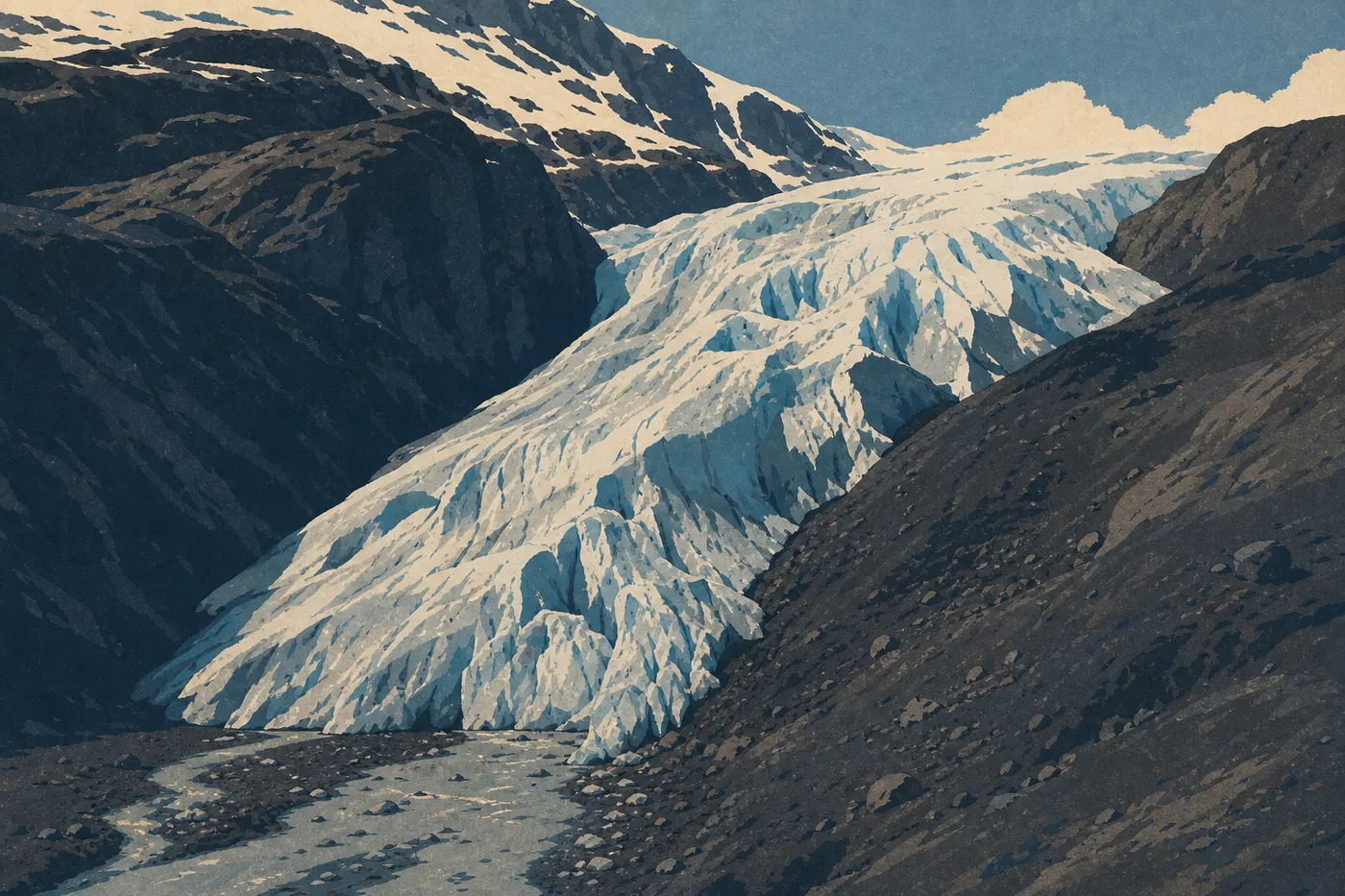
Exit Glacier is not a consolation prize for visitors who skip the boat. It stands on its own as a hands-on, educational experience that shows the retreat of the ice in a way documentaries cannot.
The Glacier View Loop is about 0.8 miles, flat, and ideal for families. It follows the lateral moraine to several viewpoints facing the glacier's terminus. Markers set into the rock line the route and show the glacier's successive positions: 1815, 1850, 1899, 1950, 1980... Each marker sits a little farther from the ice than the one before it. Within a few minutes of walking, you grasp how far the glacier has retreated over two centuries. It is understated, with no staging, and it hits home.
The Overlook Loop, about 1.2 miles with a gentle climb, heads up the moraine for elevated views of the glacier tongue and the glacial river valley. It is a good choice when the area at the base of the glacier gets crowded in the middle of the day.
The Harding Icefield Trail is in a category of its own. The roughly 8-mile round trip gains about 3,600 feet as it climbs through spruce forest and then across a snowfield before opening abruptly onto Harding Icefield, a silent white expanse broken here and there by nunataks, the rocky ridges that rise through the ice. On a clear day, the view is beyond anything you can imagine from below. Allow 6 to 8 hours for the round trip. The upper section often stays snowy through July, so waterproof footwear and trekking poles are essential. The Kenai Fjords hiking guide covers this trail in detail, including elevation gain and seasonal conditions.
Safety and bears: Black bears and grizzlies frequent the Exit Glacier area. The NPS temporarily closes the lower section of the trail when a bear is nearby. Hike in a group, make noise by talking or tapping your poles, and keep your bear spray within reach, not buried in your pack. Regulations require a minimum distance of 300 feet from any bear.
You may also spot mountain goats on the rocky cliffs above the glacier. Look for white specks along the ridgelines.
Resurrection Bay: Whales Right Outside the Harbor
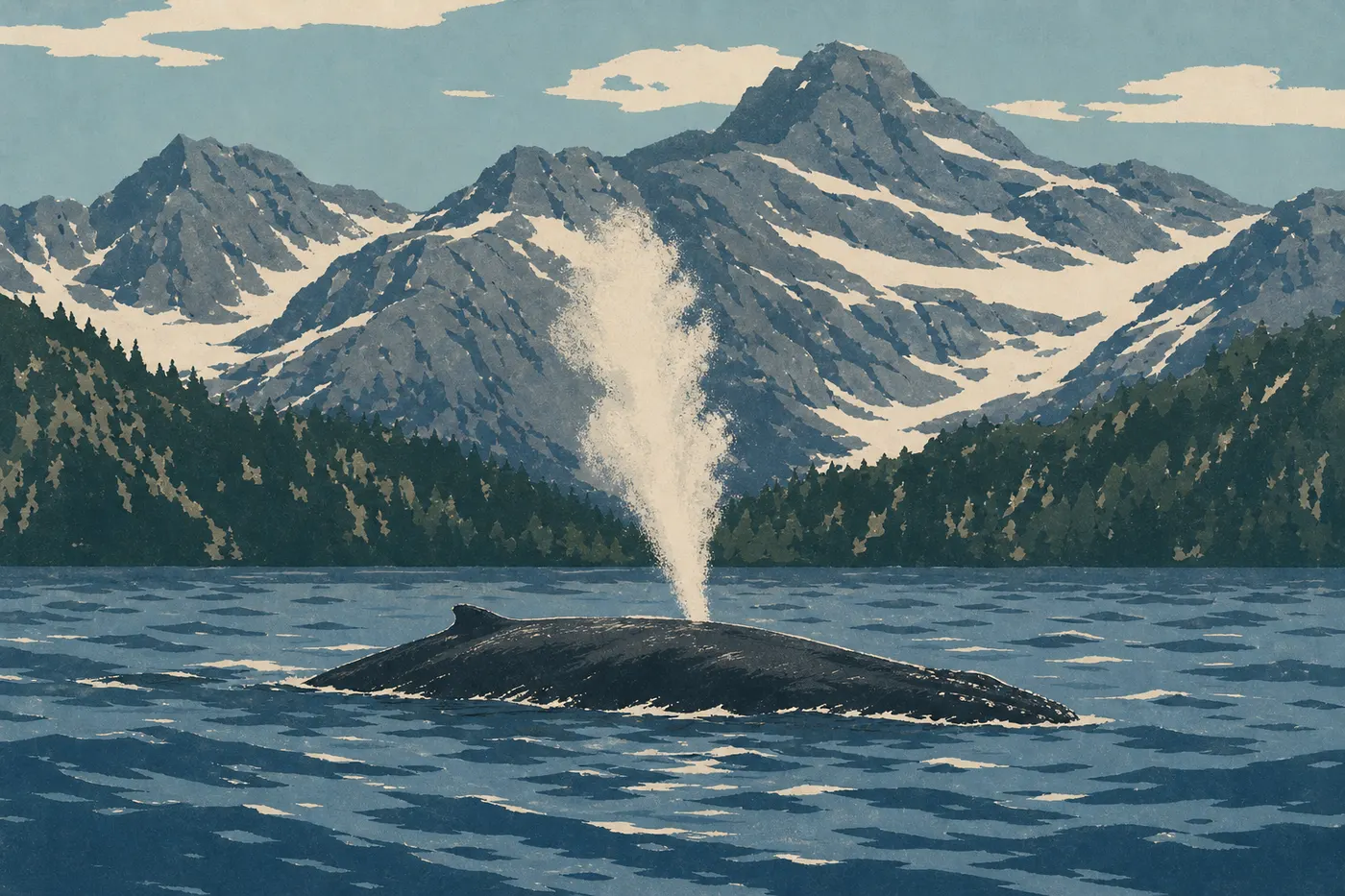
Resurrection Bay is the fjord where Seward sits. Short cruises, lasting 3 to 4 hours, stay within the bay, and there is already plenty to see. The bay is a hunting ground for sea otters, which are easy to spot on their backs with one paw raised, Steller sea lions on their favorite rocks, Dall's porpoises playing in the wakes, and, depending on the season, orcas and humpback whales.
The cliffs around the bay support large seabird colonies, including horned puffins and tufted puffins, murres, and black-legged kittiwakes. If you've got binoculars, the rocky walls of the islands offshore from Seward offer an astonishingly dense display of wildlife. The Kenai Fjords wildlife guide covers the species you may see and the best time to look for each one throughout the year.
For an even closer look, sea kayaking from Lowell Point, about 3 miles south of Seward, lets you explore sheltered coves at your own pace. Otters, seals, and diving birds allow close-up viewing from a quiet kayak. Outfitters in Seward rent gear and offer half-day guided trips.
The Glacial Fjords: Aialik Bay and Northwestern Fjord
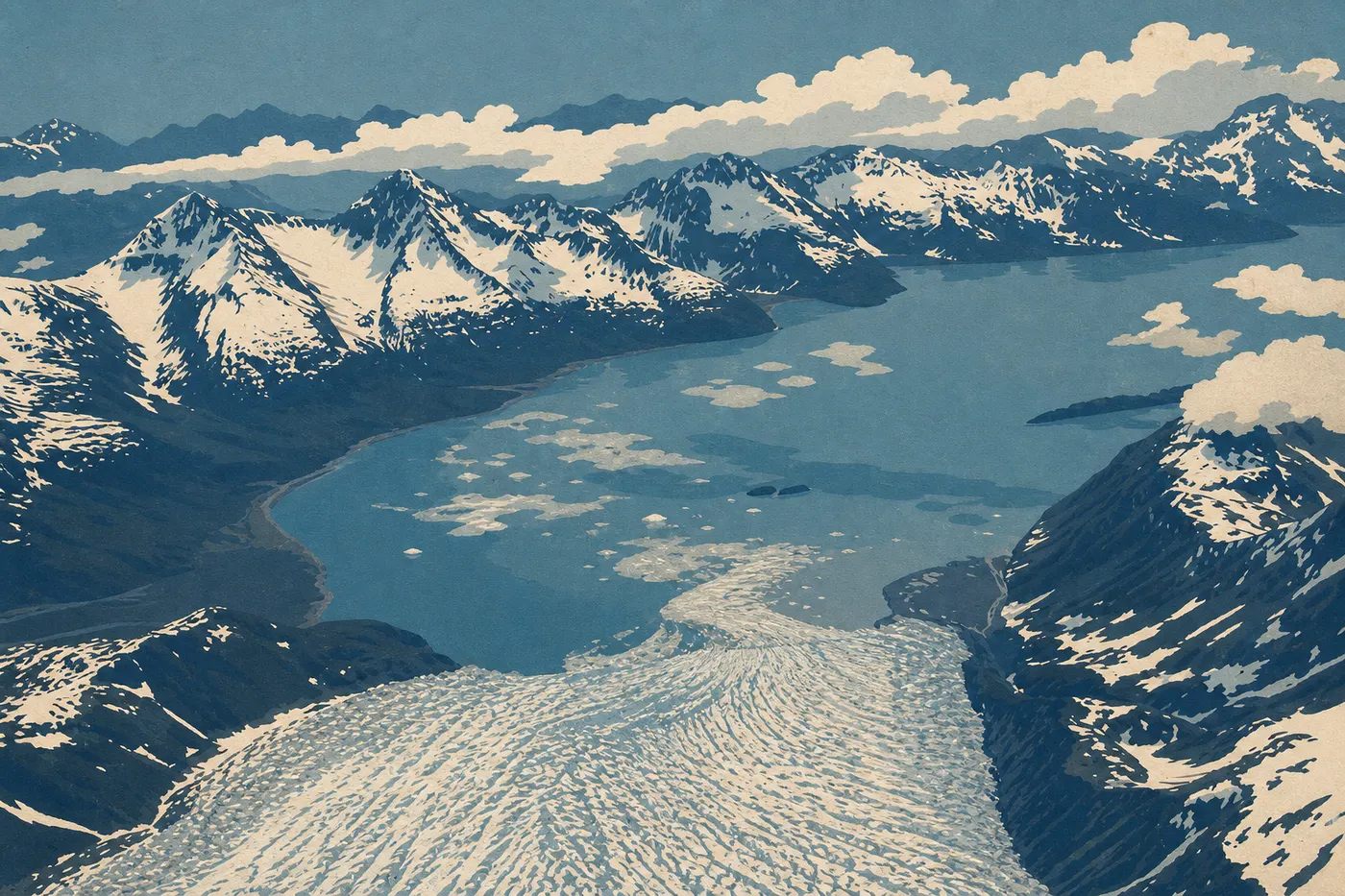
This is where the Kenai Fjords experience reaches its full intensity. Full-day cruises, lasting 7 to 9 hours from Seward, head northwest to reach the actual glacial fjords.
Aialik Bay is the first and most popular destination. Aialik Glacier is a tidewater glacier, with an ice front about 0.9 miles wide that advances into the water and regularly sheds entire sections. You hear it before you see it: a deep crack, a thunderous rumble, and then an iceberg collapses into the bay in a spray of water, sending a wave visible from the deck. Captains position the boat at a safe distance, about 1,300 feet from the front, and cut the engines so passengers can listen and wait. The waiting is part of the show.
Harbor seals lounge in clusters on floating icebergs and exposed rocks around the bay. They pay no attention to the boats, which makes it possible to take telephoto photos without disturbing them.
Holgate Arm is another branch of the coast served by some cruises. Holgate Glacier is also a tidewater glacier, set among cliffs and forest in a more intimate landscape than Aialik Bay.
Northwestern Fjord is the farthest and most demanding destination. Cruises going there typically last 8 to 9 hours. Northwestern Glacier has an imposing ice front surrounded by vertical walls and permanent snowfields. It sees far fewer visitors than Aialik Bay, and the atmosphere feels wilder.
Wildlife along the way: crossing open water is often as memorable as the destination. Orcas, both resident and transient, regularly travel these waters. Humpback whales gather to feed in areas rich in krill. When we passed through in July, I watched several whales bubble-net feed, a coordinated hunting technique in which they spiral upward beneath a school of prey and blow bubbles to concentrate it. It is never guaranteed, but it is common in summer.
Practical advice: the cruise is worth taking even under overcast skies. Glaciers look beautiful in every kind of light, and wildlife does not care about the weather.
The Best Hikes in Kenai Fjords
Land-based hiking is concentrated around Exit Glacier, limited by the park's coastal and maritime setting. What is available is worthwhile.
The Harding Icefield Trail is the signature hike: strenuous, spectacular, and one of the few trails in mainland Alaska that actually takes you above an active ice field. Glacier View Loop and Overlook Loop are accessible options for everyone, and ideal for a first look at the glacier without a serious workout.
Around the park and Seward, a few local trails offer views of the bay or access to pebble beaches. Our Hiking page has the full inventory of routes, including elevation gains, distances, and seasonal conditions.
Other Activities for Every Kind of Traveler
Wildlife Watching
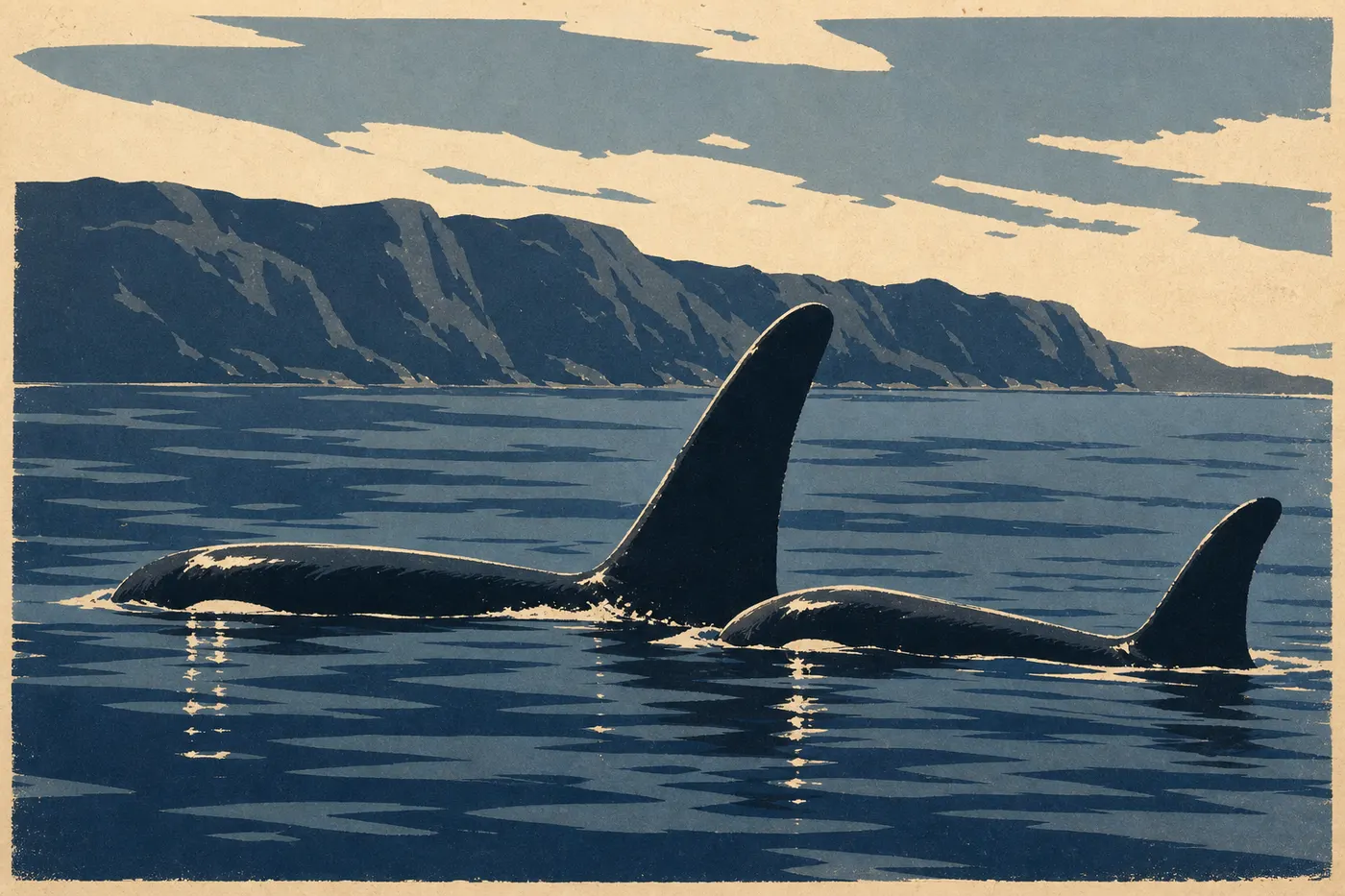
Kenai Fjords is one of the few parks where you can hope to see whales, orcas, sea otters, seals, sea lions, and puffins all in one day. Cruises give you the best odds, but wildlife is also visible from Seward Harbor. Sea otters regularly feed in the harbor basins, while cormorants and gulls are constant residents on the docks. Our Wildlife page covers the species and the best times to spot each one.
Sea Kayaking
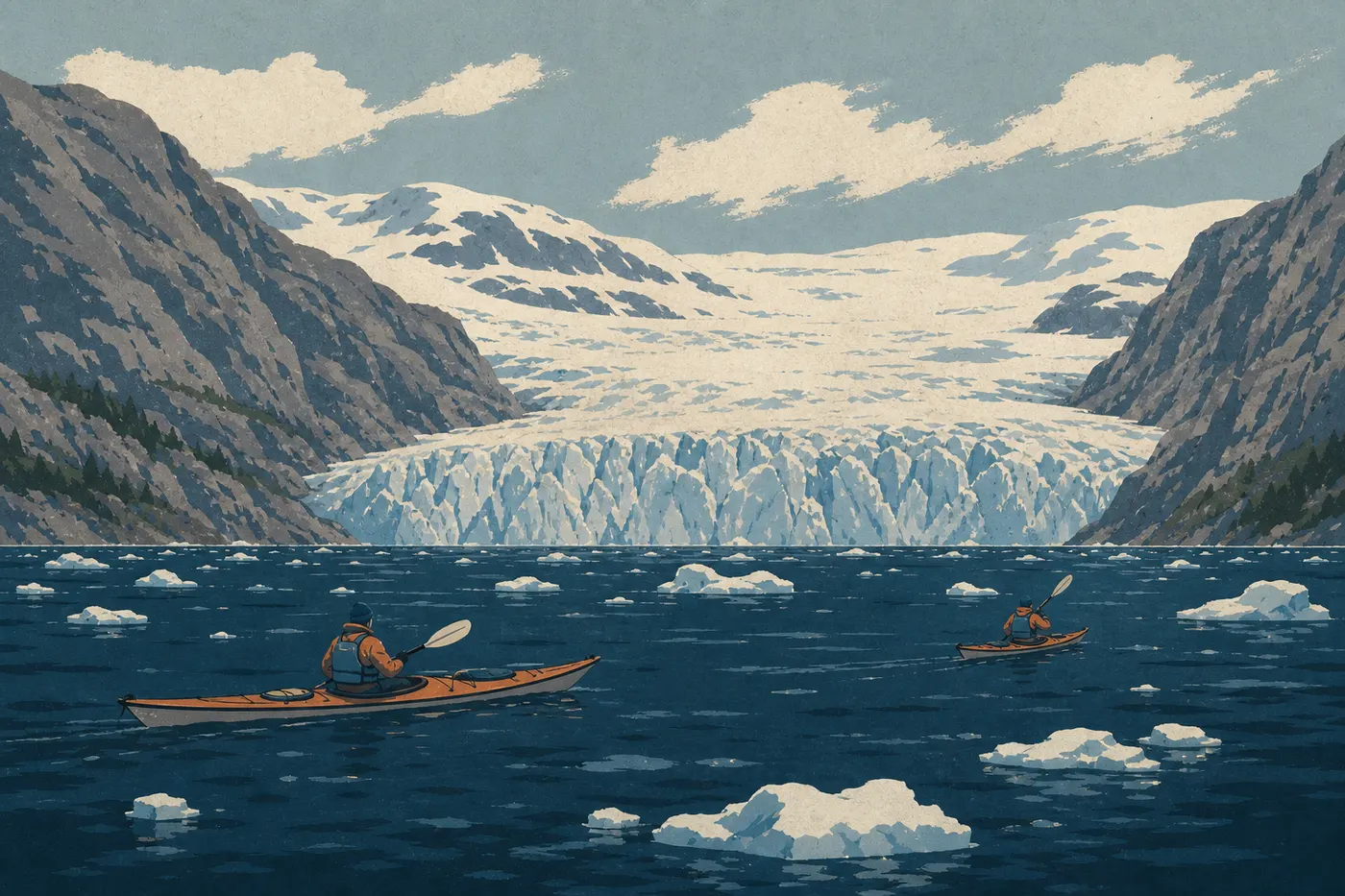
Sea kayaking in the fjords is accessible, but it takes preparation and a clear understanding of the risks. The water stays cold year-round, with hypothermia setting in quickly after a capsize, and weather can turn within hours: fog, sudden swells, and offshore wind. Outfitters in Seward offer water-taxi transfers to Aialik Bay with camping gear for self-sufficient, multi-day expeditions. Experience level: intermediate to advanced.
Sport Fishing
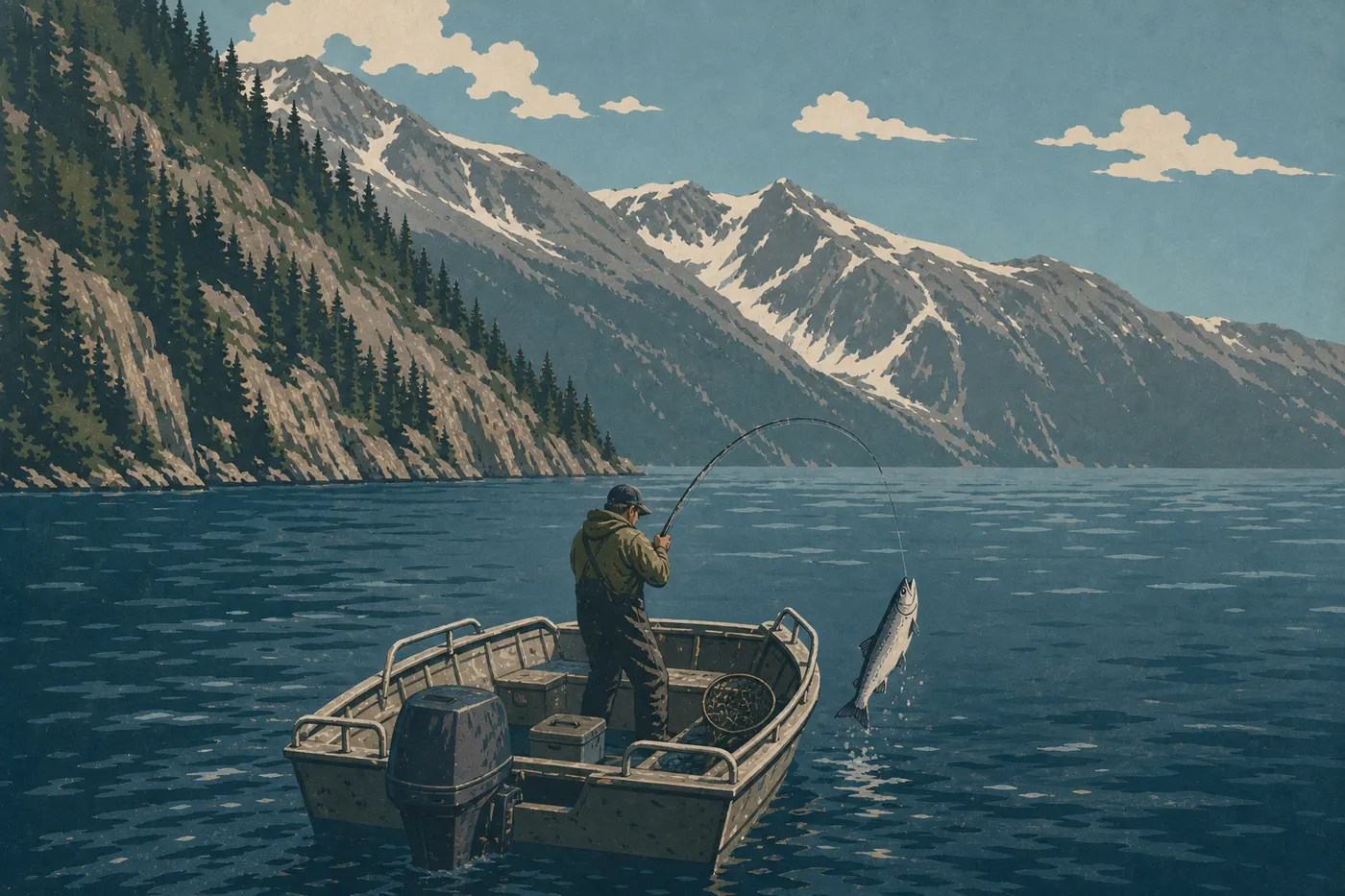
Seward is one of Alaska's salmon and halibut fishing capitals. Local charter boats target halibut and different salmon species depending on the season. Fishing is not technically a park activity, but it fits naturally into a Seward trip as a complement to a day on the water.
Photography and Video
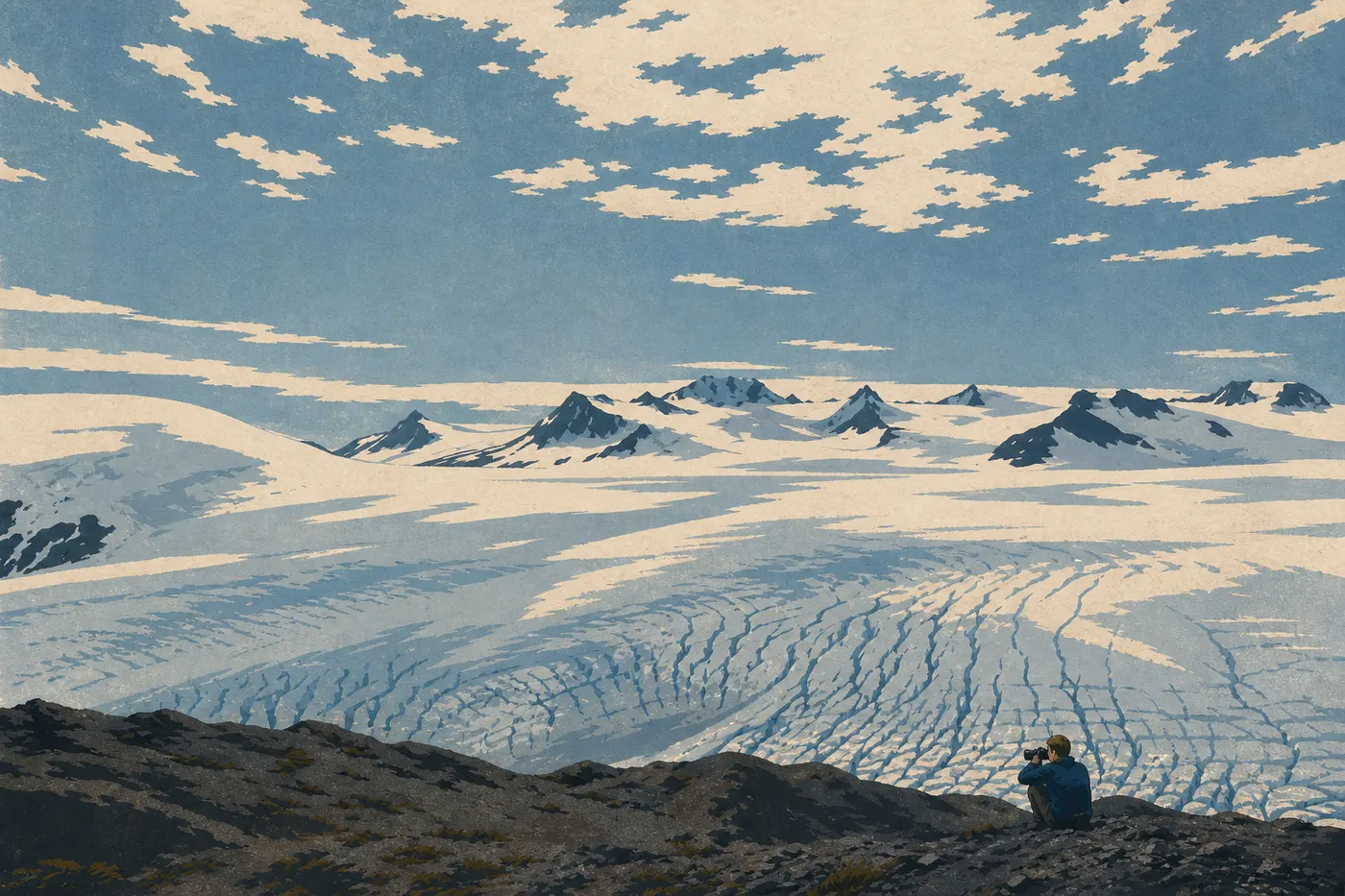
Kenai Fjords is a rewarding place for photographers, as long as you come prepared. On the water, the boat's movement calls for fast shutter speeds, at least 1/500 sec. to freeze a whale at the surface. Alaska's summer light stays long and low in the late afternoon, and return cruises sometimes offer beautiful light on the glaciers. Bring waterproof covers for your gear. The marine mist gradually wets everything left exposed.
Visiting with Kids

Half-day cruises in Resurrection Bay work well for kids as young as 6: the duration is manageable, wildlife sightings are likely, and there is no hiking required. The Glacier View Trail at Exit Glacier is fully accessible, with educational signs that engage younger visitors. Skip the Harding Icefield Trail with young children. Its length, elevation gain, and changing conditions make it a hike for fit adults and teenagers. The Kenai Fjords with Kids guide lists recommended activities by age group.
Things to Do Around Kenai Fjords
Seward deserves a half-day of its own, apart from the park. The Alaska SeaLife Center, right on the waterfront, is both a marine mammal rehabilitation center and a public aquarium. Seals, otters, diving birds, and cold-water fish live there in large habitats. It is an excellent rainy-day alternative and an ideal educational complement for families.
The Kenai Peninsula beyond Seward offers a very different perspective. Kenai National Wildlife Refuge is home to caribou, moose, and bears. The rivers around Soldotna and Kenai draw thousands of anglers during salmon season. At the far end of the peninsula, Homer and Kachemak Bay open onto a coastal state park, glaciers accessible on foot, and a lively local arts scene. The road between Seward and Homer, via Soldotna, is itself a high-quality scenic route.
Anchorage, 2.5 hours north by car, is the natural base for a Southcentral Alaska trip. Find itineraries across the peninsula and beyond in the Road Trips and Regions guides.
The Bottom Line: What to See First in Kenai Fjords
Kenai Fjords is well worth the trip from Anchorage, as long as you do not limit your visit to Exit Glacier just because you are short on time. The fjord cruise is the centerpiece. In a single day, it brings together what few places in the world let you see without leaving a boat's deck.
If you can spend only one day in the park, choose a full-day cruise to Aialik Bay or Northwestern Fjord instead of the half-day trip in Resurrection Bay. Resurrection Bay remains a solid choice if the weather makes offshore travel difficult. With two days, combine the cruise with Exit Glacier. With three days or more, add the Harding Icefield Trail, which takes a full day on its own, and a kayaking trip.
The Kenai Fjords guide brings together every section you need to plan your trip from A to Z, including lodging, weather, itineraries, and access.
Frequently Asked Questions
What is the best time of year to visit Kenai Fjords?
The best time to visit Kenai Fjords is from June through August. These three months bring the longest days, with up to 19 hours of daylight in Seward in June, the mildest temperatures, from 45 to 72°F during the day, and the most active marine wildlife. May and September are still possible with far fewer visitors, but cruise services are reduced and the odds of bad weather rise noticeably. Our When to Go page compares the benefits and tradeoffs of each month.
How many days should you plan for Kenai Fjords?
Two full days is the minimum to see both the fjords by cruise and the Exit Glacier area. With three days, you can add a kayaking trip or leave room for a rainy day without feeling rushed. Our Itinerary and Duration guide offers detailed plans for 1, 2, or 3 days.
Is Kenai Fjords worth the drive from Anchorage?
Kenai Fjords is absolutely worth the 2.5-hour drive from Anchorage. A same-day round trip is possible, with either a half-day cruise or a visit to Exit Glacier depending on your schedule, but staying two nights in Seward is much more comfortable and lets you experience the park without cutting corners.
What can you do in Kenai Fjords in bad weather?
Rain and fog are part of everyday life in Kenai Fjords, especially on the water. Cruises are not canceled for rain alone, so dress warmly in waterproof layers and enjoy the scenery. Glaciers and wildlife do not care about the weather. If heavy swells make the water unpleasant, the Alaska SeaLife Center in Seward is a quality indoor alternative. The Glacier View Loop at Exit Glacier remains manageable in the rain, since the forest softens some of the showers.
Do you need to book cruises far in advance?
Yes, especially in July. Full-day trips to Aialik Bay and Northwestern Fjord often sell out several days ahead. Book as soon as your dates are set. Half-day trips in Resurrection Bay are easier to find at the last minute, even during peak season.