
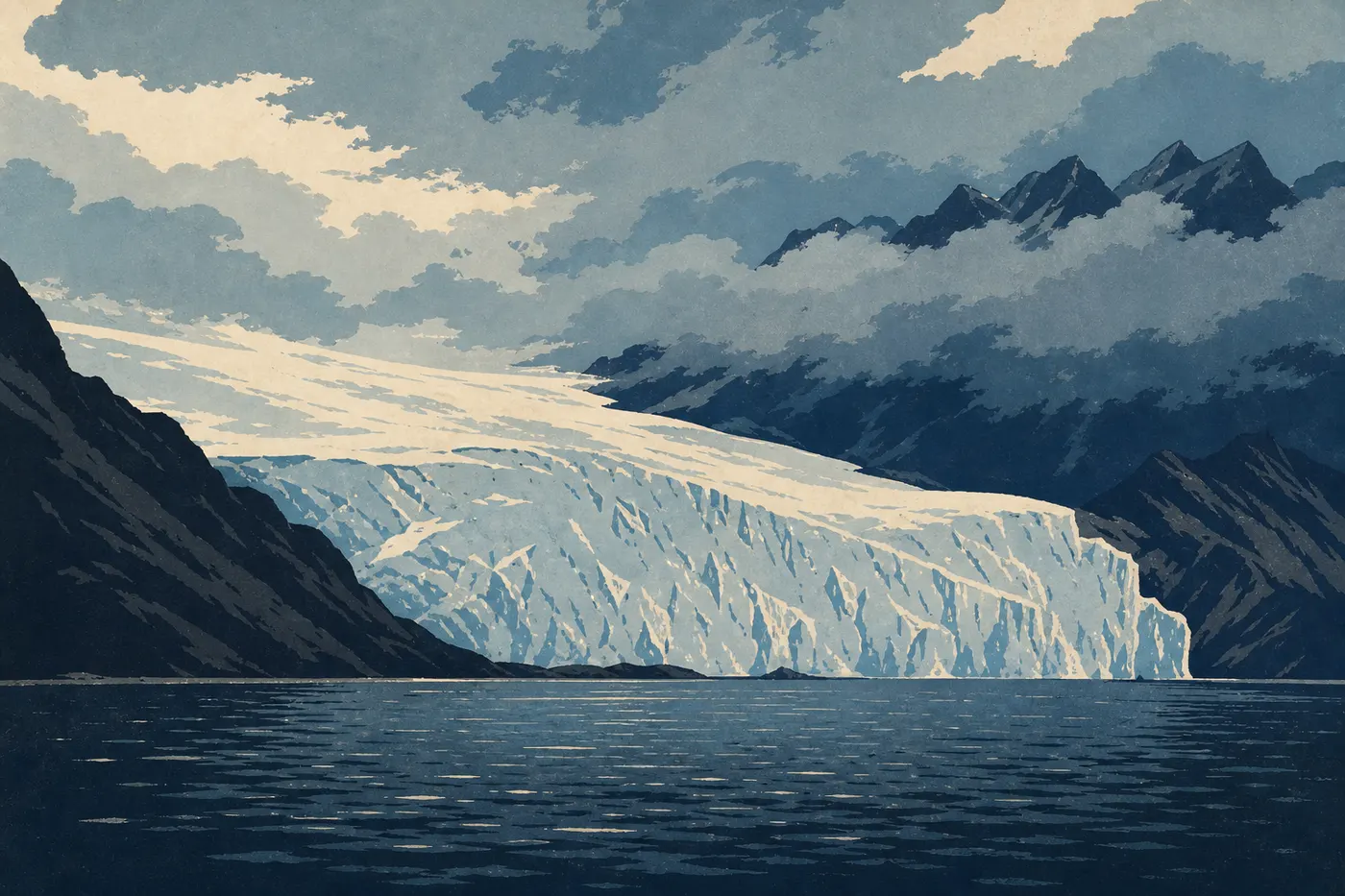
Kenai Fjords Weather: Forecasts, Climate, and Current Conditions
Kenai Fjords has a mild maritime climate, something of a rarity in Alaska. Warm currents in the Gulf of Alaska soften the winters and keep summers cool, with temperatures ranging from 45 to 70°F. The tradeoff is about 67 inches of precipitation each year. In plain English, a rain jacket isn't optional. It's a key part of your gear.
The main season runs from June through August. The park is open year-round, but services are limited in May and September, and Exit Glacier Road closes as soon as the first fall snow arrives.
Current readings are unavailable. See the seasonal averages farther down this page.
Open-Meteo readings · updating… · park time zone
Kenai Fjords Climate by Month
The table below shows averages for Seward, the gateway town a few miles from the Exit Glacier entrance. Precipitation includes rain and the water equivalent of snow.
| Month | Low (°F) | High (°F) | Precip. (in.) |
|---|---|---|---|
| January | 21 | 36 | 5.9 |
| February | 21 | 36 | 4.7 |
| March | 25 | 39 | 3.9 |
| April | 32 | 45 | 3.1 |
| May | 39 | 54 | 3.5 |
| June | 45 | 59 | 3.5 |
| July | 48 | 63 | 4.3 |
| August | 48 | 63 | 5.9 |
| September | 41 | 55 | 7.5 |
| October | 34 | 46 | 8.3 |
| November | 27 | 39 | 7.5 |
| December | 21 | 36 | 6.7 |
Two numbers are worth remembering. October is the wettest month, and June gets up to 19 hours of daylight a day. The best window is pretty clear.
Is It Cold in Kenai Fjords?
Yes, and often more than you'd expect, even in summer. With a temperature of 57°F and wind off the sea, it can feel closer to 41°F on the deck of a sightseeing boat. In winter, Arctic cold snaps can send temperatures down to -20°F.
The ocean has the opposite effect in summer and keeps temperatures in check. Seward rarely gets above 70°F, even during the warmest summers. That's great for hiking, but not for anyone hoping to swim in the fjords. Water temperatures of about 46 to 50°F in summer quickly put an end to that idea.
What to Wear by Season
June through August. Start with three layers: a breathable technical base layer made of merino wool or synthetic fabric, a fleece midlayer, and a waterproof windproof jacket. On a boat, always add one more layer. Wind on deck makes it feel colder even in good weather. Wear waterproof hiking shoes, including on dry days.
May and September. Bring everything listed above, plus a light beanie and thin gloves. Afternoons can feel as cold as 41°F when the wind picks up.
October through April. Bring serious winter gear: an insulated jacket under your rain shell, long thermal base layers, warm gloves that cover your wrists, and a hat that covers your ears. For driving, snow tires or chains may be required depending on conditions.
One thing people often overlook is the UV index, which is high in summer even under cloudy skies. Apply SPF 30 or higher, even when the weather is gray.
Alerts and Conditions to Watch
Exit Glacier Road closure. The access road isn't plowed in winter. It closes to vehicles once snow accumulates, usually in November, and doesn't reopen until spring. Before traveling between November and April, check the road status directly with the park.
Marine conditions. Boat trips to the fjords and Holgate Glacier may be canceled without notice because of rough seas or dense fog. Always leave a spare day in your itinerary. For local weather information and emergency contacts, check the National Weather Service (weather.gov) for the Seward area.
Rapid changes. The NPS states it clearly: weather in Kenai Fjords can change within a few hours. A clear morning doesn't guarantee a dry afternoon. Don't set out on a hike without full rain gear, whatever the morning forecast looks like.
Frequently Asked Questions
What's the weather like in Kenai Fjords?
The weather in Kenai Fjords is cool, cloudy, and damp year-round. Summers range from 48 to 63°F with frequent showers, while winter temperatures regularly fall below freezing and can reach -20°F during Arctic cold snaps. Annual precipitation exceeds 67 inches, so a rain jacket is essential in every season.
What's the weather like in Kenai, Alaska, right now?
Weather in Seward and the park can change very quickly. For current conditions, check the National Weather Service (weather.gov) for the Seward area before setting out on a hike or boat trip.
Is Kenai Fjords cold?
In winter, yes. Temperatures can plunge to -20°F during polar cold snaps. In summer, the cold is relative but real. A temperature of 57°F with wind on the water can feel closer to 41°F. Layering is the basic rule, even in July.
What should I wear to visit Kenai Fjords?
Wear three layers in summer, including a technical base layer, fleece, and waterproof windproof jacket, plus waterproof hiking shoes and an extra layer for boat trips. In winter, bring serious cold-weather gear, including insulation under your rain shell, thermal base layers, and warm gloves.
What's the highest temperature ever recorded in Alaska?
Alaska's record high is 100°F, recorded in Anchorage in July 2019. Seward and Kenai Fjords are moderated by the maritime influence of the Gulf of Alaska and rarely exceed 70°F, even during exceptional summers.