
When to Visit Kenai Fjords: The Best Time, Month by Month
Kenai Fjords is best visited between June and August: all cruise operators are running, marine wildlife is at its most active, and the days offer up to 19 hours of daylight. The best time to visit Kenai Fjords is July and August, when whales, puffins, sea lions, and glaciers are all accessible from the same boat. If you don't mind cool temperatures and unpredictable weather, May and September bring smaller crowds and equally spectacular scenery. The park stays open in winter, but nearly all coastal activities shut down.
Kenai Fjords Weather Month by Month
The park has a mild maritime climate, moderated by the warm currents of the Gulf of Alaska. In practice, that means cool summers (daytime temperatures from 45°F to 72°F), plenty of cloud cover, frequent rain, and winters that occasionally dip below -13°F inland.
| Month | Low (°F) | High (°F) | Rain/snow |
|---|---|---|---|
| January | 14 | 28 | Frequent snow |
| February | 16 | 30 | Frequent snow |
| March | 19 | 36 | Snow/mix |
| April | 28 | 45 | Rain and showers |
| May | 37 | 54 | Moderate rain |
| June | 45 | 63 | Light to moderate rain |
| July | 48 | 66 | Light rain |
| August | 48 | 64 | Light rain |
| September | 41 | 55 | More frequent rain |
| October | 30 | 45 | Rain and snow |
| November | 21 | 34 | Snow |
| December | 16 | 28 | Snow |
Weather can change within hours. A sunny morning can give way to thick fog by midafternoon, especially in the fjords. For detailed data and current forecasts, check the Kenai Fjords weather forecast.
Kenai Fjords in January
Temperatures range from 14°F to 28°F, snow is heavy, Exit Glacier Road is closed, and cruises are suspended. From the parking lot, a roughly 0.9-mile snowshoe hike leads to the foot of the glacier, with an almost completely crowd-free Arctic feel.
Kenai Fjords in February
Conditions are much like January, with long hours of darkness still weighing heavily. Seward remains accessible from Anchorage, but park-related activities are limited to a few snowshoe outings.
Kenai Fjords in March
The cold eases slightly, with daytime temperatures reaching 36°F, and the light returns. Exit Glacier Road is still closed, but experienced hikers begin venturing along the park's edge.
Kenai Fjords in April
The first Gulf cruises become available in mid-April, and Exit Glacier Road begins reopening. Sea otters are highly active, prices remain low, and you'll see almost no visitors.
Kenai Fjords in May
A good window for budget travelers: lodging costs 30 to 40% less than in July, and the cruise season is ramping up. The first humpback whales return, and trails around Exit Glacier are accessible.
Kenai Fjords in June
Peak season is getting underway: 19-hour days, all cruises operating, and whales and puffins in the area. Crowds are growing but remain manageable on weekdays, and the late-day light is ideal for photography.
Kenai Fjords in July
The park's best month brings peak marine wildlife, a fully accessible Harding Icefield Trail, and full services. It's also the busiest month, especially around the July 4th weekend, when Seward hosts the Mt. Marathon Race. Book cruises and lodging well in advance.
Kenai Fjords in August
Conditions are nearly identical to July, with the first fall colors appearing on the slopes toward the end of the month. Cruises are still all running and marine wildlife remains abundant. Crowds are heavy, but slightly below July's peak.
Kenai Fjords in September
A good alternative if you want fewer people: prices drop, the slopes turn golden, and wildlife remains active. Cruises still operate, but some scale back their schedules toward the end of the month, and rain becomes more frequent.
Kenai Fjords in October
The transition to winter is underway. Exit Glacier Road begins closing depending on snowfall, and cruises are suspended. October is also the wettest month of the year, with an average of more than 7.9 inches of precipitation.
Kenai Fjords in November
Snow has settled in, temperatures range from 21°F to 34°F, and there are almost no visitors. For travelers seeking solitude and terrestrial wildlife such as bald eagles, foxes, and beach otters, it's the ideal month, provided you bring the right gear.
Kenai Fjords in December
Winter is in full swing, daylight is scarce, and all coastal services are closed. Visiting the park comes down to a short walk from the Exit Glacier parking lot if conditions allow.
Kenai Fjords Season by Season
Winter (December to March)
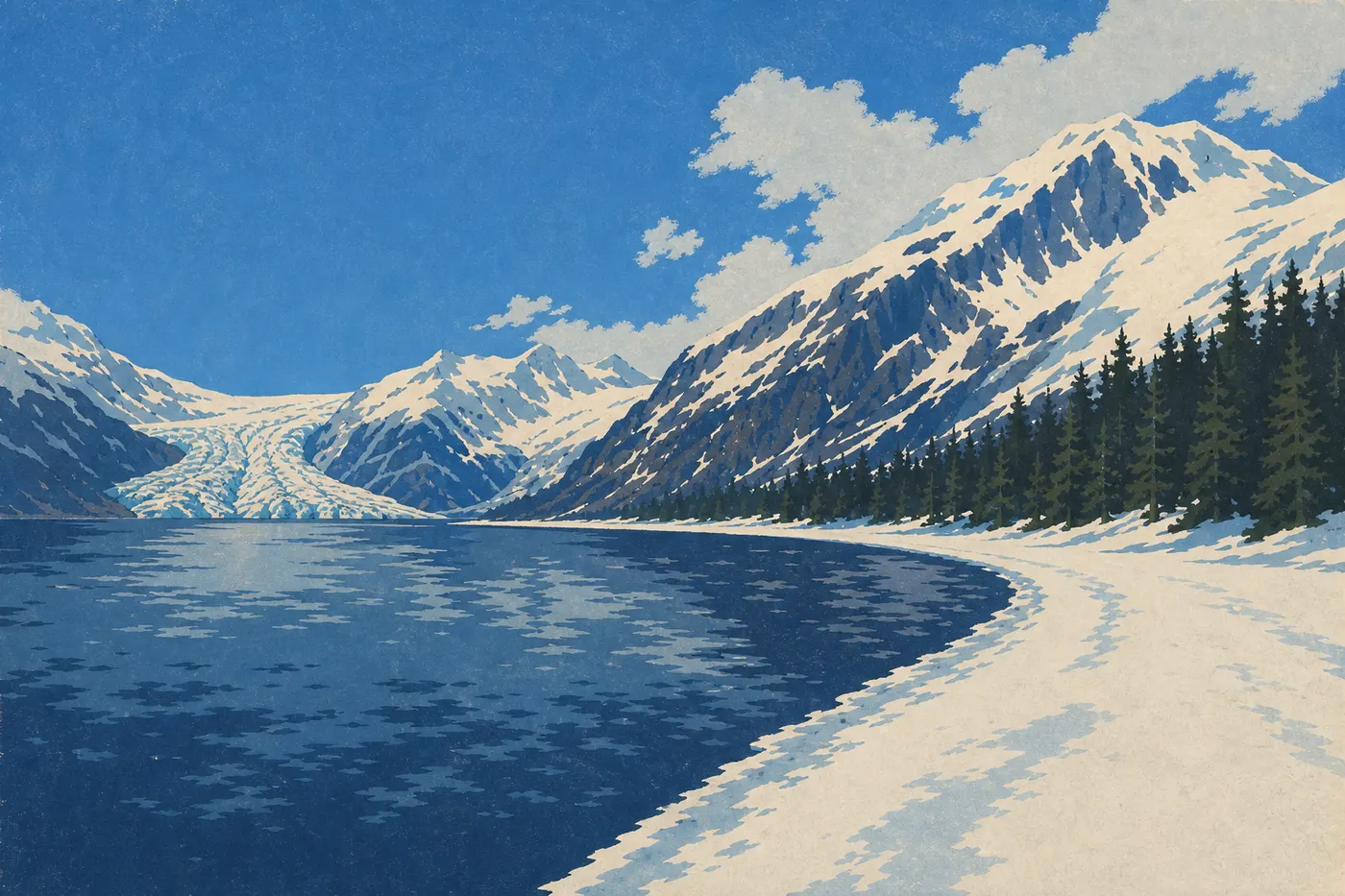
Temperatures regularly fall below 23°F in Seward and much lower inland. The road to Exit Glacier isn't plowed, so it closes as soon as snow and ice cover it. Cruises to the coastal fjords are suspended. Seward, however, remains accessible year-round via the Seward Highway from Anchorage.
What remains accessible are snowshoe hikes near the Exit Glacier parking lot, including the roughly 0.9-mile winter route to the foot of the glacier, along with a striking Arctic atmosphere. Terrestrial wildlife such as otters, foxes, and bald eagles is easier to spot without dense vegetation.
Spring (April to May)
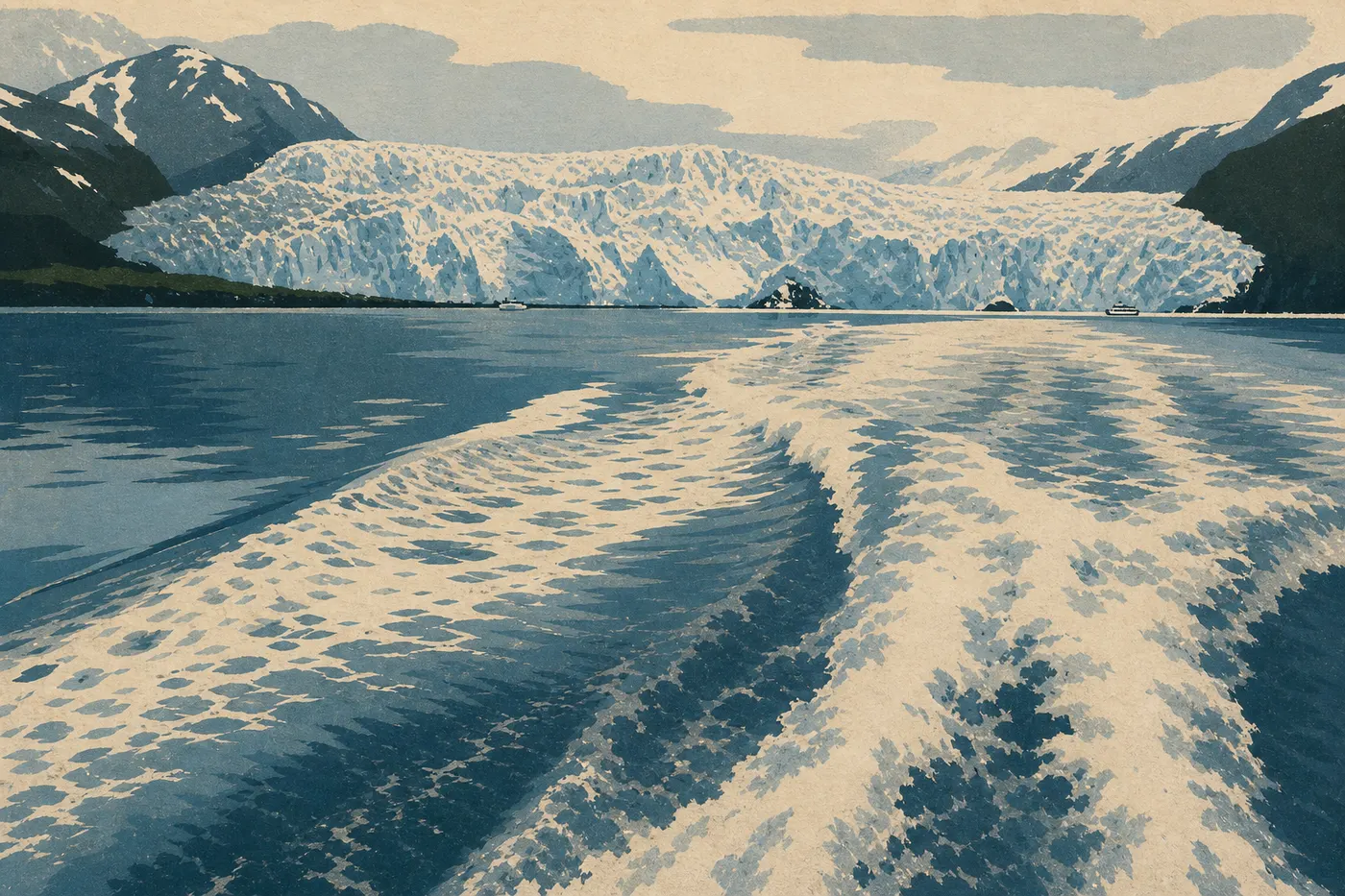
April marks the gradual return of daylight and the first cruises. Exit Glacier Road reopens as soon as conditions allow, usually in April or early May. Park services are limited throughout May: some cruises aren't yet running at full capacity, and rangers are only beginning to staff the area.
Wildlife starts bringing the coast to life. Sea otters are highly active, and the first orcas and humpback whales return to the Gulf. Lodging prices in Seward are still low, and the crowds are almost nonexistent.
Summer (June to August)
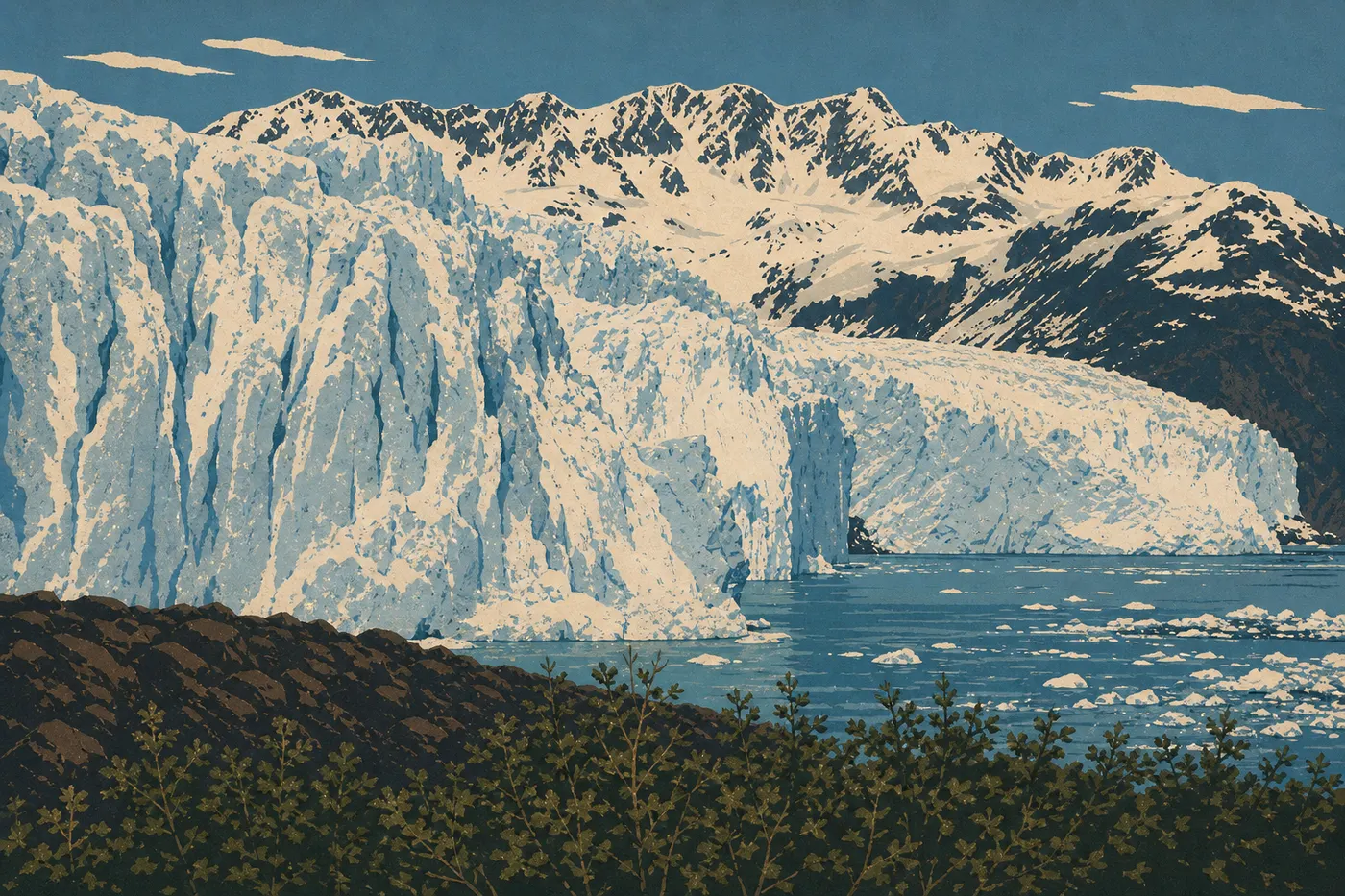
This is peak season, and for good reason. Cruises to Northwestern Fjord and Aialik Bay run every day with a full fleet. Humpback whales, otters, Steller sea lions, puffins, and killer whales are all out in force. The Harding Icefield Trail (more than 7.5 miles one way with 3,600 feet of elevation gain) is fully accessible starting in July, when the snow clears from the upper trail.
The days are exceptionally long, with up to 19 hours of daylight in June, so you can extend outings without worrying about darkness. The tradeoff is that Seward fills up quickly, campsites go fast, and cruise tickets sometimes sell out weeks in advance.
Fall (September to November)
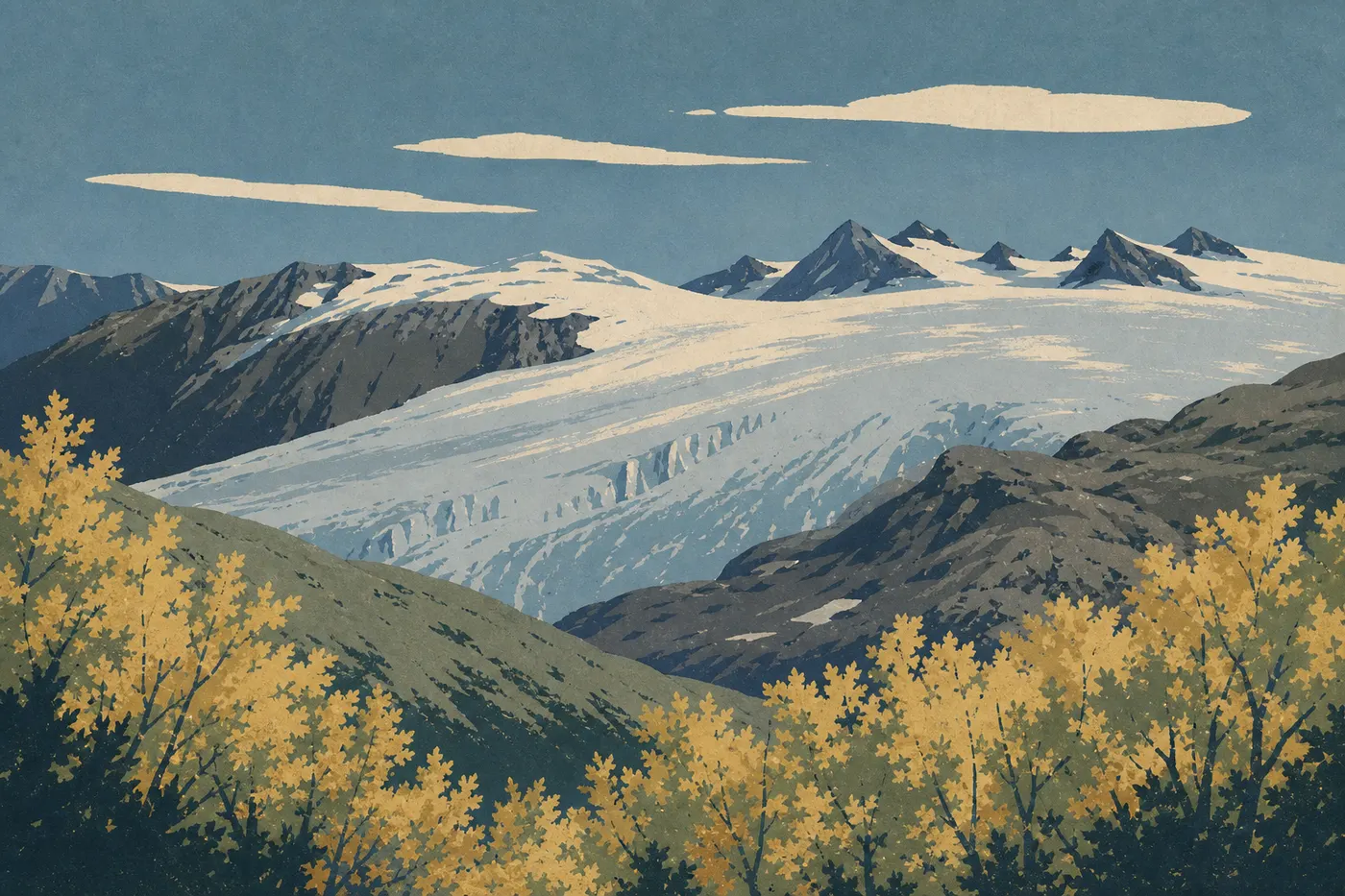
September remains a very good option. Cruises still run, with reduced service toward the end of the month, the trees turn golden on the slopes around Seward, and crowds drop noticeably. Weather is less stable and rain is more frequent.
Starting in October, the cruise season is over and Exit Glacier Road begins closing depending on snowfall. It's the transition into winter.
Crowds: When to Avoid Them
Kenai Fjords remains a relatively under-the-radar national park by U.S. standards, but Seward is the only coastal gateway, and peak season creates genuine bottlenecks.
| Period | Crowds | Good to know |
|---|---|---|
| June to August | High (especially July 4th) | Boats sell out, campgrounds are packed |
| May and September | Moderate | Good conditions, fewer people |
| October to April | Low to none | Few activities available |
The July 4th weekend is especially busy. Seward hosts the famous Mt. Marathon Race, which draws thousands of spectators to a town of fewer than 3,000 people. Avoid it if you want peace and quiet; plan for it if you'd like to see something unique.
On weekdays, outside the July and August weekends, pressure on cruises and trails is much easier to manage.
Reservations and Access by Season
Kenai Fjords National Park doesn't require a timed-entry system to enter the park. Admission is free, and no reservation is needed. The part that does require planning is cruising. Boats leave from Seward Boat Harbor, and tickets can sell out several weeks ahead in July and August.
If you want to camp in the park's remote coastal areas, such as Aialik Bay or Northwestern Fjord, plan your logistics well ahead of time. The only access is by boat or floatplane, and space is limited. For practical access details and transportation options from Anchorage, including the 2-hour drive along the Seward Highway, see the Kenai Fjords access guide.
The Best Time for Your Budget
Alaska is an expensive destination, and Seward is no exception. Lodging and cruise prices closely follow the crowd calendar.
May and September are the two best budget windows. Hotel prices in Seward sometimes fall 30 to 40% below July's peak, cruises are still available (Gulf cruises in May and fjord cruises through mid-September), and conditions are often excellent.
June still offers slightly lower rates than July, before the season reaches full swing. July and August, especially on weekends, bring the highest prices and the least flexibility.
To compare Seward lodging options by season, see Kenai Fjords lodging, including NPS campgrounds, lodges, and in-town alternatives.
The Best Time for Different Travelers
Marine Wildlife Viewing
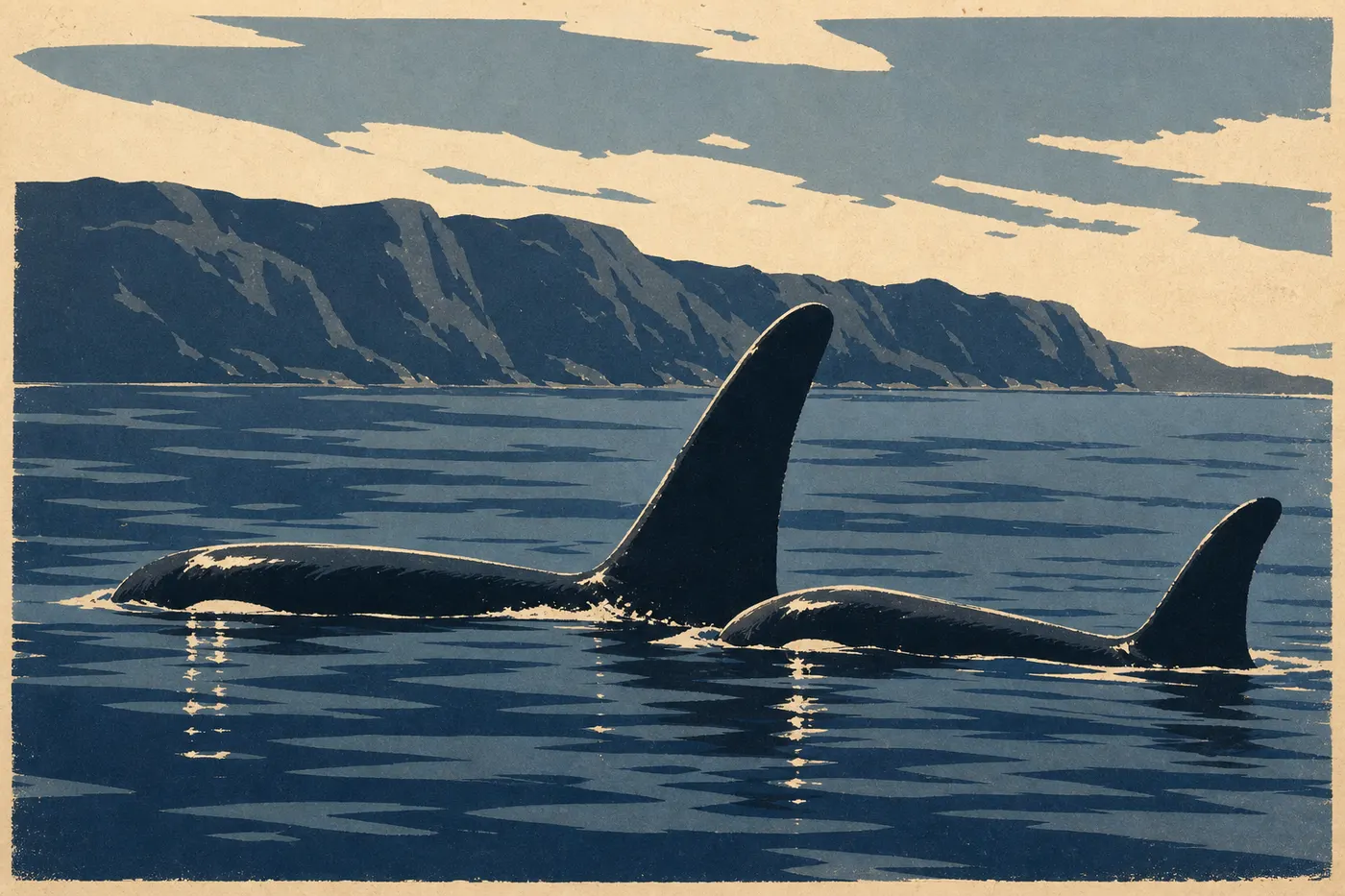
July and August, without question. Humpback whales are most abundant. Steller sea lions gather on their rocky rookeries. Tufted puffins nest on the park's islands. Sea otters are present as early as May. If orcas are on your wish list, June and July offer better odds, although sightings are never guaranteed.
Hiking and Trekking

July and August for the full Harding Icefield Trail. Wait until at least mid-July if you want the viewpoint overlooking Harding Icefield. Snow still covers the upper sections in June. For the lower trails around Exit Glacier, May through September works perfectly.
Photography
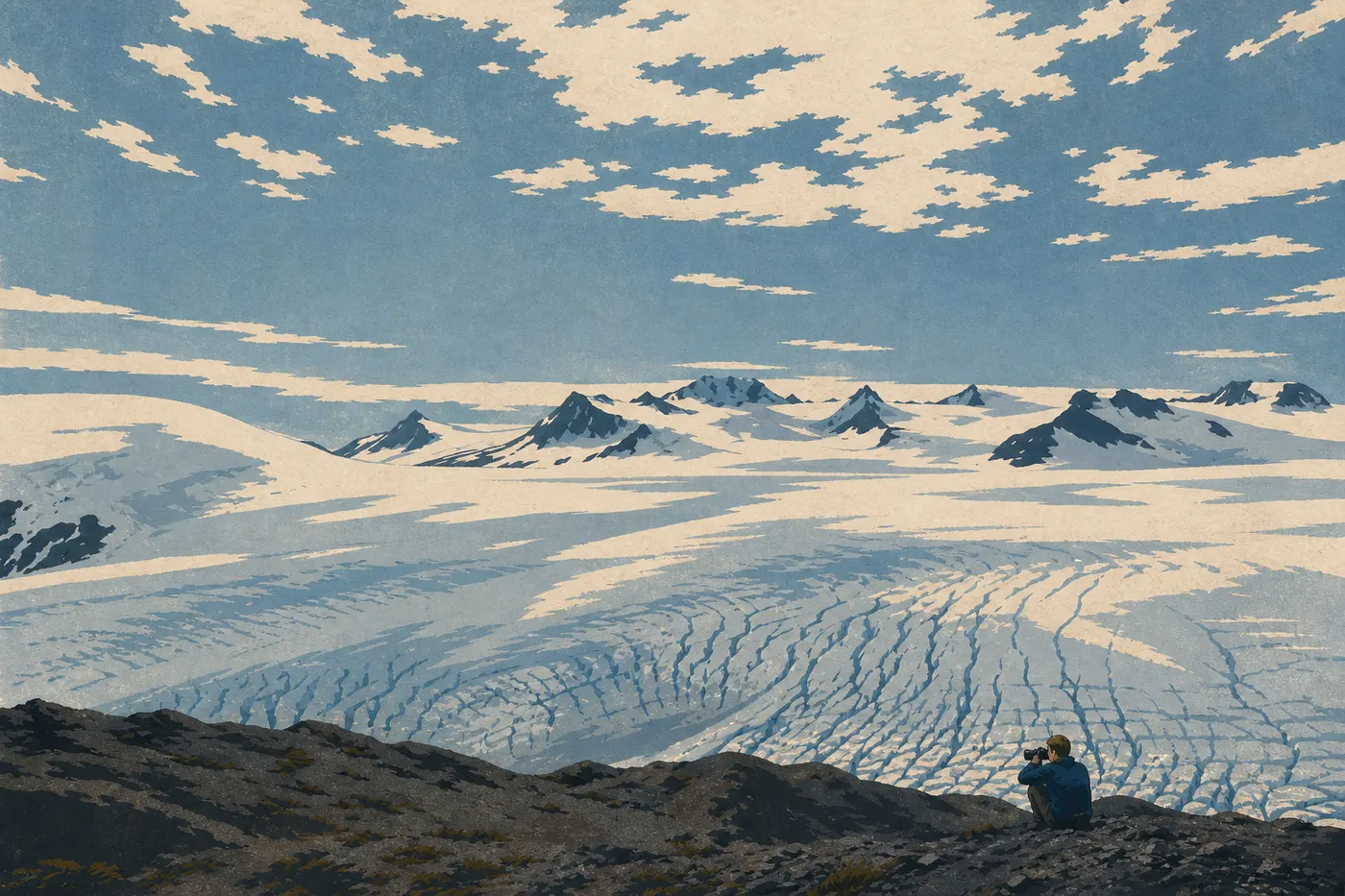
June is an excellent time for photographers: the light lasts late and turns golden, vegetation is fresh, and crowds are still reasonable. Crevasses and ice features on the glaciers are still sharply defined before July's warmer weather. In September, fall colors on the slopes create a striking contrast with the glaciers' blue ice.
Families
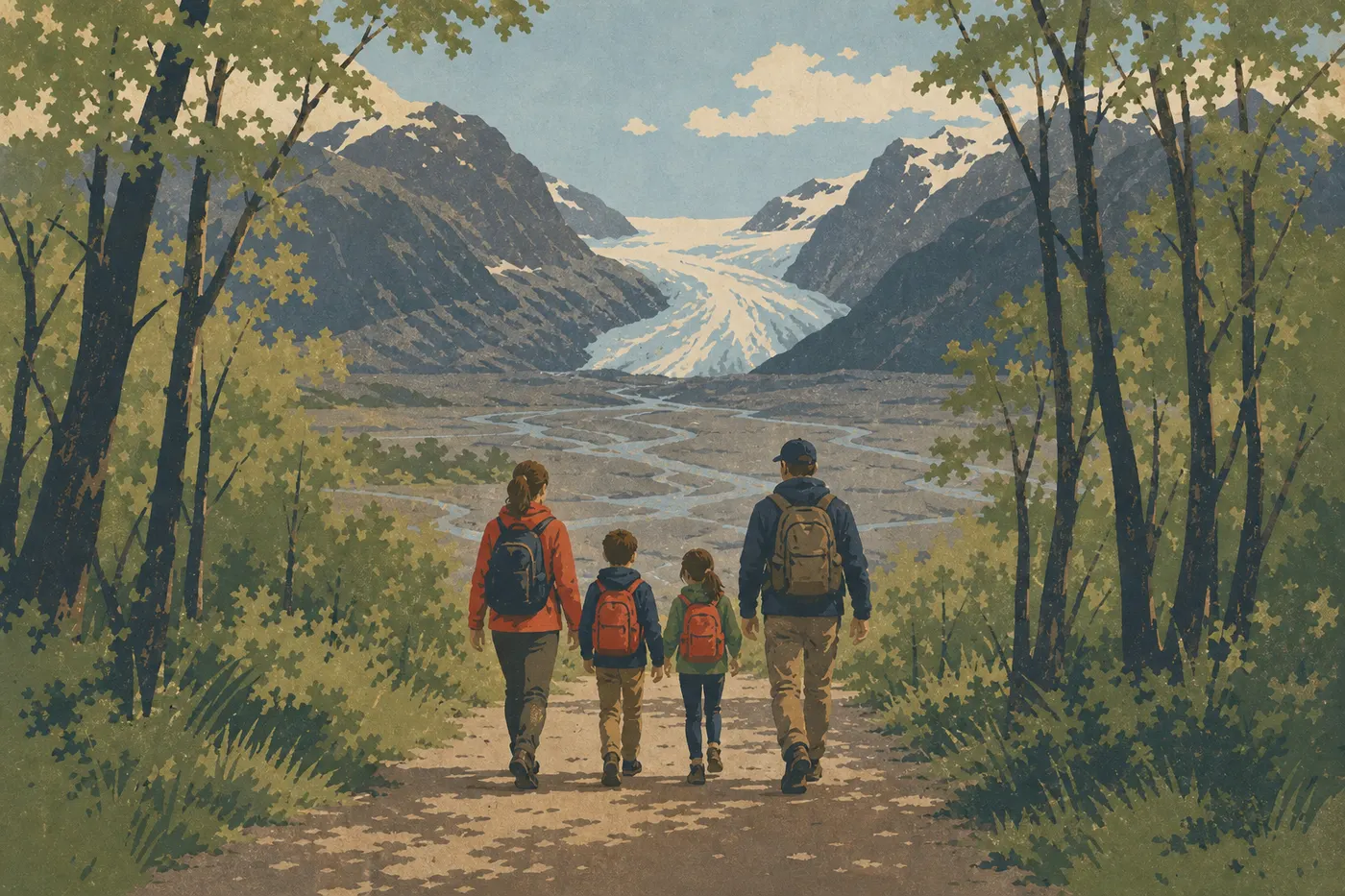
July is still the easiest time to travel with kids. All facilities are open, cruises offer their full schedules, and the weather is at its mildest. For family-specific advice, see visiting Kenai Fjords with kids.
Budget Travelers
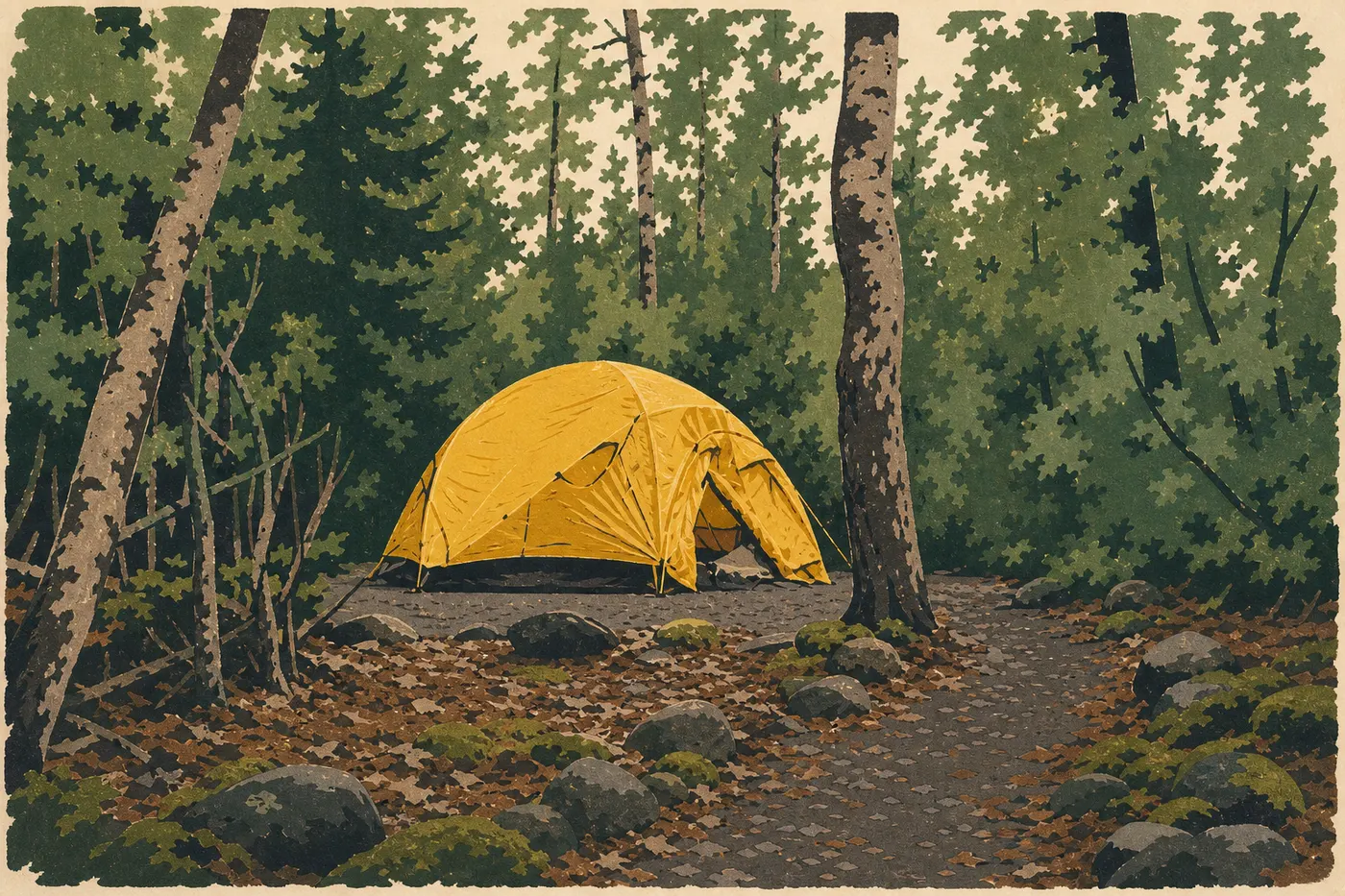
The second half of May or the first half of September means services are still available, prices are lower, and reservations are less competitive. Keep in mind, though, that airfare to Anchorage remains the biggest expense no matter which month you choose.
In Summary: The Best Time for Your Trip
| Traveler profile | Best time |
|---|---|
| Marine wildlife (whales, otters, puffins) | July to August |
| Harding Icefield hiking | Mid-July to mid-August |
| Photography | June or September |
| Families | July |
| Tight budget | May or September |
| Avoiding crowds | Late May or the first half of September |
Kenai Fjords is worth visiting in any season when you can get there. The key is to set your expectations accordingly. In summer, everything is open, but you'll share the fjords with other travelers. In spring or fall, you'll have more wildlife to yourself, with a little less logistical convenience.
To plan your full itinerary, the 2-, 3-, and 4-day itineraries will help you organize your trip. For an overview of the park, see the Kenai Fjords overview.
The Worst Time to Visit Kenai Fjords
The most challenging period is November through March. All coastal cruises are suspended, Exit Glacier Road is closed to traffic, daylight hours are severely limited, and temperatures in Seward regularly fall below 23°F. The park remains technically accessible, but activities are limited to a short walk from the Exit Glacier parking lot.
October also deserves a warning. The cruise season is over, weather deteriorates sharply (it's one of the wettest months of the year), and services in Seward are already winding down. If you're coming for the fjords, October is best avoided.
Frequently Asked Questions
What is the best time to visit the Kenai Fjords?
The best time to visit Kenai Fjords is from June through August. All cruises are operating, marine wildlife is at its most active, and the days offer up to 19 hours of daylight. May and September are excellent alternatives for fewer crowds and lower prices.
What is the best month to visit Alaska?
The best month to visit Alaska depends on what you're looking for. July offers the most activities, the mildest weather, and the best wildlife viewing, but it also brings the heaviest crowds. June and August are very good choices for balancing conditions and visitor numbers.
How many days should you plan for the Kenai Fjords?
Plan on at least two days: one day for a major cruise to the coastal fjords (allow 8 to 10 hours round-trip, depending on the option), and one day for Exit Glacier and its trails. Our Itinerary & Length page offers 2-, 3-, and 4-day plans.
Is Kenai Fjords in Alaska worth the trip?
Kenai Fjords is absolutely worth visiting if you're interested in glaciers, marine wildlife, or fjord scenery. It's one of the few U.S. national parks where you can see humpback whales, puffins, sea lions, and active glaciers all in one day, from a boat.
Can you visit Kenai Fjords in winter?
Yes. The park is open year-round, but activities are very limited from November through March. Coastal cruises are suspended, Exit Glacier Road is closed, and the days are short. You can still snowshoe from the Exit Glacier parking lot for roughly 0.9 miles. Seward remains accessible by car from Anchorage year-round.
What is the least busy month?
January through March bring very few visitors to the park. If you want solitude without giving up all activities, the second half of May and the first half of September are the best windows for reasonable crowds and services that are still available.
When is peak season in Kenai Fjords?
Peak season runs from June through August, with a July spike around the July 4th weekend. That's when cruises sell out, campgrounds fill up, and prices in Seward are highest. Book several weeks ahead if you're planning a July visit.
Is the park open in December?
The national park is officially open in December, but almost no services are available. Cruises and Exit Glacier Road are closed. Visiting is limited to a short walk near the Exit Glacier parking lot if conditions allow. Seward remains accessible from Anchorage year-round via the Seward Highway.