
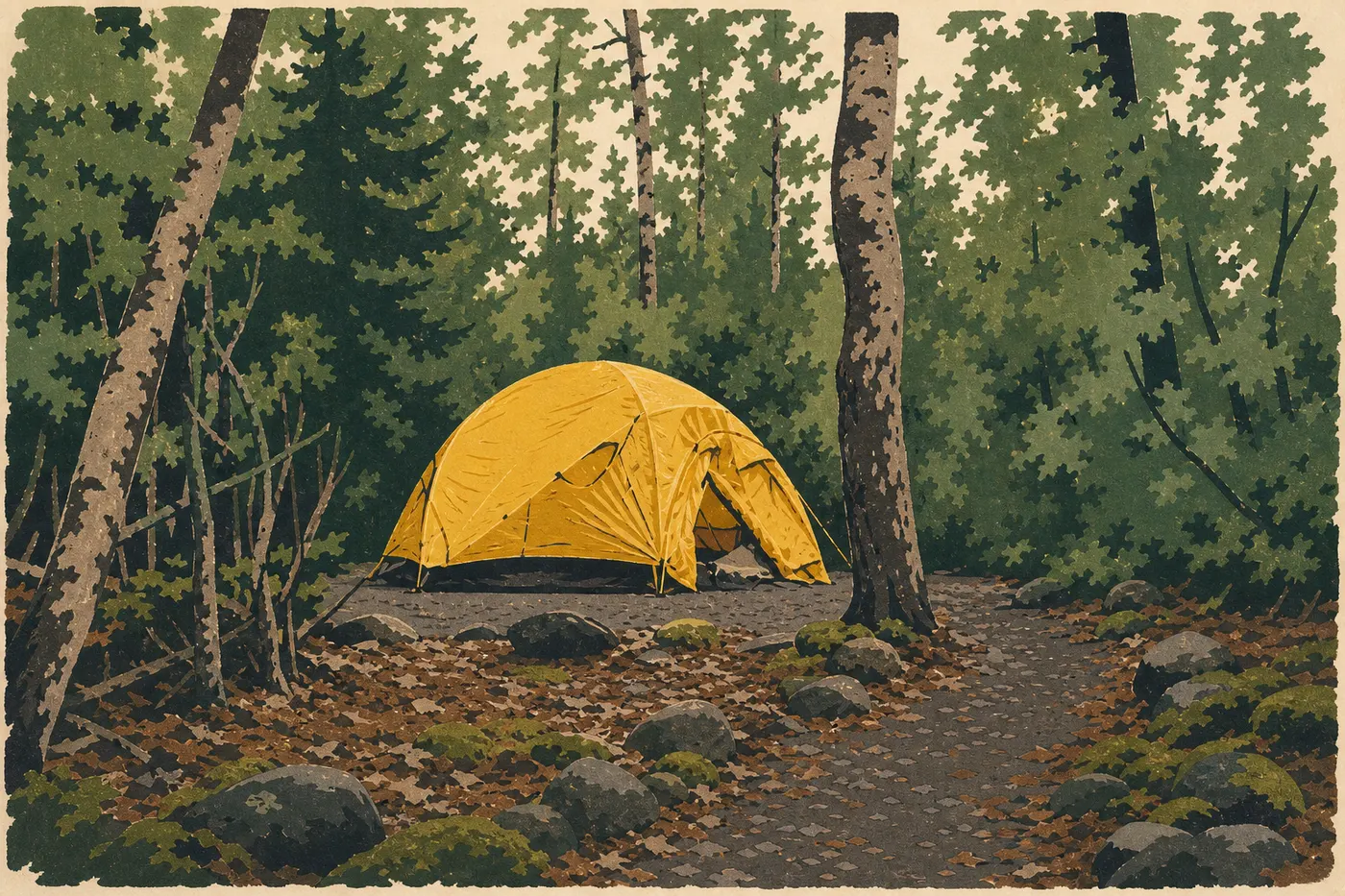
Camping in Kenai Fjords: Exit Glacier, 12 Sites, and Coastal Cabins
Quick answer: Yes, you can camp in Kenai Fjords National Park. The NPS offers one frontcountry campground at Exit Glacier with 12 free tent sites, open year-round and available on a first-come, first-served basis. Coastal cabins, accessible only by boat, and a large area of coastal backcountry camping round out the options. The nearby town of Seward is the place to stay if you're traveling by RV.
Campgrounds in the park (1)
- Campground Exit Glacier Campground first come, first served · 12 sites Directions ↗
 Base map © OpenStreetMap · © CARTO
 Kenai Fjords campgrounds by the numbers
1 official campgrounds inside the park, 12 campsites in total, 0 of them reservable.
| Campground | Sites | Booking | Fee / night | Open | Amenities |
|---|---|---|---|---|---|
| Exit Glacier Campground | 12 (12 tent only) | First come, first served | Free | Closed May 22 to Jul 21 | toilets, potable water*, bear lockers |
Source: National Park Service (NPS API), retrieved October 6, 2026. Fees and dates change: check the campground page before you go.
Can you camp inside Kenai Fjords?
Yes, and there's no entrance fee. The park doesn't charge for admission. The NPS offers three options: the frontcountry campground at Exit Glacier, reservable public-use coastal cabins, and dispersed camping in the coastal backcountry. If you're traveling by RV, Seward is your base.
Campgrounds in the park
Exit Glacier Campground
This is the park's only NPS-managed frontcountry campground. It's in the Exit Glacier area, a few minutes' walk from the parking lot, and is walk-in only. The campground has 12 sites, all for tents. No reservations are available. Sites are first come, first served, and camping is free.
The facilities are basic but functional, with restrooms, drinking water, and bear lockers. The lockers are mandatory. Store all food and scented items in them as soon as you arrive. The campground is open year-round, which is unusual for an inland Alaska park. The access road can be difficult outside the main season, so check conditions and any temporary closures on the NPS website before heading out in winter or spring.
Coastal Cabins (Public-Use Cabins)
The NPS manages several wooden cabins scattered along the park's wild coast. You can reach them only by boat or seaplane from Seward. Most sleep four to six people on fixed bunks. Each cabin has a wood stove and a rowboat on site for exploring the area.
Reservations are made through recreation.gov, sometimes several months ahead for the most popular dates. A water taxi from Seward is usually the biggest expense, far more than the NPS cabin fee. Check each cabin's recreation.gov page for current rates and availability.
RV or tent: which site should you choose?
Exit Glacier Campground is for tents only and is walk-in access. A large parking lot near the visitor center accommodates RVs during the day, but overnight parking isn't allowed.
If you're traveling by RV, make Seward your base. The town has several RV parks with electrical and water hookups, just a few miles from the park entrance. The Kenai Fjords RV camping guide lists the parks with hookups.
Camping nearby: private and municipal campgrounds outside the park
Seward has nearly all of the camping options around the park.
Seward municipal campgrounds: Several sites sit along the bay with open views of Resurrection Bay. Rates are reasonable, though advance reservations aren't always available.
Chugach National Forest: A few campgrounds managed by the U.S. Forest Service sit a few miles from Seward in a forested setting, with very affordable rates.
Private campgrounds: Local operators offer sites with hookups, restrooms, and Wi-Fi. They often fill up by July, so book early.
For hotel alternatives, all lodging options around Kenai Fjords are covered in the dedicated guide.
Backcountry camping and dispersed camping
Kenai Fjords' wild coast, which has no road access, allows dispersed camping. You don't need a permit to camp in the coastal backcountry, but Leave No Trace principles apply without exception: no open fires except in clear, mineral-soil areas; strict management of food waste; and zero impact on vegetation.
This type of camping is for experienced campers with a four-season tent, full rain gear, and a sleeping bag suited to nights near freezing. For routes and access points in the coastal backcountry, see Kenai Fjords trails and the 1- to 3-day itineraries.
How and when should you reserve a campsite in Kenai Fjords?
Exit Glacier Campground: No reservations are available, so check in directly at the campground. It's open year-round, with 12 sites available depending on current demand. In July and August, arrive early in the day to make sure you get a site.
Coastal cabins: Reserve through recreation.gov. The booking window opens as much as six months ahead for the most popular dates. July and early August fill up fast, so don't wait if you have a particular cabin in mind.
When should you go? The main season runs from June through August. June brings fewer visitors, while September means fewer services but better odds of finding a site at Exit Glacier. Choosing the best time to visit Kenai Fjords compares June, July, August, and September month by month.
Rates: how much does a night of camping cost in Kenai Fjords?
| Option | Approximate rate |
|---|---|
| Exit Glacier Campground | Free |
| NPS coastal cabins | Check recreation.gov |
| Seward municipal campgrounds | Less than $30 |
| Private campgrounds with hookups | $40 to $80, depending on amenities |
For coastal cabins, check the NPS rate directly on recreation.gov. Prices can change from one season to the next. Boat transportation from Seward is extra and is the main expense to include in your budget.
Safety and best practices: bears, weather, and tides
Bears
Black bears regularly visit the Exit Glacier area. Brown bears are present in remote coastal areas. The rules are strict and nonnegotiable.
Store all food, drinks, and scented items in the bear lockers provided at the campground, which are listed among the facilities in the table, or in an approved bear-resistant canister. Never leave food in a tent, including overnight. On trails and while kayaking, make noise regularly to announce your presence and avoid surprise encounters.
Weather and tides
Kenai Fjords has a changeable, often rainy maritime climate. In summer, daytime temperatures range from 45 to 72°F, and overcast days and showers are common. A waterproof tent and technical rain gear are essential, not optional.
Tides can be substantial along the coast. Always set up camp well above the high-water line. Check tide tables before landing a kayak, and secure your boat every time before walking away from it.
Which camping option fits your travel style?
Tent camping with a flexible plan: Choose Exit Glacier Campground. It's free, has no reservations, is open year-round, and sits close to the trails. It's a good fit if you want to combine hiking and camping without a tight schedule.
RV camping: Stay in Seward with hookups and use it as your base for day trips into the park. Our RV camping page lists the parks with hookups.
For a fully immersive experience: Reserve a coastal cabin on recreation.gov several months ahead and arrange a water taxi from Seward.
Experienced, fully self-sufficient camper: The coastal backcountry offers complete solitude among glaciers and fjords, provided you arrive fully equipped and prepared.
To plan your entire trip, see the Kenai Fjords overview and the Things to Do page to combine camping, hiking, and boat trips to the glaciers.
Frequently asked questions
Can you camp in the Kenai Fjords?
Yes. Exit Glacier Campground has 12 free tent sites available on a first-come, first-served basis and is open year-round. Coastal cabins reserved through recreation.gov offer a wilderness alternative, accessible only by boat or seaplane from Seward.
How many days should you plan for a visit to Kenai Fjords?
Plan on at least two nights to visit Exit Glacier on the first day and take a boat trip into the coastal fjords the next day. Allow three to five days if you want to reach the coastal cabins or explore by kayak.
Do you need to reserve Exit Glacier Campground in advance?
No. The campground is strictly first come, first served, and reservations aren't available. With only 12 sites, arrive early in the day in July and August to make sure you get one.
Is the campground equipped to handle bears?
Yes. Exit Glacier Campground provides bear lockers, and you must use them for all food, drinks, and scented items. Don't leave anything in your tent or vehicle, even overnight.