
When to Visit Grand Teton: Best Time, Weather, and Seasons
The best time to visit Grand Teton is September, when the crowds thin out, the aspens turn gold, and elk enter the rut in the valley.
The ideal window for visiting Grand Teton runs from mid-June to mid-September, when mountain roads are open, trails are passable, and wildlife is at its most active. Looking for peace and quiet? September is our favorite: the crowds thin out, the aspens turn gold, and daytime temperatures remain pleasant. Summer, especially July and August, is the safe choice for families because the park is fully accessible, but it's also the busiest time of year.
Grand Teton is open year-round, but winter closes most roads to cars. Snow can fall in any month, even July.
Grand Teton Climate Month by Month
Grand Teton lies in northwestern Wyoming, at an elevation of more than 6,600 feet. The climate is continental and mountainous, with long, cold winters and short summers that are warm during the day. Afternoon thunderstorms are common in July and August.
| Month | High (°F) | Low (°F) | Precipitation | Snow Cover |
|---|---|---|---|---|
| January | 28 | 1 | Snow | Frequent |
| February | 32 | 5 | Snow | Frequent |
| March | 41 | 12 | Mixed | Possible |
| April | 50 | 25 | Rain/snow | Possible |
| May | 59 | 32 | Rain/snow | Possible |
| June | 70 | 39 | Rain/showers | Rare in the valley |
| July | 81 | 46 | Afternoon thunderstorms | None |
| August | 79 | 45 | Afternoon thunderstorms | None |
| September | 68 | 36 | Rain, early snow | Rare |
| October | 54 | 25 | Rain/snow | Possible |
| November | 34 | 10 | Snow | Frequent |
| December | 27 | 3 | Snow | Frequent |
These temperatures are for the Jackson Hole valley, at roughly 6,600 feet. At higher elevations, such as Cascade Canyon and Death Canyon, expect temperatures 9 to 14°F lower depending on the elevation gain. For detailed forecasts and the live weather widget, check the Grand Teton weather forecast.
Grand Teton in January
January is the coldest month in the park. Nights regularly drop below 7°F, and daytime highs struggle to rise above 27°F. Teton Park Road is closed to cars and is used for cross-country skiing and snowshoeing. Visitor numbers are close to zero, lodges are closed, and access is limited to US-89, which remains open year-round. Bison and elk can be seen from the road, making this season well worth considering.
Grand Teton in February
February alternates between storms and beautiful blue-sky stretches, with highs climbing slightly to around 32°F while nights still hover around 10°F. Mountain roads remain closed to cars. It's peak ski season at Jackson Hole Mountain Resort, just outside the park. Crowds are at their lowest, making this a great time for stark winter landscape photography.
Grand Teton in March
The thaw begins slowly. Days can reach 41°F, nights stay around 18°F, and snow remains possible through the end of the month. Interior roads are still closed to cars, so cross-country skiing and snowshoeing remain the best ways to get into the park. Grizzly bears aren't expected to emerge from their dens yet. March suits visitors who enjoy winter landscapes and can manage with very limited access.
Grand Teton in April
April is a month of sharp transitions. Snow alternates with rain, days reach around 50°F, and nights remain below freezing at roughly 23°F. Some lower-elevation roads may reopen toward the end of the month, depending on snow conditions. Crowds remain light. It's often a good time to see elk returning to the park from their winter range, before the summer crowds arrive.
Grand Teton in May
May brings changeable spring weather, with days reaching 61°F and nights still cool at around 34°F. Precipitation is among the highest of the year, and higher-elevation trails remain muddy or snow-covered. Signal Mountain Road usually reopens toward the end of the month. This is the best time to see grizzly mothers with their cubs and wildflowers in the meadows, while the park is still relatively quiet.
Grand Teton in June
June brings summerlike conditions back to the valley, with mild days reaching 72°F, although showers remain frequent and mountain passes may still be snow-covered early in the month. Teton Park Road gradually reopens, usually around mid-June depending on snow conditions. Crowds increase quickly after the middle of the month. It's a good time to visit before the July rush, as long as you check trail conditions before setting out.
Grand Teton in July
July is the park's busiest month. All roads are open, days reach 81°F, and afternoon thunderstorms are almost daily at higher elevations. Start your hike early and head back down before 2 p.m. to avoid lightning in the high country. The Jenny Lake parking lot is often full before 8 a.m. The high country, including Cascade Canyon and Paintbrush Divide, is generally accessible from mid-July once the snow has melted.
Grand Teton in August
August is much like July, with highs around 79°F, frequent afternoon thunderstorms, and the year's biggest crowds. Park campgrounds and lodges have been fully booked for months, and accommodations in Jackson reach their highest rates. It's still the ideal month for kayaking and canoeing on Jenny Lake or Jackson Lake, as well as family activities. Arrive very early or late in the afternoon at the most popular sites to avoid the lines.
Grand Teton in September
September is our top recommendation. Days remain pleasant at around 70°F, while cool nights around 36°F call for a good jacket after dark. Crowds drop sharply after Labor Day, the first Monday of the month. Aspens turn gold from late September through mid-October, and the elk rut puts on an exceptional display of sound and movement around Gros Ventre and Antelope Flats.
Grand Teton in October
October brings the first high-elevation snow and cooler days, with highs around 54°F and nights near 25°F. Signal Mountain Road usually closes toward the end of October, and services gradually wind down. Crowds are light, fall scenery is often beautiful, and elk remain active early in the month. Check trail access conditions before setting out, since some passes can become snow-covered without warning.
Grand Teton in November
November marks winter's return. Highs struggle to rise above 36°F, snowfall becomes more frequent, and road closures begin to pile up. Teton Park Road closes to cars around mid-November. Crowds are nearly nonexistent, and most park services close for the season. November is only suitable for self-sufficient visitors who are comfortable with very limited access to the heart of the park and winter conditions during the day.
Grand Teton in December
December brings full winter conditions, with nights around 9°F and snow cover throughout the park. Mountain roads are closed to cars, and only US-89 remains passable. The peak ski season begins at Jackson Hole Mountain Resort. Very few people visit the park itself, though a few accommodations remain open in Jackson for visitors combining skiing with roadside wildlife viewing.
Grand Teton Season by Season
Winter (December to March)
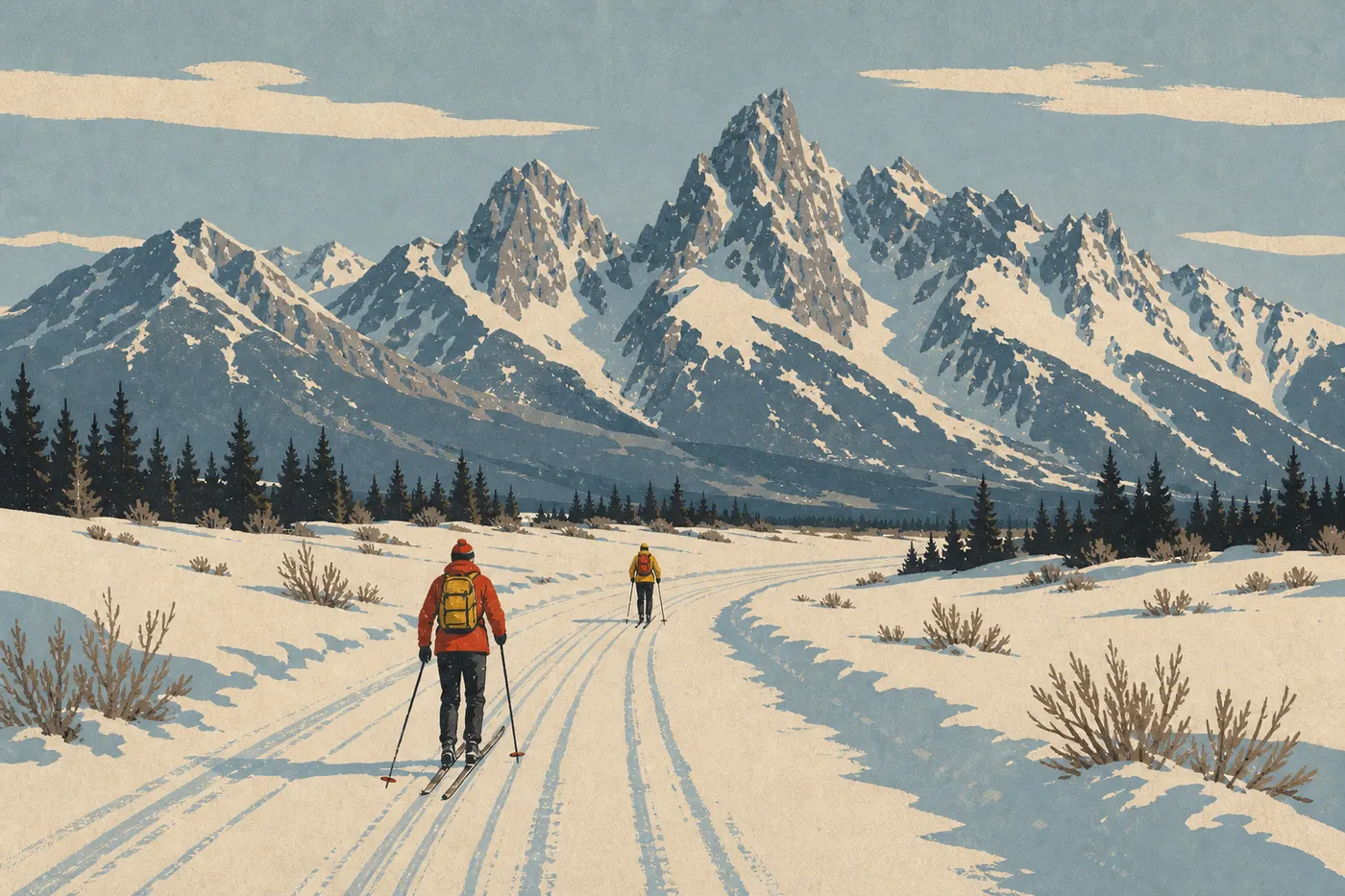
Winter turns Grand Teton into a northern playground. Most interior roads are closed to cars, but you can travel the snow-covered routes on cross-country skis or snowshoes. Nighttime temperatures regularly fall below 5°F in January and February.
Roads and access: Teton Park Road closes to cars in mid-November. Only US-26/89/191 remains open year-round. Snowmobiles are allowed on certain routes with a permit.
Wildlife: Bison gather on the plains and can be seen from the road. Elk move down toward the National Elk Refuge, a few miles south. Wolves and coyotes use the snow to hunt.
Crowds: At their lowest. Park lodges are closed, and only a few accommodations in Jackson operate. This is ideal for visitors seeking solitude and winter photography.
Things to do: Downhill skiing at Jackson Hole Mountain Resort, just outside the park; cross-country skiing on closed roads; and snowshoe wildlife viewing.
Spring (April to early June)
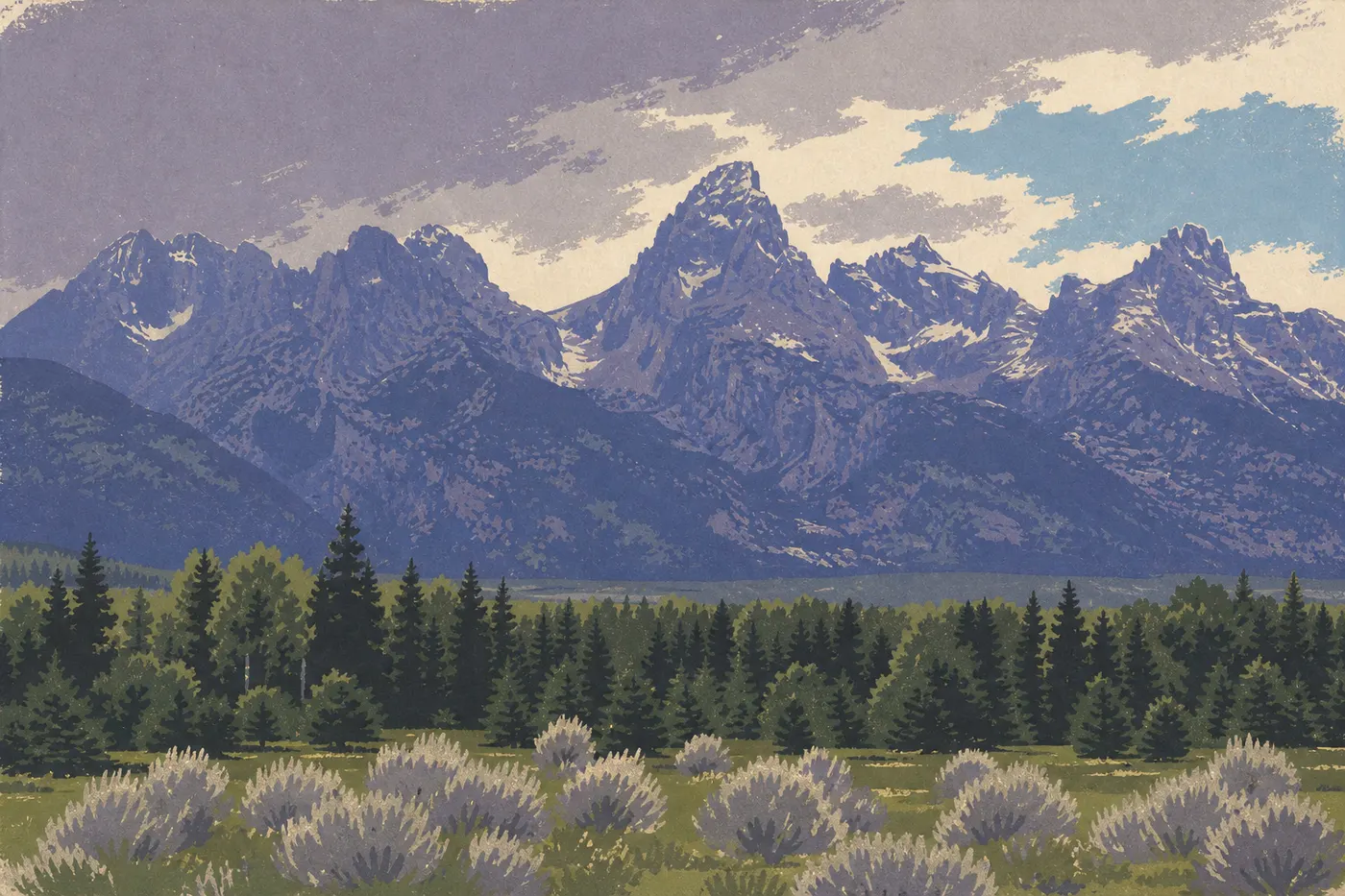
Spring is a season of contrasts. Mild days alternate with late snowstorms. A hike can easily start in sunshine and end under 4 inches of powder. April still feels like winter at higher elevations, May brings a gradual transition, and June marks the return of open roads.
Roads and access: Teton Park Road gradually reopens between May and mid-June, depending on snow conditions. Signal Mountain Road usually opens in late May.
Wildlife: This is birthing season. Grizzly mothers emerge from their dens with cubs in April and May. Elk return to the park from the lowland winter range. Be aware that required distances are 300 feet from bears and 75 feet from all other wildlife.
Crowds: Light to moderate. The summer crowds haven't arrived yet, but some roads and higher-elevation trails remain closed or snow-covered.
Things to do: Early-morning wildlife viewing, June wildflowers in the meadows, and the first valley hikes of the season.
Summer (mid-June to early September)
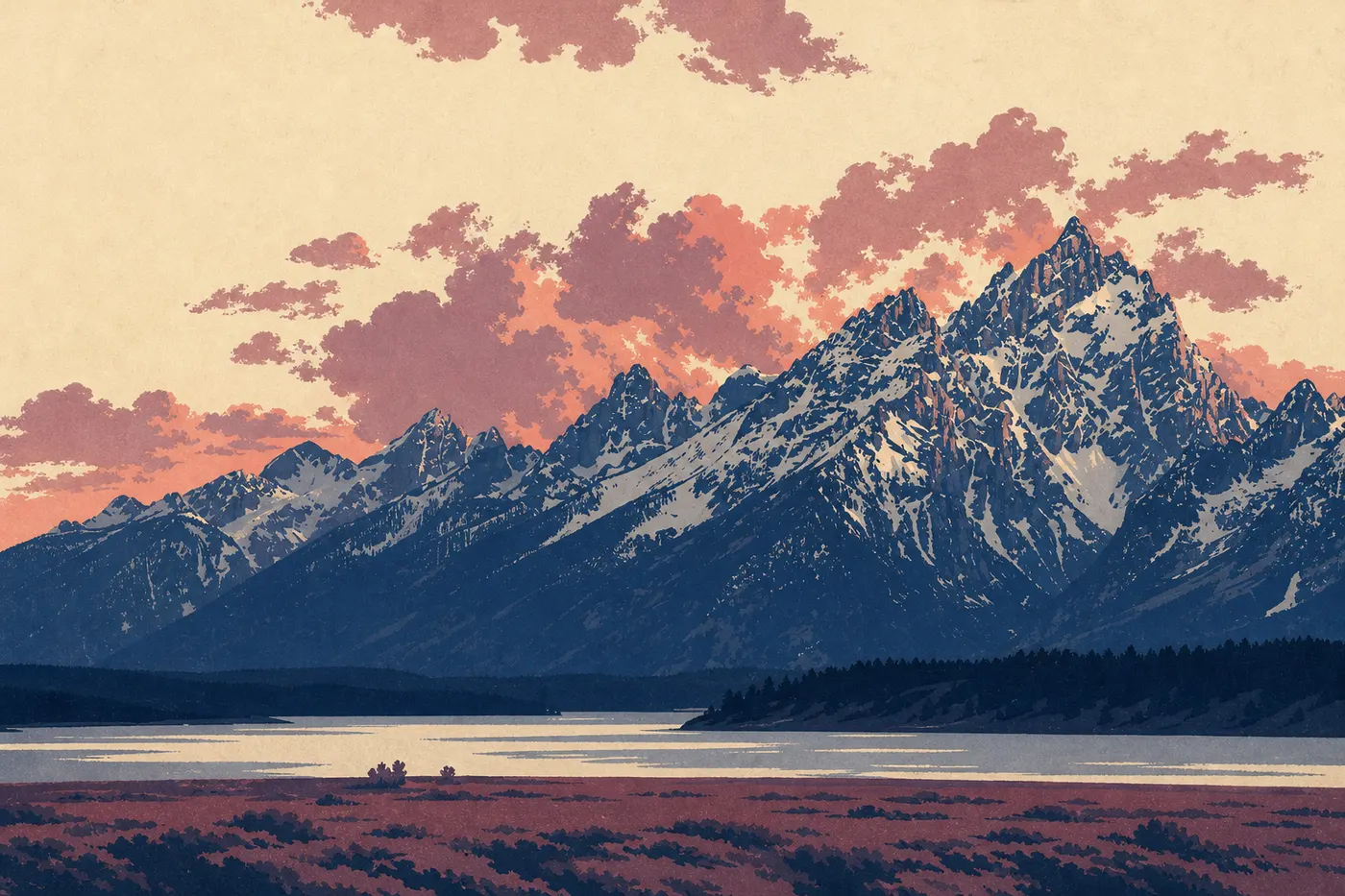
Summer is the absolute high season. Days are warm, reaching 77 to 81°F in July, nights are cool at around 45 to 46°F, and all of the park's roads and trails are accessible. Afternoon thunderstorms are common from mid-July to mid-August. Start your hike early and head back down before 2 p.m. to avoid lightning at higher elevations.
Roads and access: All major roads are open, including Teton Park Road, Signal Mountain Road, and Jenny Lake Loop Road. High-country crossings such as Cascade Canyon become accessible once the snow melts, usually in mid-July.
Wildlife: Bears, elk, mule deer, pronghorns, otters, and migratory birds are active. Bison graze in the meadows of Antelope Flats. The Lamar Valley wolf pack in Yellowstone, an hour north, occasionally ventures this way.
Crowds: Highest in July and August. The Jenny Lake parking lot is often full before 8 a.m. Arrive at opening time, around sunrise, or late in the afternoon.
Things to do: All the major hikes, including Cascade Canyon, Death Canyon, and Paintbrush Divide; kayaking and canoeing on Jenny Lake and Jackson Lake; horseback rides; and boat trips on Jackson Lake.
Fall (September to November)
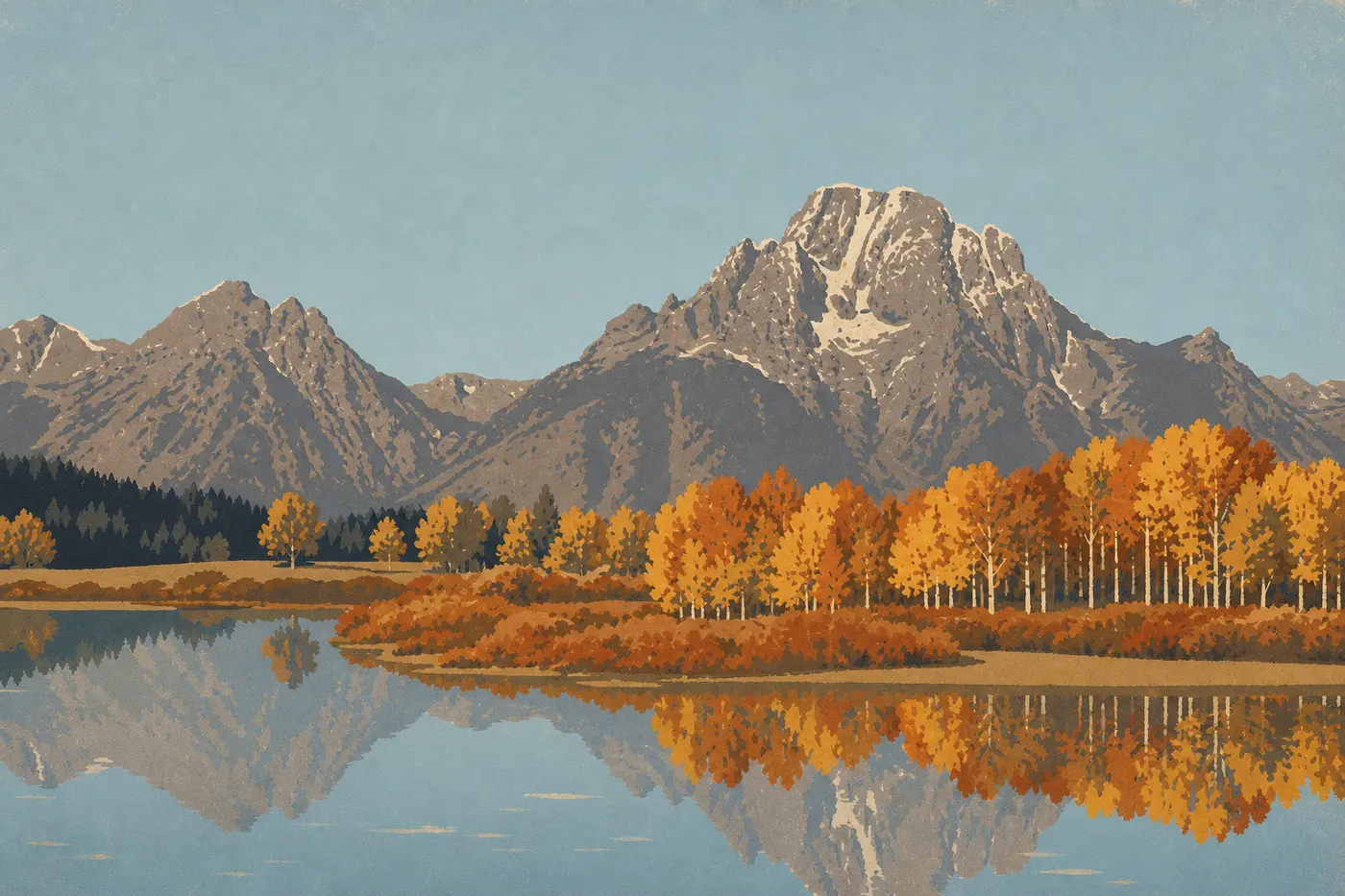
September is our recommended season. Crowds thin out sharply after Labor Day, the first Monday in September, daytime temperatures remain pleasant at 59 to 68°F, and aspen forests turn gold from late September through mid-October.
Roads and access: Teton Park Road stays open until mid-November. Signal Mountain Road usually closes in late October. The first significant high-elevation snow arrives in October.
Wildlife: The elk rut begins in September. Bulls bugle and spar, creating a striking spectacle around Gros Ventre and Antelope Flats. Bears feed intensely before hibernation, a period known as hyperphagia. Stay 300 feet away and never leave food accessible.
Crowds: Moderate in September and light in October. This is the best balance of good conditions and quiet on the calendar.
Things to do: Watch the elk rut, hike among fall colors, and photograph sunrise at Mormon Row.
Crowds: When to Avoid the Rush
Grand Teton draws several million visitors a year, concentrated in barely three months. The park doesn't require timed entry reservations like Arches or Zion, but key areas fill up quickly in summer.
Monthly crowd levels:
| Month | Level | What it feels like on the ground |
|---|---|---|
| January-March | ★☆☆☆☆ | Nearly empty, roads closed |
| April | ★★☆☆☆ | Quiet, limited access |
| May | ★★☆☆☆ | Quiet, roads reopening |
| June | ★★★☆☆ | Moderate, rises quickly late in the month |
| July | ★★★★★ | Absolute peak |
| August | ★★★★★ | Absolute peak |
| September | ★★★☆☆ | Sharp drop after the first Monday |
| October | ★★☆☆☆ | Quiet, closures progressing |
| November-December | ★☆☆☆☆ | Winter conditions, very few people |
Practical tips for avoiding traffic:
Arrive at Jenny Lake before 8 a.m. or after 5 p.m. in July and August. The parking lot requires payment and fills in less than an hour. Plan for the $35 park entrance fee per vehicle by buying your pass in advance on Recreation.gov, so you don't have to wait at the entrance booths. The $80 America the Beautiful annual pass pays for itself after two parks. You'll find details on our Fees & Passes page.
Reservations and Access by Season
Grand Teton doesn't use a general timed entry system, unlike some nearby parks. You can enter freely once you've paid the entrance fee. A few things still require advance planning.
Camping: Park campgrounds, including Jenny Lake, Signal Mountain, and Colter Bay, can be reserved through Recreation.gov, often several months ahead for July and August. Walk-in sites are very rare during peak season.
Lodging: Park lodges, including Jenny Lake Lodge, Jackson Lake Lodge, and Signal Mountain Lodge, fill up as early as January for summer. Book by March 1 if you're targeting July or August.
Yellowstone connections: If you're combining Grand Teton and Yellowstone, 56 miles north via US-89, Yellowstone entrances may require vehicle permits depending on the season. Check the access details in the Grand Teton access guide.
Best Time to Visit on a Budget
Accommodation prices in Jackson, the park's gateway town, closely follow the visitor curve.
July and August: Rates are at their highest. A decent hotel in Jackson can easily cost $250 to $400 per night. Park lodges cost even more.
June and September: Much better value. Rates drop 20 to 40% from the summer peak, and the overall visitor experience is often better.
October to May, outside ski holidays: Rock-bottom rates, but park access is limited, with closed roads and reduced services. Jackson is a renowned ski destination, and winter school-holiday weeks drive prices back up.
Flights: Jackson Hole Airport (JAC) receives nonstop flights from several major cities, including Los Angeles, Denver, Dallas, and Chicago, in summer. In the off-season, connections often go through Salt Lake City or Denver. The lowest fares are generally available from mid-October to early December and in March, outside spring break. To compare lodging options and estimate your total budget, see our Grand Teton lodging guide.
Which Season Fits Your Trip?
You're coming for wildlife. Choose May for newborn animals and grizzlies with cubs, or September to early October for the elk rut. Avoid July and August if you want to watch wildlife in peace. Animals steer clear of areas with too many people.
You're coming to hike. Mid-July to mid-September covers nearly all trails, including high-elevation crossings. In June, check pass conditions before setting out.
You're coming to take pictures. September is still our top recommendation, thanks to low autumn light, golden aspens, and highly active wildlife. Winter offers exceptionally clean landscapes if you're comfortable with limited access.
You're traveling with kids. July and August are the easiest months. Every activity, including boat rides, swimming at Colter Bay, and short trails, is operating. Read Grand Teton with kids for kid-friendly trails and safety tips.
You're traveling on a budget. September is the answer, with lower rates, fewer crowds, and a park that's still fully open. October also works if you're prepared for some mountain roads to close.
You're combining Grand Teton and Yellowstone. July and August offer the most options, but the road between the two parks can be very busy. Start early or arrive late to avoid traffic at Grand Teton's north entrance. Our Grand Teton guide gives you an overview of the trip.
In Summary: The Best Time for Your Trip
| Traveler profile | Recommended time |
|---|---|
| General sightseeing / first trip | July to early September |
| Photography and wildlife | September, elk rut and fall colors |
| Quiet and controlled spending | September-October |
| High-elevation hiking | Mid-July to mid-September |
| Families | July-August |
| Winter landscapes / skiing | January-March |
| Spring wildlife, including bears | May |
Grand Teton rewards visitors who come outside the busy American summer vacation period. When the parking lots empty and the aspens light up, the park reveals a side of itself that the July crowds will never see.
The Worst Time to Visit Grand Teton
July and August bring the park's biggest drawbacks: parking lots fill before 8 a.m., campgrounds sell out months ahead, Jackson Hole accommodations reach their highest rates of the year, and near-daily afternoon thunderstorms shorten the window for high-elevation hikes. Daytime heat, up to 81°F, combined with the risk of lightning in the high country, means starting early for major crossings. You'll get a fully open park, but you'll also face the logistical demands of a site under intense summer pressure.
Mid-November through the end of March is the other extreme to plan for carefully. Car access is limited to US-89, nighttime temperatures drop below 7°F in January, and most park services close. This season suits cross-country skiers, snowshoers, and winter photographers, but not a first visit or a family trip expecting hikes and access to Jenny Lake.
Frequently Asked Questions
When should you visit Grand Teton National Park?
The best time to visit Grand Teton is from mid-June to mid-September. September is our preferred month if you're looking for a balance of mild weather, open facilities, and fewer crowds.
Can you visit Grand Teton in winter?
Yes, but adjust your expectations. US-89 stays open year-round, and you can watch bison and elk from the road. Teton Park Road and most interior roads close to cars from mid-November until around May, and you can travel them on cross-country skis or snowshoes. Nighttime temperatures fall below 7°F in January and February, so bring full winter gear and stay in Jackson rather than in the park.
When is peak season in Grand Teton?
Peak season runs from early July through late August. All services are open, but parking lots fill up, campgrounds book months ahead, and accommodations charge their highest rates. June and September are excellent alternatives, with far fewer people and noticeably lower rates.
When is the best time to visit the American West?
For a road trip through the American West that combines Grand Teton, Yellowstone, and Utah's parks, mid-August to mid-September offers the best balance. The summer peak starts to ease, access remains open, and temperatures stay comfortable. Our Regions section can help you build your itinerary.
When is the best time to visit Wyoming?
For Wyoming overall, June through September covers most national parks, including Grand Teton and Yellowstone, as well as the Bighorn Mountains. The state is accessible year-round, but winters are severe across the northern part of the state.
Where should you stay in Grand Teton?
Park lodges, including Jenny Lake Lodge, Jackson Lake Lodge, and Signal Mountain Lodge, as well as Grand Teton campgrounds, book far ahead for summer. Jackson, 9 miles south, offers a wide range of hotels, motels, and rentals. See our complete selection in our Where to Stay guide.
How many days do you need to visit Grand Teton? Two full days let you cover the iconic viewpoints and one or two hikes. Three to four days give you time to explore more remote areas and watch wildlife at dawn. Our Itinerary & Length page offers several options based on the time you have.
How much does a trip to Grand Teton cost?
The entrance fee is $35 per vehicle, valid for 7 days. The $80 America the Beautiful annual pass covers all federal recreation sites. Lodging in Jackson Hole ranges from $100 to $400+ per night, depending on the season. For entrance fees and annual passes, see the national parks Fees & Passes page.