
Capitol Reef Wildlife: What Animals to See and Where to Find Them
Capitol Reef is home to far more wildlife than its arid cliffs might suggest. In this red-rock canyon carved by the Waterpocket Fold, five species stand out: the mule deer, Desert Bighorn Sheep, mountain lion, Gray Fox, and Collared Lizard. You'll also see rattlesnakes, beavers along the Fremont River, and dozens of bird species nesting in the cliffs. For the full picture as you plan your stay, see our complete guide to Capitol Reef.
Capitol Reef's Iconic Wildlife
Mule Deer
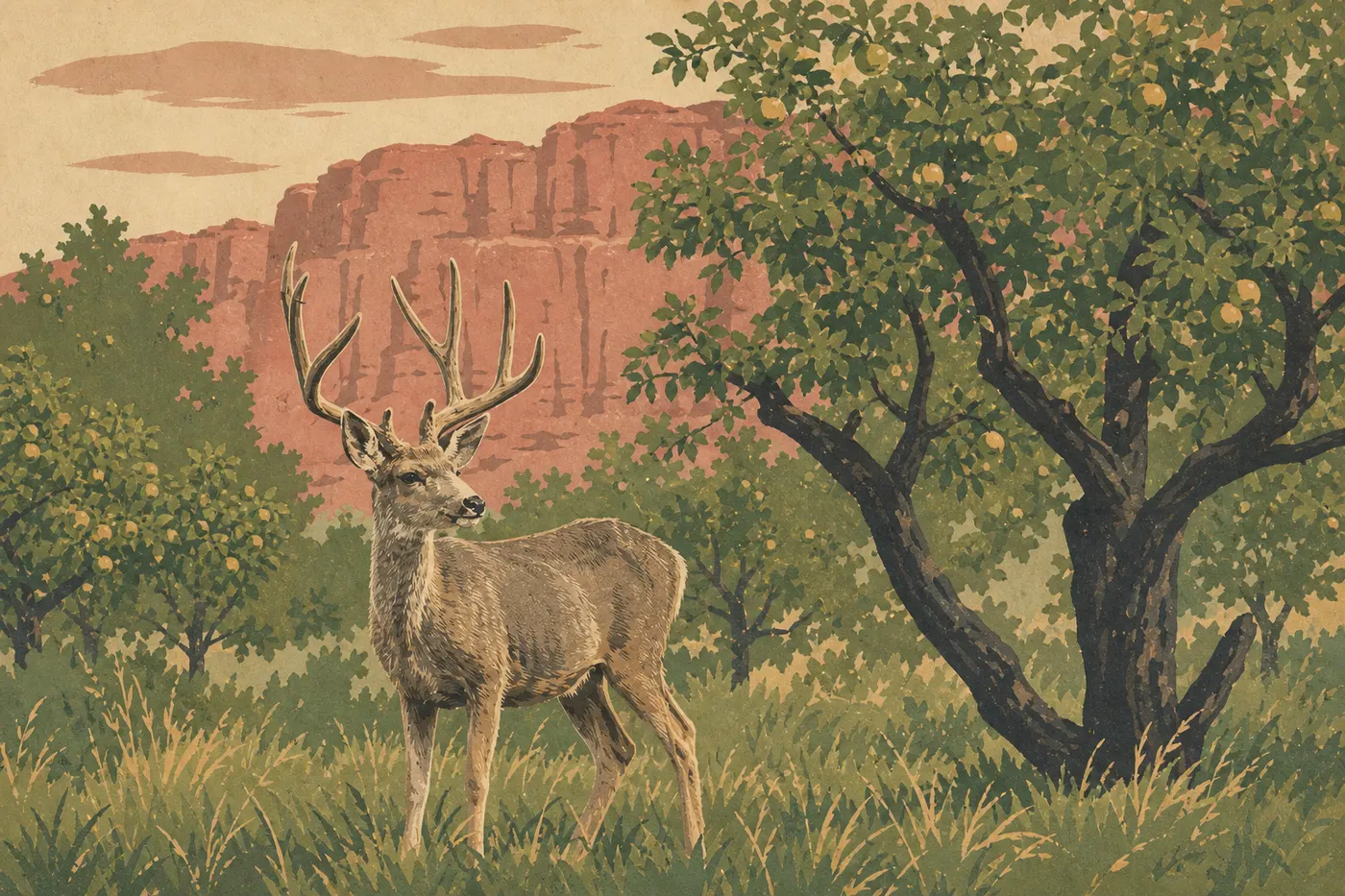
Mule deer are by far the most visible animals in the park. You can recognize them by their large, V-shaped ears, which give them their name. They can weigh between 155 and 330 pounds, depending on sex. Does have no antlers year-round, while bucks grow antlers that fall off every winter and return in spring.
They graze near Fruita's historic orchards, in the meadows along the Fremont River, and along Scenic Drive during the cooler hours. Used to visitors, they sometimes come within a few yards. Keep your distance. They can kick if you crowd them.
Desert Bighorn Sheep
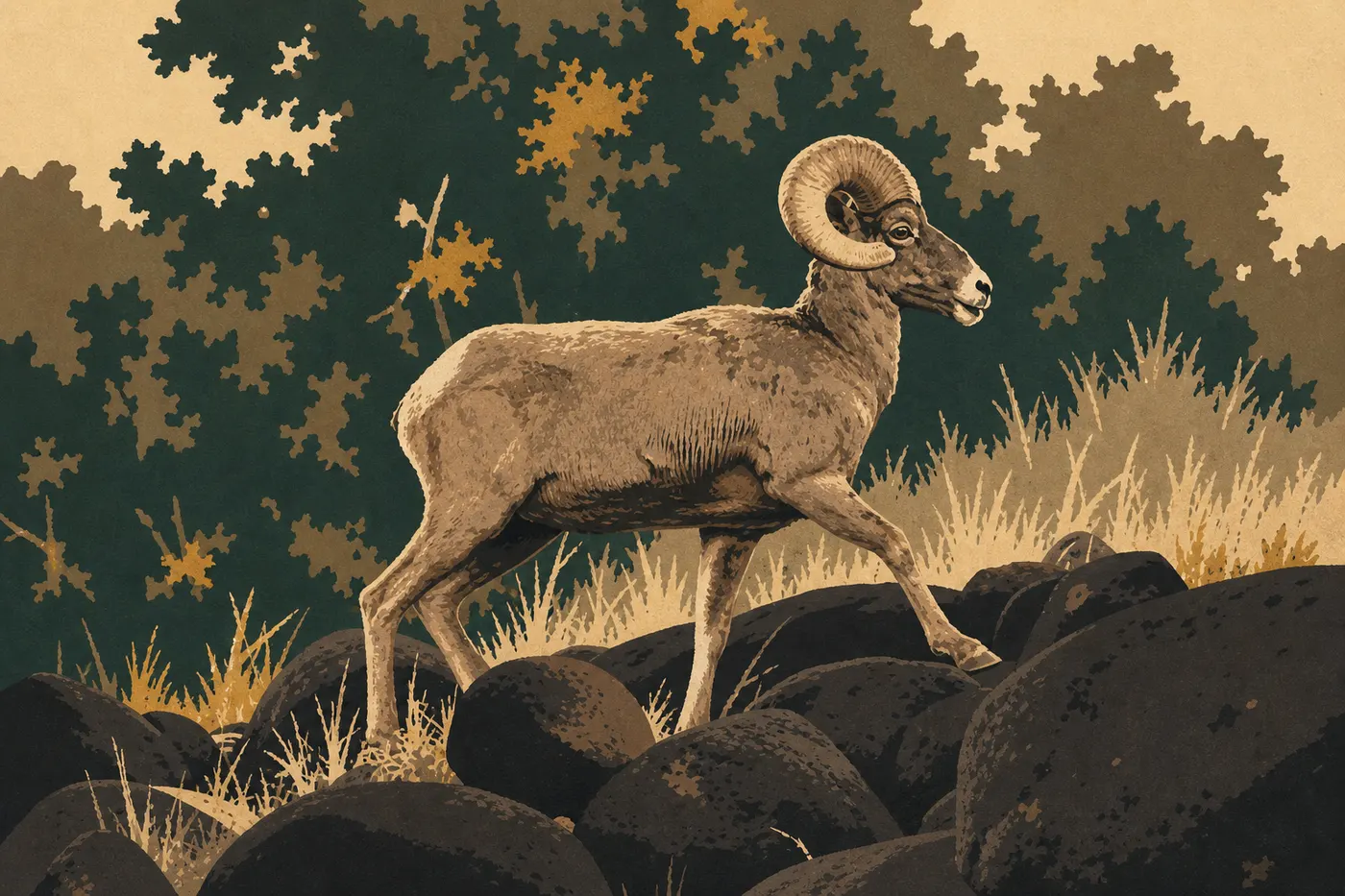
Desert Bighorn Sheep navigate the vertical cliffs and talus slopes that almost no other mammal can manage. Rams have spiral horns that can curl all the way around. They use them in ritual fall battles, producing impacts that can be heard several hundred yards away.
Look for them on the cliffs above Scenic Drive, around Capitol Gorge, or on the ridges north toward Cathedral Valley. Dawn and dusk are your most reliable viewing windows.
Mountain Lion
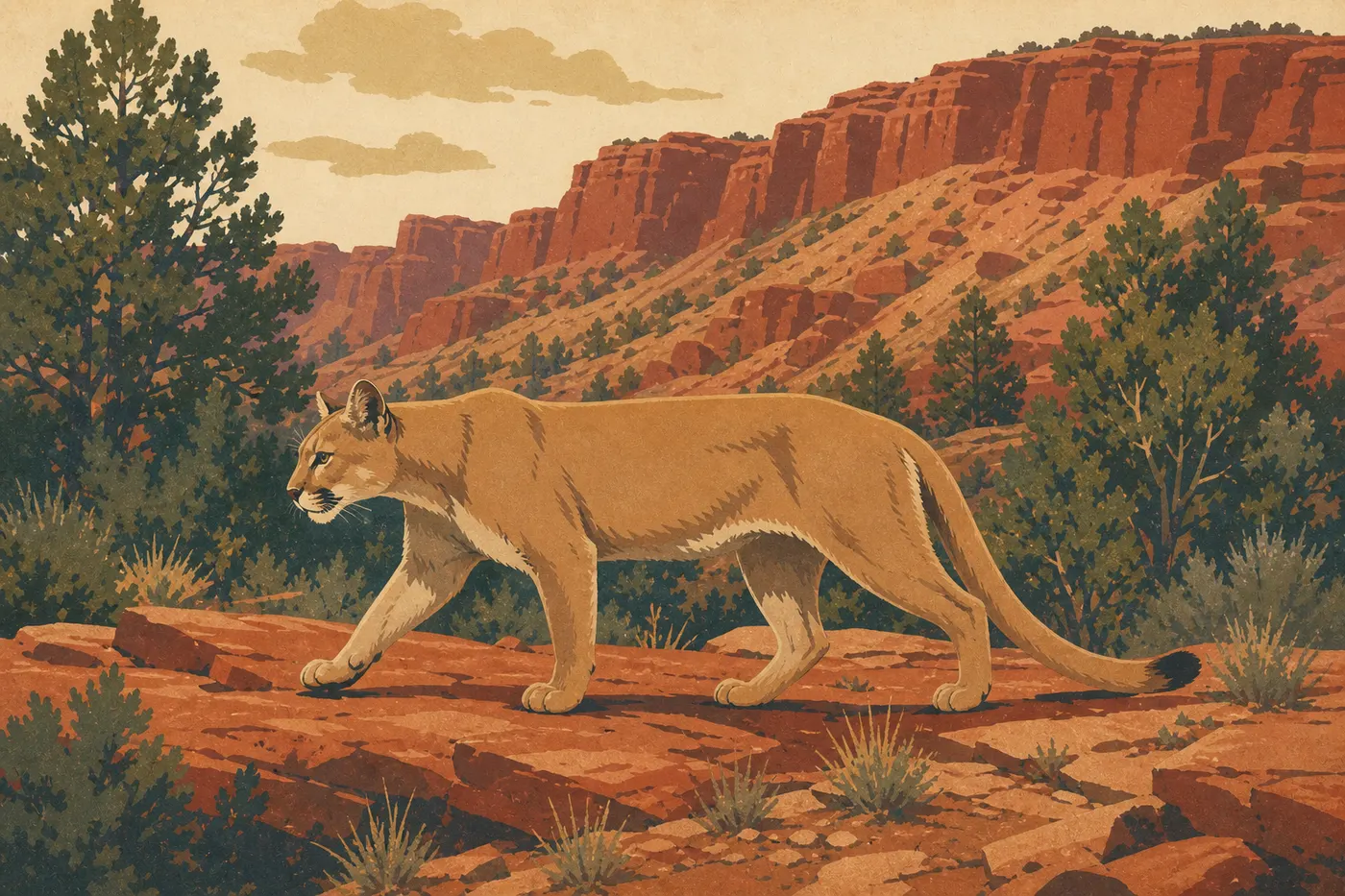
The mountain lion is the park's top predator. Solitary and nocturnal, it mainly hunts mule deer and bighorn sheep. Your chances of seeing one are slim, but they're here. Rangers regularly report tracks on muddy trails after rain.
If you do come across one, which is extremely rare, never run. Make yourself look large, speak firmly, and back away slowly. Keep children close as soon as you leave the valley floor.
Gray Fox
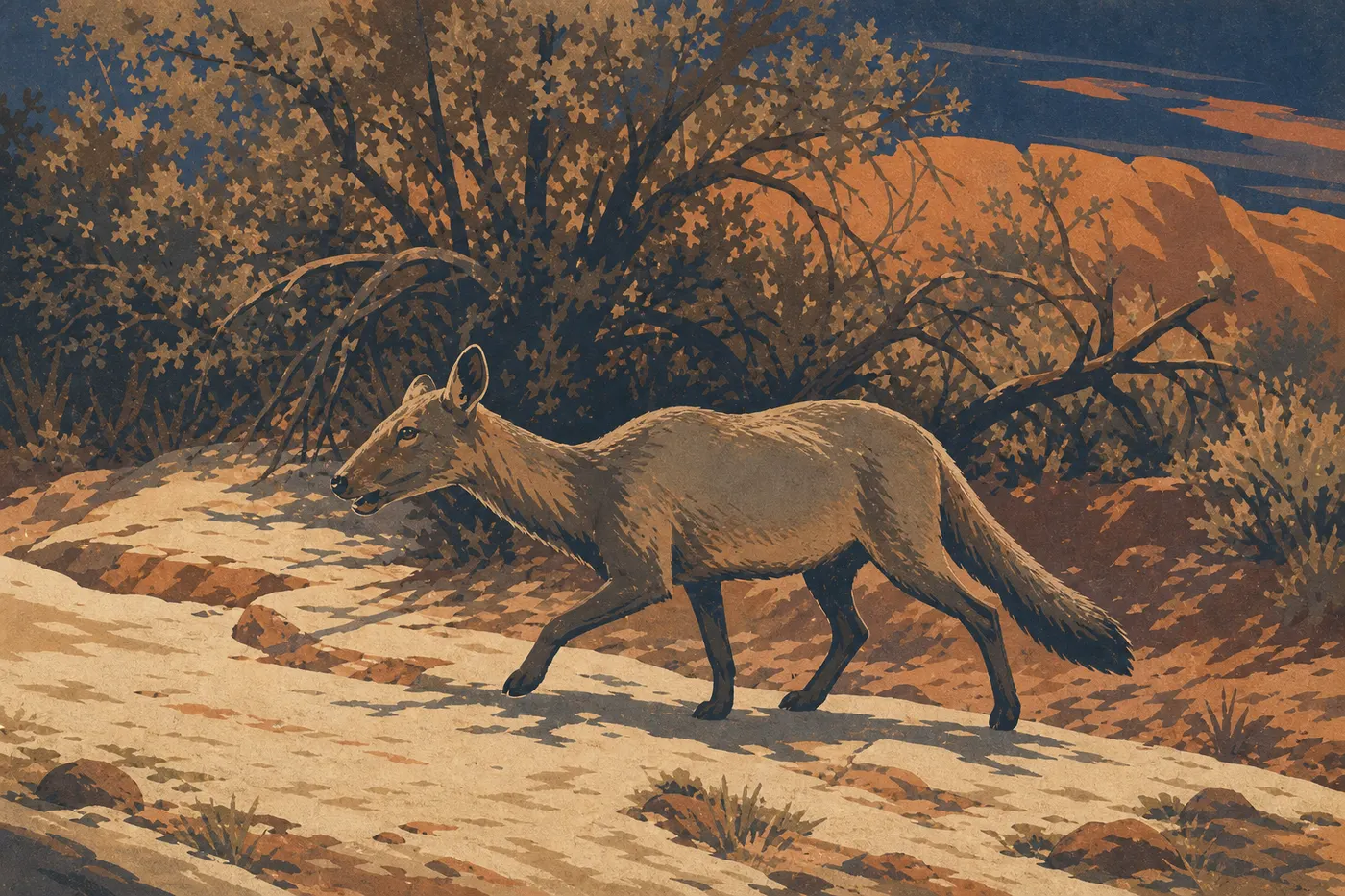
Unlike coyotes, which cross the desert openly in daylight, Gray Foxes are secretive and most active at dusk. They climb through bushes and even trees, setting them apart from most other foxes. Their gray-and-russet coats blend into the park's rocks.
You may spot one along the edge of the Fruita orchards, in the brushy areas around the river, or on less-traveled trails late in the day. One sign to look for is a nearly straight line of tracks in sand or mud.
Collared Lizard
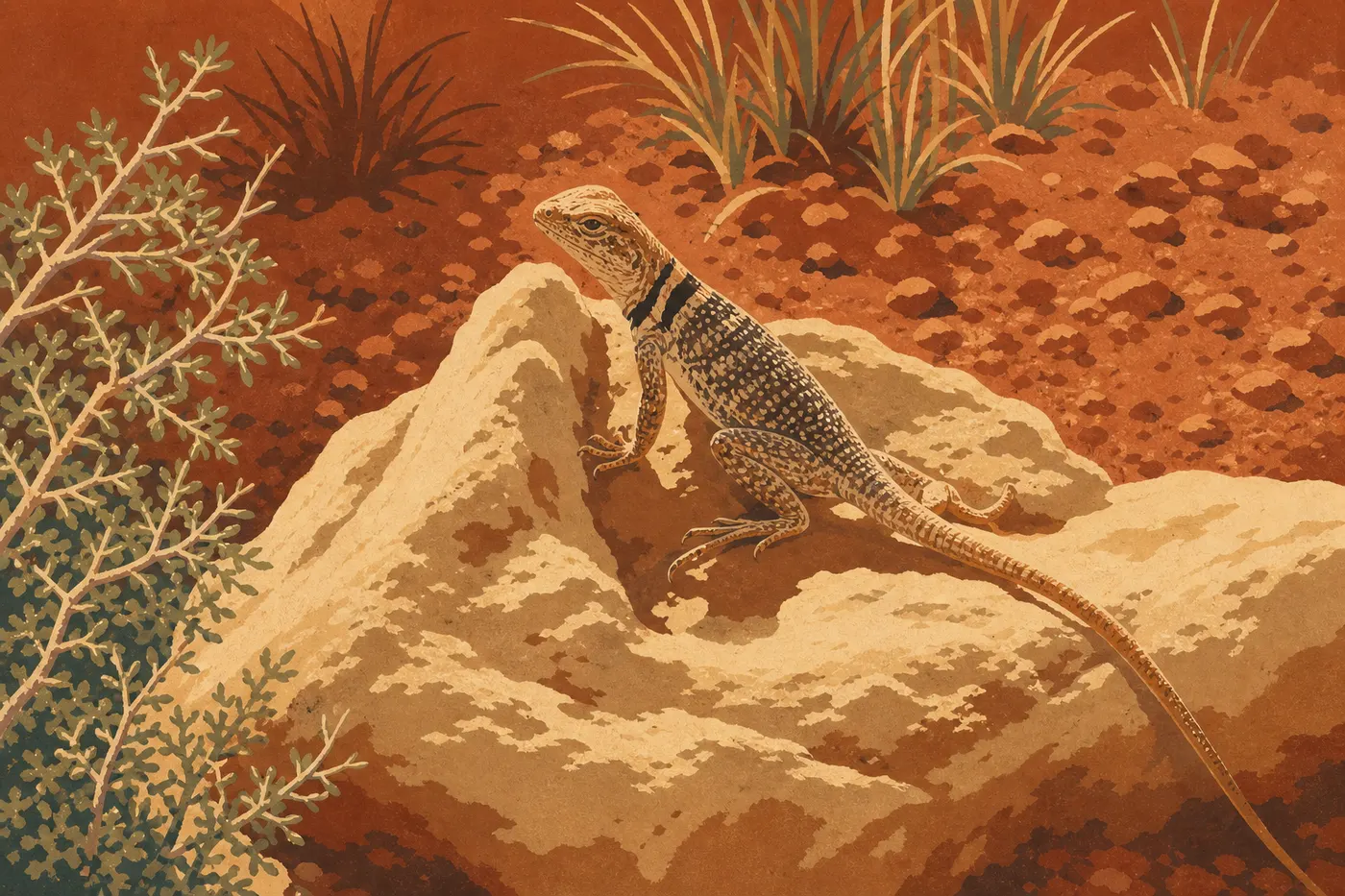
It's hard to miss a Collared Lizard on flat rocks in full sun. Males have a bright yellow-green belly and two distinct black bands around the neck. They're active, fast hunters that can run short distances on their hind legs.
They come out once temperatures rise above 68°F and disappear around midday if the heat becomes too intense. Look for them on south-facing sandstone slabs from April through September.
Telling Snakes Apart: Rattlesnakes or Not?
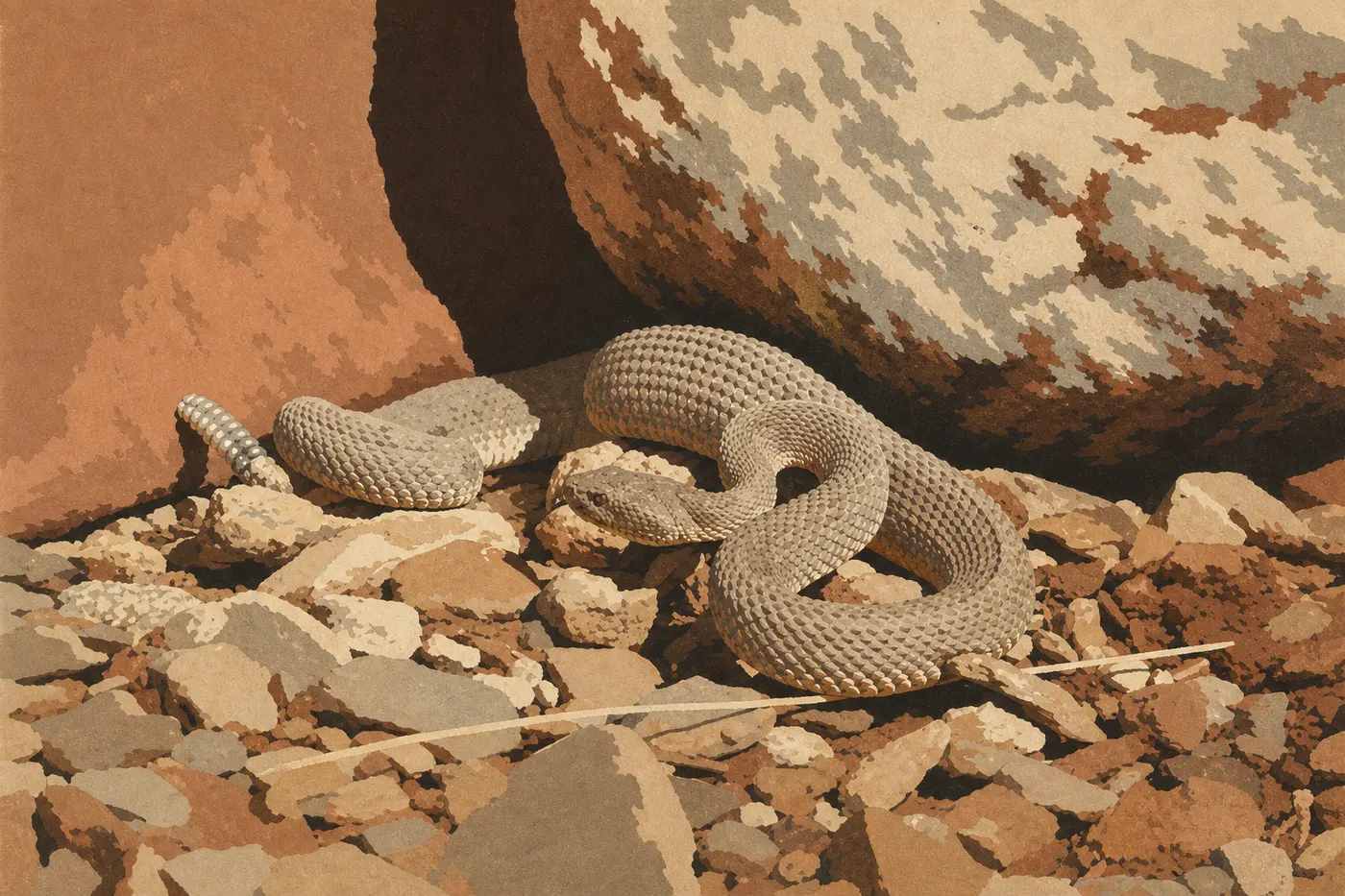
Capitol Reef is home to several snake species, including the prairie rattlesnake (Rattlesnake). Here's how to tell them apart:
- Rattlesnake at the end of the tail and a broad, triangular head: venomous. Back away calmly.
- Thin tail with no rattle and round pupils: nonvenomous snake. Most snakes in the park fall into this category.
- Longitudinal stripes: often a garter snake (gopher snake), which can imitate a rattle by vibrating its tail in dry leaves.
If you're bitten by a rattlesnake, stay calm, immobilize the limb, and get emergency help immediately. Don't suck out the venom or cut the wound.
Where to See Wildlife in Capitol Reef
Capitol Reef includes several distinct areas, and wildlife isn't spread evenly among them.
Fruita and the Fremont River valley (the central area around the visitor center) are by far the most productive areas for beginners. The historic orchards attract mule deer almost constantly. The deer feed on apples and peaches when they're in season. Beavers have dug burrows along the banks. Look for gnawed tree trunks at the base of willows and cottonwoods.
Scenic Drive (11 miles one way) runs along cliffs where bighorn sheep regularly come down at dawn. The Capitol Gorge parking area, at the end of the road, is a good starting point for watching lizards on slabs warmed by the morning sun.
Cathedral Valley to the north requires a detour in a 4WD or high-clearance vehicle, but it offers the best chance of seeing Desert Bighorn Sheep away from the crowds. Let the visitor center know before you head out alone.
The Waterpocket Fold to the south (accessible from Notom-Bullfrog Road) is the wildest area, with Gray Foxes, coyotes, and occasional mountain lion tracks in the sandy washes.
When to Watch Wildlife: Seasons and Daily Patterns
The two best daily viewing windows are the hour after sunrise and the two hours before sunset. At midday in summer, mammals look for shade and lizards burrow under rocks, so you won't see much.
Season by season:
- Spring (April-May): Mule deer leave the lowlands, migratory birds stop in Fruita's wooded areas, and lizards become active again.
- Summer (June-August): The daytime heat is intense, rising above 99°F, but dawn is magical. This is the best time to see raptors carrying prey to their cliff nests.
- Fall (September-October): Mule deer rut, with restless bucks that call for extra caution, and bighorn sheep battles in the high country. Fall's low-angle light is ideal for photography.
- Winter (November-March): The park empties out, and animals move to lower elevations. Bighorn sheep are easier to see lower down, while coyotes are active during the day.
To find out which months combine wildlife viewing with the best weather, see our guide to the best times to visit Capitol Reef.
Predators and Large Animals of Capitol Reef
The mountain lion is the park's largest land predator. Although black bears have been reported very occasionally in Utah, they aren't established at Capitol Reef. There is no resident bear population in Capitol Reef.
Coyotes are secondary predators. They regulate rodent populations, including antelope squirrels and desert cottontails, and clean up carcasses. You can often hear them howl at night from Fruita Campground. Their gray-brown coats make them hard to see in the evening, but they sometimes cross parking areas in broad daylight without being bothered by visitors.
Gray Foxes round out this trio, but they hunt much smaller prey: lizards, rodents, insects, and wild fruit.
Among the reptiles, the Gila monster lives in the park's lower desert areas. It's one of the few venomous lizards in North America. Slow-moving and rarely aggressive, it's seldom seen, but never touch one. It can bite and hold on.
Watching Wildlife Safely
Here are a few nonnegotiable rules, emphasized by the NPS and Leave No Trace:
Keep your distance. Stay at least 165 feet from any wild mammal and at least 330 feet from predators, including mountain lions and coyotes in a pack. If an animal changes its behavior when you approach, such as turning toward you, stopping its meal, or raising its head, you're too close.
Never feed an animal. Not even a squirrel. An animal that associates humans with food loses its natural wariness and may have to be euthanized by rangers. The same goes for the deer in the orchards. No matter how tame they seem, feeding them is prohibited.
Keep your food out of reach. In wild areas such as Cathedral Valley and the Waterpocket Fold, use the campground's bear boxes or store food in your trunk, not on a visible back seat.
Snakes on the trail. Watch where you place your hands and feet, especially on rocks and under bushes. If you're unsure about the path ahead, tap the ground with a stick. A rattlesnake would rather flee from a vibration than confront you.
Gila monsters. If you see one, don't touch it, even with a stick. Report the sighting to the visitor center. These observations provide valuable data for tracking populations.
For general park safety, including flash floods, heat, and terrain, follow the guidance posted at the Capitol Reef visitor center or on the official NPS website.
At a Glance: Species Not to Miss and Where to Find Them
| Species | Best spot | Best time |
|---|---|---|
| Mule deer | Fruita orchards, along the Fremont River | Dawn, dusk |
| Desert Bighorn Sheep | Scenic Drive cliffs, Capitol Gorge, Cathedral Valley | Dawn |
| Mountain lion | Anywhere (tracks on muddy trails) | Nocturnal, rarely seen |
| Gray Fox | Edge of the orchards, southern Waterpocket Fold | Dusk |
| Collared Lizard | Sunny sandstone slabs, Capitol Gorge | Morning (10 a.m. to noon) |
| Prairie rattlesnake | Under rocks and bushes | Avoid hidden areas |
| Beaver | Along the Fremont River | Dawn, evening |
| Coyote | Campgrounds, open areas | Dawn, evening |
To plan your itinerary around these wildlife sightings, our selection of hikes in Capitol Reef takes you through the best habitats.
Frequently Asked Questions
Are there bears in Capitol Reef?
There is no established bear population in Capitol Reef National Park. Stray black bears have been reported very occasionally in Utah, but the park isn't part of their regular range. The park's top predator is the mountain lion.
What species of deer are found in Capitol Reef National Park?
Capitol Reef has just one deer species: mule deer (Odocoileus hemionus). They're the most frequently seen wild animals in the park, especially around the historic Fruita orchards.
Are there rattlesnakes in Capitol Reef National Park?
Yes, prairie rattlesnakes (Crotalus viridis) live in Capitol Reef. You can identify them by the rattle at the end of the tail and their triangular heads. Watch where you place your hands and feet on rocks and under bushes, especially in hot weather.
Are dogs allowed in Capitol Reef?
Dogs are allowed in Capitol Reef, but only in vehicle-accessible areas such as campgrounds, parking areas, and paved roads. They're not allowed on trails, in canyons, or in the backcountry. They must remain on a leash, no longer than 6 feet, at all times. Having a dog with you greatly reduces your chances of seeing wildlife.
What is the most common animal in Capitol Reef?
Mule deer are the most frequently encountered wild animals in Capitol Reef. Lizards and antelope squirrels are even more numerous, but mule deer are the animals visitors remember because of their size and proximity to busy areas.
What predators live in Capitol Reef?
Capitol Reef's main predators are the mountain lion, the top predator; the coyote, a secondary predator; and the Gray Fox, which hunts small prey. Rattlesnakes prey on rodents and small reptiles. The Gila monster, a venomous lizard found in lower areas, completes the lineup.