
What to Do in Capitol Reef: Must-See Highlights
Capitol Reef is the least talked-about of Utah's Mighty Five, and that's precisely what makes it such a distinctive place to explore. Three highlights capture the essentials: Scenic Drive (18 miles of pavement and dirt road between dark red cliffs), the Fruita historic district with its pioneer orchards and Fremont petroglyphs, and a narrow canyon (Grand Wash or Capitol Gorge) that shows you what “sandstone gorge” really means. Add Cathedral Valley if you have a suitable vehicle and a second day.
Capitol Reef at a Glance: Areas, Access, and Getting Around
Capitol Reef is crossed from east to west by UT-24, which doesn't require an entrance fee. To reach Capitol Reef from the region's main towns, the park access guide covers routes and road conditions.
The park is divided into three distinct geographic areas.
- Fruita (central area): the visitor center, historic orchards, Scenic Drive, and nearly all of the marked hikes. Most visitors spend 80% of their time here.
- Cathedral Valley (northern area): isolated sandstone monoliths in a desert plain. Access is limited to high-clearance vehicles on unpaved roads that can become impassable after rain.
- Strike Valley / Waterpocket Fold (southern area): Notom-Bullfrog Road follows the geologic fold south for about 60 miles and is partly paved.
A car is essential. For on-site logistics, getting around Capitol Reef explains rental options and access to each area.
The entrance fee is $20 per private vehicle, or $10 per person entering on foot or by bicycle. The park's annual pass costs $35. The park is open 24 hours a day, 365 days a year. Visitor center hours vary by season, so call 435-425-3791 for the current day's hours. The Capitol Reef guide brings together up-to-date practical information and the rules you should know before entering.
How Much Time Do You Need to Visit Capitol Reef?
One day lets you cover the Fruita area, Scenic Drive, and one short hike. That's the minimum workable itinerary, not the ideal plan.
Two days gives you the right pace: take your time in the central area on the first day, then explore Cathedral Valley or the southern area on the second. You can breathe, wait for the evening light, and understand why this park stands apart from its neighbors.
Three days or more: add one or two longer hikes, such as Cassidy Arch or Cohab Canyon, spend a night under the stars at Fruita Campground, and, with the right vehicle, drive the full Cathedral Valley loop.
Day-by-day Capitol Reef itineraries are available for every length of stay.
Must-See Highlights by Area
Fruita Area: The Historic Heart of the Park
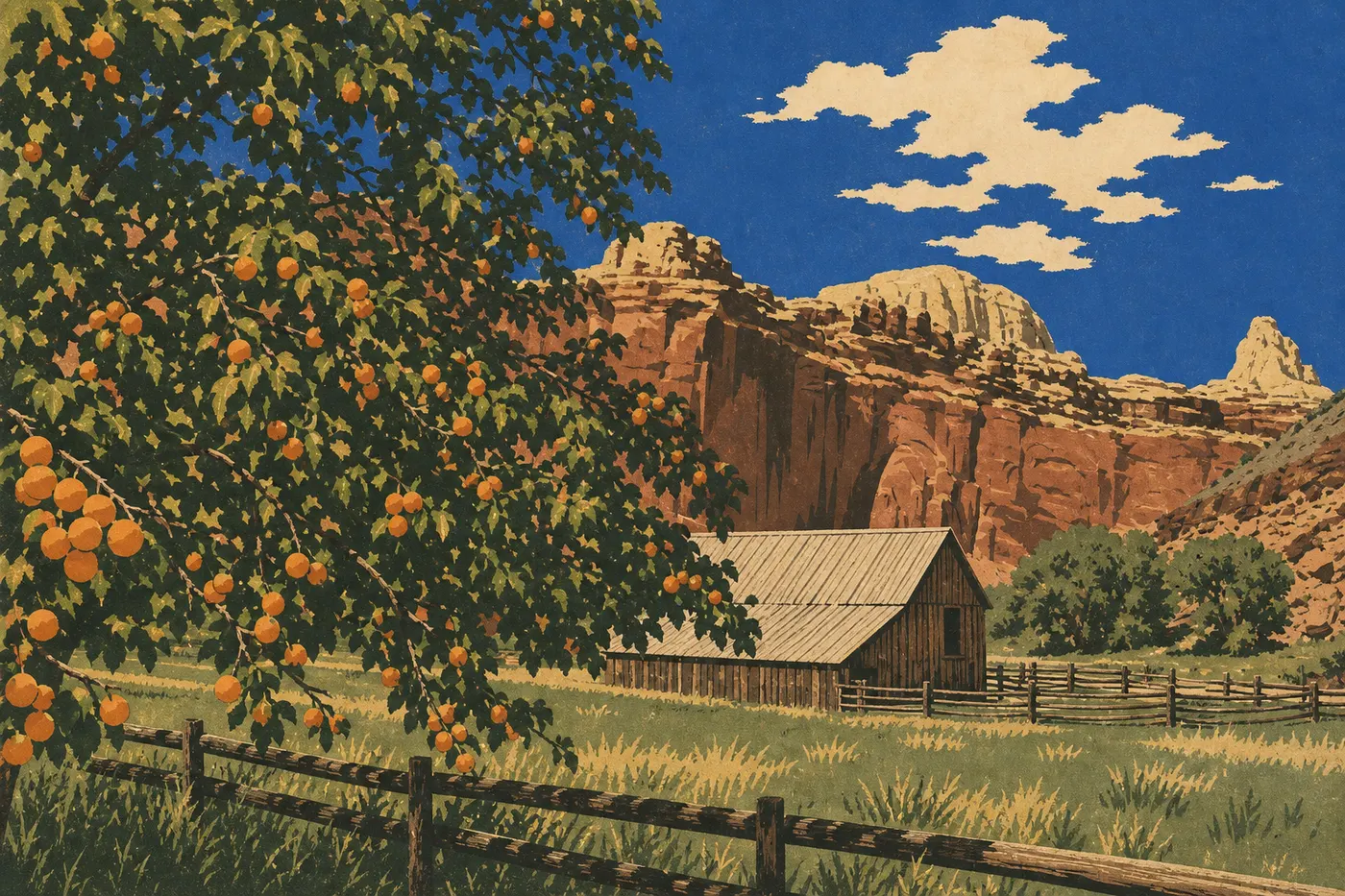
This is where you'll start, no matter what. Most points of interest that don't require an off-road vehicle are concentrated here.
Fruita's Historic Orchards
Mormon pioneers planted these orchards in the late 19th century. The NPS now maintains about 2,700 fruit trees that are still producing. Cherries, apples, pears, peaches, and apricots are available for picking from mid-June through October, depending on the variety. You can take the fruit with you at no additional charge beyond the entrance fee. When we visited in August, I picked apples straight from the tree and ate them sitting on a rock facing the cliffs. It's the kind of moment you can't plan and won't forget.
Fremont Petroglyphs
About 1.2 miles east of the visitor center along UT-24, a sign marks a site of petroglyphs carved by the Fremont people about 1,000 years ago. Stylized human figures, elaborate headdresses, and animal depictions are visible from the roadside with the naked eye or binoculars. It's a five-minute stop, but don't skip it.
Fruita Schoolhouse and the Historic District
The small Fruita schoolhouse, built in 1896 and one of the best-preserved in rural Utah, is open during the season. The pioneer cemetery directly across from it offers a tangible sense of how hard life was in this narrow valley at the time.
Chimney Rock
This roughly 500-foot red sandstone pillar stands out as soon as you arrive from the west. It's the park's first visual landmark. A 3.1-mile loop trail takes you around it for different perspectives.
Goosenecks Overlook
A roughly 0.5-mile path from the parking area leads to an overlook above Sulphur Creek's deep meanders. The late-afternoon light is especially flattering here.
Panorama Point
From this overlook, you can take in the entire Waterpocket Fold, the 100-mile geologic ridge that shapes the park. This is the place to understand Capitol Reef's anatomy at a glance.
Scenic Drive: 18 Miles Between Cliffs and Canyons

The scenic road heads south from the visitor center. The first few miles run alongside cliffs layered in red, cream, and brown, depending on the geologic formation. Allow 1.5 to 2 hours if you plan to stop.
About halfway along, a turnoff leads to Grand Wash. The drivable dirt road, about 0.9 miles long, ends at a narrow canyon you can explore on foot. The walls rise 500 to 650 feet and are sometimes less than 16 feet apart. Take this safety rule seriously: don't enter this kind of canyon if rain threatens or thunderstorms have been reported in the area. Flash floods can happen without visible warning and may be deadly.
At the end of the road, Capitol Gorge offers the same enclosed-canyon atmosphere. The 1.9-mile round-trip walk leads to the Pioneer Register, a wall where pioneers carved their names and the dates they passed through between 1871 and the early 20th century. It's an outdoor piece of history that's accessible to almost everyone.
Cathedral Valley Area: The Untamed North
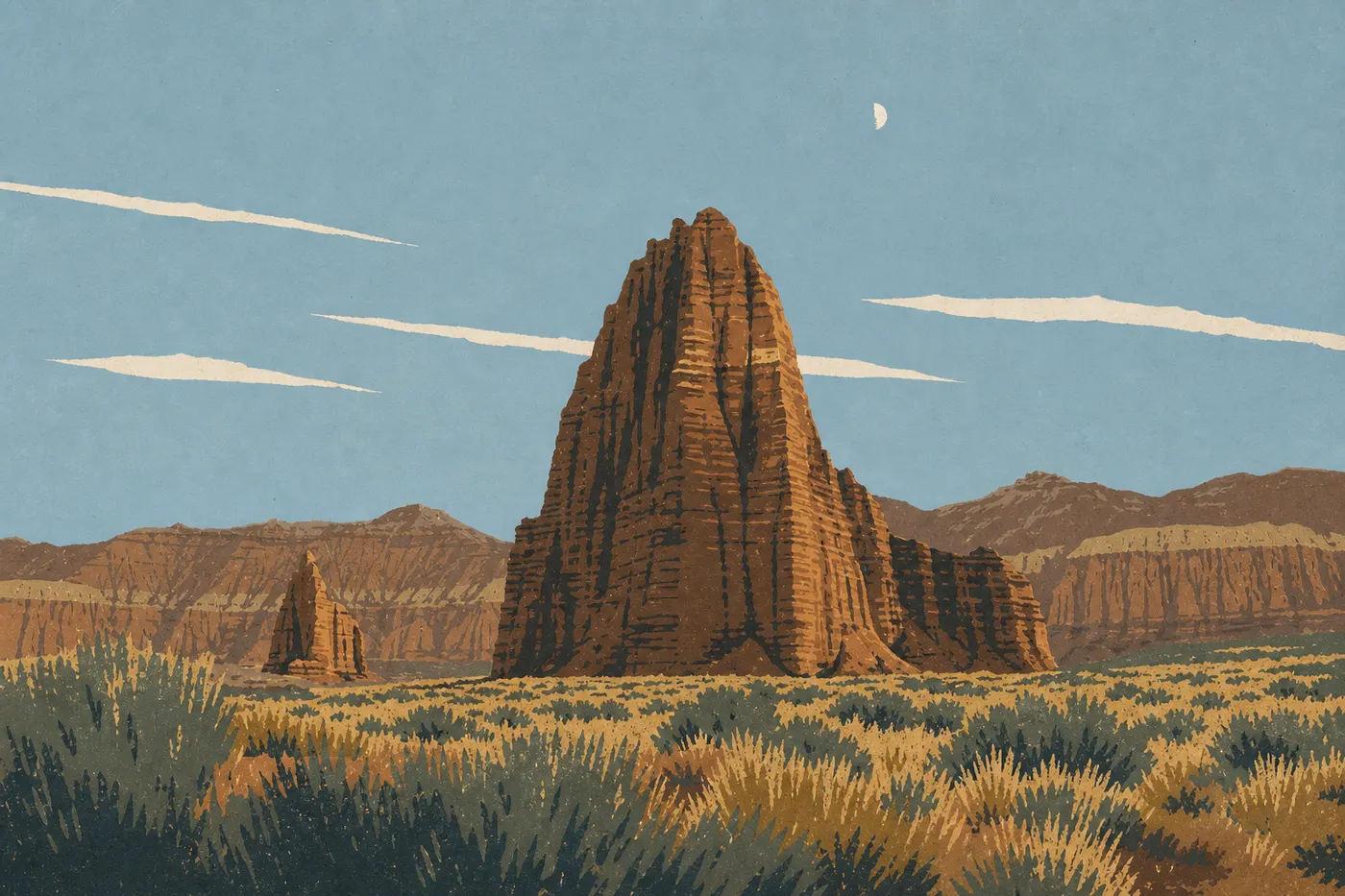
Cathedral Valley is the park's least-visited area. The Temple of the Sun and Temple of the Moon rise 500 feet above the floor of an almost empty plain. The effect is hard to anticipate from a photograph: these two isolated red sandstone masses in a desert basin look like a science-fiction set, especially during golden hour.
Access requires a high-clearance vehicle, ideally with four-wheel drive. The 35-mile loop from UT-24 via Hartnet Road crosses the Fremont River at a ford. Conditions can change quickly after rain. Check road conditions with the visitor center before setting out. Allow a full day if you're including this area.
Glass Mountain, in the same area, is a mound of selenite crystals that sparkles as the angle of the light changes. It's an unexpected stop in an already surprising landscape.
Southern Area: Strike Valley and Waterpocket Fold
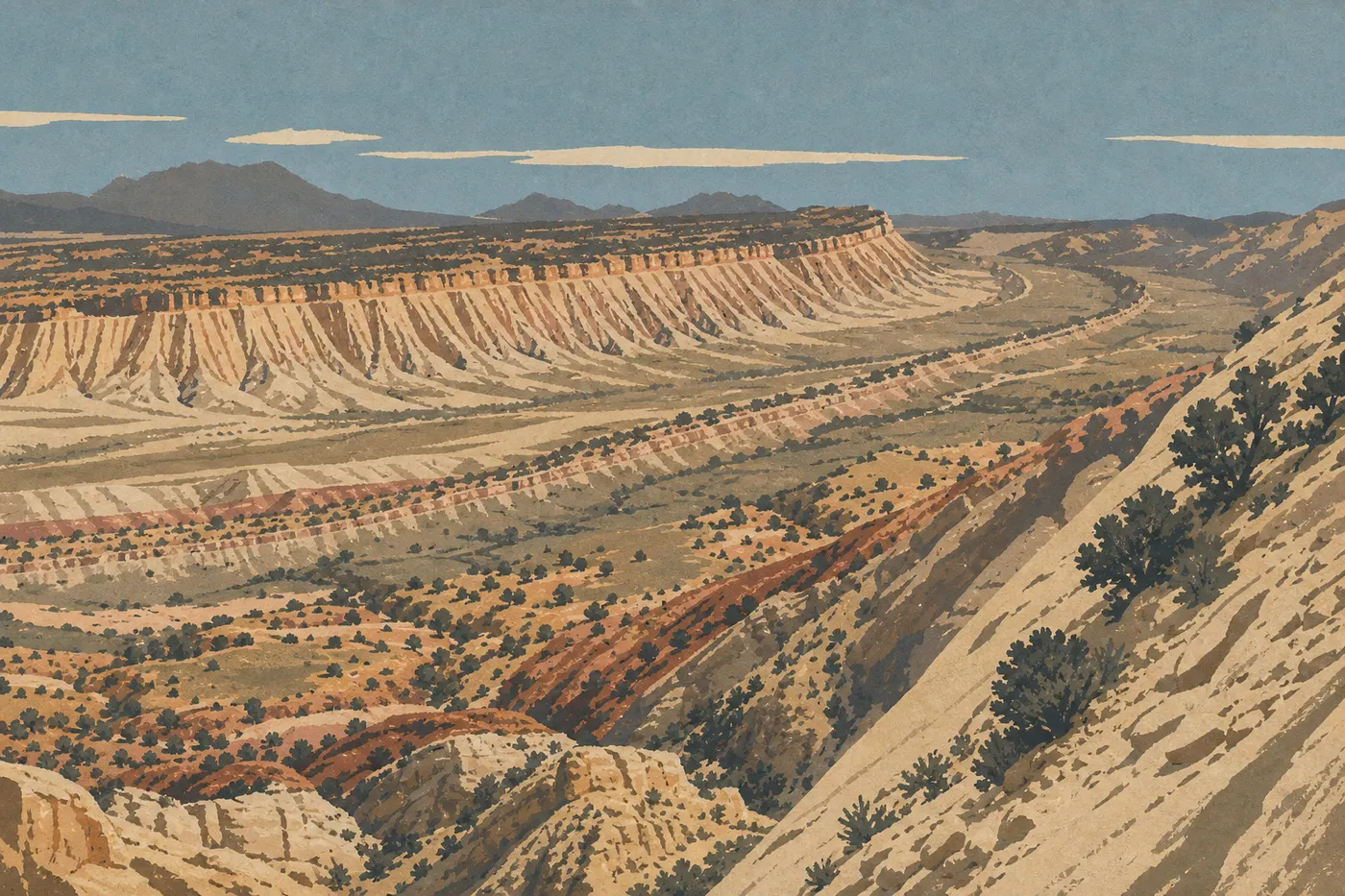
Notom-Bullfrog Road follows Waterpocket Fold south and is partly paved. It offers gradually unfolding views of the geologic fold. From Burr Trail Road on the Boulder side, Strike Valley Overlook looks across the entire fold for dozens of miles.
This area is quiet, open, and lightly visited. It's a good fit for visitors looking for scenery without crowds and for RV travelers heading toward Lake Powell or Glen Canyon.
The Best Hikes in Capitol Reef
Capitol Reef offers trails ranging from a flat 30-minute walk to a challenging 3-hour hike. Here are a few reference points to help you choose.
- Hickman Bridge (1.7 miles round-trip, 425 feet of elevation gain): the park's most accessible natural bridge. Ideal for a first hike or for visitors short on time.
- Cassidy Arch (2.8 miles round-trip, 650 feet of elevation gain): a more strenuous trail with views of Grand Wash. Tradition holds that Butch Cassidy used this territory as a hideout, and the arch bears his name.
- Grand Wash (4.0 miles round-trip, flat terrain): the hike to experience the vertical walls, with no technical difficulty. Closed in bad weather, as noted above.
- Cohab Canyon (2.5 miles round-trip, 500 feet of elevation gain): a narrow, winding canyon that's less visited than Hickman Bridge, with natural windows overlooking the canyon below.
- Capitol Gorge to the Pioneer Register (about 1.9 miles round-trip, flat): accessible to almost everyone and rich in history.
The Capitol Reef hiking guide covers each trail, including elevation profiles, trail markings, the recommended season, and practical advice.
Other Activities by Visitor Type
Wildlife and Observation

Capitol Reef is home to mule deer, jackrabbits, and striped skunks. Birds of prey are common too, including peregrine falcons and golden eagles. Along the Fremont River, the streamside vegetation of willows and cottonwoods attracts wildlife different from that of the open desert. The Capitol Reef wildlife guide lists the species found here and the best viewing areas by season.
Astronomy and Photography
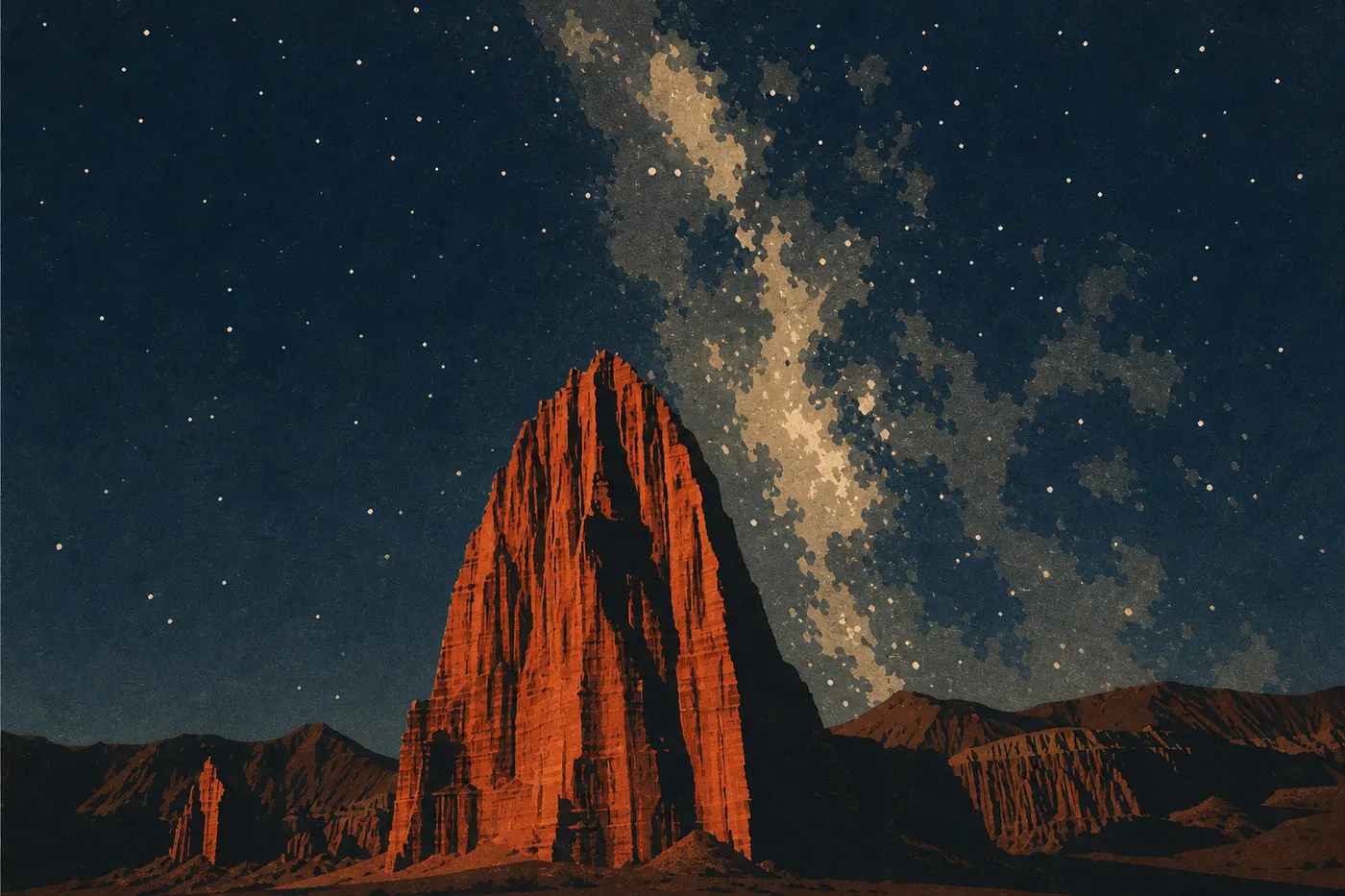
Capitol Reef is certified as a Dark Sky Park. Light pollution is almost nonexistent. On moonless nights, you can see the Milky Way with the naked eye from Fruita Campground. For photography, Panorama Point and Goosenecks Overlook are two classic sunset spots. The red-orange cliffs respond beautifully to low-angle light.
Biking

UT-24 and Scenic Drive are rideable, though neither has a dedicated bike lane and traffic is moderate. The Cathedral Valley roads and Notom-Bullfrog Road can be ridden on a gravel bike or mountain bike when the ground is dry. After rain, these roads quickly become impassable.
Visiting with Kids

Picking fruit in the orchards is a hands-on experience kids remember. The Fremont petroglyphs spark historical curiosity without requiring physical effort. Hickman Bridge is within reach for an 8-year-old in good physical shape. To plan a visit with kids, Capitol Reef with kids covers activities by age and park-specific precautions.
Camping and Overnight Stays in the Park
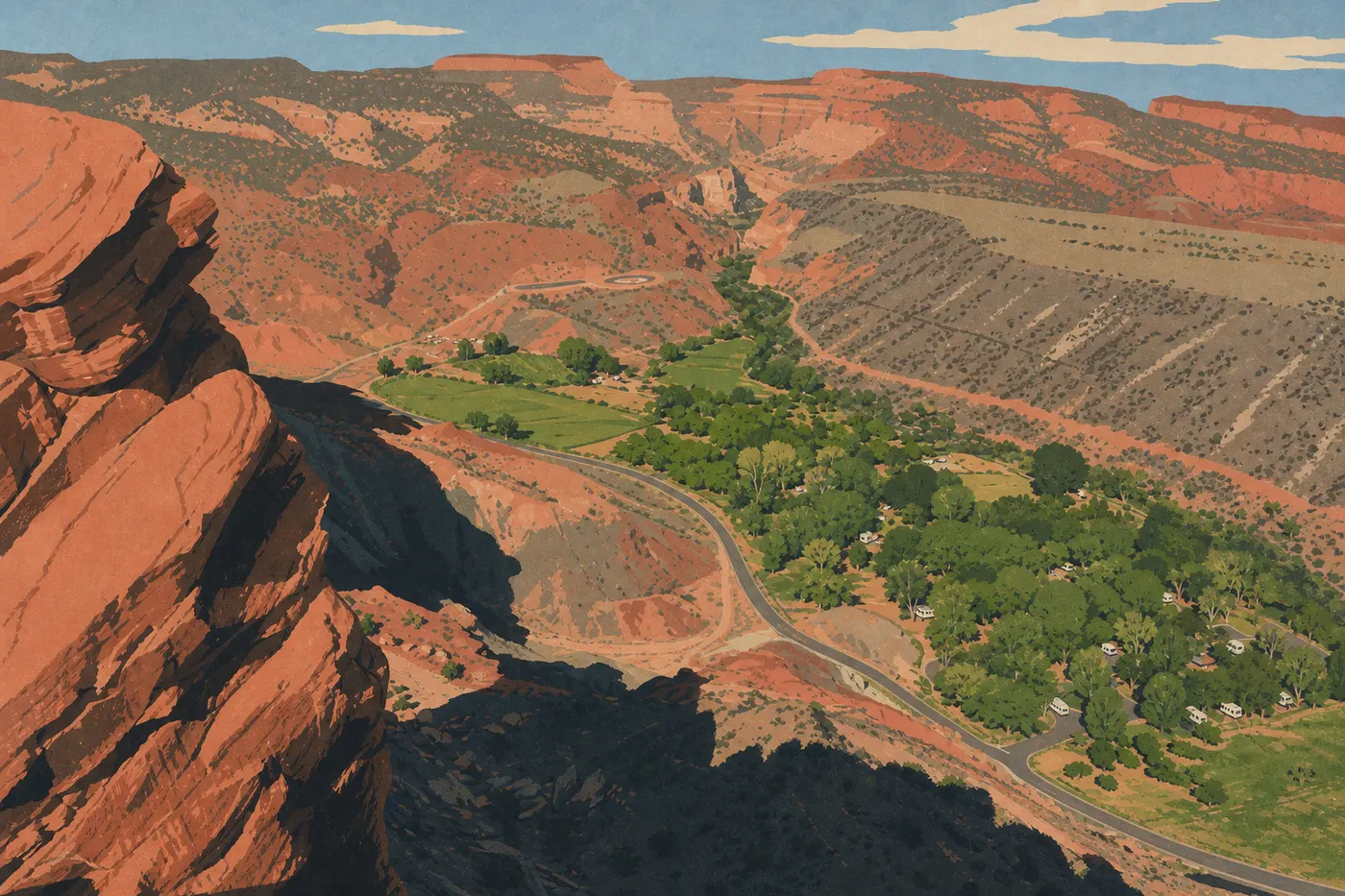
Fruita Campground, with about 70 sites, is the only developed campground inside the park. Backcountry sites are available with a permit. Our Camping page and RV Camping page cover rules, reservations, and outdoor lodging options. For a room, our Where to Stay page and Hotels & Lodges page present options in Torrey and the surrounding area.
Things to Do Around Capitol Reef
Capitol Reef naturally sits at the center of the Mighty Five. To plan a complete Utah circuit or combine this park with Bryce Canyon and Moab, our Road Trip and Regions guides provide guidance on timing and sequencing.
The Essentials: What to See First in Capitol Reef
Even with just one day, three things belong on your list: drive Scenic Drive to Capitol Gorge, stop at the Fremont petroglyphs, and take at least one walk through a canyon (Grand Wash or Capitol Gorge on foot). You can cover the Fruita area in half a day.
Capitol Reef is absolutely worth the trip. Of the Mighty Five, it's the park that has best resisted tourist saturation. You'll find spectacular landscapes, an unusually deep layer of history, from the Fremont people to Mormon pioneers, and a quietness that Zion and Bryce Canyon struggle to offer during peak season.
Two days is still the ideal length of stay if you don't want to miss Cathedral Valley. See our complete Capitol Reef guide for an overview of the park, and our When to Go page to choose the right seasonal window.
Frequently Asked Questions
What is there to do in Capitol Reef?
The main activities in Capitol Reef are driving Scenic Drive, an 18-mile route between cliffs and canyons; visiting the Fruita historic district, with its orchards, petroglyphs, and pioneer schoolhouse; hiking through canyons such as Grand Wash, Capitol Gorge, and Hickman Bridge; and, for suitable vehicles, exploring Cathedral Valley to the north.
How long do you need to visit Capitol Reef?
Allow at least one full day for the central area. Two days let you include Cathedral Valley or the southern area. Our Itinerary & Length of Stay page offers plans for every length of stay.
Is Capitol Reef worth visiting?
Capitol Reef is well worth the trip. Less crowded than Zion or Arches, the park offers landscapes that are just as striking, including Waterpocket Fold, narrow canyons, and sandstone formations, along with a depth of history its neighbors don't have.
What are the must-do activities in Capitol Reef?
The highlights are Scenic Drive, the Fremont petroglyphs, Grand Wash or Capitol Gorge for the narrow-canyon experience, and Fruita's orchards from June through October for free fruit picking.
Can you swim in Capitol Reef?
The park has no developed swimming area. Some sections of Sulphur Creek allow wading, but this isn't a marked activity, and water levels can change quickly with the weather.
When should you visit Capitol Reef?
Spring, from April through May, and fall, from September through October, offer the most comfortable temperatures. Summer temperatures regularly exceed 95°F, though mornings remain cool. Our When to Go page and Weather page detail conditions month by month.
Do you need a reservation to enter Capitol Reef?
No. Capitol Reef doesn't require a reservation or a timed entry pass. The entrance fee is $20 per private vehicle, valid for 7 days. For entrance fees and annual passes, see the National Parks Fees & Passes page.