
When to Visit Badlands National Park: Best Seasons and Month-by-Month Guide
The best times to visit Badlands National Park are May and September, when temperatures range from 45 to 79°F, wildlife is highly active, and crowds are still manageable.
In short: May and June, along with September and October, are the ideal windows for visiting Badlands National Park. Temperatures are comfortable, wildlife is active, and crowds are far lighter than in midsummer. Summer is still doable, but you'll contend with extreme heat, reaching 117°F, and severe afternoon thunderstorms. Winter brings complete solitude and striking snow-covered landscapes, at the cost of biting cold and a few road closures.
Month-by-Month Climate in Badlands National Park
Badlands National Park lies in South Dakota, in the heart of the Great Plains. Its semiarid continental climate brings some of the most extreme temperature swings in the national park system. The NPS records temperatures ranging from -40°F to 117°F at the site. This isn't a place for people who feel the cold, or for anyone looking for mild weather.
The table below gives approximate monthly averages. For weekly forecasts and detailed precipitation information, see the Badlands weather page.
| Month | Avg. high | Avg. low | Precip. (mm) | What to expect |
|---|---|---|---|---|
| January | 30°F | 10°F | 10 | Cold, snow possible |
| February | 37°F | 16°F | 10 | Strong winds, freezing conditions |
| March | 46°F | 25°F | 15 | Unpredictable, late warm spells |
| April | 59°F | 37°F | 35 | Springlike, showers |
| May | 70°F | 46°F | 55 | Pleasant, evening thunderstorms |
| June | 82°F | 57°F | 65 | Hot, frequent thunderstorms |
| July | 93°F | 64°F | 45 | Very hot, storm risk |
| August | 91°F | 63°F | 40 | Sweltering, thunderstorms |
| September | 77°F | 50°F | 30 | Excellent, clear skies |
| October | 61°F | 37°F | 20 | Bright, cool nights |
| November | 45°F | 25°F | 10 | Cool, first freezes |
| December | 32°F | 14°F | 10 | Wintry |
Total precipitation is low, but it often arrives in sudden bursts. Hailstorms and tornadoes aren't unusual in summer, so always check the local forecast before heading out on a trail.
Badlands National Park in January
January is the coldest month of the year. Highs top out around 30°F, and nighttime temperatures regularly fall below 10°F. Visitor numbers are nearly zero, and the snow-covered formations take on a striking appearance. Ben Reifel Visitor Center operates on reduced hours.
Badlands National Park in February
February remains frigid, with winds that make it feel much colder. The Loop Road may close briefly after a major snowstorm. Bison and bighorn sheep are easier to spot against the sparse vegetation.
Badlands National Park in March
March is unpredictable, with springlike days alternating with cold snaps and late snow. Paved roads remain accessible, but dirt roads can become waterlogged. Traffic stays very light.
Badlands National Park in April
Daytime temperatures climb to around 59–61°F, ideal for hiking around midday. The prairie starts to green up, and the first wildflowers appear. Spring showers are common, and thunderstorms remain possible late in the day.
Badlands National Park in May
May is our favorite month. Daytime temperatures range from 45 to 73°F, the prairie is in bloom, and wildlife is highly active, with bison calves and pronghorns everywhere. Crowds are still moderate. Start early: evening thunderstorms can roll in quickly and turn severe.
Badlands National Park in June
June warms up quickly, reaching 82–84°F, and afternoon thunderstorms become frequent. Set out early and be back before 1 p.m. Visitation rises, especially late in the month as the U.S. summer vacation season gets underway.
Badlands National Park in July
July is the hottest and busiest month. Highs regularly exceed 93–95°F. Plan every hike before 1 p.m. and bring at least 2 liters of water per person. Sunrise, around 5:30 a.m., brings cooler air and exceptional light to the pinnacles.
Badlands National Park in August
August remains sweltering, averaging 91°F, and afternoon thunderstorms continue. Campgrounds are often full by midday. Focus on the first hours of the morning for wildlife viewing and photography.
Badlands National Park in September
September is excellent. Temperatures fall to between 48 and 79°F, skies clear, and the light turns golden. It's bison rutting season, a spectacular time that requires keeping at least 75 feet away. Visitation drops sharply after the U.S. school year begins.
Badlands National Park in October
October brings warm, low-angle light that reveals every nuance in the sedimentary formations. Days remain mild, reaching 61–63°F, while nights quickly drop below 41°F by mid-October. It's one of the best times for photography, with few visitors in the park.
Badlands National Park in November
November marks the gradual retreat of visitors and the arrival of cold weather, with nighttime temperatures around 23°F. Some services reduce their hours, but the park remains fully accessible. Wildlife is still easy to spot early in the month.
Badlands National Park in December
December is wintry, with temperatures from 10 to 32°F, snow, cold winds, and complete solitude. The Loop Road generally stays open except after heavy snowfall. For those who genuinely want solitude, it's an ideal month, provided you have the right gear.
Badlands National Park by Season
Winter (December to February): Solitude and Extreme Landscapes
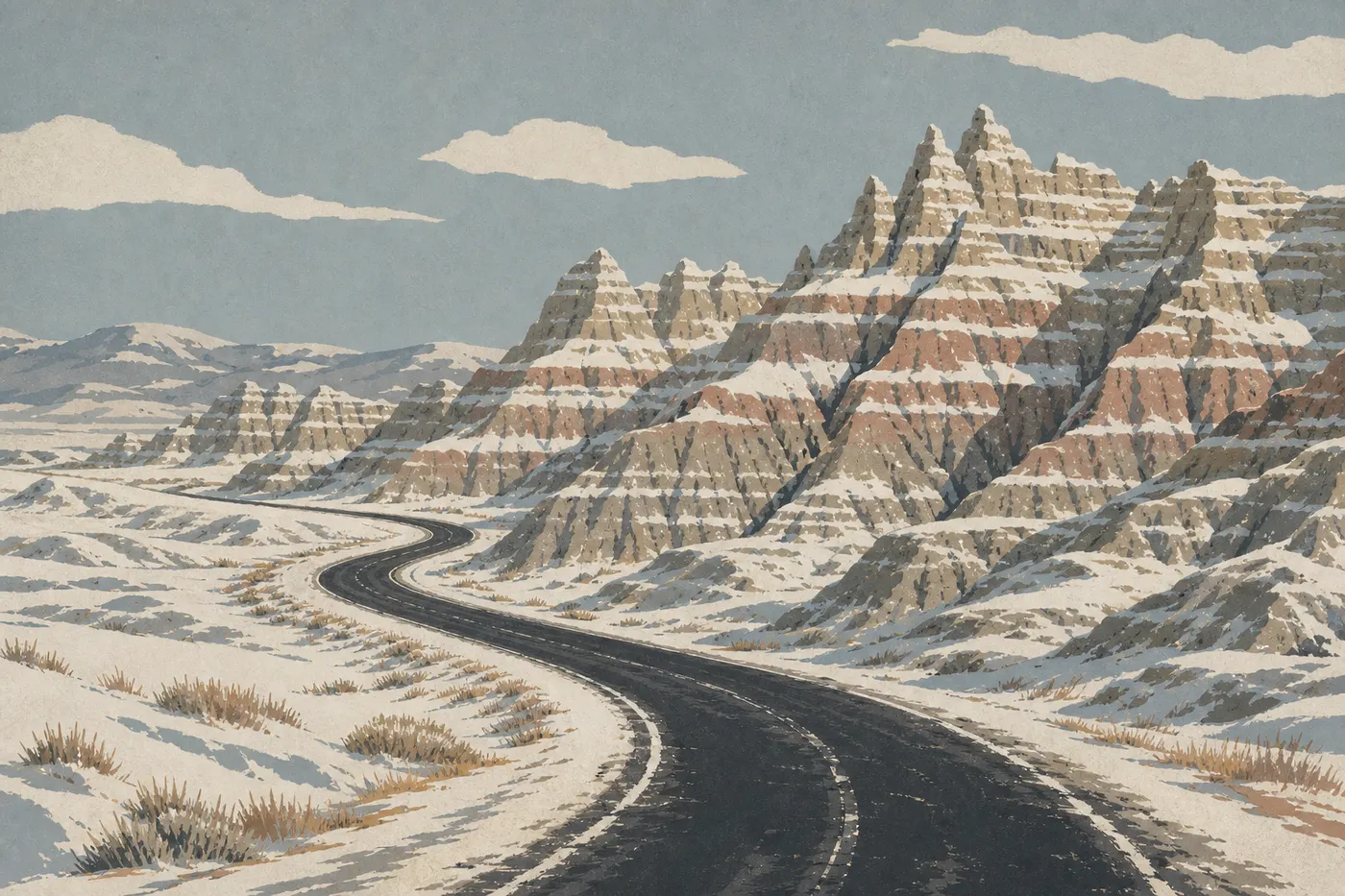
Winter in Badlands National Park is a radical proposition. Temperatures regularly plunge below 14°F at night, with spells of icy wind making the wind chill feel even lower. The park gets 12 to 24 inches of snow per season, spread across several storms. Badlands Loop Road (SD-240) generally stays open, but temporary closures are possible after heavy snowfall. Check conditions on the NPS website before setting out.
What you get in return is near-total solitude, snow-covered geological formations of startling beauty, and low winter light that reveals every ripple and sedimentary layer in the pinnacles. Bison and bighorn sheep are easier to see because the vegetation is sparse. As for services, Ben Reifel Visitor Center reduces its winter hours; call ahead to confirm.
Bring thermal layers, waterproof boots, and emergency supplies if you're taking unpaved roads. Two-wheel-drive vehicles may be enough on the main roads, but caution is still essential.
Spring (March to May): Our Favorite Season
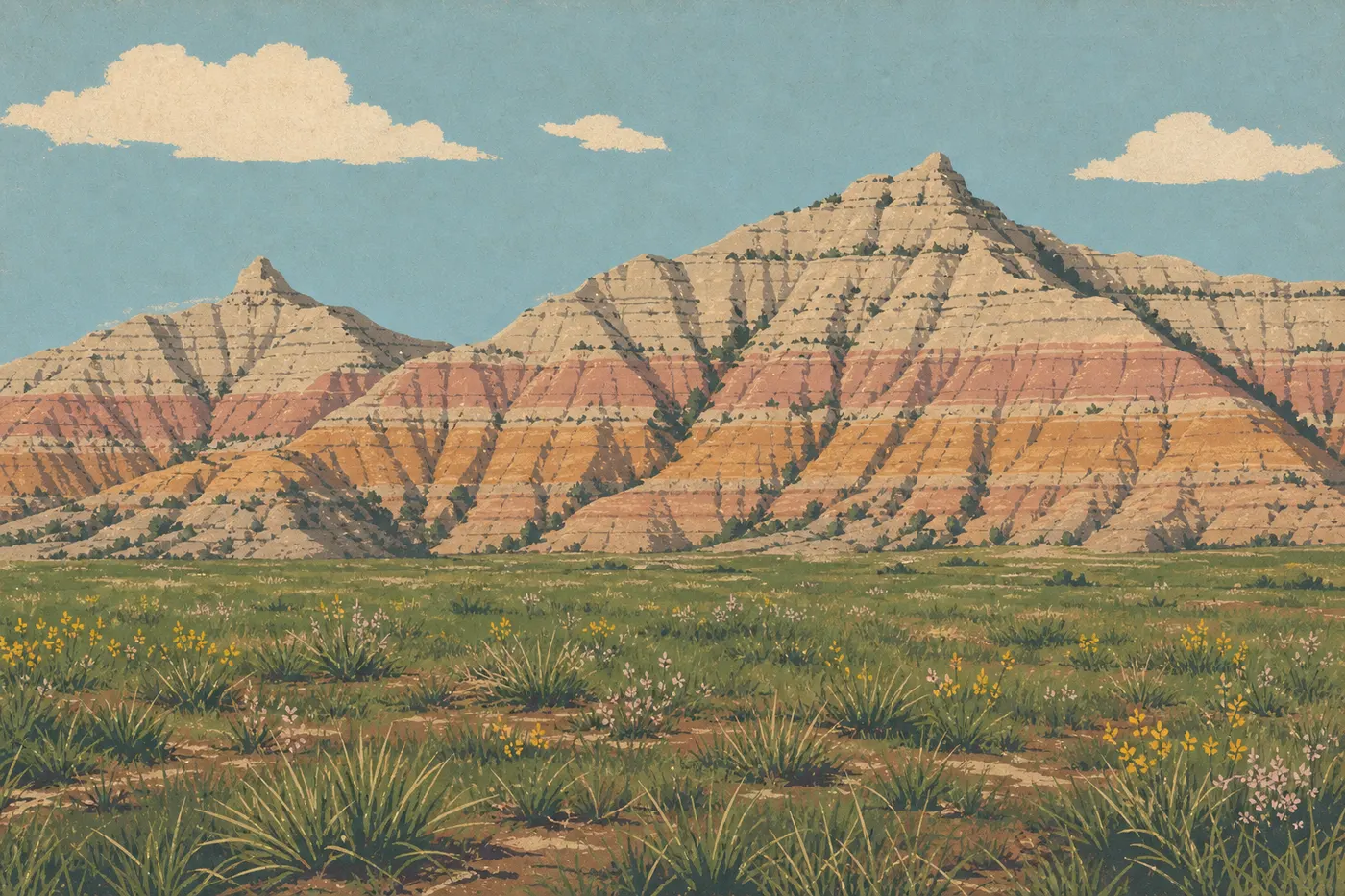
May is, in our view, the best month to visit Badlands National Park. Daytime temperatures settle between 59 and 72°F, nights remain cool, sometimes below 41°F, and wildflowers begin covering the prairie in April. It's also birthing season: bison, pronghorns, and prairie dogs are particularly active. I came across my first bison calves one May morning on Notch Trail at 7 a.m., before the first vehicles arrived.
March and early April remain changeable. Late snow is possible, and spring showers, with up to 2.2 inches in May, can make dirt roads slippery. Paved roads remain accessible.
One safety point deserves attention: May thunderstorms can arrive quickly and turn severe, with hail and lightning. If the sky darkens on the horizon during a hike, head back to your vehicle promptly and stay off exposed ridges.
Summer (June to August): Peak Crowds and Intense Heat
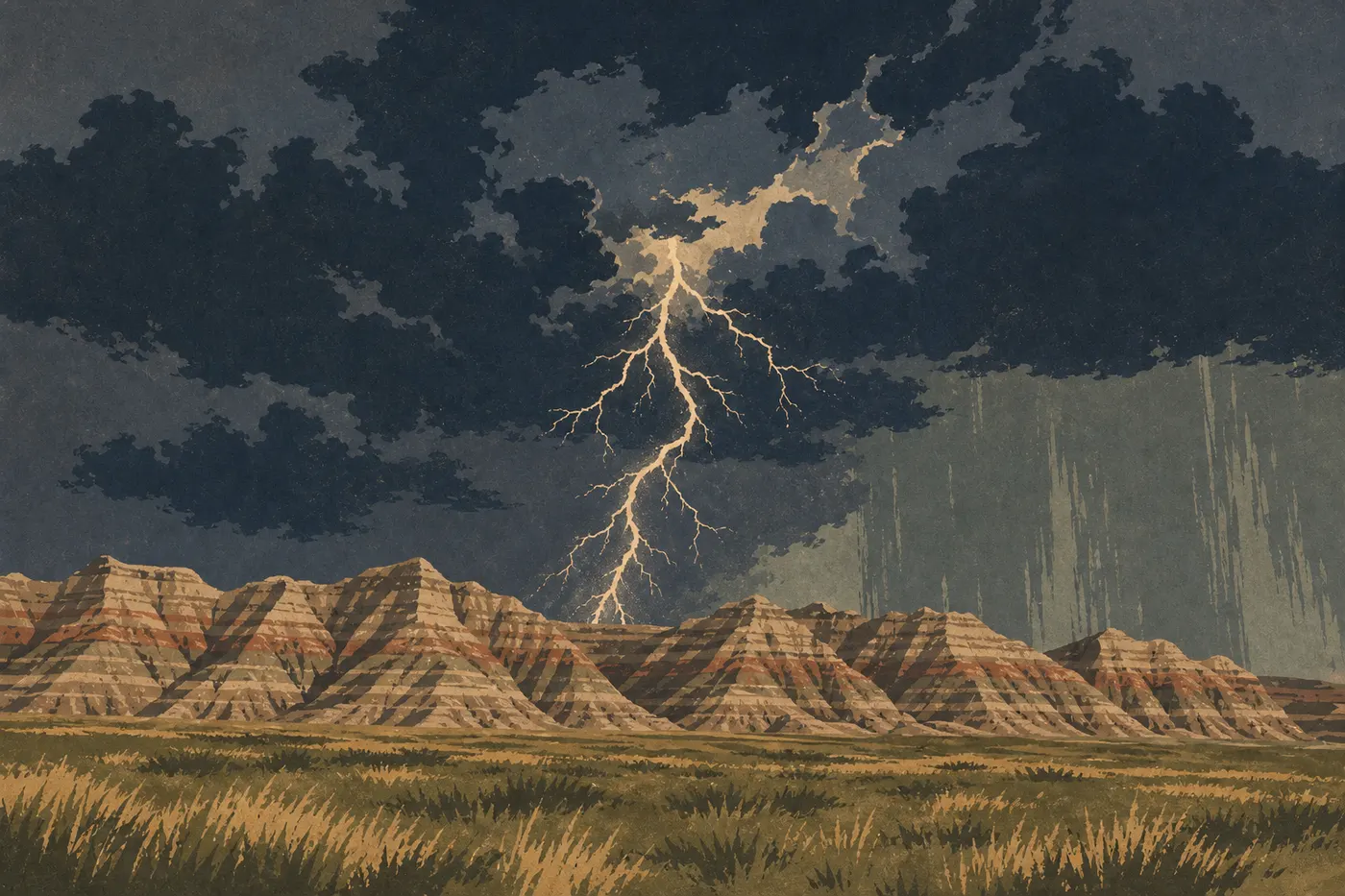
July is the park's busiest and hottest month. Highs regularly exceed 95°F and can approach 117°F during heat waves. Dehydration is the biggest risk. Bring at least 2 liters of water per person for a trail outing, and more if the sun is already beating down in the morning.
Afternoon thunderstorms are almost daily in July and August. Our unwritten rule is to finish every hike before 1 p.m., or stick to very short trails afterward. Lightning strikes exposed rock formations, so get off ridges as soon as you hear thunder.
Rattlesnakes are active from May through September. Watch where you step, especially in rocky areas and low brush. They move away from the sound of footsteps; nearly all bites involve people who tried to catch one. The Badlands wildlife guide covers the species found here and the safety distances to keep.
Summer does have its advantages. Prairie dogs are at peak activity in their towns, bison often cross Badlands Loop Road, and sunsets over the multicolored formations are spectacular. Focus on sunrise and sunset for wildlife and photography; save midday for shaded breaks.
Fall (September to October): Photography Season
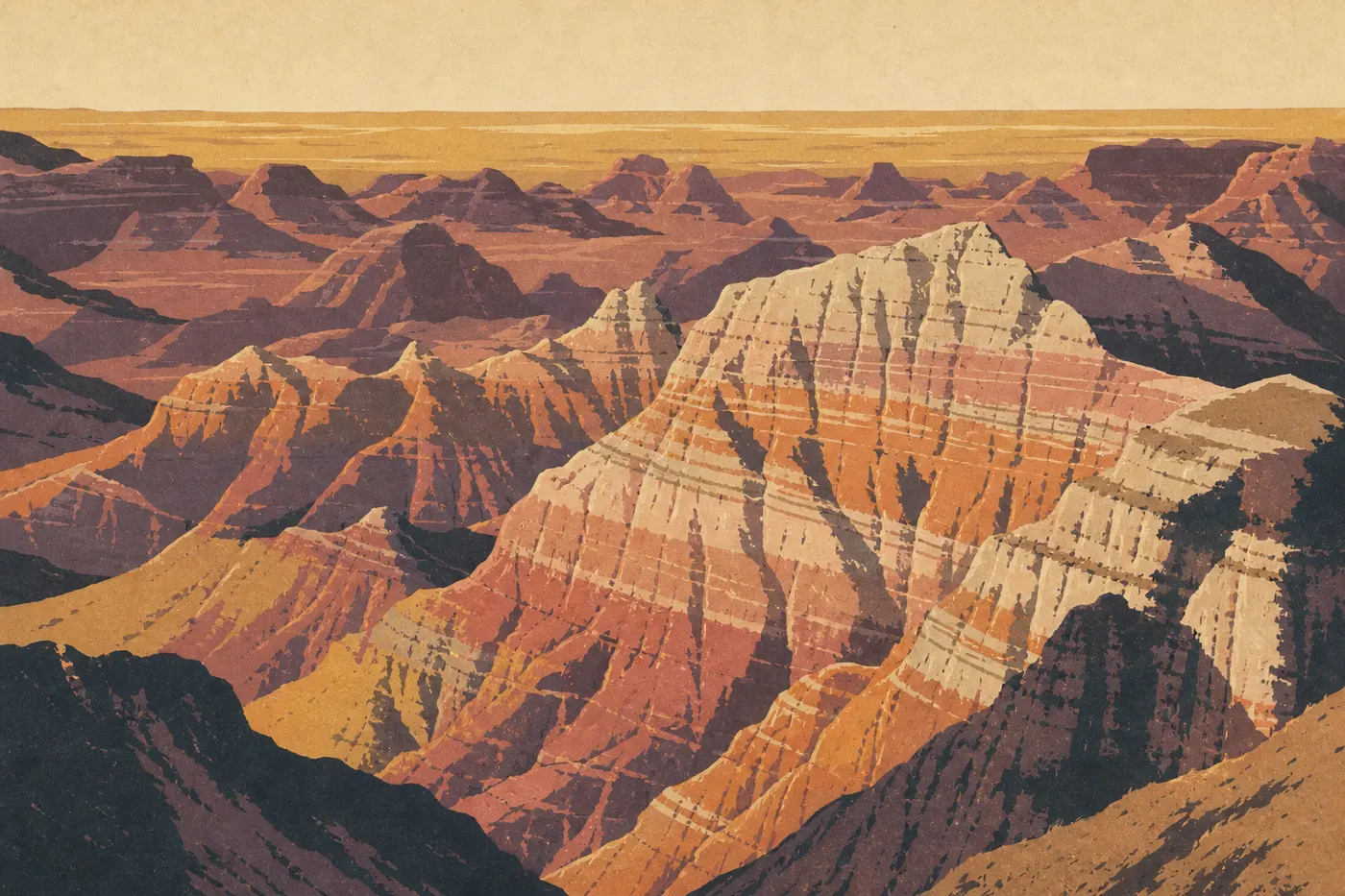
September is our favorite. The sky turns brilliantly clear, temperatures settle into a comfortable range of 68 to 77°F during the day, and visitors thin out after the U.S. school year begins. It's also bison rutting season, from early September into October. Bulls are loud, unpredictable, and impressive. Always keep at least 75 feet between you and a bison during the rut, especially during the rut.
October brings warm, golden light that's perfect for sedimentary formations in shades of rust, ocher, and gray. Nights cool quickly, dropping below 41°F by mid-October, so bring a sleeping bag rated for the conditions if you're camping.
November marks the transition into winter. Visitation is very low, temperatures range from cool to cold, and some services begin to wind down.
Crowds: When to Avoid the Crowds in Badlands National Park
Badlands National Park is less crowded than Zion or Arches, but July and August still bring plenty of RVs onto the shoulders and lines at popular overlooks.
| Period | Crowd level | What to know |
|---|---|---|
| July–August | High to very high | Reserve your campsite in advance |
| June and September | Moderate | Best balance of quiet and conditions |
| May and October | Low | Ideal for serious hikers |
| November to March | Very low | Reduced services, prepare for cold |
Our trick for avoiding summer crowds is to arrive at sunrise, between 5:30 and 6:30 a.m. in July. The overlooks are empty, the light is beautiful, and the temperature is still bearable. By 10 a.m., it's a different story.
Best Time to Visit on a Budget
Prices rise and fall with visitation. Hotels and motels around Rapid City, 75 miles west, and in Wall are significantly more expensive in July and August. In May, September, and October, rates drop by 20 to 40 percent depending on the property, often with better weather. The Badlands lodging guide and the park campgrounds page break down the options by season and budget.
Admission to the park costs $30 per vehicle, valid for seven consecutive days, or $55 for the annual Badlands pass, which pays for itself after two visits. There's no paid timed-entry slot to reserve. You can enter year-round, subject to weather-related closures.
When to Visit Based on Your Interests
Wildlife. Spring, for births and peak prairie dog activity, and fall, for the bison rut and easily spotted bighorn sheep, are your best options. Our Wildlife page lists the best viewing areas.
Hiking. Avoid long trails in July and August. The heat is dangerous on terrain with no shade. May, September, and October are ideal. In winter, dirt roads may be snow-covered or icy. The Badlands hiking guide presents routes by difficulty and season.
Photography. September and October offer warm light and colorful formations. Spring brings prairie wildflowers. In summer, evening golden hour creates dramatic shadows across the pinnacles.
Families. May and September are the most comfortable windows: warm without being oppressive, abundant wildlife, and rangers available for Junior Ranger programs. In summer, plan outings for early morning and schedule a midday break. Our family guide to Badlands National Park covers kid-friendly trails and activities by age.
Tight budget. April and May or October offer low lodging rates, light crowds, and decent weather. The $30-per-vehicle entrance fee is valid for a full week, making a two- or three-day visit a good value. The Badlands itinerary guide helps you make the most of each day.
In Summary: The Best Time for Your Interests
| Interest | Recommended time |
|---|---|
| First visit | May or September |
| Photography | September–October |
| Long hikes | May or October |
| Wildlife viewing | April–May (births) or September (rut) |
| Families | May or September |
| Tight budget | April–May or October |
| Solitude | December to February (prepare for cold) |
For help organizing your visit, our complete Badlands National Park guide gives you an overview of the park, from must-do trails to practical advice.
The Worst Time to Visit Badlands National Park
July and August combine every drawback: extreme heat, with rock formations reaching 104 to 117°F, near-daily severe afternoon thunderstorms, peak crowds, and campgrounds that are often full. Hiking becomes dangerous after 10 a.m., rattlesnakes are active, and hail can catch you by surprise within minutes. If you can't avoid summer, limit outings to the first hours of the morning, arrive at sunrise, and have a quick backup plan if a storm rolls in.
Frequently Asked Questions
What is the best time to visit Badlands National Park?
The best times to visit Badlands National Park are May and June or September and October, with comfortable temperatures of 59 to 77°F, active wildlife, and moderate crowds. July and August are possible, but temperatures can exceed 104°F and severe afternoon thunderstorms are common.
What is the climate like in Badlands National Park?
Badlands National Park has a semiarid continental climate, with cold winters, including record lows of -40°F, and sweltering summers, with record highs of 117°F. Annual precipitation is low, but hailstorms and tornadoes are possible in summer.
Is Badlands National Park worth visiting?
Badlands National Park is absolutely worth the trip. Its multicolored geological formations have few equals among American parks, wildlife such as bison, pronghorns, and prairie dogs can be seen from the road, and the park is far less crowded than its southwestern neighbors. Our complete Badlands National Park guide is the ideal starting point for planning your visit.
How long do you need to visit Badlands National Park?
One day is enough to drive Badlands Loop Road and hike the main trails. Two days let you explore more remote areas and enjoy the morning and evening light. Our Itinerary & Length page lays out options based on how much time you have.
What is the best time to visit South Dakota?
For South Dakota as a whole, May and June, along with August and September, offer the most versatile conditions for Badlands National Park, the Black Hills, and Mount Rushmore.
Can you visit Badlands National Park in winter?
Yes. The park is open year-round. Loop Road generally remains drivable, but temporary closures are possible after heavy snow. Services are reduced and the cold is biting, with January nights reaching around 10°F. In return, you'll find complete solitude and striking snow-covered landscapes.
What is the least crowded month?
January and February are the quietest months, with almost no visitors. If you want peace and quiet without the deepest cold, November and March offer a good compromise: few people and still-manageable daytime temperatures.
Is the park open year-round?
Yes. Badlands National Park is open 24 hours a day, year-round, with no timed-entry reservation required. Admission is $30 per vehicle, valid for seven days. A few secondary roads may close briefly after snow, but Badlands Loop Road remains accessible most of the time.