
Yosemite Wildlife: Animals to See and Where to Find Them
Yosemite National Park covers nearly 1,200 square miles in the Sierra Nevada, ranging from 1,970 feet to 13,100 feet in elevation. More than 400 vertebrate species have been recorded here, including about 60 mammals and more than 260 bird species. Five animals account for most encounters on trails and in meadows: the American black bear, mule deer, coyote, mountain lion, and yellow-bellied marmot. Contrary to what you might expect, mule deer cause more visitor incidents each year than any other animal. Black bears are very real, relatively common, and completely different from grizzlies, which have been absent from California for more than a century.
Yosemite's Iconic Animals
American Black Bear (Ursus americanus)
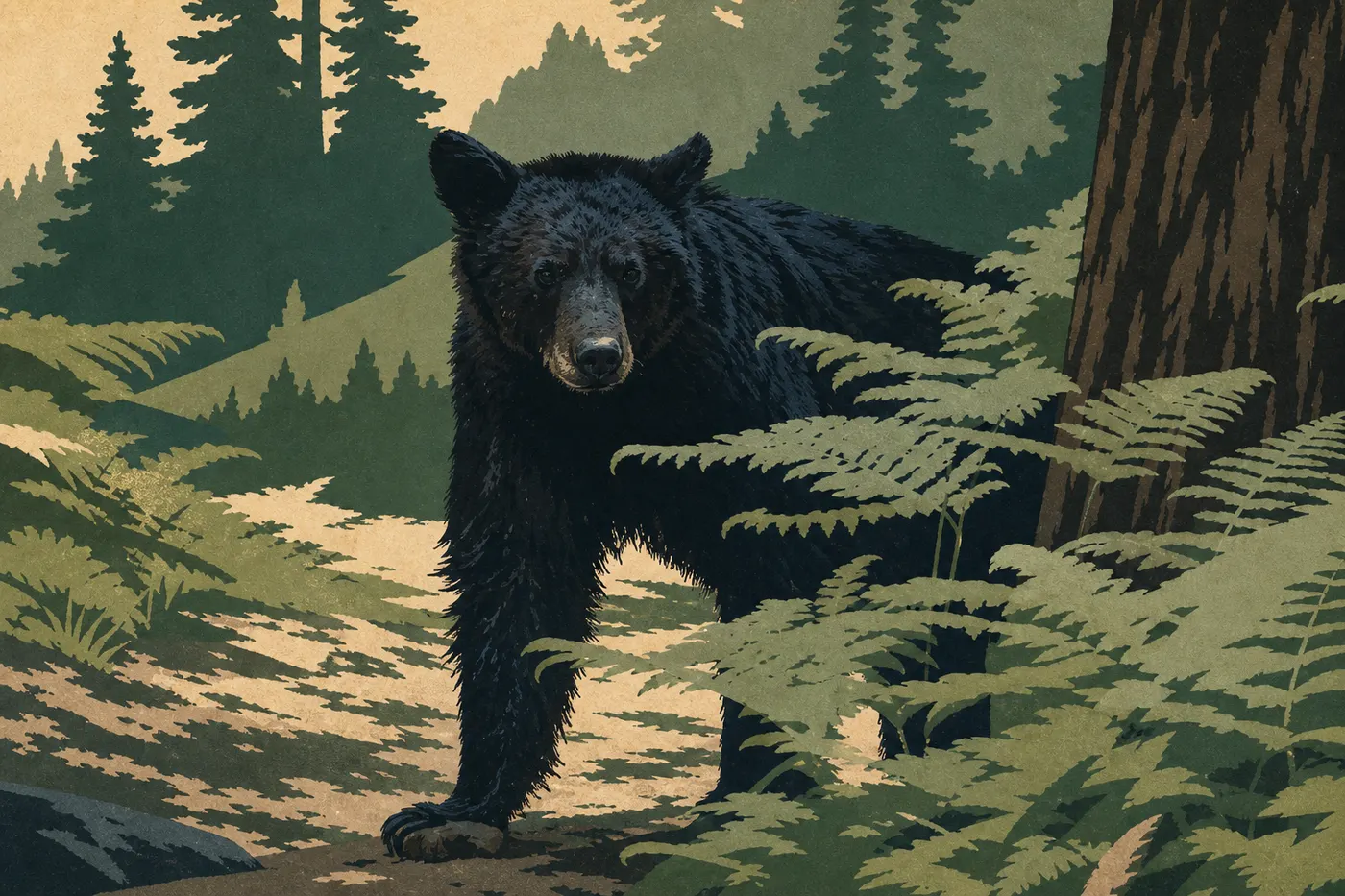
The black bear is the park's living symbol. An estimated 300 to 500 bears live across Yosemite. Despite its name, its coat can range from black to cinnamon brown and, in some cases, blond.
Black bears are omnivores and opportunistic feeders. Their diet includes berries, acorns, insects, carrion, and, when the opportunity arises, the contents of a poorly secured cooler. That's exactly why Yosemite requires bear-resistant food storage containers (bear canisters) at all campgrounds and off-trail backcountry sites.
Activity peaks in spring, as early as March and April, and again in fall during the hyperphagia that comes before hibernation. Yosemite Valley's meadows and the forested areas around Tuolumne Meadows are typical bear territory. Your chances of spotting one rise sharply around dawn and dusk.
Mule Deer (Odocoileus hemionus)
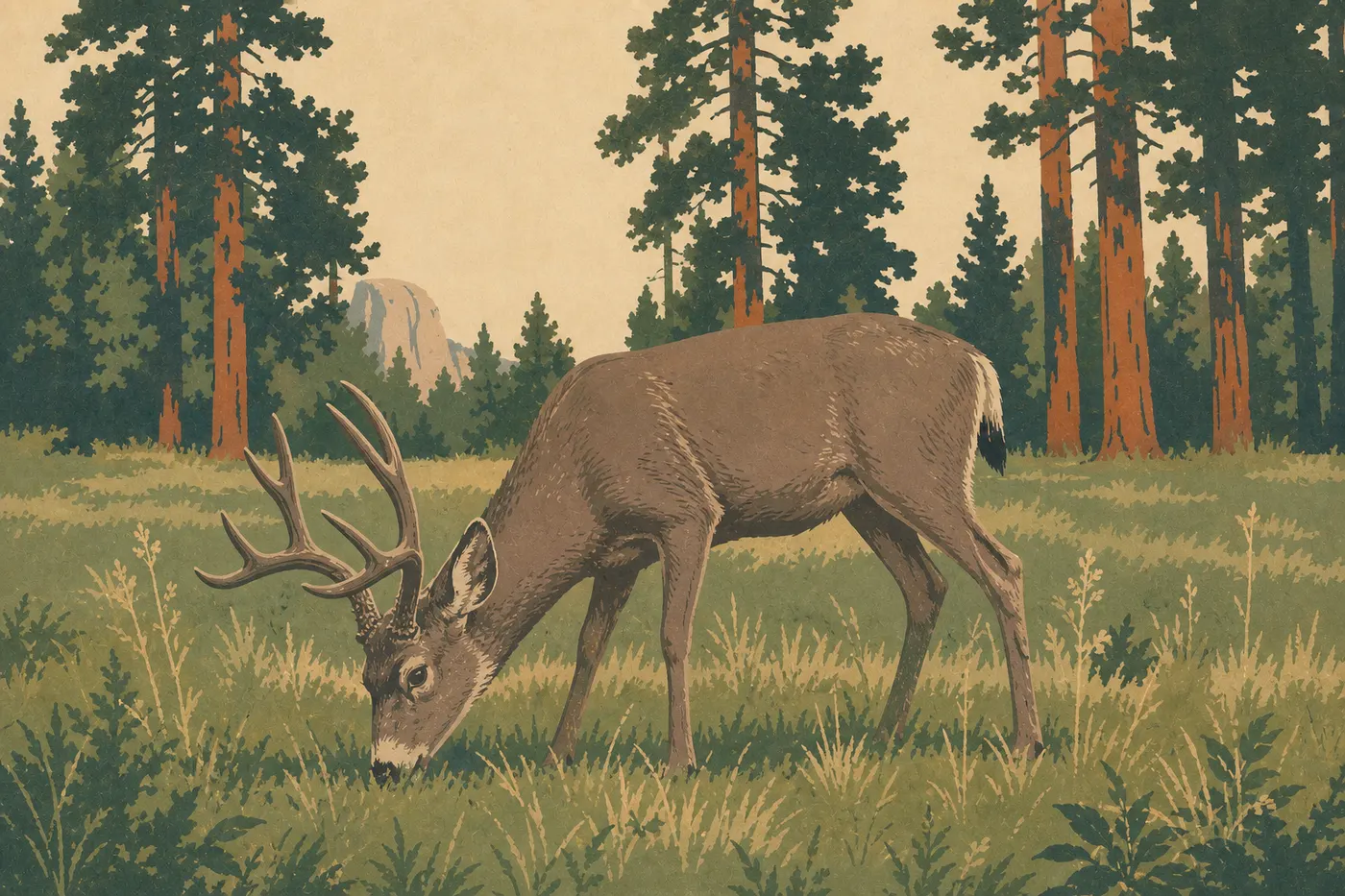
The mule deer is the park's most common animal. Its oversized ears, white tail tipped in black, and the male's forked antlers make it easy to recognize.
You'll see mule deer along roadsides, in meadows, and sometimes just a few feet from tents. Their apparent familiarity can be misleading: this species causes more visitor injuries in Yosemite than any other. From May through July, does may suddenly become aggressive while defending their fawns. A deer that paws the ground or pins its ears back is about to charge.
Mountain Lion (Puma concolor)
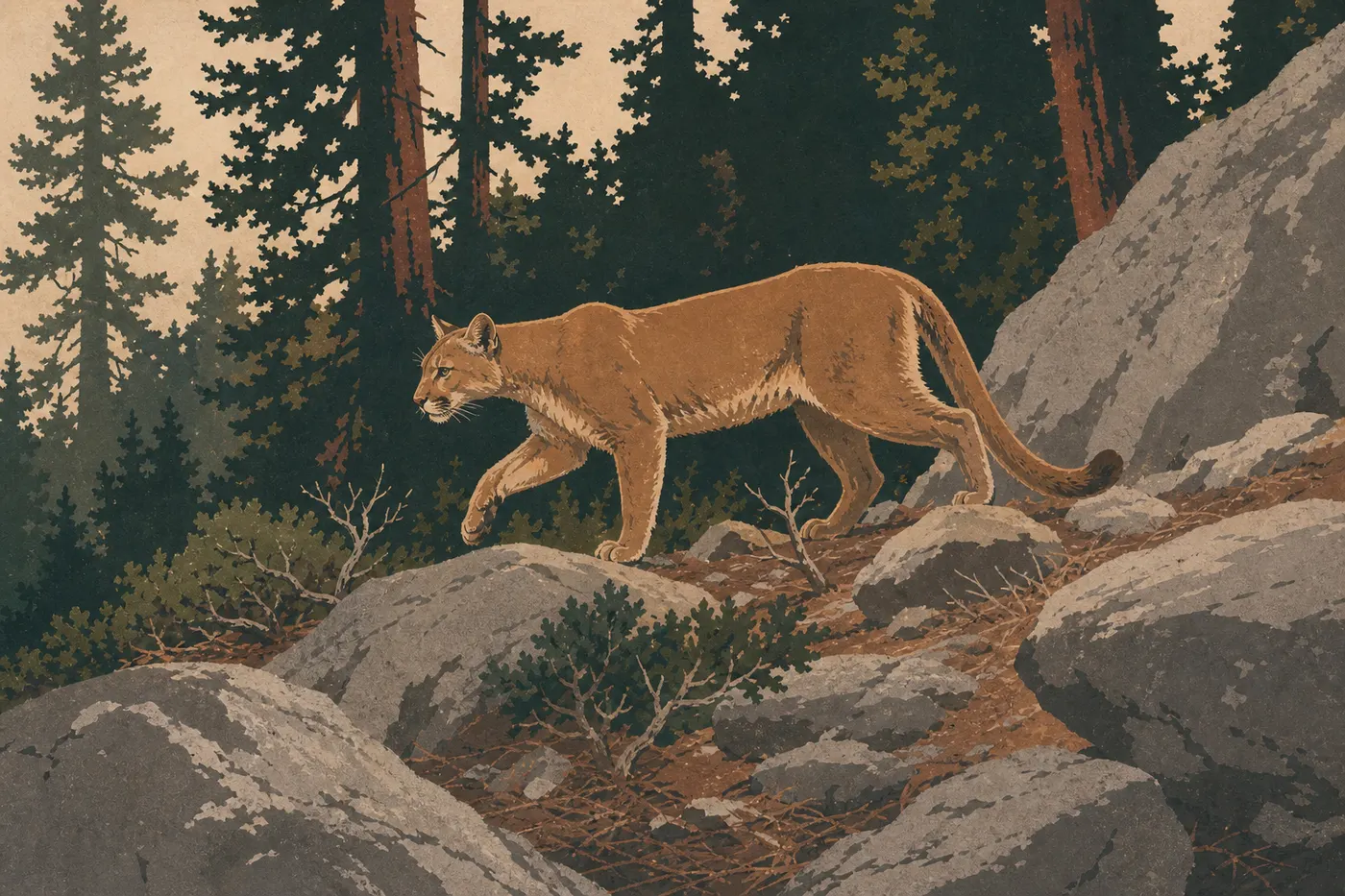
Mountain lions, also called cougars, live throughout the park. An estimated 20 or so occupy Yosemite's various territories. They're solitary, elusive, and most active at dusk and at night. In practice, they watch people far more often than people see them.
Mule deer are their main prey, which regularly brings mountain lions near meadows. They also favor dense forest and rocky slopes for resting. A direct encounter is extremely rare, but knowing how to respond is basic backcountry safety (see the safety section below).
Coyote (Canis latrans)
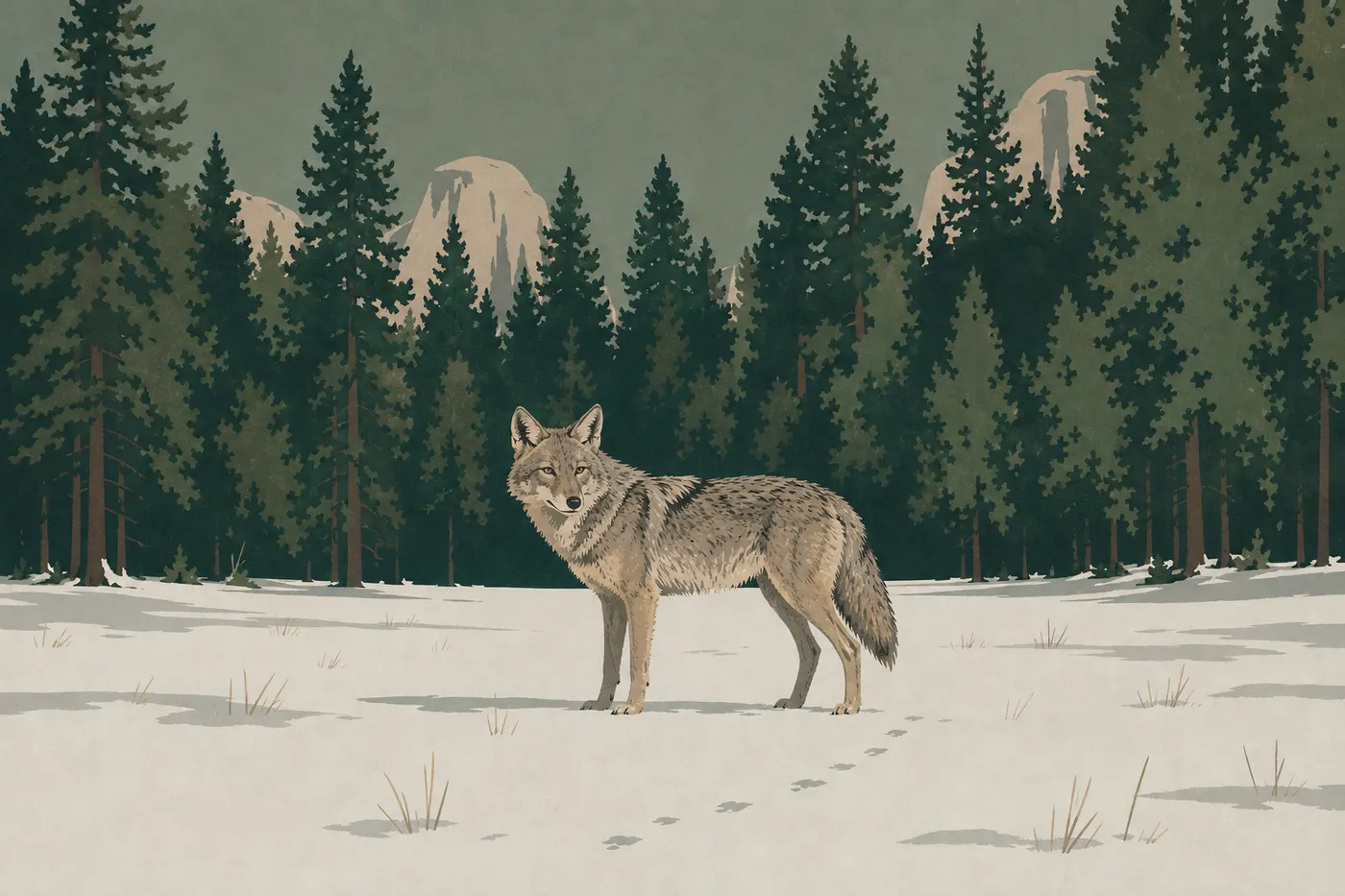
Coyotes are widespread and not particularly wary in Yosemite. Their slender bodies, narrow muzzles, upright ears, and low-hanging tails when trotting clearly distinguish them from wolves.
Coyotes are opportunistic hunters. They pursue rodents and hares in open meadows, then round out their diet with berries and carrion. Ahwahnee Meadow and Cook's Meadow in Yosemite Valley are favorite hunting grounds. You may often hear them howling in chorus at dawn. Never feed one: a coyote that becomes habituated to human food eventually has to be euthanized.
Yellow-bellied Marmot (Marmota flaviventris)
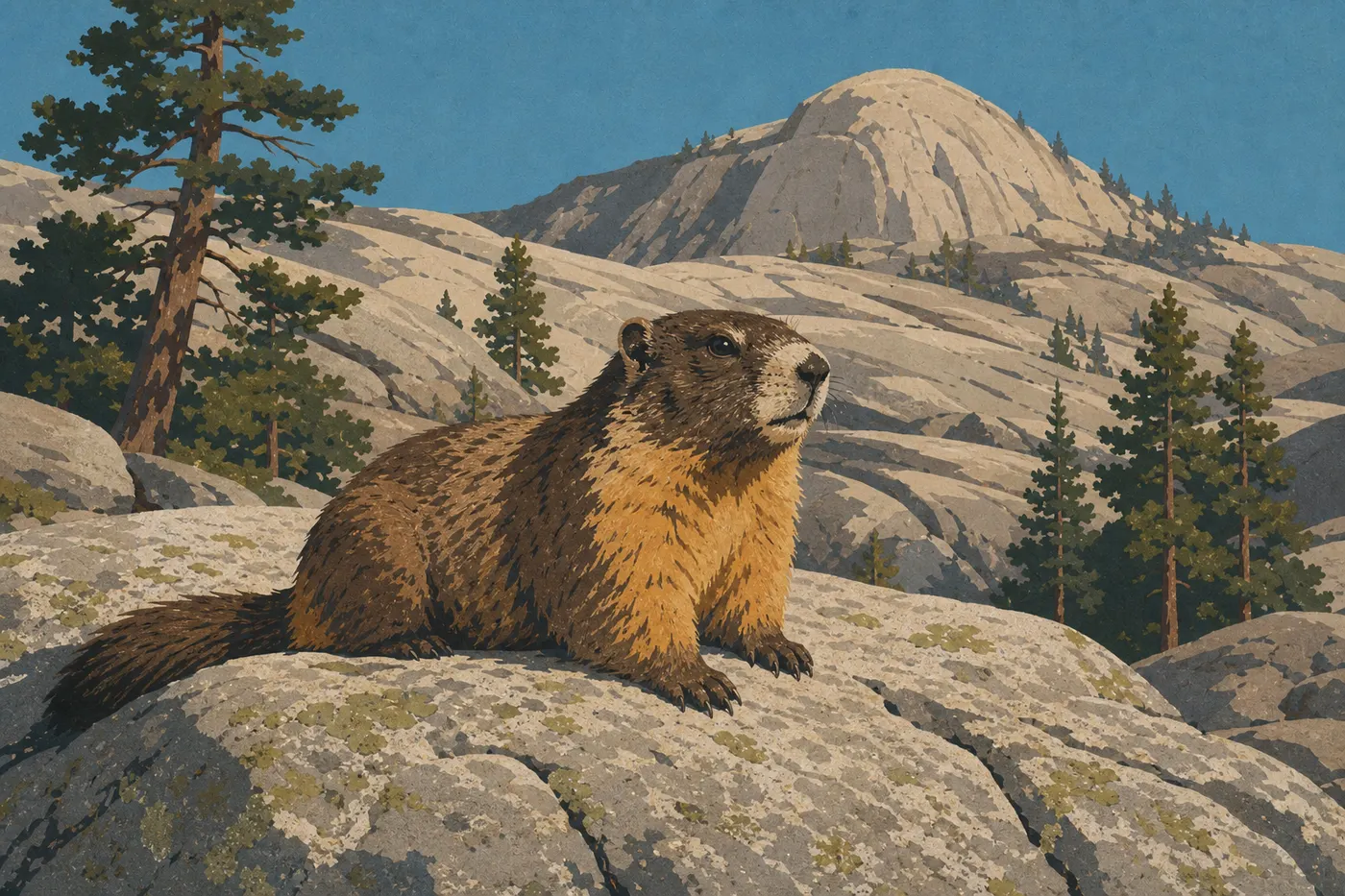
The yellow-bellied marmot is the emblem of Yosemite's high country. It's found mainly above 7,900 feet, among the boulder fields of Tuolumne Meadows and along Tioga Road.
Marmots hibernate from September through May. In summer, they're easy to spot during the day, lounging on sun-warmed rocks and whistling to warn one another when a predator approaches. Their natural curiosity makes them great photo subjects, as long as you keep your distance.
Black Bear or Grizzly: How Can You Tell the Difference?
This question comes up often, especially among visitors arriving from Yellowstone or Glacier, where both species live. At Yosemite, the answer is clear: there are no grizzlies. The grizzly (Ursus arctos horribilis) was wiped out in California in the early 20th century.
Black bears don't have the grizzly's distinctive muscular shoulder hump. Their profile runs in a straight line from forehead to rump. Their shorter, more curved claws let them climb trees, something grizzlies don't do. Black bears are also generally smaller and less imposing than their northern cousin.
Where to See Wildlife in Yosemite
Yosemite Valley is the easiest area to explore. The valley-floor meadows, including Ahwahnee Meadow, Cook's Meadow, and Sentinel Meadow, draw deer, coyotes, and bears along the forest edge. The banks of the Merced River often offer the best light and quiet around dawn.
Tuolumne Meadows (generally open from late June through October, depending on snowpack) is the go-to area for marmots, pikas (Ochotona princeps), and summer bears. Wildlife sightings are more concentrated here than in the valley, amid open alpine meadows.
Mariposa Grove and its sequoia forests attract bears in fall, when acorns are abundant. Visitors who arrive before 9 a.m. have a clear advantage over the rest of the day's crowds.
Glacier Point Road and the high-elevation areas are the best places to look for raptors. Peregrine falcons nest on the cliffs, ravens are everywhere, and Swainson's hawks pass through during migration.
The Yosemite hikes include several routes where wildlife sightings are especially common, along with the relevant access information and elevation gains.
When to Watch Yosemite Wildlife
Early morning and late afternoon are the most productive times for large animals. Midday heat drives most mammals into the shade.
Spring (March through May) marks the bears' return from hibernation, sometimes with cubs in tow. Deer have their fawns. Activity is intense, but females are especially unpredictable around their young.
Summer is Tuolumne Meadows season: active marmots, pikas, and Swainson's hawks. Water sources draw herbivores together, which also attracts predators.
Fall (October and November) is often the best season for bear sightings. Pre-hibernation hyperphagia makes them more active and less wary, especially around oak stands.
At night, 16 bat species are active throughout the park. Raccoons, skunks, great horned owls, and mountain lions also move around after sunset.
For a detailed calendar of access conditions and the best months for different priorities, When to Visit Yosemite has all the seasonal guidance.
Yosemite Predators and Large Animals
The mountain lion is the only major predator established in the park since the grizzly disappeared. Solitary by nature, it regulates mule deer populations throughout Yosemite.
The coyote fills the role of mid-level predator, controlling rodent, hare, and small-mammal populations in the meadows.
The California condor (Gymnogyps californianus), with its 8.9-foot wingspan, is occasionally seen around high-elevation cliffs. Its presence in Yosemite remains irregular.
The black bear is the park's largest land mammal. An adult male weighs between 200 and 400 pounds, and more in fall after several weeks of hyperphagia. Its ability to force open a car door or break a window to reach food has caused hundreds of property-damage incidents in the park's campgrounds.
Yosemite's rarest animal is the Sierra Nevada bighorn sheep (Ovis canadensis sierrae), an endemic subspecies that was nearly extinct by the 1980s. An active reintroduction program means you may occasionally spot one above 9,800 feet, in rocky areas far from marked trails.
Wildlife Safety
NPS rules apply to all visitors and are legally binding.
Minimum distances:
- 50 yards from any bear, mountain lion, or other large carnivore.
- 50 yards from any bird nest or resting area.
- For deer, never approach, no matter how unconcerned they seem.
Never feed wildlife. The fine can reach $5,000, and you may be removed from the park. An animal that becomes habituated to human food poses a danger to other visitors and must be euthanized by the park.
If you encounter a bear: stay calm, speak in a firm, low voice, make yourself look big, and back away slowly without turning your back. Never run. In isolated areas, bear spray is strongly recommended.
If you encounter a mountain lion: don't run. Look the animal in the eyes and make yourself look imposing by raising your arms and opening your jacket. Speak loudly. If it attacks, fight back actively instead of playing dead.
If you encounter a deer: keep at least 33 feet away, and stay farther back if fawns are present. A deer that paws the ground or pins its ears back is about to charge. Move away without making any sudden turns.
The Yosemite practical guide covers all the rules for behaving responsibly in the wild.
In Short: Wildlife You Shouldn't Miss and Where to Look
To see Yosemite wildlife effectively, head to the valley meadows at dawn for deer and coyotes, the forest edges for bears, and Tuolumne Meadows in summer for marmots. Mountain lions are rarely seen, but they live throughout the park. Plan around sunrise or late afternoon, respect the required distances, and never feed an animal.
| Species | Best area | Best time |
|---|---|---|
| Black bear | Yosemite Valley, Tuolumne Meadows | Spring, fall |
| Mule deer | Valley meadows | Year-round |
| Coyote | Ahwahnee Meadow, Cook's Meadow | Dawn, dusk |
| Yellow-bellied marmot | Tuolumne Meadows, Tioga Road | June through August |
| Mountain lion | Throughout the park (rarely seen) | Dusk, night |
| Sierra Nevada bighorn sheep | Above 9,800 feet | July and August |
Check the Yosemite itinerary to build your trip around these wildlife-viewing areas.
Frequently Asked Questions
Are there bears in Yosemite?
Yes. Yosemite is home to an estimated 300 to 500 American black bears (Ursus americanus). They live throughout the park at every elevation and remain active year-round, although some individuals partially hibernate in winter.
Are there grizzlies in Yosemite?
No. The grizzly (Ursus arctos horribilis) disappeared from California in the early 20th century. Every bear seen in Yosemite is an American black bear. Black bears don't have the grizzly's distinctive shoulder hump and are generally smaller.
Which big cats live in Yosemite?
The mountain lion (Puma concolor), also called a cougar, is Yosemite's only big cat. An estimated 20 or so live in the park. Jaguars and cheetahs don't live in the wild in North America.
What is Yosemite's rarest animal?
The Sierra Nevada bighorn sheep (Ovis canadensis sierrae) is the park's main species undergoing recovery. It was nearly wiped out in the 1980s and is now the focus of an active reintroduction program. You may occasionally spot one above 9,800 feet in summer, in rocky areas far from marked trails.