
When to Visit Yosemite: Best Time, Weather, and Seasons
Yosemite is open 365 days a year, 24 hours a day. But a mid-August trip and an early October visit feel like two completely different experiences. The best times to visit Yosemite are May-June and September, when waterfalls are running strong, temperatures are comfortable, and crowds are still manageable. July and August are still possible, as long as you book lodging and your entry reservation several months ahead. Winter brings a snow-covered, almost intimate Yosemite, along with a few seasonal road closures.
Yosemite Weather Month by Month
The park covers nearly 1,200 square miles in the Sierra Nevada, with elevations ranging from 2,000 feet at the Merced-side entrance to 13,100 feet at the summits. The figures below apply to Yosemite Valley, at roughly 3,900 feet, where you'll find most lodging, campgrounds, and major viewpoints.
One key fact: 95% of precipitation falls between October and May. Summers are dry and sunny; winters are wet and snowy.
| Month | Low | High | Precipitation | Crowds |
|---|---|---|---|---|
| January | 28°F | 46°F | Heavy | Very low |
| February | 30°F | 50°F | Heavy | Very low |
| March | 34°F | 57°F | Moderate | Low |
| April | 39°F | 64°F | Moderate | Low |
| May | 46°F | 72°F | Low | Moderate |
| June | 54°F | 82°F | Very low | High |
| July | 57°F | 90°F | Very low | Very high |
| August | 57°F | 88°F | Very low | Very high |
| September | 50°F | 81°F | Very low | High |
| October | 39°F | 70°F | Low | Moderate |
| November | 30°F | 54°F | Heavy | Low |
| December | 27°F | 46°F | Heavy | Very low |
For 14-day forecasts, snowfall reports, and precipitation totals, see our Yosemite Weather page.
Yosemite in January
Valley temperatures range from 28°F at night to 46°F during the day, and snow is possible at any time. Tioga Road is closed, and Tuolumne Meadows and the high-elevation areas are inaccessible. Badger Pass is open for cross-country skiing and snowshoeing. Crowds are very light, and no entry reservation is required, so the main viewpoints are nearly deserted.
Yosemite in February
It's slightly milder than January, with daytime temperatures from 32°F to 50°F, but precipitation is still heavy. Late February often brings the Firefall phenomenon: for a few days, sunset lights Horsetail Fall so that it looks like a stream of glowing orange lava. Tire chains may be required on the main access roads, even in the middle of the day. Crowds are very light.
Yosemite in March
The thaw begins at lower elevations. Waterfalls grow, and the valley meadows slowly turn green again. Daytime temperatures range from 34°F to 57°F, while nights are still chilly. Tioga Road remains closed until May at the earliest. Crowds are light, making this a good time for a first look at the park without the crush, provided you're prepared for possible winter conditions.
Yosemite in April
April is one of the most photogenic months. Waterfalls are powerful, meadows are green, and the cliffs are still partly covered in snow. Daytime temperatures are comfortable, from 39°F to 64°F, while nights are chilly. Tioga Road remains closed. Valley-floor trails are generally accessible and quiet on weekdays. It's the ideal month if high-elevation hikes aren't on your list.
Yosemite in May
Waterfalls reach their peak flow, and temperatures become genuinely comfortable, from 46°F to 72°F. Tioga Road usually opens toward the end of the month, depending on snowpack, unlocking access to Tuolumne Meadows. Memorial Day, the last Monday in May, brings heavy crowds late in the month, so weekdays are your best bet. This is one of the two best times of year to visit the park.
Yosemite in June
Tioga Road is open by early June in most years. Valley temperatures rise from 54°F to 82°F, while high country remains cool. Waterfalls are still well fed early in the month, then gradually taper off. The timed entry reservation usually takes effect in late June or early July, depending on the year. Book ahead on Recreation.gov.
Yosemite in July
This is the hottest and busiest month. Valley temperatures reach 90°F, parking lots fill by 8 a.m., and free shuttles run packed. Waterfalls shrink noticeably, with some reduced to a trickle. A timed entry reservation is required, and lodging should be booked months in advance. To enjoy the park in July, arrive before 7 a.m. or plan your outings for the evening.
Yosemite in August
Conditions are much like July: high heat, from 55°F to 91°F, peak crowds, and waterfalls at their lowest. Wildfire smoke in California can temporarily affect air quality for several days. Mosquitoes are common around wetlands and valley meadows. Hiking around Tuolumne Meadows, at 8,500 feet, offers a cooler alternative to the valley-floor crowds.
Yosemite in September
After Labor Day, the first Monday of the month, crowds drop sharply while temperatures remain mild, from 50°F to 81°F. Tioga Road is still open, skies are clear, and late-day light on the granite cliffs is especially beautiful. The timed entry requirement is usually lifted after the beginning of the month. This is the year's other ideal window, on par with May-June.
Yosemite in October
Temperatures fall, from 39°F to 70°F, and the first rains return around mid-October. Tioga Road can close at any time after the first significant snowfall, often between late October and mid-November. If you're planning to visit Tuolumne Meadows, go before the end of October. Crowds are moderate. Bring a rain jacket because conditions can change quickly.
Yosemite in November
Winter settles in, with daytime temperatures from 32°F to 54°F and the first valley snowfalls likely. Tioga Road is closed for the season. Some in-park lodging and restaurants shorten their hours or close. Crowds are light, making this a good transitional month if you want peace and quiet without a fully snowbound landscape. No entry reservation is required.
Yosemite in December
Along with January, this is the coldest month, with daytime temperatures from 27°F to 46°F and heavy precipitation. Badger Pass opens its cross-country ski and snowshoe trails with the first snowfall. Some in-park lodges are closed for the season, so check availability in our Yosemite Lodging guide. Crowds are very light, and the winter atmosphere is one that few visitors experience.
Yosemite Season by Season
Winter (December-February): The Park Without the Crowds
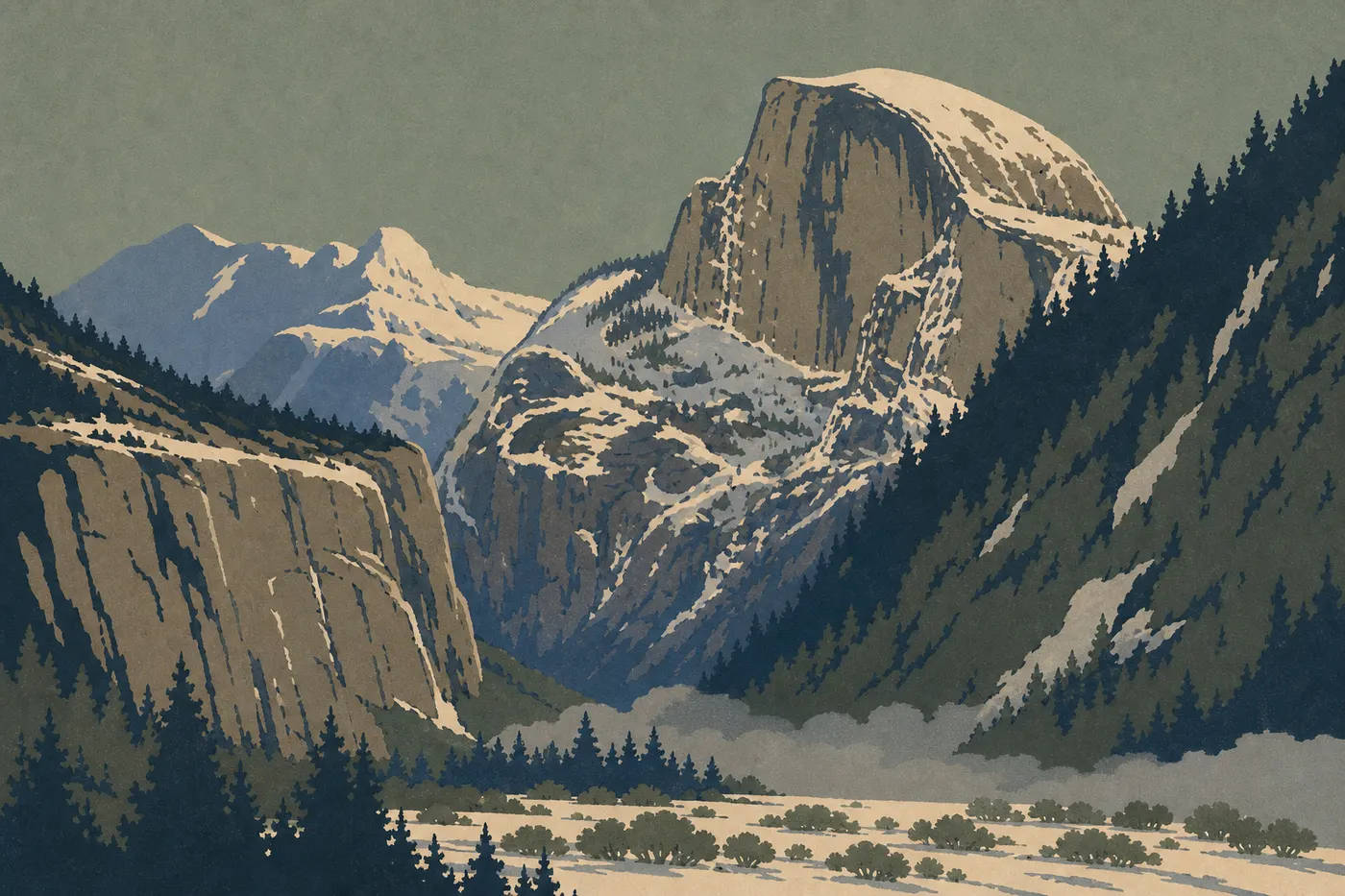
Snow blankets the valley, the cliffs of El Capitan and Half Dome take on a white mantle, and low winter light on the granite can stop you in your tracks. Temperatures drop below freezing at night but stay above freezing on most days in the valley. Tioga Road, or east Highway 120 toward Lee Vining, is closed from November through roughly late May. Tuolumne Meadows and the high country are inaccessible. Tire chains may be required on Highways 140 and 41, even during the day.
Winter activities include cross-country skiing and snowshoeing at Badger Pass, the park's only ski area, easy valley hikes, and snowy views of Mirror Lake and Yosemite Falls, which flows year-round. Hetch Hetchy remains accessible but closes at sunset.
This is the least crowded time of year, and no entry reservation is required. Some lodges and restaurants close for the season, so check availability in our Yosemite Lodging guide.
Spring (March-May): Peak Waterfalls
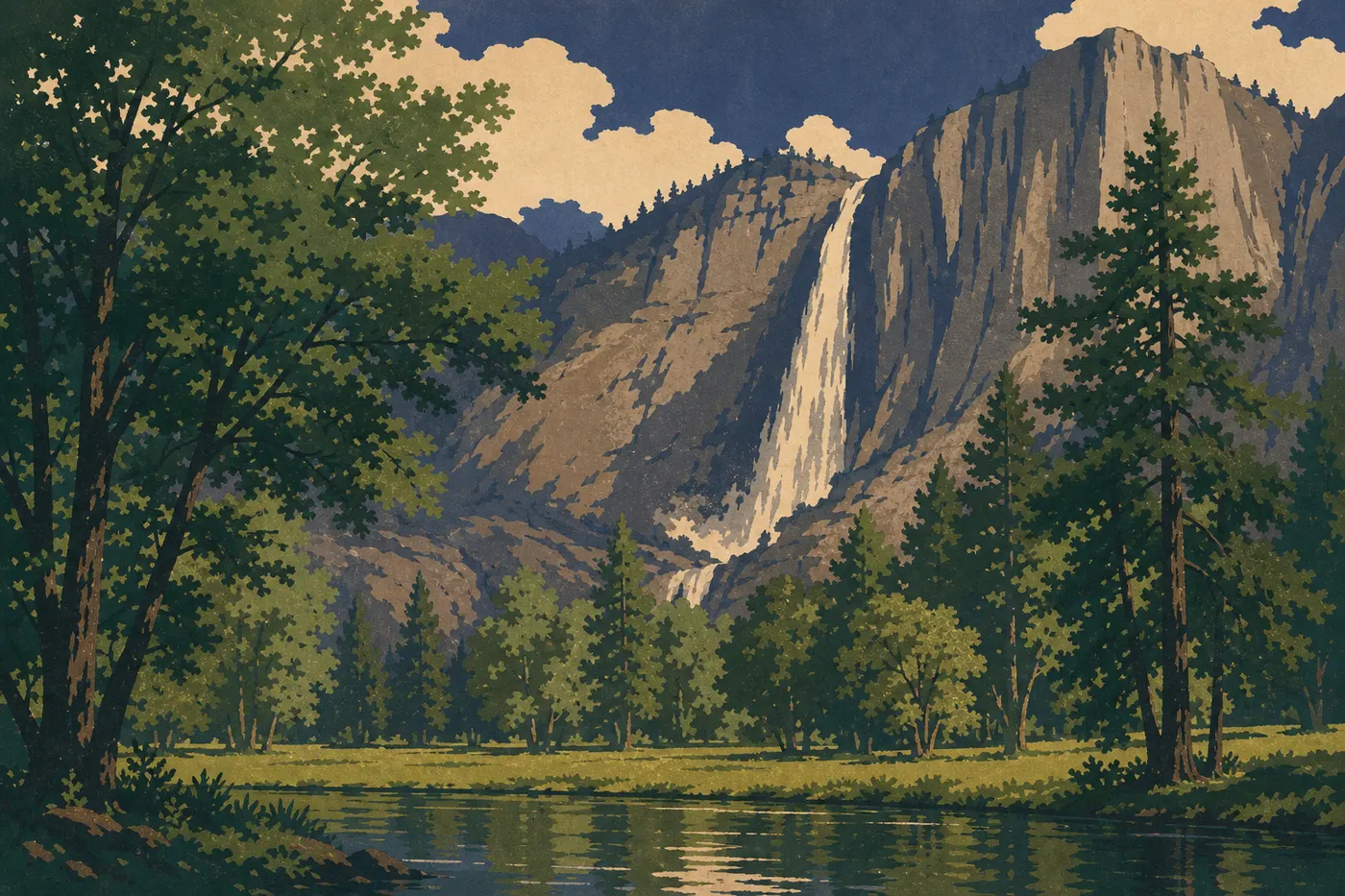
Snowmelt in the Sierra feeds Yosemite Falls, Bridalveil Fall, and Vernal Fall at a flow you won't see again until the following year. When we visited in May, we could hear Vernal Fall from the parking lot long before we saw it. This is the park's most photogenic season, with green meadows and sheer cliffs still partly covered in snow.
Valley temperatures become comfortable as early as April, from 39°F to 64°F during the day. Tioga Road usually opens in late May or early June, depending on the winter snowpack. Until then, the high country remains cut off. May weekends are already busy, especially around Memorial Day, the last Monday in May.
Wildlife is active too. Black bears emerge from hibernation in spring, and mule deer return to graze in the valley. Our Yosemite Wildlife page lists the best viewing areas by season.
Summer (June-August): Full Access, Peak Crowds
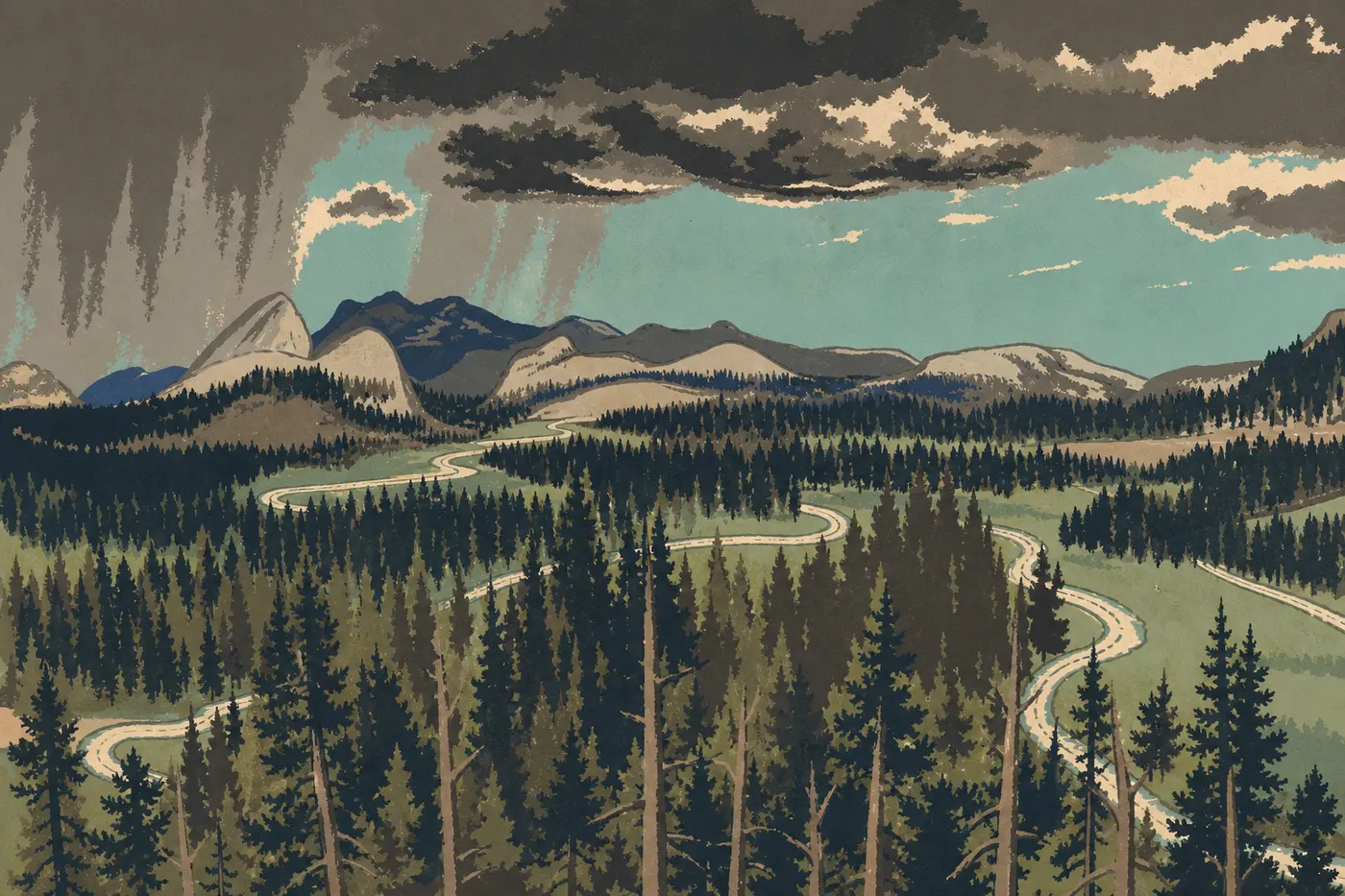
Once Tioga Road opens, all 1,200 square miles of the park become accessible. Tuolumne Meadows, at 8,500 feet, offers alpine hikes away from the valley crowds. Valley temperatures can climb above 86°F in July and August; Tuolumne Meadows is about 18°F cooler.
Summer is also Half Dome permit season. The cables to the summit, at 8,840 feet, go up in late May and come down in fall. You need a permit awarded through the lottery to use them. See our Yosemite Hiking page for the full process.
The main constraint is the timed entry reservation system in effect during the summer peak. Without an advance reservation, you may be turned away during the designated hours. You'll find the details in the “Reservations and Access” section below.
Summer is also wildfire season in California, and fires can temporarily affect air quality in the park.
Fall (September-October): The Comfortable Window
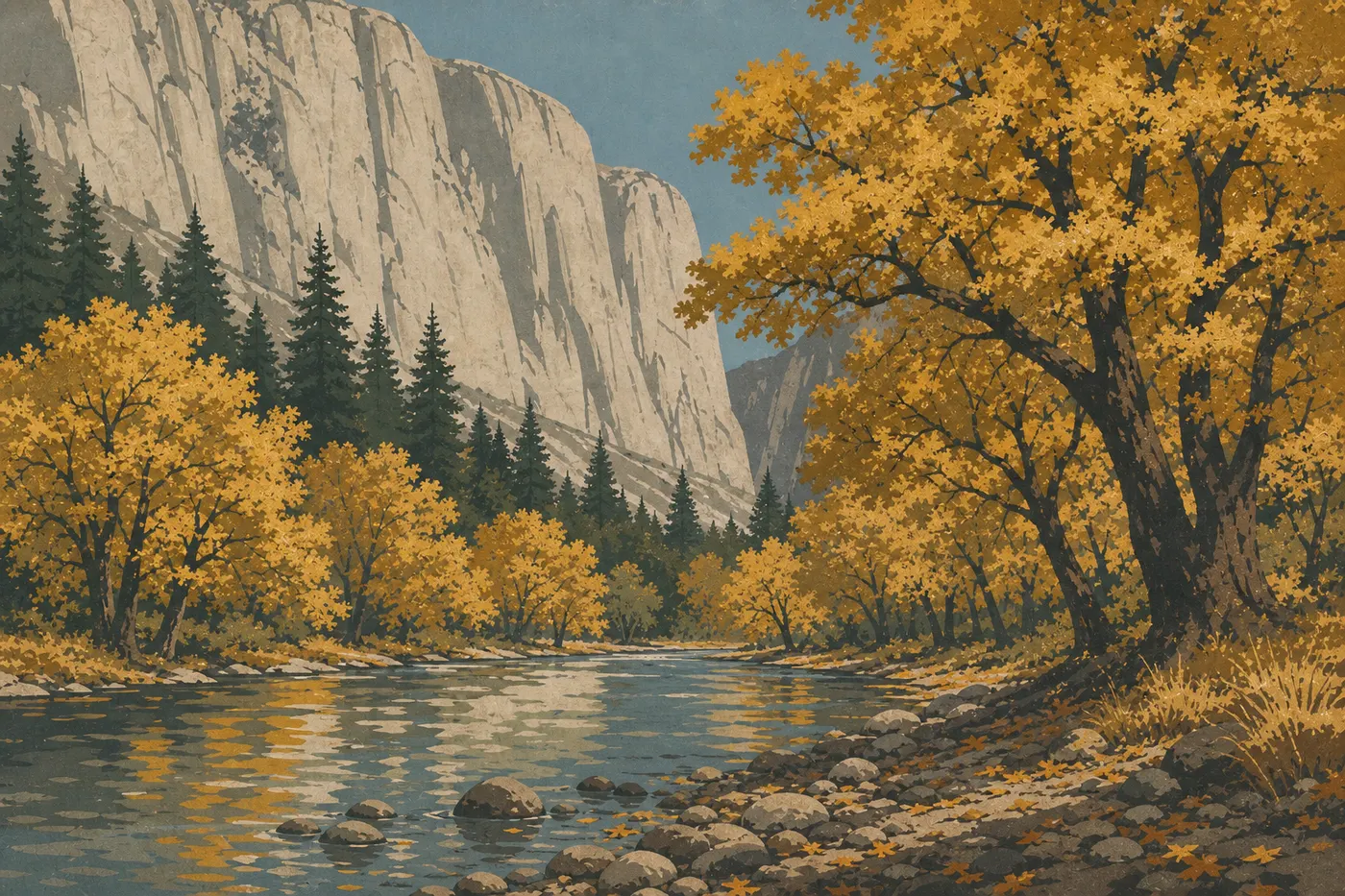
Crowds drop sharply after Labor Day, the first Monday in September. Valley temperatures remain mild, around 50°F to 81°F in September, and skies are clear. Late-day light on the granite cliffs is especially beautiful at this time of year.
Waterfalls are less powerful than in spring, but the trails regain a welcome sense of quiet. Tioga Road closes after the first significant snowfall, between late October and early November in most years. If you're planning to reach Tuolumne Meadows in fall, plan your visit before the end of October. The first rains return in October, so a light rain jacket is essential.
Crowds: When to Avoid the Crowds in Yosemite
Yosemite welcomes several million visitors each year, concentrated in a short summer window. Yosemite Valley is only 7 miles long and absorbs most of that traffic.
July and August are the busiest months. Parking lots fill by 8 or 9 a.m., free shuttles run packed, and popular trails such as Lower Yosemite Fall and Mirror Lake look like subway corridors on weekends. If you're visiting in summer, arrive before 7 a.m. or plan evening outings to reach the main viewpoints without waiting.
September remains busy through Labor Day, then pressure eases noticeably. It's the most comfortable stretch of the warm season.
May-June brings rising crowds, but they're still manageable, and waterfalls are at their peak. Weekends around Memorial Day, in late May, are especially busy.
November, December, and January-February have low to very low crowds. The tradeoff is winter weather and closed high-elevation roads.
Reservations and Access by Season
Yosemite uses a timed entry reservation system during the peak season, generally from late May to early September. Exact requirements change from year to year, so always check the NPS website before you go. Without a valid reservation, you may be turned away during the designated hours.
Reservations are made through Recreation.gov, often several weeks in advance. Slots go quickly, so lock in your dates as soon as your trip is confirmed.
For road access, the Tioga Pass Entrance on east Highway 120 closes from roughly November through late May. The three western entrances, on Highways 41, 140, and 120, remain open year-round, weather permitting. Hetch Hetchy is accessible only from sunrise to sunset.
Our Yosemite Access and Transportation page covers entrance fees, including $35 per vehicle and $20 per person on foot or by bicycle in 2025, shuttle options from San Francisco and Fresno, and winter driving conditions.
Best Time to Visit Yosemite on a Budget
The cost of a Yosemite trip closely follows the crowd curve. In-park lodging such as Ahwahnee Hotel, Yosemite Valley Lodge, and Curry Village reaches its highest rates in July and August. Nearby options in El Portal, Mariposa, and Groveland follow the same pattern.
Winter (December-February): Rates are at their lowest, and availability is broader. Some properties close for the season, but plenty of lodging remains available outside the park.
May and September-October: Good value. Prices rise above winter rates without reaching the summer peak.
July-August: Book in-park lodging 6 to 12 months ahead. Campgrounds also fill through a lottery several months in advance. Our Yosemite Camping guide and Yosemite Lodging guide cover options at every budget, from backcountry camping to Ahwahnee suites.
When to Go, Depending on Your Priorities
Waterfalls. May and early June. Sierra snowmelt feeds Yosemite Falls, Bridalveil Fall, Nevada Fall, and Vernal Fall at peak flow. By mid-July, several waterfalls have dwindled to a trickle.
Long hikes. June through September, with Tioga Road open. For Half Dome, plan on entering the permit lottery; see our Yosemite Hiking page. September-October is best for valley trails without the summer crush.
Photography. Three distinct windows: winter for snow and cool light on El Capitan; May for waterfalls and the contrast between snow and granite; fall for warm colors and smoke-free skies.
Families. June works especially well. Tioga Road has recently opened, temperatures are comfortable, and the park shuttles are running. Our Yosemite with Kids page lists activities for all ages.
Tight budget. November or January-February, on weekdays. Pair lodging outside the park with the free shuttles to save on parking and in-park nights.
Wildlife. Spring, especially April-May, for bears and fawns in the valley, and fall for rutting deer and coyotes active at dawn. Our Yosemite Wildlife page lists species and the safest viewing spots by season.
In Summary: The Best Time for Your Priorities
| Priority | Recommended months | Watch for |
|---|---|---|
| Waterfalls | May, June | Crowds increase starting in June |
| High-elevation hikes | June-September | Timed entry reservation in summer |
| Photography | January-February, May, September-October | Snowy roads in winter |
| Families | June, September | Book 6+ months ahead for summer |
| Budget | November-February | Some facilities are closed |
| Wildlife | April-May, October | Early-morning outings are essential |
For help planning your entire trip, our complete Yosemite guide answers all your practical questions.
The Worst Time to Visit Yosemite
July and August combine nearly everything that makes a visit difficult: valley temperatures above 90°F, parking lots full by 8 a.m., packed shuttles, and popular trails as crowded as subway corridors on weekends. Wildfire smoke can also degrade air quality for several days, and mosquitoes gather around wetlands and valley meadows. The timed entry reservation limits the total flow, but the park remains very busy throughout both months.
Federal holiday weekends make things worse. Memorial Day in late May, the Fourth of July, and Labor Day in early September bring extreme spikes in visitation. If you have no other option, build your days around dawn starts and less-publicized areas such as Tuolumne Meadows or Hetch Hetchy.
Frequently Asked Questions
What's the best time to visit Yosemite?
The best times to visit Yosemite are May-June and September. These months combine pleasant weather, active spring waterfalls, access to the high-country roads, and crowds that are still manageable.
What's the best month to visit Yosemite?
It depends on your priority: May for waterfalls at full flow, or September for quieter trails and mild temperatures.
What are the seasons like in Yosemite?
Yosemite has four distinct seasons. Winter is cold and snowy, with high-elevation roads closed; spring is wet and spectacular, thanks to the waterfalls; summer is dry and very busy; and fall is mild and quiet.
Can you visit Yosemite in winter?
Yes, the park is open year-round. The three western entrances on Highways 41, 140, and 120 remain accessible weather permitting, but Tioga Road is closed from roughly November through late May. Valley hikes are generally possible, and Badger Pass offers cross-country skiing and snowshoeing. No entry reservation is required, and crowds are very light.
How long do you need to visit Yosemite?
Plan on at least three days for Yosemite Valley and the main trails. A full week lets you explore Tuolumne Meadows, Hetch Hetchy, and the high-country trails. Our Yosemite Itinerary and Length of Stay page offers plans for different schedules.
Do you need a reservation to enter Yosemite?
During the peak season, generally late May through early September, Yosemite requires an advance timed entry reservation through Recreation.gov. Outside that period, no entry reservation is required, but lodging and campgrounds are still in high demand.
How much does a trip to Yosemite cost?
Entrance costs $35 per vehicle or $20 per person on foot or by bicycle, based on 2025 rates. The Yosemite annual pass costs $70. For entrance fees and annual passes, see the National Parks Fees and Passes page. Your total budget varies widely by lodging type and season. Our Yosemite Lodging guide breaks down price ranges by traveler profile.
What's the best season for visiting the American West?
For a road trip through the American West that includes Yosemite, May-June and September are the most versatile windows: comfortable temperatures, accessible parks, and fewer crowds than midsummer. Our American West region guide gives an overview by destination and season.