
What to Do in Yosemite: Top Sights and Activities
Five images come to mind at Yosemite before you've even passed through the park entrance: El Capitan's sheer granite face, Half Dome silhouetted at sunrise, Yosemite Falls roaring with snowmelt, the giant sequoias of Mariposa Grove, and the dizzying view from Glacier Point. These five sights form the backbone of any visit. The rest of this enormous, less familiar park holds plenty of great surprises for anyone staying more than a day.
The short answer: On your first visit, focus on Yosemite Valley (Tunnel View, El Capitan, Yosemite Falls, and Bridalveil Fall), then add Glacier Point if time allows. Two full days cover the highlights; three days open the door to the high country, including Tioga Road and Tuolumne Meadows.
Yosemite at a Glance: Areas, Access, and Getting Around
The park covers nearly 1,200 square miles in California's Sierra Nevada, with elevations ranging from 1,970 feet to more than 13,100 feet. In practice, five main areas shape the park: Yosemite Valley (the lowland and busiest area), Glacier Point and Wawona Road (the southeastern side), Mariposa Grove (the far south), Tioga Road and Tuolumne Meadows (high elevation, east-central), and Hetch Hetchy (northwest, often overlooked by first-time visitors).
Three roads approach the park from the west: Highway 41 from Fresno (South Entrance), Highway 140 from Merced (the west entrance and the least difficult route in winter), and Highway 120 from Manteca (the northwest entrance). The Tioga Pass Entrance, east of the park via Highway 120, remains closed from November through late May or June, depending on the year's snowfall.
Driving inside Yosemite Valley can be a headache during the busy season. From May through September, access requires a timed entry reservation. Without one booked in advance through the NPS website, you may find yourself stopped at the park entrance. The simplest option is to park as soon as you arrive and use the free Yosemite Valley Shuttle, which makes about 20 stops and runs roughly from 7 a.m. to 10 p.m. during the busy season.
For fees, winter driving conditions, and transportation options from San Francisco or Fresno, see the Yosemite access guide.
How Long Do You Need to Visit Yosemite?
Plan on at least two days for the Valley's main sights and Glacier Point. Add a third day if you want to reach Mariposa Grove without rushing or explore Tioga Road in summer. After that, each extra day fills itself: hikers could spend a week here and never take the same trail twice.
For a day-by-day itinerary, with or without hikes and with or without Half Dome, the Yosemite itinerary guide lays out several one- to five-day options.
Yosemite's Must-See Sights, Area by Area
Yosemite Valley: The Heart of the Park
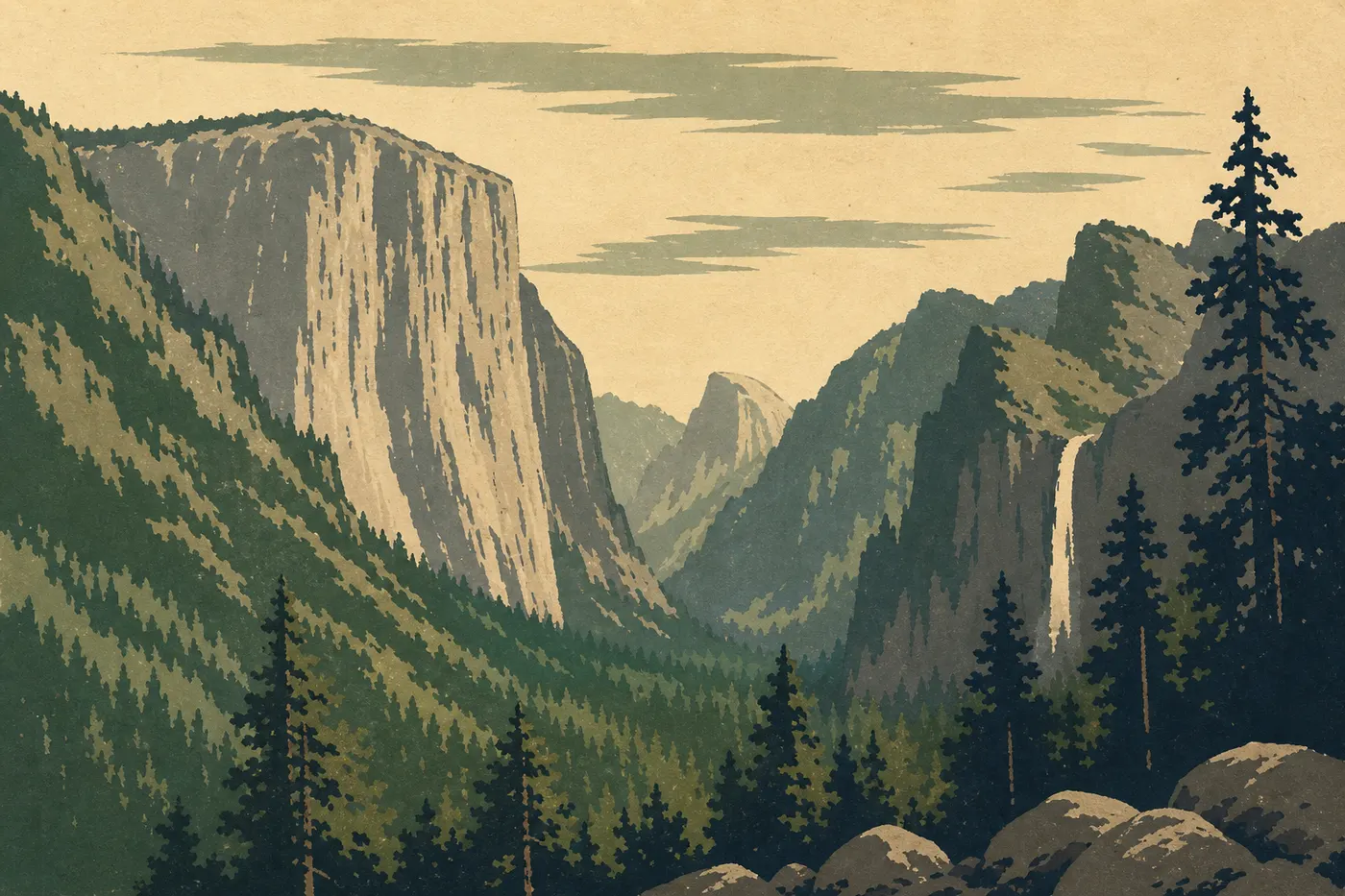
Yosemite Valley packs its iconic sights into roughly 12.4 miles, between elevations of 3,900 and 4,300 feet. This is where you'll find the longest lines and the most striking morning light.
Tunnel View. Just outside Wawona Tunnel on the Valley side, this overlook opens onto the park's most photographed panorama: El Capitan on the left, Bridalveil Fall on the right, and Half Dome in the distance. Arrive at sunrise if you want the view without 20 or so other visitors in the frame. The overlook is only a few minutes by car from the park entrance.
El Capitan. The granite monolith rises about 2,950 feet above the valley floor. Take it in from El Capitan Meadow on the north side, using binoculars to spot climbers clinging to the face. You don't need any special equipment. Just stretch out in the grass and look up.
Yosemite Falls. The waterfall has two main drops and a total height of 2,425 feet. It's spectacular from April through June, when snowmelt feeds it at full force; by late summer, it can nearly disappear. A short 0.5-mile round-trip trail from the parking area on Northside Drive (Shuttle Stop 6) leads to the base of Lower Yosemite Fall.
Bridalveil Fall. A 656-foot drop, a cloud of spray, and a 10-minute walk from the dedicated parking area. It's accessible year-round, though the flow varies with the season. From March through June, bring a light rain jacket. You'll get wet.
Valley View and Cook's Meadow. These two complementary photography spots are easy to overlook. Valley View on Northside Drive offers a reflection of El Capitan in the Merced River. In the middle of the Valley, Cook's Meadow delivers the classic view of Sentinel Rock and Half Dome. On summer mornings, mule deer regularly appear in the meadow.
Mirror Lake. In spring, this lake at the back of the Valley reflects Half Dome under perfect conditions. In summer, it gradually shrinks into a wet meadow. Reach it on foot or by bike from Shuttle Stop 17, about a 0.6-mile walk.
Glacier Point: The Overlook Above the Void
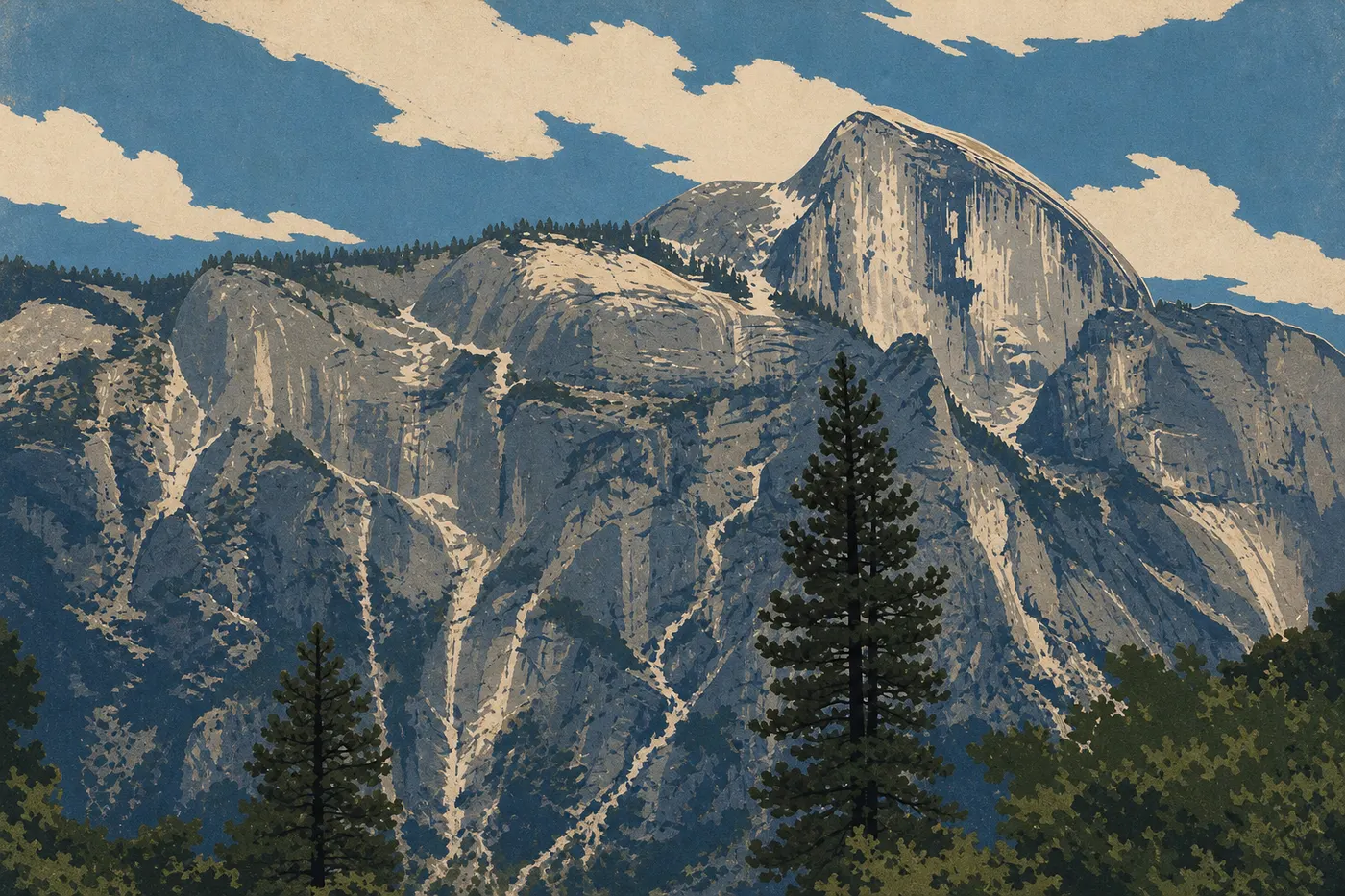
At 7,215 feet, Glacier Point offers Yosemite's most complete panorama: Half Dome straight ahead, Nevada Fall and Vernal Fall aligned with the Merced River, and the entire Valley nearly 3,300 feet below. The overlook has a railing and interpretive panels. There's nothing else to do but take in the view.
Glacier Point Road generally opens from late May through November, depending on snowfall. You can also hike there on the Four Mile Trail from Yosemite Valley (3 miles and 3,300 feet of elevation gain) or via the Panorama Trail from Nevada Fall.
Practical tip: arrive early in the morning. The parking lot fills by 9 a.m. in July and August. A seasonal bus connects Yosemite Valley and Glacier Point during the season. Just before the main viewpoint on the road, Washburn Point is also worth a stop. Its angle on Half Dome is slightly different, and there are far fewer people.
Mariposa Grove: Beneath the Giant Sequoias
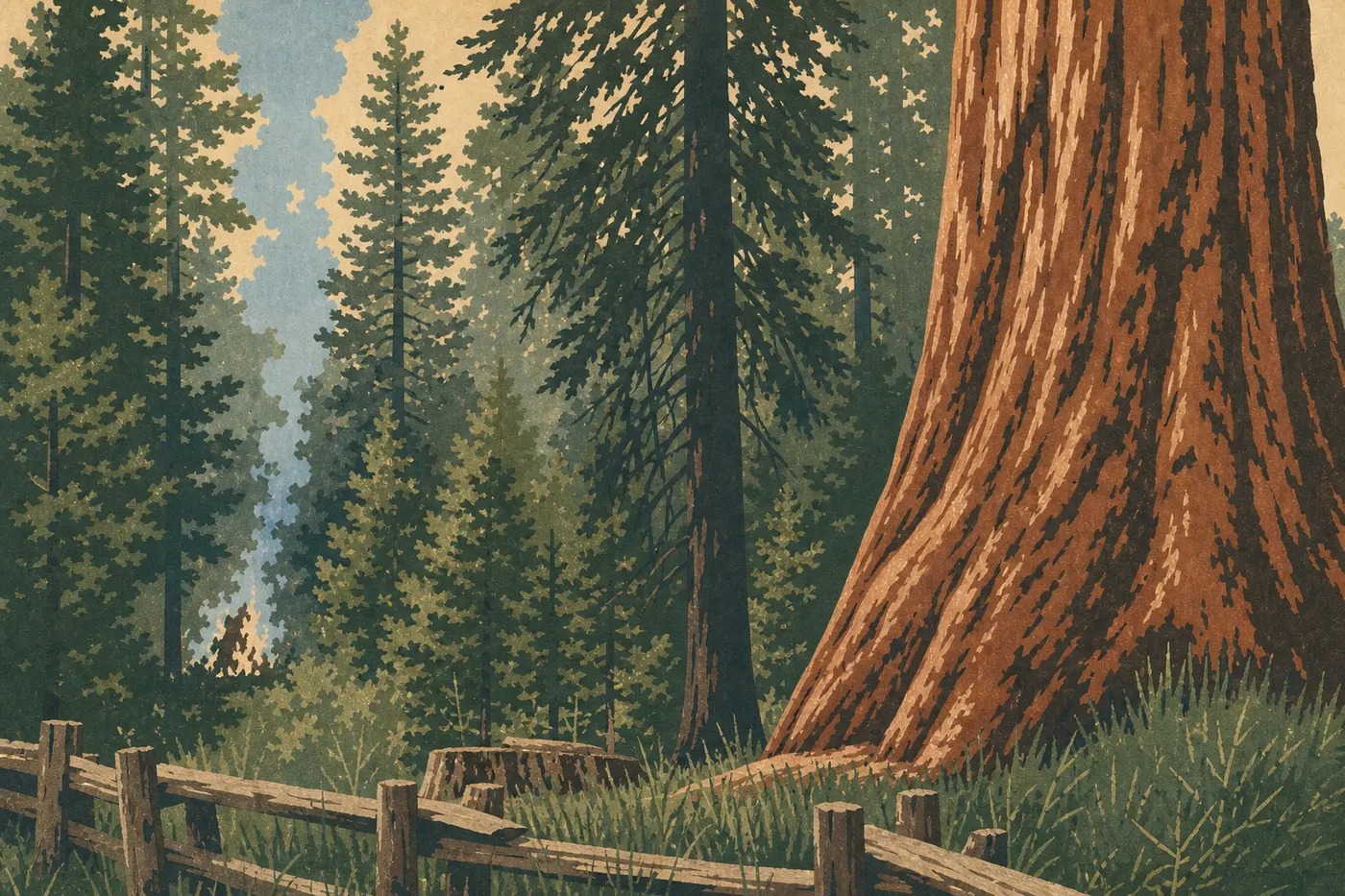
At the southern end of the park, Mariposa Grove holds nearly 500 mature giant sequoias across about 1.5 square miles of forest. The oldest trees are more than 2,000 years old, with trunks wider than 30 feet at the base.
Two sites to look for in the grove are Grizzly Giant, one of the park's most massive sequoias, with a single main branch as large as an ordinary mature tree, and California Tunnel Tree, which was cut through in the 19th century to let tourist stagecoaches pass. The tradition of walking underneath it has remained.
Access begins at Mariposa Grove Welcome Plaza, where paid parking is available. A free shuttle connects the Welcome Plaza with the grove entrance during the busy season. The main loop, including Fallen Monarch Trail and Big Trees Loop, covers the key sights in 1.5 hours at an easy pace.
Tioga Road and Tuolumne Meadows: The High Country
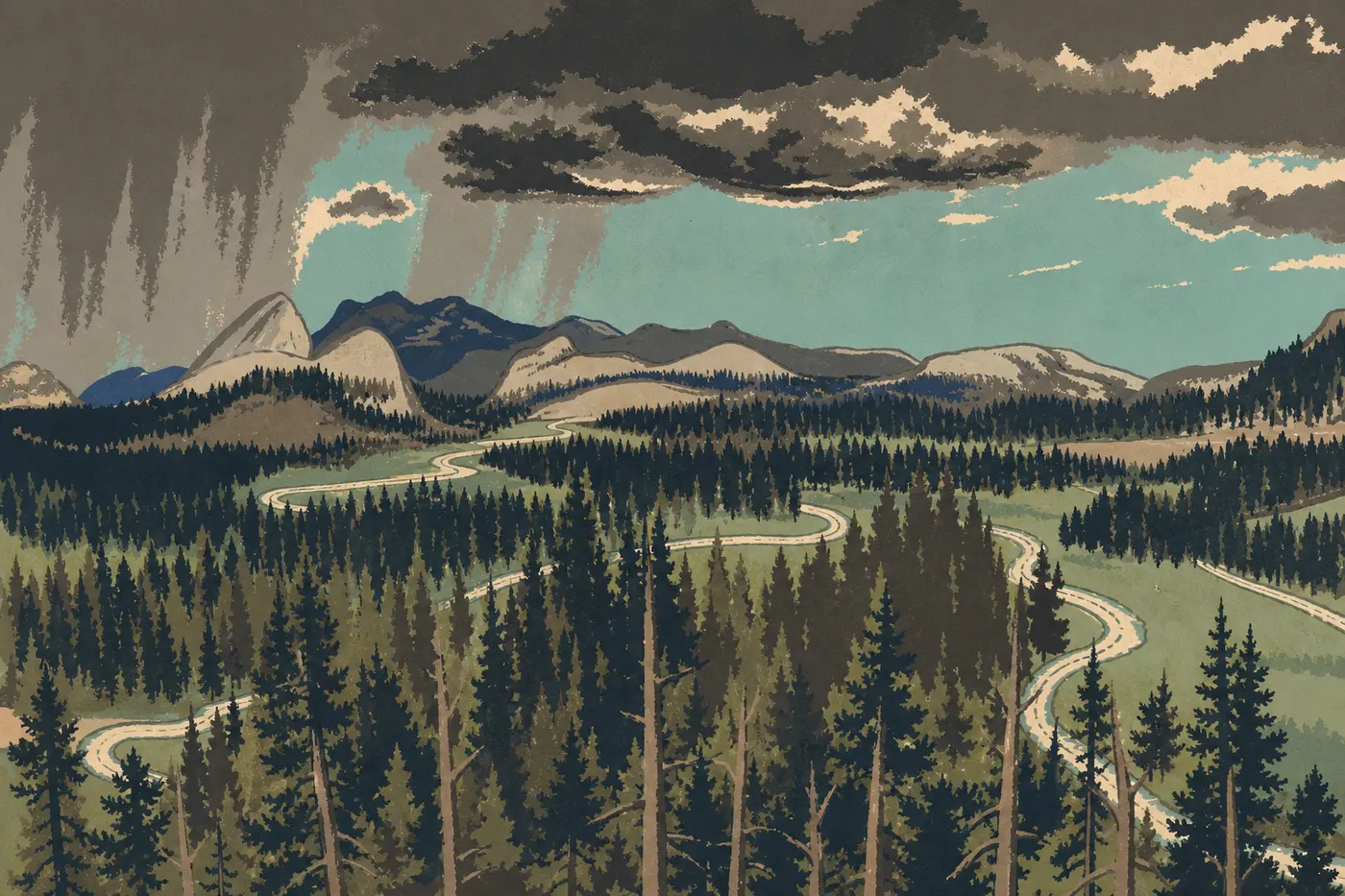
Tioga Road (Highway 120) crosses the park from east to west at an average elevation of more than 9,800 feet. It's open only from late May or June through November, depending on snowfall. This area feels completely different from Yosemite Valley: no towering granite walls, but glacial lakes, subalpine meadows, and high-elevation skies familiar to astrophotographers.
Olmsted Point. A scenic stop on Tioga Road with an unusual view of Half Dome from the north. You see the dome's rounded back, which completely changes the perspective from the familiar images.
Tenaya Lake. A glacial lake at 8,150 feet, surrounded by granite polished by ice. Swimming is possible in July and August (the water is cold, around 59 to 64°F), and kayaking and lakeside picnics are allowed. The parking area sits directly on Tioga Road.
Tuolumne Meadows. The largest subalpine meadow in the Sierra Nevada, at 8,600 feet, crossed by the Tuolumne River. It's the starting point for numerous high-elevation hikes and the base camp for mountaineers heading toward nearby summits such as Cathedral Peak and Lembert Dome. The Tuolumne Meadows Visitor Center, open in summer, provides maps and weather reports.
Hetch Hetchy: The Other Valley, Far from the Crowds
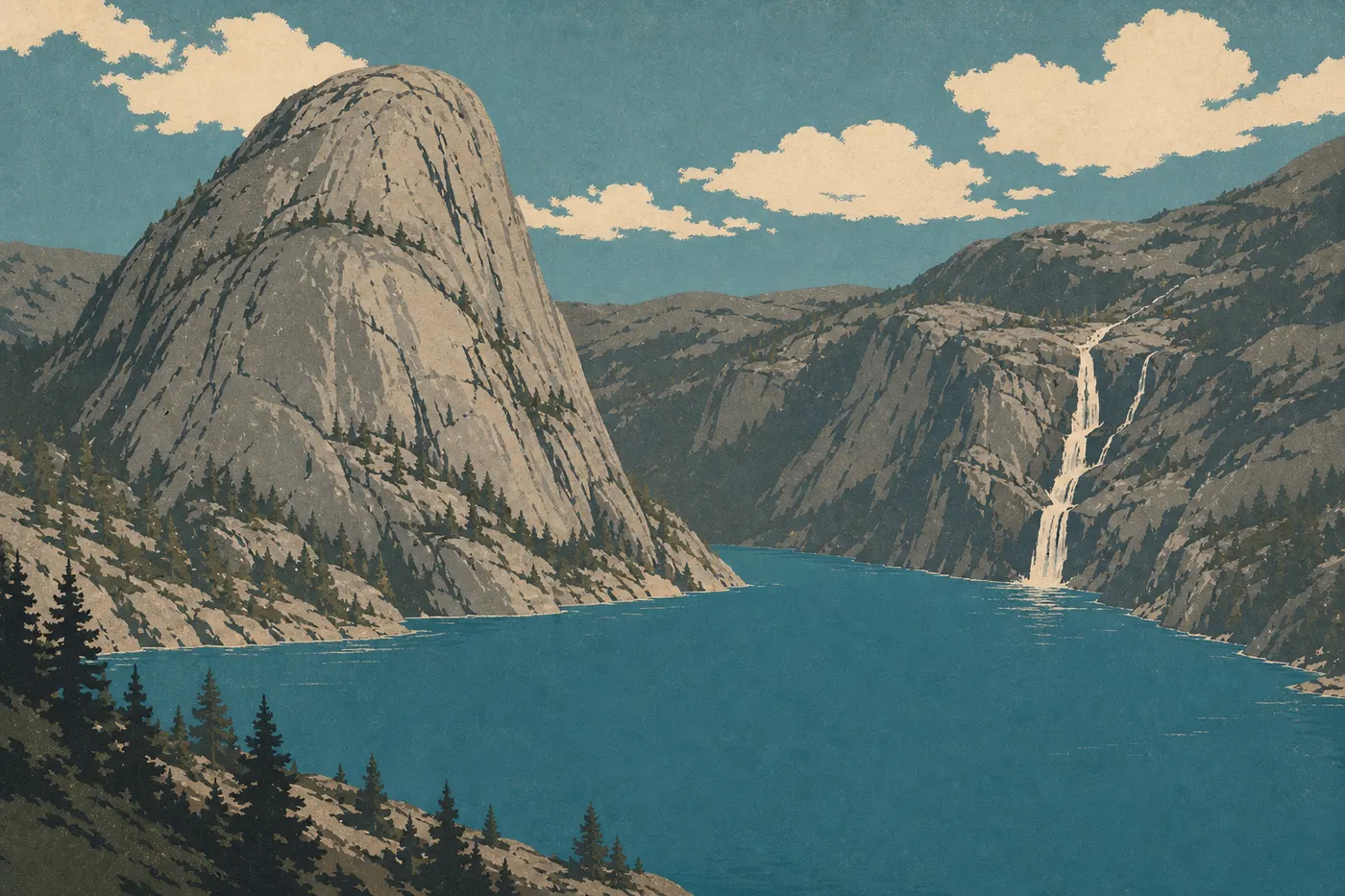
Hetch Hetchy is the park's great overlooked corner. In the northwest, this valley shares Yosemite Valley's glacial origins. It was flooded to create a reservoir in the early 20th century and supply San Francisco with drinking water. The result is strange and beautiful: a body of water framed by imposing granite walls, with two spectacular waterfalls visible from the main trail.
Reach it via Evergreen Road from Big Oak Flat (allow 45 minutes from Yosemite Valley). The site is open from dawn to dusk, and day visitors can't remain after dark. The trail along the lake to Wapama Falls (5.6 miles round-trip, with little elevation gain) is especially beautiful in spring, when the waterfalls swell. In summer, leave very early. There's little shade on this south-facing slope.
Yosemite's Best Hikes
Yosemite has some of California's richest trail networks, from 30-minute family loops to two-day climbs to the top of Half Dome, with classics such as Vernal Fall via the Mist Trail, North Dome, and Sentinel Dome along the way. For distances, elevation gains, and difficulty ratings, see the full trail descriptions in the Yosemite hiking guide.
Three practical tips to keep in mind: book your Half Dome permit well ahead of time (the quota is limited and fills quickly when applications open); wear closed-toe shoes even on the “easy trails” (wet granite is slippery without warning); and always carry more water than you think you'll need (fountains are rare outside Yosemite Valley).
Other Activities by Interest
Wildlife watching. Yosemite is home to black bears, mule deer, coyotes, marmots, and a wide variety of birds, including peregrine falcons, bald eagles, and belted kingfishers. Yosemite Valley's meadows (Cook's Meadow and Valley View) and the area around Tuolumne Meadows are the best places to look. Keep at least 82 feet from bears and 33 feet from other animals. Never feed wildlife, and always store food in the metal lockers provided in parking areas. The Yosemite wildlife guide covers the species to look for and how to behave around them.
Biking. About 11 miles of marked paths run through Yosemite Valley. They're flat, mostly easy, and suitable for kids. Bikes are available for rent at Yosemite Valley Lodge and Curry Village during the season. It's the most pleasant way to get between Valley sights without relying on the shuttles.
Climbing. El Capitan and Half Dome are world-famous big-wall climbing destinations. Experienced climbers will find routes established over decades; beginners can get started with the Yosemite Mountaineering School, which offers classes for all levels from Yosemite Valley.
Photography and stargazing. Yosemite Valley, Glacier Point, and Olmsted Point rank among the most popular landscape photography spots in the United States. In summer, Glacier Point and Sentinel Dome offer access to relatively dark mountain skies, ideal for photographing the Milky Way. For the best seasonal light and snow conditions, the Yosemite weather calendar breaks down conditions month by month.
Family activities. The NPS Junior Ranger Program (a free activity booklet available at visitor centers) lets kids ages 4 to 14 earn an official badge by completing nature-based activities. The trail to Bridalveil Fall and the main Mariposa Grove loop work for kids as young as 5 or 6. The Yosemite family activities guide lists trails and activities suited to younger children, along with distances and practical considerations.
Swimming in the Merced River. In summer, the Merced River's banks in Yosemite Valley are open for swimming. No lifeguards are on duty, so check current conditions before getting in, and bring your own gear. The park doesn't rent any.
Things to Do Around Yosemite
Yosemite rarely stands alone on a California road trip.
To the east, crossing Tioga Pass in summer quickly brings you to Mono Lake, a saline lake with limestone tufa formations in a volcanic caldera. It's a short but memorable natural-history stop.
To the northwest, Gold Rush country along Route 49 runs through the Mother Lode towns, with open-air museums and 19th-century wooden buildings.
To the south, the road toward Fresno leads to Sequoia and Kings Canyon, another region of giant sequoias and deep canyons, about 3 to 4 hours away depending on your starting point.
To the west, San Francisco is about a four-hour drive from Yosemite Valley, making it convenient for travelers arriving or departing through SFO. For road-trip combinations and regional routes, our Road Trips and Regions pages lay out the options.
The Essentials: What to See First in Yosemite
If you've only got one day, stay in Yosemite Valley: Tunnel View at dawn, El Capitan Meadow in the morning, Yosemite Falls before lunch, and Bridalveil Fall in the afternoon. It's a packed day, but doable.
With two days, add Glacier Point on the second morning and Mariposa Grove on your way out through the South Entrance that afternoon.
With three days or more, head up Tioga Road in summer for Olmsted Point, Tenaya Lake, and Tuolumne Meadows. In winter, Yosemite Valley alone offers a dramatically different experience, under snow and almost crowd-free.
Is Yosemite worth it? The park lives up to its reputation if you prepare properly (entry reservations, a Half Dome hiking permit, and parking). Logistical frustration is the number one reason first visits fall short.
Frequently Asked Questions
What can you do in Yosemite?
At Yosemite, you can visit the Valley's iconic sights (El Capitan, Half Dome, and Yosemite Falls), hike hundreds of miles of trails, watch wildlife (black bears, deer, and hawks), swim in the Merced River, bike through Yosemite Valley, climb big walls, and enjoy exceptional night skies from Glacier Point.
How long do you need to visit Yosemite?
Plan on at least two days for Yosemite Valley's highlights and Glacier Point. Three days let you add Mariposa Grove and Tioga Road in summer. For a thorough visit with several hikes, allow four to five days. Our Itinerary and Length page offers detailed options for different amounts of time.
What is the best viewpoint in Yosemite?
It depends on the time of day and the angle you're after: Tunnel View at sunrise for the big-picture view of Yosemite Valley, Glacier Point at 7,215 feet for a 360-degree panorama of Half Dome and the waterfalls, and Olmsted Point on Tioga Road for an unusual view of the dome from the north.
When is the best time to visit Yosemite?
Spring (April through June) brings the waterfalls to their peak, summer (July and August) opens Tioga Road and Tuolumne Meadows, fall (September and October) brings golden light and smaller crowds, and winter leaves Yosemite Valley snowy and nearly empty. The Yosemite seasons guide breaks down conditions month by month.
Do you need a reservation to enter Yosemite?
From May through September, entering Yosemite Valley requires a timed entry reservation. Book through the official NPS website several weeks ahead. Outside that period, you don't need a reservation to enter the park.
How do you get around Yosemite Valley?
The free Yosemite Valley Shuttle serves the Valley with about 20 stops, running roughly from 7 a.m. to 10 p.m. during the busy season. Biking, with rentals available in season, is an excellent alternative for getting between sights. During the busy season, the simplest option is to leave your car in the parking area when you arrive and take the shuttle.