
What to Do in Redwood: The Must-See Highlights
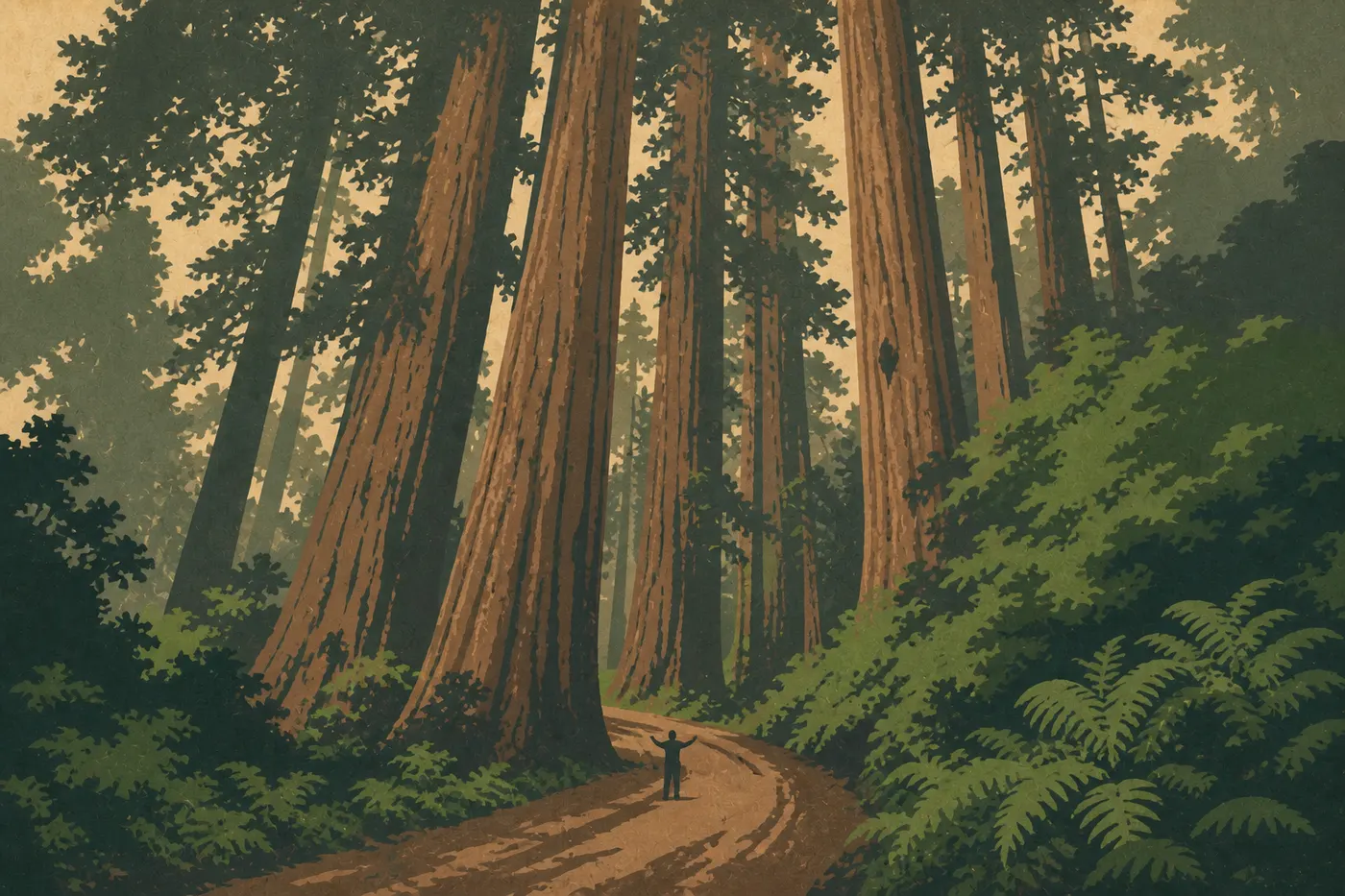
The short answer: You don't come to Redwood for classic scenic vistas. You step into a vertical forest of coast redwoods that rise more than 360 feet, follow a wild Pacific coastline, and spot herds of Roosevelt elk roaming free. Three highlights capture the essentials: Fern Canyon, with walls covered in giant ferns; Newton B. Drury Scenic Parkway, an 11-mile cathedral of trees closed to trucks; and Stout Grove, for a full immersion in old-growth forest.
Redwood at a Glance: Areas, Access, and Getting Around
Redwood isn't one park but a patchwork of four protected areas jointly managed by the NPS and the State of California: Jedediah Smith Redwoods State Park, Del Norte Coast Redwoods State Park, Prairie Creek Redwoods State Park, and Redwood National Park itself. Together, they form a roughly 62-mile strip along the coast from north to south, between Crescent City at the northern end and Orick at the southern gateway.
A car is essential for getting around. Distances between areas can reach 31 miles, and there's no intersite shuttle. US-101 runs through the park from north to south. Several unpaved secondary roads lead to the most secluded forest areas, but RVs aren't recommended on these tracks.
From San Francisco, plan on about 323 miles, or 6 to 7 hours of driving. The nearest airport is Arcata-Eureka, about 1.5 hours south of Orick. The different ways to get to Redwood are laid out according to your entry point.
The four visitor centers are spread out from north to south. Outside June through August, some close or reduce their hours, so check before you leave. The park itself stays open year-round, with roads and trails accessible at all times.
How Much Time Do You Need to Visit Redwood?
Two days is the minimum if you want to see all four areas without rushing. With just one day, focus on Prairie Creek, including Fern Canyon and Newton B. Drury Scenic Parkway. It's the combination that gives you the most Redwood in the least amount of time.
With 3 to 4 days, you can add Jedediah Smith, including Stout Grove and Howland Hill Road, an evening at Gold Bluffs Beach, and the Tall Trees Trail from Orick, which requires a permit. The day-by-day Redwood itinerary adapts to the time you have.
The Must-See Highlights, Area by Area
The order follows the north-to-south route, which is the most common drive from the northern coast or Oregon.
Jedediah Smith Redwoods State Park (the wildest area)
Thirty minutes from Crescent City, Jedediah Smith is often the least visited area. Skipping it would be a mistake.
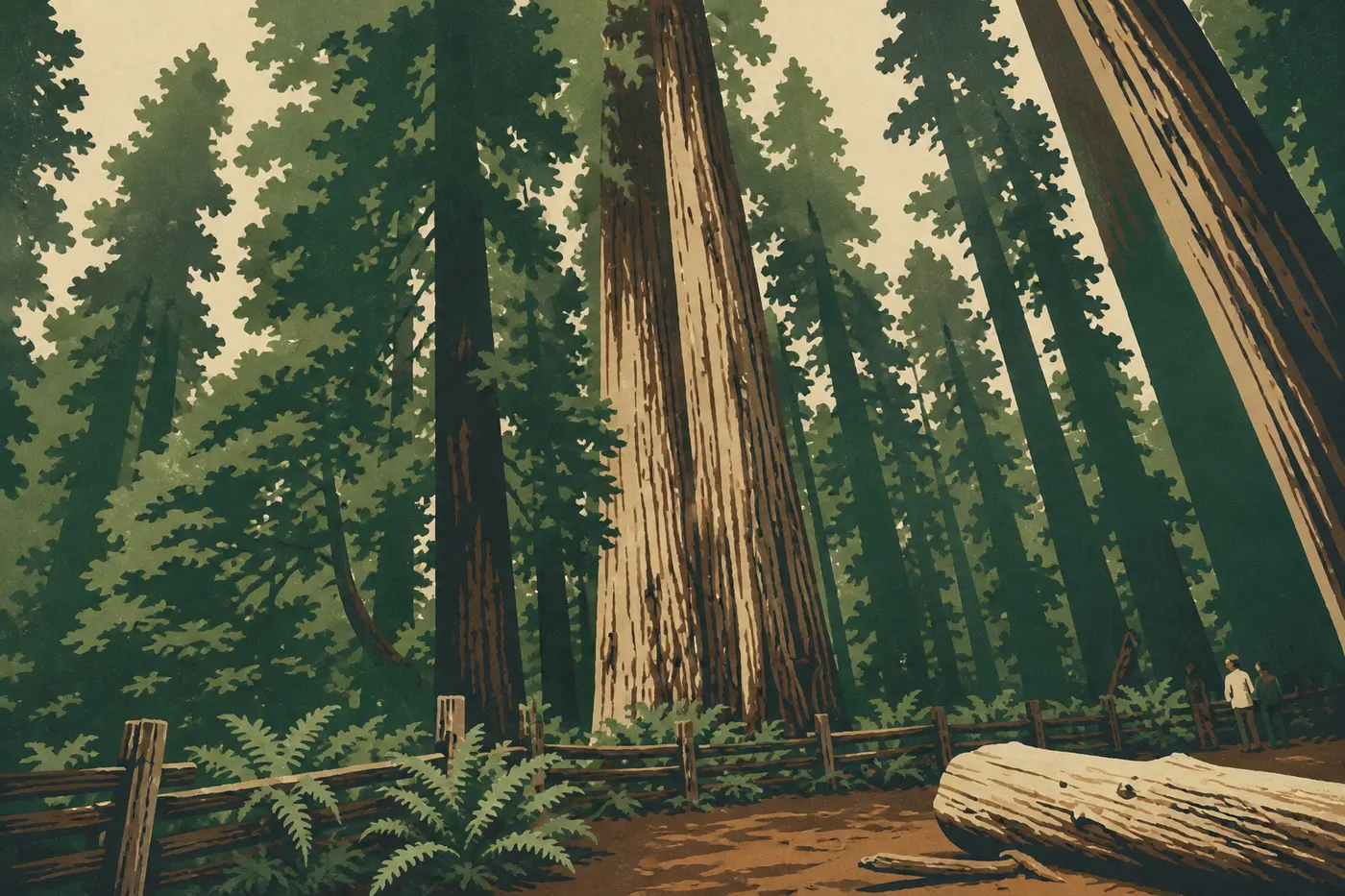
The centerpiece is Howland Hill Road, a 7-mile unpaved road winding through old-growth forest. RVs and large trailers can't make it through, which naturally keeps the crowds away. Drive slowly, with the windows down, through cathedral-like silence.
At the end of the road, you'll find Stout Grove. The trunks reach 30 feet in diameter at the base. During an October visit, I had the entire understory to myself at 8 a.m. Fog filtered between the columns of trees, with no other visitor in sight. This is the kind of experience the park offers people who arrive early and leave US-101 behind.
The Smith River borders the area to the east. It's one of the last major undammed rivers in California. In summer, its natural pools of crystal-clear water are suitable for kayaking and swimming. Local rental outfitters are listed in the guide to getting around the park.
Time to allow: Half a day to a full day.
Del Norte Coast Redwoods State Park (forest and cliffs)
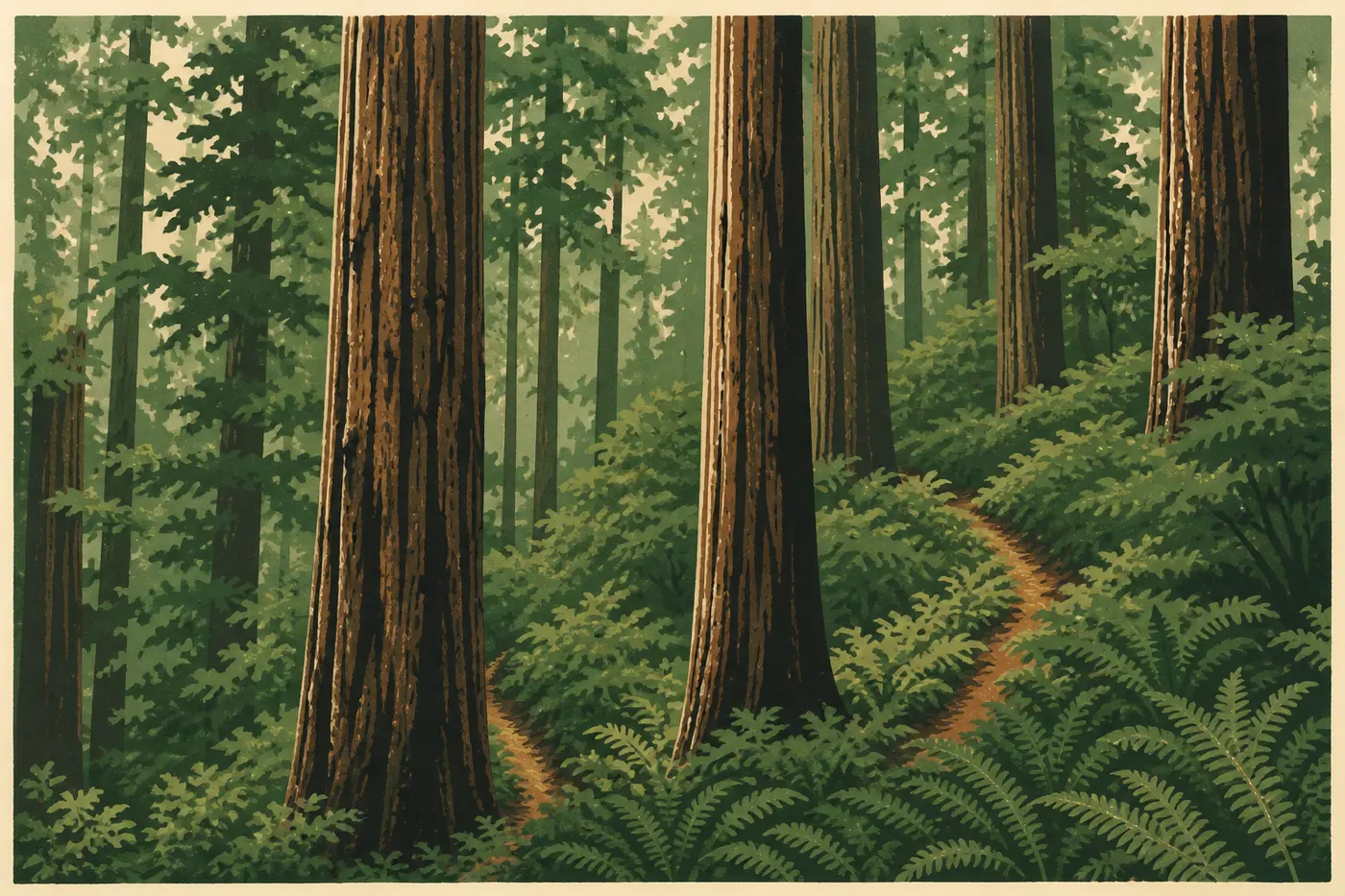
This area transitions from inland forest to rocky coastline. US-101 passes through it, but don't just drive by. Stop at the overlooks above the Pacific to take in the scale of the conifer-covered cliffs.
The Damnation Creek Trail is a 3.1-mile round-trip hike down to an isolated beach through dense redwood forest. The descent is steep, with about 985 feet of elevation gain on the way back. Wear good shoes and bring more water than you think you'll need.
Crescent Beach, just south of Crescent City, is one of the park's few wide sandy beaches. It's a good spot for a picnic or for watching sea lions on the offshore rocks.
Time to allow: 2 to 4 hours, depending on your stops.
Prairie Creek Redwoods State Park (the iconic area)
This is where most of the images that make Redwood so memorable come from. Two sites are essential if you want to get the full picture.
Newton B. Drury Scenic Parkway: An 11-mile road reserved for light vehicles, with trucks and RVs prohibited. Drive it with the windows open and at a slow pace. Coast redwoods form a seemingly endless colonnade. This is where you understand, on a visceral level, why these trees are the tallest on the planet. You don't get it by reading a sign. You get it by tilting your head back and losing the treetops in the fog.
At the entrance to the Parkway, the Prairie Creek meadows regularly host herds of Roosevelt elk. Arrive early in the morning or late in the afternoon to watch them safely. These animals are powerful, with bulls weighing more than 660 pounds. Keep at least 100 feet away, and never try to approach them on foot.
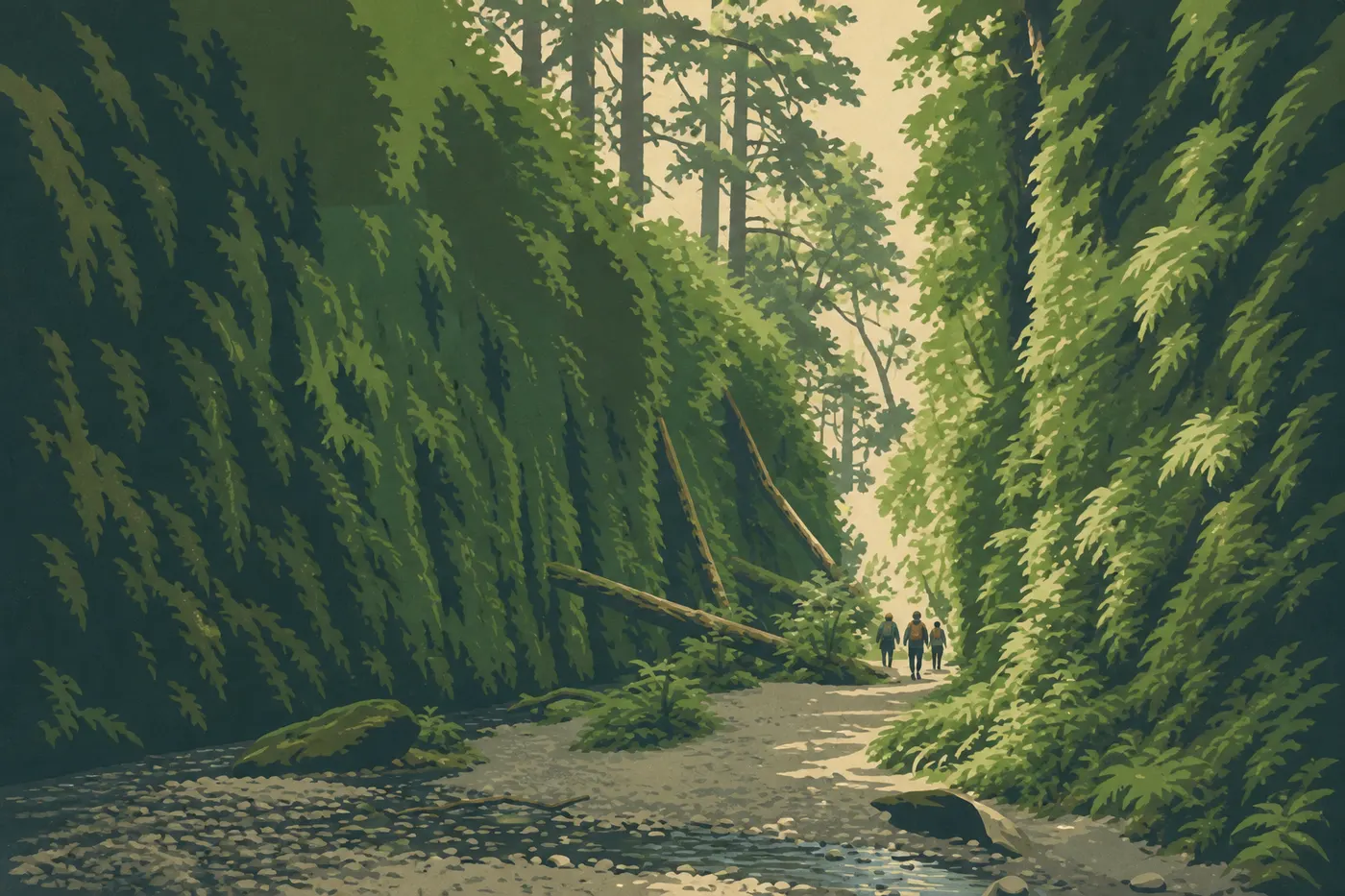
Fern Canyon: The walls of this 49-foot canyon are completely covered in maidenhair ferns. You walk in the creek, so waterproof boots or sandals are strongly recommended outside the dry season. Access is via Gold Bluffs Beach, along 3.1 miles of unpaved road from US-101. The canyon was used as a setting for The Lost World: Jurassic Park, and you'll understand why the moment you arrive.
Gold Bluffs Beach is worth the detour even if you don't enter the canyon. Ochre cliffs drop straight into the ocean, sea spray blankets the beach, and cormorants glide above the waves. You can camp here, making it one of Redwood's most unusual experiences.
Time to allow: Half a day to a full day.
Redwood National Park: Orick Area (the southern gateway)
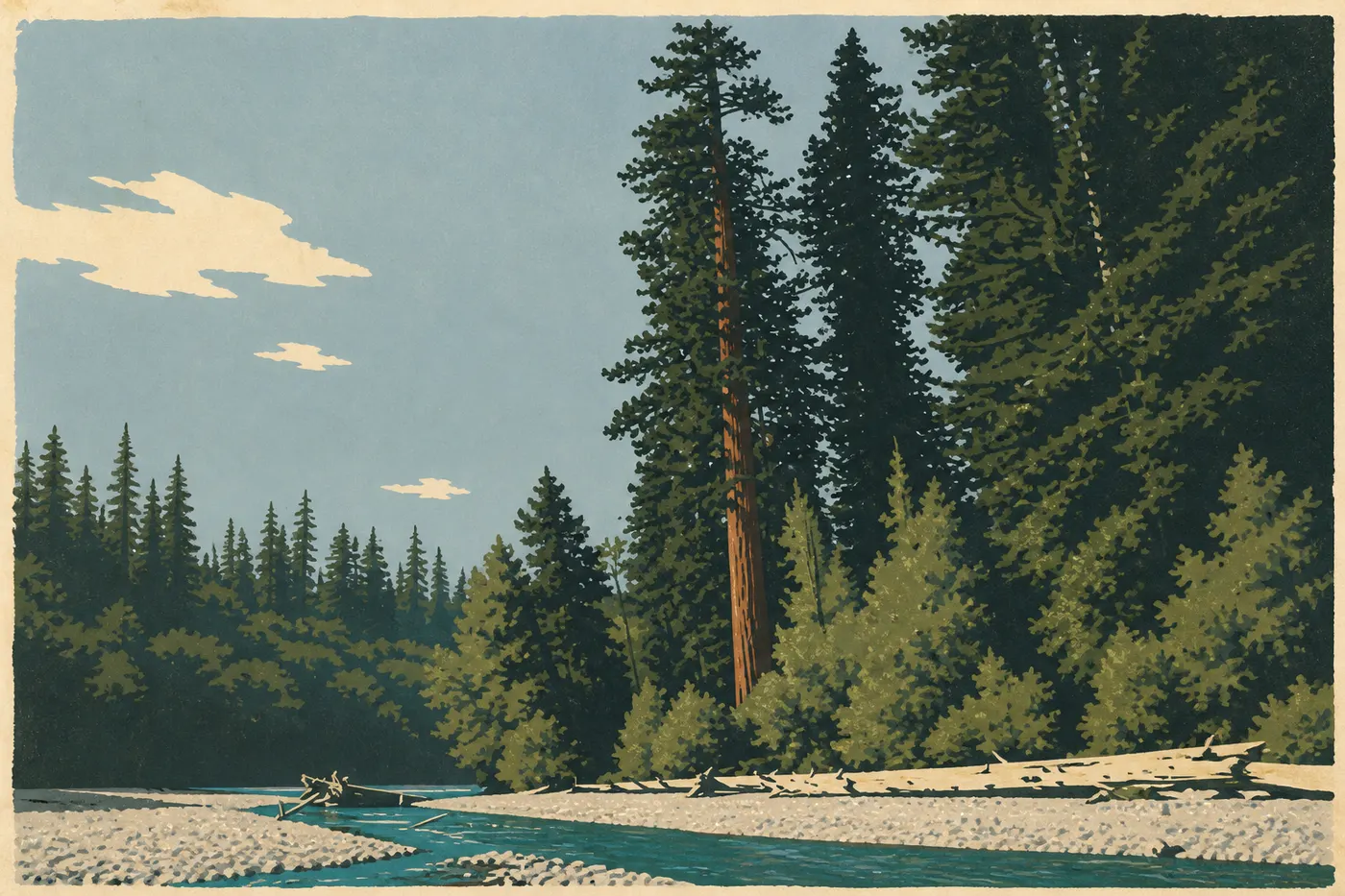
This area includes the main visitor center, Thomas H. Kuchel Visitor Center, which is open year-round, and two must-see sites accessible on foot.
Lady Bird Johnson Grove: A 1.2-mile loop trail opened in 1969 when the national park was established. The forest is dense, the understory carpeted with moss and oxalis. It's an easy loop for all ability levels, with clear signs explaining the history of coast redwood conservation.
Tall Trees Grove: The park's tallest redwoods are here. Access requires a free permit, available at Kuchel Visitor Center, and permits are limited, so arrive early. The forest road to the trailhead is closed to unauthorized vehicles. The trail itself is a 5-mile round trip with 490 feet of elevation gain. It's moderate, but the permit is the real logistical challenge.
Keep in mind that the location of Hyperion, at 379.6 feet the tallest known tree on Earth, is deliberately kept secret by the NPS to protect the area. Don't try to locate it outside the marked trails.
Time to allow: Half a day to a full day, depending on which sites you choose.
Redwood's Best Hikes
Redwood is a park of dense forests and coastal canyons, not spectacular climbs. Flat or gently rolling trails are the norm, with a few trails descending toward the coast that require more effort.
These trails come up again and again in recommendations:
- Boy Scout Tree Trail (Jedediah Smith): 5 miles round-trip through old-growth forest, with few visitors and a hushed atmosphere.
- Damnation Creek Trail (Del Norte): 3.1 miles, descending to an isolated wild beach.
- Fern Canyon Loop (Prairie Creek): 0.7 miles, technical and wet, but spectacular.
- Tall Trees Trail (Orick): 5 miles round-trip, with access by free permit.
The Redwood hiking guide covers every trail, including elevation profiles, estimated times, required fitness levels, and gear advice.
Other Activities for Every Kind of Traveler
Wildlife Watching
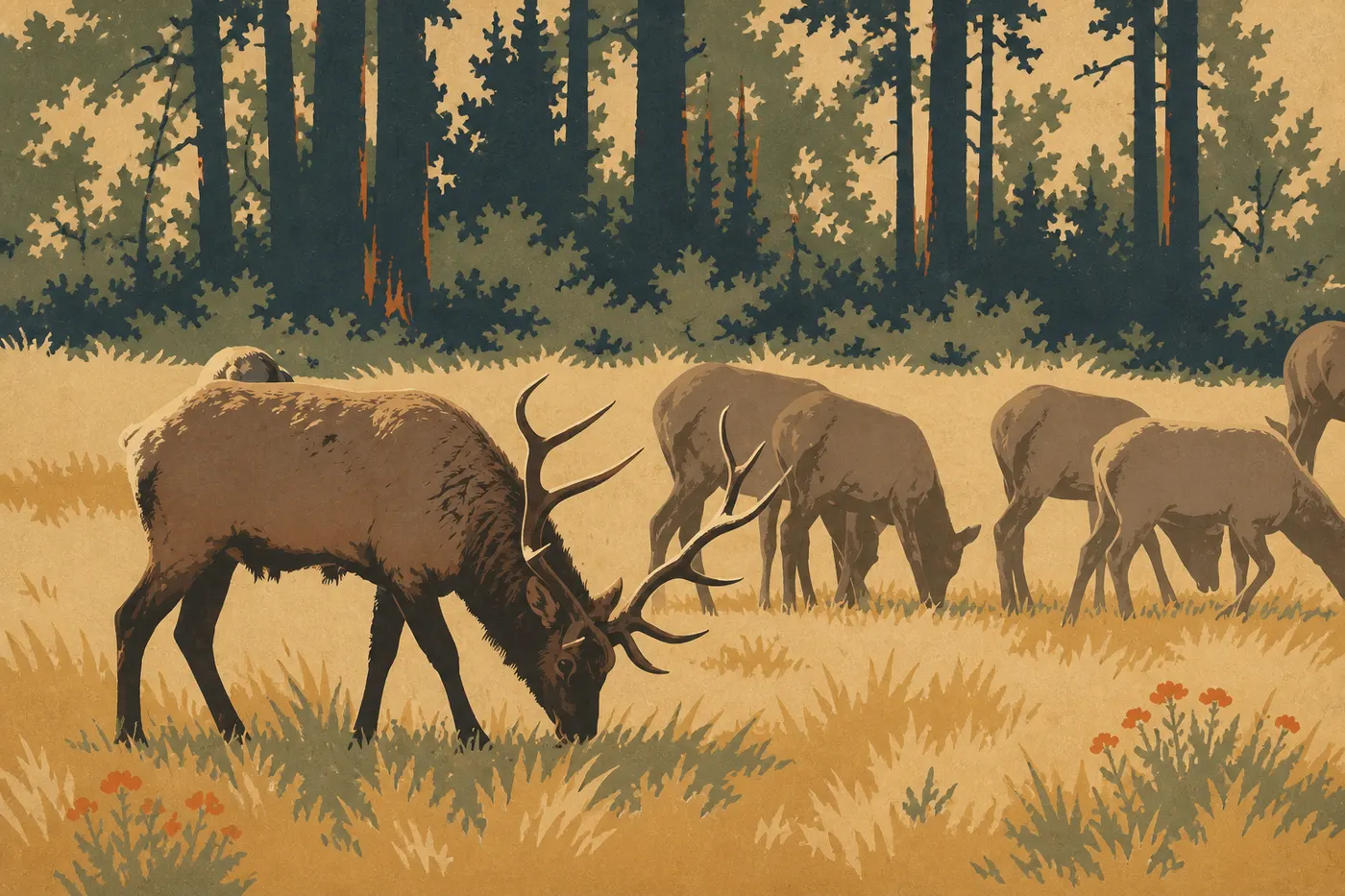
Redwood is one of the few places in California where you can see Roosevelt elk in their natural habitat. Prairie Creek is the best area, but elk sometimes cross US-101 near Orick early in the morning. Drive carefully in these areas.
Black bears: They live in remote forest areas, but incidents involving visitors are rare as long as you follow the basic rules. Store food in bear-proof boxes, and don't leave trash in your vehicle. Full instructions are available in the Redwood National Park general guide.
Marine mammals: From the overlooks in Del Norte, you can see sea lions offshore and, in winter from December through April, migrating gray whales. Point St. George, 10 minutes from Crescent City, is a good coastal viewpoint.
The Redwood wildlife guide covers all the species found here and the best times to see them.
Biking and Mountain Biking
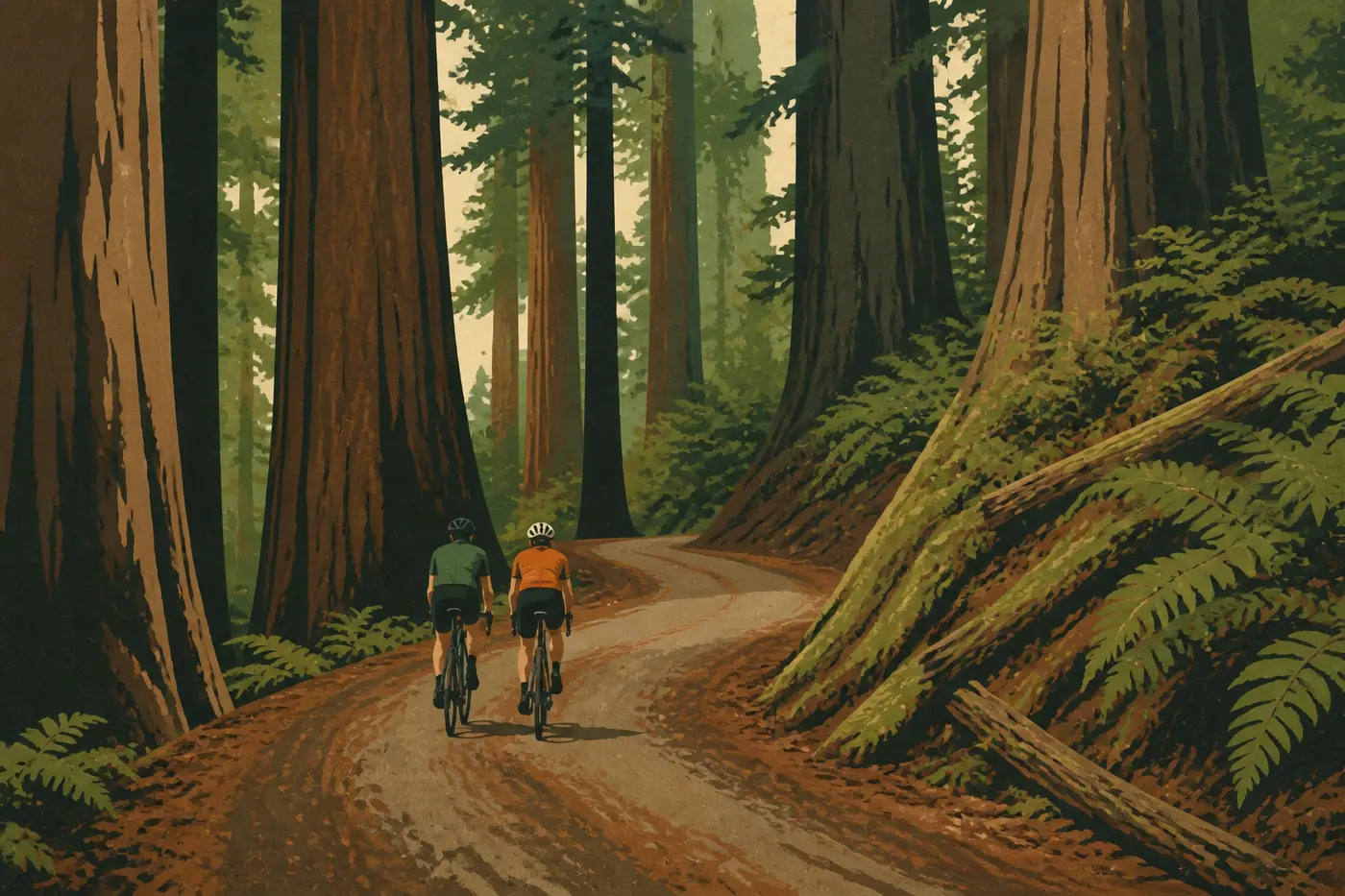
A few Prairie Creek roads are open to mountain bikes. Cal Barrel Road, a forest road, is the smoothest route. Howland Hill Road is also suitable for bikes. Bring a mountain bike or gravel bike because the surface is unpaved and the road has some elevation gain.
Beaches and Coastline
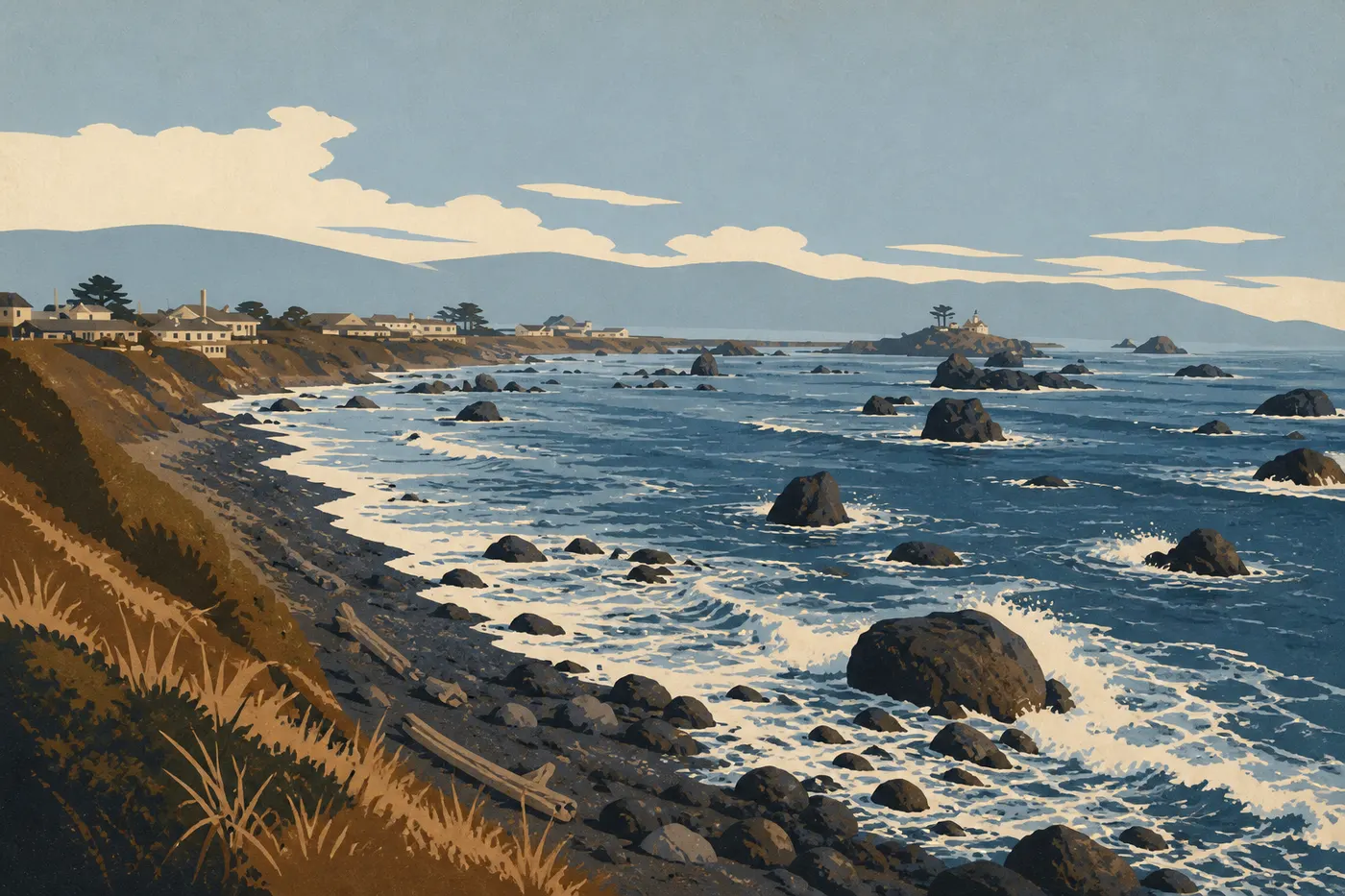
Ocean water stays cold year-round, between 50 and 57°F even in summer, and swimming in the ocean is generally discouraged. Gold Bluffs Beach is the most dramatic spot for a walk or a camping overnight. Crescent Beach and Enderts Beach, south of Crescent City, are easier to reach for a break or a picnic overlooking the ocean.
Photography and Light
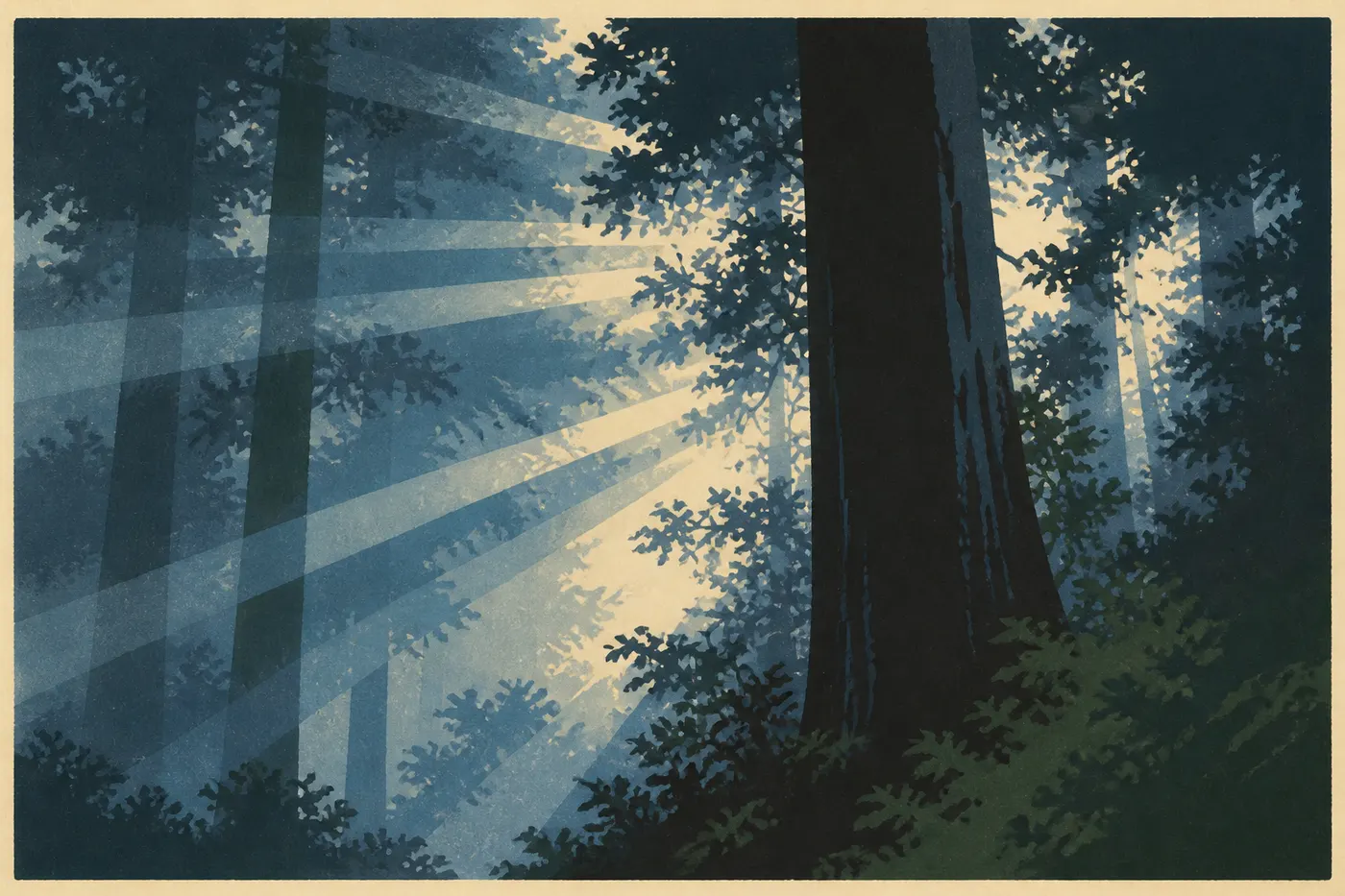
The low morning light from 7 to 9 a.m. in Stout Grove or along Newton B. Drury Parkway creates images that are hard to get anywhere else. In summer, the coastal fog, known as the fog belt, usually lifts around 10 to 11 a.m. In fall and winter, the understory is darker, but the moss and fern colors are more saturated. To find out which season best fits your plans, see the guide to the best times to visit Redwood and our Weather page.
Families
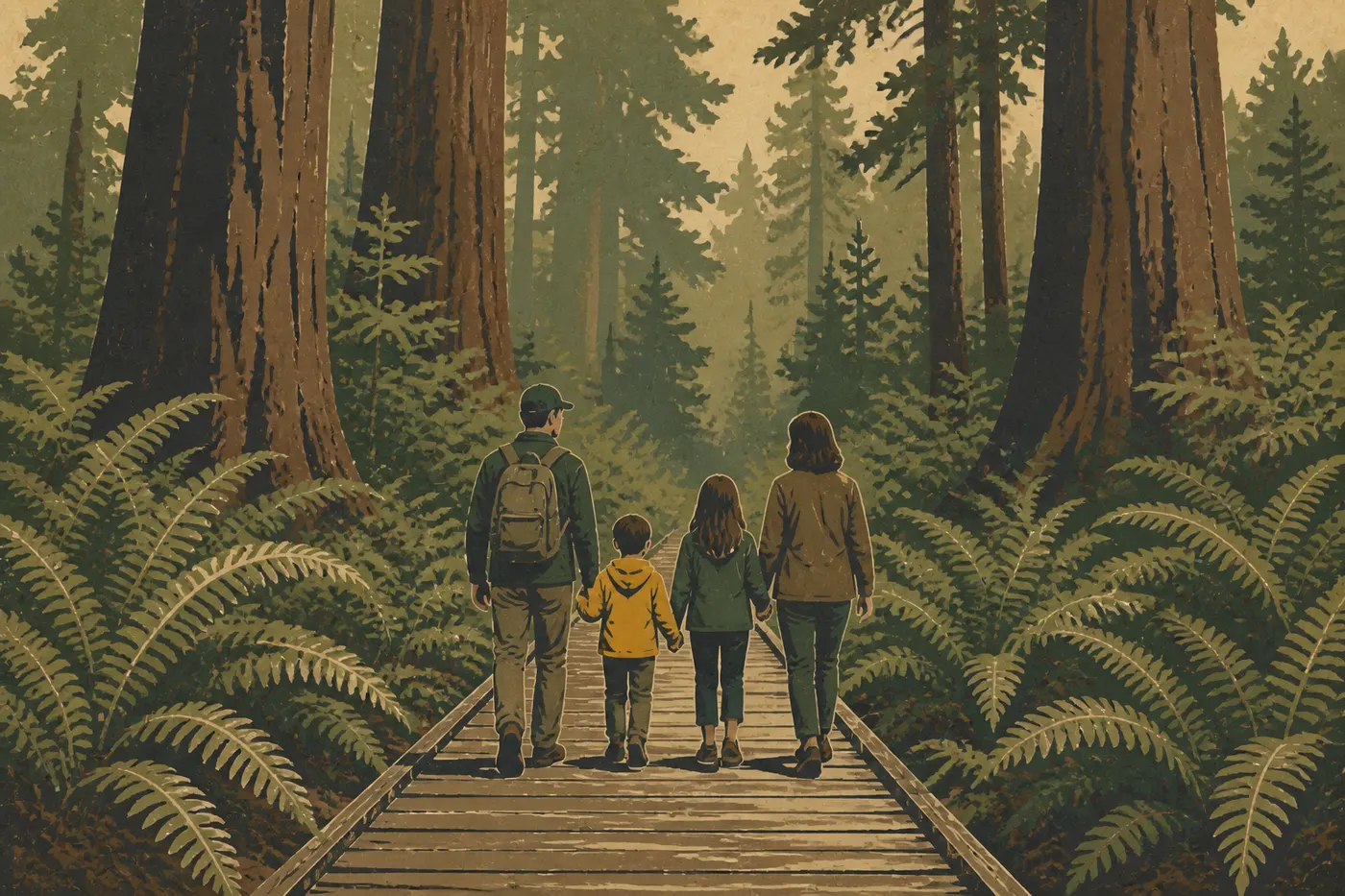
The park works very well for kids. Lady Bird Johnson Grove, a flat 1.2-mile trail, and the Fern Canyon loop are suitable for kids as young as 6 with good shoes. Gold Bluffs Beach offers memorable oceanfront camping for little ones. Our Family page brings together activities and age-specific tips.
Things to Do Around Redwood
North toward Oregon: About 19 miles from Crescent City, you cross the California-Oregon border. Brookings is a small coastal town with beaches that are less crowded than California's. Samuel H. Boardman State Scenic Corridor, about 12 miles farther north, offers a succession of cliffs, sea arches, and coves that most road-trippers miss.
South along the Northern California coast: US-101 runs down toward Arcata and Eureka, about 1.5 hours south of Orick. Eureka has a Victorian district and a pleasant Old Town for a cultural stop. Farther south, the Lost Coast is a roadless stretch of wild coastline accessible only on foot, a playground for hikers with 3 to 4 days to spare.
East toward the Klamath Mountains: Mountain roads lead to trout-filled rivers and nearly untouched wilderness. There isn't a national park here, but the solitude is welcome after the busy coast in peak season.
The Road Trips and Regions guides explore these routes and suggest combinations of parks along the northern Pacific coast.
The Essentials: What to See First in Redwood
If you have just one day, make it Prairie Creek. Drive Newton B. Drury Scenic Parkway early in the morning for the light and elk, visit Fern Canyon midmorning, and have lunch at Gold Bluffs Beach. It's the combination that gives you the most Redwood in the least amount of time.
Over 2 to 3 days, add Jedediah Smith on day two, including Stout Grove and Howland Hill Road, then visit the Orick area and Tall Trees Trail, with its free permit, on day three. Del Norte fits naturally along the route between them, without a major detour.
Is Redwood worth the trip? Absolutely, as long as you aren't expecting a park defined by panoramic views. The feeling here is vertical and quiet. You look up and realize how small you are beside trees that were already 500 years old during the French Revolution. Our complete Redwood guide provides the big picture for planning your entire stay.
Frequently Asked Questions
Is Redwood National Park worth visiting?
Redwood is worth visiting if you're looking for authentic, lightly developed nature. Coast redwoods are the tallest trees on the planet, and seeing them in old-growth forest through the morning fog is an experience photographs can't quite capture. The park is less immediately visual than Yosemite or Zion National Park, but its wild character is stronger.
What is there to do in Redwood?
In Redwood, you can hike beneath ancient redwoods, watch Roosevelt elk and gray whales, explore Fern Canyon and Gold Bluffs Beach, kayak on the Smith River, and drive scenic roads reserved for light vehicles. Wildlife and old-growth forest are the park's two biggest draws.
Are there bears in Redwood National Park?
Yes. Black bears live in the park, mainly in remote forest areas. Incidents involving visitors are rare and preventable if you follow the basic guidelines: never leave food in a vehicle, use bear boxes at campgrounds, and keep your distance.
How long do you need to visit Redwood?
Plan on at least 2 to 3 days to cover all four areas without rushing. One day is enough to focus on Prairie Creek. Our Itinerary & Timing guide offers plans for 1, 2, or 3 days, with the sections arranged in order.
Which hikes should you do in Redwood?
The signature trails are Boy Scout Tree Trail, 5 miles in Jedediah Smith; Damnation Creek Trail, 3.1 miles in Del Norte; the Fern Canyon loop, 0.7 miles in Prairie Creek; and Tall Trees Trail, 5 miles near Orick, with a free permit available at Kuchel Visitor Center. Our Hiking guide covers every trail, with elevation profiles and gear advice.