
Redwood Weather: Forecasts, Climate, and Current Conditions
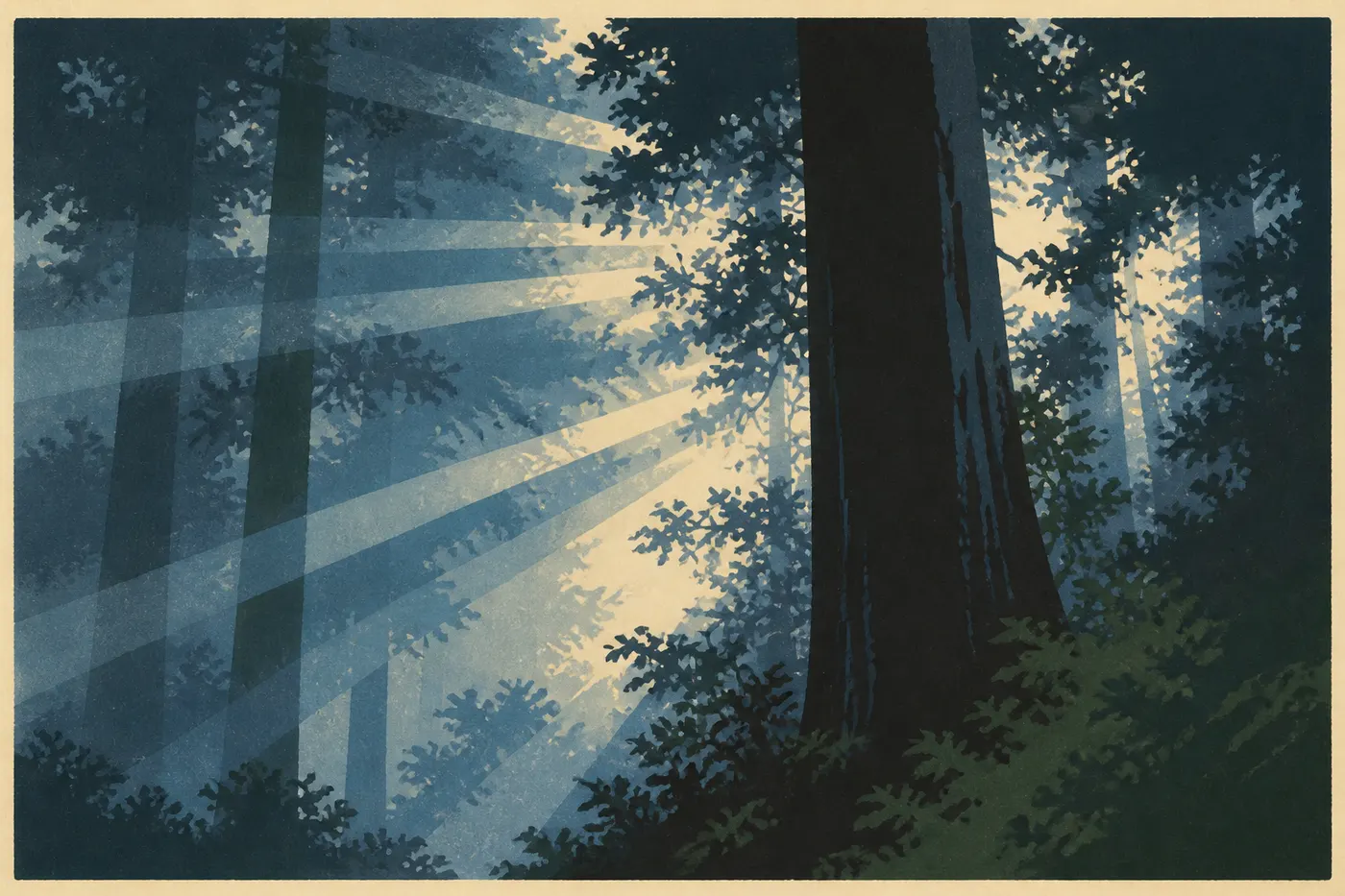
Northern California's coast follows its own weather rules. Redwood never gets truly hot, but it never gets truly cold either. Temperatures range from 45 to 64°F depending on the month, marine fog settles in on summer mornings, and winter brings heavy rain. In July, right in the middle of coastal fog season, mist wraps around the redwoods at sunrise before usually lifting around noon.
Current readings are unavailable. See the seasonal averages farther down this page.
Open-Meteo readings · updating… · park time zone
Redwood Climate Month by Month
The averages below apply to the Redwood coast around Crescent City and Orick. Temperatures are in °F and precipitation is in inches.
| Month | Low | High | Precipitation |
|---|---|---|---|
| January | 39°F | 52°F | 10.2 in. |
| February | 39°F | 54°F | 8.7 in. |
| March | 41°F | 55°F | 7.5 in. |
| April | 43°F | 59°F | 4.3 in. |
| May | 46°F | 61°F | 3.1 in. |
| June | 50°F | 63°F | 1.6 in. |
| July | 52°F | 64°F | 0.6 in. |
| August | 52°F | 66°F | 0.8 in. |
| September | 50°F | 64°F | 2.0 in. |
| October | 46°F | 59°F | 5.9 in. |
| November | 41°F | 54°F | 9.8 in. |
| December | 39°F | 52°F | 10.6 in. |
Two things stand out right away. The annual temperature range is tiny, with less than 18°F between the coldest and warmest months, thanks to the Pacific's moderating effect. Rainfall, on the other hand, ranges from 0.6 inches in July to 10.6 inches in December, an 18-to-1 difference.
Does It Get Cold in Redwood? Records and Extremes
Redwood does not see extreme cold, but it does not see extreme heat either. Coastal highs rarely climb above 68°F in summer. Overnight freezes are uncommon at low elevations, and snowfall at sea level is rare, reported only during exceptional winters. Higher elevations inland can see snow more regularly.
The real discomfort in Redwood is the wind chill. Moist air, ocean winds, and cool temperatures combine to make it feel sharper than the thermometer indicates. Dress for the conditions and your stay will remain perfectly comfortable.
What to Wear in Redwood by Season
Year-round: Dress in layers, no matter the season. A breathable base layer, a fleece midlayer, and a waterproof windbreaker will cover 90% of conditions.
Winter and spring: A waterproof jacket is essential. Waterproof hiking shoes are strongly recommended on trails soaked by rain. Pack a change of clothes in your daypack, especially if you're traveling with family.
Summer: Do not leave without a light jacket, even when the sky is clear. Fog can drop the temperature by 7 to 9°F within minutes along the coast. In the morning beneath the redwoods, shorts and a T-shirt will leave you cold.
Fall: Wear layers and bring a light rain jacket. September offers the most comfortable conditions and plenty of flexibility. In October, bring the rain jacket back out.
Alerts and Conditions to Watch
Redwood's main roads and trails stay open 365 days a year. Still, several hazards deserve attention before you set out.
Flooding: The Klamath River and its tributaries can rise quickly after heavy winter rain. Campgrounds in valley bottoms, including Jedediah Smith Redwoods State Park and Mill Creek, are sometimes inaccessible. Check current alerts on the NPS website before leaving your lodging.
Damaged roads: Some unpaved roads inside the park become impassable in wet conditions. Obey the 15-mph speed limit on these roads, even in dry weather, to protect the road surface and your vehicle.
Fog on US-101: The highway runs alongside the park for its entire length. On summer mornings, visibility can drop to just a few dozen yards. Use low beams and slow down.
Tsunami risk: The Redwood coast is designated as a tsunami hazard zone. Every coastal parking area and beach displays emergency evacuation signs. Locate the route as soon as you arrive, before you need to use it.
Frequently Asked Questions
What are temperatures like in Redwood?
Temperatures in Redwood range from 39°F on winter nights to 66°F on August afternoons, with very little annual variation. The Pacific's moderating effect keeps the climate mild and damp year-round.
Which month is the wettest in Redwood?
December is generally the wettest month, with about 10.6 inches of precipitation. The rainy season runs from October through April and accounts for most of the region's 59 to 79 inches of annual rainfall.
Is Redwood foggy in the summer?
Yes. Marine fog is a defining feature of summer in Redwood. It forms over the Pacific every night, moves inland in the early morning, and can linger for much of the day in June or July. It is simply the character of this coastline, not unusual weather.
What should I wear to visit Redwood?
Dress in layers: a breathable base layer, fleece, and a waterproof windbreaker. Waterproof hiking shoes are recommended outside the summer season. Even in August, you will need a jacket in the morning and evening along the coast.