
Redwood Wildlife: Which Animals to See and Where to Find Them
Redwood National and State Parks are home to remarkably diverse wildlife, supported by three interconnected ecosystems: coastal redwood forest, upland grasslands, and the Pacific shore. In a single trip, you might spot a Roosevelt elk around a bend in a meadow, surprise a black bear on a hillside, then watch sea lions from a cliff. Five species account for most sightings: Roosevelt elk, American black bears, mountain lions, Pacific giant salamanders, and Steller sea lions.
Redwood's Iconic Animals
Roosevelt Elk (Cervus canadensis roosevelti)
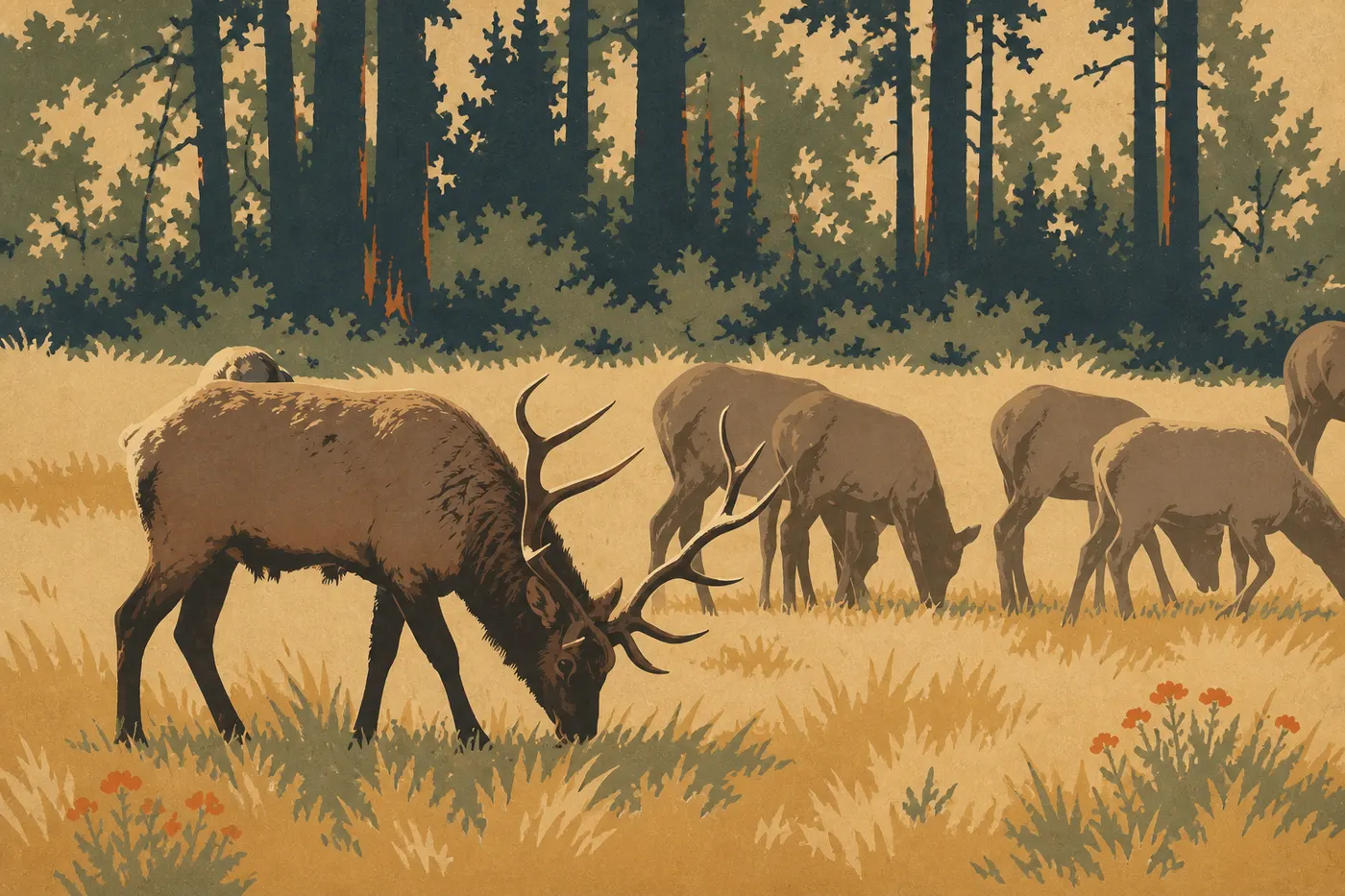
Roosevelt elk are the largest subspecies on the North American continent. Adult males often weigh more than 660 pounds and carry impressive antlers that become visible in late summer. You can tell them from the much smaller mule deer by their massive build, thick neck, and tan-to-reddish flanks. Females have no antlers and blend in more easily with the deer, so look at their size and gait. Elk move with a noticeably heavier step.
The rut takes place in September and October. Males bugle, spar, and mark their territory. It is the most spectacular time to watch them, but also the riskiest (see the safety section). The rest of the year, elk graze peacefully in the coastal meadows, often in groups of females with their calves in spring.
American Black Bear (Ursus americanus)
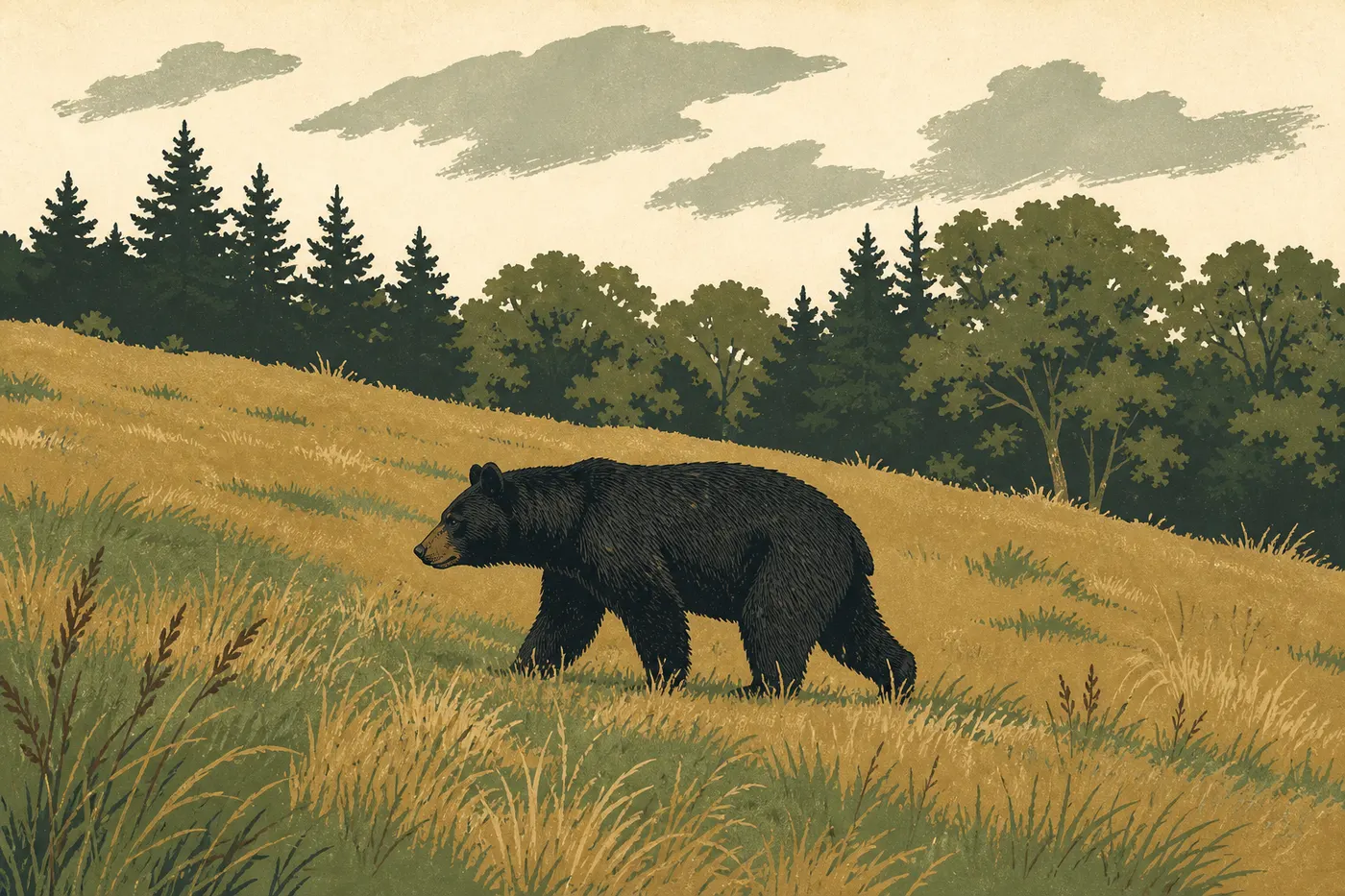
Redwood's black bears are omnivorous and opportunistic, eating berries, roots, insects, carrion, and salmon when they are in season. Their coats range from deep black to cinnamon brown, which can cause confusion. Telling one from a grizzly is easy here because Redwood has no grizzlies. Black bears have a straight facial profile, clearly visible round ears, and lack the distinctive shoulder hump grizzlies have.
Active from spring through fall, black bears enter partial hibernation in winter. Forested areas near waterways, including Prairie Creek and Mill Creek, offer the best chances of seeing one, especially at dawn and dusk.
Mountain Lion (Puma concolor)
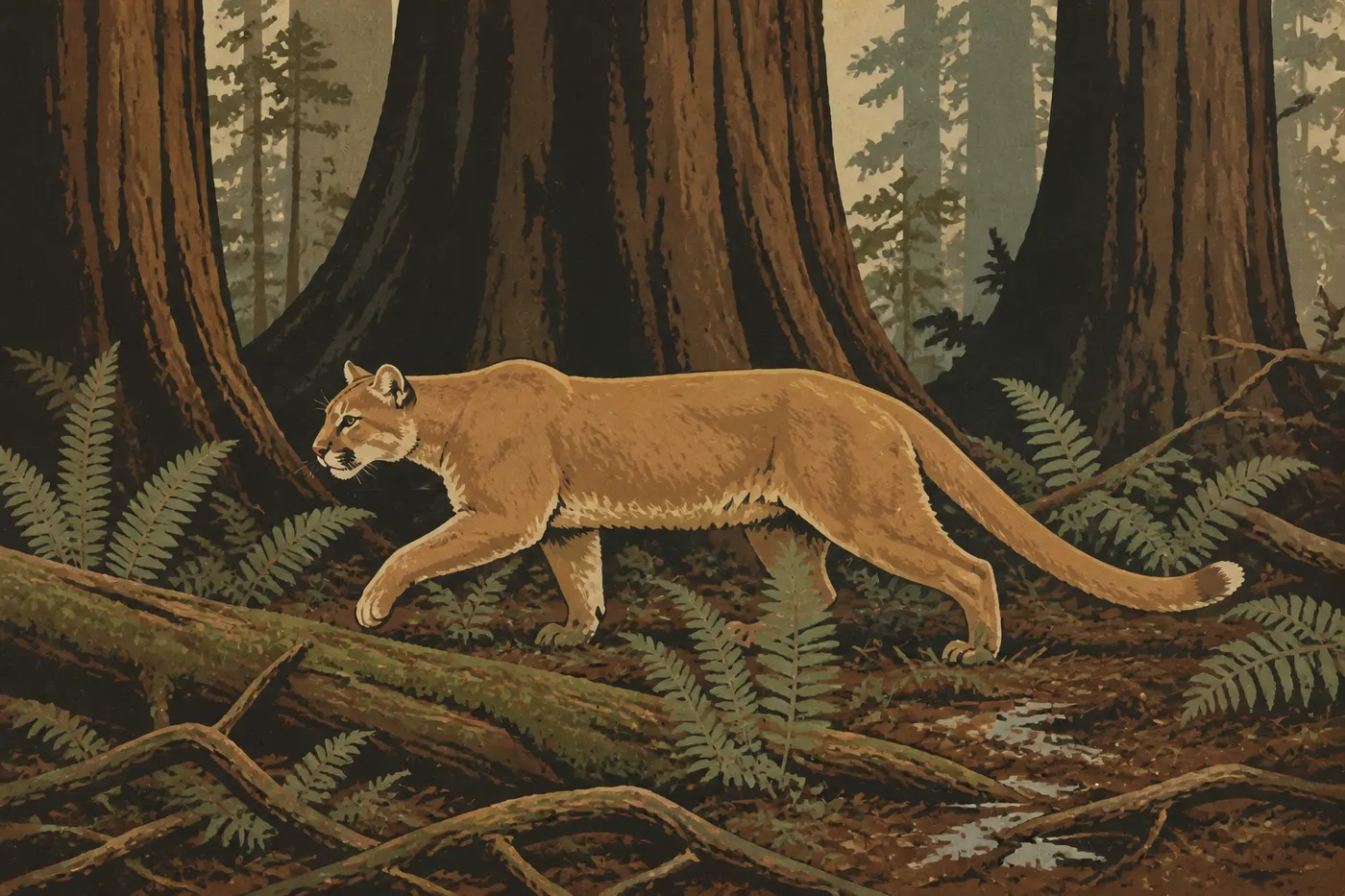
Secretive and solitary, the mountain lion lives throughout the parks but is rarely seen. Its tracks are easier to spot than the animal itself: broad, round prints with no prominent claw marks. It primarily hunts mule deer and Roosevelt elk. A direct encounter is extremely rare. If one does happen, do not run (see the safety section).
Pacific Giant Salamander (Dicamptodon tenebrosus)
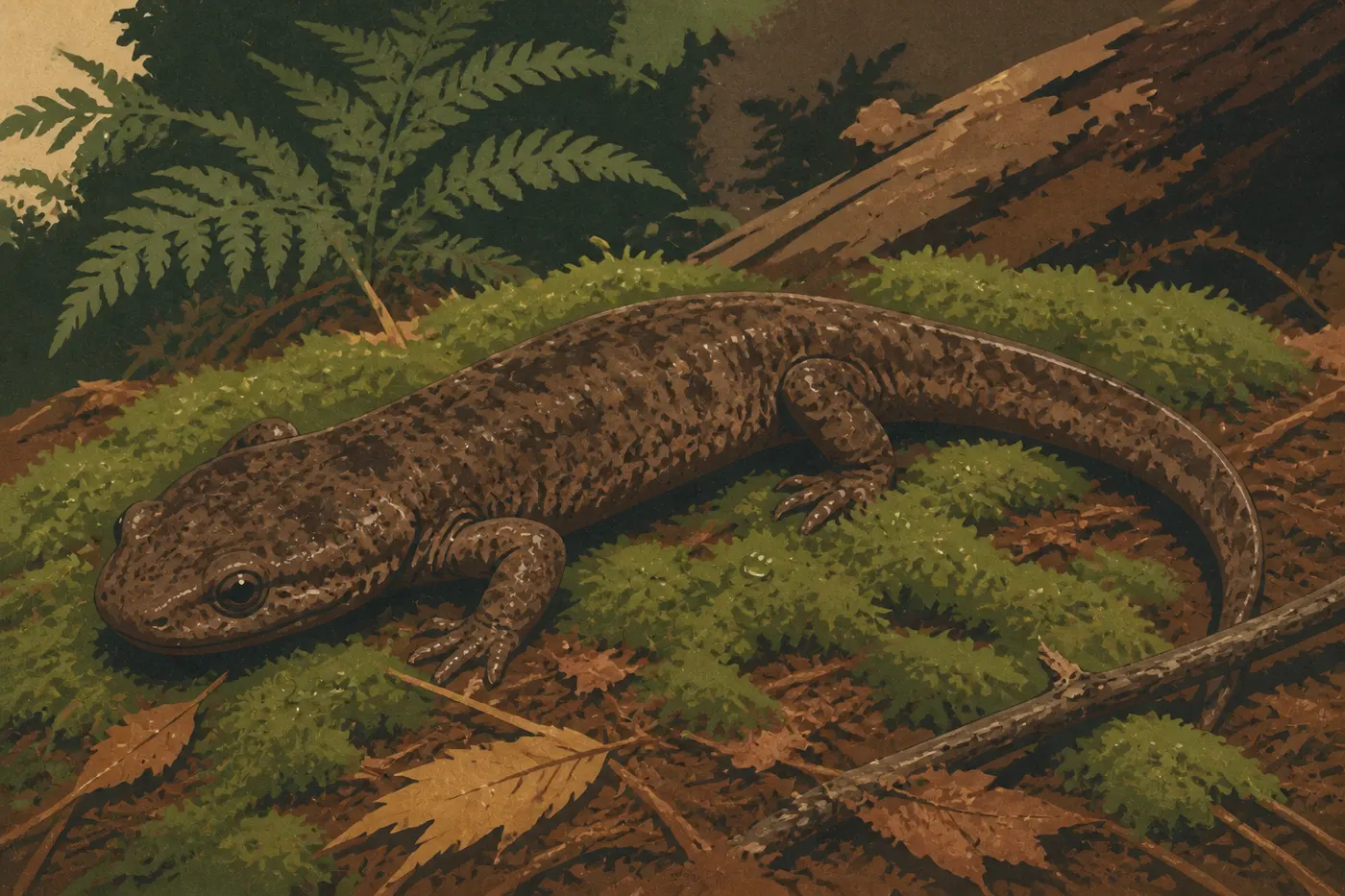
This salamander is one of the largest in North America and can grow more than 12 inches long. It lives exclusively in the cold, well-oxygenated streams of the conifer forest, under rocks or among submerged roots. Its smooth, brown-and-tan mottled skin provides nearly perfect camouflage. Look for it in Prairie Creek's tributaries or around Fern Canyon, staying on the banks so you do not disturb the streambed.
Steller Sea Lion (Eumetopias jubatus)
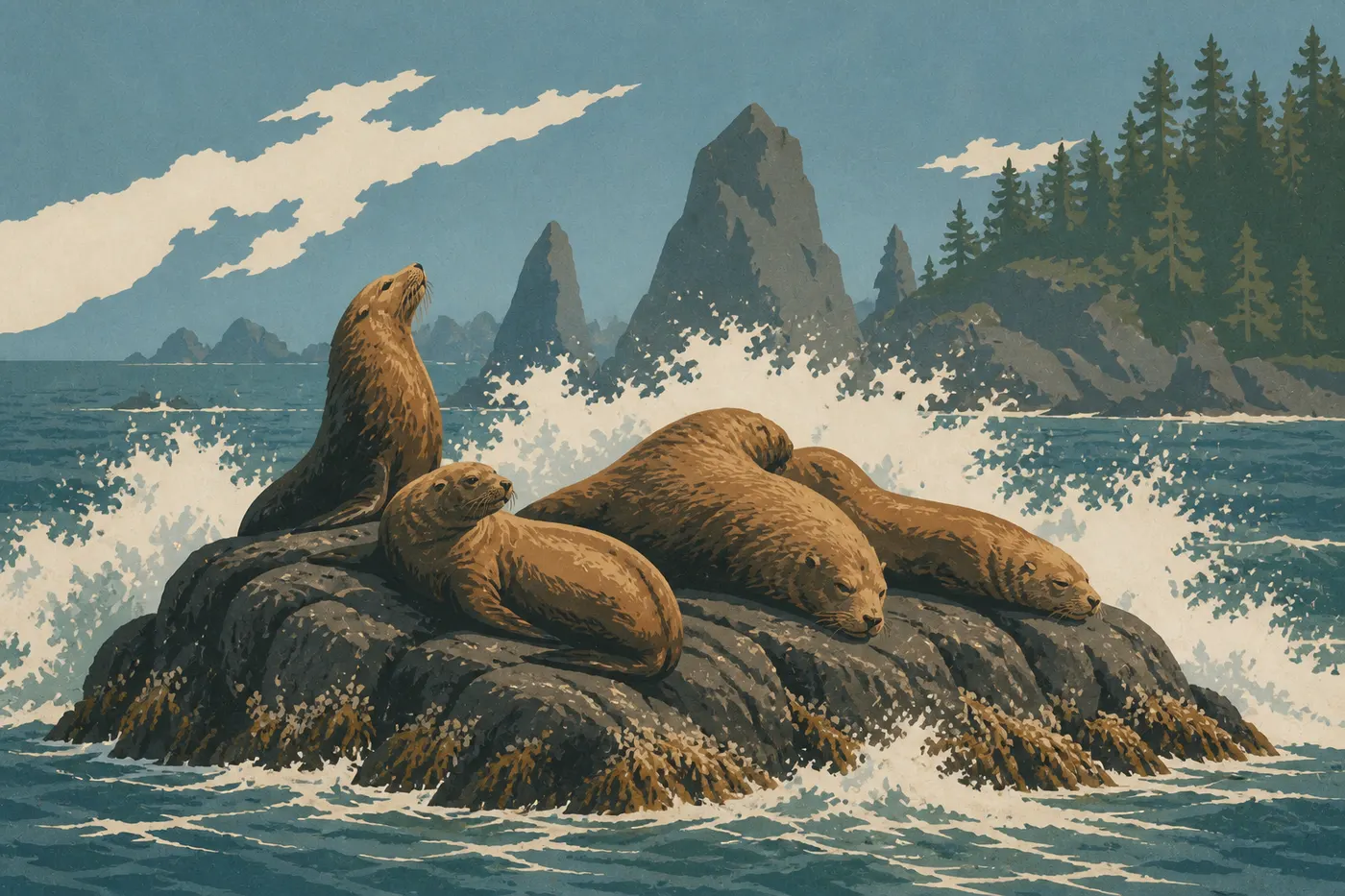
The largest of the eared seals, the Steller sea lion can weigh up to 660 pounds for males. You can distinguish it from the smaller California sea lion, which has darker fur and a higher-pitched bark, by its size and golden-tan mane. Colonies gather on the offshore rocks near Gold Bluffs Beach and around Point Saint George. Bring binoculars. Stay on the cliff trail and never climb onto the rocks.
Where to See Wildlife in Redwood National and State Parks
The four parks in the complex, Redwood National Park plus Del Norte Coast Redwoods State Park, Jedediah Smith Redwoods State Park, and Prairie Creek Redwoods State Park, each offer distinct microhabitats.
Prairie Creek Redwoods State Park offers the best Roosevelt elk viewing. The meadows at Elk Prairie and Elk Meadow host herds year-round, visible from the parking area or the Revelation Trail. This is the complex's most reliable spot.
Fern Canyon and Gold Bluffs Beach combine the coast with riparian forest. Look for seabirds, salamanders in the canyon, and bear tracks on the beach. You can reach the area by vehicle on a rough road, with 4WD recommended, or on foot from the Coastal Trail.
Jedediah Smith Redwoods State Park, at the northernmost end, protects an especially dense redwood forest and trout-filled waterways. Black bears are reported there regularly, and the streams hold Pacific giant salamanders and river otters.
Del Norte Coast Redwoods State Park provides direct access to the coastal cliffs. This is where you can see sea lions and harbor seals from the overlooks along Damnation Creek Trail and Enderts Beach Road.
For birds, the parks are home to bald eagles along the waterways, pileated woodpeckers in the old-growth forests, and common loons on the Smith River. Our hiking guide covers the trails with the best wildlife-viewing opportunities.
When to Watch Wildlife: Seasons and Times of Day
The golden rule in Redwood is to get out early and stay out late. Most mammals are active at dawn, from 6 to 9 a.m., and at dusk, from 6 to 9 p.m. in summer. Sightings drop sharply in the middle of the day.
Spring (March-May): Elk calves and other young are born. Seabirds nest on the coastal rocks. Salamanders begin appearing in streams as the water warms.
Summer (June-August): Coastal fog keeps temperatures cool, from 50 to 68°F. Elk occupy the meadows. Sea lions remain on the rocks throughout the season. This is also the best time to explore Fern Canyon, when there is no flood danger.
Fall (September-October): The elk rut is the park's wildlife highlight. Bears feed heavily before entering hibernation. Chinook salmon begin moving upstream in the Smith River, attracting bald eagles.
Winter (November-February): Heavy rains bring 24 to 79 inches of precipitation from October through April. Elk remain visible in the meadows. California sea lions and Steller sea lions are often more numerous along the coast. The parks see few visitors, so you can enjoy an almost complete sense of solitude.
For a month-by-month breakdown and complete weather information, see our guide to the best times to visit Redwood.
Predators and Large Animals in Redwood
The Roosevelt elk is the largest land mammal in the complex. The mountain lion is the only large land predator present. It regulates deer populations and remains elusive. Though massive, the black bear is also an opportunistic predator rather than an active hunter.
In coastal waters, orcas are reported offshore during migration, mainly in winter and spring. Great white sharks frequent these waters, but they are not a concern for typical coastal hikers or kayakers.
Among the raptors, the bald eagle is the most visible aerial predator. Red-tailed hawks soar over open meadows, and great horned owls hunt at night along the forest edges.
How to Watch Wildlife Safely
Required minimum distances: In Redwood, the NPS recommends staying at least 100 feet from any wild mammal, including elk, bears, and mountain lions, and 330 feet from animals engaged in active behavior such as the rut or feeding young. If an animal changes its behavior when it sees you, you are already too close. Back away slowly.
Never feed wildlife. A bear that has been fed by people loses its natural wariness and often has to be euthanized. Fed elk develop aggressive behavior, especially males during the rut.
If you encounter a mountain lion: Do not run because running triggers its pursuit instinct. Stand tall, make yourself look larger by spreading your arms, and speak firmly. Back away slowly without turning your back.
If you encounter a black bear: Let it know you are human by speaking calmly. Do not run. If the bear charges, stand your ground. Most charges are bluffs. Carry bear spray if you head into the backcountry, and keep it accessible rather than at the bottom of your pack.
During the elk rut (September-October): Bulls in rut may charge with little apparent warning. Keep a strict safety distance, even from inside a vehicle. Never get between a female and her calf.
Picnics and campsites: Store all food in the provided bear-resistant food lockers or in a locked vehicle. Do not leave anything in a tent. For the complete rules, see the Redwood park guide.
In Short: Wildlife You Shouldn't Miss and Where to Find It
| Species | Best spot | Best time |
|---|---|---|
| Roosevelt elk | Elk Prairie / Elk Meadow | Year-round; rut in September-October |
| Black bear | Prairie Creek, Mill Creek | Dawn and dusk, spring-fall |
| Steller sea lion | Coastal rocks, Del Norte | Year-round |
| Mountain lion | Backcountry (rarely seen) | Nocturnal activity |
| Pacific giant salamander | Fern Canyon, Smith River | Spring and fall |
| Bald eagle | Smith River, waterways | Fall (salmon runs) |
Bring binoculars, get up early, and start with the meadows of Prairie Creek for a reliable first glimpse of Roosevelt elk. The rest will follow.
Frequently Asked Questions
What are Redwood's iconic animals?
Redwood's iconic animals are Roosevelt elk, American black bears, mountain lions, Pacific giant salamanders, and Steller sea lions.
What is the most common animal in Redwood National and State Parks?
The Roosevelt elk is the most commonly seen animal. It can be found year-round in Prairie Creek's coastal meadows, often in herds of several animals.
What is the largest animal in Redwood?
The largest land mammal is the Roosevelt elk, whose males can weigh 660 pounds or more. In coastal waters, the Steller sea lion, which can also weigh up to 660 pounds, is comparable in size.
What are Redwood's predators?
The land predators are the mountain lion and black bear. In the air, bald eagles hunt along the waterways. At sea, orcas are reported offshore during migration.
What animals are out at night in Redwood?
Mountain lions, raccoons, and great horned owls are mainly active at night. River otters and some bat species visit the banks after nightfall.