
When to Visit Redwood: Best Seasons and Months
The best time to visit Redwood is September and October. The heavy rain hasn't returned yet, the summer marine layer has eased, and Roosevelt elk enter the rut in the coastal prairies at sunrise. If you can choose only one window, this is it. Late spring, especially May, is an excellent alternative for budget-conscious travelers or anyone looking to avoid the summer crowds.
The park stays accessible year-round, with roads and trails open 365 days a year. What changes from one season to the next is the weather, the atmosphere, and what you'll find open once you're there.
Month-by-Month Climate
Redwood lies along the far northern California coast, less than an hour from the Oregon border. That location gives it a distinct microclimate: mild but damp, far wetter than the parks of Southern California, and often wrapped in coastal fog.
Annual temperatures range from 45°F on winter nights to 64°F on summer afternoons, with highs around 68°F on the nicest days in July and August. A windbreaker comes in handy in every season, even in the middle of August.
| Month | Low | High | Rainfall |
|---|---|---|---|
| January | 43°F | 52°F | ~10.6 in |
| February | 43°F | 54°F | ~8.9 in |
| March | 45°F | 55°F | ~7.5 in |
| April | 46°F | 57°F | ~4.7 in |
| May | 48°F | 61°F | ~2.6 in |
| June | 52°F | 63°F | ~1.0 in |
| July | 54°F | 64°F | ~0.4 in |
| August | 54°F | 64°F | ~0.6 in |
| September | 54°F | 64°F | ~1.4 in |
| October | 50°F | 59°F | ~4.7 in |
| November | 45°F | 54°F | ~9.6 in |
| December | 41°F | 52°F | ~11.4 in |
Approximate averages based on data from the northern California coast around Crescent City. Temperatures are in °F and rainfall in inches.
The rainy season runs from October through April, when the region receives 59 to 79 inches of rain over the full period. Pack layers, a genuinely waterproof rain jacket, and waterproof shoes. This isn't a light drizzle: some winters bring 8 to 12 inches in a single day.
For short-term forecasts and a complete month-by-month breakdown, see our Redwood Weather page.
Redwood in January
January is one of the wettest months of the year, with rainfall often topping 10 inches. Highs remain mild for the season, around 52°F, but mornings are cold and damp. The forest is nearly empty, making this one of the few times you can walk through Fern Canyon or drive Newton B. Drury Scenic Parkway without seeing another soul. Gray whales finish their southbound migration from the coastal headlands, where you can often spot them with the naked eye in clear weather.
Redwood in February
February is still very wet, with around 8.7 inches of rain, but the days are gradually getting longer. Rivers swollen by winter rain create striking scenery, and the ferns in Fern Canyon take on their darkest, richest colors. Roosevelt elk gather in the meadows of Elk Prairie and Gold Bluffs Beach with very few visitors around. Some visitor centers still operate on reduced hours.
Redwood in March
March marks the start of the seasonal shift. Rainfall drops to around 7.5 inches, and vegetation begins to surge back. Giant ferns regain their color, coastal prairies turn green before your eyes, and Prairie Creek Redwoods State Park bursts into life by the end of the month. Gray whales begin their northbound migration and can be spotted with the naked eye from the coastal bluffs. The first campgrounds start reopening, while visitation remains very low.
Redwood in April
April strikes a good balance between lush greenery and rainfall that has already begun to taper off, at about 4.3 inches. Highs climb to 57 to 59°F in the afternoons, and the meadows of Elk Prairie are at their greenest. Trails are generally usable, campgrounds reopen gradually, and visitor centers return to near-normal hours. Morning fog still lingers, but afternoons can be clear and bright.
Redwood in May
May is our best alternative to fall for travelers on a tight budget. Rainfall drops to about 2.6 to 3.1 inches, trails are in good shape, all campgrounds have reopened, and services run normally. Lodging rates in gateway communities are considerably lower than in July and August, and visitation remains light to moderate. You may still spot gray whales from the coastal bluffs early in the month, and Roosevelt elk frequent the meadows from morning to night.
Redwood in June
June marks the start of the dry season, with about 1 to 1.6 inches of rain, but the marine layer remains a regular morning feature. This coastal fog often blankets the forest until midday, creating soft light and a unique atmosphere beneath the canopy. Highs hover around 63°F, ideal for hiking several hours without overheating. Visitation gradually picks up, and some campgrounds are already full on weekends in late June.
Redwood in July
July is the driest month of the year, with less than 0.6 inches of rain. The morning marine layer is still common, but it usually clears by early afternoon, and sometimes not at all. This is peak season. Newton B. Drury Scenic Parkway parking lots fill before 10 a.m. on weekends, campgrounds are booked weeks ahead, and ranger programs run at full capacity. Leave before 8 a.m. for the busiest trails. This is the best time of year for families with kids.
Redwood in August
August is slightly warmer than July, with highs reaching 64 to 66°F, and nearly as dry, at around 0.6 to 0.8 inches of rain. Visitation peaks: lodging in town is at its most expensive, campgrounds are full, and parking lots are packed on weekends. Popular trails such as Fern Canyon and Lady Bird Johnson Grove are best visited on weekdays or very early in the morning. Late-afternoon light, when the marine layer pulls back, can be beautiful among the redwoods.
Redwood in September
September is our top recommendation. Rainfall remains low, at around 1.4 to 2 inches, summer temperatures hold steady with highs near 64°F, and the August crowds have thinned out. Roosevelt elk enter the rut, with bulls calling across the meadows at sunrise. It's a visual and acoustic spectacle that few visitors expect. The light is lower and warmer than in midsummer, reaching the forest floor differently through the understory. Campgrounds are still open and spots are often available without booking far in advance.
Redwood in October
October brings several advantages: the elk rut early in the month, ideal fall light for photography, and light visitation. Rain returns from mid-October onward, reaching around 4.7 to 5.9 inches over the month, and campgrounds gradually close toward the end of the month. Some secondary trails may become temporarily impassable after the first serious rains. For the easiest trip, aim for the first two weeks.
Redwood in November
November brings the rain back, with around 9.6 to 9.8 inches, and intense storms can temporarily close some trails. Visitor centers cut back their hours, most NPS campgrounds close, and Howland Hill Road can become slippery. Gray whales begin their southbound migration again and can be seen from the coastal headlands. The forest takes on an intensely rainy, deep-green, almost silent atmosphere.
Redwood in December
December is the wettest month, averaging nearly 10.6 to 11.4 inches, and services are at their most limited. Some visitor centers open on reduced schedules or close on certain weekdays, and Howland Hill Road may be impassable during sustained rain. Visitation is at its lowest of the year, while the main roads remain accessible. If you're looking for complete solitude and the forest at its most untamed, this is a season of its own.
Redwood Season by Season
Spring (March to May)
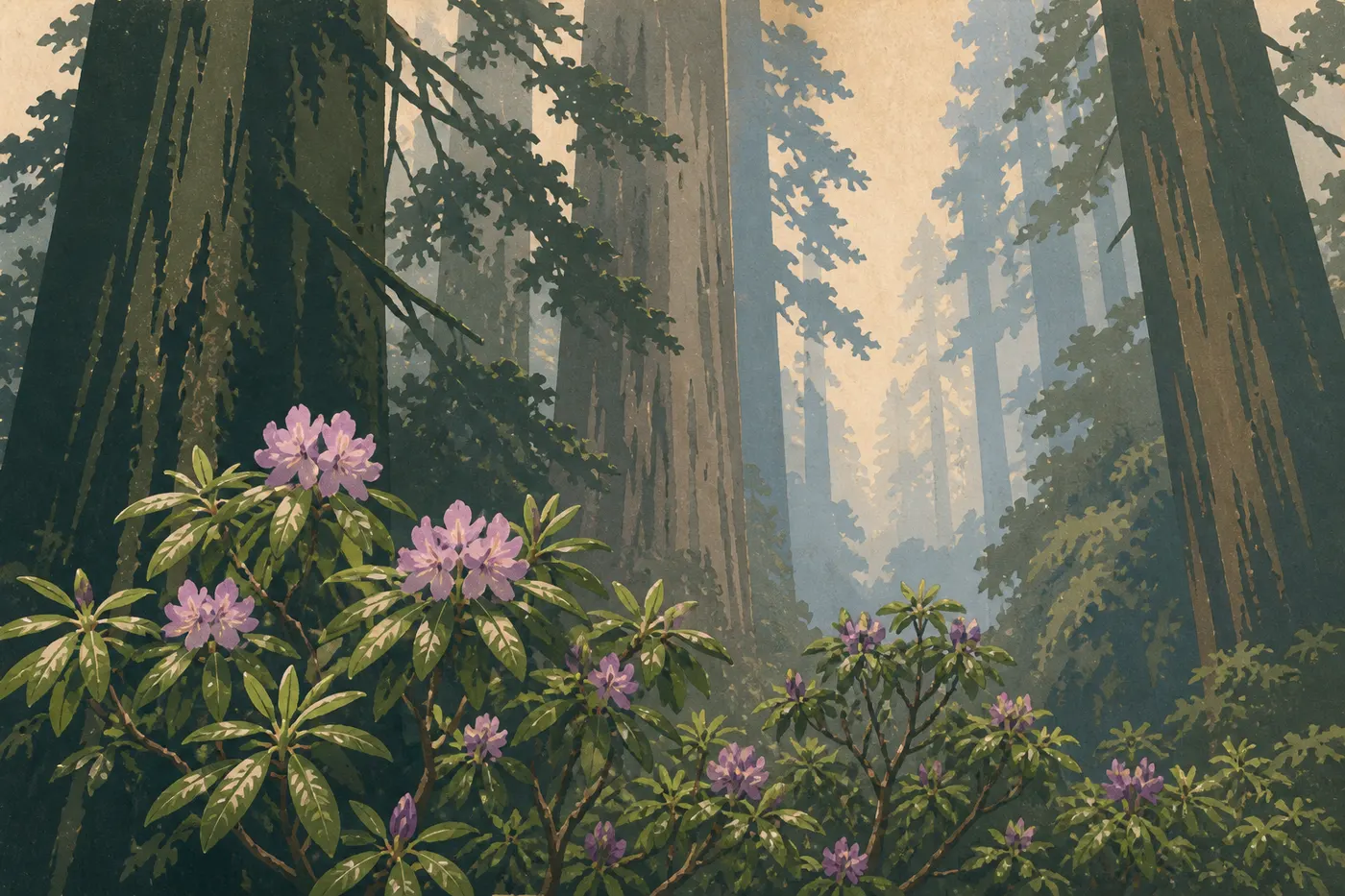
Spring is a season of transition. Rain gradually eases, giant ferns regain their color, and trails become more usable after winter storms. Prairie Creek Redwoods State Park, in the central part of the park, bursts into green by late March.
As for wildlife, Roosevelt elk spend the year in the meadows of Gold Bluffs Beach and Elk Prairie. Between March and May, gray whales migrate north. From the coastal bluffs, you can often spot them with the naked eye.
Only some campgrounds reopen in May, and visitor centers may operate on reduced hours in March and April. Check conditions at nps.gov before you leave.
Crowds: Light to moderate. A good time to explore the trails without fighting for a parking spot.
Summer (June to August)
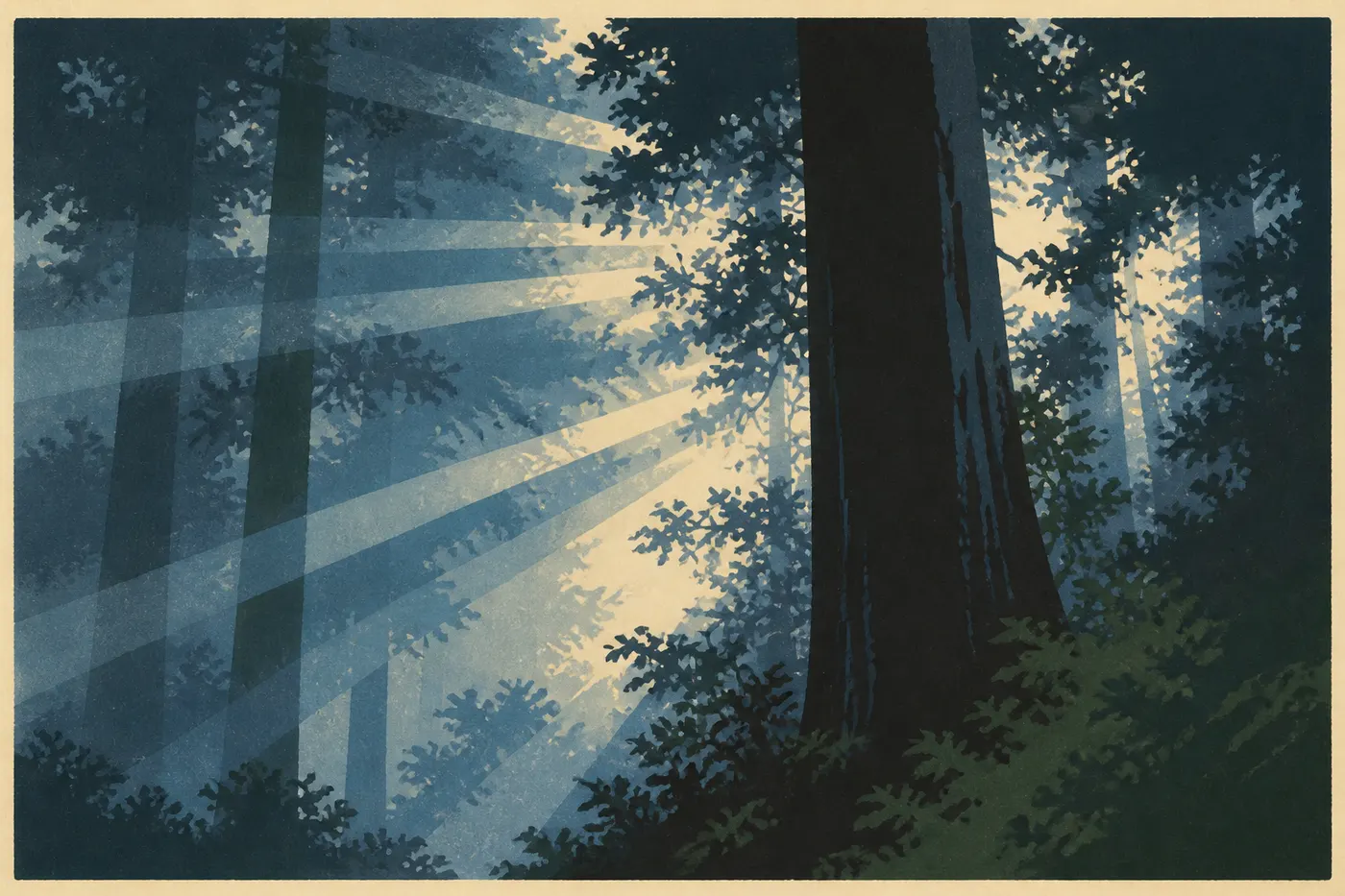
A frequent surprise for first-time visitors is that summer in Redwood doesn't resemble summer in Southern California. Mornings are often overcast, with a thick marine layer that doesn't clear until midafternoon, if it clears at all. This pattern can easily continue into July.
It's still the busiest season. Families and road-trippers fill the campgrounds starting Memorial Day weekend, visitor centers run at full capacity, and parking lots along Newton B. Drury Scenic Parkway fill by midday. Temperatures beneath the canopy remain comfortable for hiking, ranging from 54 to 64°F.
One overlooked benefit of summer is the soft light the fog creates beneath the trees. I spent one July morning on Fern Canyon with mist slipping between the fern-covered walls, which rise about 16 feet high. It felt unreal, and no photograph did the scene justice.
Crowds: High in July and August. Leave before 9 a.m. for the busiest trails.
Fall (September to October)
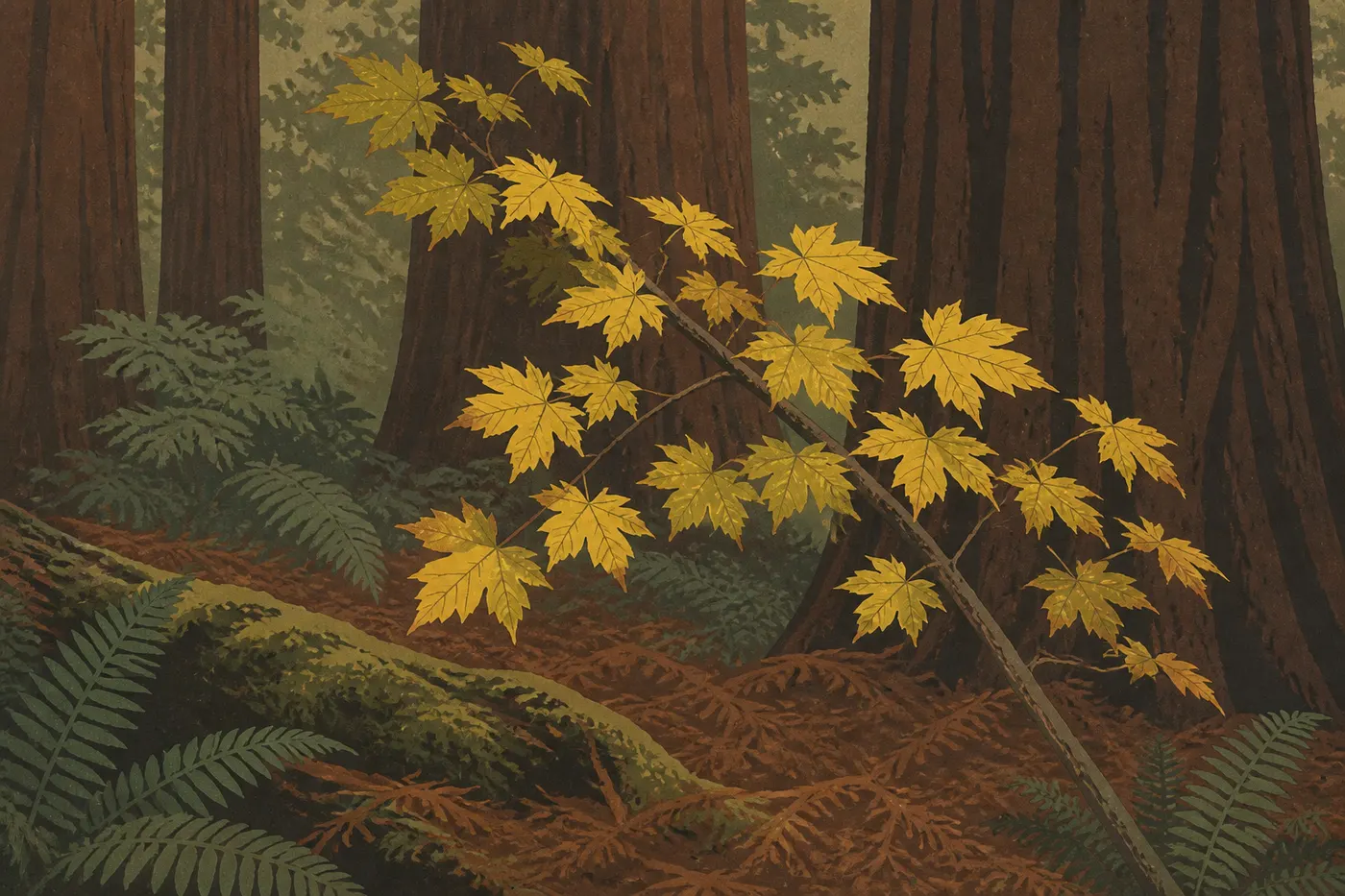
This is our top recommendation. September brings midsummer temperatures, the heavy rain hasn't returned yet, and the summer crowds have thinned out. In early October, Roosevelt elk enter the rut, with bulls calling across the meadows at sunrise. Few visitors expect this visual and acoustic spectacle, which is a shame.
Fall light, lower and warmer, filters through the century-old trunks differently than it does in summer. For photography, this is the season of possibilities. Trails are in good shape, campgrounds are still open, and hotel rates in gateway communities begin to drop.
Crowds: Moderate to light. The best balance between the experience and the number of visitors.
Winter (November to February)
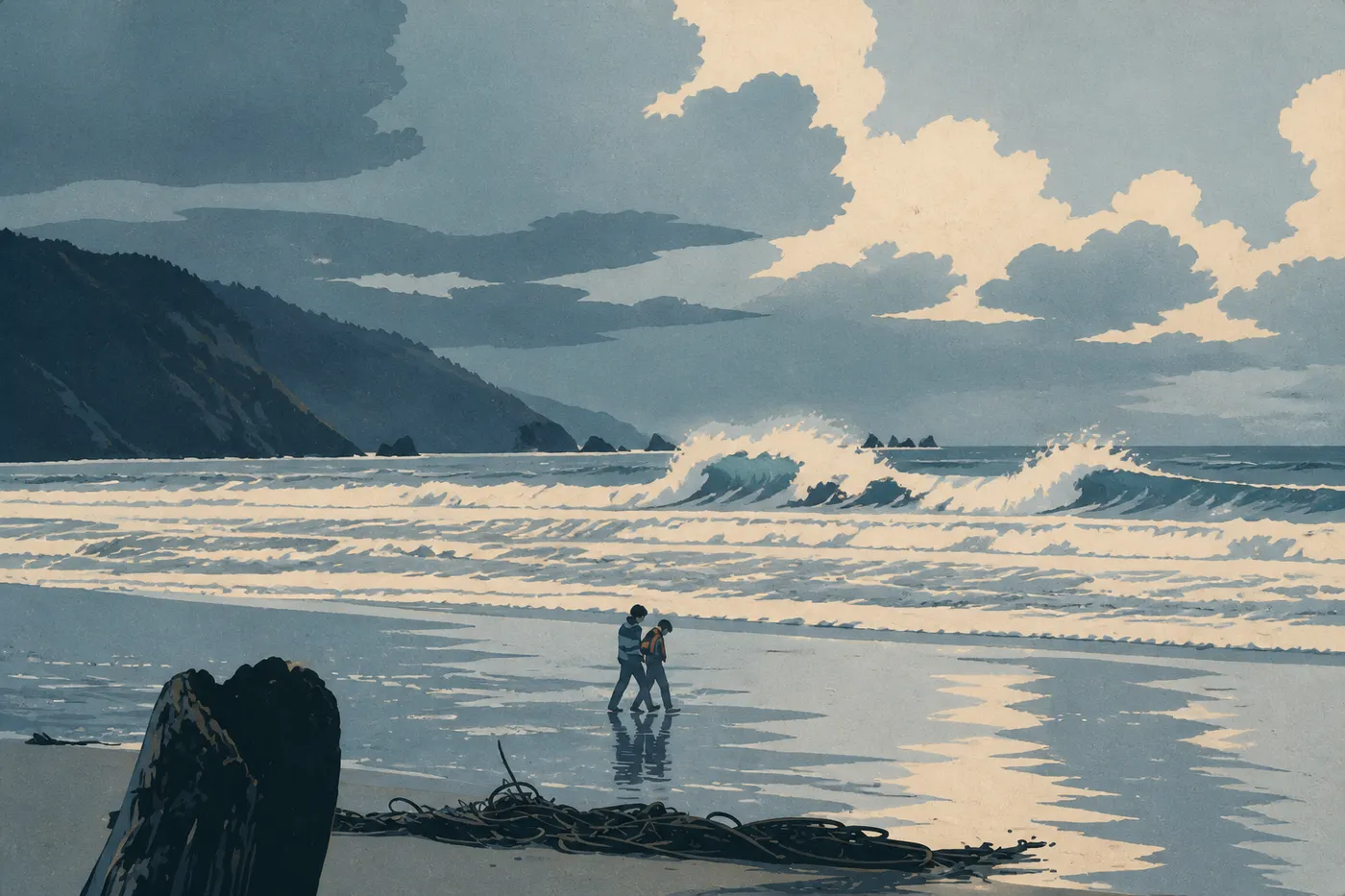
Winter transforms Redwood into something else: wilder, lonelier, and often spectacular in the rain. Rivers rise, creeks become torrents, and the ferns in Fern Canyon take on even more intense colors than they do in spring.
The drawbacks are real. Some campgrounds close, visitor centers reduce their hours or close on certain weekdays, and heavy rain can temporarily close some trails. Howland Hill Road, which is unpaved, may become impassable in winter.
As for wildlife, gray whales migrate south from December through February and can be seen from the coastal headlands. Roosevelt elk remain in the meadows year-round.
Crowds: Very low. A season for anyone who loves the rainforest at its most untamed.
Crowds: When to Avoid the Rush
Redwood is still less crowded than Arches or Yosemite, but summer pressure is increasing. Most traffic concentrates along three routes and attractions: Newton B. Drury Scenic Parkway, Fern Canyon, and Lady Bird Johnson Grove.
| Time of year | Crowds |
|---|---|
| July and August (weekends) | High: parking lots fill before 10 a.m. |
| June and September | Moderate |
| October through May (outside U.S. school breaks) | Low to very low |
| Memorial Day, Labor Day, July 4 | Occasional spikes |
Leaving before 8 a.m. means nearly empty trails in any month. The NPS posts real-time conditions on the park's social media accounts and at nps.gov.
Best Time to Visit on a Budget
There is no NPS entrance fee for areas managed as part of the national park. Lodging is what affects the budget most. Gateway communities such as Crescent City to the north and Arcata and Eureka to the south follow typical seasonal pricing. In July and August, rooms generally cost 30 to 50% more than they do in May or October.
Camping remains the most affordable option, with sites in NPS campgrounds available to reserve through Recreation.gov. Book as soon as summer dates are released. Fuel also belongs in the calculation: the park stretches about 62 miles from north to south, and it's easy to drive 50 to 62 miles on internal roads in a single day.
For a detailed look at the options for different budgets, our Where to Stay in Redwood guide covers everything from rustic camping to lodges in town.
When to Visit Based on Your Travel Style
Wildlife: September and October for the elk rut; March through May for gray whale migrations. Our Redwood Wildlife page covers the species and the best viewing spots throughout the year.
Hiking: May through October, when trails are usable and campgrounds are open. Avoid July and August weekends if you want to tackle the busiest trails. The Redwood hiking guide breaks them down by difficulty and length.
Photography: Fall for golden light and the elk rut; winter for dramatic rainy scenes; summer if you're after fog in the canopy. Bring patience.
Families: July and August, when campgrounds are lively and ranger programs are running at full capacity. Weekdays are better than weekends. Our Redwood family travel page lists activities for every age group.
Tight budget: May or October, when rates are lower and the weather is generally cooperative.
To plan the right length of stay and build a day-by-day itinerary, our Redwood itinerary and trip-length guide offers plans for one to four days.
In Summary: The Best Time for Your Travel Style
| Travel style | Recommended time |
|---|---|
| Most reliable good weather | July and August |
| Wildlife and photography | September and October |
| Hiking without the crowds | May or October |
| Keep costs under control | May or November |
| Complete solitude | December through February |
| Families with kids | July or early September |
There is no bad season in Redwood. Each time of year reveals a different version of the forest. If you can choose only one window, September remains our benchmark: the rain is still holding off, the light is at its best, and you'll share the redwoods with about half as many visitors as in August. Our complete Redwood guide will help with the rest of your planning.
The Worst Time to Visit Redwood
November through January is the most challenging period. Rainfall is at its highest, between 9.6 and 11.4 inches per month, and storms can temporarily close some trails and make Howland Hill Road impassable. Most NPS campgrounds are closed, visitor centers operate on reduced hours or close on certain weekdays, and services in town are limited. Howland Hill Road is unpaved and leads to some of the park's most impressive groves, but it can become dangerous in bad weather.
That doesn't mean you should rule out these months entirely. The park remains open, the main roads, including US-101 and Newton B. Drury Scenic Parkway, are usable, and the forest is genuinely beautiful in the rain. But if you want comfortable hiking, access to every area, and full visitor services, plan your trip between May and October. Outside that window, check current conditions at nps.gov before setting out.
Frequently Asked Questions
What is the best month to see the redwoods in Redwood?
September is the best month to see Redwood's coastal redwoods: rainfall stays low at around 1.4 inches, afternoon temperatures reach about 64°F, and trails are lightly visited. July and August work too, but morning fog is common and parking lots fill quickly on weekends.
What is the best time to visit Redwood?
The best time to visit Redwood is fall, from September through October. The weather is mild, the light is ideal for photography, Roosevelt elk are in the rut, and crowds are thinning compared with summer. Late spring, especially May, is a good alternative for budget-conscious travelers or anyone hoping to avoid the crowds.
Is Redwood worth visiting?
Redwood is absolutely worth the trip. It's one of the few places on Earth where you can walk beneath trees more than 328 feet tall, some of them over 2,000 years old. Wildlife such as Roosevelt elk, gray whales, and seabirds is accessible without specialized equipment, and the NPS-managed areas have no entrance fee.
What is the climate like in Redwood?
Redwood has a mild oceanic climate: cool and damp year-round, with very wet winters and cool, foggy summers. Temperatures range from 45°F to 64°F depending on the season. Rainfall is concentrated from October through April and can total 59 to 79 inches over the full period.
How long do you need to visit Redwood?
Plan on at least two days for the highlights, including Fern Canyon, Newton B. Drury Scenic Parkway, and Lady Bird Johnson Grove. Three to four days let you explore the park's four areas at a comfortable pace. Our Redwood itinerary and trip-length guide lays out every plan.
Can you visit Redwood in winter?
Yes. The park is open year-round, and the main roads remain accessible. The challenges are real: heavy rainfall, around 9.8 to 11.4 inches in December and January, most NPS campgrounds closed, visitor centers on reduced hours, and some trails temporarily impassable after storms. If you're visiting in winter, bring solid waterproof gear and check conditions at nps.gov before you leave.
When is peak season in Redwood?
Peak season runs from late June through late August, with the biggest crowds on July and August weekends. Campgrounds fill up, parking lots at popular trails are full before 10 a.m., and lodging rates in town are at their highest. Memorial Day weekend in late May, July 4, and Labor Day in early September also bring short-lived spikes worth anticipating if you're looking for peace and quiet.
What is the best time to visit the American West from Redwood?
If you're adding Redwood to a road trip through the American West, May and June or September and October offer the best overall conditions along the Pacific Coast and in the inland parks: comfortable temperatures, passable mountain roads, and limited rain.