
Olympic Wildlife: What to See and Where to Find It
Olympic is a park of three distinct worlds: glacier-clad mountains, temperate rainforest, and a wild Pacific coast. That variety of habitats supports an unusually diverse range of wildlife for a single park. The five species to put at the top of your list are Roosevelt elk, black bears, Olympic marmots (endemic to the park), cougars, and the marine mammals along the coast. Some of these species live nowhere else on Earth.
Olympic's Iconic Animals
Roosevelt Elk (Cervus canadensis roosevelti)
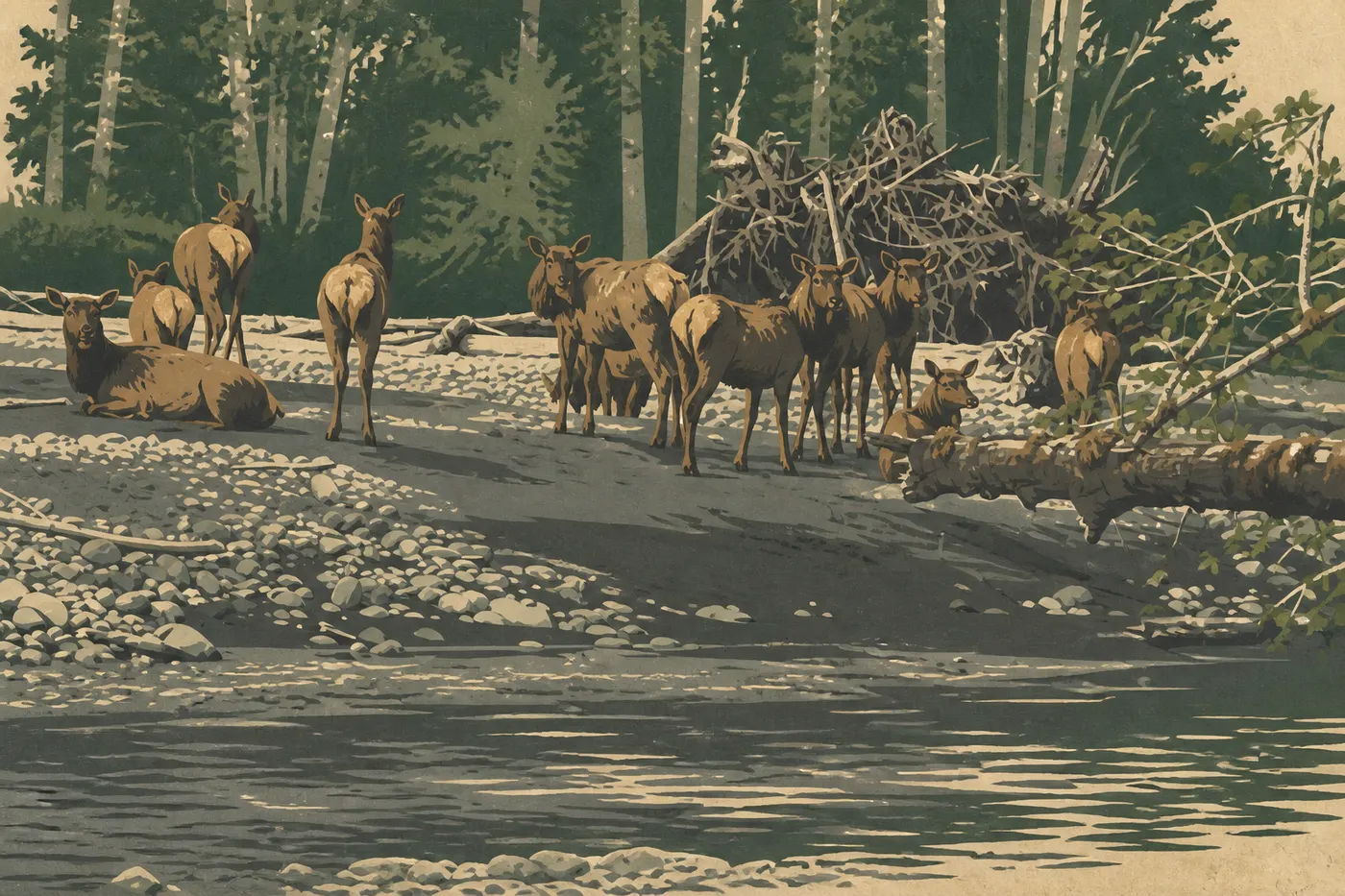
Roosevelt elk are the park's signature species. This subspecies, the largest elk in North America (bulls weigh more than 1,100 pounds), was named for Theodore Roosevelt, who helped protect its habitat on the Olympic Peninsula. Herds graze in the Hoh Rain Forest and in the meadows of the Quinault Valley, especially at dawn and dusk. In the fall (September and October), the bugling of bulls in rut carries for miles.
Black Bear (Ursus americanus)
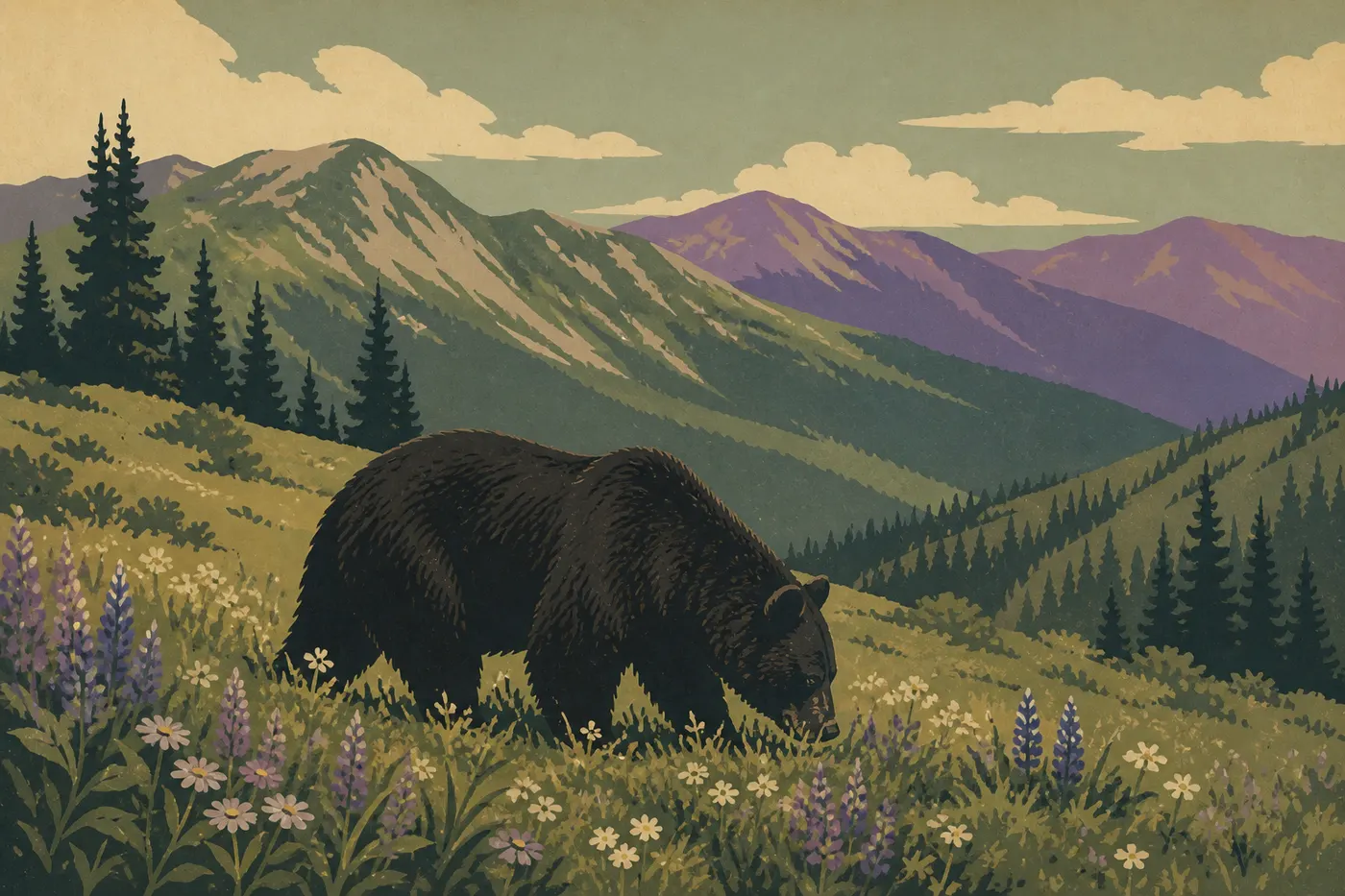
Olympic is home to a population of black bears. Unlike some other Northwest parks, such as North Cascades, there are no grizzlies in the park. If you spot a large bear in Olympic, it's definitely a black bear. Keep in mind that its coat can range from black to cinnamon brown, which can be confusing. To identify it with confidence, remember three features. It has no shoulder hump (grizzlies do). Its facial profile is straight or slightly concave. Its ears are tall and rounded. Bears mainly eat berries, acorns, and salmon carcasses, and direct encounters are uncommon.
Olympic Marmot (Marmota olympus)
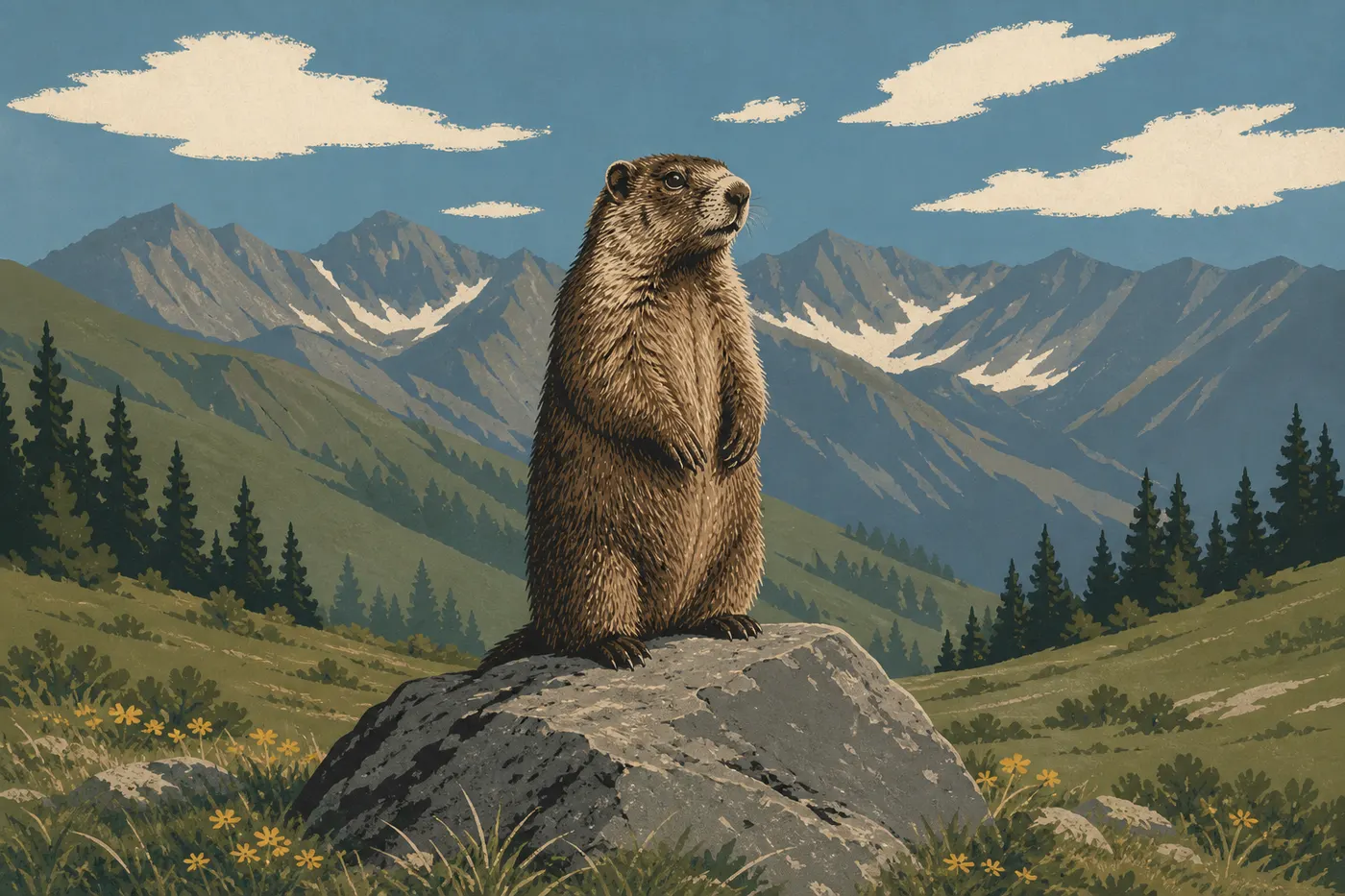
The Olympic marmot is one of the park's endemic species. It lives nowhere else on Earth. Larger and more social than its mainland relatives, it inhabits alpine meadows above 4,900 feet. Its piercing whistles, which warn other marmots of danger, are one of the characteristic sounds of a hike at Hurricane Ridge. The total population is estimated at a few thousand animals, confined to the Olympic Mountains. I saw a particularly active colony during a visit to Hurricane Ridge in July, less than 100 feet from the trail, without binoculars.
Cougar (Puma concolor)
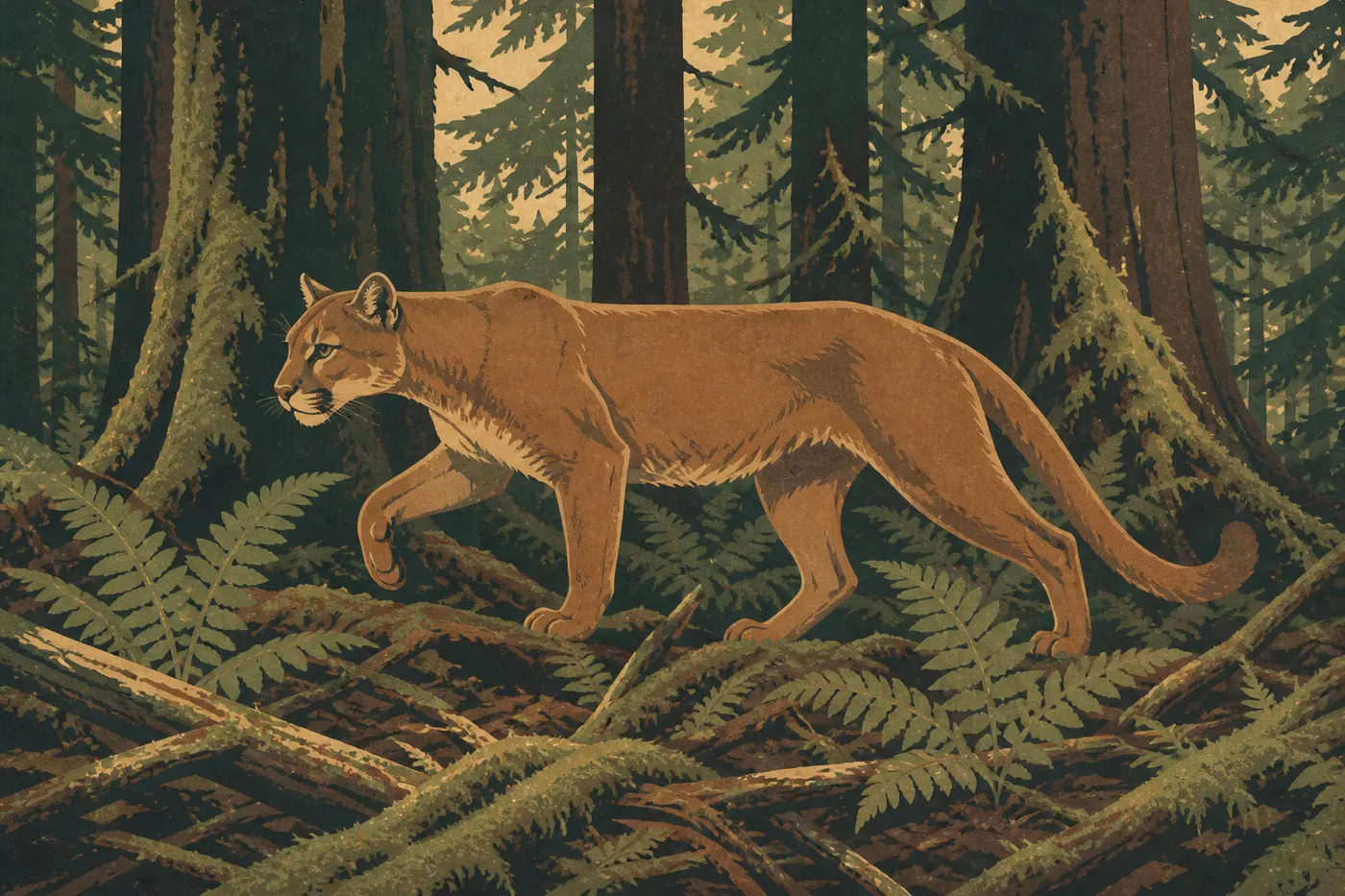
Cougars live throughout the park, from the rainforests to the alpine ridges. They're crepuscular and nocturnal, and exceptionally elusive. Most visitors will never see one, even after spending several days here. If you find round tracks with five toes and no claw marks in the mud along a trail, a cougar probably passed through the night before.
Marine Mammals on the Pacific Coast
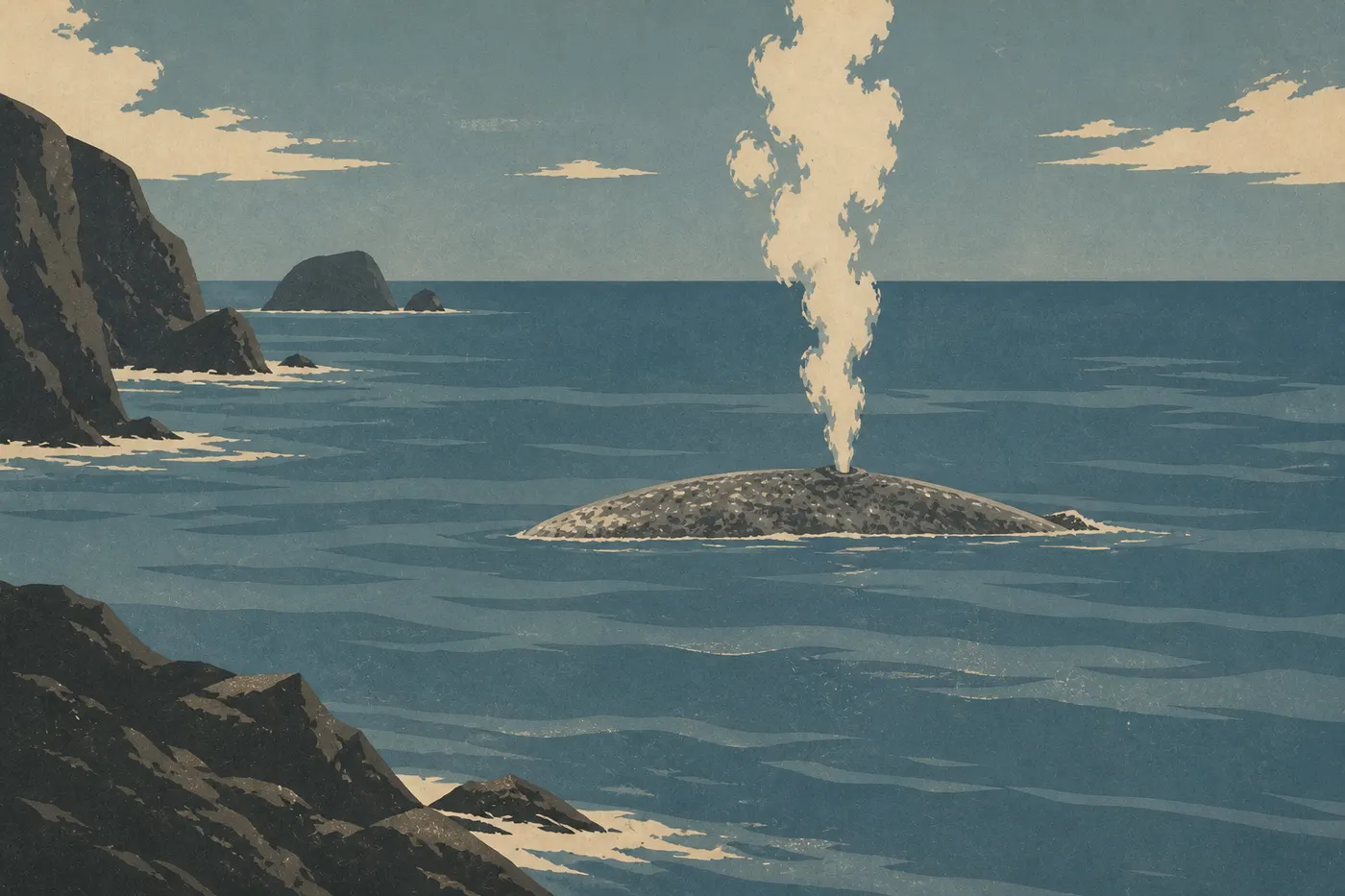
Olympic's coastline, with about 60 miles of roadless beaches, is one of the few places on the U.S. coast where you can watch marine mammals in a completely unspoiled setting. Sea otters and harbor seals visit the rocks exposed at low tide. Steller sea lions haul out on the offshore sea stacks between November and May. Gray whales follow the coast during their migration north to Alaska (March and April) and on their return to Baja California (October and November). From the overlooks at Ruby Beach or Kalaloch, you can regularly spot them spouting through binoculars.
Where to See Wildlife in Olympic National Park
Hoh Rain Forest is the most reliable place to see Roosevelt elk. Herds of several dozen animals regularly graze in the meadows near the Hoh Visitor Center, especially early in the morning. The Hall of Mosses and Hoh River Trail cross their usual grazing areas. For details on wildlife-viewing trails, check out the Olympic hiking guide.
Hurricane Ridge, reached by a paved road from Port Angeles, is home to alpine wildlife: Olympic marmots, black-tailed deer, and, in summer, mountain goats that you can spot with binoculars on the surrounding ridges. At dawn, the low-angled light illuminates the meadows, and the animals are at their most active.
The coast, including the Kalaloch and Ruby Beach areas and the Wilderness Coast between Rialto Beach and La Push, is marine-mammal territory. Rocks exposed at low tide attract seals and otters. Binoculars help you spot otters floating on their backs in the kelp forests.
The Quinault Valley and Queets Valley offer an alternative to the Hoh for elk in the rainforest, with far fewer visitors. Black-tailed deer (Odocoileus hemionus columbianus) are also abundant there.
Staircase, on the park's east side along the Skokomish River, is a good area for black bears, especially in the fall when they search for salmon carcasses along the banks before hibernation.
When to Watch Wildlife: Seasons and Key Times
Summer (July through September) is the most accessible season. High-elevation roads and trails are open, marmots and deer are active in the alpine meadows, and coastal weather is milder. For month-by-month details on seasonal conditions, see the When to Visit Olympic guide.
Fall (September and October) is elk rutting season. It's the best time to hear bulls bugling at dawn, and bears are very active before hibernation.
Spring (March through May) is the ideal window for gray whales migrating north. Seals give birth on some coastal beaches, and migratory birds fill the estuaries.
For nearly all land mammals, dawn and dusk remain the most productive times for wildlife viewing. Nocturnal animals such as cougars, raccoons, and Virginia opossums rarely appear in broad daylight.
Predators and Large Animals of Olympic
The cougar is the park's only large land predator. It regulates deer and elk populations. Coyotes live throughout the park and are often easy to locate by their nighttime yelps in the valleys. Bald eagles nest in large conifers near waterways and coastal estuaries. Several dozen pairs live in the park.
The Roosevelt elk, with antlers that can span more than 5 feet, is Olympic's largest land mammal. Offshore, orcas frequent the waters of the Strait of Juan de Fuca north of the park.
Olympic is also home to two other remarkable endemic species: the Olympic chipmunk (Neotamias schmittii), a small striped burrowing squirrel, and the Olympic snow vole (Phenacomys olympicus), which is restricted to subalpine areas.
Watching Wildlife Safely
Here's the basic rule for every species: never approach within 100 feet of deer or elk, or within 300 feet of bears or cougars. If the animal changes its behavior by stopping, staring at you, or moving away, you're already too close.
Never feed an animal, even a squirrel or a Steller's jay begging in the parking lot. Animals that become accustomed to human food often have to be euthanized later. At campgrounds, store all food and scented products such as sunscreen and toothpaste in the bear boxes provided on site.
If you encounter a black bear, speak calmly, make yourself look bigger by raising your arms, and back away slowly without turning your back. Never run. That can trigger a chase response. If you encounter a cougar, maintain eye contact, make yourself look imposing, and back away without running.
On the coast, never approach within 100 feet of a seal or sea lion, even if it's a young animal that appears to be "abandoned." Its mother has simply left it there while keeping watch from a distance.
In Brief: Wildlife You Won't Want to Miss and Where to Find It
Look for Roosevelt elk in the Hoh Rain Forest and the Quinault Valley at dawn. Find Olympic marmots (endemic to the park) in the alpine meadows at Hurricane Ridge from June through September. Black bears can appear anywhere in the park, with a preference for the Staircase area in the fall. Watch marine mammals (seals, otters, and gray whales) along the wild coast, at Kalaloch, and at Ruby Beach. The naturally elusive cougar may leave you with only a muddy track as evidence that it passed by.
Our complete Olympic guide brings together all the practical information you need to plan your visit.
Frequently Asked Questions
What are the iconic animals of Olympic National Park?
The iconic animals of Olympic National Park are Roosevelt elk, black bears, Olympic marmots (endemic to the park), cougars, and marine mammals along the Pacific coast, including harbor seals, sea otters, and gray whales.
What is the most common animal in Olympic National Park?
The black-tailed deer (Odocoileus hemionus columbianus) is one of the animals visitors see most often in the park. It lives in both the rainforest and alpine areas. Roosevelt elk are also regularly visible, especially in the Hoh Rain Forest and the Quinault Valley.
What is the largest animal in Olympic National Park?
On land, Roosevelt elk are the park's largest mammal. Adult bulls weigh more than 1,100 pounds. At sea, gray whales migrating offshore weigh more than 33 tons and can reach 50 feet in length.
What predators live in Olympic National Park?
Olympic's main land predator is the cougar. Coyotes also live throughout the park. In the air, bald eagles hunt fish and small mammals along waterways. At sea, orcas sit at the top of the food chain in the Strait of Juan de Fuca.
What animals are out at night in Olympic?
Cougars, coyotes, raccoons, and Virginia opossums are the park's main nocturnal animals. Several owl species, including great horned owls and great gray owls, are active after sunset. For seasonal information about nocturnal species, our When to Visit page provides a detailed calendar.
Are there grizzlies in Olympic National Park?
No. Olympic National Park has no grizzlies. The only bear species found here is the black bear (Ursus americanus), whose coat can range from black to cinnamon brown. The distinction is simple: black bears lack the characteristic shoulder hump grizzlies carry between their shoulders.