
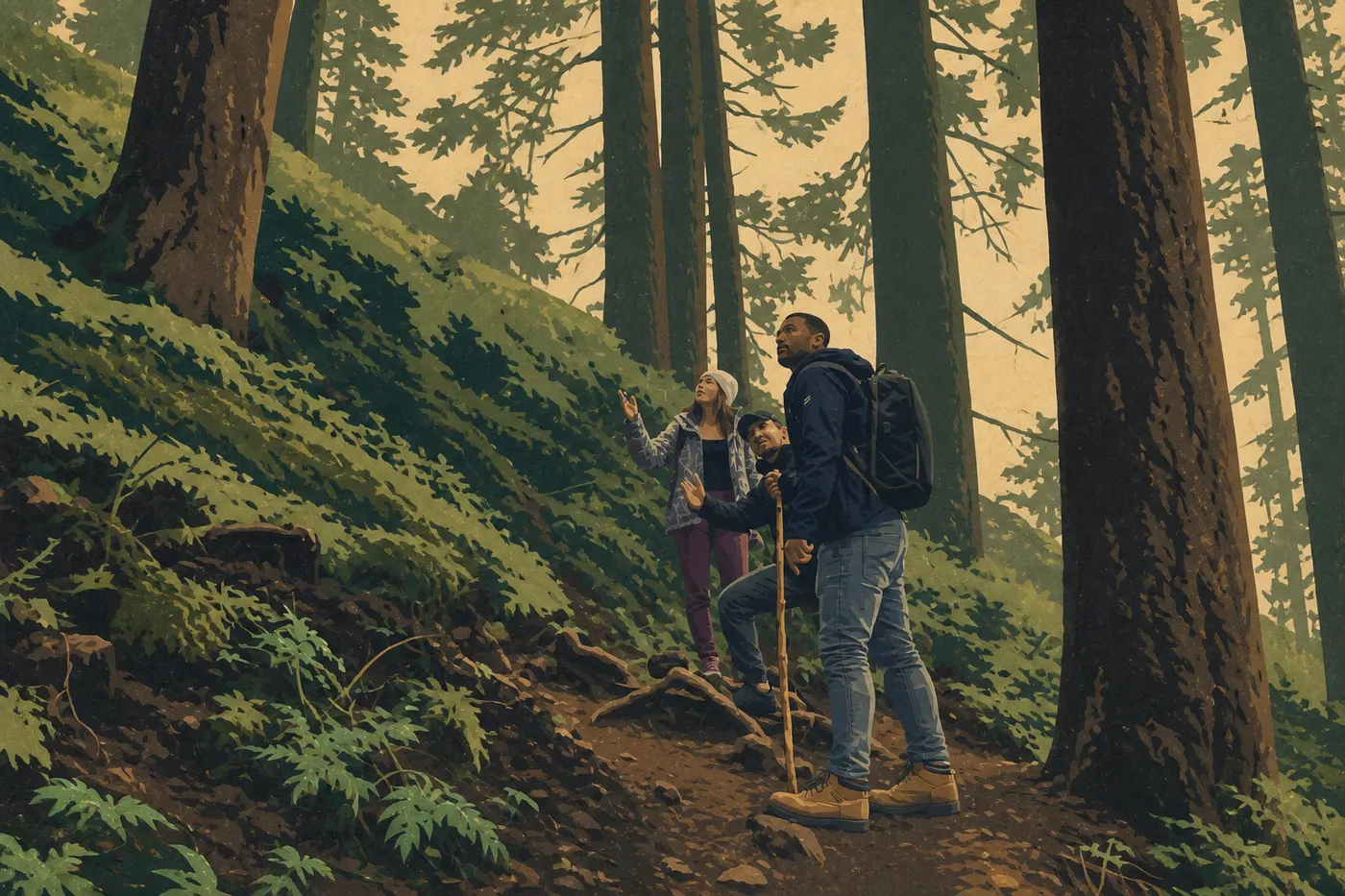
Olympic National Park Hiking: The Best Trails for Every Level
Olympic National Park brings together three radically different ecosystems on the same peninsula: alpine glaciers, temperate rainforest, and the wild Pacific coast. You can hike beneath moss-covered spruces in the morning, then walk along sea stacks in the late afternoon.
If you only do one hike, make it Hall of Mosses, in the Hoh Rain Forest: just 0.8 miles, accessible to everyone, and one of the most iconic sights in the Pacific Northwest. If you're looking for elevation gain and views, Hurricane Hill (5.1 miles round-trip) is our top pick. And if waterfalls are your thing, Sol Duc Falls takes under 1.9 miles with barely 200 feet of elevation gain.
How to Prepare for a Hike in Olympic
Permits and entrance fees. The park is open 24 hours a day, year-round. Admission costs $30 per vehicle (valid for 7 days), $25 for motorcycles, or $15 for pedestrians and bicyclists. If you visit several national parks in a year, the $80 America the Beautiful pass quickly pays for itself. All day hikes are covered by the entrance fee, with no additional permit required. Overnight backcountry trips, however, require a free wilderness permit, available from the Wilderness Information Center in Port Angeles or Hoodsport.
Wildlife: elk, black bears, and mountain lions. Olympic is home to elk, black bears, and, less often, mountain lions. Stay 150 feet from elk and 300 feet from bears. If you come face-to-face with a black bear, speak calmly, make yourself visible, and never run. Store all food in airtight containers in wilderness areas.
Dogs. Dogs are allowed on roads and in campgrounds, but prohibited on nearly all hiking trails. Check with the visitor center before choosing your route if you're traveling with your dog.
Water. The park has plenty of streams, but you must filter or treat all surface water because Giardia is present throughout the park. Bring a filter or purification tablets. Plan on 1.5 liters per person for a half-day and 2 to 3 liters for a full day in summer.
Terrain safety. Weather changes quickly at Hurricane Ridge. A crystal-clear morning can turn into thick fog within two hours. Always carry a rain layer, no matter the season. On the coast, watch for sneaker waves, unpredictable waves that break on seemingly calm beaches. Never turn your back on the ocean along rocky beaches.
The Best Hikes, Area by Area
Olympic is divided into several distinct areas connected by Highway 101, which circles the peninsula. Plan on 30 minutes to 2 hours of driving, depending on where you're starting.
Hurricane Ridge: Views of the Olympic Mountains
Hurricane Hill Trail: 5.1 miles round-trip, 625 feet of elevation gain, about 3 hours, moderate. Start at the Hurricane Ridge Visitor Center parking lot (Highway 101 via Port Angeles, a 45-minute drive).
This is the park's highest accessible point, at 5,120 feet. The trail follows an open ridge with 360-degree views of the Olympic Mountains to the east and the Strait of Juan de Fuca on clear days. In July and August, the alpine meadows burst with purple lupine and orange paintbrush. Snow can linger into June, so check the official NPS page for conditions before you go.
Meadow Loop Trail: 1.5 miles round-trip, 200 feet of elevation gain, easy. Same parking area. Enjoy immediate views with little effort. It's a good choice for kids and anyone who wants alpine scenery without a long hike.
Practical tip: In July and August, the parking lot fills up before 9 a.m. Hurricane Ridge Road is closed from around November through April, depending on snowfall.
Hoh Rain Forest: Moss and Giant Spruces
Hall of Mosses Trail: 0.8-mile loop, flat, easy, about 45 minutes. Start at the Hoh Visitor Center (Highway 101 south, then Upper Hoh Road, 1.5 hours from Port Angeles).
Moss-covered vine maples hang 33 feet above the ground, while light filters through the green gloom in shafts. The Hoh receives about 138 inches of rain a year, so even on a gray day, the walk feels enchanting. This is the trail that gets the most photos across social media, and for good reason.
Hoh River Trail: 3.1 to 18.6 miles round-trip, little elevation gain on the first sections, easy to strenuous. The first 3.1 miles follow the Hoh River beneath giant conifers. The forest remains primeval, with few people beyond the second mile. For a full day, aim for Olympus Guard Station, about 10.6 miles round-trip. The vegetation opens onto the glaciated slopes of Mount Olympus.
Spruce Nature Trail: 1.3-mile loop, flat, easy. A good alternative if Hall of Mosses is crowded during peak season.
Sol Duc Valley: Waterfalls and Conifer Forest
Sol Duc Falls Trail: 1.7 miles round-trip, 200 feet of elevation gain, easy, about 1 hour. Start at the Sol Duc Trailhead parking lot (Highway 101 northwest, then Sol Duc Road, 40 minutes from Port Angeles).
The waterfall bursts into a dark basalt canyon and splits into several channels that tumble down the rock. It's spectacular even in summer, when the flow drops. The trail passes through an almost untouched forest of Douglas firs and Sitka spruces. Go in May or June for the heaviest flow after the snowmelt.
Lovers Lane Loop: 6.5-mile loop, 400 feet of elevation gain, easy to moderate, about 3 hours. The trail follows the Sol Duc River in both directions and passes the falls. It's a good option for a peaceful half-day in the forest.
Wild Coast: Pebble Beaches and Sea Arches
Rialto Beach to Hole-in-the-Wall: 3 miles round-trip, flat over pebbles, easy, about 1.5 hours. Start at the Rialto Beach parking lot (Highway 101 toward La Push, 1 hour from Forks).
The pebble beach leads to Hole-in-the-Wall, a natural arch carved into volcanic rock by marine erosion. At low tide, you can walk through it and explore the tide pools. Be sure to check the tide tables before you go. Some sections are impassable at high tide.
Cape Alava to Sand Point Loop: 8.1-mile loop, little elevation gain, moderate because of variable terrain, plan on a full day. Start at the Ozette Ranger Station. This route combines a forest boardwalk with a wild beach where Native American petroglyphs are visible on the rocks. For an overnight stay, wilderness permits go quickly, so reserve ahead.
Lake Crescent: Turquoise Water and Hidden Waterfalls
Marymere Falls Trail: 1.5 miles round-trip, 300 feet of elevation gain, easy, about 1 hour. Start at the Storm King Ranger Station, directly off Highway 101 (30 minutes from Port Angeles).
The waterfall drops 100 feet through a narrow, wooded corridor. It's short, shady, and very family-friendly.
Mount Storm King Trail: 4.2 miles round-trip, 2,100 feet of elevation gain, difficult, 4 to 5 hours. Same starting point. The final 1,300 feet require fixed ropes on very steep terrain. Save this hike for hikers comfortable with exposed terrain, and go only in dry weather because the rock is slippery in the rain. The view of Lake Crescent and its glacial-blue water is well worth the effort.
Easy, Family-Friendly Hikes
For a first outing with kids or beginners, here are our picks:
- Hall of Mosses (0.8 miles, Hoh): 30 to 45 minutes, flat, spectacular at any age.
- Meadow Loop (1.5 miles, Hurricane Ridge): immediate views, suitable for an all-terrain stroller in good weather.
- Sol Duc Falls Trail (1.7 miles): well-maintained trail, guaranteed waterfall, 1 hour round-trip.
- Marymere Falls Trail (1.5 miles, Lake Crescent): short, shady, and easy.
- Rialto Beach (3 miles round-trip, coast): flat terrain, suitable for kids 7 and older as long as you watch the waves.
For campgrounds with amenities and non-hiking activities with kids in Olympic, the Family Guide brings together all the useful information.
Challenging Hikes and Full-Day Trips
For experienced hikers looking for elevation gain and solitude:
Mount Storm King (4.2 miles, 2,100 feet) is the area's technical hike. The fixed ropes near the end require confidence and dry ground.
Hurricane Hill (5.1 miles, 625 feet) is still accessible, but the ridge can be surprisingly exposed to the wind. Start early to catch the views before afternoon clouds roll in.
Hoh River Trail to Olympus Guard Station (10.6 miles round-trip, little elevation gain): the distance and isolation make this a challenging hike. The rainforest offers little to no cell service beyond the second mile.
Cape Alava Loop (8.1 miles, coast): the boardwalk gets slippery in rainy weather. Wear shoes with good traction.
For multi-day routes, including trips toward the Blue Glacier on Mount Olympus or the High Divide Loop, wilderness permits and backcountry camping rules are covered in the “How to Prepare for a Hike” section at the top of the page.
Access, Trailheads, and Parking
Olympic doesn't offer a shuttle between areas, unlike Zion or Yosemite. Each area has its own access route from Highway 101, which circles the peninsula:
- Hurricane Ridge: From Port Angeles, take Hurricane Ridge Road (17 miles, 45 minutes). Free parking at the visitor center. Closed in winter depending on snowfall.
- Hoh Rain Forest: Turn off Highway 101 near Forks, then follow 19 miles of secondary road on Upper Hoh Road. Parking is included with the entrance fee.
- Sol Duc: Exit Highway 101 at Fairholm near Lake Crescent, then follow Sol Duc Road for 12 miles. Trailhead parking is available on site.
- Lake Crescent: Directly off Highway 101, with Storm King parking on the south shore. Very busy in summer, so arrive before 9 a.m.
- Coast (Rialto Beach, Ozette): Access from La Push or Sekiu via secondary roads that can be rough. A high-clearance vehicle is recommended.
For routes from Seattle, whether you take the ferry to Bainbridge Island or travel via I-5 and Highway 101, the Guide to Getting to Olympic covers all the options.
When Should You Hike in Olympic?
July, August, and September offer the best conditions: temperatures of 64 to 75°F in the lowlands, alpine trails clear of snow, and long days. Hurricane Ridge is fully accessible only from mid-June onward, depending on the year's snowfall.
The Hoh Rain Forest and coast remain accessible year-round. Rain is part of the scenery, and the rainforest colors are often richer in fall. In the off-season, set out in the morning to avoid afternoon showers.
The When to Visit Olympic Guide explains conditions month by month for each area of the park.
Which Hike Fits Your Interests?
- You have 2 hours and kids: Hall of Mosses (Hoh) or Marymere Falls (Lake Crescent).
- You want a big view: Hurricane Hill (Hurricane Ridge), early in the morning.
- You want solitude: Hoh River Trail beyond the 1.9-mile mark, or Cape Alava on a weekday.
- Waterfalls and forest: Sol Duc Falls or the first few miles of the Hoh River Trail.
- Wild beach: Rialto Beach to Hole-in-the-Wall at low tide.
- Today's challenge: Mount Storm King, only in good weather and with traction footwear.
- Wildlife viewing: the Hoh Valley and the area around Sol Duc in the late afternoon, when elk move toward the forest edges.
For the full picture, including budget, lodging, and how to plan your trip, the Olympic National Park Overview points you to all the relevant sections.
Frequently Asked Questions
What is the best hike in Olympic?
Hall of Mosses in the Hoh Rain Forest is the park's signature hike, spectacular and accessible to all skill levels. For alpine views, Hurricane Hill offers the best vistas of the Olympic Mountains.
Is hiking in Olympic difficult?
The most popular trails, including Hall of Mosses, Sol Duc Falls, and Rialto Beach, are easy, with little significant elevation gain. Difficult hikes such as Mount Storm King, with 2,100 feet of elevation gain in 2.1 miles, are the exception and are intended for experienced hikers.
Is it safe to hike in Olympic?
The main risks involve weather, including sudden fog at higher elevations and unpredictable waves on the coast, as well as wildlife such as elk and black bears. Keep a safe distance from wildlife, stay on marked trails, and carry a rain layer. That is enough for the vast majority of outings.
Do you need a permit to day hike in Olympic?
No. The park entrance fee, $30 per vehicle, covers all day hikes. A free wilderness permit is required only for overnight backcountry trips.
Are there easy, family-friendly hikes in Olympic?
Yes. Hall of Mosses (0.8 miles), Meadow Loop at Hurricane Ridge (1.5 miles), Sol Duc Falls (1.7 miles), and Marymere Falls (1.5 miles) work for kids as young as 5 or 6.
Can you hike with a dog in Olympic?
Dogs are prohibited on nearly all of Olympic's hiking trails. They're allowed on paved roads and in campgrounds. If you're traveling with your dog, check with the visitor center about the few exceptions.
When is the best time to hike in Olympic?
July through September are the driest and most pleasant months, especially for alpine trails. The rainforests, including Hoh and Quinault, can be visited year-round. Our When to Visit page details conditions month by month.
Are there loop hikes in Olympic?
Yes. Meadow Loop (1.5 miles, Hurricane Ridge), Hall of Mosses (0.8 miles, Hoh), Lovers Lane Loop (6.5 miles, Sol Duc), and Cape Alava Loop (8.1 miles, coast) are all complete loops.
How do you get to the trailheads in Olympic?
Olympic doesn't have a shuttle between areas. You can reach each area by car from Highway 101. Our Access and Transportation page details routes from Seattle and ferry options.
Which trails are best for wildlife, waterfalls, or views?
For wildlife, try the Hoh River Trail and the area around Sol Duc late in the day. For waterfalls, choose Sol Duc Falls or Marymere Falls. For views, hike Hurricane Hill, or Mount Storm King if you're an experienced hiker.