
Hotels and Lodges in Olympic National Park: Where to Stay
Olympic National Park brings together three radically different landscapes in one place: temperate rain forests, snowcapped peaks, and a wild Pacific coast. The result is that there isn't one perfect base, but several, depending on what you're looking for. If you can get a room on the shores of Lake Crescent or facing the ocean, take it. Otherwise, Port Angeles remains the main logistical base for most visitors.
Park lodges and gateway towns (0)
 Base map © OpenStreetMap · © CARTO
 ⚠ Lodge & Gateway town data is undergoing editorial review.
In the Park or Outside It?
The full comparison, with detailed pros and cons, appears in the Olympic lodging overview. In short, the park's lodges offer an experience that city hotels can't match, but they book up months ahead during peak season. If you didn't reserve early, the gateway towns take over without any major compromise in access to the park.
Olympic National Park Lodges
Four properties operate inside the park under federal concession. These aren't chain hotels. They're historic wood lodges set in landscapes you won't find anywhere else.
Lake Crescent Lodge
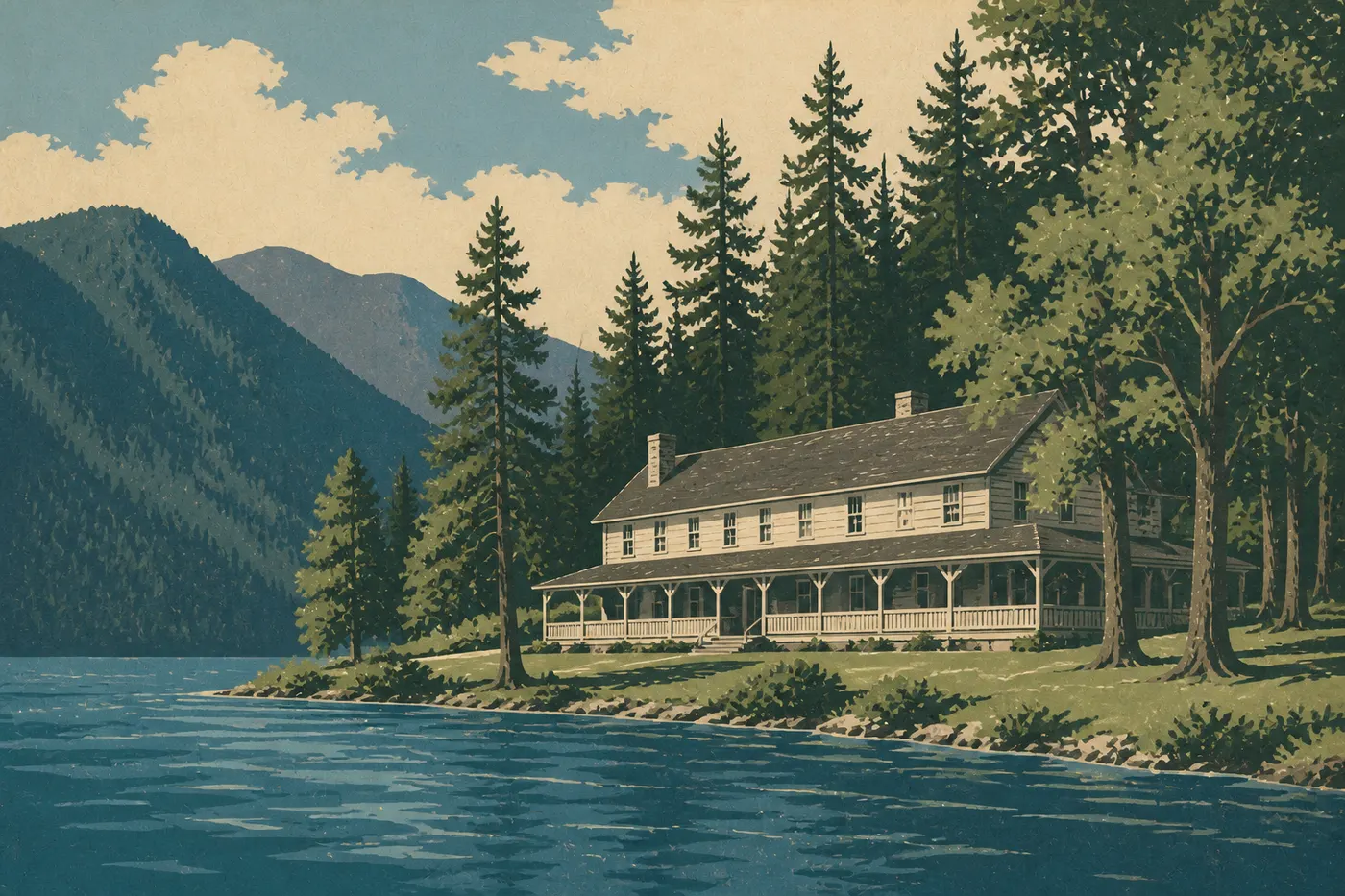
Built in 1916 on the shores of Lake Crescent, this is the park's best-known lodge. The lake's improbable blue-green water is surrounded by conifer forests that plunge straight into it. Rooms are spread among the main building, the Roosevelt Cottages with direct lake views, and newer garden cabins. Nothing fancy, but everything feels authentic. Open from roughly late April through late October. For July or August, book at least six months ahead.
Kalaloch Lodge
Perched on cliffs overlooking the Pacific coast, this is the park's only lodge with ocean views. The oceanfront cabins offer a rare spectacle, especially at sunset over the water. The restaurant serves local products from the Washington coast. Kalaloch stays open year-round, making it a good option in the off-season: prices drop, the crowds disappear, and the atmosphere changes completely.
Sol Duc Hot Springs Resort
Tucked into the Sol Duc Rain Forest, this resort combines wood cabins with natural hot-spring pools. The springs are open to lodge guests and day visitors alike. The Sol Duc Falls Trail, about 1.5 miles round-trip, starts just a few minutes' walk from the resort. Open from late March through early November.
Log Cabin Resort
On the northeastern shore of Lake Crescent, with a more casual atmosphere than the main lodge. There are cabins, lake-view bungalows, and a few campsites with hookups. Open from May through September. It's a good choice if Lake Crescent Lodge is full and you want to stay by the water.
Good to know. Reservations are made through the federal concessioner that runs all four properties. Cancellation policies vary from one lodge to the next, so check them when you book. Some cancellation windows are short, just 48 to 72 hours before arrival.
Where to Stay Around Olympic: Gateway Towns
The Olympic Peninsula is large, roughly the size of Corsica, and Highway 101 circles it completely. There isn't one main entrance, but about a dozen access points. Choose your gateway town based on the areas you most want to visit.
Port Angeles (North)
This is the main logistical base for most visitors. Port Angeles provides access to Hurricane Ridge, 17 miles away, the park's main visitor center, and the ferry to Victoria, British Columbia. The peninsula's largest concentration of hotels is here, including roadside motels, national chains such as Best Western and Quality Inn, and a few independent properties with views of the Strait of Juan de Fuca. Expect to pay $120 to $200 per night during peak season, with significantly lower rates in the shoulder season.
Sequim (East)
Pronounced “Skwim.” Located 15 miles east of Port Angeles, the town benefits from a remarkably dry microclimate for the region because the Olympic Mountains block rain coming from the Pacific. It's quieter than Port Angeles and slightly less expensive. It's a good choice if you're mainly visiting the park's northeast section, including Dungeness Spit and Hurricane Ridge.
Forks (West)
The gateway to the Hoh Rain Forest and the wild coast, including Ruby Beach and Rialto Beach. This small timber town on the west side of the peninsula is better known to international visitors as a filming location for the Twilight saga. Lodging is limited to roadside motels and a few B&Bs, but rates are among the most affordable on the peninsula. The Hoh Rain Forest is about 31 miles from downtown Forks.
Lake Quinault (South)
The park's southern gateway, on the edge of the Quinault Rain Forest. Lake Quinault Lodge, in the adjacent national forest rather than technically inside the park, offers a 1920s lodge atmosphere with fireplaces, a broad veranda, and the lake as a backdrop. It's a good option if you're arriving from Portland or southern Washington.
Port Townsend (Northeast Access via Ferry)
A Victorian town with remarkably well-preserved architecture, about 1.5 hours from Port Angeles. Port Townsend makes sense if you're arriving by ferry from Seattle via Whidbey Island and want to spend a night in a charming bed and breakfast before entering the park. There are several quality historic inns in 19th-century homes.
How Many Nights Should You Plan for Olympic?
Three nights is a reasonable minimum for covering three distinct worlds: rain forest, either Hoh or Quinault, the Pacific coast, and the mountain area around Hurricane Ridge or the lakes. Five nights let you add Sol Duc, hike without counting every hour, and change bases between areas.
For an area-by-area breakdown and itineraries tailored to the number of days you have, see the detailed Olympic itineraries.
When to Book and What to Budget
Peak season (July through August). Park lodges sometimes fill up as early as January for the following summer. Port Angeles hotels book up quickly on July weekends. Book at least three to four months ahead, and even earlier for Lake Crescent Lodge or Kalaloch.
Shoulder season (May–June, September). This is the best value. The forests are intensely green, lines get shorter, and prices drop by 20% to 40% depending on the property. Summer weather starts settling in by July, while June is still rainy.
Off-season (October through April). Kalaloch Lodge is the only lodge that stays open in the park. The gateway towns remain accessible, but Hurricane Ridge may close because of snow, and coastal weather is highly variable. It's a good time for anyone seeking quiet and willing to put up with rain.
For a detailed look at conditions by season, see when to visit Olympic.
Estimated lodging budget:
- Lodge in the park: $150 to $300 per night (room or cabin)
- Hotel in a gateway town (Port Angeles, Sequim): $100 to $200 per night during the season
- B&B or inn (Port Townsend): $130 to $250 per night
The entrance fee is separate from lodging: $30 per vehicle, valid for 7 days. The park-specific annual pass costs $55. For pass options and current prices, see our Fees & Passes page.
Our Recommendation Based on Your Travel Style
For total immersion. Book Lake Crescent Lodge or Kalaloch Lodge as soon as the reservation calendar opens, often 12 months ahead for the most popular dates. It takes some planning, but waking up beside the lake or facing the Pacific waves makes the effort worthwhile.
For a controlled budget. Base yourself in Port Angeles or Sequim. Port Angeles offers complete logistics, including grocery stores, restaurants, and gas stations. Sequim is quieter and slightly cheaper. Figure on $120 to $160 per night for a good motel in season.
For families. Sol Duc Hot Springs Resort combines a short, accessible hike to Sol Duc Falls, hot-spring pools, and a secure forest setting. The cottages often include kitchenettes, which makes meal planning easier. The guide to family activities in Olympic covers age-appropriate activities throughout the park.
For a last-minute booking. Forget the park lodges during peak season. The usual platforms, including Booking and Expedia, cover Port Angeles and Forks well. Filter for free cancellation because Olympic's weather can change your plans faster than expected.
For a complete overview of the park, its access points, and its highlights, our complete guide to Olympic National Park is the place to start.
Frequently Asked Questions
Can you stay inside Olympic National Park?
Yes. You can stay in the park: four lodges operate under federal concession, Lake Crescent Lodge, Kalaloch Lodge, Sol Duc Hot Springs Resort, and Log Cabin Resort. Booking well in advance is essential during peak season.
What is the best town to stay in when visiting Olympic National Park?
For most visitors, the best gateway town is Port Angeles, north of the park. It offers access to Hurricane Ridge, the main visitor center, and the peninsula's largest selection of hotels. For the west coast and the Hoh Rain Forest, Forks is the logical alternative.
How much does a night in Olympic National Park cost?
Park lodges cost between $150 and $300 per night, depending on the property and time of year. Hotels in gateway towns range from $100 to $200 during peak season, with considerably lower rates in the shoulder or off-season.
Do you have to pay the park entrance fee if you're staying at a lodge?
Yes. The entrance fee, $30 per vehicle for 7 days, is separate from the lodging rate. The Olympic annual pass, at $55, becomes the most economical option after two days of visiting the park in a year. For entrance fees and annual passes, see the National Parks Fees & Passes page.