
What to Do in Olympic National Park: Must-See Sights and Activities
Olympic National Park covers the entire Olympic Peninsula in Washington State. In a single day of driving, you can go from a moss-covered temperate rainforest to alpine ridges more than 6,500 feet high, then on to a rugged Pacific coast. This isn't one park so much as three parks layered together.
The five highlights at a glance: Hoh Rain Forest (the Hall of Mosses ranks among the most unusual landscapes in the United States), Hurricane Ridge for alpine views, glacier-carved Lake Crescent with its turquoise water, the coast between Rialto Beach and Ruby Beach with its sea stacks, and Sol Duc Valley for its waterfalls and hot springs.
Olympic at a Glance: Areas, Access, and Getting Around
Olympic has no central road. Highway 101 loops around the Olympic Peninsula, with access roads branching off to each area. You don't drive straight through this park. You choose your areas, drive in, drive back out, and get back on Highway 101.
The park is divided into four main areas:
- The alpine area: Hurricane Ridge, reached from Port Angeles by a 18-mile mountain road.
- The western valleys: Hoh Rain Forest, Sol Duc, Lake Crescent, and Quinault. Expect dense forest and rushing water.
- The Pacific coast: a discontinuous stretch of shoreline, with Rialto Beach, Ruby Beach, and Kalaloch as the main access points.
- The eastern area: the Dosewallips and Duckabush valleys, less visited and ideal for hikers looking for solitude.
The main entrance is in Port Angeles, to the north. From Seattle, the fastest route takes the Bainbridge Island ferry, then follows Highway 101 west (about two hours total). You can also enter from the south via Aberdeen or from the west via Forks. Our guide to getting to Olympic covers the options from Seattle, Portland, and the Canadian border.
A car is essential. Distances between areas can easily reach 55 to 95 miles on Highway 101. There is currently no shuttle connecting the different areas.
How Long Do You Need to Visit Olympic?
Three days is the minimum to take in the highlights: one day for Hoh Rain Forest and the coast, one day for Lake Crescent and Sol Duc, and one day for Hurricane Ridge. With five days or more, you can add Quinault, a few longer hikes, and time to linger by the lakeshore.
A weekend (two days) means choosing two areas. We recommend combining Hoh Rain Forest with the Pacific coast. It offers the most striking contrast in scenery within the time available.
Our Olympic itinerary guide offers day-by-day plans for trips of 2, 3, or 5 days.
Olympic's Highlights, Area by Area
Hurricane Ridge: The Park's High Point

Hurricane Ridge reaches about 5,250 feet above sea level. The road from Port Angeles climbs 18 miles of well-maintained switchbacks, with views of snowcapped ridges even before you reach the top. The main overlook offers 360-degree views of the Olympic Mountains and, on clear days, the Strait of Juan de Fuca and the San Juan Islands to the north.
In summer (July and August), wildflowers cover the alpine meadows. Roosevelt elk sometimes graze just a few yards from visitors, unconcerned by cameras. In winter, Hurricane Ridge becomes a small volunteer-run ski area (open on weekends and holidays when snow conditions permit, generally from December through March).
Several short trails start at the Visitor Center. Meadow Loop (1.6 miles, easy) and Hurricane Hill (5 miles round-trip, moderate) are the most popular. Be careful: the road can close suddenly outside the summer season. Check conditions before you leave, especially in May and October.
Time to allow: at least half a day, or a full day if you're hiking.
Lake Crescent: The Glacial Lake
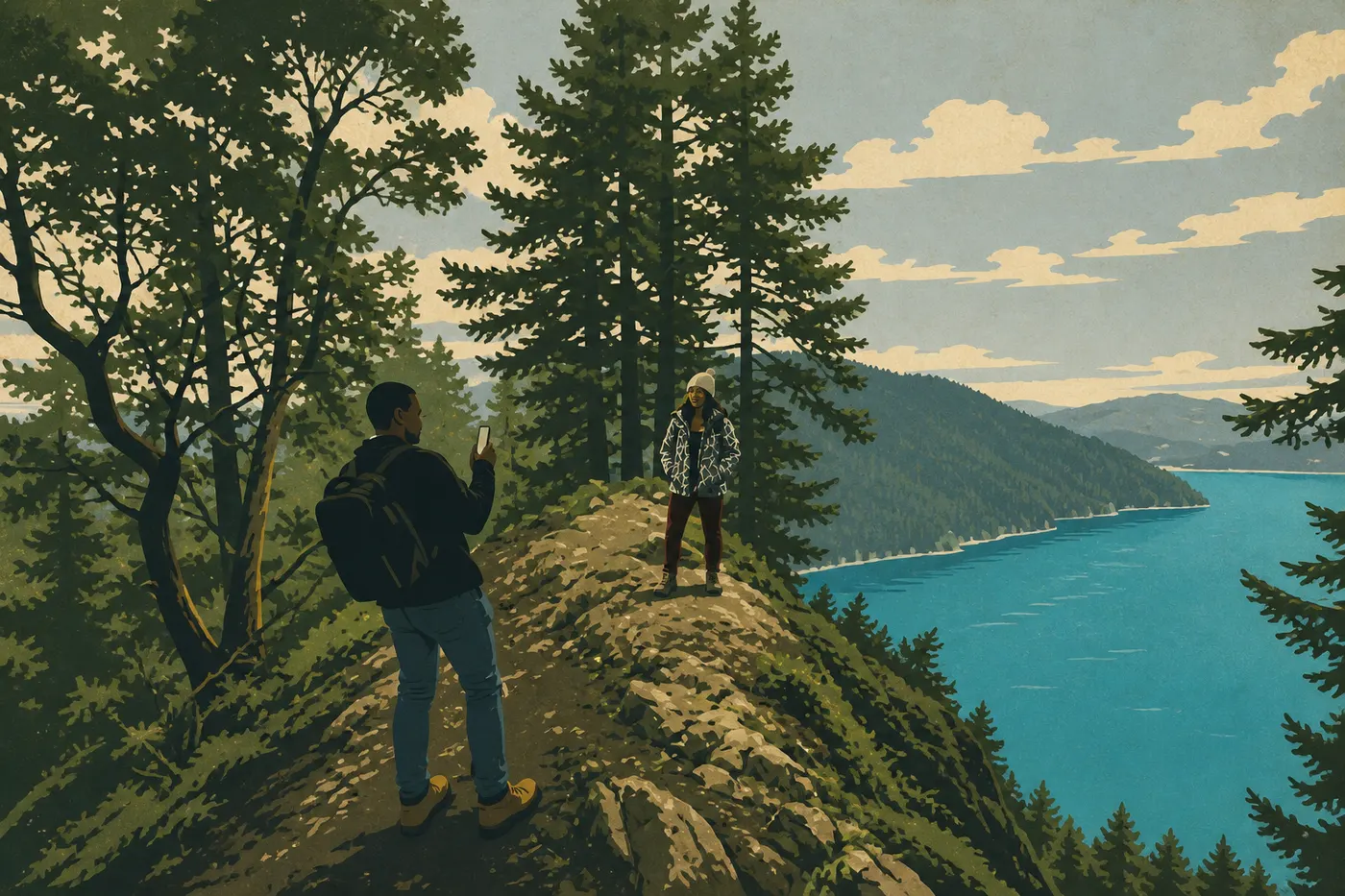
Lake Crescent borders Highway 101 directly in the park's northwest section. This glacier-carved lake is about 6 miles long, recognizable by the turquoise color of its water. Its extremely low nitrogen content limits algae growth and gives it exceptional clarity. Motorboats have been prohibited for decades.
Storm King Mountain rises in the background. The Marymere Falls Trail (2 miles round-trip, easy) leads to a beautiful waterfall before climbing to elevated views over the lake. Lake Crescent Lodge (open seasonally) is one of the park's historic properties. A meal on the lake-facing terrace is well worth considering.
Swimming is allowed on the lake's beaches. The water stays cold year-round (around 64 to 68°F in midsummer), but swimming is perfectly doable. Kayak and canoe rentals are available at the lodge from May through September.
Time to allow: two to four hours for a short visit, or a full day with hiking and swimming.
Sol Duc Valley: Waterfalls and Hot Springs
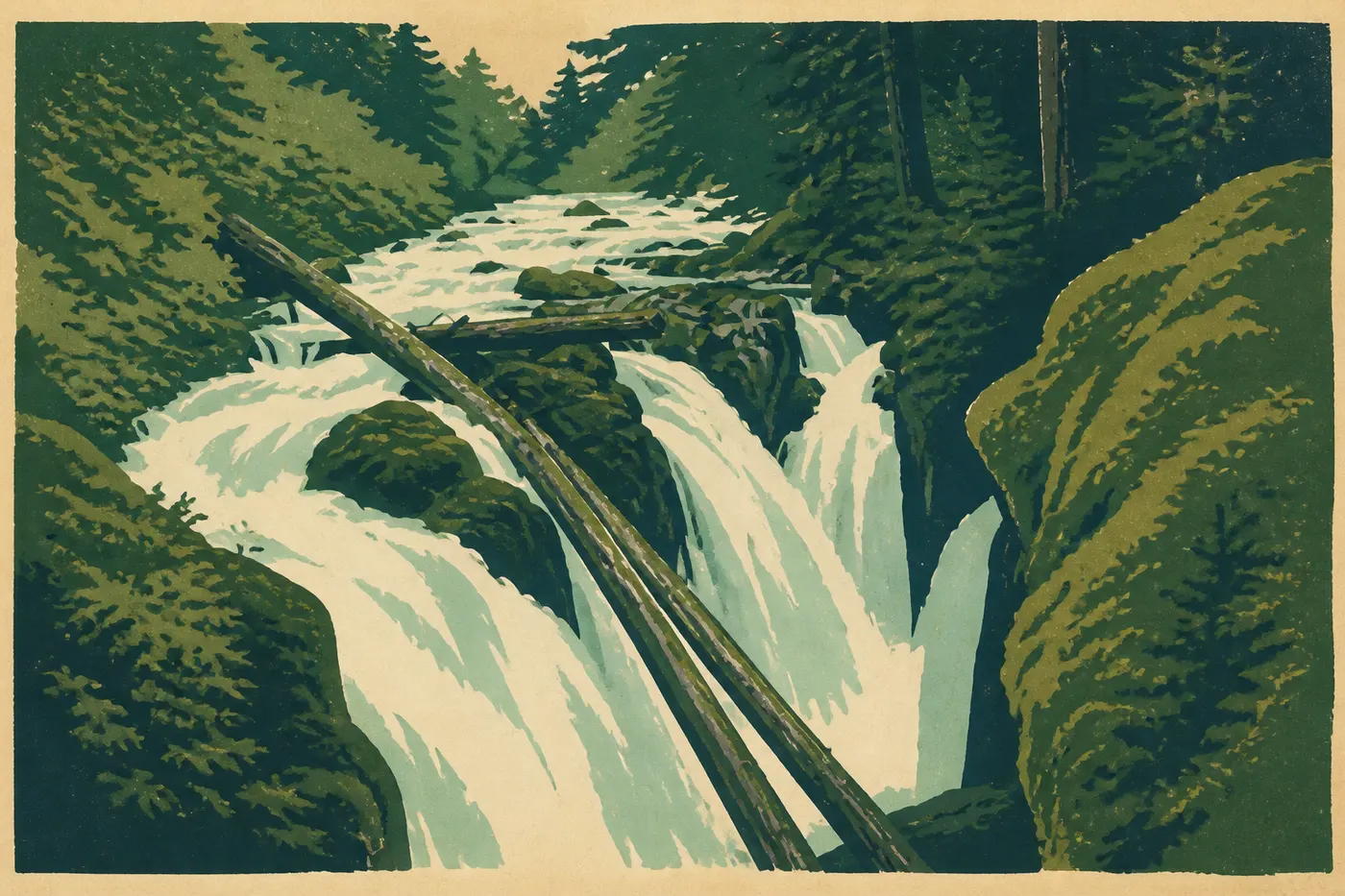
About 12 miles west of Lake Crescent, Sol Duc winds through a forest of old-growth Douglas firs and Sitka spruces. The main attraction is Sol Duc Falls, a powerful waterfall split into several channels by a rocky outcrop. The trail to the falls is flat, wide, and family-friendly (3.2 miles round-trip from the parking area).
Sol Duc Hot Springs Resort has naturally heated pools ranging from 100 to 104°F. Access to the springs costs extra beyond the park entrance fee. It's a popular stop at the end of a day of hiking, especially in fall. The resort also has cabins and a restaurant.
Time to allow: half a day to a full day.
Hoh Rain Forest: The Park's Most Unusual Experience

Hoh Rain Forest is one of the planet's few temperate rainforests. It receives between 138 and 177 inches of rain each year, creating extraordinary vegetation. The trunks of Sitka spruces and bigleaf maples are completely covered in moss and fern tendrils. Epiphytes grow on the branches. The forest feels alive in every sense of the word.
The Hoh Visitor Center is reached from Highway 101 by a narrow 19-mile road (one-way traffic on some sections during the busy season). Two short trails start at the parking area: Hall of Mosses Trail (0.7 miles, very easy, an absolute must) and Hoh River Trail (which can continue for several days to the glaciers of Mount Olympus for experienced hikers).
I hiked Hall of Mosses one November morning in a light drizzle. The fog drifting through the moss-covered canopy is hard to capture in a photograph. Even in midsummer, bring a lightweight rain jacket.
Time to allow: two hours for the two short trails, or a full day with an extension of Hoh River Trail.
The Wild Pacific Coast
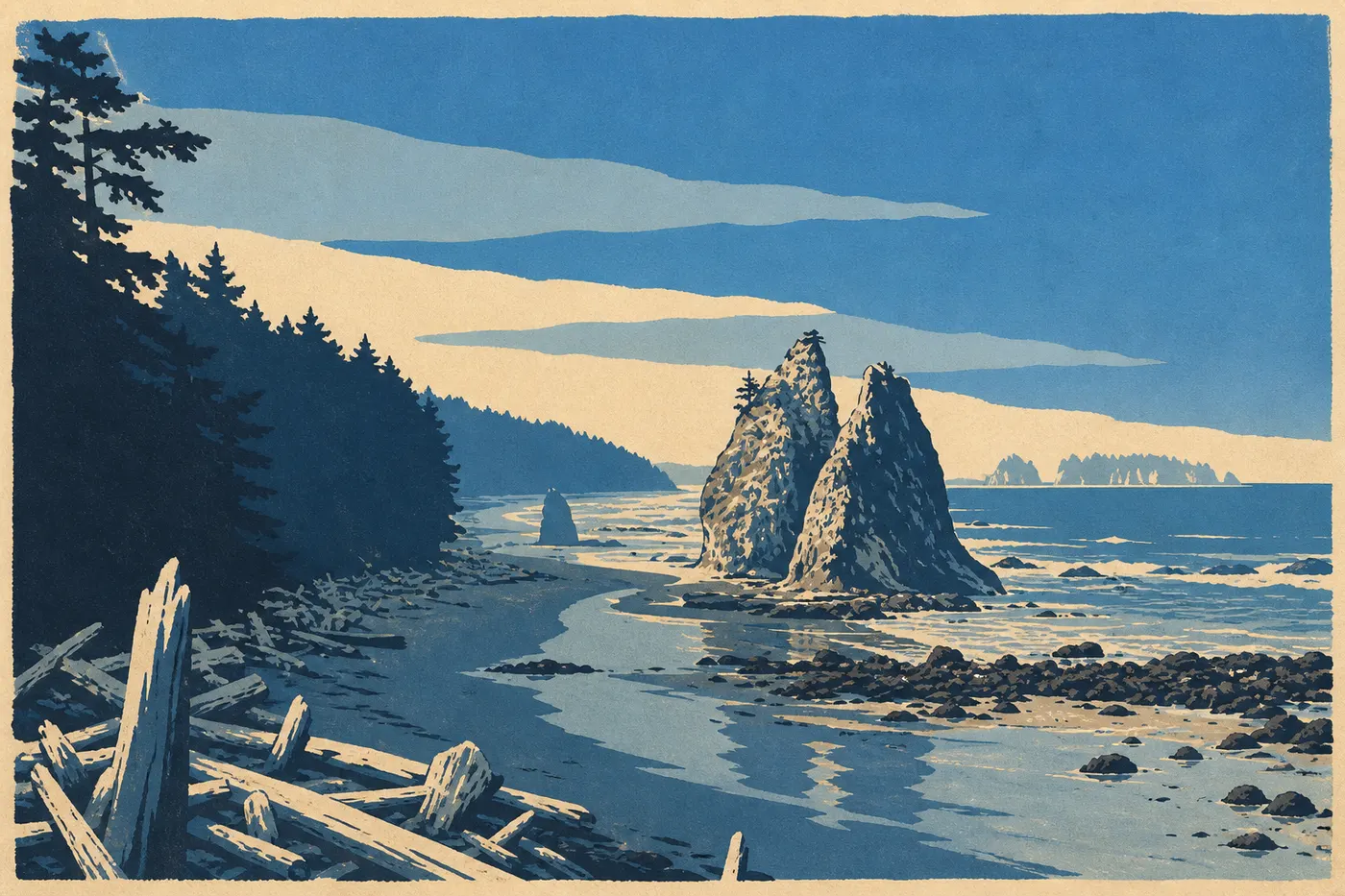
Olympic's coast stretches for about 60 miles of protected, undeveloped shoreline. You can reach it from several separate points along Highway 101, and each spot has its own character.
Rialto Beach (near La Push): a black-pebble beach lined with sea stacks, isolated rocks that rise from the water like sentinels. The coastal route to Hole-in-the-Wall (about 2.8 miles round-trip) follows the beach and passes beneath a natural arch at low tide. Be sure to check tide tables before setting out. Some sections are impassable at high tide.
Second Beach (La Push): 0.9 miles from the parking area along a forest trail, this beach opens onto views of sea stacks and rocky islets colonized by cormorants. Less crowded than Rialto, it is worth the short walk.
Ruby Beach: one of the park's most photographed spots, reached in two minutes from a parking area on Highway 101. Sunsets over the sea stacks are particularly spectacular in summer, when the sun sets late over the Pacific.
Kalaloch: a stretch of gentler sandy beaches, with a lodge and a campground perched on the bluff. This is the most accessible area for families with young children and visitors with limited mobility.
Olympic's coast is also an excellent place to watch wildlife: harbor seals on the rocks, bald eagles above river mouths, and sea otters in calm waters. Our Olympic wildlife guide lists the species and the best times to see them in each area.
Time to allow: half a day per spot, or a full day to visit Rialto Beach, Second Beach, and Ruby Beach in sequence.
Quinault Valley: The Overlooked One

Quinault Valley, in the southern part of the park, is worth the detour on trips of five days or more. Lake Quinault is surrounded by old-growth forest, with some trees rising more than 165 feet. The atmosphere differs from Hoh Rain Forest: it is more open and brighter in good weather.
Quinault Rain Forest Loop Trail (4 miles, easy) explores old-growth trees along the lake. For hikers, Enchanted Valley Trail heads 16 miles round-trip to a historic chalet surrounded by rocky walls.
Time to allow: half a day to a full day.
Olympic's Best Hikes
Olympic has more than 590 miles of marked trails. The variety is total: a coastal trail over pebbles, an alpine trail above 6,500 feet, and a walk through a century-old rainforest.
Here are a few highlights:
- Sol Duc Falls Trail: 3.2 miles round-trip, easy, and family-friendly. The waterfall at the end makes the outing worthwhile on its own.
- Hall of Mosses: 0.7 miles, very easy, in Hoh Rain Forest. Short but unforgettable.
- Hurricane Hill: 5 miles round-trip, moderate, with 360-degree views of the Olympic Mountains.
- Second Beach Trail (La Push): 1.5 miles round-trip, leading to a spectacular beach with sea stacks.
- Hoh River Trail: up to the glaciers of Mount Olympus (7,980 feet), reserved for experienced hikers spending the night in the backcountry.
- Elwha River Trail: a valley restored after the removal of the two large dams (2012–2014), with a remarkable ecological story to understand before setting out.
Details for each trail (elevation gain, duration, access, and required skill level) are in our Olympic hiking guide.
Other Activities by Interest
Wildlife Watching
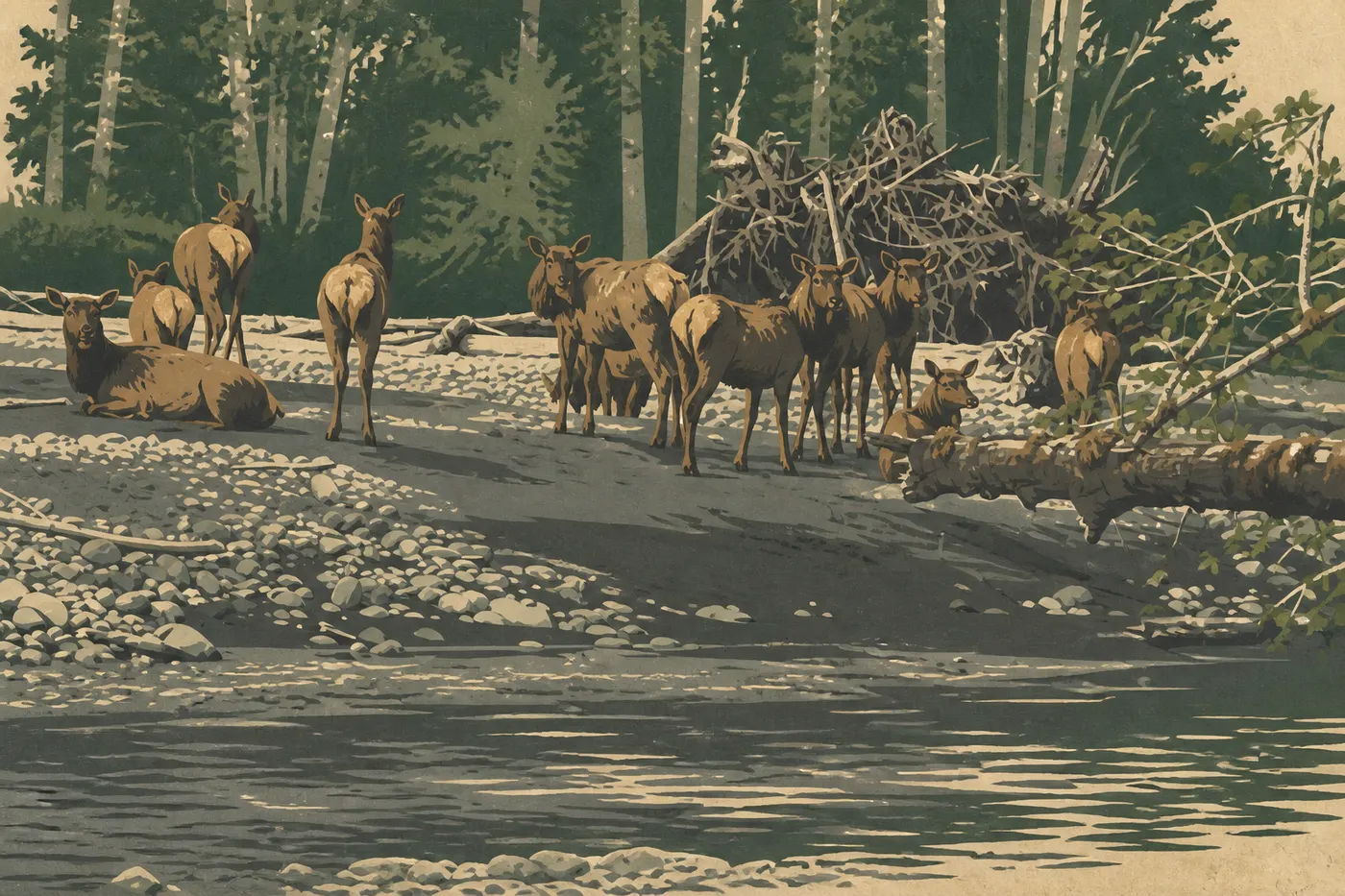
Olympic is home to one of the largest Roosevelt elk populations in the United States. You can commonly see them at Hurricane Ridge (in summer, in the morning and late afternoon) and in Hoh Valley. Along the coast, look for harbor seals on the rocks at Rialto Beach and around La Push, bald eagles above the rivers, and sea otters in calm waters.
Black bears live throughout the park. When hiking, keep food in approved containers (a bear canister or campground food lockers) and make your presence known on forest trails.
Our Wildlife page lists the species by area and season.
Kayaking and Water Activities
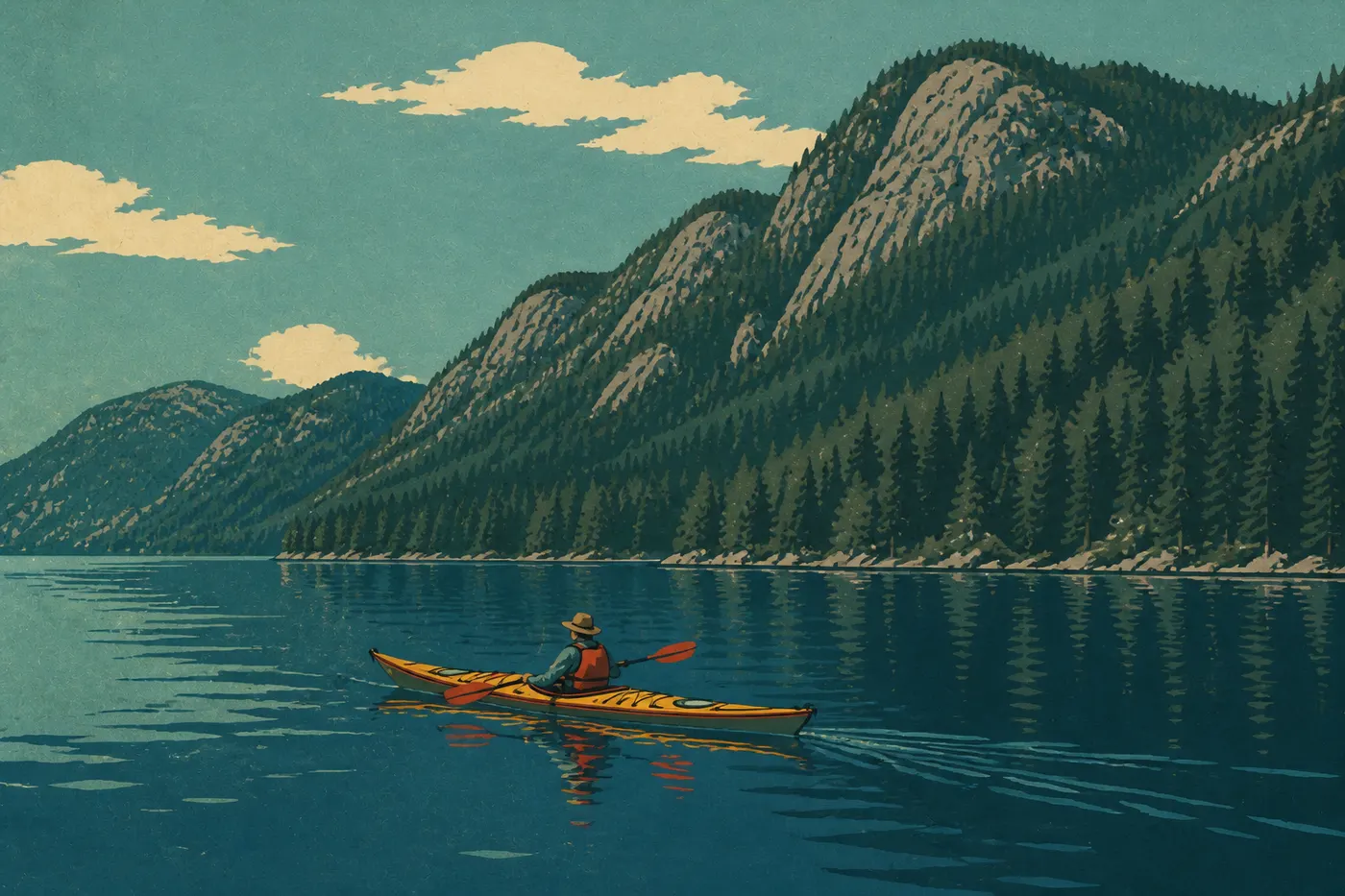
Lake Crescent and Lake Quinault are the two main bodies of water for kayaking and canoeing. Rentals are available from May through September. Because motorboats are prohibited on Lake Crescent, the water stays calm even in the busy season.
Sea kayaking is popular along the Pacific coast, but conditions can be tricky: strong currents, fog, and swell. We recommend going only if you have experience or as part of a guided trip.
Photography and Stargazing
Light pollution is very low in the park's interior areas. Ruby Beach and Rialto Beach offer especially photogenic sunsets over the sea stacks from June through September. For stargazing, Hurricane Ridge is the most open viewpoint, but the weather can change quickly. Check our Olympic weather guide before planning a night at elevation. Marine fog frequently moves inland in the evening.
Visiting with Kids

Olympic works well for families with children as young as 5 or 6 on the shorter trails. Hall of Mosses (0.7 miles, flat), Sol Duc Falls (3.2 miles, easy), and Marymere Falls (2 miles, easy) work well for younger kids. Kalaloch Beach, with its sand, is better suited to children than the pebble beaches in the northern area.
Ranger programs offered at several Visitor Centers (family-friendly activities and talks) are free and included with the park entrance fee. See our guide to visiting Olympic with kids for practical details.
Skiing and Winter Activities at Hurricane Ridge
Hurricane Ridge is home to one of the few ski areas operated within an American national park. The nonprofit ski area opens on weekends and holidays from December through March, depending on snow conditions. The terrain is modest, with a few short runs, but the setting is exceptional. Snowshoeing and cross-country skiing are possible on ungroomed trails. Check road conditions before heading up. Ice on the Hurricane Ridge switchbacks is a real concern in winter.
Things to Do Around Olympic
Port Angeles is the main logistical base on the northern Olympic Peninsula. The city has a solid range of hotels, several good restaurants, and a ferry terminal to Victoria, British Columbia. The crossing takes 90 minutes. On trips of a week or more, a half-day in Victoria is a natural side trip.
Sequim (pronounced “Skwim”), about 12 miles east of Port Angeles, sits in a rain shadow protected by the Olympic Mountains. As a result, it gets half as much rain as the rest of the peninsula. In July, the lavender fields around town make for an unexpected photo opportunity in a state known for gray skies.
Forks, in the northwest, serves as the starting point for the coast at La Push. The town gained worldwide fame thanks to a certain vampire saga. Visitors looking for the novel's settings will find museums and themed walks. Everyone else can skip them without hard feelings.
Olympia, Washington's state capital, is about 2.5 hours southeast via Highway 101. It is worth a stop for its Capitol Campus and public market along Puget Sound.
For trips that include Olympic as part of a larger circuit, our Road Trip and Washington Region guides suggest combinations such as Olympic + Mount Rainier National Park or Olympic + Victoria + Vancouver Island, depending on your time and direction.
The Essentials: What to See First at Olympic
Olympic National Park is well worth the trip, as long as you accept its archipelago-like layout. You can't tour it the way you would walk down a hallway. Choose your areas and give them the time they deserve.
For a first trip, three areas capture the essentials: Hoh Rain Forest for the rainforest (one of a kind in North America), the coast around Rialto Beach or Ruby Beach for the sea stacks, and Hurricane Ridge for the alpine contrast. With these three stops, you'll have seen three different parks in one.
As for the budget, admission is $30 per vehicle per day. The park's $55 annual pass pays for itself after two days visiting different areas. Our complete Olympic guide covers park rules, campground reservations, and seasonal closures. Our complete Olympic guide brings together every section of the park if you're starting to plan a trip from scratch.
Frequently Asked Questions
What is there to do in Olympic National Park?
Activities in Olympic National Park center on three distinct ecosystems: exploring the temperate rainforest of Hoh Rain Forest (Hall of Mosses Trail), hiking or taking in the views from Hurricane Ridge, and discovering the wild Pacific coast around Rialto Beach and Ruby Beach. These three areas are at the heart of a first visit.
How many days do you need to visit Olympic National Park?
Three days let you cover the main sights (Hoh Rain Forest, the Pacific coast, and Hurricane Ridge). With five days, you can add Sol Duc Valley, Lake Crescent, and Quinault Valley. Our Itinerary & Length page offers detailed plans based on how much time you have.
Is Olympic National Park worth visiting?
Yes. Olympic is one of the few places in the world where you can go from rainforest to an alpine glacier in a single day of driving. Its variety of landscapes, combined with lighter crowds than Yellowstone or Yosemite, makes it a strong choice for anyone looking for an authentic, less packaged outdoor experience.
What are the must-do activities in Olympic National Park?
Five experiences consistently stand out: Hall of Mosses Trail in Hoh Rain Forest, the Hurricane Ridge overlook, Rialto Beach or Ruby Beach for the sea stacks, Sol Duc Falls, and a kayaking trip on Lake Crescent. Together, these five sites cover the park's three ecosystems.
What hike should you do in Olympic National Park?
For a first visit, Sol Duc Falls Trail (3.2 miles round-trip and family-friendly) and Hall of Mosses (0.7 miles, very easy) offer the best effort-to-reward ratio. Hurricane Hill provides the biggest alpine panorama (5 miles round-trip, moderate). Our Hiking page details all the options by difficulty, area, and duration.
Do you need a reservation to enter Olympic National Park?
As of this article's publication date (July 2026), Olympic National Park does not require a timed entry reservation for general park access. Some campgrounds and areas require advance reservations through Recreation.gov, especially in July and August. Our Practical Information page lists the latest access conditions and any seasonal restrictions.