
When to Visit New River Gorge: Best Seasons, Weather, and Crowds
New River Gorge, tucked into the Appalachian Mountains of West Virginia, is open to visitors year-round, but each season offers something different. The best times to visit New River Gorge are May and June for wildflowers and quiet trails, or September and October for brilliant fall color and ideal hiking temperatures. Summer draws climbers and kayakers despite the humid heat, while winter works well for hikers who want solitude. The park is open 24 hours a day, 365 days a year.
For a first visit, plan on May for spectacular greenery, pleasant weather, and moderate crowds, or October for fall foliage. If you're visiting in October, book your lodging one to two months ahead.
New River Gorge Weather Month by Month
| Month | Low (°F) | High (°F) | Precipitation | What to Expect |
|---|---|---|---|---|
| January | 21 | 41 | Moderate | Snow possible, icy trails |
| February | 23 | 45 | Moderate | Dry cold, winter light |
| March | 30 | 54 | High | First flowers, muddy trails |
| April | 39 | 63 | High | Rhododendrons in bloom |
| May | 48 | 72 | Moderate | Ideal: cool, green, uncrowded |
| June | 57 | 81 | Moderate | Start of the summer season |
| July | 63 | 86 | High | Peak heat and humidity, thunderstorms |
| August | 61 | 84 | High | Hot and humid, high water |
| September | 54 | 77 | Moderate | Perfect temperatures, early foliage |
| October | 41 | 64 | Moderate | Brilliant foliage, peak crowds |
| November | 34 | 52 | Moderate | Quiet, morning fog, bare landscapes |
| December | 25 | 43 | Moderate | Cold, nearly empty park |
The Appalachians have a reputation for unpredictable weather. Thunderstorms can develop quickly, even on a sunny day in July. Always pack a waterproof layer, whatever the season. For a 10-day forecast and hour-by-hour details, check the New River Gorge weather forecast and planning information.
New River Gorge in January
Temperatures range from 21°F to 41°F, with snow possible along the ridges and frequent ice on shaded trails. Canyon Rim Visitor Center and Sandstone Visitor Center stay open from 9 a.m. to 5 p.m.; Grandview and Thurmond remain closed until spring. Crowds are at their lowest, and you'll often have the trails to yourself. Bare trees open up new views of the bridge and gorge.
New River Gorge in February
Cold weather continues, with temperatures from 23°F to 45°F and a risk of ice on shaded sections. Crowds remain very light, and the low winter sun gives the rock walls a distinctive character. Canyon Rim and Sandstone are open, with reduced weekday hours. South-facing climbing routes dry quickly after a sunny day.
New River Gorge in March
Temperatures climb to 30°F to 54°F, but March is one of the wettest months of the year. The first flowers appear in the lower gorge, and dirt trails can stay muddy for several days after rain. River flows reach their annual peak, creating ideal conditions for spring rafting. Seasonal visitor centers begin reopening toward the end of the month.
New River Gorge in April
April, with temperatures from 39°F to 63°F, is rhododendron and wild azalea season, creating a unique display in the Appalachians. Rain remains common, so pack waterproof clothing. Guided rafting officially resumes, and local outfitters run trips through the rapids of the Lower Gorge. Crowds remain moderate despite the beauty of the season.
New River Gorge in May
May is our favorite month for a first visit, with temperatures from 48°F to 72°F, intensely green vegetation, and relatively few thunderstorms early in the month. All visitor centers have reopened, and campgrounds are easy to use before the summer rush. Climbing picks up on the dry cliffs. May offers the best balance of weather, full access, and quiet trails.
New River Gorge in June
Temperatures rise to 57°F to 81°F, and humidity settles in. The heat is noticeable on the valley floor, but higher elevations remain comfortable early in the morning. Late-afternoon thunderstorms become more intense, so hit the trail before 2 p.m. All services are open, and rafting outfitters are running at full capacity. Crowds are heavier than in spring but haven't reached the July-August peak.
New River Gorge in July
July is the hottest and wettest month, with temperatures from 63°F to 86°F and about 120 mm of rain. Thunderstorms can develop in less than 20 minutes, so check the morning forecast before every outing. This is peak season for whitewater rafting and early-morning climbing, as long as you choose routes that are still shaded. Book lodging and guided activities several weeks ahead.
New River Gorge in August
Heat continues, with temperatures from 63°F to 84°F, high humidity, and frequent thunderstorms. The river is high, making the rapids well suited to kayaking and rafting. Crowds remain heavy, especially on weekends. Start your hike at dawn to enjoy the cool morning air before the heat sets in.
New River Gorge in September
September, with temperatures from 54°F to 77°F, is ideal for climbing. The cliffs are dry, mornings are cool, and afternoons are mild. Thunderstorms become less frequent, and foliage begins to turn at higher elevations toward the end of the month. Crowds stay moderate early in September before rising as October approaches. This is the best month for combining excellent conditions with relatively light crowds.
New River Gorge in October
October, with temperatures from 41°F to 64°F, is the park's signature month. Appalachian foliage shifts from yellow to orange and red, and views from the Grandview Rim Trail or the gorge rim are striking. It's also the busiest month, with a peak around Bridge Day, held on the third Saturday. Book your lodging one to two months ahead if you're targeting that weekend. Visit on a weekday to avoid crowded parking lots.
New River Gorge in November
In November, with temperatures from 34°F to 52°F, the park settles down after October's rush. Bare trees open up the gorge views, and the low light of late fall is excellent for landscape photography. Seasonal visitor centers begin closing, while Canyon Rim and Sandstone remain open with reduced hours. It's a good time for climbers: the cliffs dry quickly and the crowds are gone.
New River Gorge in December
December, with temperatures from 25°F to 43°F, is the quietest month of the year. Overnight freezes can ice shaded trails, so trekking poles and shoes with good traction are recommended. Grandview and Thurmond are closed, while Canyon Rim and Sandstone remain accessible on winter schedules. If you're looking for complete solitude and a stark gorge landscape, December is a serious option.
New River Gorge Season by Season
Winter (December to February)
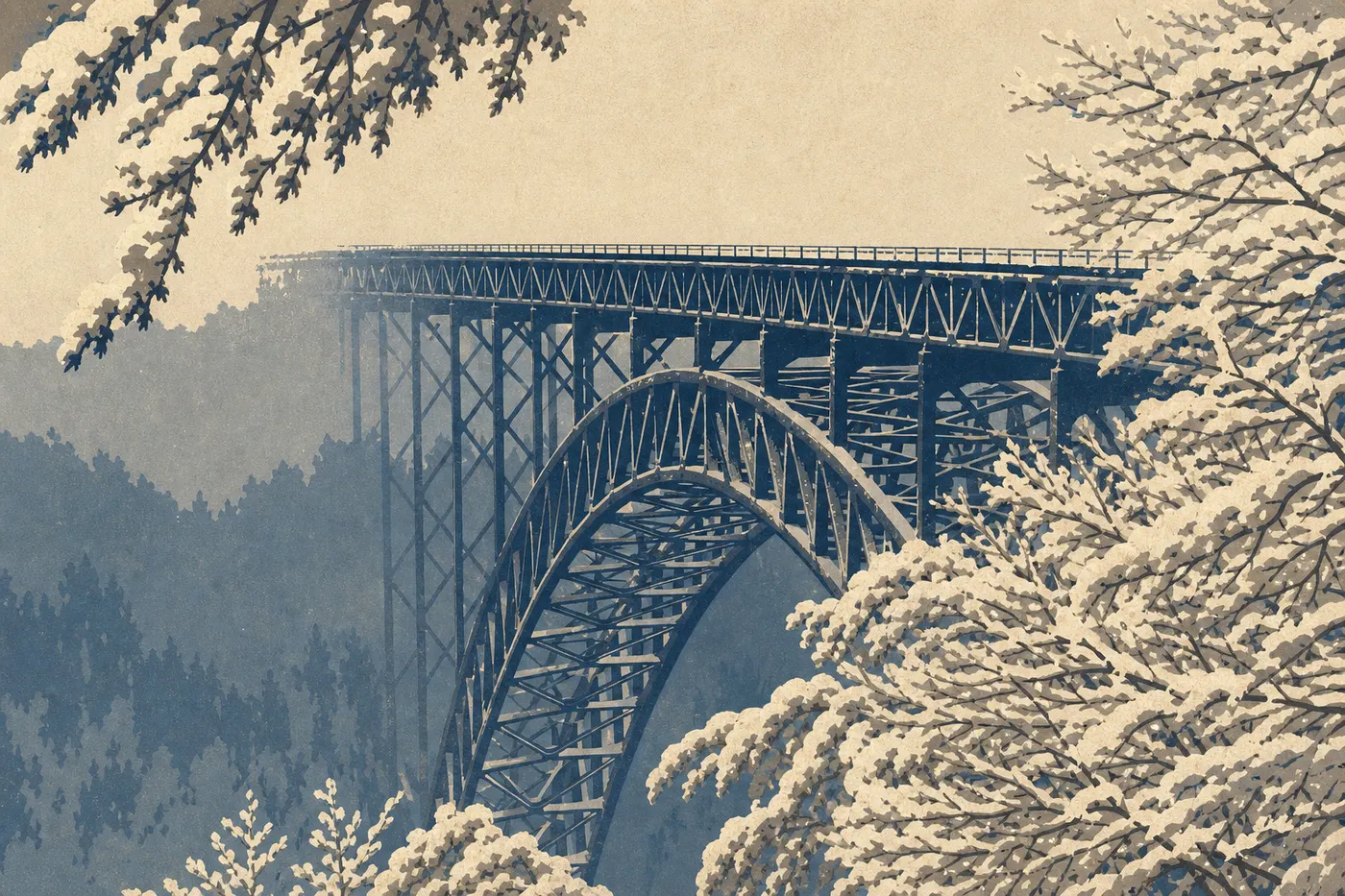
The park empties out almost completely. Temperatures regularly fall below freezing, snow covers the ridges, and trails can turn icy, especially in shaded areas. Locals who want peace and quiet often prefer this season. Views of the New River Gorge Bridge, 2,200 feet above the river, open up after the trees lose their leaves.
The two main visitor centers, Canyon Rim Visitor Center and Sandstone Visitor Center, stay open from 9 a.m. to 5 p.m.; the seasonal centers at Thurmond and Grandview close until spring. Deer are often easy to spot along the forest edge.
Best for: self-sufficient hikers seeking complete solitude. Winter gear is essential.
Spring (March to May)
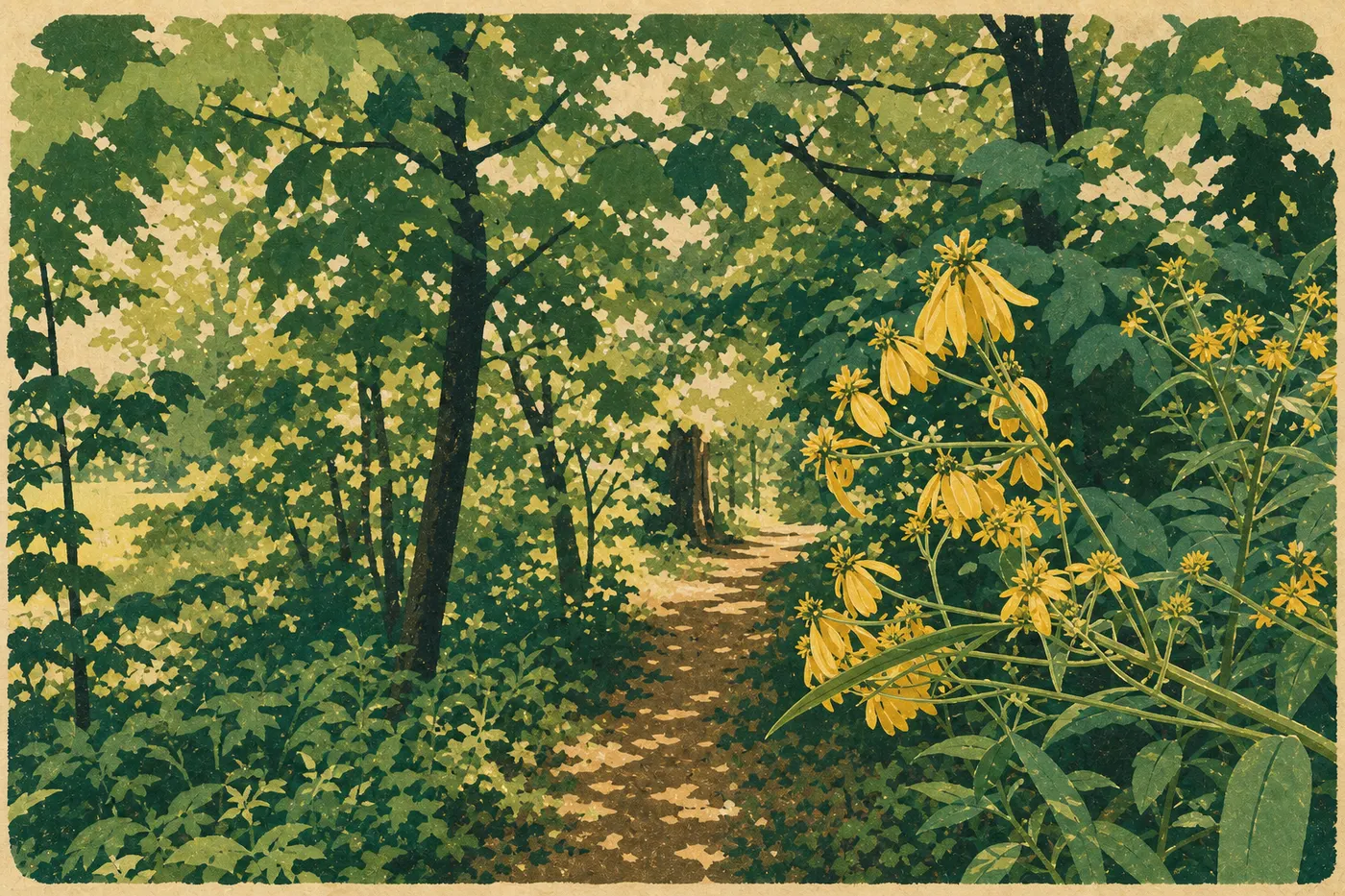
Spring is the park's most spectacular season for wildflowers. Rhododendrons and wild azaleas burst into bloom from April through early May, while the rock walls along the New River turn soft green. The downside is that March and April are the wettest months of the year. Dirt trails stay muddy for several days after a heavy shower.
River flows reach their highest levels in March and April, creating ideal conditions for rafting the Lower Gorge rapids, rated Class III to V. The guided rafting season officially begins once local outfitters consider water levels safe, usually in late March.
Best for: wildflower enthusiasts, spring rafters, and landscape photographers. May is our favorite month for a first visit.
Summer (June to August)
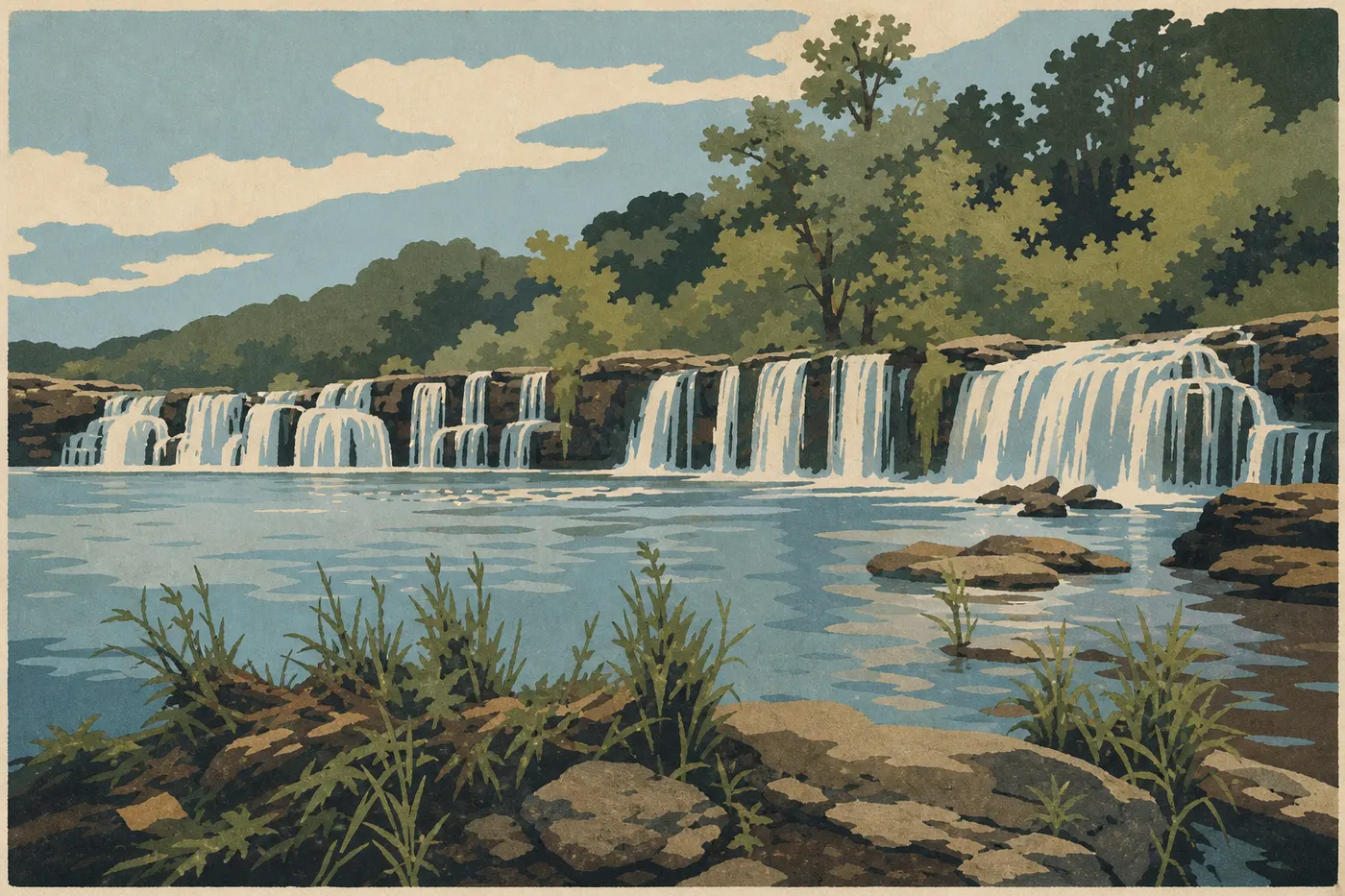
July is the hottest month of the year. Highs approach 86°F, and Appalachian humidity makes the heat feel heavy. Late-afternoon thunderstorms are common and can be severe. During an August visit, we watched a storm sweep through the canyon in less than 20 minutes. Setting out without checking the morning forecast is a mistake.
Summer is still the peak tourist season, driven by climbers, with more than 1,600 climbing routes in the park, and families on road trips. Bridge Day, held on the third Saturday in October, is the one day when US-19 is closed to cars for skydivers and rappellers, but crowds start building in summer.
Best for: climbers, kayakers, and families. It works well if you start early and take breaks in the shade.
Fall (September to November)
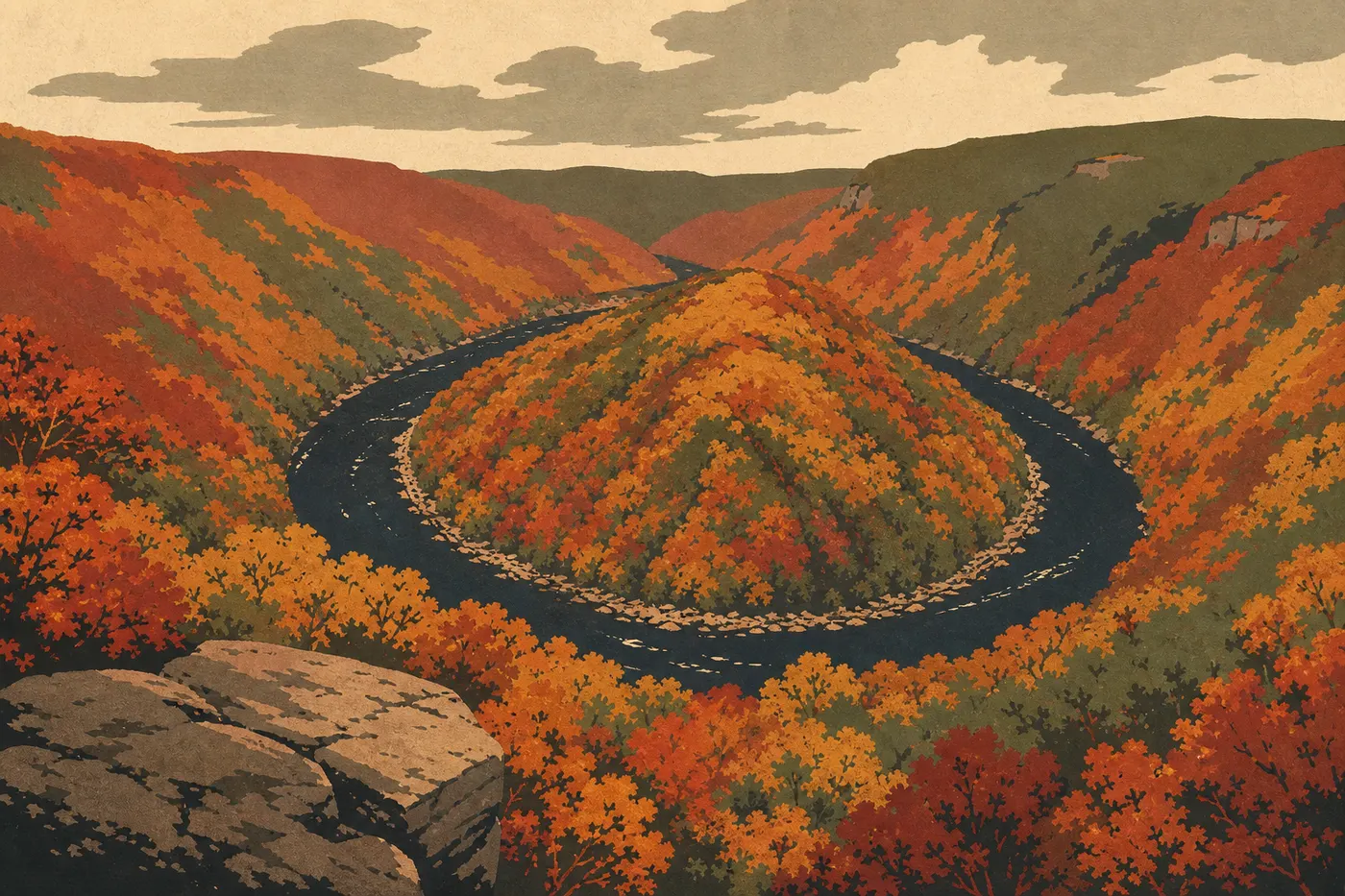
September and October are by far the two most popular months. Appalachian foliage changes from green to yellow, orange, and red between late September and mid-October. Ridges seen from the bridge or the Grandview Rim Trail put on a striking show. Temperatures become ideal for hiking, around 50°F to 77°F, thunderstorms taper off, and the fall light is perfect for photography.
October brings the year's largest crowds, especially around Bridge Day. Book your lodging several weeks ahead if you're visiting during this period.
Best for: every type of visitor. October is the height of the season, so plan accordingly.
Crowds: When to Avoid Them
New River Gorge remains a relatively under-the-radar national park. It was designated a national park only in December 2020. Crowds don't reach Yellowstone or Zion levels, but October weekends can fill parking lots at popular trailheads.
| Period | Crowd Level | Comments |
|---|---|---|
| January-February | Very low | Nearly empty park |
| March-April | Low to moderate | Muddy, but uncrowded |
| May-June | Moderate | Our ideal window |
| July-August | High | Peak summer season |
| September | Moderate to high | The perfect balance of conditions and crowds |
| October | High to very high | Foliage and Bridge Day |
| November-December | Low | Quiet returns |
On weekdays, attendance drops by about 40% compared with weekends, including in October. If you're arriving on a Saturday, plan ahead.
Seasonal Reservations and Access
New River Gorge doesn't use a paid timed-entry system like Arches or Zion. The park is free to enter and accessible 24 hours a day, year-round. You don't need a permit to hike the main trails.
Some activities do require seasonal planning:
- Climbing: Wet cliffs in spring can be unsafe or unusable. The best conditions run from late April through November.
- Guided rafting: Outfitters generally operate from March through October, depending on river levels. Book your trip several days ahead in July and August.
- Camping: The park's campgrounds, including Grandview and the Thurmond area, generally don't require reservations outside peak weekends. Check Recreation.gov for seasonal details; the New River Gorge camping guide covers the options.
Best Time to Visit on a Budget
New River Gorge is one of the few U.S. national parks with no entrance fee. Most of your budget will go toward lodging and guided activities.
Low season (December to March): Motels and B&Bs around Fayetteville, the main gateway town, offer their lowest rates. You can usually find a room for less than $80 a night, compared with $150-$200 in October. Rafting outfitters aren't operating yet, but hiking and climbing opportunities remain plentiful.
Shoulder season (May-June and November): This is the best value. Lodging is affordable, at $90-$120, the park looks great, and you won't encounter lines.
Peak season (July-August and October): Prices rise, and lodging near the park fills up on weekends. Book one to two months ahead. The park lodging guide and hotel and lodge guide break options down by area.
When to Visit Based on Your Interests
| Your priority | Best time | Learn more |
|---|---|---|
| Hiking | May-June, September-October | Hiking |
| Climbing | October-November (dry conditions) | Things to Do |
| Rafting / kayaking | March-April (high water), June-August (guided trips) | Things to Do |
| Landscape photography | October (foliage), May (wildflowers) | Map |
| Wildlife | September-November (deer, migratory birds) | Wildlife |
| Families with kids | June-August (visitor centers open, guided activities) | With Kids |
| Budget travel | December-March | Where to Stay, Camping |
For a first trip, our complete New River Gorge guide gives you an overview of the park, access points, and must-see sights.
In Summary: The Best Time for Every Type of Visitor
May for wildflowers, quiet trails, and ideal temperatures. October for spectacular foliage, as long as you plan your lodging early. July and August if you're coming for rafting or family-friendly climbing. Winter if you want complete solitude and don't mind the cold.
New River Gorge is accessible in every season. That's what makes it an underrated park: there isn't a bad time to visit, only expectations to match with the conditions.
The Worst Time to Visit New River Gorge
July and August bring the biggest drawbacks: oppressive heat, reaching 86°F, amplified by Appalachian humidity; severe late-afternoon thunderstorms; active mosquitoes on the gorge floor; and heavy crowds. If you're sensitive to heat or prefer hiking without watching the clock, approach this period carefully. Start at dawn and take midday breaks in the shade.
Winter has its own risks, from icy trails and closed seasonal visitor centers to reduced services. It's not a bad time for a well-equipped, self-sufficient hiker, but it doesn't suit families with young children or visitors counting on guided activities and the park's full range of services.
Frequently Asked Questions
What's the best time to visit New River Gorge?
The best time is mid-September to mid-October for fall foliage and mild temperatures, or May through early June for wildflowers and moderate crowds. Both windows offer the best combination of conditions, a rewarding visit, and quiet trails.
Can you visit New River Gorge in winter?
Yes. The park is open 24 hours a day, 365 days a year, including December and January. The main visitor centers, Canyon Rim Visitor Center and Sandstone Visitor Center, remain open on reduced schedules. Grandview and Thurmond close for the season, guided rafting doesn't operate, and trails can be icy, so bring appropriate winter hiking gear.
What month has the fewest visitors?
January is the quietest month. Parking lots are empty and trails are nearly deserted. December and February are similar. If solitude is your priority, winter is ideal, provided you're comfortable with cold conditions and reduced services.
Is the park open in December and year-round?
The park itself doesn't have opening hours. It's free to enter and accessible 24 hours a day, year-round. Some visitor centers and seasonal services, including campgrounds and secondary visitor centers, close in winter, but you can hike and reach overlooks at any time of year.
When is peak season at New River Gorge?
Peak season covers July and August, driven by rafting, climbing, and family travel, and especially October, which brings the year's highest attendance thanks to fall foliage and Bridge Day, held on the third Saturday of the month. October weekends are the busiest time of year.
What's the weather like at New River Gorge?
New River Gorge has a humid continental climate typical of the Appalachians. Summers are hot and humid, reaching 86°F in July. Winters are cold and snowy, with nighttime lows around 21°F. Rain falls throughout the year, with a peak in July.
How long do you need to visit New River Gorge?
Plan on at least two days to cover Canyon Rim and Grandview. Three to five days gives you time to add climbing, rafting, or a trip to Thurmond. The New River Gorge itinerary offers plans for different trip lengths.
How much does a trip to New River Gorge cost?
Admission is free. Your daily budget depends on your lodging and activities. Expect to pay $80-$120 per night for lodging and $50-$100 for a half-day guided rafting trip. Our Where to Stay page covers lodging options in detail. For entrance fees and national passes, National Park Fees & Passes provides the key information.