
Katmai by RV: Campgrounds, Rules, and Practical Tips
Katmai isn't a park you can reach by RV. No road connects King Salmon, the park headquarters, to the rest of Alaska's road system, and no road crosses the park itself. To reach Brooks Camp and its grizzly bears, your only option is a floatplane from King Salmon. The RV you'd drive up from Anchorage will stay parked.
The short answer: No, you can't reach Katmai by RV or stay there in a motorhome. The park is accessible only by plane or boat. Campgrounds are tent-only. This guide is therefore about what you can do instead and how to plan a "camping" trip to Katmai.
Can You Drive and Camp in an RV at Katmai?
The limitation isn't a regulation. It's geography. Katmai lies on the Alaska Peninsula, about 292 miles southwest of Anchorage. King Salmon, where the park offices are located, is itself accessible only by commercial flight from Anchorage, a trip of about an hour. No paved or unpaved road connects it to the state's main road system.
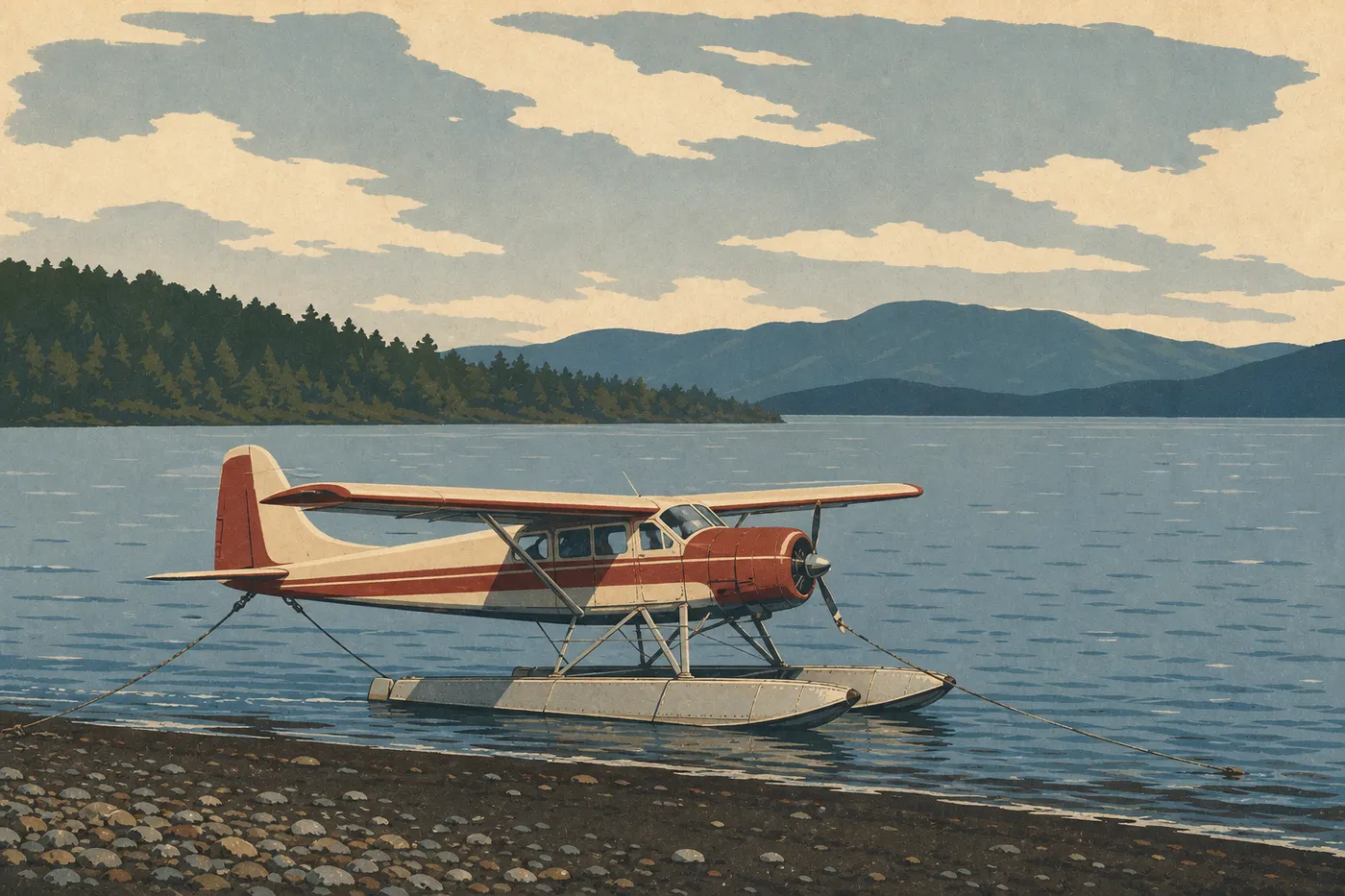
From King Salmon, visitors take a floatplane operated by local companies to reach Brooks Camp, the falls, viewing platforms, and campground. The flight takes about 20 minutes.
So there are no RV sites, electrical hookups, or dump stations within Katmai's boundaries.
Access Restrictions and Logistics for Visitors
The usual restrictions found in road-accessible parks, such as vehicle length, tunnel clearance, and prohibited roads, don't apply here. Instead, Katmai has its own constraints, shaped by wildlife and the site's wilderness character.
Bears: Katmai is home to one of the highest densities of brown bears in North America. Store all food, dishes, and anything with an odor in the bear boxes provided at the campground. No food in your tent. No exceptions.
Luggage limits: Your camping gear travels in the floatplane, and each operator has strict weight limits. In general, plan on 31 to 44 pounds of luggage included per person, with an additional charge above that limit.
Reservations required: Brooks Camp Campground sites go fast. Recreation.gov opens summer dates in January, and July availability can disappear within minutes.
The Katmai guide covers the park's current wildlife guidelines and safety rules.
Official Campgrounds in the Park
Brooks Camp Campground
This is the only official campground accessible to individual visitors. It sits along Naknek Lake, a few hundred yards from Brooks Falls. Tent sites only. There are no RV sites and no water or electrical hookups.
- Sites: About 20, all for tents
- Hookups: None
- Cost: About $12 per person per night. Check the current rate on recreation.gov, since NPS fees are revised.
- Season: June through September. July and the first half of August are the busiest period, thanks to sockeye salmon and bears.
- Reservations: Through recreation.gov, and essential months in advance
- Facilities: Restrooms, treated drinking water, required bear boxes, and an electric fence around the perimeter
- Access: Floatplane from King Salmon only
An informal waitlist is available from rangers in the morning, but there are no guarantees.
Backcountry Camping and Wilderness Camping
Beyond Brooks Camp, Katmai offers several million acres of tundra, coastline, and valleys for backcountry camping. This is the park's version of boondocking: no designated sites, no services, complete freedom, and near-guaranteed solitude.
Conditions to follow:
- Submit a backcountry use permit, free of charge, to the rangers before setting out.
- Carry certified bear spray. It's a practical requirement, not an optional recommendation.
- Follow Leave No Trace principles: leave no trash and no food scraps in the wilderness.
- Share an evacuation plan with an outside contact before you leave.
The Valley of Ten Thousand Smokes and the park's coast are among the most spectacular areas for wilderness camping.
The Katmai backcountry camping areas and wildlife precautions are detailed there.
King Salmon: Your Base Before Entering the Park
King Salmon is a necessary stop. Plan to spend at least one night there before taking the floatplane. Flights from Anchorage arrive during the day, while floatplanes to Brooks Camp generally depart in the morning.
The town has an airport, a few hotels and B&Bs, a gas station, a basic grocery store, and the park's visitor center. Options are limited, so book your King Salmon lodging at the same time as your flight.
For travelers arriving by RV as part of a longer Alaska trip, King Salmon is accessible by cargo plane for vehicles, but that's expensive and impractical. Most travelers leave their vehicle in Anchorage and make the round trip by air.
Dumping, Water, and Services
Inside the park, there are no dump stations, waste-disposal services, or RV infrastructure. Brooks Camp has treated drinking water and restrooms, but nothing else.
King Salmon has a few basic services for vehicles. If your Alaska RV trip includes Katmai as a fly-in, fly-out stop, handle wastewater at the other stops on your route, such as Anchorage, the Kenai Peninsula, and Homer.
Choosing the Right Stay for Your Travel Style
You want to camp closest to the action: Brooks Camp Campground puts you within a few hundred yards of the bears. It's the only way to see Brooks Falls at dawn, before the day-trip groups arrive.
You prefer all-inclusive comfort: Brooks Lodge offers bungalows with meals included, just steps from the viewing platforms. Access during the quieter hours is a real advantage. The rate exceeds $800 per person per night, excluding flights.
You want a true wilderness experience: The backcountry is accessible with a free permit. Plan on several days, a complete self-sufficient camping setup, and prior experience in bear country.
All lodging options at Katmai are compared in the park lodging guide, from fishing lodges to lakeside tents.
Renting an RV for an Alaska Trip
Renting an RV won't get you into Katmai, but it's a great way to explore Alaska around a visit to the park. A typical route from Anchorage includes the Kenai Peninsula and Homer, with a side trip to Katmai by air.
RV rental agencies are based in Anchorage. Book six to 12 months ahead for July and August, since vehicles are scarce during the peak season.
To build your itinerary from Anchorage, the Katmai access guide lists airlines and flight connections.
Wildlife, Budget, and Reservations: The Essentials
Pets: Dogs aren't allowed inside the park, either at Brooks Camp or in the backcountry. Plan to board them in King Salmon or Anchorage.
Entrance fees: Katmai doesn't charge an entrance fee. The America the Beautiful pass, at $80 per year, therefore doesn't save you money on park access. The National Parks Entrance Fees & Passes page explains entrance fees and passes for Alaska's parks.
Estimated budget for a "camping" trip to Katmai:
- Round-trip commercial flight from Anchorage to King Salmon: about $300 to $500, depending on the season
- Round-trip floatplane from King Salmon to Brooks Camp: about $400 to $600 per person
- Brooks Camp Campground site: about $12 per person per night
These figures are estimates. Check the current rates when you book.
When to book: Campground sites open on recreation.gov in January for the summer season. Book floatplane flights at the same time. At Brooks Lodge, July dates often sell out within a few hours of the annual booking window opening.
The seasonal windows for bears, salmon, and crowds are detailed in Katmai: When Should You Go? to help you choose your week.
In Summary: Our Katmai Camping Plan
Katmai requires you to accept rules that differ from those of other national parks. You don't drive to the park. You fly to King Salmon, take a floatplane from there, and camp in a tent at Brooks Camp or in the backcountry. The logistics are demanding, but that's exactly what preserves a wilderness experience without crowds.
Our three-step recommendation:
- Book a site at Brooks Camp, or a room at Brooks Lodge, as soon as dates open in January.
- Line up your Anchorage to King Salmon flights and your floatplane right afterward.
- Build Katmai into a larger Alaska RV itinerary from Anchorage, using the Kenai Peninsula as the main route and treating the park as a fly-in side trip.
Frequently Asked Questions
How do you camp at Katmai?
Camping at Katmai means booking a site at Brooks Camp Campground through recreation.gov, with tents only and a cost of about $12 per person per night, then taking a floatplane from King Salmon to the campground. Backcountry camping is also allowed throughout the park with a free permit issued by rangers.
How do you get to Katmai?
You reach Katmai in two stages: a commercial flight from Anchorage to King Salmon, about an hour, then a floatplane or boat from King Salmon to Brooks Camp. The floatplane ride takes about 20 minutes. No road connects King Salmon to the heart of the park. Our Access & Transportation page lists the operators and schedules.
Can you visit Katmai by RV?
No. Katmai isn't connected to Alaska's road system, and there are no RV sites inside the park. An RV can serve as a base in Anchorage or on an Alaska road trip, but you can reach the park itself only by air or water.
Can you park an RV at Katmai?
There are no parking areas or RV sites inside the park. King Salmon, the stopover town, has parking areas for vehicles, but no road continues from there to the park.
How much does a campsite at Katmai cost?
A site at Brooks Camp Campground costs about $12 per person per night, subject to NPS rate changes. Brooks Lodge costs between $800 and $1,200 per person per night, all-inclusive except for flights. Check current rates on recreation.gov and on the Katmai Wilderness Lodge website.
When is the best time to visit Katmai?
July is the peak season for sockeye salmon and bear viewing at Brooks Falls, and it's also the most competitive time to visit. September offers better availability, bears in a period of intense hyperphagia, and fewer people. Our When to Go page compares all the seasonal windows to help you decide.