
When to Visit Katmai: Best Time, Seasons, and Park Access
Katmai isn't a park you visit on a whim. With no road access and a location between the North Pacific Ocean and the Bering Sea, it stands apart from the rest. The best time to visit Katmai is early July for the spectacle at Brooks Falls and the first salmon run, or September for bears in hyperphagia with the park at its quietest. This is the only window when brown bears converge on Brooks Falls in large numbers, flights from King Salmon run regularly, and the weather, while far from mild, remains manageable. July delivers the park's most anticipated spectacle, with the first sockeye salmon run and a concentration of bears rarely matched elsewhere. September is quieter. The bears are in full hyperphagia, the crowds have thinned, and the first colors of the Alaskan fall begin to spread across the tundra.
Katmai Weather Month by Month
Set between two of the world's most unstable ocean systems, Katmai collects one unsettled weather system after another. The NPS puts it plainly: spring, summer, and fall are cool and wet; winter is drier but considerably colder. The table below gives indicative averages for the King Salmon area, the park's administrative headquarters, about 289 miles southwest of Anchorage.
| Month | Low | High | Precip. | What to expect |
|---|---|---|---|---|
| January | 9 °F | 25 °F | 25 mm | Polar winter, access nearly impossible |
| February | 9 °F | 25 °F | 20 mm | Same conditions |
| March | 18 °F | 34 °F | 18 mm | Still snow-covered |
| April | 27 °F | 43 °F | 22 mm | Slow thaw, no flights |
| May | 36 °F | 54 °F | 35 mm | Gradual opening, mosquitoes emerging |
| June | 45 °F | 63 °F | 58 mm | Season getting underway, bears active |
| July | 48 °F | 66 °F | 68 mm | Peak wildlife activity, first salmon run |
| August | 46 °F | 64 °F | 75 mm | Wettest month, hyperphagia underway |
| September | 37 °F | 54 °F | 65 mm | Excellent balance of wildlife and solitude |
| October | 25 °F | 39 °F | 40 mm | Season closed to most visitors |
| November | 16 °F | 28 °F | 30 mm | Winter settling in |
| December | 9 °F | 23 °F | 28 mm | Complete closure |
These figures are approximate. For short-term forecasts and hour-by-hour details before you leave, check the detailed Katmai weather forecast.
Katmai in January
Temperatures range from 9 °F to 25 °F, with dry, polar conditions. The park is technically open, but no scheduled flights serve Brooks Camp and no visitor services are operating. Only fully self-sufficient expeditions with complete Arctic gear are feasible. For most visitors, January is a month to rule out.
Katmai in February
The cold remains similar to January, between 9 °F and 25 °F. The park stays inaccessible by the usual routes, and no facilities open. A few rare expeditions travel across the frozen terrain, but there is nothing to see in the usual tourist sense. This month is strictly for highly self-sufficient adventurers.
Katmai in March
Temperatures rise slightly, ranging from 18 °F to 34 °F, and daylight gradually returns. The snowpack remains deep and the routes are impassable. There are no charter flights and no lodging open in the park. This month appeals only to self-sufficient adventurers with solid experience in subarctic conditions.
Katmai in April
The thaw begins, with temperatures between 27 °F and 43 °F, but trails remain impassable and service to Brooks Camp hasn't resumed. The first scheduled flights from Anchorage to King Salmon gradually return, with no guarantee of connections into the park. This is a transition month to avoid for a standard visit.
Katmai in May
Temperatures stay above freezing, ranging from 36 °F to 54 °F, and the first charter flights to Brooks Camp begin to take shape, though schedules aren't reliable. Park facilities are still being set up, and the salmon run hasn't begun. Mosquitoes appear as soon as the ice melts, sometimes in large numbers. This month is for visitors comfortable with logistical uncertainty and changing trail conditions.
Katmai in June
Brooks Camp generally opens around mid-June. Bears resume patrolling the banks of Brooks River. They're active, but the dramatic concentration seen in July hasn't arrived yet. Temperatures range from 43 °F to 64 °F, with frequent showers. Crowds are light, lines are nonexistent, and prices are slightly lower than in peak season. Mosquitoes are at their worst early in the month. June is a good choice for visitors who want to discover the park in peace and don't mind bear activity that is still building.
Katmai in July
This is Katmai's headline month, with temperatures ranging from 46 °F to 68 °F and frequent rain, totaling about 68 mm. The first sockeye salmon run brings a spectacular convergence of brown bears to Brooks Falls. The wait for the viewing platform can exceed an hour during the first half of July. Book flights and lodging at least 12 months ahead, no exceptions.
Katmai in August
Temperatures are close to July's, ranging from 45 °F to 66 °F, and skies are often overcast. A second salmon run keeps the bears highly active as they enter full hyperphagia. Crowds drop noticeably from July, making the viewing platform more comfortable. August is an excellent month for combining intense wildlife activity with access that feels less pressured.
Katmai in September
Temperatures range from 36 °F to 55 °F, with a noticeable return of cooler weather. The bears are massive and focused on building fat reserves before hibernation. The tundra turns gold and russet for a few weeks. Crowds are light to moderate, and rates are slightly lower than in peak season. Overnight freezes usually arrive around mid-September, and Brooks Camp typically closes in early October. This is our recommendation for the best balance of wildlife, light, and solitude.
Katmai in October
Temperatures fall again, ranging from 25 °F to 43 °F, and closures move quickly. Brooks Camp usually closes for the season in early October. A few organized expeditions may still reach the park during the first days of the month, but available services are extremely limited. October is more a month of closure than a month for visiting in the usual sense.
Katmai in November
Winter cold settles in for good, ranging from 16 °F to 28 °F. Lodges are closed and charter flights are suspended. The park returns to its most untamed state. It is accessible only to very well-equipped expeditions and beyond the reach of the average traveler.
Katmai in December
Bitter cold sets in, with temperatures between 9 °F and 23 °F, and the park is deserted. No visitor services are operating. Reaching the park's interior requires complete self-sufficiency and gear suited to the harshest subarctic conditions. For nearly all visitors, December is a month to rule out without hesitation.
Katmai Season by Season
Winter (November to April)
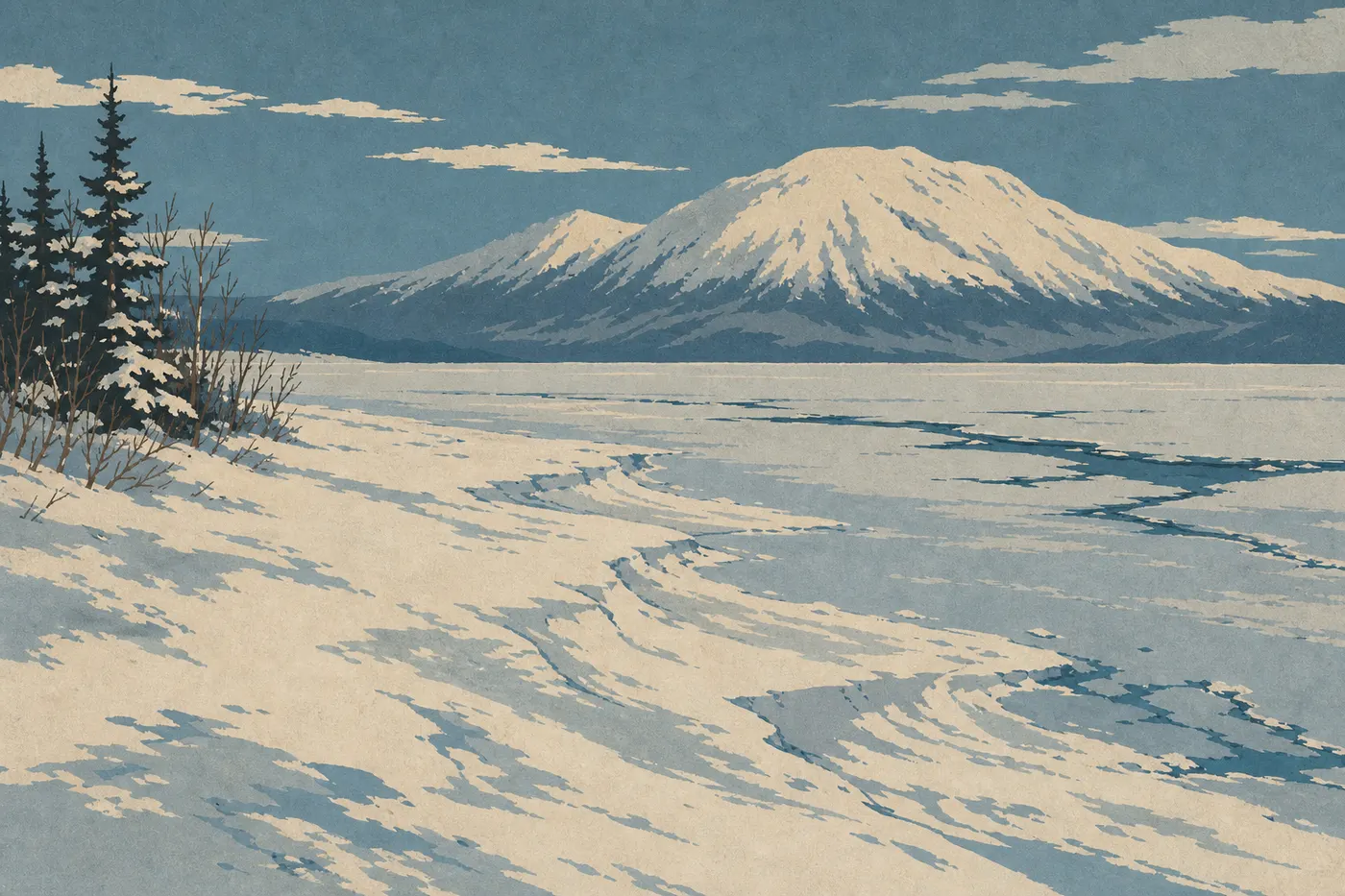
Winter in Katmai is for the rare insiders who travel by backcountry ski or snowmobile, not the average visitor. The park is technically open 24/7, but Brooks Camp facilities close after the summer season. The Valley of Ten Thousand Smokes disappears beneath the snow as early as November. Charter flights into the park's interior are rare and expensive in the off-season. If you're considering a winter trip, plan to be fully self-sufficient and bring strong experience in Arctic conditions. For most visitors, this is a period to rule out without regret.
Spring (May to mid-June)
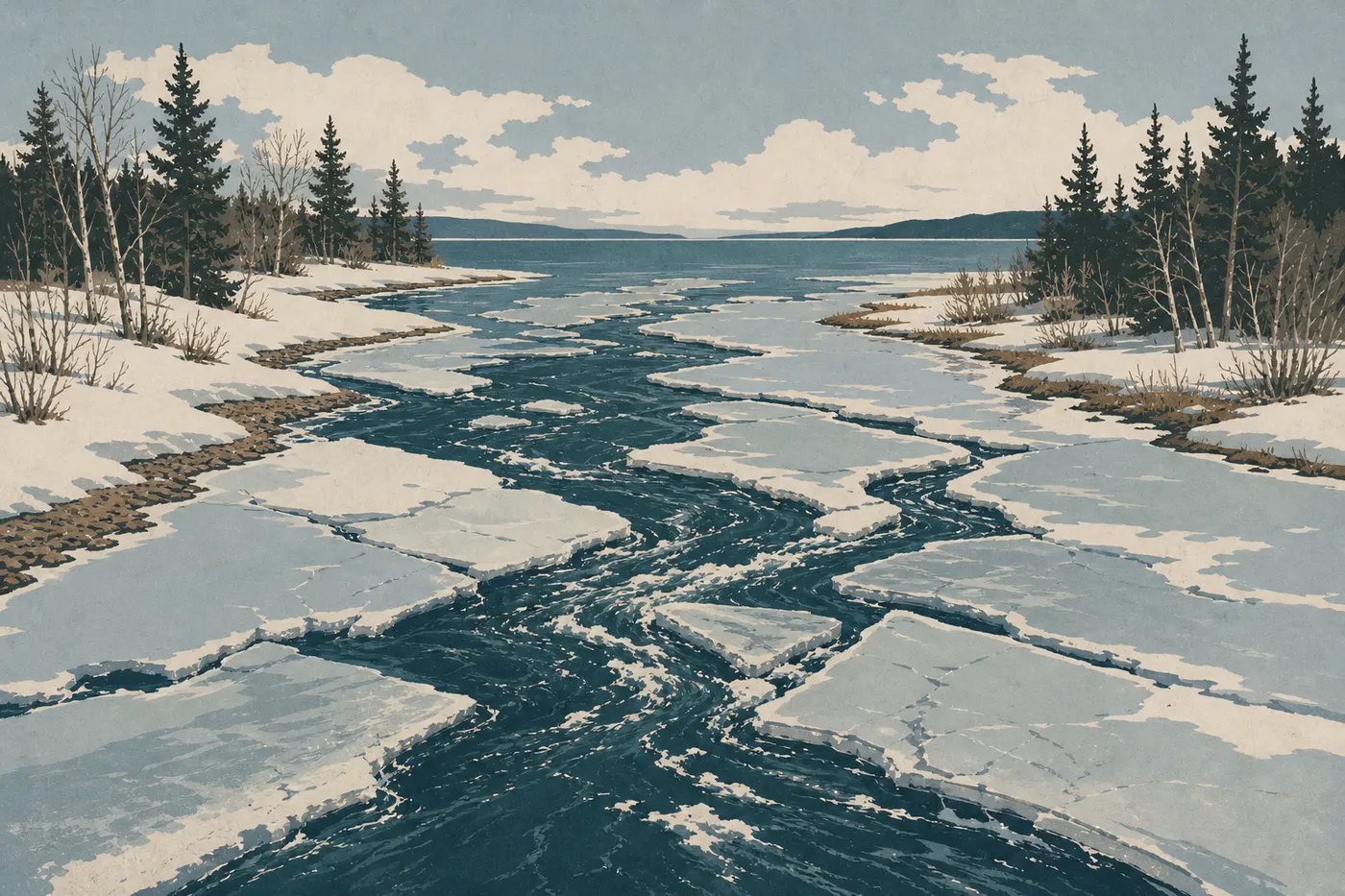
The thaw moves slowly across the Alaska Peninsula. The first flights begin returning from King Salmon in May, but facilities aren't operational yet. By mid-June, Brooks Camp opens. Bears emerge from their torpor and begin exploring the banks of Brooks River. Crowds remain very light, which is a real advantage. The tradeoff is often gray weather, mosquitoes appearing as soon as the ice melts, and muddy trails. If solitude in the wilderness appeals to you more than the spectacle at the falls, mid-June is worth considering.
Summer (mid-June to August)

This is peak season, and for good reason. Early July marks the arrival of the first sockeye salmon run. Brown bears converge on Brooks Falls to intercept the jumping fish, giving you the scenes that made the park famous. The second half of July is generally the busiest time on the viewing platform. August remains excellent. A second run draws in another wave of bears, larger and fully focused on building fat reserves for winter. Summer temperatures range from 46 °F to 66 °F, with frequent rain and a few bright days. A dependable rain jacket and warm layers are essential. Conditions can shift from sunshine to drizzle in two hours.
Fall (September to mid-October)
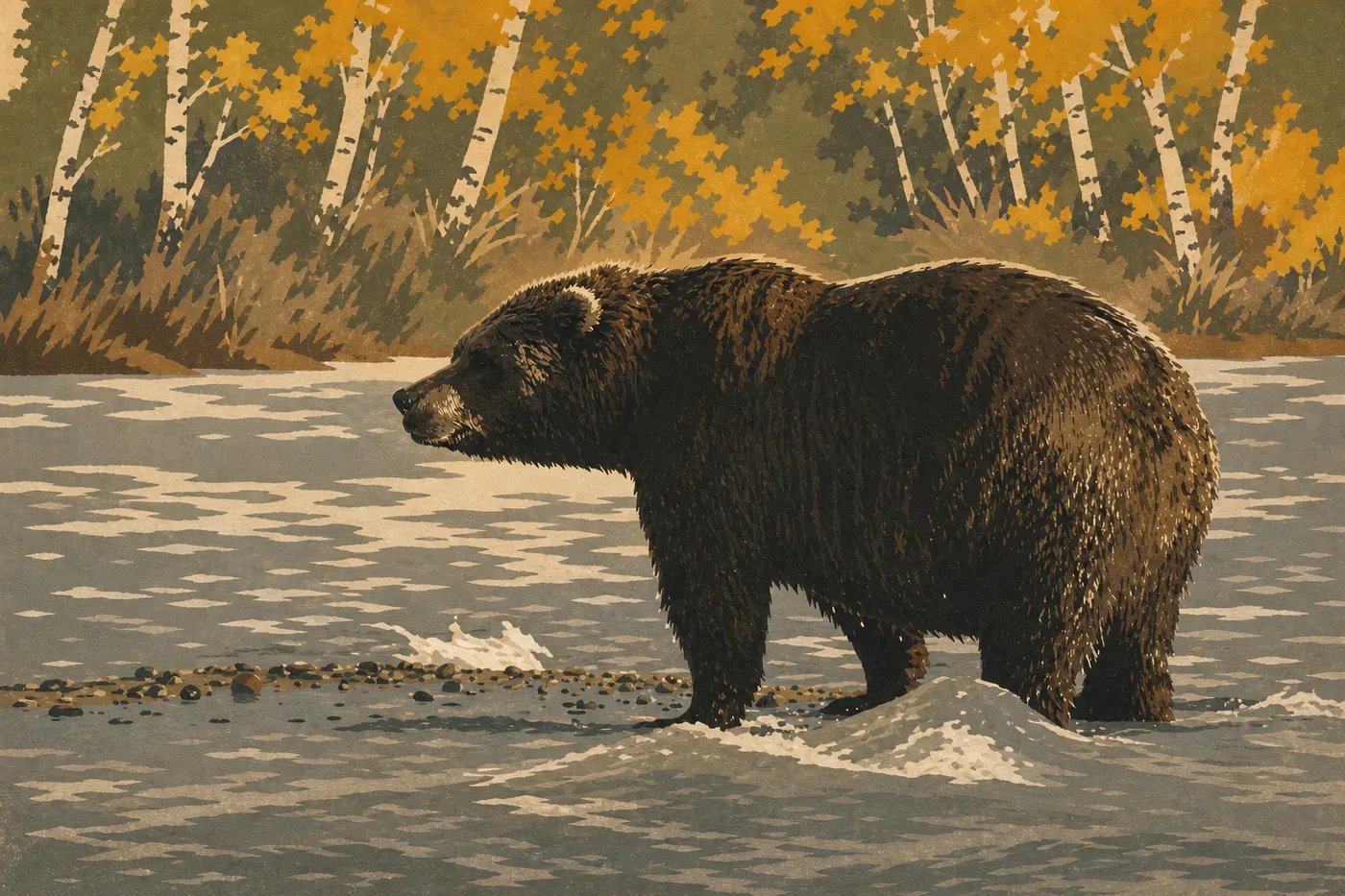
September is the insiders' choice. Salmon are still present, the bears are massive and hungry, groups are smaller, and the low autumn light gives the Alaskan landscape a distinctive quality for photography. Temperatures drop noticeably, overnight freezes arrive around mid-September, and Brooks Camp generally closes in early October. The tundra turns russet and gold for a few weeks, more than making up for the chill.
Crowds: When to Avoid the Rush
Katmai receives far fewer visitors each year than the major parks in the Lower 48, but most of that traffic arrives during six to eight weeks. The Brooks Falls viewing platform has limited capacity. In July, the wait to get in can exceed an hour.
| Month | Crowds | Advice |
|---|---|---|
| June | Low | Short waits, facilities still getting up to speed |
| July (first half) | Very high | First run, peak bear activity, long lines. Book very early. |
| July (second half) | High | Slight drop, but still popular |
| August | Moderate | Good balance of bear activity and crowds |
| September | Low to moderate | Best balance of wildlife and solitude |
If you want to reach the Brooks Falls platform without a line, aim for early morning or late afternoon, even in July. The light is better for photos then, too.
Reservations and Access by Season
Katmai doesn't use a timed entry reservation system in the usual sense, but two seasonal constraints require planning ahead.
Brooks Camp: The park's only on-site lodging, Katmai Wilderness Lodge, and Brooks Camp Campground sites are booked through Recreation.gov. July dates go quickly, often through a lottery held in November of the previous year. If you miss that window, watch for cancellations starting in spring.
Flights: There is no road into the park's interior. You first fly to King Salmon, with scheduled flights from Anchorage taking about an hour, then a floatplane or short takeoff and landing aircraft connects to Brooks Camp. Flight availability depends directly on the season. From mid-June to early October, charter flights run regularly. Outside that window, everything operates on request and at a high price. The operators, air-taxi schedules, and seasonal logistics options are listed in our practical guide to getting to Katmai.
The Best Time for Your Budget
Katmai is among the most expensive U.S. national parks to reach, largely because there is no road access. The season directly affects prices.
June: Flights from Anchorage and local air taxis charge slightly less than during peak season. Lodging in King Salmon is still available without much pressure. This is the best choice for keeping costs down if you're willing to visit while bear activity is still building.
July: Prices peak across the board, from the Brooks Camp lodge to charter flights. Book and budget at least six to 12 months ahead, no exceptions.
August and September: Rates dip slightly from July's peak, especially for flights. Pressure on King Salmon lodging eases. September often offers the season's best value. For a complete comparison of options in the park and in King Salmon, our Katmai lodging guide covers each option and its price range.
When to Go Based on Your Travel Style
You're coming for bears at Brooks Falls: Aim for the first half of July for the jumping-fish spectacle, or September for larger bears in a more peaceful setting.
You're coming to hike and see the Valley of Ten Thousand Smokes: Choose July or August. The bus connecting Brooks Camp with the valley runs from mid-June through early September. Our Katmai hiking guide covers the trails open in each season and the conditions you'll encounter.
You're coming to take photos: There are two prime windows. Early July brings bears in action beneath the Alaskan summer light, with sunset around 10 p.m. Late September brings low autumn light and colorful tundra.
You're traveling with kids: Choose August over July. Crowds are smaller, weather is slightly more stable, and kids won't have to endure long waits for the platform. Our guide to visiting Katmai with kids offers practical advice for planning this kind of trip.
You're on a tight budget, relatively speaking: Choose June or September. Even then, expect a significant investment because the flight logistics are unavoidable.
In Summary: The Best Time for Your Travel Style
| Travel style | Recommended time |
|---|---|
| Bear watching at the falls | Early July |
| Solitude and fall wildlife | September |
| Hiking and the Valley of Ten Thousand Smokes | July or August |
| Nature photography | Early July or late September |
| Family trip | August |
| Tight budget, relatively speaking | June or September |
If you remember only one date, make it the first half of July for the spectacle at Brooks Falls. If you'd rather avoid peak crowds and prices, September is our clear recommendation. To plan every detail of your trip, explore our Katmai guide.
The Worst Time to Visit Katmai
The worst time to visit Katmai is winter, from November through April. During this period, Brooks Camp facilities are closed, charter flights into the park's interior are rare or nonexistent, and temperatures in the King Salmon area regularly fall below 14 °F. There are no salmon to watch and no bears concentrated at the falls. The bears are hibernating and Brooks River is frozen. The park remains technically open, but the average visitor has no reason to be there.
November and December bring the clearest shutdown: lodges are closed, no visitor services operate, and access is limited to self-sufficient expeditions with Arctic gear. April remains risky even as the thaw begins. Trails are impassable and air service to the park hasn't resumed. Mosquitoes, which can ruin a June trip, are at least absent in winter, but that hardly makes up for the complete lack of a viable visitor experience.
Frequently Asked Questions
What's the best time to visit Katmai National Park?
The best time to visit Katmai runs from early July through mid-September. July brings peak bear viewing at Brooks Falls, while September offers an excellent balance of active wildlife and fewer visitors.
Can you visit Katmai in winter?
The park is technically open year-round, but Brooks Camp facilities close in early October and no visitor services are available from November through April. Reaching the park's interior in winter requires complete self-sufficiency and full Arctic gear. For the average visitor, it's a period to rule out without regret.
What's the least crowded month in Katmai?
Outside the winter months, when the park is closed to ordinary visitors, June and September are the least crowded months of the open season. In June, facilities have just opened and the salmon run hasn't begun. By September, peak season has passed. There are no lines at the platform, rates are slightly lower, and wildlife remains highly active.
When is peak season in Katmai?
Peak season falls during the first half of July, when the first sockeye salmon run arrives. That's when the Brooks Falls viewing platform reaches its highest capacity and lines are longest. Lodge and charter-flight prices peak during this window, and reservations are often handled through a lottery held the previous year.
What's the coldest month in Katmai?
January and February are the coldest months in Katmai, with temperatures generally ranging from 9 °F to 25 °F in the King Salmon area. Access to the park is extremely limited at that time.
Is Katmai worth the trip?
Katmai is worth the journey if wildlife viewing, especially brown bears, is your priority. The Brooks Falls experience is hard to match in any other U.S. national park. Logistics are complex and the cost is high, but that isolation is exactly what preserves the area's authenticity.
How long do you need to visit Katmai?
Plan on at least two nights in the area to take advantage of morning and evening bear viewing at Brooks Falls. Three or four nights give you time to add an outing to the Valley of Ten Thousand Smokes. Our Katmai itinerary guide suggests plans based on how much time you have.
How much does a trip to Katmai cost?
A trip to Katmai costs significantly more than a visit to a park accessible by road. Flights from Anchorage to King Salmon, air taxis to Brooks Camp, and on-site lodging add up quickly. Our Where to Stay page covers the options and their seasonal price ranges.