
Katmai Itinerary: What to See in 1, 2, or 3 Days
Katmai isn't a park you drive through on a Sunday morning. You get there by floatplane, watch brown bears from a few feet away on a wooden platform, and walk across volcanic ash that's more than a century old. Logistics shape the entire visit: the flight, the bus, and the viewing platform. Sequence your visit well and you can save two hours a day while avoiding a mistimed Brooks Falls visit.
In a nutshell: two days cover the essentials, including Brooks Camp and the Valley of Ten Thousand Smokes. Three days offer the ideal pace, with a climb up Dumpling Mountain as a bonus. One day is still doable if you arrive early and book everything ahead of time. For an overview of the park, our complete Katmai guide is the best place to start.
How Much Time Do You Need to Visit Katmai?
The answer depends on two things: your transportation budget, since every floatplane leg costs money, and your tolerance for the Alaska Peninsula's unpredictable weather. Here are our benchmarks:
- 1 day: Brooks Falls and its two platforms, plus the Cultural Site Trail. Doable, but with no cushion if the floatplane is delayed.
- 2 days: day 1 at Brooks Camp and day 2 at the Valley of Ten Thousand Smokes. The minimum reasonable plan.
- 3 days: the itinerary we recommend. You'll add Dumpling Mountain, take your time watching the bears, and have a weather buffer day available.
Beyond that, the park opens up to expedition-style travel: coastal kayaking, backcountry camping, and fly fishing. Those options fall outside the scope of a standard itinerary.
Access, Entry Points, and Getting Around the Park
Katmai is accessible only by air. Fly commercially to King Salmon, then take an air taxi to Brooks Camp, a 15- to 20-minute flight. At Brooks Camp, everything is on foot. The Valley of Ten Thousand Smokes, about 23 miles away, is accessible only by the lodge's concessioner-operated bus. Book the air taxi and bus seat together, several months ahead for July dates, because seats are limited. For all the details on getting there and the available operators, see the guide to getting to Katmai.
Katmai's Areas
The park's geography is straightforward: an inhabited hub around Brooks Camp, a volcanic corridor leading inland, and a vast, mostly inaccessible wilderness perimeter that requires expedition gear.
Brooks Camp, the Park's Inhabited Hub
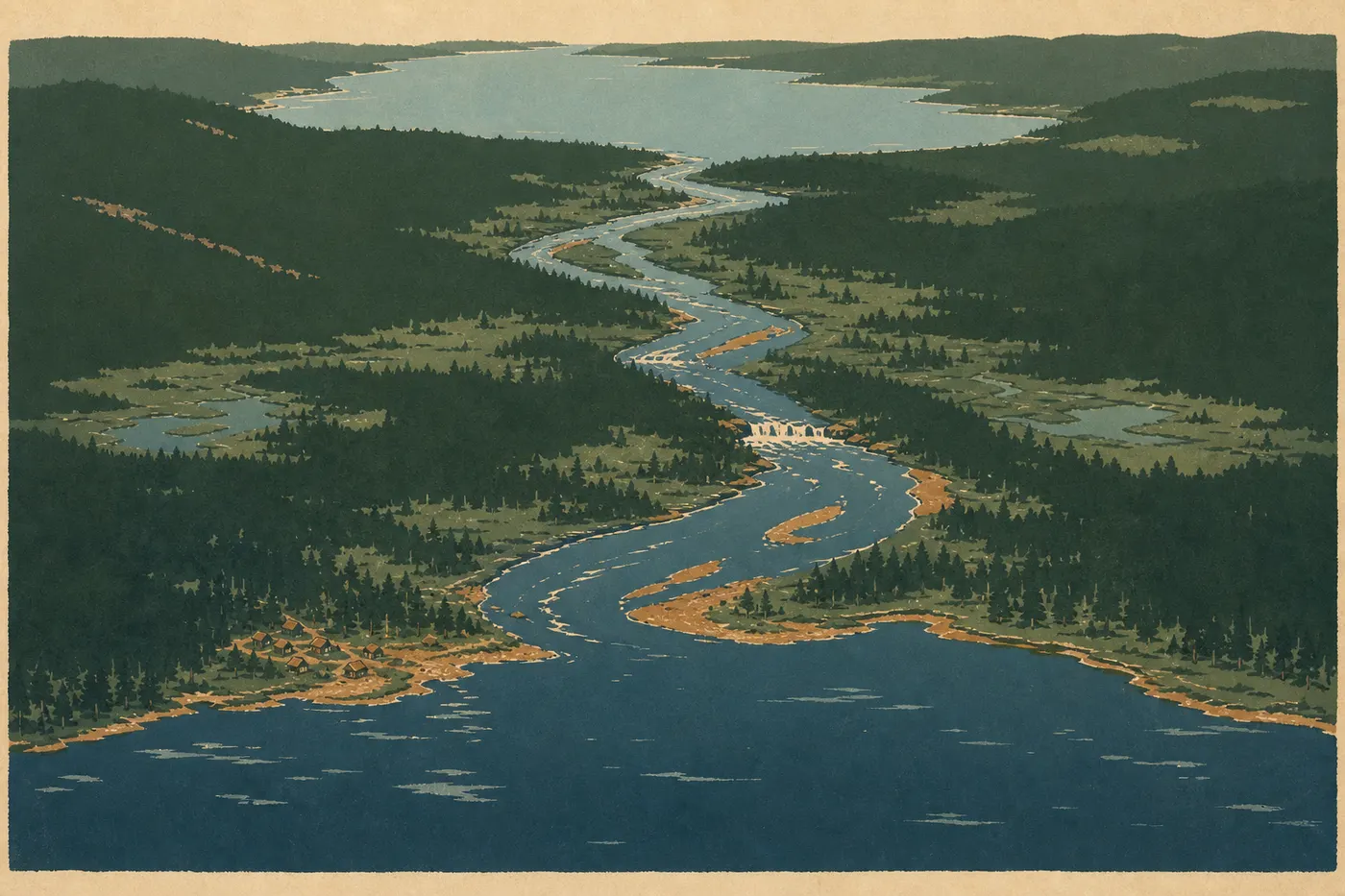
Brooks Camp is where almost every visitor arrives. You'll find the visitor center, lodging, the campground, and, most importantly, Brooks Falls. Brooks River connects Brooks Lake to Naknek Lake over a few miles. Sockeye salmon swim upstream every summer, and brown bears arrive for the feast.
Two platforms overlook the river. The Brooks Falls Platform gives you a direct view of the falls, where bears position themselves to catch salmon in midair, often standing in the current or along the edge of the falls. Downstream, the Riffles Platform is better for a longer, quieter viewing session. Bears rest there between fishing sessions, groom themselves, and play. During peak season, rangers use a rotation system, with 45 to 60 minutes at each platform depending on crowd levels. Please follow it.
The Cultural Site Trail, marked from camp, reaches an archaeological area in about an hour. Excavations there have uncovered evidence of human habitation spanning several thousand years. An NPS sign explains the main points. The trail is less crowded than the platform during the day, making it a good way to take a break between viewing sessions.
Our What to Do in Katmai page lists all the activities available in this area.
The Valley of Ten Thousand Smokes
Located 23 miles from Brooks Camp along the inland road, this valley preserves the legacy of the 1912 Novarupta eruption. The blast buried the valley under dozens of feet of ash. Since then, rivers have carved canyons into the volcanic tuff, creating a landscape of gullies and ocher-gray cliffs that feels strikingly otherworldly.
The fumaroles that gave the valley its name disappeared over the decades. What remains is a breathtaking panorama of desolation, accessible on foot from the bus turnaround. The trail drops into the valley itself, with a significant elevation change, and the rock can be loose in places. Sturdy hiking boots are strongly recommended. Our Katmai hiking guide describes the route in detail.
The lodge bus leaves at a set time late in the day. Don't stay at the bottom of the valley to watch the sunset if you need to catch that bus.
The Coast and Remote Wilderness Areas
The park's coastal fringe along Shelikof Bay is best explored by kayak or air charter. Otters, seals, and bears on the beach await visitors who make their own arrangements. This is expedition travel, not a standard itinerary, and it requires specific preparation.
Day-by-Day Itinerary
Day 1: Arrive at Brooks Camp and See Your First Bears at Brooks Falls
Take an early flight from Anchorage, or from King Salmon if you spent the night there. Arrive at King Salmon Airport, check in with the air taxi operator, then take the 15- to 20-minute flight to Brooks Camp. The floatplane lands directly on Naknek Lake, a two-minute walk from the visitor center.
Your top priority on arrival: attend the ranger-led bear safety orientation. It lasts 20 to 30 minutes. It's mandatory. Without it, you can't access the viewing platforms. It's genuinely useful, too. Katmai has one of the highest brown bear densities on the continent, and the distance guidelines, such as securing your food, making noise, and never running, aren't just for show.
After the orientation, head to the Brooks Falls Platform. In July, at the peak of the sockeye salmon run, the concentration of bears at the falls is remarkable. In September, a second run draws bears that are already well fed and less aggressive toward one another. Our Katmai wildlife guide covers the two viewing windows by season.
In the late afternoon, walk the Cultural Site Trail. The quieter stretch between 4 and 6 p.m. makes it more peaceful. Spend the evening at camp. On a clear day, the sunset over Naknek Lake makes the travel fatigue worthwhile.
Day 2: The Valley of Ten Thousand Smokes
Leave early to catch the morning bus from Brooks Camp. Bring water, since there is no reliable water source in the valley, a waterproof jacket because wind funnels through even when the weather looks fine, and something to eat. There is no place to buy food there.
From the bus turnaround, a cairned trail descends toward the Ukak River. It first follows the edge of the plateau, then drops into the valley with an elevation change you shouldn't underestimate. There are no signs at the bottom, so keep the bus in sight as a reference for the return. Plan to spend two to four hours there, depending on your pace and your geological curiosity.
The bus leaves at a set time. Get to the stop with time to spare. Drivers announce their departure, but they don't go looking for late passengers.
Return to Brooks Camp in the middle of the afternoon. A second session at the Riffles Platform offers a different kind of viewing, with resting bears and none of the tension around the fishing spot. This is often where you'll get your best photos.
Day 3: Dumpling Mountain and Departure
Dumpling Mountain is the park's panoramic hike. The trail starts at the Brooks Camp visitor center and climbs steadily to the summit. Allow about 3 to 4 hours round-trip, depending on your pace. From the top, you can see Naknek Lake, Brooks Lake, the coastal plain, and, on a clear day, the outline of the volcanoes on the Alaska Peninsula.
Bears use this trail, too. Make noise as you walk, keep your distance, and ask the rangers about recent sightings the day before.
Return to Brooks Camp for lunch, then take the floatplane to King Salmon and a commercial flight to Anchorage. Leave at least two hours between your floatplane departure and your commercial flight. Weather can delay small aircraft, and no one will hold your connection.
Variations Based on Your Schedule
Express 1 day. Arrive early at Brooks Camp, attend the bear safety orientation, visit both platforms twice, with the Brooks Falls Platform in the morning and the Riffles Platform in the afternoon, and hike the Cultural Site Trail in between. No weather buffer and no Valley. This works if you're coming from Anchorage for the day with an operator offering this format.
Classic 2 to 3 days. Follow the itinerary above. This is the format we recommend to most visitors. Two nights on site guarantee a full day in the Valley and at least two platform sessions.
Wilderness extension, 5 days or more. Kayak along the coast, fly fish on Brooks River, and camp outside Brooks Camp with a backcountry permit. This format requires independent logistics, including freeze-dried food and a required bear-resistant food container. We strongly recommend a satellite radio. It falls outside the scope of a classic family itinerary and requires several weeks of advance planning from Anchorage.
For lodging questions at each stop, our Where to Stay in Katmai guide covers the options, including Brooks Lodge, which fills up as much as a year ahead for July dates, the NPS campground, which requires reservations, and alternatives in King Salmon.
Itinerary Map
The NPS publishes an official Unigrid park map. You can pick it up at the Brooks Camp visitor center or download it from the NPS website. It covers the two main areas, Brooks Camp and the Valley of Ten Thousand Smokes, with marked trails and viewing platforms. Print it before you leave. There is no cell service in the park.
Our Katmai map page reproduces the essential information with annotated viewing points.
Where to Stay Along the Itinerary
Lodging is Katmai's main challenge. Brooks Lodge has a limited number of cabins and fills up months in advance for peak dates. The Brooks Camp NPS campground, which also requires reservations, is a more affordable alternative. In King Salmon, several lodges and hotels accommodate travelers before or after their flight.
Our Hotels & Lodges page and Camping page bring together the contacts, rates, and booking deadlines to keep in mind.
Extend Your Trip: What to See Around Katmai
Katmai is on the Alaska Peninsula, a remote but extraordinary region. The McNeil River State Game Sanctuary, managed by the State of Alaska, is known for having the world's highest seasonal concentration of brown bears. Access is by lottery, with an annual permit, so plan this experience far in advance.
Lake Clark National Park and Preserve, also accessible only by air, offers a different mix of active volcanoes, glaciers, salmon rivers, and coastal wildlife. These two destinations fit naturally into a circuit from Anchorage. Our Road Trips section will provide the basics for visiting them from Anchorage.
The Ideal Itinerary for Your Schedule
1 day: Brooks Falls Platform, Riffles Platform, and Cultural Site Trail. A tight schedule with no weather buffer.
2 days: day 1 at Brooks Camp, with the platforms and archaeological trail, and day 2 in the Valley of Ten Thousand Smokes. The minimum comfortable plan.
3 days: add Dumpling Mountain on the morning of day three. This is what we recommend for a first visit.
5 days or more: coastal kayaking, backcountry camping, and fishing. This is expedition travel, so plan it from Anchorage with a specialized operator.
Whatever length of trip you choose, book the floatplane, the bus to the Valley, and, if possible, the lodge well in advance. Katmai isn't a place you can wing. Plan the logistics months ahead. Most disappointments come from failing to plan ahead.
Frequently Asked Questions
How many days do you need to visit Katmai?
Three days is ideal for a first visit: one day at Brooks Camp and its bear-viewing platforms, one day in the Valley of Ten Thousand Smokes, and a third day to climb Dumpling Mountain. Two days still works if scheduling or budget constraints require it.
What's the best itinerary for visiting Katmai?
The standard itinerary goes through Brooks Camp, including the Brooks Falls Platform, Riffles Platform, and Cultural Site Trail, continues to the Valley of Ten Thousand Smokes by bus the next day, and ends with the Dumpling Mountain hike. You can switch the order of the final two days depending on the weather and bus availability.
Can you drive through Katmai?
No. No road connects Katmai to the outside world. The only way in is by plane or floatplane, with King Salmon as the main gateway. Inside the park, a single road connects Brooks Camp to the Valley of Ten Thousand Smokes, and it's reserved for the concessioner-operated bus.
When is the best time to visit Katmai?
July brings the peak of the sockeye salmon run at Brooks Falls and therefore the highest density of bears on the platforms. September offers a second good viewing window, with bears well fed before hibernation. Our When to Go page covers the full calendar and monthly weather conditions.
Is Katmai worth the trip?
Katmai is worth the trip for anyone who wants to watch wild brown bears in their natural habitat from a secure platform. Nowhere else in North America is this kind of viewing so accessible in such a minimally developed setting. The cost and logistics are real, but the experience lives up to them.
How much does it cost to enter Katmai?
Katmai National Park has no entrance fee. The main expense is air travel, with a commercial flight from Anchorage to King Salmon followed by an air taxi to Brooks Camp, plus the lodge or campground, depending on your choice. Our Practical Information page summarizes the expected costs to help you plan your budget. For national park entrance fees and annual passes, see the National Park Entrance Fees & Passes page.
What's the best base for staying before visiting Katmai?
King Salmon, a 15- to 20-minute floatplane flight from Brooks Camp, is the natural logistics base. Anchorage, about an hour away by commercial flight, is the essential international hub. Our Where to Stay page covers options in both cities and the booking lead times to keep in mind.