
Where to Stay at Hawaiʻi Volcanoes: Hotels and Lodges
The short answer: Volcano House is the only place to stay inside the park, perched on the rim of the Kīlauea caldera. If it's booked or beyond your budget, Volcano Village, 1.9 miles from the main entrance, has B&Bs and lodges in the rainforest. Hilo, a 45-minute drive northeast, offers the widest selection of chain hotels and the area's lowest rates.
Park lodges and gateway towns (7)
- Lodge Volcano House Hotel Kīlauea Summit (Crater Rim Drive) · year-round Directions ↗
- Gateway town Hilo entrance Kilauea (Hwy 11) · hotels, supermarket, gas station Directions ↗
- Gateway town Keaʻau entrance Kilauea (Hwy 11) · supermarket, gas station, restaurants Directions ↗
- Gateway town Volcano Village entrance Kilauea (Hwy 11) · hotels, gas station, restaurants Directions ↗
- Gateway town Pahala entrance Kahuku (Hwy 11) · gas station, restaurants Directions ↗
- Gateway town Naʻālehu entrance Kahuku (Hwy 11) · hotels, gas station, restaurants Directions ↗
- Gateway town Ocean View entrance Kahuku (Hwy 11) · gas station Directions ↗
 Base map © OpenStreetMap · © CARTO
 ⚠ Lodge & Gateway town data is undergoing editorial review.
Inside the Park or Outside?
Choosing between Volcano House and a place outside the park changes the experience completely: nighttime access to the caldera, budget, and atmosphere. You'll find all the criteria for choosing between staying inside or outside the park in the Hawaiʻi Volcanoes accommodations guide.
Volcano House: Sleep Above Kīlauea
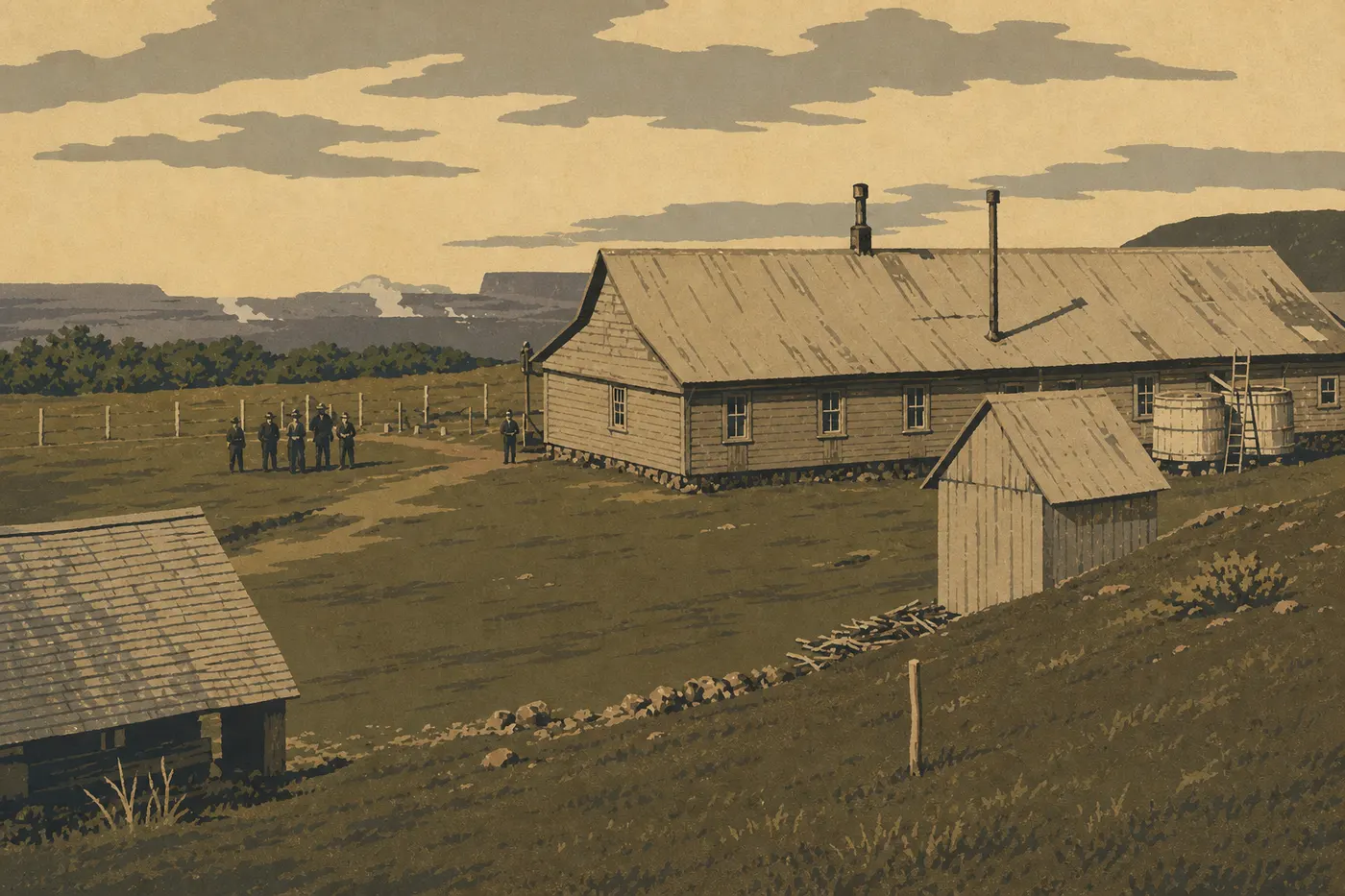
Volcano House is the only hotel inside Hawaiʻi Volcanoes National Park. It occupies a rare location on the rim of the Kīlauea caldera, at about 4,000 feet above sea level, on a site that has welcomed visitors since the 19th century. An authorized National Park Service concessioner operates the property today.
What Volcano House Offers
The property has standard rooms and suites, several of them with direct views of Halemaʻumaʻu. The Rim restaurant, located in the building, serves locally sourced food with the caldera as a backdrop. A large common room with a fireplace gives you a place to warm up after an evening at the overlook. At this elevation, nights stay cool year-round. The volcano's summit averages 22 to 27°F colder than the coast, so summer nights can still drop to around 54 to 57°F. A wool layer isn't optional.
Why Stay There
The decisive advantage is 24/7 access to the park. Staying at Volcano House means you can see the glow from the lava in the crater at 3 a.m., long after all the day visitors have left. When we visited, the first rays of sunlight on the caldera from the restaurant terrace were worth the extra night's stay on their own.
If an eruption is active during your stay, that around-the-clock access becomes an opportunity outside lodging simply can't offer.
How to Book
Book at least 4 to 6 months ahead for rooms with crater views. During peak season, including July and August, Christmas, and spring break, some dates sell out within hours of the calendar opening. Rates are high for standard accommodations, but you won't find this location anywhere else. During the off-season, including November, early December, and early January, availability is a little more flexible.
Where to Stay Around the Park: Gateway Communities
Volcano Village
Volcano Village is the first serious alternative to Volcano House. About 1.9 miles from the park's main entrance on Highway 11, it has independent B&Bs, charming lodges, and cottages tucked into an ʻōhiʻa forest. The atmosphere is intimate. Owners have lived here for years and are happy to share local tips, including the busiest times.
Options range from a room in a private home to a full cottage with a kitchenette. Volcano Village Lodge, often mentioned in English-language guidebooks, has received several awards in the B&B category. A few properties also offer outdoor Nordic baths, which are useful after a day hiking through the lava fields.
Ten minutes from the entrance, you can return for lunch, change shoes, or wait for the fog to lift before hitting the trail again. That's a practical advantage Hilo accommodations don't offer.
Good to know: Volcano Village is a village, not a town. Dining options are limited to a handful of places. If you're arriving late, buy groceries ahead of time or plan on an extra meal at Volcano House's restaurant.
Hilo
Hilo is the main city on the Big Island's east coast, about 30 miles northeast of the park on Highway 11, a 45-minute drive. This is where you'll find chain hotels, the area's most affordable rates, and a much wider food scene. Japanese, Hawaiian, and Thai restaurants are all worth a stop.
The city is worth half a day on its own. The Wednesday and Saturday farmers' market, Pana'ewa gardens, and Rainbow Falls fit naturally into a longer itinerary. If your Big Island trip includes more than the park, Hilo works well as a base.
Weather note: Hilo is one of the rainiest cities in the United States, with more than 118 inches of precipitation a year. Don't let that put you off. Showers are often brief, and the caldera side of the park can be perfectly clear while the coast is under clouds. A lightweight rain jacket in your pack is simply essential.
Kailua-Kona
Kailua-Kona, on the sunny west coast, is about 96 miles from the park via Highway 11, a 2- to 2.5-hour drive depending on traffic. It's not really a gateway community. It's a base for exploring the Big Island from end to end, with beaches, snorkeling at Kealakekua, and winter whale watching.
Kona only makes sense as a base if your road trip covers the entire island. For an intensive park visit, spending 2.5 hours driving round-trip every day is a hard time cost to justify.
How Many Nights Should You Plan at Hawaiʻi Volcanoes?
Two nights is the reasonable minimum. Spend one day at the Kīlauea caldera, Kīlauea Overlook, and Nāhuku (Thurston Lava Tube). Use another to drive down Chain of Craters Road to the coast and cross the coastal lava fields.
If an eruption is active during your visit, add a night. Seeing the crater lit up during the day and at night are two very different experiences, and you won't regret building in extra time. The Hawaiʻi Volcanoes itinerary guide covers 1-, 2-, and 3-day itineraries based on your pace and priorities.
When to Book and What It Costs
For Volcano House
The booking calendar usually opens 12 months out. Rooms with direct crater views go first. During peak season, including June through August and the holidays, it's not unusual for the property to be fully booked 6 months ahead. The quieter periods, including November, early December, and early January, offer more flexibility and slightly lower rates.
For Volcano Village and Hilo
Ideally, book Volcano Village B&Bs 4 to 8 weeks ahead during peak season. Two weeks is enough the rest of the year. The best rooms always go first. In Hilo, chain hotels are often still available 2 weeks out, and rates are the most affordable in the area.
To understand how the seasons affect prices and visiting conditions month by month, see the Hawaiʻi Volcanoes seasonal guide.
Our Recommendation for Your Travel Style
Full immersion: Volcano House, with a crater-view room booked 6 months ahead. You won't go anywhere else, and that's entirely intentional.
Best balance of value and atmosphere: a lodge or B&B in Volcano Village. You're 10 minutes from the park, in a quiet forest, with hosts who can give you their best advice for avoiding crowds and finding the best viewpoints.
Tight budget or traveling with kids: Hilo. Hotels are significantly cheaper, and the city gives you a backup plan if a rainy day forces you to change your itinerary. A 45-minute drive in the morning isn't a problem if you leave at 8 a.m.
Big Island grand tour: use Kailua-Kona as your main base, with 1 or 2 nights in Volcano Village when you visit the park.
Frequently Asked Questions
Can you stay inside Hawaiʻi Volcanoes National Park?
Yes. Volcano House is the only hotel within the park, on the rim of the Kīlauea caldera. Reservations are essential several months ahead, especially for rooms with direct crater views.
Which hotel is closest to the Hawaiʻi Volcanoes National Park entrance?
Volcano House is inside the park itself, on the caldera rim. Outside the park, the lodges and B&Bs in Volcano Village are about 1.9 miles from the main entrance on Highway 11.
Where are Hawaiʻi's volcanoes located?
Hawaiʻi's active volcanoes are on the Big Island, the largest island in the archipelago. Hawaiʻi Volcanoes National Park, home to Kīlauea and Mauna Loa, is about 30 miles southwest of Hilo and 96 miles southeast of Kailua-Kona.
What can you do at Kīlauea volcano?
View the caldera from several overlooks, visit Nāhuku (Thurston Lava Tube), drive down Chain of Craters Road to the coast, and, depending on eruptive activity, see active lava flows. The Hawaiʻi Volcanoes activities guide lists all activities and access conditions.
How much should you budget for lodging?
Volcano House rooms are among the most expensive accommodations in their category on the Big Island, given the location. Volcano Village lodges cover a broader mid-range. Hilo hotels are the most affordable. Park admission is added to those costs: $30 per vehicle, valid for 7 days. For admission fees and annual passes, see the National Parks Fees & Passes page.