
Where to Stay at Hawaiʻi Volcanoes: In the Park, Nearby Towns & Campgrounds
The short answer: Volcano House is the ideal base. It's the park's only lodge, perched on the rim of Kīlauea's caldera. If rooms are sold out or you're watching your budget, Volcano Village, 1.2 miles from the south entrance, is the closest alternative. Plan on at least two nights. The park is open 24/7, and the crater's nighttime glow is worth sticking around for. For help planning your trip, the Hawaiʻi Volcanoes itinerary gives you a solid starting point.
Where to stay: towns, lodges and campgrounds (9)
- Gateway town Hilo entrance Kilauea (Hwy 11) · hotels, supermarket, gas station Directions ↗
- Gateway town Keaʻau entrance Kilauea (Hwy 11) · supermarket, gas station, restaurants Directions ↗
- Gateway town Volcano Village entrance Kilauea (Hwy 11) · hotels, gas station, restaurants Directions ↗
- Gateway town Pahala entrance Kahuku (Hwy 11) · gas station, restaurants Directions ↗
- Gateway town Naʻālehu entrance Kahuku (Hwy 11) · hotels, gas station, restaurants Directions ↗
- Gateway town Ocean View entrance Kahuku (Hwy 11) · gas station Directions ↗
- Lodge Volcano House Hotel Kīlauea Summit (Crater Rim Drive) · year-round Directions ↗
- Campground Nāmakanipaio first come, first served · 16 sites Directions ↗
- Campground Kulanaokuaiki first come, first served · 9 sites Directions ↗
 Base map © OpenStreetMap · © CARTO
 ⚠ Gateway town & Lodge data is undergoing editorial review.
Stay in the Park or Outside It?
This is the first decision to make before you book. One question will usually settle it: is Hawaiʻi Volcanoes the main focus of your trip, or just one stop among several on Big Island?
Are you mainly coming for the volcano? Stay in the park or in Volcano Village. You'll reach the trails at first light, before the tour buses arrive, and you can watch the glowing lava at night without worrying about the time.
Are you taking a road trip around Big Island? Hilo, 30 miles away, is the most versatile base for exploring the island's east side. Kailua-Kona, 96 miles away, makes more sense if you're spending half your trip on the west coast.
One thing you shouldn't overlook is that the park is open 24/7, 365 days a year, with no winter closure. That's unusual among America's major national parks. Take advantage of it by planning a nighttime outing in the caldera from your nearby lodging.
Staying in the Park: Lodges and Accommodations
Volcano House
Volcano House is the only hotel inside the park. It sits on the edge of Kīlauea's caldera at about 4,000 feet, with direct views of Halemaʻumaʻu from some rooms and from the restaurant. It's one of the few national park lodges in the United States where you fall asleep with an active volcano on the horizon.
The official NPS concessioner operates the property. Options range from standard rooms to crater-view suites, along with cabins on the grounds. The restaurant is open to non-overnight visitors.
One practical warning: temperatures at the summit of Kīlauea average 11 to 14°F cooler than at sea level, and it can drizzle any month of the year. Bring a windbreaker, even in July. The Hawaiʻi Volcanoes weather guide breaks down conditions month by month.
Camping in the Park
The park has two main campgrounds managed by the NPS. They let you stay in the heart of the volcanic landscape for less. For all the practical details, including reservations, amenities, and vehicle size limits, see the Hawaiʻi Volcanoes campground guide.
Nāmakanipaio
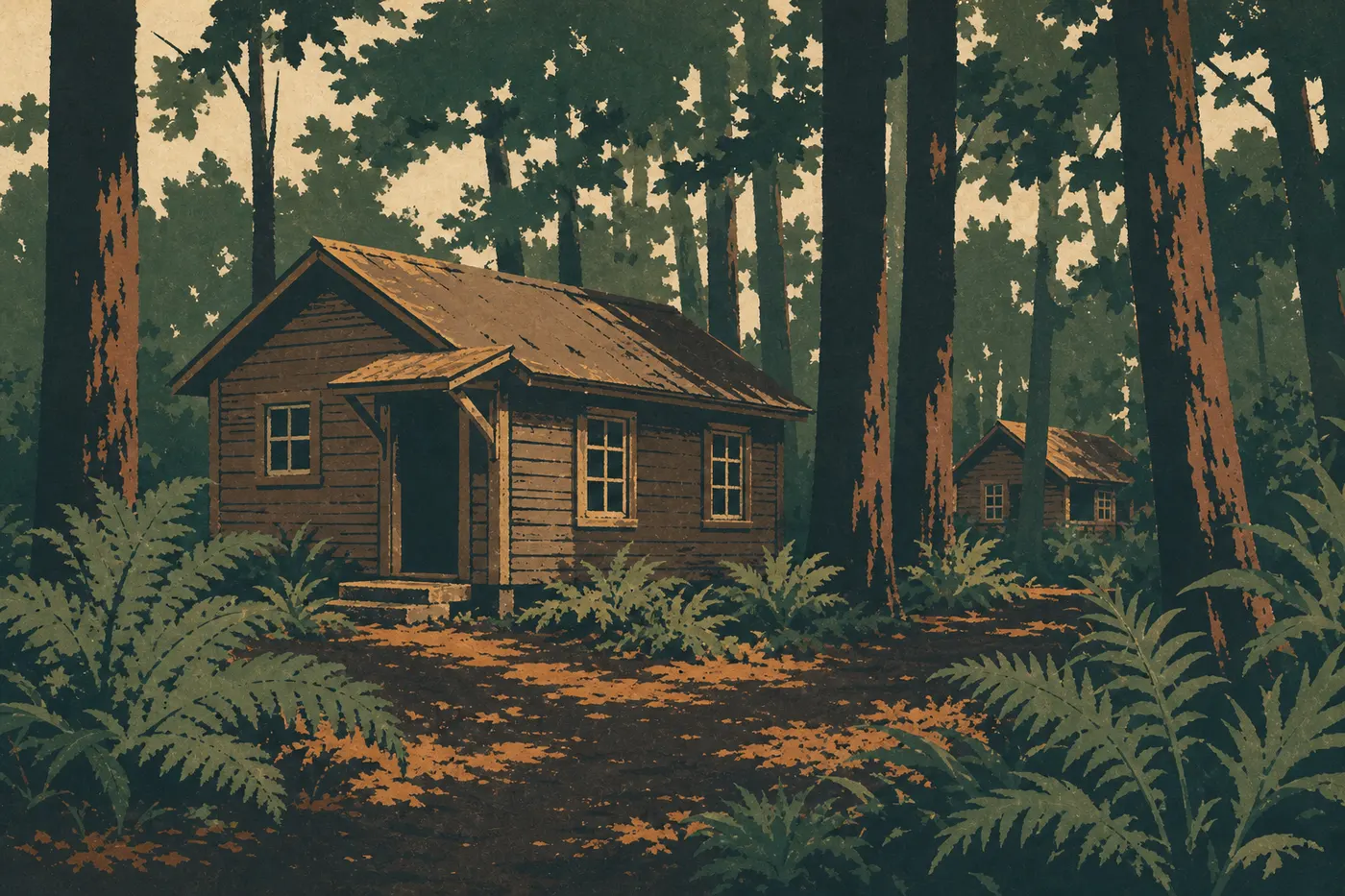
Nāmakanipaio is the park's most accessible campground, set in an eucalyptus forest at about 3,900 feet. It offers tent sites and rustic cabins, which you can reserve through the Volcano House concessioner. The air is cool and the nights are quiet. Moderately sized RVs are welcome. The Hawaiʻi Volcanoes RV camping guide explains the size restrictions.
For busy periods, book ahead through Recreation.gov, especially for cabins.
Kulanaokuaiki
Kulanaokuaiki is a more remote campground in open vegetation above the coastal plain. Its access to lightly used trails and its secluded atmosphere make it a good fit for self-sufficient campers. There is no potable water on site, so arrive prepared.
Where to Stay Near the Park: Gateway Towns
Volcano Village
Volcano Village is 1.2 miles from the park's south entrance, tucked into rainforest at the same elevation as the summit of Kīlauea. The atmosphere is peaceful, with a small artist community, charming B&Bs, rental cottages, and a few independent guesthouses. It's the closest comfortable option to the park, ideal for couples and travelers who want to be at the trailheads first thing in the morning.
Pack layers for the nights. They're cool and often misty, even in summer.
Hilo
Hilo is the main town on Big Island's east side, 30 miles from the park, or about a 45-minute drive on Highway 11. It's a distinctly Hawaiian provincial town, with a banyan-lined waterfront, lively local markets, volcano museums, and botanical gardens nearby. Its hotel selection is varied, including chain hotels, boutique hotels, and guesthouses, and rates are generally lower than on the Kona coast.
Hilo works well for travelers who want to explore Big Island's east side in depth, with Akaka Falls as a bonus along the way.
Kailua-Kona
Kailua-Kona is on Big Island's west coast, 96 miles from the park, or a 2- to 2.5-hour drive on Highway 11. It's the island's resort town, focused on beaches and snorkeling. It's not a logical base for a volcano-centered visit, but it makes sense if you're combining a beach-and-volcano trip in the same week.
You can make a day trip to the park from Kona if you leave early. To enjoy the caldera's nighttime glow, though, plan on at least one night in Volcano Village or Hilo, then continue on to Kona. The Hawaiʻi Volcanoes access guide covers the options between the two coasts.
When to Book Your Hawaiʻi Volcanoes Lodging
Hawaiʻi Volcanoes doesn't close for the winter, but that doesn't mean you can wait until the last minute.
Volcano House regularly sells out during the high season, from June through August and during the American Christmas and spring school breaks. For these periods, aim to book 3 to 6 months ahead. Nāmakanipaio cabins fill almost as quickly.
Outside those periods, from September through November and January through March except on U.S. holidays, demand is much lower. For lodging in Volcano Village or Hilo, booking 4 to 6 weeks ahead is usually enough. Our guide to the best times to visit helps you choose a season based on your priorities.
Lodging Budget: How Much Does It Cost to Stay at Hawaiʻi Volcanoes?
Prices vary widely from one option to the next.
Volcano House (in the park): expect to pay about $200 to $350 a night, depending on the view and season. Cabins are a little less expensive.
Volcano Village (B&Bs, cottages, rentals): $100 to $200 a night. It's hard to beat that combination of price and proximity.
Hilo (hotels, guesthouses): $80 to $180, depending on the category. Budget options help keep costs down without giving up basic comfort.
Park campgrounds: a few dozen dollars per night for tent sites. Nāmakanipaio cabins fall somewhere in the middle. On top of that, there's the entrance fee, which is $30 per vehicle or $15 per person on foot. For entrance fees and annual passes, the National Parks Fees & Passes page provides the key details.
Our Recommendations by Traveler Type
First visit, total immersion: book Volcano House. Sleeping on the caldera rim and watching Halemaʻumaʻu light up at night is the park's defining experience. Book early.
Traveling with kids: Volcano Village offers more space, often with a full kitchen in the cottages, and more flexibility than the lodge allows. Our family visit guide covers kid-friendly activities in the park.
Budget trip: camping at Nāmakanipaio is the least expensive way to stay on-site. Otherwise, a guesthouse in Hilo offers the best balance of affordability, access, and basic comfort.
Big Island road trip: split your stay between two bases, Hilo in the east and Kona in the west, with one or two nights in Volcano Village along the way. Our Itinerary & Trip Length guide offers detailed plans based on the number of days you have.
For getting around Big Island, our Getting Around page is essential. Renting a car remains the only realistic way to reach the park from these towns.
Frequently Asked Questions
Where should you stay to visit Hawaiʻi Volcanoes?
Staying near Hawaiʻi Volcanoes means choosing among Volcano House, the park lodge on the crater rim; Volcano Village, 1.2 miles away and more affordable; Hilo, 30 miles away with a broad selection of lodging; or a campground inside the park.
Is it better to stay in the park or outside it?
Inside the park, you'll enjoy the caldera's nighttime glow and the trails at sunrise without traffic. Outside the park, you'll have more choices and more price points, with Volcano Village as the ideal nearby base. If you're coming mainly for the volcano, spend at least one night in the park.
What is the closest town to Hawaiʻi Volcanoes?
Volcano Village is 1.2 miles from the main entrance. Hilo, the closest town with a substantial hotel selection, is 30 miles away, or about a 45-minute drive.
What is the best town to stay in for visiting Hawaiʻi Volcanoes?
For a park-focused visit, we recommend Volcano Village for its proximity, forest setting, and reasonable prices. If you also want to explore Big Island's east side, Hilo is more versatile.
How long do you need to visit Hawaiʻi Volcanoes?
Two nights in the area let you cover the main sites, including the caldera, Chain of Craters Road, and Thurston Lava Tube, without rushing. Our Itinerary & Trip Length page lays out plans for different amounts of time.
Where should you stay in Hawaiʻi outside the volcano park?
Each Hawaiian island has its own character. For the Hawaiian Islands as a whole, island-specific guides will give you a better answer.
What can you do around Kīlauea volcano?
Our What to Do and Hikes guides cover these activities in detail.