
Camping in Glacier Bay: 33 Free Sites, Reservations, and Backcountry Trips
Glacier Bay isn't a park with multiple campgrounds. There's one official NPS campground with 33 free, tent-only sites open year-round at Bartlett Cove. Beyond it, thousands of square miles of wild backcountry are open to permit-based camping. The options are limited in number, but exceptional in what they offer.
In brief: Glacier Bay has one NPS campground at Bartlett Cove with 33 free sites, no reservations, and year-round access. Backcountry camping is allowed throughout the backcountry with a free permit issued in person. There are no electrical hookups or RV facilities inside the park. Gustavus, 10 miles away, is the fallback for RV travelers and overnight stays in lodging.
Campgrounds in the park (1)
- Campground Bartlett Cove Campground first come, first served · 33 sites Directions ↗
 Base map © OpenStreetMap · © CARTO
 Glacier Bay campgrounds by the numbers
1 official campgrounds inside the park, 33 campsites in total, 0 of them reservable.
| Campground | Sites | Booking | Fee / night | Open | Amenities |
|---|---|---|---|---|---|
| Bartlett Cove Campground | 33 (33 tent only, 4 group) | First come, first served | Free | Year round | toilets, potable water, bear lockers |
Source: National Park Service (NPS API), retrieved October 6, 2026. Fees and dates change: check the campground page before you go.
Can you camp inside Glacier Bay?
Yes, in two very different ways.
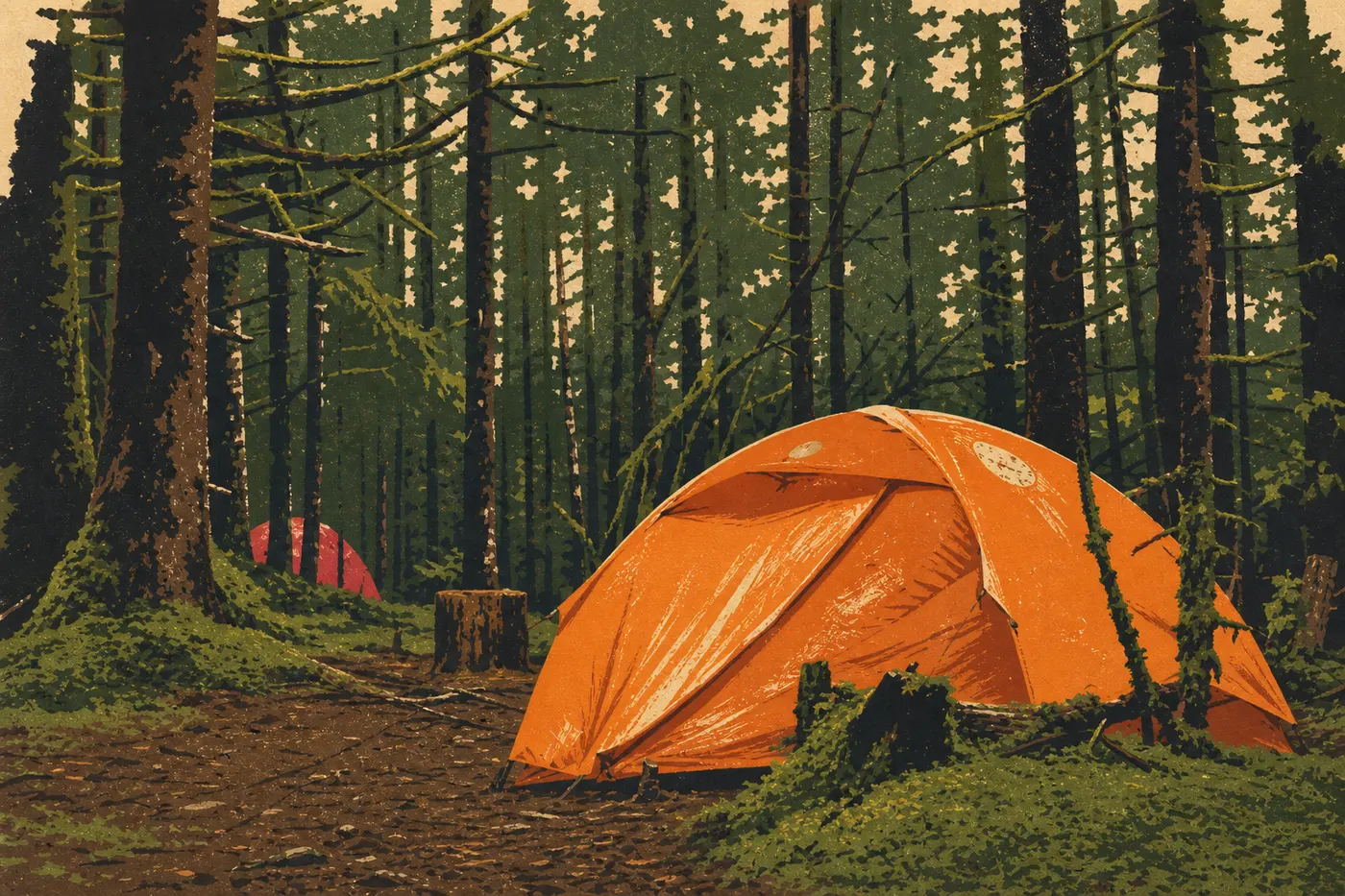
The first option is open to everyone. Bartlett Cove Campground sits at the park entrance in a conifer forest, just a few minutes' walk from the lodge and visitor center. There's no reservation and no fee, and tents go on wooden platforms over ground that's often wet.
The second is for adventurers. You can camp almost anywhere in the park's backcountry, including shorelines, moraines, and tundra. Most visitors reach these areas by kayak or on the park concessioner's boat. Before heading out, you'll need a free permit and a mandatory 30-minute orientation.
Outside the 33 sites at Bartlett Cove and permit-based backcountry camping, overnight camping isn't allowed anywhere in the park.
Campgrounds inside the park
Bartlett Cove Campground
Bartlett Cove Campground is the park's only campground. All 33 sites, including four reserved for groups, are for tents only. There are no hookups and no RV access. You reach the campground on foot from the parking lot, where vehicles must stay.
The campground sits in a forest of western hemlock and Sitka spruce, a few hundred yards from Glacier Bay Lodge and the visitor center, along the shore of Bartlett Cove. Tents go on raised wooden platforms, a welcome feature when the rain moves in, which it often does. The campground also has a fire ring with firewood provided and a heated shelter. Both make a real difference on gray days.
Food-storage lockers, or bear boxes, are available throughout the campground, and you must use them. Restrooms, drinking water, and laundry facilities are on site. For showers, the neighboring Glacier Bay Lodge is a two-minute walk away.
It's free, reservations aren't required, and it's open year-round. This is the only campground in the park you can reach by vehicle from Gustavus. During the busy season, it may fill up by midday, so arrive in the morning.
RV camping: what you need to know
Glacier Bay has no RV sites with hookups inside the park. There are no water connections, electrical hookups, or dump stations. Bartlett Cove's parking lot can accommodate vehicles, but it isn't an RV campground.
The Glacier Bay RV camping guide lists RV providers and parking options in the area.
Camping nearby: options in Gustavus
Gustavus is the only community near the park. It has a few hundred residents, bed-and-breakfasts, rental cabins, and an airfield with service from Juneau. Informal camping options do exist, since some property owners allow tent camping, but they're rare and loosely organized.
For overnight stays in lodging, including B&Bs, cabins, and lodges, see available places to stay in Gustavus and the park. For the park's only lodge, Glacier Bay Lodge at Bartlett Cove, seasonal availability and rates are listed on the Glacier Bay hotels and lodges page.
Backcountry camping in the wild
This is where Glacier Bay shows its true scale. The park covers more than 5,000 square miles and is almost entirely open to backcountry camping. You can pitch a tent on shores the glaciers abandoned only a few decades ago, on newly exposed moraines, or on pebble beaches where you may be the only person to set foot that evening.
Backcountry permit: Free, issued in person at the Bartlett Cove visitor center. There's no park-wide quota for campsites, but some areas are regulated during the busy season. The mandatory orientation, which takes about 30 minutes, covers food storage, navigation, and wildlife safety. You can't skip it.
Required gear: You need a bear-resistant canister, a rigid cylinder for food, on every backcountry trip. The park lends them out for free. Store all food and scented items, including toothpaste, sunscreen, and coffee filters, in the canister at all times.
Access: Most visitors travel by kayak, with rentals available at Bartlett Cove, or take the park concessioner's boat, which drops campers at different points around the bay depending on the scheduled trips.
The most popular backcountry camping spots, including Reid Inlet, Scidmore Bay, and Blue Mouse Cove, offer direct views of active glaciers from a few hundred yards offshore. For kayak routes and recommended camping areas, see the Glacier Bay hikes and excursions.
How and when to reserve a campsite in Glacier Bay
For Bartlett Cove, reservations aren't available or necessary. Arrive, find an open site among the 33, and set up camp. In July, the peak of the season, it's best to get there in the morning. Because the campground is open year-round, it's also available in the off-season for travelers who want to avoid the summer crowds.
For the backcountry, you can get a permit only in person at Bartlett Cove. There's no advance online reservation system and no recreation.gov booking window for this kind of camping. That gives you flexibility, but you'll need to be on site, or arrive the day before, to plan your backcountry days.
The main season runs from late May through early September, with the busiest stretch in July. For the best months for different types of trips, the Glacier Bay seasons guide compares conditions month by month.
Rates: how much does camping in Glacier Bay cost?
Camping at Bartlett Cove is free. All 33 sites are first-come, first-served, with no camping fees. The backcountry camping permit is also free. Glacier Bay doesn't charge an entrance fee.
The real expenses come elsewhere: transportation to the park, such as a roughly 30-minute flight from Juneau or a seasonal ferry on the Alaska Marine Highway System; kayak rental for backcountry trips; and meals at Glacier Bay Lodge if you're not cooking for yourself. For a complete overview of trip costs, the Glacier Bay overview provides essential budget guidelines.
Camping safety and best practices
Black and brown bears: Both species live in the park, including right around Bartlett Cove. Food storage isn't optional. Keep all food and scented items, including toothpaste, deodorant, and sunscreen, in the campground's bear boxes or your backcountry canister. Don't leave anything in your tent or in a vehicle where it's visible.
Weather: Summer temperatures average 50 to 59°F, but rain is a constant in this coastal part of Alaska. April, May, and June are the driest months of the year; September and October are the wettest. The minimum nonnegotiable gear includes a serious rain jacket, waterproof boots, and wool or fleece layers. Light rain can continue for several days, and temperatures drop at night. The Glacier Bay monthly weather averages and trends provide more detail.
Backcountry: Tell a ranger about your itinerary before you leave. Carry a paper map, since there's no cell service in the park, along with a satellite communicator, EPIRB beacon, or satellite phone. Tides can trap kayakers on some shorelines, so check the tide tables before every trip.
Which camping option is right for you?
Families and casual campers: Bartlett Cove Campground. It's free and accessible by car from Gustavus, with lodge services nearby, including hot meals, showers, and laundry. It's an ideal base camp for day boat excursions in the bay. The heated shelter and free firewood are real advantages on rainy days.
Kayakers and experienced hikers: The backcountry. Plan on at least three to five days to reach active glacier areas by kayak under your own power. The experience is unlike that of any other U.S. national park.
RV travelers: Base yourself in Gustavus and take day trips into the park. RV travelers will find local providers in the RV camping section. To plan the rest of your trip, our Glacier Bay guide covers activities to combine with camping.
Frequently asked questions
What is Glacier Bay like?
Glacier Bay is a glacial fjord in Alaska, with glaciers reaching the sea, shorelines inhabited by bears and whales, and a wet temperate forest at the park entrance. No road goes beyond Bartlett Cove, making this one of the wildest U.S. national parks and one of the least accessible by car.
Is it difficult to find a campsite in Glacier Bay?
Bartlett Cove Campground has 33 sites and doesn't take reservations. In July, the campground may fill up by midday, so arrive in the morning to secure a site. The backcountry is open throughout the park with no quota for designated sites, but you'll need a free permit and a 30-minute orientation.
What is the closest town to Glacier Bay?
Gustavus is the closest community, 10 miles from Bartlett Cove. You can reach it by air from Juneau, in about 30 minutes, or by the Alaska Marine Highway System ferry during the season.
Can you camp for free in Glacier Bay?
Yes. Bartlett Cove's 33 sites are free, backcountry permits are free, and the park has no entrance fee. The actual costs are transportation to the park and gear, such as kayak rentals and canisters.
How do you camp in Glacier Bay's backcountry?
Go to the Bartlett Cove visitor center to get your free permit and attend the safety orientation, which takes about 30 minutes. Bring a bear-resistant canister, provided free of charge by the park, a paper map, and a satellite communication device. You access the backcountry by kayak or on the park concessioner's boat.
Are there bears at the Glacier Bay campground?
Yes. Black and brown bears roam throughout the park, including right around Bartlett Cove. You must store all food in bear boxes. Nothing should remain in your tent or in vehicles left in plain sight.